Did you know that up to 25% of heat can be lost through an uninsulated ceiling in a trailer home? This can lead to higher energy bills and uncomfortable living conditions, especially during extreme weather. Insulating your ceiling is not just about comfort; it’s an essential step in enhancing your trailer’s energy efficiency and overall value. Many proud trailer homeowners face challenges like drafts and fluctuating temperatures, impacting their quality of life. By learning how to properly insulate your ceiling, you can create a cozy environment, reduce costs, and protect your investment. Join us as we explore practical methods for insulating your trailer’s ceiling and making your space more energy-efficient and enjoyable. Transform your living experience and embrace the benefits of a well-insulated home!
Understanding the Importance of Ceiling Insulation in Trailer Homes

Ensuring your trailer home is properly insulated is essential for creating a comfortable living space and improving energy efficiency. Ceiling insulation plays a pivotal role in regulating temperatures, preventing heat loss in the winter and keeping interiors cooler in the summer. In fact, poorly insulated ceilings can lead to significant heat loss, causing heating and cooling systems to work overtime. This not only increases energy bills but also places unnecessary strain on equipment, leading to potential malfunctions over time.
Moreover, effective ceiling insulation helps mitigate moisture buildup, a common issue in trailer homes. By maintaining optimal humidity levels, you reduce the risk of mold and mildew growth, which can negatively impact indoor air quality and overall health. Insulating your ceiling can also enhance soundproofing, providing a quieter environment by minimizing external noise infiltration, which is particularly beneficial in mobile homes often located in busy areas.
In addition to these practical benefits, insulation contributes to the overall longevity and structural integrity of your home. A well-insulated ceiling protects against temperature fluctuations that can cause expansion and contraction, potentially damaging roofing materials and fixtures. By investing in ceiling insulation, you’re not just making a comfortable living space; you’re also safeguarding your investment for years to come.
Types of Insulation Materials for Trailer Ceilings
Choosing the right insulation material for your trailer ceiling can significantly enhance energy efficiency and comfort. Each type of insulation offers distinct advantages and challenges, making it important to understand your options to find the best fit for your needs.
One of the most popular choices for ceiling insulation is fiberglass insulation. This traditional option is made from fine glass fibers that trap air, providing good thermal resistance. Fiberglass is available in batts or loose-fill formats, making it versatile for different spaces. It’s also relatively inexpensive and easy to handle, ideal for DIY projects. However, proper installation is crucial; gaps or compressions can diminish its effectiveness.
Another highly recommended option is spray foam insulation. This expanding foam can fill in cracks and gaps, providing an airtight seal that greatly enhances its insulating properties. Spray foam not only regulates temperature well but also acts as a moisture barrier, which is beneficial in preventing mold growth. While often pricier than fiberglass, its superior performance in energy conservation might offset the initial cost in the long run.
Rigid foam board insulation is another effective alternative. This material consists of solid foam boards that provide high insulation value for relatively thin layers. They can be added to the ceiling during renovations and work well for new trailer builds. Rigid foam boards can be more challenging to work with due to their weight and dimensions, but they offer excellent durability and insulation.
Finally, rock wool insulation is worth considering. Known for its fire-resistant properties, rock wool is created from natural stone and can provide good soundproofing in addition to thermal insulation. While it doesn’t achieve the same R-value as spray foam, its resilience and environmental benefits make it a sustainable choice for many homeowners.
When selecting insulation material, consider factors such as budget, installation complexity, and the specific climate conditions of your area. Each insulation type has its own strengths, and a combination of materials may also be effective in maximizing your ceiling’s performance.
Step-by-Step Guide to Insulating Your Ceiling
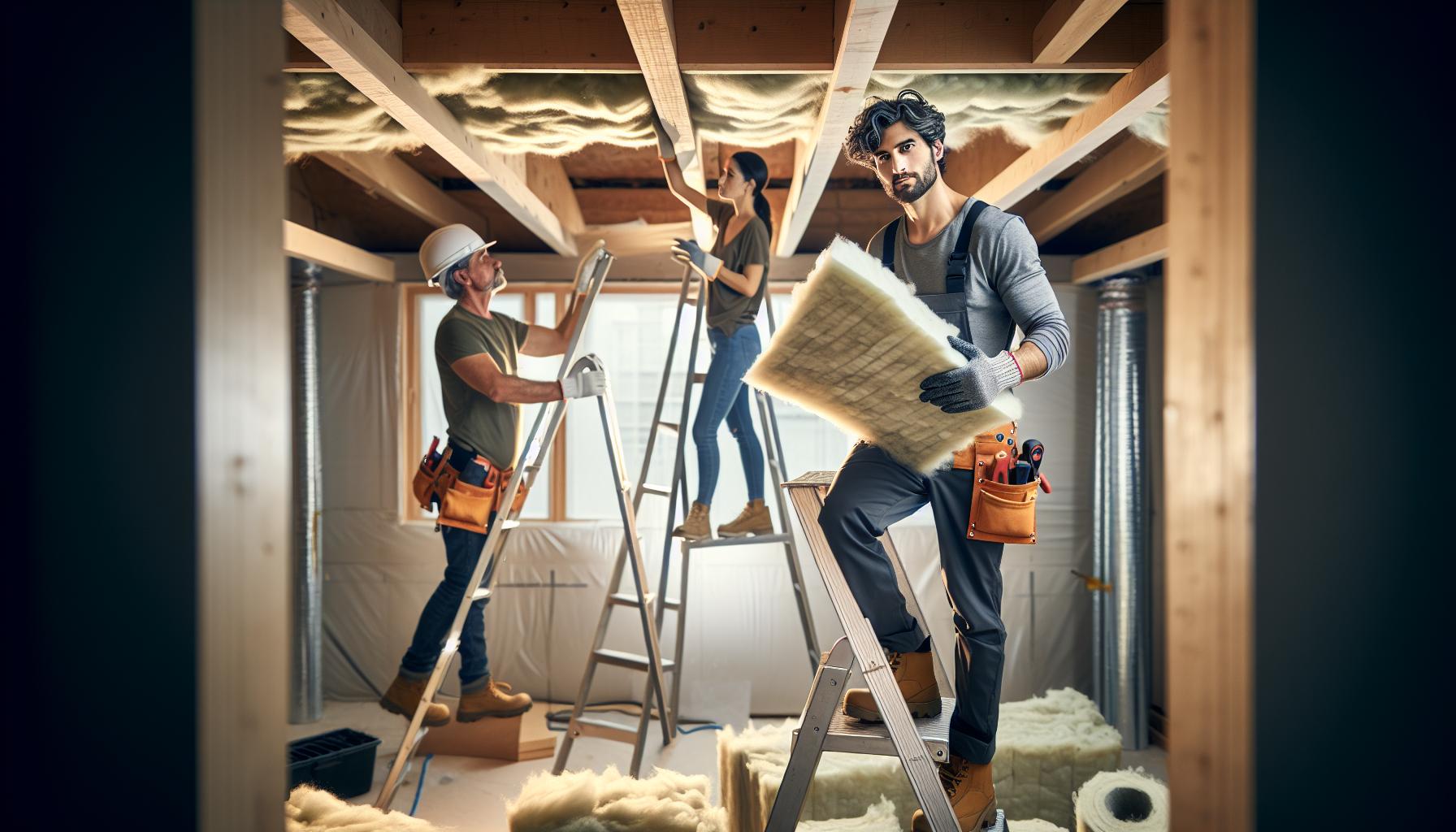
Insulating the ceiling of your trailer home is a vital step to reduce heat loss and enhance overall comfort. Proper insulation can help you maintain a stable indoor temperature, lowering heating and cooling costs significantly while creating a cozy living space. The process may seem daunting, but following a straightforward guide will benefit both novice DIYers and more experienced hands alike.
Gather Your Materials
Before beginning the insulation process, ensure you have all necessary materials on hand. You will typically need:
- Insulation material (fiberglass batts, spray foam, rigid foam boards, or rock wool)
- Protective gear (gloves, goggles, and mask)
- Utility knife or insulation saw for cutting
- Measuring tape
- Stapler or adhesive (depending on insulation type)
- Flap sealant for sealing gaps (if necessary)
Measure and Prepare the Ceiling
Start by measuring the area you intend to insulate carefully. This includes accounting for the length and width of the ceiling space you will be working on. Following your measurements, prepare the area by removing any existing ceiling panels or fixtures that could obstruct your work. Check for signs of moisture or mold, which may need addressing before you proceed. Clean the surface to eliminate dust and debris to ensure proper adherence of materials.
Install the Insulation
With your area prepared, it’s time to install the insulation:
- If using fiberglass batts, cut them to fit snugly between ceiling joists, ensuring there are no gaps. Use a staple gun to secure the paper backing to the joists.
- For spray foam insulation, shake the canister well (if it’s a DIY kit) and follow the manufacturer’s instructions for application. Ensure even coverage for an airtight seal.
- When applying rigid foam boards, cut them to size and fit them between the joists, sealing edges with adhesive or sealant to reduce thermal bridging.
Seal and Finish Up
Once the insulation is installed, inspect the joins and any gaps carefully. Use flap sealant to fill perceived gaps around insulation boards to prevent air leakage. Finally, reinstall any ceiling panels, fixtures, or finishes that were removed earlier. Clean up your workspace, and make sure to properly dispose of any waste materials.
By following these steps, you’ll ensure that your trailer home’s ceiling is properly insulated, significantly improving your living environment’s thermal efficiency and comfort.
Common Mistakes to Avoid When Insulating
When tackling the insulation of your trailer home’s ceiling, avoiding common pitfalls is essential to ensure effective thermal performance and comfort. Many DIY enthusiasts may underestimate the significance of choosing the right insulation material. For instance, while fiberglass batts are popular for their ease of installation, they need a careful fit to avoid gaps where air can escape. Always ensure your selected material meets the necessary R-value for your climate; R30 insulation is frequently recommended for ceilings, especially in multi-story setups, to prevent heat loss and improve energy efficiency [3[3].
Another frequent mistake is neglecting to properly prepare the ceiling before installation. Insulation works best on a clean, dry surface, free of moisture or debris. Failing to check for existing issues like mold or water damage can lead to poor insulation performance and even health risks over time. It’s wise to address any surface problems first by repairing leaks or cleaning away contaminants to ensure a successful application.
Additionally, improper sealing during installation can drastically reduce the insulation’s effectiveness. Air leaks around the edges of batts or boards allow heat to flow freely, undermining the whole process. Use flap sealant or appropriate adhesives to fill any gaps around the insulation. This attention to detail can prevent energy loss and keep your indoor environment cozy. Remember that the ultimate goal is not just installing insulation but creating an effective barrier against outside temperatures.
Lastly, timing matters when it comes to insulation. Installing insulation during extreme weather conditions can lead to errors; materials like spray foam may not adhere well in cold or damp conditions, while fiberglass can become harder to work with. Choosing the right day-clearly warm and dry-can make the task smoother and more productive. Educating yourself about the entire process and avoiding these common missteps will not only enhance your comfort but also extend the life of your insulation efforts.
How to Choose the Right Insulation Thickness
Choosing the appropriate thickness of insulation for your trailer home’s ceiling is crucial for maximizing energy efficiency and comfort. The thickness you select directly affects the R-value, which measures the insulation’s ability to resist heat flow. In colder climates, a higher R-value is essential to keep heat in, while in warmer regions, adequate insulation can also help keep your home cool by minimizing heat gain. Generally, for typical trailer ceilings, an insulation thickness of around 6 inches (for R-19) is a good starting point, but your specific climate and personal preferences may necessitate adjustments.
When deciding on the insulation thickness, consider both the existing ceiling structure and the type of insulation you plan to use. For instance, if you’re working with fiberglass batts, they typically come in precut sizes that correspond to standard stud spacing (usually 16 inches on center). To ensure a snug fit and optimal thermal performance, select a batt that fits well without compression, as compressed insulation loses some of its effectiveness. If you’re considering blown-in insulation, consult with professionals to determine the right amount to achieve the desired thickness efficiently.
Another factor that plays into your decision is the local building codes and energy efficiency standards. Checking with local regulations will ensure you’re not only meeting requirements but also benefiting from potential energy savings by adhering to recommended insulation levels. Additionally, you might want to explore different types of insulation materials. For example, spray foam insulation, while often more expensive, can provide a higher R-value per inch and seal around irregular shapes or gaps better than traditional batts.
In summary, the right insulation thickness requires careful consideration of your local climate, insulation type, and building standards. By investing time in this crucial decision, you’ll create a more energy-efficient and comfortable living space in your trailer home, significantly reducing heat loss and enhancing your quality of life.
DIY vs. Professional Insulation: Which is Best?
When considering how to insulate the ceiling of your trailer home, a significant decision lies in whether to tackle the task yourself or hire a professional. Each approach comes with distinct benefits and challenges that can affect not only the quality of the insulation but also your overall living experience. DIY projects can be rewarding and cost-effective, but they often require a certain level of skill, time, and careful planning. Conversely, hiring a professional can ensure that the job is done correctly and efficiently, which is especially important when it comes to ensuring a tight and effective seal against heat loss.
Choosing to do it yourself can empower you with a sense of accomplishment, not to mention the potential savings on labor costs. For those who are handy and have basic tools, installing insulation can be a manageable yet impactful home improvement project. You can find many resources online, including video tutorials and articles, that provide step-by-step guidance in selecting materials, calculating R-values, and installing insulation properly. Additionally, engaging in this project allows you to use eco-friendly materials, which can be beneficial both for personal satisfaction and for the environment. Keep in mind, however, that terms of effort and time investment should not be underestimated; you might need several weekends to complete the job.
On the other hand, opting for professional insulation can save you the hassle of potential mistakes and labor-intensive work, ensuring that the installation meets local building codes and energy standards. Professionals bring expertise, and many of them can provide warranties for their work, giving you peace of mind regarding the longevity and efficacy of your insulation. They can also access higher quality materials that may not be readily available to the general public. If you have an irregular ceiling structure or choose more complex insulation types like spray foam, a professional may be the best route to ensure a comprehensive and effective job.
Ultimately, the choice between DIY and professional insulation should be based on your comfort level with home improvement projects, your budget, and the specific requirements of your trailer home. Consider factors like your time availability, the potential for long-term energy savings, and the importance of a job well done. Whether you take on the project yourself or hire out, the goal remains the same: creating a well-insulated, energy-efficient living space that enhances your comfort and reduces heat loss.
Measuring and Preparing Your Ceiling for Insulation
When it comes to insulating the ceiling of your trailer home, proper measurement and preparation are vital steps that can lead to a successful project. Accurate measurements ensure you purchase the right amount of insulation material, while careful preparation can also save you time and effort during installation. By taking the time to get these two aspects right, you can enhance your living comfort and reduce energy costs significantly.
Start by gathering the appropriate tools, such as a tape measure, pencil, and a notepad. Begin measuring the length and width of the ceiling. If your trailer has a flat ceiling, these dimensions will be straightforward. However, for vaulted or irregularly shaped ceilings, consider breaking the area into smaller sections and measuring each separately. This detailed approach ensures that you don’t overlook areas that might require specific attention or different insulation methods.
Once you have your measurements down, it’s time to prepare the workspace. Clear the area of any furniture or debris, allowing for easy access to the ceiling. Inspect the existing ceiling structure for any signs of damage or moisture, as these issues need to be addressed before installing insulation. Repair any leaks or structural problems and consider cleaning the surface to avoid trapping dirt and dust under the new insulation. This ensures not only a clean installation but also enhances the longevity and effectiveness of your insulation.
Before purchasing insulation, it’s wise to consult the manufacturer’s guidelines for the specific product you choose, as they often provide recommended R-values for ceilings based on geographic location and climate. Additionally, remember to consider the installation type-whether you’re using batts, rolls, or spray foam-as this can affect the amount of insulation material you’ll need.
By taking these measured steps in preparation, you set yourself up for a successful insulation project that improves not just the energy efficiency of your trailer home but also your comfort and overall living experience.
Maintaining Your Insulation: Tips for Longevity
Maintaining the integrity and effectiveness of your ceiling insulation is crucial for ensuring comfort in your trailer home and maximizing energy efficiency. Regular maintenance can help you avoid costly repairs and prolong the lifespan of your insulation, saving you both time and money in the long run. Here are some key steps to keep in mind.
Start by performing periodic inspections of your insulation. During these checks, look for any signs of moisture, mold, or deterioration. Inspect for leaks that might be coming from the roof or from plumbing areas that pass through the ceiling. Addressing minor issues promptly can prevent them from escalating into significant problems. If you discover any dampness or water damage, remediate it immediately and replace any compromised insulation materials to maintain a healthy living environment.
In addition to monitoring for damage, it’s also essential to keep your attic or ceiling area ventilated. This helps to reduce humidity levels, which can contribute to condensation and mold growth. Ensure that ventilation fans are working effectively and that any vents are not blocked by insulation or debris. A well-ventilated space promotes airflow, helping maintain consistent temperature and moisture levels.
Another important aspect of maintenance is cleaning. Dust and debris can accumulate on insulation over time, diminishing its effectiveness. Use a vacuum with a soft brush attachment to gently clean exposed areas of insulation. Be careful not to disturb or compress the insulation, as this can reduce its R-value.
Lastly, consider the overall energy efficiency of your home. Review your heating and cooling systems to ensure they are functioning correctly and complement the insulation. If your bills seem unusually high, it might be time for a professional energy audit. This can provide insights into further improvements you may need to make, ensuring that your insulation continues to serve its purpose effectively.
By taking these steps, you can help ensure that your ceiling insulation remains effective, allowing you to enjoy a comfortable and efficient living environment in your trailer home for years to come.
Energy Efficiency Benefits of Insulating Your Ceiling
Insulating the ceiling in your trailer home can significantly enhance your energy efficiency, making a noticeable impact on both comfort and utility costs. Many trailer homeowners often overlook how much heat escapes through the ceiling, especially in winter months when heating systems are working overtime. By addressing this common issue, you can create a more stable indoor environment and lower your heating expenses over time.
One of the greatest benefits of proper ceiling insulation is its ability to regulate indoor temperature. When your ceiling is well-insulated, it acts as a barrier, preventing warm air from escaping during colder months and keeping the cooler air inside during the summer. This can not only help you maintain a comfortable temperature throughout the year but can also reduce the workload on your heating and cooling systems, extending their lifespan and reducing the need for costly repairs. Additionally, energy bills can decrease by 10-50% after insulation improvements, a considerable savings that can be redirected toward other home improvements or personal savings.
When choosing insulation, consider going with materials that are particularly effective for high R-values, such as spray foam or rigid foam boards. These materials can provide superior thermal protection and seal any gaps that may allow air loss. An insulated ceiling can also contribute to soundproofing your home, creating a quieter living space by minimizing noise from outside or between rooms.
Lastly, improved insulation can significantly enhance the resale value of your trailer home. Prospective buyers are increasingly looking for energy-efficient features, and homes that are equipped with modern insulation tend to attract more interest. By investing in ceiling insulation, you’re not only enjoying immediate benefits in comfort and cost savings but also enhancing the long-term value of your investment. Making these improvements could ultimately lead to a more sustainable and enjoyable lifestyle in your trailer home, so don’t wait to take action!
Cost Estimates for Ceiling Insulation Projects
Insulating your trailer home’s ceiling is a smart investment that can significantly reduce your energy bills and improve overall comfort. However, many homeowners hesitate to start due to potential costs. Understanding the financial aspect of this project can help you make informed decisions.
The cost of ceiling insulation can vary widely depending on several factors, including the type of material used, the size of your trailer, and whether you choose to do it yourself or hire a professional. Here’s a breakdown of typical costs associated with ceiling insulation projects:
- Materials:
- Fiberglass batts: $0.50 to $1.50 per square foot
- Spray foam: $1.50 to $3.50 per square foot (depending on type)
- Rigid foam board: $1.00 to $2.50 per square foot
- Labor: If you hire a professional, expect to pay an additional $1.00 to $2.00 per square foot for installation.
- DIY savings: Tackling the project yourself can save you up to 50% in costs but requires time, tools, and knowledge of safety practices.
For a typical 1,000 square foot mobile home, here’s a rough estimate of total costs based on the insulation type selected and installation method:
| Insulation Type | Material Cost | Labor Cost | Total Estimated Cost |
|---|---|---|---|
| Fiberglass batts | $500 – $1,500 | $1,000 – $2,000 | $1,500 – $3,500 |
| Spray foam | $1,500 – $3,500 | $1,000 – $2,000 | $2,500 – $5,500 |
| Rigid foam board | $1,000 – $2,500 | $1,000 – $2,000 | $2,000 – $4,500 |
While these numbers may seem daunting, consider the long-term savings on your energy bills and the potential increase in your home’s value. Upgrading your ceiling insulation can lead to energy savings of 10-50%, paying for itself over time. Plus, with various financing options available, many homeowners can find solutions that fit their budgets. Embracing this project not only enhances comfort and energy efficiency but is an empowering step towards creating a more sustainable living environment.
Improving Ventilation for Insulated Ceilings
Proper ventilation is crucial for maintaining a healthy and comfortable environment in your trailer home, especially when you’ve taken the step to install insulation in the ceiling. Insulation effectively keeps heat in during winter and out during summer; however, it can also trap moisture and lead to a buildup of stale air if not properly ventilated. This can create a breeding ground for mold and mildew, adversely affecting indoor air quality and potentially damaging your trailer structure over time.
To improve ventilation in insulated ceilings, consider installing roof vents or power vents. These systems allow warm, moist air to escape, promoting air circulation throughout your living space. When planning your ventilation strategy, take into account the specific layout and size of your trailer to determine the number of vents needed. For optimal performance, it can be helpful to install a vent towards the highest point of the roof and another lower down to allow for an effective air exchange.
Additionally, you might want to incorporate exhaust fans in high-usage areas such as the kitchen and bathroom. These will help to remove excess moisture generated from cooking or showering, further supporting healthy air quality. Another option to explore is the installation of windows that can open. Natural airflow can not only help expel stale air but also bring in fresh air, making your trailer feel more inviting and comfortable.
Lastly, regularly inspecting and cleaning your ventilation systems is vital. Dust and debris can accumulate and hinder the effectiveness of your vents, nullifying the benefits of your insulation efforts. By maintaining proper ventilation alongside effective insulation, you can create a more comfortable living environment that stays energy efficient throughout the year.
Signs Your Trailer Home Needs Better Insulation
Recognizing the signs that your trailer home needs better insulation can save you money on heating and cooling costs while improving overall comfort. One of the most noticeable indicators is fluctuating indoor temperatures. If you find yourself constantly adjusting the thermostat to maintain a comfortable atmosphere or if certain areas of your home feel considerably warmer or colder than others, your insulation may be inadequate.
Another significant sign is an increase in energy bills. If you notice an unexpected spike in your utility costs, it could be due to heat loss in the winter or heat gain in the summer, which indicates that your insulation is not performing as it should. Additionally, keep an eye out for drafts or air leaks around windows, doors, and ceilings; these areas often signify that the insulation is compromised, allowing outside air to seep in and disrupt your home’s climate.
Moisture issues can also signal a need for improved insulation. High humidity levels, mold growth, or condensation forming on walls and ceilings can indicate that the insulation is not effectively regulating moisture. This not only affects comfort but can lead to structural problems over time. Lastly, if your trailer home is older, it may have outdated or insufficient insulation that no longer meets modern energy efficiency standards. Upgrading the insulation can significantly enhance your home’s performance and comfort.
In summary, if you’re experiencing temperature inconsistencies, rising energy bills, noticeable drafts, moisture problems, or if your trailer is aging, it might be time to reassess your insulation situation. Taking prompt action can help maintain a cozy environment year-round and protect your investment in your home.
Concluding Remarks
By insulating the ceiling in your trailer home, you’re proactively stopping heat loss and creating a more comfortable living environment. Remember, enhancing your home’s energy efficiency not only reduces your utility bills but also increases overall comfort throughout the seasons. If you’re eager to learn more about home improvement projects, check out our guides on DIY insulation techniques and energy-efficient upgrades.
Don’t hesitate to put these techniques into action and transform your living space! For additional insights, consider subscribing to our newsletter for expert tips and resources on maintaining and upgrading your trailer home. Engage with us in the comments below – we’d love to hear about your insulation journey or any questions you may have! Together, let’s make your trailer living experience as efficient and enjoyable as possible.