As housing options diversify, many potential homeowners find themselves asking-what sets a modular home apart from a trailer? This distinction is essential for anyone considering alternative living arrangements, as each option offers unique benefits and challenges. Modular homes, built in sections in controlled environments, are designed for longevity and energy efficiency, often reflecting traditional home aesthetics. In contrast, trailers, often viewed as more temporary solutions, serve different lifestyles and budgets. Understanding these differences can help you make informed decisions about your living situation, whether you’re seeking stability or mobility. Join us as we delve into the key characteristics that define these two housing types, empowering you to choose the right fit for your needs.
What is a Modular Home?
A modular home stands out in the housing market not only for its unique construction method but also for the numerous advantages it offers to homeowners. These homes are built in sections or “modules” in a factory setting, then transported to the site and assembled. This streamlined approach significantly reduces construction time while ensuring a higher quality build, as factory conditions allow for better oversight and consistency in construction standards.
Unlike traditional site-built homes, whose construction can be delayed by weather and other site-specific issues, modular homes are less susceptible to such interruptions. They can be completed in a fraction of the time-often within a few months-offering a faster pathway to homeownership. The modular construction process also emphasizes sustainability, often using environmentally friendly materials and practices. This approach enables modular homes to boast a lower environmental footprint compared to other housing options.
One of the most appealing aspects of modular homes is their versatility in design. Buyers can choose from a variety of floor plans, styles, and finishes, tailoring their home to fit personal tastes and spatial needs. This not only enhances buyer satisfaction but also contributes to the overall value of the property, as homes can be customized without the excessive costs associated with traditional renovations.
It’s essential for potential buyers to understand that while modular homes offer several advantages, they still follow strict building codes and regulations, ensuring they meet the same standards as traditional homes. With the right information and resources, investing in a modular home can be an exciting step towards modern, sustainable, and affordable living.
Understanding Trailer Homes and Mobile Units
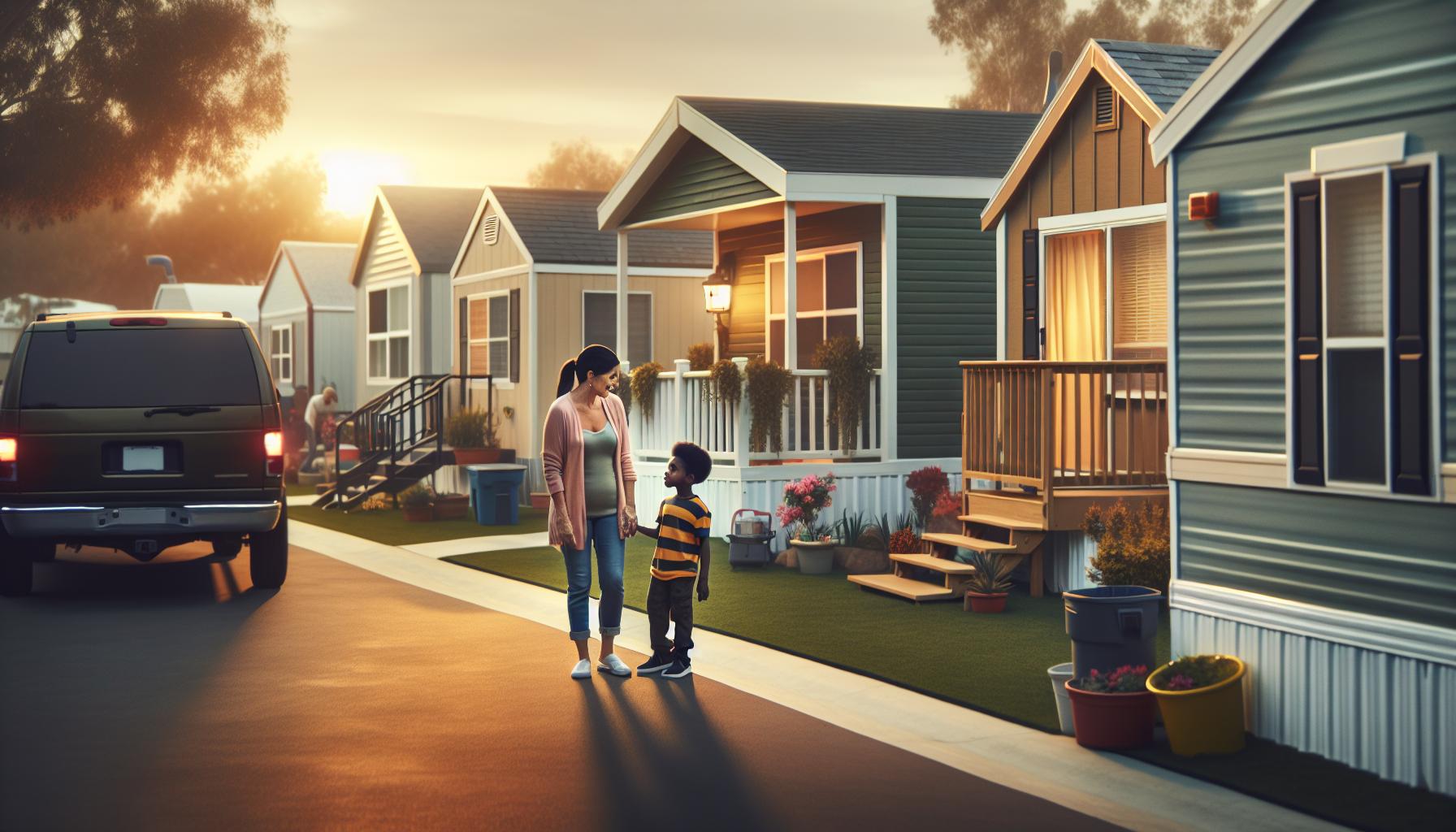
Trailer homes and mobile units often evoke a sense of nostalgia and simplicity, offering a unique lifestyle to their residents. These homes typically provide affordable housing options without sacrificing comfort or style. Understanding the characteristics and practicalities of trailer homes can make this living choice more appealing. Trailer homes, also referred to as mobile homes, are constructed in a factory and designed to be transported to their intended sites. Unlike traditional modular homes that are built in sections and assembled on site, trailer homes are generally prefabricated as a single unit or in two segments that can be easily moved.
One of the primary advantages of trailer homes is their affordability, which makes them accessible to a broader range of buyers. They can often be purchased for a fraction of the cost of a standard home, appealing to first-time buyers or those looking to downsize. Furthermore, many investors consider trailer homes a viable option for rental properties due to their lower entry price and ongoing demand. When thinking about purchasing a trailer home, it’s essential to conduct thorough research on the available options in your area, including different styles, sizes, and condition.
Maintenance of trailer homes is generally straightforward but requires attention to specific areas. Residents should regularly check for signs of wear and tear, including the roof, plumbing, and electrical systems. Simple tasks, such as cleaning gutters, inspecting seals around windows and doors, and ensuring that the foundation is stable, can go a long way in prolonging the life of a mobile unit. Additionally, personalized renovation projects, such as updating fixtures or adding insulation, can greatly enhance comfort and energy efficiency.
It’s essential also to know the legal and regulatory landscape surrounding trailer home living. Many communities have specific zoning laws that govern where mobile homes can be placed, and whether they are allowed in particular neighborhoods. Understanding local regulations helps ensure compliance and avoids future complications. By exploring the various facets of trailer living-costs, maintenance, and legal considerations-prospective buyers can make informed choices that suit their needs and lifestyle.
Key Differences Between Modular Homes and Trailers
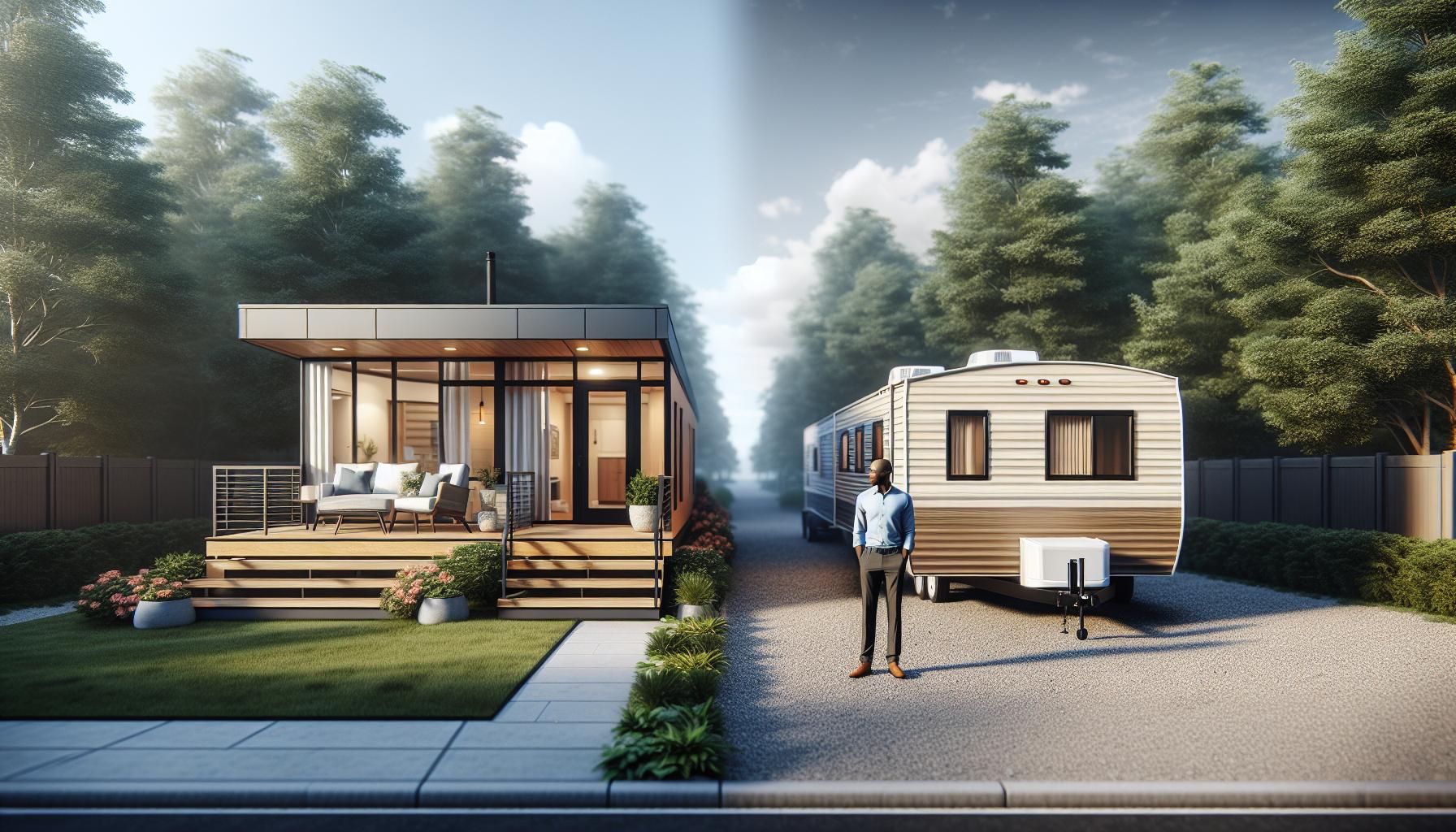
The distinction between modular homes and trailers is significant, affecting everything from construction to legality and lifestyle. Modular homes are generally constructed in sections in a factory setting and then transported to the site for assembly. This means they are built to the same building codes and regulations that apply to traditional site-built homes, ensuring a high quality of construction and greater durability over time. On the other hand, trailers, or mobile homes, are often constructed as a single unit or in two segments. They are designed for mobility and typically hold different standards, which can affect their longevity and structural integrity.
Construction Standards
When assessing the differences in construction standards, modular homes adhere to local building codes that require them to be built to the same standards as conventional homes. This means better insulation, superior materials, and long-lasting quality. Conversely, trailers are built according to a different set of codes managed by the Department of Housing and Urban Development (HUD). Because of this, they may be less robust in terms of insulation and materials, which can affect their durability and maintenance needs over time.
Mobility
In terms of mobility, trailers are designed to be moved; they often come with wheels and can be transported to different locations easily. This mobility can appeal to those seeking flexibility but might come at the cost of stability. Modular homes, while movable, are not intended to be relocated after setup. This makes them more stable and often more suitable for long-term living situations.
- Mobility: Trailer homes are easy to move; modular homes are not.
- Construction Quality: Modular homes usually exceed trailers in quality and durability.
- Foundation: Modular homes require a permanent foundation; trailers do not.
Legal Regulations
Legal regulations also differ significantly between the two types of housing. Modular homes are considered real property, which means they come with land ownership rights and are eligible for traditional mortgage financing. Conversely, trailers are often classified as personal property, which can complicate financing options and legal ownership, especially when placed in trailer parks where restrictions often apply.
In summary, while both modular homes and trailers offer alternative housing solutions, their differences in construction quality, mobility, and legal classifications can greatly impact lifestyle and financial decisions. Understanding these distinctions can empower potential buyers to make informed choices that best suit their living preferences and financial circumstances.
Construction Standards: Modular vs. Trailer
The construction standards of modular homes and trailers reveal significant differences in quality, durability, and compliance with local regulations. Modular homes are built in a controlled factory environment, adhering to stringent local building codes, which ensures they meet the same standards as traditional site-built homes. This includes using high-quality materials and superior insulation, which can lead to energy efficiency and longevity. Many modular homes are equipped with features that allow for better structural integrity, making them well-suited for various climates and ensuring they withstand the test of time.
In contrast, trailers or mobile homes follow a different set of construction guidelines established by the Department of Housing and Urban Development (HUD). While this regulatory framework is designed to ensure minimum safety and performance standards, trailers generally utilize less expensive materials and construction methods. This can affect their insulation and overall durability, resulting in greater maintenance needs over time. For example, the roofing materials used in trailers may not provide the same level of protection against extreme weather conditions as those in modular homes do.
Quality Factors
- Materials: Modular homes are often constructed with higher-grade materials than trailers, leading to better long-term performance.
- Insulation: Modular homes typically have better insulation, contributing to energy efficiency and comfort.
- Durability: The rigorous building codes for modular homes often result in structures that are significantly more durable than those of trailers.
When considering which option might be right for you, it’s essential to think about how these construction standards align with your lifestyle and needs. A modular home may provide a more stable and robust living environment, particularly suited for long-term residence, whereas a trailer offers greater mobility but may require more frequent maintenance. Understanding these differences is crucial for making informed decisions about your housing options.
Cost Considerations: Buying Modular vs. Trailer Homes

The financial considerations when deciding between a modular home and a trailer can significantly influence your long-term housing experience. Generally, modular homes have a higher initial purchase price compared to trailer homes, with costs reflecting their superior construction quality and materials. On average, a modular home can range from $100 to $400 per square foot, while trailers typically come in at around $50 to $150 per square foot. This price difference is often associated with the durable construction and adherence to stringent building codes of modular homes, making them a wise investment for many buyers.
When evaluating the overall cost, it’s essential to consider not only the purchase price but also the long-term expenses related to maintenance, insurance, and energy efficiency. Modular homes are typically more energy-efficient due to better insulation and building materials, which can translate to lower utility bills over time. On the other hand, while trailer homes may be less expensive upfront, they often require more frequent repairs and updates due to the use of lower-quality materials. This consideration is particularly important if you plan to live in the home long-term, as maintenance costs can accumulate quickly.
Financing Options
Financing a modular home can also differ significantly from obtaining a loan for a trailer. Traditional mortgage lenders often treat modular homes like conventional homes, which may offer better interest rates and more favorable lending conditions. In contrast, financing options for trailers may fall under personal property loans, which tend to have higher interest rates and shorter terms. Understanding these lending dynamics can help buyers make informed decisions based on their financial situations.
Whether you lean towards a modular home or a trailer, being mindful of the associated costs and financing avenues will ensure that you choose the right option for your lifestyle and budget. By weighing these financial considerations wisely, you can achieve a living arrangement that not only meets your needs but also aligns with your long-term financial goals.
Insurance Differences: Modular and Trailer Home Coverage
When considering insurance for modular homes and trailer homes, understanding the differences in coverage can significantly impact your financial security. Modular homes, which are built to more rigorous standards similar to conventional houses, often enjoy a broad range of insurance options. They typically qualify for homeowners insurance, which provides comprehensive coverage against risks like fire, theft, and natural disasters. This type of coverage can include protection for both the structure and personal belongings, making it a more robust option compared to insurance for mobile homes.
In contrast, trailer homes, often classified separately from traditional dwellings, may not have access to the same level of insurance. They are usually considered personal property rather than real estate, which can lead to somewhat limited options such as mobile home insurance. This coverage often focuses more narrowly on protection against liability and damage to the unit itself, sometimes excluding coverage for personal items. Therefore, it is crucial for prospective trailer home owners to scrutinize their options and understand exactly what is included in their policies.
Key Coverage Differences
- Modular Homes:
– Generally covered under homeowners insurance.
– Comprehensive coverage includes structural, personal property, liability, and additional living expenses.
– Often eligible for policy discounts based on construction quality and energy efficiency.
- Trailer Homes:
– Typically covered under mobile home insurance.
– Coverage usually emphasizes liability and basic structural protection.
– May have limited coverage for personal property, necessitating separate policies for valuables.
Assessing the right insurance for your home-whether modular or trailer-often hinges on understanding these distinctions and preparing for any specific requirements that may arise. For example, some lenders may require specific types of insurance coverage before approving a loan, particularly if you are financing your modular or trailer home. Checking with your insurance provider for specific policy details and recommendations is advisable to ensure adequate protection for your investment.
Being well-informed about your insurance options not only protects your home but also provides peace of mind as you navigate the responsibilities of homeownership. Whether you opt for a modular home with more extensive insurance benefits or a trailer home, understanding these coverage differences can significantly influence your long-term financial planning and safety.
Advantages of Choosing a Modular Home
Choosing a modular home can be a significant decision, and many people are surprised to learn about the numerous benefits it offers. Unlike trailers or mobile homes, modular houses are built in a factory setting and assembled on-site, ensuring a high level of quality control throughout the construction process. One standout feature of modular homes is their customizability. Buyers can select various layouts, finishes, and features to create a space that perfectly matches their lifestyle and preferences, from energy-efficient installations to modern appliances.
Building a modular home often results in a faster construction timeline compared to traditional on-site builds. This efficiency can lead to lower overall costs since labor and materials are better managed within a factory setting. Moreover, these homes are constructed to adhere to the same local building codes and standards as conventional houses, enhancing their safety and durability. With these rigorous standards, modular homes typically have lower maintenance requirements and a longer lifespan, making them a smart investment.
Another advantage of opting for a modular home is the financing options available. Many lenders offer favorable terms for modular homes because they are considered real estate rather than personal property. This distinction allows homeowners to take advantage of conventional mortgage rates and may even qualify for government-backed loans, increasing accessibility for buyers.
Moreover, modular homes are often energy-efficient, as they can be designed with modern insulation and HVAC systems that can reduce utility bills and environmental impact. This focus on energy efficiency not only saves money in the long run but also contributes to a healthier living environment.
In summary, the combination of customizability, speed of construction, financial advantages, and energy efficiency makes modular homes an appealing choice for many potential homeowners looking to find the perfect blend of functionality and style in their living spaces.
Limitations of Modular Homes Compared to Trailers
Modular homes, while offering numerous benefits, also come with certain limitations when compared to trailer homes. One significant drawback is the flexibility of relocation. Modular homes are typically set on permanent foundations, making them less mobile than trailers, which can be moved easily. This means that if a homeowner desires to change their location, a modular home requires considerable effort and expense to disassemble and transport, whereas trailers can often be moved with just a truck and a few hours of work.
Cost Implications
Although modular homes can be cost-effective in the long run, the upfront costs might be higher than those of trailer homes. Trailers, particularly used models, can be significantly cheaper than new modular constructions. Buyers looking for immediate affordability might find trailer homes more financially attainable, especially for those on a tight budget or first-time homeowners. Additionally, while modular homes typically fall under real estate with associated property taxes, trailers may be categorized as personal property, which can affect tax rates and annual costs.
Design and Customization
In terms of space, trailers often provide a unique advantage with design flexibility. Many trailer homes are designed to maximize space with built-in furniture and multi-functional areas, which can make them feel more spacious despite their smaller footprint. Modular homes, though customizable, usually maintain more rigid layouts as they adhere to building codes and standards, resulting in less variation in floor plans. Buyers seeking a minimalistic lifestyle might find that trailers cater better to their needs for efficient living spaces.
Community and Lifestyle
The lifestyle associated with trailer living differs significantly from that of modular homes. Trailer parks often foster a close-knit community, where residents interact regularly, leading to a sense of belonging that some modular homeowners may not experience in more dispersed developments. This communal aspect can be particularly appealing for those looking to connect with neighbors in a vibrant, social environment.
Embracing the unique characteristics and advantages of both modular homes and trailers can help potential homeowners make informed decisions. Understanding these limitations is crucial for finding the right fit for lifestyle, budget, and long-term goals.
Common Misconceptions About Trailer Homes
The perception of trailer homes is often clouded by misconceptions that can deter potential homeowners from considering them as viable living options. One of the most common misunderstandings is that trailer homes lack quality or durability compared to traditional houses or modular homes. In reality, modern manufactured homes are built to stringent safety and quality standards, often exceeding those of conventional homes. Many are constructed with robust materials like steel framing and energy-efficient insulation, making them both durable and sustainable living solutions.
Another frequent myth revolves around the idea that trailer homes offer limited space and design flexibility. This is far from the truth; many today are designed with open floor plans and a variety of layout options that can cater to different lifestyles. Some models feature high ceilings, large windows, and customizable interiors that allow homeowners to personalize their living space, making it not only functional but also aesthetically pleasing. Additionally, advancements in design and technology mean that trailers can incorporate modern conveniences and smart home features.
Financially, many believe that trailer homes are merely a temporary solution or significantly lower in value over time. While it’s true that they may depreciate differently than modular homes when treated as personal property, the reality is that well-maintained trailer homes can retain their value or appreciate similarly to traditional homes, especially in desirable locations. Furthermore, financing options have expanded significantly, with many lenders now offering competitive rates and terms dedicated to manufactured home buyers.
Addressing the social stigma around trailer living is also essential. Living in a trailer park does not equate to a lack of community or status; many trailer parks foster a strong sense of community where residents support one another and build lasting friendships. This communal spirit can offer a lifestyle as rich and fulfilling as that found in traditional neighborhoods.
Understanding these realities can empower individuals seeking affordable housing solutions to make informed decisions. By dispelling these common misconceptions, potential buyers may find that trailer homes can offer both an attractive lifestyle and a practical housing solution that meets their needs.
Legal Regulations: Modular Homes vs. Trailer Parks
Legal considerations play an essential role in determining where and how modular homes and trailers can be placed, affecting long-term viability for homeowners. Modular homes are typically subject to the same building codes and regulations as traditional homes. These homes are constructed in a factory but must be installed on a permanent foundation and often comply with state and local zoning laws. Because modular homes are viewed as permanent structures, they may be eligible for residential financing options, property taxes, and benefits similar to traditional homes. Homeowners can enjoy a sense of permanence and stability, enhanced by the legal protections that accompany real property ownership.
In contrast, trailer homes-commonly referred to as mobile or manufactured homes-often exist in specialized zones or trailer parks. These communities are governed by a set of rules and regulations that differ from those governing modular homes. Each trailer park may have its own specific regulations regarding how homes are maintained, renovations allowed, and community conduct. As such, potential buyers should always review the park’s lease agreements and rules before making a purchase. Understanding these legal frameworks ensures that residents know their rights and responsibilities, fostering a harmonious community atmosphere.
Moreover, when considering financing, it’s crucial to note how these homes are categorized legally. Modular homes, being similar to traditional residences, can be financed through standard mortgage loans. In contrast, trailer homes often require chattel loans, which classify them more like vehicles than real property. This distinction can make a significant difference in interest rates and loan terms. Therefore, before embarking on a home purchase journey, prospective owners should carefully weigh the legal languages, funding methods, and implications that accompany modular versus trailer home ownership, leading to a more informed and beneficial investment in their future housing.
Maintenance Tips for Modular and Trailer Homes
Maintaining a home can often feel daunting, but understanding how to care for your modular or trailer home can enhance its lifespan and livability. Both types of homes offer unique challenges and opportunities when it comes to maintenance, and adopting a proactive approach can ensure they remain in good condition for years to come.
Regular inspections are vital for both modular and trailer homes. Start by checking for any signs of exterior wear, such as peeling paint or damaged siding. A thorough inspection of the roof should be performed at least once a year, particularly after heavy storms. Look for missing shingles, signs of leaks, or any branches that could potentially cause damage. If you notice any issues, addressing them quickly can prevent costlier repairs down the line.
Basic Maintenance Tips for Your Home:
- Sealing and Weatherproofing: Regularly check the seals around windows and doors. Reapply weather stripping or caulk where necessary, as this helps reduce energy costs and protect against moisture.
- Drainage: Ensure that gutters and downspouts are clear of debris to prevent water damage. Proper drainage is especially crucial for trailer homes, which are often more susceptible to flooding.
- HVAC Maintenance: Schedule routine maintenance for heating and cooling systems to promote efficiency and longevity. Change filters regularly, and consider having a professional service your system before extreme weather seasons.
- Foundation Check: For modular homes, it’s essential to monitor the integrity of the foundation. Look for cracks or shifts that could indicate settling or drainage problems.
Enhancing the interior of your home not only boosts your comfort level but can also increase its value. Small renovation projects, such as upgrading kitchen fixtures or painting walls, can make a significant difference. Additionally, always ensure any electrical or plumbing updates are performed by licensed professionals to guarantee safety and compliance with local codes.
Taking time to familiarize yourself with specific maintenance practices for modular and trailer homes can transform how you experience your living space. By participating in these aspects of home care, you create a sanctuary that reflects your personal style while ensuring it’s a safe, efficient, and enjoyable space for you and your family.
Financing Options for Modular and Trailer Homes
Exploring the financing options available for modular and trailer homes is essential for anyone considering these alternative housing solutions. Many potential buyers may not realize that the financial landscape for modular and trailer homes can vary significantly, influencing their decision-making process. Understanding these differences can help you choose the best path forward in securing your own comfortable living space.
Financing for modular homes typically involves traditional mortgage options, as they are often considered real property. Buyers can approach banks and credit unions for home loans that can cover the entire cost of the home plus land if needed. Some lenders may offer specialized financing programs or personal loans designed for modular homes, which can lower interest rates and provide flexibility in payment terms. As a modular home is built to the same codes as a site-built home, it generally qualifies for standard financing options, allowing for more favorable loan terms.
In contrast, financing for trailer homes, often classified as personal property, might not be as straightforward. Many lenders may only offer personal loans for these types of homes, which are usually at higher interest rates compared to traditional mortgages. Some buyers choose to finance a trailer home through a Chattel loan, specifically designed for mobile or manufactured homes, which allows for more flexible payment plans but may not build equity in the same way a mortgage would. Additionally, some trailer parks may have specific financing options available through their management, which could ease the borrowing process.
When considering your options, it’s essential to shop around and compare financing offers carefully. Understanding your credit score, evaluating your budget, and determining the long-term goals for your housing investment will significantly impact your financing strategy. Consulting with a financial advisor or a mortgage broker who understands the nuances of mobile and modular home financing can provide valuable insights. With the right approach, you can find the financing solution that best fits your needs and sets you on the path to homeownership, whether you choose a modular home or a trailer.
Future Outlook
In summary, distinguishing between a modular home and a trailer reveals the significant advantages of modular living, from superior construction quality to greater customization options. If you’re considering making a long-term housing decision, now is the perfect time to explore your options further. Don’t miss out on valuable resources available to you; check out our guides on financing basics and maintenance tips for modular homes to ensure you make the best choice for your needs.
Ready to take the next step? Browse our extensive floor plans and find the perfect match for your lifestyle today. Join our newsletter for updates on the latest modular home trends, tips, and exclusive offers. Your dream home is within reach-let’s make it a reality together! Share your thoughts and experiences in the comments below; we love hearing from our community.