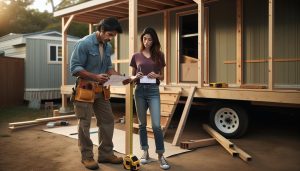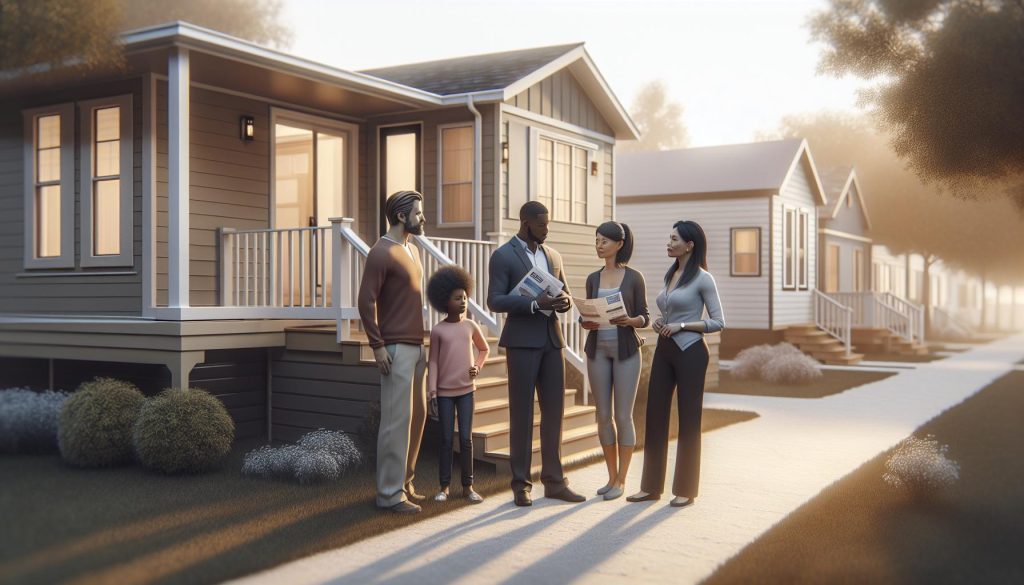
Buying a trailer home can be an exciting and fulfilling journey, yet it often comes with unexpected challenges. Did you know that a significant number of new buyers overlook critical factors that can lead to costly mistakes? Understanding the nuances of the purchase process will not only save you money but also enhance your enjoyment of your new home. Whether you’re a first-time buyer or looking to downsize, this comprehensive guide outlines eight essential steps to help you navigate the complexities of buying a trailer home. By focusing on key considerations-like inspection, financing, and location-you can avoid common pitfalls and secure a space that meets your needs and desires. Dive in to empower yourself with knowledge and make your trailer home purchase a seamless and rewarding experience!
Choosing the Right Type of Trailer Home for Your Needs
When considering the purchase of a trailer home, the selection process can significantly impact your living experience. Each type of trailer home caters to different lifestyles, family sizes, and mobility needs. Understanding these variations ensures you choose a home that aligns with your budget and lifestyle preferences.
Trailer homes primarily fall into two categories: travel trailers and mobile homes. Travel trailers, as the name suggests, are built for mobility and are typically lighter, allowing for easier towing with vehicles. They can range from compact units to larger models with multiple rooms. Mobile homes, on the other hand, are designed for longer stays, often placed in a permanent location and can resemble traditional homes in layout and design. Thus, determining how often you plan to move and your living needs is crucial.
Consider Your Needs
To identify the right type, consider factors like:
- Length of Stay: How long do you plan to reside in your trailer? If it’s a temporary solution, a travel trailer may suffice. For a more permanent setting, a mobile home is more practical.
- Family Size: Larger families may require a mobile home with more space and facilities, while singles or couples might find smaller travel trailers adequate.
- Budget: Evaluate both initial purchase prices and maintenance costs. Mobile homes typically come with more substantial upfront costs but also offer the advantage of stability and more space.
- Local Regulations: Some areas have zoning laws that might restrict the type of trailer homes you can park; researching these beforehand can save you headaches later.
Another important consideration is your lifestyle preferences. If you enjoy exploring new places regularly, a travel trailer can offer you the flexibility to move with ease. In contrast, if you prefer a stable base with home-like comforts, a mobile home may be a better fit. Whichever path you choose, ensuring that your trailer home reflects your needs will create a more enjoyable and sustainable living environment.
Understanding the Costs: Budgeting for a Trailer Home
Making the leap into trailer home living can be an exciting adventure, but understanding the financial landscape is crucial to ensuring that your dream doesn’t turn into a financial burden. Trailer homes, including both travel trailers and mobile homes, come with a unique set of costs that prospective buyers must consider. Not only do you have the initial purchase price to factor in, but also ongoing expenses that can significantly impact your monthly budget.
When budgeting for a trailer home, it’s essential to break down the costs into several categories. First, consider the initial expenses, which include the purchase price, taxes, registration fees, and potential delivery costs. Mobile homes may require more considerable upfront investment compared to travel trailers due to their larger size and the amenities they often provide. For instance, new mobile homes can start in the tens of thousands, while used models or small travel trailers may be more budget-friendly.
Following the initial investment, anticipate ongoing costs. This can encompass utilities such as water, electricity, and sewage; these can vary widely depending on your location, infrastructure, and personal usage. It’s also advisable to set aside funds for maintenance-experts recommend budgeting 1-3% of the home’s value each year for repairs and upkeeptrailer home living fully.
Essential Features to Look for When Buying
When preparing to purchase a trailer home, understanding which features will enhance your living experience is crucial. A thoughtfully designed trailer home can offer comfort, functionality, and the flexibility to adapt to your lifestyle, ultimately making your investment worthwhile. Here are key features to consider as you begin your search.
Space and Layout
First and foremost, assess the space and layout. Consider your daily activities and how much room you need to function comfortably. Look for an efficient floor plan that maximizes usable space. Features like slide-outs can create additional living space when parked, making a small trailer feel much larger and more accommodating. Open-concept designs help create an inviting atmosphere, allowing for easy flow between rooms.
Quality of Construction
Next, focus on the quality of construction materials used in the trailer. A well-built trailer home utilizes durable materials that withstand wear and tear over time. Consider models with 2×4 framing instead of 2×2, which provides better structural integrity. Roofs made from metal can be more resilient against weather conditions compared to asphalt shingles, while fiberglass insulation improves energy efficiency and comfort. Take the time to examine the quality of finishes and fixtures as well, as these can impact both aesthetics and longevity.
Utilities and Amenities
Another vital aspect to look for is the utilities and amenities. Ensure the trailer is equipped with essential systems such as heating, cooling, and plumbing. Features like energy-efficient appliances not only reduce utility bills but also increase your comfort and convenience. Additionally, ample storage solutions, such as built-in cabinets and outdoor compartments, can help keep your space organized without feeling cramped. Evaluate how the kitchen and bathroom layouts meet your needs; a functional kitchen with enough prep space and a bathroom designed for efficiency can significantly enhance your day-to-day living.
Safety Features
Lastly, consider the safety features that the trailer home offers. Look for models that come with smoke detectors, carbon monoxide detectors, and fire extinguishers to ensure a safe living environment. Additionally, strong exterior locks and secure windows provide peace of mind. Some trailers may also include features like emergency exits and reinforced frames for added protection when traveling or parked.
By focusing on these essential features, you can make an informed decision when selecting your trailer home. Remember, investing in a well-equipped and thoughtfully designed living space not only enhances your quality of life but also safeguards your investment for years to come.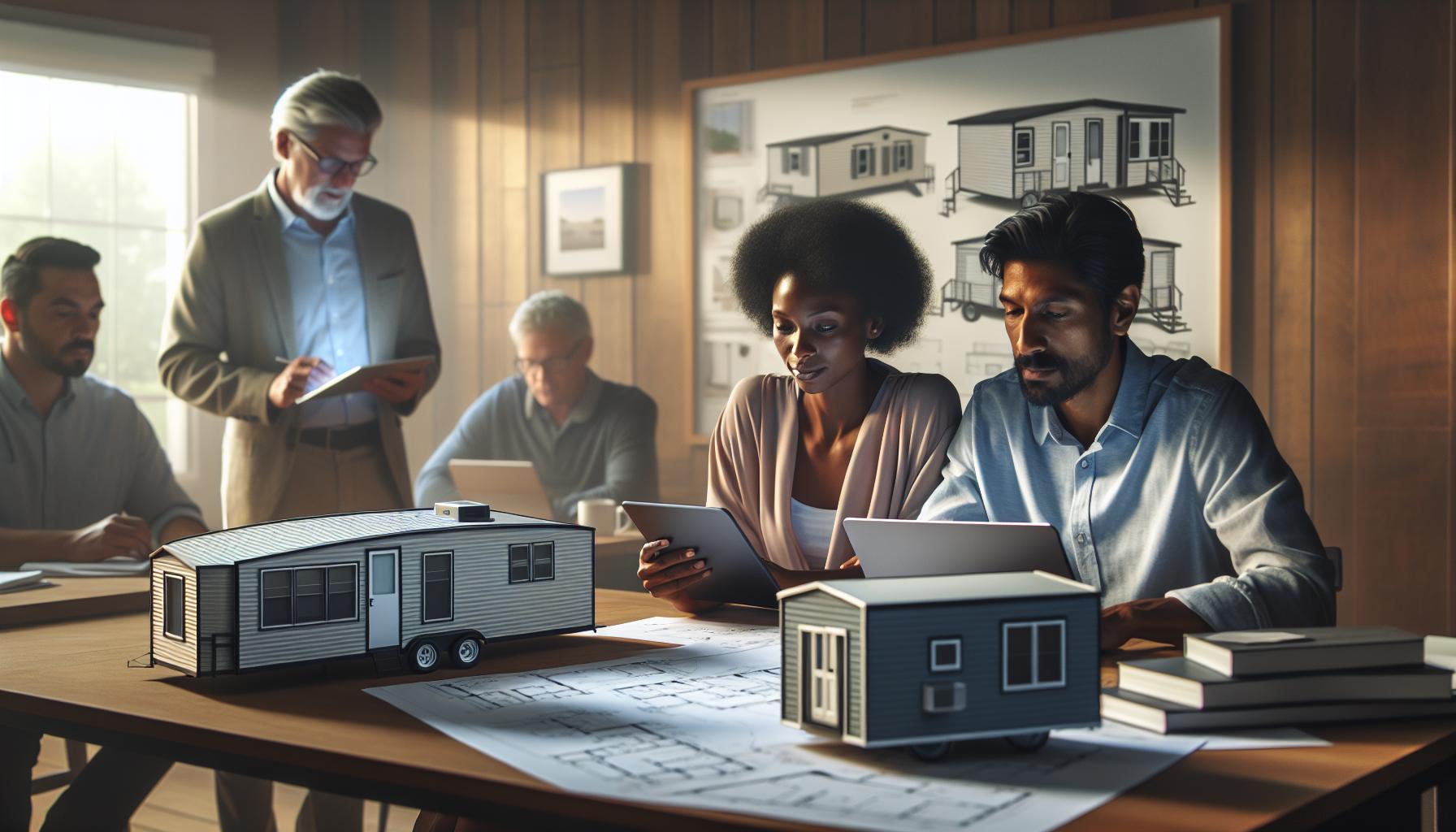
Researching Trailer Home Manufacturers and Models
When embarking on the journey of purchasing a trailer home, understanding the landscape of manufacturers and models is crucial. Not all trailers are created equal, and diverse options cater to various needs, preferences, and budgets. Take the time to explore various brands, as they often have distinctive features, construction quality, and level of customer service. Recognizing which manufacturers have a solid reputation can save you time and money in the long run.
One effective strategy for gathering information about trailer home manufacturers is to delve into customer reviews and ratings. Websites dedicated to housing reviews often provide insights from current owners about their experiences with specific models and manufacturers. Look for recurring themes in the feedback, such as build quality, customer service, and ease of maintenance. Engaging with online communities and forums can also provide real-world experiences that help you identify reputable brands.
Another essential aspect is evaluating the range of models offered by manufacturers. Each model may have variations in size, layout, and features. Whether you’re looking for a cozy single-wide or a spacious double-wide, it’s essential to understand the options available. Manufacturers may specialize in certain styles or types, including eco-friendly models or those designed for off-grid living. By making a list of potential manufacturers, you can delineate which brands align with your specific needs and preferences.
Don’t forget to consider warranty options when researching manufacturers. A solid warranty can provide peace of mind, reflecting the manufacturer’s confidence in their product. Additionally, inquire about the availability of replacement parts and customer support. Understanding the long-term implications of your purchase will enhance your overall satisfaction, ensuring that your investment in a trailer home remains a wise one for years to come. By methodically researching and comparing manufacturers and models, you’ll be well-equipped to make an informed decision when it comes time to purchase your trailer home.
Inspecting a Trailer Home: Key Areas to Evaluate
When inspecting a trailer home, the goal is to ensure that it aligns with your expectations and provides a safe, comfortable living environment. First and foremost, pay attention to the exterior condition of the trailer. Look for signs of damage, such as rust, dents, or cracks in the siding that could indicate potential water leaks or structural issues. Roof condition is a crucial aspect; inspect for any sagging, missing shingles, or signs of wear and tear, as these can lead to costly repairs if not addressed promptly.
Once you’ve evaluated the exterior, shift your focus to the interior. The first step is to check all entry points, including doors and windows, for proper sealing and functionality. Ensure that they open and close smoothly without gaps that could lead to drafts or water intrusion. Additionally, examine the flooring for any soft spots or damage, as this can hint at underlying issues, such as moisture problems or wood rot.
Moving to the kitchen and bathroom areas, look for water stains or discoloration, particularly around sinks, showers, and toilets. These can signify leaks or inadequate plumbing that might require immediate attention. It’s also wise to systematically test all appliances to verify their working condition. Turn on the stove, refrigerator, and any built-in features to assess their efficiency and functionality.
Lastly, don’t overlook the importance of assessing the trailer’s underpinning and foundation, especially if it will be stationary for an extended period. Make sure that it is level and stable, as this significantly affects the overall integrity and longevity of the home. An inspection checklist can help you systematically evaluate key areas, ensuring that nothing gets overlooked. By approaching the inspection process meticulously, you can avoid costly surprises down the road and ensure that your trailer home truly meets your needs.
Navigating Financing Options for Your Trailer Purchase
Exploring financing options for your trailer purchase is an essential step that can significantly impact your overall investment. Many potential buyers are surprised to learn that financing a trailer home can be quite different from securing a mortgage for a traditional house. Being informed about the available options can help you make the best financial decision for your lifestyle.
Several avenues exist when it comes to financing a trailer home. Financing through a bank or credit union is a common choice; they often provide personal loans specifically tailored for mobile homes and trailers. As you evaluate these options, be sure to shop around, as interest rates can vary widely. Another option is a manufactured home loan, available through specialized lenders who understand the unique aspects of trailer homes. These loans usually come with terms and conditions similar to traditional mortgages, so they may require a down payment of around 5% to 20%.
For those seeking less conventional methods, consider seller financing. This can be a viable option, especially if you’re working with a private seller who is motivated to sell. In this scenario, the seller essentially acts as the lender, allowing you to make payments directly to them. It’s crucial, however, to ensure that both parties have a clear agreement in writing to avoid any future disputes.
Before committing to any financing option, assess your budget meticulously. Calculate not just your monthly payments, but also factor in insurance, taxes, upkeep, and utility costs to understand the total financial commitment. Maintaining a strong credit score can also play a vital role in qualifying for better financing terms, so it’s wise to review your credit history and make adjustments if necessary. By thoroughly researching your financing options and aligning them with your financial situation, you can confidently move forward in your journey toward owning a trailer home.
Legal Considerations: Titles, Registrations, and Permits
Purchasing a trailer home can be both exciting and daunting, particularly when it comes to legal aspects that can affect your ownership experience. Understanding the intricacies of titles, registrations, and permits is crucial to safeguarding your investment and ensuring a smooth transition into your new living space. One of the first steps in the process is to verify that all the necessary documents, including the title, are in order. The title serves as proof of ownership, and it’s important to confirm that the seller’s name matches the title before finalizing the purchase to avoid potential disputes.
Registration Requirements
Once you have the title secured, registering your trailer home with your local Department of Motor Vehicles (DMV) is essential. Registration laws can vary significantly from state to state, so be sure to consult local regulations to understand what is required. Typically, you’ll need to provide the title, proof of identity, and sometimes a bill of sale. In some states, trailer homes may also be subject to a property tax assessment, so inquire about those obligations as well. It’s wise to keep all related documents, including registration paperwork, in a safe place for future reference.
Permits for Placement
In addition to title and registration, acquiring the proper permits for placing your trailer home is often a necessary step. Many localities require a permit to establish a mobile or trailer home, which can involve submitting plans for inspections and adhering to zoning regulations. Familiarize yourself with the local zoning laws to ensure that the land you plan to occupy is designated for trailer homes. Failing to obtain the required permits could result in fines or removal orders, which can disrupt your plans.
Inspecting the Documentation
Before making your purchase, conduct a thorough inspection of all documentation. Look for any liens or encumbrances on the title that may denote outstanding debts related to the trailer, as these could hinder your ownership rights. You can often check this information through state or local property records. Additionally, consider consulting a real estate attorney or a knowledgeable friend who has experience with trailer home transactions to guide you through the paperwork.
Taking these legal considerations into account before purchasing a trailer home can save you time, stress, and money in the long run. By ensuring that your title is clear, your registration is up-to-date, and all necessary permits are in hand, you can enjoy the benefits of your new home without additional legal concerns.
Tips for Negotiating the Best Price on a Trailer Home
Negotiating the price for a trailer home can be a powerful tool to ensure you make a wise financial decision. The essence of a successful negotiation rests not just on getting a lower price but also on securing value for your investment. A well-researched buyer who understands market trends can negotiate more effectively and often find themselves with a better deal than initially expected.
One of the first steps in negotiating is conducting thorough research on comparable trailer homes in the area. Start by examining listings online on platforms that specialize in mobile homes, such as TrailersPlus and Kaufman Trailers, to understand the price range for similar models and sizes. This insight equips you with data to discuss during negotiations, reinforcing your position when discussing potential savings. Compile a list of local comparable sales or current listings and share this information to substantiate your price offer.
Additionally, take the time to inspect the trailer home at various times. Understanding the condition of essential systems like plumbing, electrical, and the roof will yield important negotiating leverage. If you identify any repairs needed-such as a leaking roof or outdated appliances-these can be pivotal points in your discussions, allowing you to propose a lower price based on necessary improvements. Use this approach to present a fair negotiation; it’s about mutual agreement rather than confrontation.
Lastly, when making an offer, consider including a personal touch by expressing your enthusiasm for the home and how it meets your needs. A seller may be more inclined to negotiate favorably if you show genuine interest and intent. Always remain polite, patient, and flexible during discussions; this can foster a more collaborative atmosphere that may lead to better concessions.
By confidently leveraging research and a well-thought-out strategy, you can forge a path toward a favorable price on your new trailer home, paving the way for a successful purchase and a happy living experience.
The Importance of Location: Where to Park Your Home
When it comes to trailer home living, choosing the right parking location can be just as crucial as the home itself. The location you select not only impacts your daily life but also the long-term value of your home. Factors such as community amenities, accessibility to transportation, and local regulations can significantly affect your comfort and investment.
Assessing available parking options requires you to consider a variety of factors. One major aspect is the environment around the parking area. Is it a mobile home park or a private lot? Mobile home parks often provide a sense of community with established facilities, such as swimming pools and playgrounds, while private lots might offer more freedom and privacy. However, zoning laws in your area may dictate whether you can park your trailer home in certain locations, so it’s important to verify local regulations before making a decision.
Another critical point is convenience. Look for locations that provide easy access to daily necessities like grocery stores, medical facilities, and schools. Also, consider the distance to your job or any major transportation routes. A well-chosen location can greatly enhance your quality of life, making it easier to run errands or commute.
Lastly, always keep in mind the long-term implications for your investment. Some areas might have higher property appreciation values than others. Research the market trends in the locale you’re considering to ensure that your choice offers not only comfort but also potential value growth. By taking the time to analyze these key elements, you empower yourself to make a more informed, beneficial decision about where to park your trailer home, paving the way for a fulfilling living experience.
Moving Your Trailer: Planning and Logistics
Moving a trailer home can be both an exciting and daunting task. Proper planning and logistics are vital to ensure a smooth transition. One of the first steps in this process is to gather the necessary tools and equipment for the move. Depending on the size and weight of your trailer, you may need a reliable truck or a specialized towing vehicle. It’s essential to check that your vehicle is equipped with the right towing capacity and that you have a proper trailer hitch installed.
Before moving, you should also assess the route you plan to take. Navigating large vehicles requires careful consideration of road conditions, height restrictions, and potential obstacles. Planning your route in advance can help you avoid hazardous areas, such as low bridges or busy city streets. Utilize GPS systems designed for truck routing, which can provide safe and efficient paths tailored to larger vehicles. Additionally, always check the weather forecast, as adverse conditions can complicate your moving day.
Once you have your route planned, it’s crucial to ensure that your trailer is prepared for the journey. Conduct a thorough check of all systems, including lights, brakes, and tires. Make sure everything is securely fastened to prevent any shifting during transport. Additionally, consider packing the trailer in a way that distributes the weight evenly, which helps maintain stability while driving.
Communicate clearly with anyone helping you with the move. Designate tasks and establish a timeline to keep everyone on track. If you’re hiring a professional moving service, ensure they have experience with trailer homes and discuss any specific needs or concerns you may have. A proper moving strategy not only reduces stress but also helps safeguard your investment in your trailer home. By prioritizing safety and organization, you can enjoy the journey to your new location and settle into your home with ease.
Maintenance Tips to Preserve Your Investment
Taking care of a trailer home is more than just cleaning; it’s about preserving both your investment and your living space. A well-maintained trailer not only ensures safety and functionality, but it also maximizes your comfort and enhances its value. Regular upkeep can extend the life of your trailer home and prevent costly repairs down the line.
Regular Inspections
Schedule routine inspections to spot potential issues before they escalate. Key areas to focus on include:
- Roof and Seals: Check for cracks, tears, or loose seams. Road debris and weather elements can damage your roof and seals, leading to leaks.
- Tires: Inspect tires for wear and proper inflation regularly. Follow the manufacturer’s recommendations for pressure and consider rotating them periodically.
- Plumbing: Look for leaks under sinks and around fixtures. Flush and winterize plumbing systems according to the season to prevent freeze damage.
Cleaning and Maintenance
Keep your trailer clean to avoid long-term damage. Use non-toxic cleaners to protect surfaces and the environment. Emphasize these tasks:
- Exterior Cleaning: Regularly wash the exterior to remove dirt, mildew, and rust. This helps prevent corrosion and maintains the trailer’s appearance.
- Interior Upkeep: Clean appliances, flooring, and upholstery. This not only keeps the living space fresh but also prevents wear and tear.
Seasonal Maintenance
Adjust your upkeep routine for seasonal changes.
- Winterizing: Before colder months, insulate pipes, check heating systems, and cover the trailer to protect it from snow and ice.
- Summer Prep: Ensure your air conditioning is functioning well, and check for any insect infestations that might have occurred during warmer months.
Maintaining your trailer home might seem daunting, but by breaking it down into manageable tasks and creating a schedule, you can simplify the process. The investment in time and care will yield substantial rewards, not just in comfort but in preserving the overall value of your home on wheels.
Personalizing Your Trailer Home: Design Ideas and Upgrades
Creating a personalized space in your trailer home can transform it from a simple mobile residence into a cozy sanctuary that reflects your style and needs. Given the limited space typical of trailer living, making intentional design choices is essential to maintain comfort while maximizing functionality. With a little creativity and vision, you can enhance both the aesthetics and practicality of your home on wheels.
One of the most impactful ways to personalize your trailer is through the use of color and decor. Opt for vibrant paint or wallpaper that resonates with your personality, making particular areas feel spacious or intimate as desired. Incorporate multifunctional furniture, such as a convertible sofa bed or nesting tables that can be tucked away when not in use. Consider adding removable decals or wall art that can easily be changed, allowing for seasonal updates without requiring permanent alterations.
Smart Storage Solutions
Maximizing storage is crucial in a trailer home, so look for clever design ideas that help you stay organized. Consider the following:
- Under-Bed Storage: Use storage bins or drawers underneath beds to store seasonal clothes or other seldom-used items.
- Vertical Shelving: Install shelves above furniture or in the kitchen area to utilize wall space for books, plants, or kitchen essentials.
- Sliding Cabinets: Implement sliding shelves in cupboards for easy access while conserving space.
Another avenue to express creativity is through textiles and accessories. Soft furnishings like vibrant throw pillows, area rugs, and curtains can soften the space and instill a warm atmosphere. They can also add color and texture, making your trailer feel more like a home. Be sure to choose materials that are durable and easy to clean, given the possible wear and tear of life on the road.
Outdoor Extensions
Don’t forget to extend your personalization to outdoor areas, making the most of your trailer’s external space. Consider adding porch lights, outdoor rugs, or foldable chairs to create an inviting patio environment. Decking or awnings can offer additional living space while protecting you from the elements. Potted plants and outdoor decorations not only enhance curb appeal but also create a welcoming vibe.
By embracing these personalized touches, your trailer home can become a reflection of your identity, turning it into a comfortable and stylish retreat. Whether you embrace bold designs or prefer a minimalist approach, the key is to think creatively about every inch of space to create an enjoyable living environment.
In Retrospect
As you embark on your journey to purchase a trailer home, remember that avoiding costly mistakes can lead to long-term satisfaction and financial peace of mind. By following the essential steps outlined, you’re setting the foundation for a fulfilling mobile living experience. Don’t hesitate to explore our related guides on maintaining your new home and navigating financing options-knowledge is key to making informed decisions.
Act now to connect with our community! Join our newsletter for more insights and tips on trailer and mobile home living. If you have lingering questions, feel free to leave a comment below; we’re here to support you. With the right preparations, your dream of a comfortable and affordable home can become a reality. Your next chapter starts here!