Have you ever dreamed of living simply and freely while embracing a minimalist lifestyle? Converting a travel trailer into a tiny home paradise is not only an attainable goal but also a sustainable choice that allows you to break free from traditional housing constraints. As housing costs continue to rise, many are turning to creative alternatives that provide mobility, affordability, and the ability to customize your space according to personal taste.
In this guide, you’ll discover practical steps to transform your travel trailer into a cozy, functional sanctuary that meets all your needs. From planning your layout to selecting the right materials and learning essential maintenance tasks, we’ll help you navigate through each phase of the conversion process. Get ready to embark on an exciting journey towards a more liberated and enriching lifestyle, where your dream home is just a few renovations away!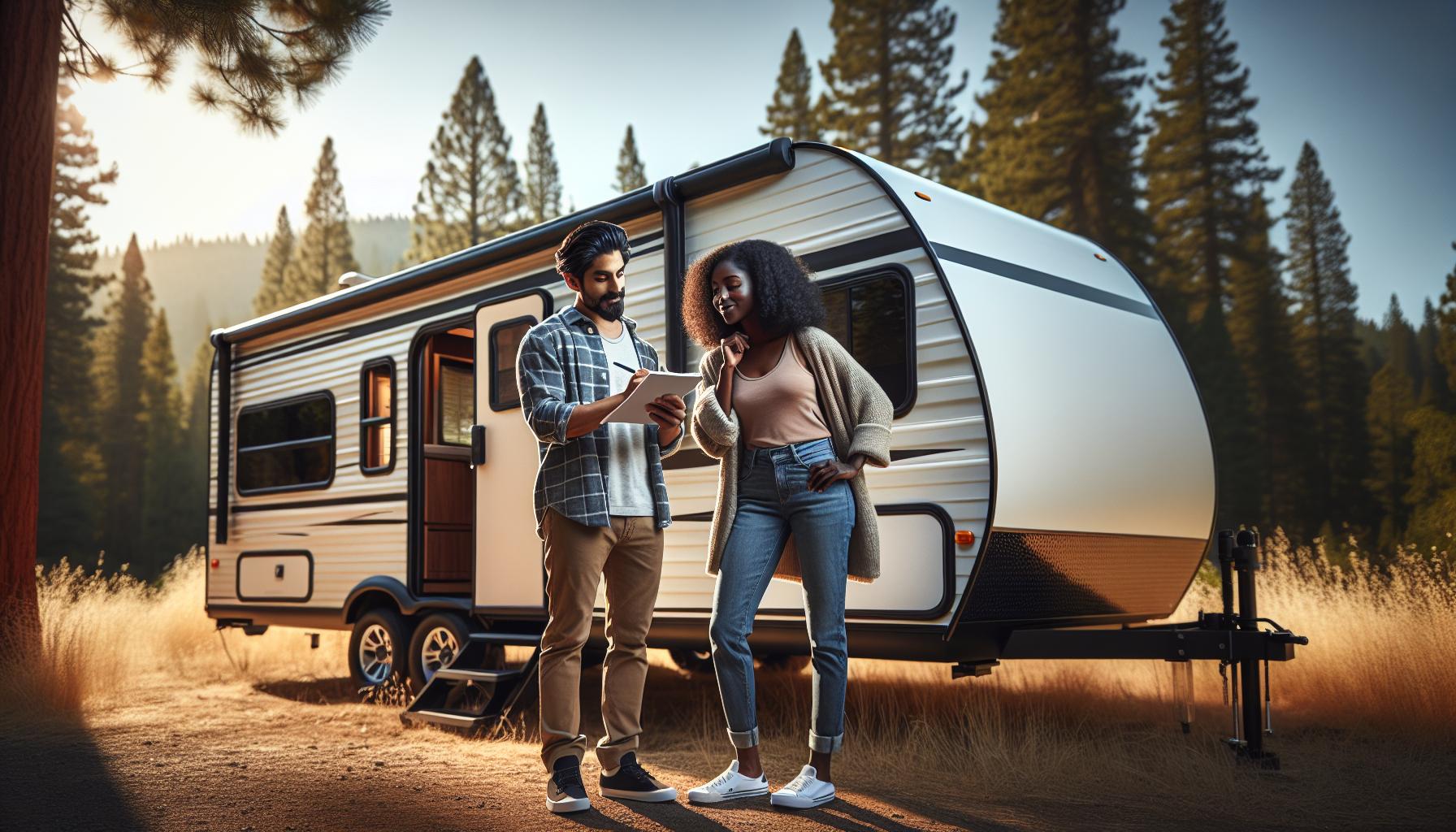
Choosing the Right Travel Trailer for Your Tiny Home
Choosing the right travel trailer as a foundation for your tiny home can transform your living experience, merging mobility with the comforts of home. With a variety of models available, understanding what to look for is essential. Consider your lifestyle, space needs, and budget as you explore options. For instance, lightweight trailers are ideal for those who prioritize maneuverability and ease of towing, while larger models may offer enhanced amenities for those desiring a bit more space.
When selecting a trailer, pay attention to the layout and features that cater to your needs. Some vital aspects to examine include:
- Size and Weight: Ensure your vehicle can tow the trailer comfortably, and consider how the weight will impact fuel efficiency.
- Interior Layout: Look for trailers with a layout that maximizes usable space, featuring multi-functional areas that can serve multiple purposes.
- Construction Quality: Choose a well-constructed trailer with durable materials, particularly if you plan to undertake significant renovations.
- Utilities: Check for essential systems such as plumbing, electrical, and heating, as these will influence the livability of your space.
Additionally, think about your long-term goals. If your tiny home will be stationary, investing in a larger model may be beneficial. Conversely, if travel is a priority, a smaller, more lightweight trailer may suit you better. Ultimately, assessing your priorities and aligning them with the right trailer model can set the stage for transforming it into a cozy and functional tiny home.
Essential Renovation Ideas for a Cozy Space
Transforming a travel trailer into a cozy tiny home paradise can be incredibly rewarding, allowing you to enjoy a unique living space that reflects your personal style and meets your lifestyle needs. Start by focusing on areas that significantly impact comfort and functionality. Simple renovations can yield transformative results, turning a basic trailer into an inviting retreat.
One effective way to create a warm atmosphere is through the use of color and natural light. Choose a light color palette for the walls and furniture to make the space feel larger and airier. Consider adding large windows or skylights if possible to let in natural light, enhancing the overall brightness. Using mirrors strategically can further amplify this effect, reflecting light and creating a sense of openness.
Furniture and Space Optimization
Selecting versatile furniture is crucial when it comes to maximizing your living space. Look for items that serve multiple purposes-like a sofa that converts into a bed or a table that folds down when not in use. Built-in storage solutions can also help keep clutter at bay. Consider installing shelves or cabinets that utilize vertical space, allowing for easy access to everyday items while maintaining a clean, organized appearance.
Cozy Touches
Incorporate soft textiles to increase comfort and warmth. Layering rugs, using throw pillows, and adding blankets can make your trailer feel homier. Incorporating plants not only beautifies your space but also improves air quality and adds a touch of nature. Choose low-maintenance indoor plants that thrive in small spaces, such as pothos or succulents, to enliven your tiny home with greenery.
These renovation ideas can transform your travel trailer into a cozy haven, making it not just a place to stay but a true home where you can relax and enjoy your surroundings, no matter where the road takes you.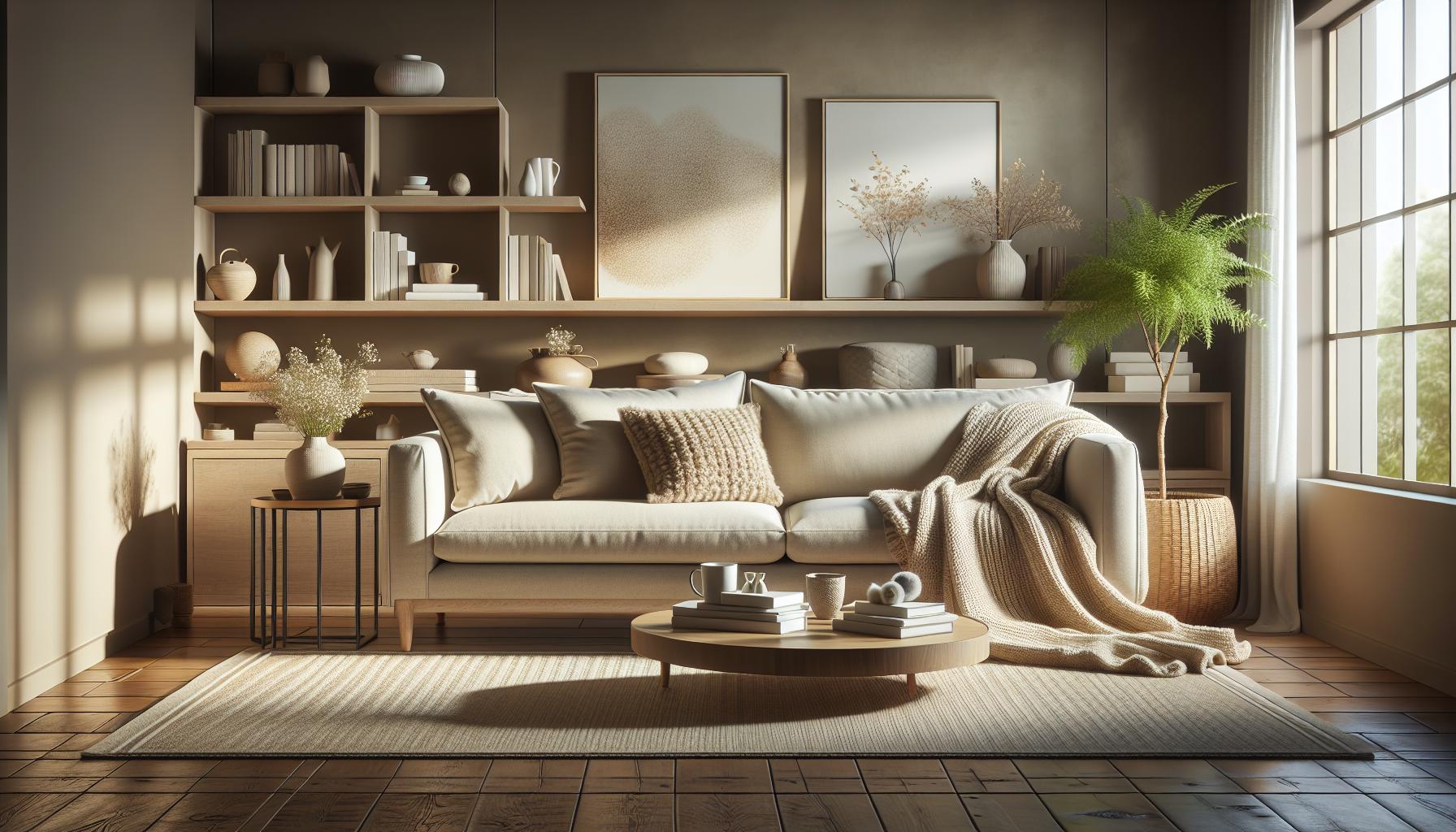
How to Create an Inviting Interior Design
Creating an inviting interior design in your travel trailer can dramatically enhance your living experience, transforming it into a cozy, homey environment that feels welcoming and reflective of your personality. Begin with a unifying theme or color palette that resonates with you; this foundation will serve as the guiding framework for your decor choices. Light, neutral colors can make the small space feel larger and more open, while pops of color through accessories like cushions and artwork can add vibrancy without overwhelming the senses.
Lighting Essentials
Lighting plays a crucial role in establishing a warm and inviting atmosphere. Opt for a combination of overhead lights and softer, ambient lighting options such as string lights, floorlamps, or wall sconces. Dimmers can also be a practical addition, allowing you to adjust the brightness according to the time of day or mood. Incorporate natural light by keeping window treatments light and airy or even opting for light-filtering shades that maintain privacy while letting in sunshine.
Personal Touches
To personalize your space, consider displaying meaningful decor items such as travel souvenirs, family photos, or artwork. This not only creates a conversation starter but also infuses the interior with your unique story. Instead of traditional frames, consider using clipboards or wire with clips to showcase art and photographs, allowing for easy updates and changes.
Textures and Patterns are another element that can elevate your interior design. Mix and match materials-soft cotton throws, textured rugs, and smooth wooden surfaces-to create a rich, layered look. Incorporating various textiles can enhance comfort while adding visual interest. Don’t hesitate to experiment with different patterns, from geometric prints on cushions to floral designs on curtains, ensuring they harmoniously blend with your chosen color scheme.
By focusing on themes, lighting, personal decor, and textures, you can craft an interior that not only looks beautiful but also feels like a home, making your travel trailer a delightful haven wherever your adventures take you.
Maximizing Storage Solutions in Small Areas
In a travel trailer, maximizing storage is essential for creating a functional and comfortable tiny home. With limited square footage, every inch counts, and clever storage solutions can make all the difference in maintaining order and accessibility. Think outside the box-utilizing vertical space, hidden compartments, and multi-purpose furniture can transform cluttered areas into organized havens.
Start by inspecting unused spaces in your trailer. For instance, the area under beds, seating, and tables can be fitted with drawers or bins. Install shelves above countertops and create hanging storage on the walls for items like kitchen utensils or toiletries. Magnetic strips are a fantastic way to keep tools or kitchen knives handy yet out of the way. Many trailers come with overhead compartments, but consider customizing these areas further, perhaps by adding smaller dividers or clear bins that make it easy to see and retrieve items.
Utilizing Multi-Purpose Furniture
Furniture that serves dual roles is crucial in a limited space. Look for ottomans that double as storage boxes or a dining table that can expand for guests yet compactly fold away when not in use. Murphy beds are another excellent investment; they provide a comfortable sleeping area without permanently occupying floor space. Additionally, collapsible pieces can be conveniently stowed when not in use, allowing for better flow and flexibility throughout your tiny home.
Creative Organizing Solutions
Remember the importance of organization as you implement your storage solutions. Use labeled bins and color-coded baskets to keep items sorted. Consider clear containers that let you see contents easily, which is especially useful in small spaces where rummaging isn’t practical. Hooks and pegboards can also be employed for hanging items, adding both aesthetic appeal and practicality to your trailer’s decor.
By leveraging innovative storage solutions, multi-purpose furniture, and effective organization, you can maximize every inch of your travel trailer, making your tiny home a comfortable and efficient sanctuary for all your adventures.
DIY Upgrades to Enhance Trailer Comfort
Enhancing comfort in your travel trailer can transform it into a cozy oasis, making it feel like home wherever you go. Simple DIY upgrades can significantly improve your living experience, ensuring that your tiny home is both functional and inviting. One of the most effective ways to enhance comfort is to focus on insulation. Properly insulating your trailer not only keeps the interior warm during colder months but also helps maintain a cooler environment in the heat. Consider adding reflective insulation in the walls and ceiling or sealing gaps with weather stripping to prevent drafts.
Another excellent upgrade is updating the flooring. Many travel trailers come equipped with basic vinyl or carpet flooring, which can feel cold and uninviting. Replacing it with laminate or durable vinyl plank flooring can add warmth and a more home-like atmosphere. Choose materials that are easy to clean and maintain, essential for the mobile lifestyle. Additionally, soft area rugs can further improve comfort and aesthetics, providing warmth underfoot and a touch of personal style.
Upgrading Lighting and Ventilation
Quality lighting can make a world of difference in how your space feels. Consider replacing harsh fluorescent lights with warm LED bulbs to create a softer ambiance. Installing dimmable lights allows you to adjust the brightness according to your mood and needs, making your space versatile for different activities. Natural light is also vital; if your trailer’s windows are small, think about adding skylights or additional windows to create a brighter, more airy atmosphere.
Incorporating adequate ventilation is crucial for a healthy living environment. Upgrading your exhaust fans can help circulate air, especially in the kitchen and bathroom areas. Furthermore, adding screens to windows allows you to enjoy fresh air without worrying about bugs, promoting a comfortable environment even in warmer weather.
Personalizing Your Space
Finally, personal touches enhance your trailer’s comfort and invite you to make it truly your own. Adding removable wallpaper or a fresh coat of paint can significantly alter the atmosphere. You might also want to consider investing in custom cushions and curtains that reflect your style, enhancing both comfort and functionality. Opt for fabrics that are durable and easy to clean, as maintenance is key in a mobile home environment.
By focusing on insulation, flooring, lighting, ventilation, and personalized decor, your travel trailer can become a comfortable haven tailored to your needs. Each upgrade not only enhances your comfort but also adds value to your living space, making your journey enjoyable and cozy, wherever the road may take you.
Sustainable Living Features to Consider
Creating a travel trailer that embraces sustainable living is not only an environmentally friendly choice but also a smart way to cut costs and enhance your lifestyle. By incorporating eco-conscious features, you can make a significant impact on your footprint while enjoying the freedoms that come with tiny home living. Here are several essential aspects to consider when aiming for sustainability in your converted trailer.
Energy Efficiency
One of the primary areas to focus on is energy efficiency. Upgrading to solar panels is a fantastic method to harness renewable energy for your travel trailer. Solar panels can power essential appliances, lights, and batteries, significantly reducing your reliance on external power sources. Additionally, using energy-efficient LED lights not only conserves energy but also lasts much longer than traditional bulbs, making it a win for both your wallet and the environment.
Water Conservation Practices
Effective water management is crucial in tiny home living. Implementing a rainwater harvesting system can be a practical addition, allowing you to collect and use rainwater for gardening or other non-potable uses. Additionally, consider installing low-flow showerheads and faucets to minimize water usage without sacrificing comfort. Using a composting toilet can also significantly reduce water consumption and create a sustainable waste management solution.
Eco-Friendly Materials
When renovating or personalizing your trailer, focus on using eco-friendly materials. Opt for sustainable wood or bamboo for cabinetry and shelving, as these are not only durable but also have a lower environmental impact than conventional materials. Non-toxic paints and finishes can help improve air quality inside your trailer, making your living space healthier. Reclaimed or recycled materials can also be creatively integrated into your design, adding character while being kind to the planet.
Smart Waste Management
Lastly, consider how you manage waste in your travel trailer. Invest in a recycling system that encourages sorting unwanted materials, which helps to minimize landfill contributions. Using biodegradable products where possible can further reduce waste. Consider composting organic waste, which not only cuts down on trash but also benefits any gardens or outdoor areas around your trailer.
By integrating these sustainable living features into your travel trailer, you’re not just making a home; you’re working towards a lifestyle that supports the environment. Embracing these practices can create a cozy, functional living space that aligns with your eco-friendly values while navigating the adventures of tiny home living.
Setting Up Off-Grid Power and Utilities
Setting up a self-sufficient power and utilities system in your travel trailer not only enhances your comfort but also empowers you to embrace a truly independent lifestyle. Imagine pulling into a serene forest or a beachside location, knowing that you have all the energy and water you need, powered by renewable sources. Achieving this involves a thoughtful integration of off-grid solutions that can dramatically reduce your reliance on traditional utilities.
Solar Power Installation
One of the most popular options for off-grid power is solar energy. Installing solar panels on your trailer is a fantastic way to harness the sun’s energy. Start by assessing the roof space available on your trailer to determine the optimal size and type of solar panel system you can install. Consider using a combination of monocrystalline panels for their efficiency and flexibility, allowing for greater energy production even in limited spaces.
Once your panels are selected, you’ll need a charge controller to regulate power going to your batteries, ensuring they are charged efficiently and safely. Lastly, invest in deep-cycle batteries to store your energy for cloudy days or evenings, ensuring you can power lights, appliances, and devices consistently.
Water Systems
Next, setting up an effective water system is crucial for off-grid living. If you’re in a location with a reliable water source, consider installing a pump system that can draw water directly from a nearby lake or stream. For areas without natural water sources, a rainwater harvesting system is an excellent alternative. This involves installing gutters that funnel rainwater into storage tanks. Make sure to include a filtration system to ensure the collected water is potable.
It’s also vital to manage your wastewater appropriately. A composting toilet not only conserves water but also provides a sustainable solution to waste disposal. This type of toilet requires no water for flushing and can significantly reduce your ecological footprint.
Heating and Cooling Options
When it comes to maintaining a comfortable temperature in your travel trailer, consider using a combination of passive solar design and energy-efficient appliances. Insulating your trailer is the first step; use insulated windows and well-sealed doors to lock in heat during cold months and keep it cool during warmer months. For heating, you can opt for a propane heater or a small wood stove, while for cooling, consider portable solar-powered fans or air conditioning units designed for off-grid usage.
Smart Monitoring Systems
Lastly, integrate smart technology to monitor your energy and water usage. Devices like smart meters can help you keep track of your power consumption and make adjustments as needed. By adopting an intuitive approach to managing your resources, you can enjoy a seamless off-grid lifestyle, ensuring that you are using energy and water efficiently without compromising comfort.
Incorporating these off-grid power and utility solutions will not only enhance the functionality of your travel trailer but also align with a sustainable lifestyle. With a little planning and investment, your tiny home paradise can become an environment where you feel completely at home, wherever the road takes you.
Understanding Zoning Laws and Regulations
Navigating the complex landscape of zoning laws and regulations is crucial for anyone aspiring to convert a travel trailer into a cozy tiny home. Each locality has its own set of rules that can significantly impact where and how you can park your trailer, as well as any modifications you might want to make. It’s essential to start your journey by researching local ordinances and engaging with municipal planning departments. Understanding these regulations not only ensures you remain compliant but can also save you from potential fines or forced relocations down the line.
Zoning laws typically address different land use categories, such as residential, agricultural, or commercial. Within these categories, there are often specific guidelines regarding the type of structures allowed, minimum size requirements, and even the length of time you can reside in a mobile home or travel trailer. For instance, some areas may have a maximum limit on how long you can stay within a certain timeframe, while others might allow for permanent residency. Before setting up your tiny home, familiarize yourself with terms like “conditional use permits,” “variances,” and “setback requirements,” as they all can affect your living situation.
Typically, regions with more lenient zoning laws often exist in rural areas, but even those can have specific restrictions. Connect with local tiny home communities or forums for invaluable firsthand information about zoning experiences. In some instances, it might be beneficial to attend neighborhood association meetings or touch base with local advocacy groups that support alternative housing solutions. If you encounter strict regulations, exploring options like RV parks or mobile home communities might provide alternative living arrangements that are both legal and accommodating.
Lastly, don’t forget to look into state regulations regarding utilities and waste disposal systems. Depending on your location, you may need permits for septic systems, water hook-ups, or even for off-grid solutions like solar panels. By being proactive and thorough in your research, you can pave the way for a smoother transition into your tiny home lifestyle, ensuring it not only remains a personal haven but is also compliant with local laws.
Financing Your Travel Trailer Tiny Home
Financing a travel trailer conversion into a tiny home can seem daunting, but various options can help you secure the necessary funds for your project. While traditional mortgage loans may not apply, there are alternative financing avenues you can explore. Understanding these options can not only make your dream of tiny home living attainable but also equip you with the knowledge needed to navigate the financial aspects confidently.
One of the most popular methods for is through personal loans. Many banks and credit unions offer unsecured personal loans that can be used for any purpose, including purchasing and renovating a travel trailer. These loans typically come with fixed interest rates and monthly payments, making it easy to budget for repayments. Additionally, if you already own a home, utilizing a home equity loan can be a wise decision. This option allows you to tap into the equity you’ve built in your home, often offering lower interest rates compared to personal loans [[1]].
Alternative financing routes include RV loans or specialized tiny home loans. RV loans can be advantageous because they often cater specifically to mobile living situations. These loans can cover the purchase price and are structured to account for the trailer’s value as a vehicle rather than traditional real estate. If you’re looking for a tailored option, certain financial institutions and organizations specialize in tiny home financing. They can offer more flexible terms and accommodate the unique needs of tiny home dwellers [[2]].
When considering your financing options, it’s crucial to evaluate your budget and long-term financial goals. Create a detailed plan that outlines your expected costs, including trailer purchase, renovations, and any additional expenses like insurance and utilities. Having a clear financial picture will enable you to choose the best financing method that aligns with your lifestyle and budget. Remember, pursuing a tiny home lifestyle is not just about the initial investment; consider how each option impacts your overall financial health in the long run.
Tips for Maintaining Your Tiny Home Paradise
Maintaining your travel trailer converted into a tiny home paradise requires ongoing care and attention to ensure it remains comfortable and functional. Regular maintenance not only enhances your living experience but also prolongs the life of your trailer. One critical aspect is regularly inspecting the exterior for signs of wear and tear. This includes checking for leaks, looking at the seals around windows and doors, and ensuring that the roof is in good condition. A quick wash every few months will keep the exterior looking fresh, while a coat of wax can protect the paint and metal surfaces from the elements.
Cleaning should be a consistent part of your routine. Inside your tiny home, clutter can accumulate quickly. Implementing a decluttering schedule not only keeps your space tidy but also helps you stay aware of items you may not need. Utilize storage solutions like under-bed bins, hanging racks, and multi-functional furniture to maximize your space. Regular cleaning of appliances, countertops, and bathrooms is essential for hygiene and comfort. Consider making a checklist for these tasks to ensure you cover all areas without overwhelming yourself.
An often-overlooked aspect of maintenance is the trailer’s mechanical systems. Make sure to check the brakes, tires, and electrical connections at least once a season, especially if you plan on traveling frequently. Proper maintenance of these systems not only ensures your safety but also keeps you from encountering inconvenient breakdowns. Be proactive and consult your trailer’s manual for specific maintenance schedules related to the brand or model.
Lastly, personalizing your tiny home can make maintaining it more enjoyable. Consider painting walls with colors that bring you joy or adding plants that improve air quality. Small touches like new curtains or cushions can revitalise your space and make cleaning feel less like a chore. By being engaged in the upkeep of your home, you foster a warm, inviting environment that truly feels like your own sanctuary. Embracing these maintenance tips will ensure your travel trailer remains a cozy and functional tiny home for years to come.
Personalizing Your Tiny Home for Unique Style
Transforming a travel trailer into a cozy tiny home allows individuals to channel their creativity and express their personal styles in unexpected ways. One of the most impactful methods of personalization involves choosing a color palette that reflects your personality and complements the limited space. Opt for light, airy hues to create an illusion of spaciousness or rich, warm tones for an inviting atmosphere. You might consider painting cabinetry or adding peel-and-stick wallpaper to create a feature wall that showcases your aesthetic preferences.
Incorporate furniture and decor that blend functionality and style. Multi-purpose furniture is a wonderful option in a tiny home, as it maximizes limited space while providing the comfort and aesthetic value you desire. Look for items like a convertible sofa bed, foldable tables, or ottomans with hidden storage. Additionally, textile choices-such as area rugs, throw pillows, and curtains-enhance both comfort and color coherence, further tying your design together.
Plants serve as an excellent way to breathe life into your space. Consider placing small potted plants or even vertical gardens in usable areas to improve air quality and add a touch of nature. If you’re short on surface space, wall-mounted planters can create visual interest without sacrificing functionality. Don’t shy away from DIY projects that allow you to express creativity-crafting small shelves or custom art can make your tiny home feel uniquely yours.
Lastly, showcasing personal items and memories can significantly enhance your home’s character. Whether it’s family photos, travel souvenirs, or handmade crafts, display them in a curated manner. Creating a designated gallery wall or using floating shelves for decor can help you tell your story in an appealing way. Remember, personalizing your tiny home is not just about aesthetics; it’s about creating a sanctuary that feels like an extension of who you are, making every square inch a reflection of your journey and lifestyle.
Success Stories: Inspiring Tiny Home Transformations
Transforming travel trailers into cozy, functional tiny homes has become a popular trend, evidenced by countless inspiring success stories that showcase creativity, resourcefulness, and a commitment to living simpler. One remarkable transformation involved a couple who purchased a dilapidated 27-foot RV that had seen better days. With a vision in mind, they stripped it down to the frame, created an open living space with a modern kitchen, and incorporated sustainable materials. They even installed a composting toilet and a solar panel system to allow for off-grid living, significantly enhancing their experience while traveling and reducing their environmental footprint.
Another notable project features an adventurous family that turned an old travel trailer into a mobile haven for their outdoor lifestyle. They focused on maximizing storage and creating a multifunctional space that adapted to their family needs. Innovative features included hidden compartments beneath the bed and collapsible furniture, which offered flexibility for dining or relaxing activities. By adding personal touches like colorful textiles and artwork, they made the space feel welcoming and reflective of their family’s spirit, proving that with some ingenuity, a compact space can feel expansive and unique.
Additionally, stories shared by DIY enthusiasts highlight how small changes can make a significant impact. One individual renovated a vintage camper by incorporating elements like reclaimed wood for a rustic aesthetic and strategically placed mirrors to enhance light and create an illusion of space. This camper became not just a living space but a personalized retreat that echoed their travels and adventures. These transformations emphasize that whether through complete overhauls or minor enhancements, the journey of converting a trailer into a tiny home is as much about creativity and lifestyle as it is about architecture.
For those inspired by these stories, there are practical steps to consider when embarking on your travel trailer transformation. Start with a detailed plan that outlines your aesthetic preferences, necessary renovations, and the functionality you want to achieve. Look for inspiration in the community, attending workshops, or online forums where fellow enthusiasts share tips and experiences. With the right mindset and resources, you can embark on your own journey to create a tiny home paradise that reflects your unique lifestyle and values.
In Conclusion
As you embark on your journey to convert a travel trailer into your very own tiny home paradise, remember that every detail matters in creating a space that reflects your lifestyle and dreams. You now have the essential insights to transform your travels into a cozy and functional living space that feels like home. Don’t wait-start planning your next steps today, whether it’s gathering materials or exploring financing options for your renovations.
To further enhance your tiny home experience, dive into our guides on basic maintenance tasks and simple renovation projects. And if you’re seeking inspiration, check out our articles on DIY trailer upgrades and design tips that can elevate your living space.
Join the conversation by sharing your thoughts or questions in the comments below, and don’t forget to subscribe to our newsletter for more expert advice and resources on trailer and mobile home living. Let’s keep the spirit of tiny living alive as you build your perfect getaway!