
Did you know that the Vehicle Identification Number (VIN) on your trailer home is vital for identifying ownership, registration, and even potential recalls? Finding the VIN can feel daunting, especially with the unique design of trailers and mobile homes. However, knowing its exact location is crucial for maintaining your property and ensuring compliance with regulations. This guide will help you locate the VIN quickly and efficiently, empowering you as a homeowner to safeguard your investment and navigate any necessary paperwork with ease. Whether you’re a seasoned trailer home resident or just starting your journey, understanding your VIN is an essential step toward effective home management. Dive in to learn how to find it fast and unlock the benefits of being informed about your home on wheels!
What Is a VIN Number and Its Importance for Trailers
The unique Vehicle Identification Number (VIN) serves as an essential fingerprint for every trailer, providing vital information that can facilitate ownership, maintenance, and compliance. Unlike traditional vehicles, a trailer’s VIN helps identify specific details that are crucial for registration, insurance, and safety inspections. Each VIN is comprised of 17 characters that contain intricate information such as the manufacturer, model year, and place of manufacture. This information is not just a formality; it plays a significant role in ensuring that trailers are safe and meet regulatory standards.
Understanding the importance of a VIN for trailers is key for owners. First, it assists in verifying the trailer’s history-potentially revealing whether it has been involved in accidents, has outstanding liens, or has undergone manufacturing recalls. For prospective buyers, knowing the trailer’s VIN helps confirm its authenticity and value. Moreover, it is instrumental during insurance processes, as insurers often require this number to provide coverage or determine premiums. Registrations often depend on this number too, as it helps local authorities maintain accurate records of ownership and ensures that trailers can be tracked and accounted for.
In practical terms, utilizing the VIN can help owners with maintenance and parts replacement. When seeking to order specific parts or conduct repairs, providing the VIN ensures that you receive components that fit correctly for your trailer model. Additionally, it can be vital when pursuing warranty claims, as these typically require verification through the VIN. All in all, understanding and utilizing the VIN is not merely bureaucratic-it enhances both the safety and reliability of trailer ownership, making it an indispensable resource for any trailer owner.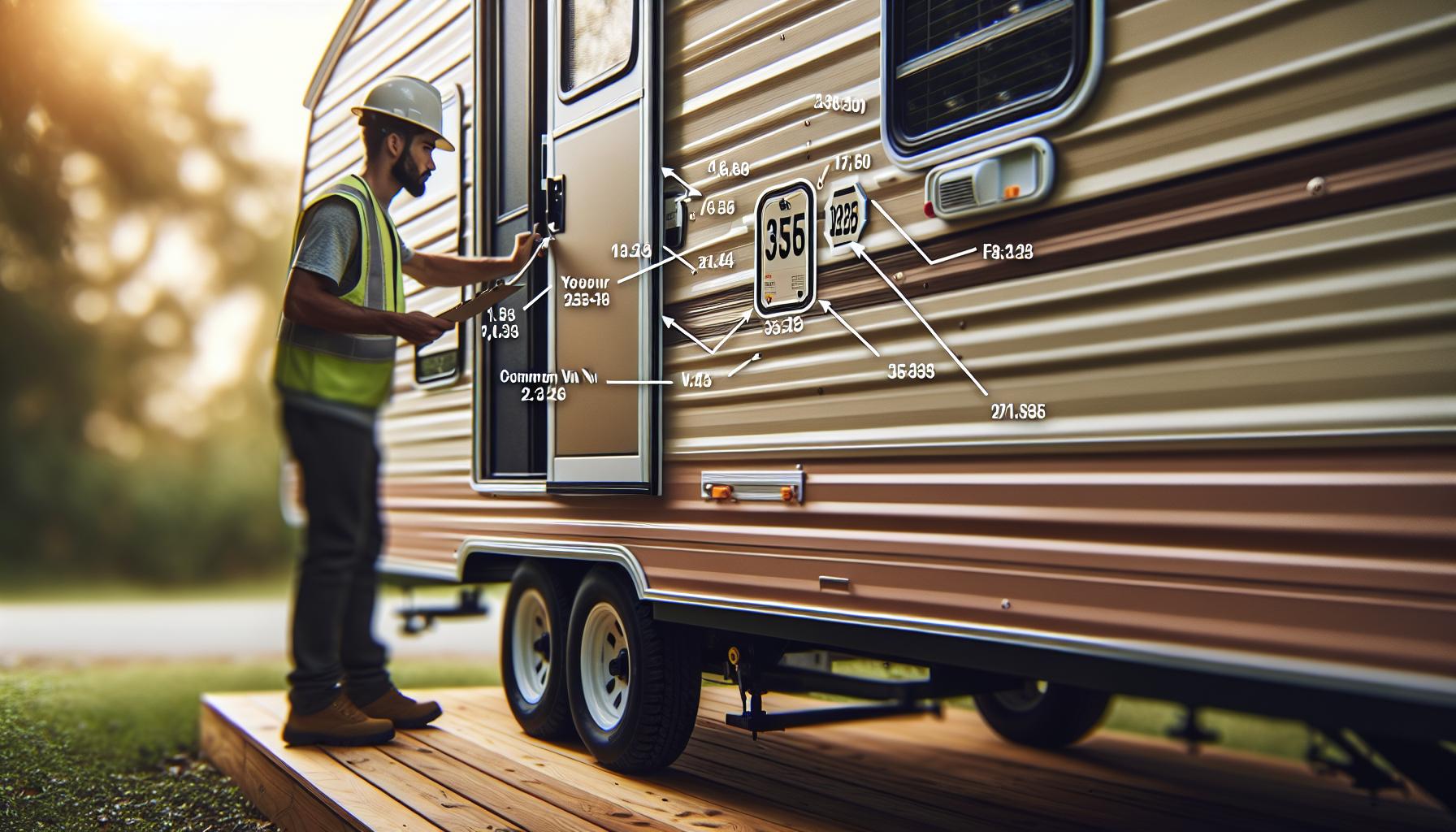
Common Locations of VIN Numbers on Trailer Homes
Finding the VIN on your trailer home can be a straightforward task once you know where to look. The VIN, or Vehicle Identification Number, is essential not only for registration and insurance but also for tracking maintenance and identifying the trailer’s specifications. Although the placement of the VIN can vary based on the make and model of the trailer, here are the most common locations you should check.
Typical Locations to Find the VIN
- Front Frame: Many trailers have their VIN stamped on the front frame, which is usually visible once the cover is removed or the front storage area is inspected. This area is often the first place to check.
- Near the Hitch: Look around the hitch area or the A-frame of the trailer. The VIN can sometimes be found on a metal plate or sticker attached in this region.
- Inside the Door Frame: Just like automobiles, trailers typically have the VIN displayed near the entry door. Open the door and inspect the frame or wall just around the entry point, especially on the side opposite the hinges.
- On the Vehicle Registration Certificate: In some cases, the VIN might also be listed on the registration paperwork for your trailer. This is useful if you have trouble locating it physically on the trailer.
- Underneath the Trailer: If you’re unable to find the VIN in any of the usual spots, checking the undercarriage can sometimes yield results. Look for a metal plate or stamping on the frame underneath the trailer.
Locating your trailer’s VIN is vital for ensuring compliance with legal requirements, and it can save you time and frustration when buying parts or verifying history. By systematically checking these common areas, you can easily find the VIN and gain access to important information about your trailer.
How to Locate the VIN Number on Your Trailer
Finding the VIN number on your trailer is crucial for a range of purposes, including registration, maintenance tracking, and insurance policies. Start your search with the most common locations, and you’ll likely save time and effort. Many trailer owners have discovered that knowing where to look can make all the difference.
Begin by inspecting the front frame of the trailer, which is often the most straightforward location. The VIN is typically stamped there, revealing essential details about the trailer’s make and model. If it’s not visible on the top layers due to any coverings, carefully lift or remove any coverings from the front storage area to get a clear view.
Next, don’t overlook the area near the hitch. This is another common spot where trailers display their VIN on a metal plate or sticker. Look closely around the A-frame and ensure you inspect all angles. If the entry door is accessible, check the door frame as well; many manufacturers place the VIN sticker just inside the doorway, and it can often be overlooked.
For further verification, check any vehicle registration paperwork you may have, as the VIN is usually listed there. If your search is still fruitless, move on to checking underneath the trailer itself. A hidden or rusted metal plate might be found stamped on the frame, which can serve as a last resort. By systematically checking these areas, you’ll be well-equipped to locate your VIN in no time-empowering you to engage with the necessary processes for ownership and safety of your trailer.
Understanding the Formats and Types of VIN Numbers
The vehicle identification number (VIN) serves as the unique fingerprint of a trailer, containing significant information that is vital for owners, potential buyers, and regulatory authorities. VINs are standardized, 17-character codes structured in a way that encodes details about the trailer’s manufacturer, model, and even certain specifications. Understanding how these numbers are formatted is essential for anyone looking to purchase, insure, or register a trailer home.
A VIN is composed of three main sections: the World Manufacturer Identifier (WMI), the Vehicle Descriptor Section (VDS), and the Vehicle Identifier Section (VIS). The WMI is the first three characters and identifies the manufacturer and country of origin. The next six characters make up the VDS, providing information about the trailer’s model, body style, and engine type, while the last eight characters of the VIS provide a unique serial number that distinguishes every trailer manufactured by that maker. This uniform format makes it easy to decode essential details and verify the authenticity of the trailer.
Different types of trailers may have their VINs formatted slightly differently, depending on the manufacturer and the types of materials used. For instance, a travel trailer might include information such as weight and length in its VIN, whereas a utility trailer might focus more on load capacity and intended use. This diversity in VIN formats emphasizes the importance of knowing your specific trailer type, as it influences everything from safety checks to insurance assessments.
Moreover, locating and understanding the VIN is not just a matter of paperwork; it can affect the operational longevity of your trailer and its resale value. When a trailer’s VIN is missing or illegible, it can cause myriad issues, from legal complications to challenges in acquiring essential services such as registration and insurance. Therefore, ensuring you understand these formats and types can empower you to maintain better control over your trailer ownership experience. Whether you are embarking on life as a full-time traveler or a recreational weekend adventurer, knowledge of your trailer’s VIN is a fundamental aspect of responsible ownership.
What to Do If the VIN Number Is Missing
Finding a missing VIN number on your trailer can feel overwhelming, but it’s a situation many owners encounter. A VIN not only serves as your trailer’s unique identifier but is also crucial for registration, insurance, and safety compliance. If your VIN is missing or unreadable, following a few essential steps can help you resolve the issue and ensure your trailer is roadworthy and legally compliant.
Start by searching for alternate locations where the VIN might be etched or attached. While the most common location is on the frame near the tongue or inside the front left corner of the trailer, it might also be found on the registration documents you received when you purchased the trailer. If you have access to any previous paperwork related to the purchase, such as a bill of sale or insurance documents, check there as well. Some trailers may even have the VIN stamped directly on the axle or on the manufacturer’s plate, typically located near the entry door.
If you have exhausted these options and still cannot locate a VIN, consider reaching out to the manufacturer or previous owner for assistance. Manufacturers often keep records of trailers they’ve produced, and providing them with some specific details (like model, year, and any identifying features) might help them retrieve your VIN. This information can be particularly valuable if you’re in a situation where the trailer has been passed down or altered in some way.
In cases where the VIN is entirely absent and untraceable, you may need to go through a legal process to obtain a new VIN. This typically involves contacting your local DMV or equivalent authority to seek guidance on what to do next. They may require an inspection of your trailer to verify its authenticity and history. Depending on local regulations, they may issue you a new VIN if you can prove ownership and if the trailer complies with safety and legal standards.
Taking the time to address a missing VIN helps you avoid future problems. Ensuring a valid VIN is crucial for insurance, resale value, and conducting regular safety checks. It’s an important step in keeping your trailer home secure and compliant on the road.
Decoding Your Trailer’s VIN Number: A Step-by-Step Guide
Decoding the VIN number on your trailer can seem daunting at first, but it is essential for understanding vital information about your vehicle. The VIN, or Vehicle Identification Number, is a unique 17-character code that provides crucial details, including the make, model, year of manufacture, and country of origin. Understanding how to break down this code can give you insights into your trailer’s specifications and history, helping you make informed decisions regarding maintenance, insurance, and resale.
To decode your trailer’s VIN, follow these simple steps:
1. Locate Your VIN
Before you can decode, you need to find the VIN. Common locations on trailers include:
- Near the tongue on the frame
- Inside the front left corner of the trailer
- Stamped directly on the axle
- On the manufacturer’s plate near the entry door
2. Understand the VIN Structure
Each segment of the VIN has a specific meaning:
- Characters 1-3: Manufacturer and vehicle type.
- Characters 4-8: Vehicle attributes (make, model, body style, engine type).
- Character 9: Check digit for verifying accuracy.
- Character 10: Model year.
- Character 11: Plant code where the vehicle was assembled.
- Characters 12-17: Production number, which is unique to your trailer.
For example, if your VIN begins with “1HT,” it indicates the manufacturer is International Truck, and the trailer is built for heavy-duty use.
3. Use Online Resources
Once you have your VIN, utilize online VIN decoding tools to get detailed information about your trailer. Websites like Driving-Tests.org and AutoZone offer free VIN decoding services that can provide specifications, recall information, and more to help you understand your trailer’s unique attributes [1[1][2[2].
4. Interpret the Results
After entering your VIN, analyze the output. It will typically include the following information:
- Make and Model: Shows the brand and specific model of your trailer.
- Engine Size: Important if you plan on towing or are considering modifications.
- Resale Value: Understanding the age and model can help in assessing the resale value.
By following these steps, you can easily decode your trailer’s VIN number, ensuring you are well-informed about the essential characteristics and history of your vehicle. Whether you are planning maintenance, dealing with insurance, or considering a resale, knowing your trailer’s VIN is the first step to effective ownership.
How VIN Numbers Affect Insurance and Registration
The VIN number plays a critical role in how trailer homes are insured and registered, impacting everything from premiums to legal compliance. Insurers rely on the VIN to accurately assess the value of the trailer, determine coverage options, and evaluate risk. This unique identifier allows them to pull specific details about the vehicle, such as its make, model, and history, which can influence insurance rates. For instance, a trailer with a great safety record and lower theft rates may enjoy lower premiums compared to others that are commonly targeted for theft.
Registration is equally tied to the VIN. Each state has its own requirements, but generally, the VIN is indispensable for establishing ownership and legal authenticity of the trailer. When you register a new or used trailer, you’ll be required to provide the VIN as part of the documentation, allowing authorities to maintain accurate records and ensure that all trailers on the road adhere to safety and environmental standards. Failing to register your trailer with a correct VIN can lead to fines or penalties and complicate any claims you might need to make in the future.
Understanding Insurance and Registration Implications
To ensure smooth registration and insurance processes, keep the following points in mind:
- Documentation: Always have the documents that include your VIN handy, as they are needed for insurance forms and registration applications.
- Accuracy is Key: Double-check that the VIN is correctly recorded on both insurance documents and state registration to avoid legal issues.
- Trade-ins or Resales: If you ever plan to sell your trailer, having a clean VIN history can greatly enhance its trade-in value.
Understanding the importance of your trailer’s VIN not only helps in obtaining the proper registration and insurance but also protects your investment in the long run. Adhering to these guidelines will not only keep you compliant with legal requirements but can also ensure peace of mind as you enjoy your trailer lifestyle.
The Role of VIN Numbers in Trailer Safety Checks
The Vehicle Identification Number (VIN) is not just a series of letters and numbers; it is a crucial tool in ensuring the safety and reliability of trailer homes. A VIN provides detailed information about the specifications and history of a trailer, helping owners and safety inspectors identify potential issues that could affect the vehicle’s performance or compliance with safety standards. For instance, specific recalls can be traced back through the VIN, alerting owners to any necessary repairs or replacements.
Regular safety checks are an integral part of responsible trailer ownership, and the VIN plays a critical role in this process. During a safety inspection, the VIN enables inspectors to access a trailer’s history in databases that track recalls, accidents, and repairs. This information helps ensure that any known issues are addressed before the trailer is put back on the road or used for travel. By utilizing the VIN, safety inspections are more thorough, preventing potential hazards caused by neglect or lack of maintenance that could compromise the safety of the trailer.
Understanding how the VIN functions in safety checks is beneficial for trailer owners. It can help you track maintenance records and verify that any previous repairs were made correctly, ensuring that your trailer remains in optimal condition. Therefore, it is essential to keep your VIN visible and accessible; you might even consider noting it down in your maintenance records. This proactive approach not only enhances your trailer’s safety but also contributes to your peace of mind, knowing that you are well informed about its history and condition.
Common Misconceptions About Trailer VIN Numbers
Many trailer owners hold misconceptions about VIN numbers that may hinder their ability to fully understand and utilize this important identifier. One common belief is that a VIN is only relevant for registration and insurance purposes. In reality, the VIN is a vital tool for tracking a trailer’s history, which includes information on recalls, accidents, and prior ownership. This data is essential not just for legal documentation but also for maintaining the safety and longevity of the trailer. Awareness of the VIN’s extensive applications can empower owners to make informed decisions about repairs and safety checks.
Another prevalent myth is that all VINs follow the same format. While it’s true that VINs generally consist of 17 characters, the specifics can vary by manufacturer. Different manufacturers have unique coding systems for encoding vehicle information, which means that simply knowing the number of characters does not indicate whether you’re looking at a legitimate VIN. Owners should take the time to familiarize themselves with the specific characteristics of their trailer’s VIN to ensure accurate identification.
Many also underestimate the significance of having a visible VIN. Some believe it’s acceptable to obscure or remove the VIN for aesthetic reasons or personal preference. This is a misconception that can lead to legal complications, especially during inspections or when attempting to sell the trailer. Keeping the VIN accessible not only complies with legal requirements but also aids in seamless maintenance and safety evaluations.
Finally, there exists a notion that older trailers might not have a VIN or may be exempt from VIN requirements. In the past, regulations around VIN assignment have varied significantly, but currently, all trailers, regardless of age, are advised to have a VIN for safety and traceability. Understanding these misconceptions can enhance how owners engage with their trailer and ensure they meet safety standards while protecting their investment in alternative housing.
Legal Implications of VIN Number Misrepresentation
Misrepresenting a trailer’s VIN can have serious legal consequences that every owner should be aware of. The VIN serves as a unique identifier for a vehicle, and tampering with it-whether by altering, obscuring, or fabricating-can be classified as fraud. This not only undermines the integrity of vehicle records but also violates state and federal laws. For instance, if a trailer is involved in a legal dispute, such as an accident or theft, any discrepancies in the VIN can complicate legal proceedings and insurance claims, leading to potential fines or criminal charges.
When dealers or owners modify a VIN to conceal the identity of a trailer, it can also hinder the ability to track important vehicle history, including recalls or safety issues. This raises significant safety concerns, as a trailer with a misrepresented VIN might have undisclosed defects, putting the owner, passengers, and other road users at risk. Furthermore, potential buyers often conduct VIN checks to verify a vehicle’s history; a mismatched VIN can deter potential sales and create liability issues for the seller.
To safeguard against the legal implications of VIN misrepresentation, it’s crucial for trailer owners to ensure their VIN is clear and unaltered. Regularly checking the visibility and accuracy of this number is a good practice. In the event that the VIN is missing or damaged, it’s advisable to consult proper channels, such as local DMV offices or legal authorities, to rectify the situation legally. Taking these steps not only helps in compliance with laws but also promotes a culture of transparency and responsibility among trailer owners.
Lastly, educate yourself about the importance of VIN integrity. Not only is it essential for legal ownership and resale, but it can significantly affect insurance coverage and value. Always keep your trailer’s VIN in good condition, report any alterations or missing numbers, and never hesitate to seek legal advice if in doubt. By proactively managing your trailer’s VIN, you can avoid complications and enjoy the freedom of trailer living with peace of mind.
Searching for a Trailer’s VIN: Tips and Resources
Searching for a trailer’s VIN can sometimes feel like searching for a needle in a haystack, especially if you’re not familiar with where to look. The VIN (Vehicle Identification Number) is crucial for identification and registration, so knowing how to locate it can save you time and frustration. When looking for the VIN on your trailer, start with some common locations where it is typically found.
Common Locations for VINs on Trailers
Trailers usually have their VIN clearly marked in several standard locations. Here are some places to check first:
- Front of the Trailer Frame: Look on the left side of the front framework or on a metal plate affixed to the trailer.
- Near the Hitch: Sometimes the VIN can be found on a sticker or stamped metal plate near the hitch area.
- On the Inside: Check along the interior walls, especially near the entrance door or on cabinets, as manufacturers often place the VIN inside for easy access.
- Underneath the Trailer: Some trailers have the VIN stamped on the underside, so you may need to get under the trailer for a closer look.
Helpful Tips for Finding Your VIN
If you’re having trouble locating the VIN, consider the following strategies:
- Consult Your User Manual: The owner’s manual for your trailer often includes a diagram showing where the VIN is located.
- Use a Flashlight: A good flashlight can help you see in darker areas and under your trailer to identify the VIN more easily.
- Ask for Help: If you’re still struggling, don’t hesitate to reach out to the manufacturer or a local dealer. They can often provide assistance based on your trailer’s model and year.
- Check Online Resources: Certain websites offer VIN lookup tools and guides specific to various trailer brands and types that can enhance your search.
Understanding where to find your trailer’s VIN not only helps in registration and insurance processes but also ensures that you’re fully informed about your asset. Remember, the key to successful trailer ownership lies in maintaining accurate records and ensuring your VIN is visible and intact.
Insights and Conclusions
Now that you know how to quickly locate the VIN number on your trailer home, don’t let uncertainty hold you back! This vital piece of information ensures that everything from registration to insurance is in order. If you have further questions about mobile home living or need guidance on maintenance and improvements, explore our related articles on trailer home care and renovation tips.
For the latest updates and expert advice, sign up for our newsletter-it’s your go-to resource for all things related to mobile home living! If your next steps involve deciphering that VIN or addressing other housing concerns, feel confident in your knowledge and take action today. We’re here to support your journey towards an efficient and fulfilling home environment!