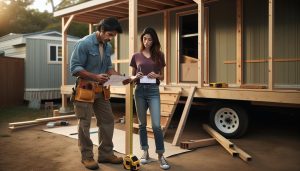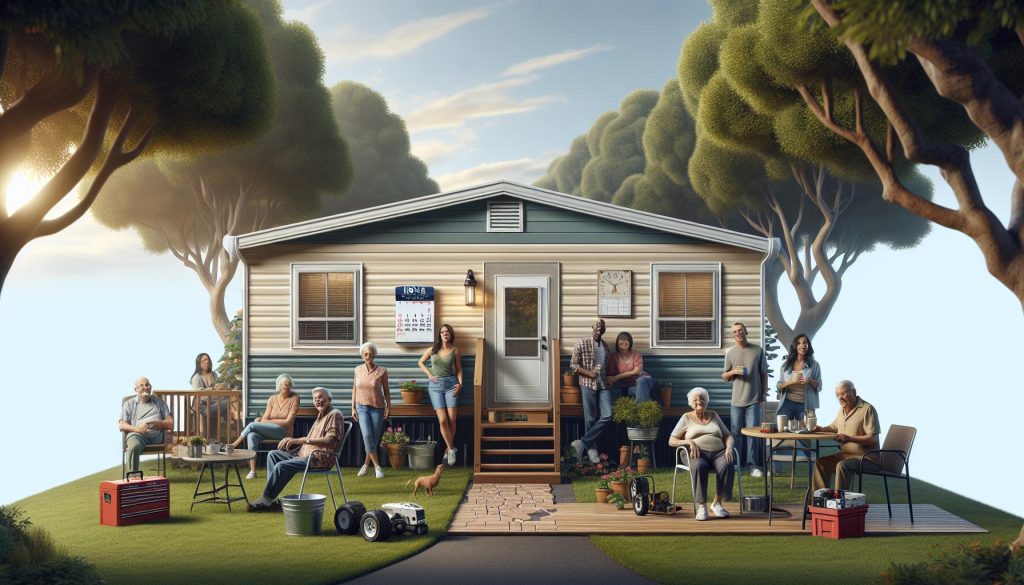
When considering trailer home living, understanding the lifespan of these unique homes is essential for anyone looking to invest in this alternative housing option. On average, trailer homes can last anywhere from 15 to 30 years, but various factors influence longevity, such as maintenance levels, quality of construction, and environmental conditions. Many individuals find trailer homes appealing due to their affordability and flexibility, yet concerns about durability can often overshadow these benefits. By exploring the life expectancy of trailer homes, you’ll gain valuable insights that can help you make informed decisions about purchasing, maintaining, and improving your living space. Keep reading to discover key lifespan facts, practical maintenance tips, and ways to enhance the longevity of your trailer home, ensuring that your investment remains a comfortable and functional living environment for years to come.
What Factors Influence Trailer Home Lifespan?
The lifespan of a trailer home can be influenced by several key factors, making understanding these elements essential for potential homeowners and current residents alike. One of the most significant factors is the quality and materials used in the construction. Higher-quality materials, such as thicker insulation and durable exterior sheathing, can greatly extend the life of trailer homes compared to those built with lower-cost alternatives.
Climate also plays a crucial role in determining how long a trailer home lasts. Homes located in areas with extreme weather conditions-such as heavy snow, high humidity, or intense heat-require additional care and appropriate upgrades to protect against deteriorating conditions. For example, proper ventilation can mitigate moisture problems, while insulation helps maintain temperature and structure integrity.
Additionally, regular maintenance is vital. Simple tasks like checking for leaks, maintaining the roof, and ensuring proper drainage around the foundation can prevent small issues from escalating into significant repairs. Homeowner diligence in routine checks and timely repairs is a cornerstone of extending a mobile home’s lifespan. Lastly, the way a trailer is used and maintained throughout its life can have lasting effects; consistent care and attention, including periodic inspections and upgrades, can lead to a much longer functional life for trailer homes.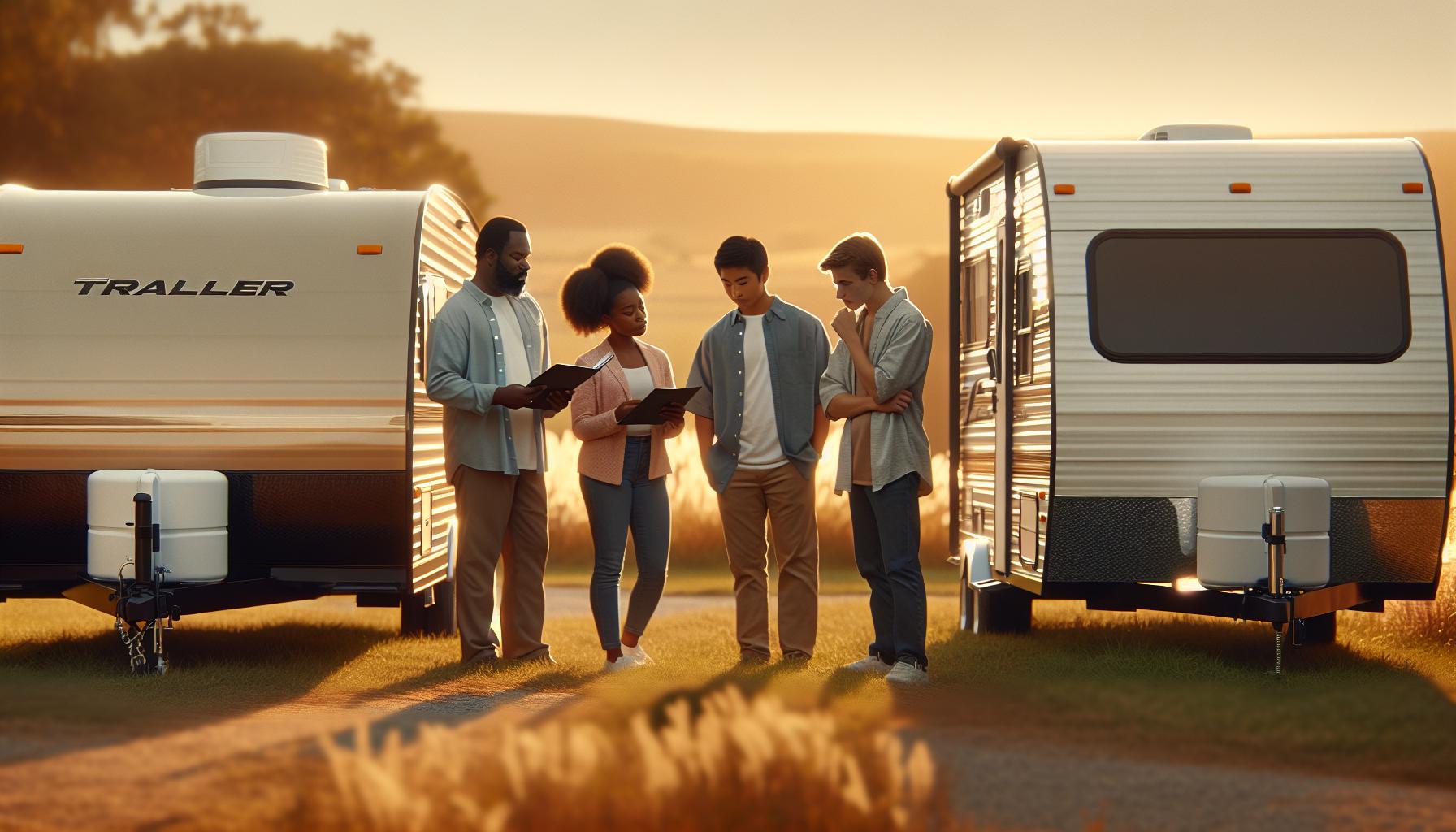
Average Lifespan of Different Trailer Types
Trailer homes come in various types, each with distinct lifespan expectations based on their construction, usage, and maintenance. On average, the life expectancy of traditional single-wide mobile homes ranges from 20 to 30 years, while double-wide homes can last 30 years or more with proper care. However, the longevity of these homes can be influenced by several factors, such as the quality of materials, interior and exterior care, and the suitability of installation on the land.
For instance, modern manufactured homes often incorporate better building materials and techniques that can extend their lifespan significantly. These high-quality builds can sometimes exceed 40 years with regular maintenance and upgrades. In contrast, older models, particularly those built before 1976 (prior to federal design standards), may face more significant challenges and could have a typical lifespan closer to 15-20 years due to outdated materials and construction practices.
Key Types of Trailer Homes and Their Lifespans
- Single-Wide Homes: Typically last 20-30 years.
- Double-Wide Homes: Can last 30-40 years, given appropriate care.
- Triple-Wide Homes: Often exceed 40 years due to superior construction and space.
- Park Models: Designed for seasonal use, these can last 20-30 years, depending on maintenance.
The environmental conditions where the trailer is located also impact its lifespan. In regions with extreme weather, homes may wear out faster unless adequately fortified. Regular inspections, repairs, and upgrades can mitigate some environmental damage, allowing homeowners to maintain the integrity and extend the life of their trailer homes. Ultimately, understanding the specific type of trailer home and its care requirements is crucial for maximizing its lifespan. By investing in quality maintenance and being proactive, homeowners can enjoy their living spaces for many years to come.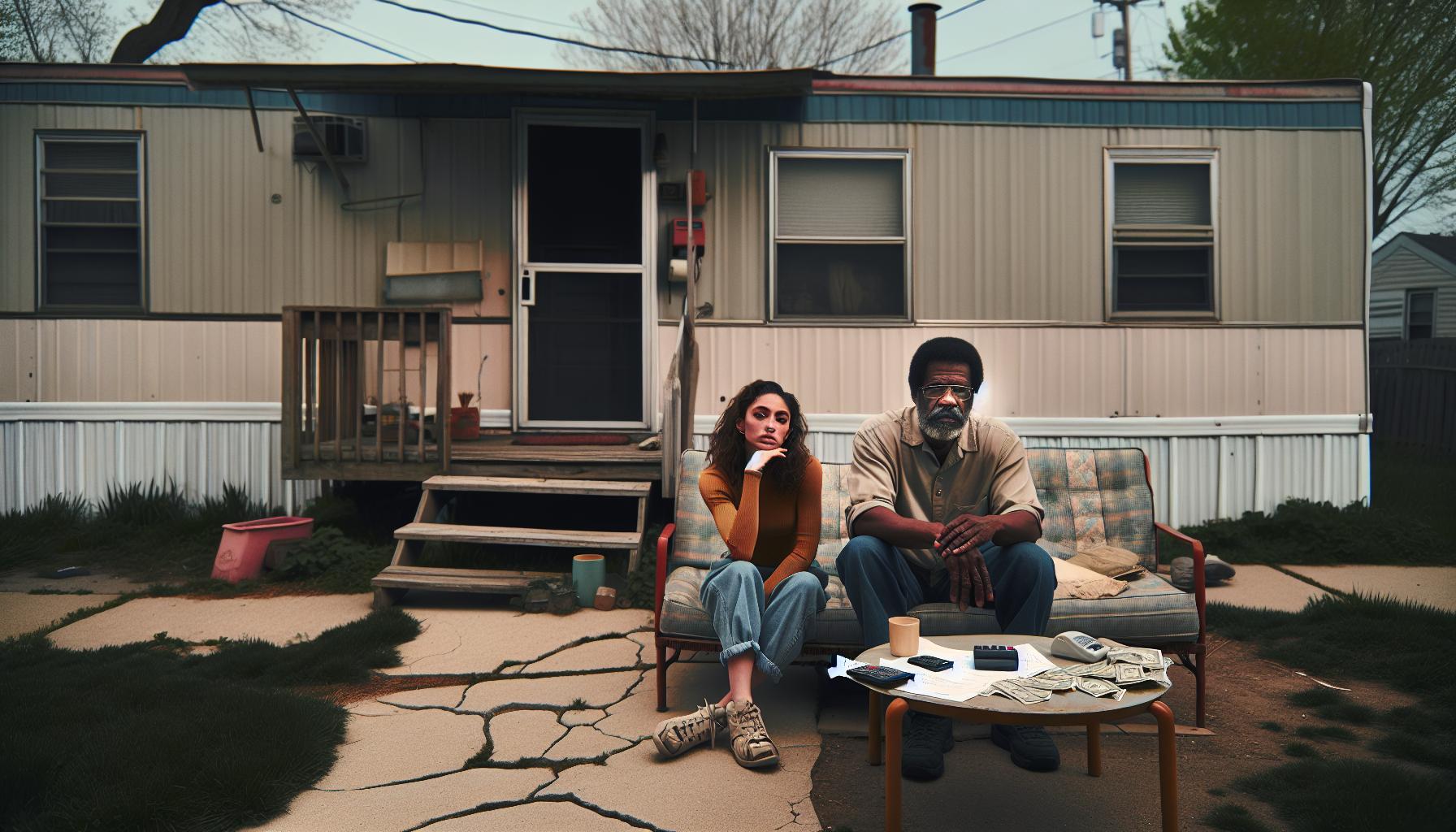
Maintenance Tips to Extend Home Longevity
One of the most effective ways to maximize the lifespan of your trailer home is through regular maintenance and care. Like any residence, a trailer home’s longevity hinges on proactive management of its minor and major components. This routine upkeep not only preserves the structural integrity of the home but also enhances your living experience, making it more enjoyable and comfortable.
To start, it’s vital to conduct regular inspections of both the interior and exterior of your trailer. Pay particular attention to areas prone to damage, such as roofs, windows, and plumbing. Check for leaks, mold, or signs of wear and tear, addressing any issues promptly to prevent them from escalating. Shoveling off snow during winter and clearing off debris in the fall protects your roof from unnecessary strain and potential leaks. Additionally, inspect the trailer’s foundation or wheels (if applicable) to ensure stability and security.
Another crucial aspect of maintenance is keeping the home clean and well-ventilated. Moisture buildup can lead to mold and mildew, negatively affecting both the home’s structure and your health. Regularly clean areas prone to moisture, such as bathrooms and kitchens, and make sure to run fans or open windows for ventilation. If humidity is a recurring issue, consider investing in a dehumidifier.
Upgrading fixtures and appliances as needed can also significantly improve your trailer home’s lifespan. Investment in energy-efficient appliances not only reduces utility costs but also often brings better long-term durability. Furthermore, ensuring that the insulation is adequate will help maintain a comfortable temperature year-round, thus reducing stress on heating and cooling systems.
Ultimately, developing a comprehensive maintenance schedule that includes seasonal tasks like gutter cleaning, exterior painting, and appliance checks will give your trailer home the best chance of lasting for decades. With these small commitments, your home can remain a cherished, secure place for you and your family for years to come.
Common Issues Affecting Trailer Home Durability
Every trailer home owner faces various challenges that can impact the durability and longevity of their living space. Understanding these issues not only helps in proactive maintenance but also allows residents to enjoy a stable and comfortable environment. One of the most significant threats to trailer homes is water damage, which can arise from roof leaks, plumbing spills, or inadequate drainage systems. Once moisture infiltrates the structure, it can lead to mold growth and deterioration of wooden components, potentially affecting both structural integrity and air quality.
Structural Integrity Concerns
Another common issue affecting trailer homes is compromised structural integrity. This can stem from a variety of factors, such as improper installation, shifting foundations, or basic wear and tear. It’s crucial to routinely check the undercarriage, ensuring beams and supports remain intact. Heavy snow accumulation or flooding can exacerbate these problems, making it essential to address drainage issues and inspect stability regularly.
Energy Efficiency and Insulation Problems
Energy inefficiency is often overlooked but can greatly affect a trailer home’s lifespan. Poor insulation can lead to fluctuating temperatures, putting excessive stress on heating and cooling systems. Residents can conduct a simple insulation check by feeling for drafts around windows and doors. If drafts are present, adding weather stripping or even updating insulation can help maintain a comfortable climate and lower energy bills, preserving the trailer’s overall condition.
By being aware of these common issues and performing routine inspections, trailer homeowners can take proactive steps to mitigate potential damage. Whether it’s addressing water infiltration, ensuring structural stability, or improving energy efficiency, a well-informed and vigilant approach will contribute to the longevity of the loved space they call home.
Upgrades to Increase Life Expectancy
Upgrading your trailer home can significantly enhance its durability and longevity, ensuring that your living space remains comfortable and functional for years to come. One of the most impactful improvements you can make is enhancing the insulation. Investing in high-quality insulation materials will help maintain consistent temperatures, reduce energy costs, and protect against moisture infiltration. Consider options like spray foam insulation or rigid foam boards, which provide excellent thermal resistance. Insulating the underbelly and skirting can also prevent heat loss in colder climates.
Another effective upgrade is to replace older fixtures and appliances with energy-efficient models. While you may initially spend more on these appliances, the savings on energy bills can quickly offset the investment, resulting in lower long-term costs. Look for ENERGY STAR-rated appliances that use less power and water, ultimately extending the lifespan of your electrical and plumbing systems by reducing overall wear.
Structural and Aesthetic Enhancements
Addressing structural concerns is equally important. Reinforcing the foundation and crossbeams can improve stability, especially if your home is situated in an area prone to shifting soil or extreme weather. Regularly inspecting and upgrading roofing materials can prevent leaks that compromise the entire structure. Consider materials such as metal roofing, which is not only durable but also reflects heat, helping manage the internal temperature.
Additionally, enhancing the exterior with weather-resistant siding not only boosts curb appeal but also protects against moisture damage and pests. Vinyl or fiber cement siding are excellent options that require minimal maintenance and resist decay.
Lastly, don’t underestimate the power of basic aesthetic upgrades. Simple projects like fresh paint, new landscaping, or modern fixtures can revitalize your space. A well-maintained and visually appealing home not only enhances your enjoyment but can also improve resale value when it’s time to move on. With thoughtful upgrades, you’re steering your home toward a longer, more fulfilling life.
Environmental Impacts on Trailer Home Lifespan
While many people may not realize it, the environmental conditions surrounding a trailer home can significantly impact its lifespan. Extreme weather, including intense heat, heavy rains, or biting cold, can lead to accelerated wear and tear if the home is not adequately prepared. For instance, homes located in areas with high humidity levels may experience problems such as mold and mildew, which can damage both the interior and the structure. On the other hand, homes in very dry climates may be at risk for cracking or other types of damage due to excessive heat.
Taking proactive steps to mitigate these environmental effects can enhance the longevity of trailer homes. Here are some considerations to keep in mind:
Location Considerations
The location of your trailer home plays a vital role in its durability:
- Flood Zones: If your trailer is near a flood zone, consider elevating the foundation to minimize water damage.
- Sun Exposure: Use awnings or shade trees to block harsh sunlight, which can cause exterior materials to fade and weaken over time.
- Wind Protection: Position windbreaks, such as fences or shrubs, to help shield your home from damaging winds.
Seasonal Maintenance
Establishing a regular maintenance schedule based on seasonal changes can greatly improve your home’s resilience:
- Winter: Insulate pipes and skirting to prevent freezing, and check for any roof leaks that could worsen with snow accumulation.
- Spring: Inspect for any water damage and clean gutters to ensure proper drainage during heavy rains.
- Summer: Keep the air conditioning working efficiently by cleaning ducts and replacing filters regularly.
- Fall: Prepare your home for winter by sealing drafts around windows and doors.
Material Choices
The materials used in constructing or upgrading your trailer home can also influence its ability to withstand environmental stressors. For instance, choosing high-quality roofing materials that can endure storms and extreme temperatures can prevent leaks and other issues. Additionally, using rust-resistant materials for plumbing and structural elements can help maintain the integrity of the home over time.
Understanding and mitigating the impacts of environmental factors are crucial steps in extending the lifespan of a trailer home. By tailored maintenance efforts and smart upgrades, homeowners can create a more durable living space that stands the test of time.
Insurance Considerations for Mobile Homes
Obtaining the right insurance for your mobile home is essential not just for peace of mind, but also for ensuring financial protection against unforeseen events that could jeopardize the longevity of your investment. Unlike traditional homes, mobile homes often have unique considerations when it comes to insurance coverage, making it crucial to understand the specifics of what your policy should entail.
When selecting a mobile home insurance policy, it’s important to check whether the coverage includes damage from common hazards such as fire, water leaks, and storms. You’ll want to ensure that your policy provides sufficient structural coverage, particularly because mobile homes can be more vulnerable to severe weather conditions and require specialized appraisal methods. Consider factors like the age and condition of your home, as older models may not meet current building codes, potentially affecting coverage.
Key Coverage Options to Consider
Mobile home insurance policies typically offer various types of coverage, so understanding these can help you make informed decisions. Here are some essential options:
- Dwelling Coverage: Protects the structure of your mobile home against damages from covered perils.
- Personal Property Coverage: Covers personal belongings within the home, such as furniture and electronics, in case of theft or damage.
- Liability Coverage: Protects against claims of injury or property damage that occurs on your property.
- Replacement Cost vs. Actual Cash Value: Understand whether your policy uses replacement cost (to replace damaged property) or actual cash value (the property’s current market value considering depreciation).
Discounts and Premiums
Many insurers offer discounts for mobile home insurance that can reduce your premiums. These may include bundling your mobile home insurance with your auto insurance, installing safety features like smoke detectors, or joining community programs for safer living standards. Regularly reviewing your policy can also reveal opportunities to save based on current market conditions or improvements made to your home.
While the lifespan of a mobile home can be influenced by several factors-such as maintenance, climate, and structural integrity-having adequate insurance coverage plays a significant role in your ability to manage unexpected outcomes. Investing in comprehensive insurance not only protects your home but also secures the peace of mind needed to enjoy your living space fully.
Financing Options for Buying Trailer Homes
Financing a trailer home can be an accessible and rewarding option for those seeking affordable housing alternatives. With various options available, it’s essential to understand the possibilities to make an informed decision that best suits your financial situation and lifestyle.
One common route for financing trailer homes is through personal loans, which can be secured or unsecured depending on your credit profile. Unsecured loans generally come with higher interest rates but do not require collateral, making them a feasible option for the borrower. On the other hand, secured loans might include your trailer as collateral and may offer lower rates, but they carry the risk of losing the asset if payments are missed.
Another popular method is to explore specialized manufactured home loans. These loans, often provided by specific lenders or banks, are tailored to the unique aspects of purchasing a mobile home. They may cover homes that are not only stationary but also those situated in mobile home parks. Interest rates are typically competitive, and the qualifications may vary, so researching various lenders is advisable. Additionally, some programs allow for low down payments, which can be particularly beneficial for first-time buyers.
If you are considering purchasing a trailer home in a community setting, it might also be worth exploring seller financing options. Here, the seller acts as the lender, which can simplify the process and sometimes eliminate the need for a traditional credit check. This can be a great solution if you are facing challenges securing a conventional loan due to credit history or down payment constraints.
To further enhance affordability, it’s wise to investigate state and local assistance programs that may provide down payment assistance or favorable loan terms for first-time homebuyers. These programs are designed to promote homeownership and can ease the financial burden for qualifying individuals.
Embracing the journey of purchasing a trailer home involves weighing various financial paths, understanding what works best for your situation, and making the most of available resources for a smooth transition into mobile home living.
Legal Regulations for Mobile Home Longevity
Understanding the legal landscape surrounding mobile homes is crucial for homeowners looking to extend the longevity of their residences. Different states and local municipalities have specific regulations that govern everything from zoning and land use to the safety and durability standards that mobile homes must meet. These regulations are designed not only to ensure the integrity of the homes but also to protect residents, enhancing the life expectancy of trailer homes.
Key components of mobile home regulations often include the following:
- Zoning Laws: Municipalities have zoning codes that dictate where mobile homes can be placed. This affects accessibility to essential services like utilities and emergency services, which are vital for maintaining safe living conditions.
- Building Codes: Local building codes outline the structural requirements for mobile homes, including proper foundations and anchoring systems. Compliance with these codes is necessary to withstand weather elements and prolong the life of the home.
- Inspection Requirements: Some jurisdictions mandate periodic inspections of mobile homes to ensure they meet safety and maintenance standards. These inspections can help identify issues early, preventing more significant problems down the line.
In addition to these factors, the legal rights of mobile home residents can vary widely. Many communities have laws that protect tenants in mobile home parks, including rules around rental agreements and eviction processes. Knowledge of these rights not only aids in maintaining a stable living situation but also encourages a supportive community environment, which can enhance the overall quality of life and longevity for trailer homes.
Though navigating these regulations may seem overwhelming, resources are often available to help homeowners understand their rights and responsibilities. Local advocacy groups and housing authorities can provide valuable guidance, ensuring that residents are informed and equipped to maintain their mobile homes in accordance with legal standards. By staying informed and proactive about these regulations, mobile homeowners can significantly extend the life expectancy of their homes while fostering a safer living environment.
Renewal and Renovation Projects for Extended Life
When it comes to enhancing the longevity of trailer homes, renewal and renovation projects can make a significant difference. A well-planned renovation not only rejuvenates the living space but also addresses essential issues that could otherwise compromise the structure over time. Simple upgrades, both aesthetic and functional, can help maintain the integrity of the home and increase its lifespan significantly.
One of the best areas to start is with the exterior. Repainting or re-siding your trailer home can do wonders to protect it from weathering. A fresh coat of paint, especially when using weather-resistant materials, acts as a barrier against moisture and insect damage. In addition, enhancing insulation through new siding can improve energy efficiency, which is vital in maintaining a comfortable environment and reducing wear on heating and cooling systems.
Interior Upgrades
Focusing on the interior, consider renovating key areas such as the kitchen and bathroom, which often suffer from wear and tear. Replacing outdated fixtures, installing water-efficient toilets, and renovating cabinets can boost both functionality and aesthetic appeal. Investing in high-quality materials will pay off by reducing the frequency of repairs needed in the future.
Furthermore, flooring is often one of the first areas to display signs of damage. Upgrading to durable materials like tile or laminate can help withstand daily use and moisture, especially in kitchens and bathrooms. Regular maintenance of these surfaces keeps them looking good and functioning well for years.
Maintenance and Prevention
In addition to these renovation projects, regular maintenance is crucial for prolonging the life of trailer homes. Schedule routine inspections to catch problems early, such as leaks or signs of pest infestation. Simple tasks, like cleaning gutters and checking for roof damage, can prevent larger issues later.
Consider budgeting for seasonal maintenance projects-like exterior painting every few years or replacing weather-stripping around doors and windows to improve insulation. Each of these steps is not only an investment in a comfortable living environment but also a proactive measure to protect your home’s value over time.
Through thoughtful renewal and renovation efforts, combined with regular upkeep, trailer homeowners can significantly extend the life and livability of their homes, ensuring they remain a viable and enjoyable living option for years to come.
Cost vs. Value: Is a Trailer Home Worth It?
The decision to invest in a trailer home often comes down to a vital question: is it worth it? This consideration is not just about the initial purchasing price but also involves evaluating long-term costs versus the inherent values of trailer living. One of the most appealing aspects of trailer homes is their affordability compared to traditional housing. With average costs significantly lower, many families and individuals find that trailer homes make homeownership a realistic option without the burden of hefty mortgages.
When analyzing the cost versus value of trailer homes, it’s essential to consider not only the purchase price but also ongoing expenses like maintenance, utilities, and insurance. Trailer homes can offer lower utility bills due to their generally smaller size and increased energy efficiency when properly maintained. However, potential owners should be aware that certain systems, like plumbing and roofing, may require more frequent upkeep compared to conventional homes, particularly in older models. Investing in preventative maintenance can mitigate these costs and enhance the home’s overall lifespan, thereby increasing its value over time.
Another factor to weigh is the potential appreciation of property value. While mobile homes traditionally experienced depreciation, there’s a growing trend of manufactured homes retaining or even gaining value, especially in desirable locations and communities. This shift can be attributed to advancements in construction quality and increasing interest in affordable housing solutions. Communities that offer amenities such as access to parks, shopping, and schools can make trailer homes more attractive, further boosting their market value.
In essence, the worth of a trailer home is intertwined with lifestyle goals and financial objectives. For many, the trade-offs are well worth it, providing a comfortable and affordable living space, greater flexibility, and often fostering a strong sense of community. With mindful investments in maintenance and strategic improvements, trailer homeowners can not only ensure longevity but also enhance the overall value of their residence, making trailer living a compelling choice.
Expert Insights: Lifespan of Mobile Homes
The lifespan of a mobile home often sparks curiosity and concern, especially among potential buyers considering this more affordable housing option. Lifespans can vary widely based on several factors, but with the right care and maintenance, many mobile homes can last 30 years or more. A key factor contributing to longevity is the construction quality, which has improved markedly over the years. Older models, especially those built before the 1976 HUD Code regulations, may not be as durable as newer models equipped with contemporary building materials and techniques.
Another influential aspect is regular maintenance. Just like traditional homes, mobile homes require ongoing upkeep to address wear and tear, weather-related damage, and system failures. Simple tasks such as checking the roof for leaks, inspecting the foundation for damage, and servicing the HVAC system can significantly extend the life of a mobile home. Homeowners should also be proactive about drainage issues and ensure that the mobile home is adequately leveled; neglecting these aspects could result in serious structural problems over time.
Lifestyle choices also play a significant role in determining how long a mobile home lasts. For instance, homes that are situated in harsh climates may experience faster deterioration, especially if not properly protected with weather-resistant materials or if regular checks are overlooked. Additionally, the choices made during renovations or upgrades can enhance durability; investing in high-quality materials for roofing, siding, and insulation can make a noticeable difference in a home’s lifespan.
In conclusion, understanding the expected lifespan of a mobile home and the factors that affect it can empower homeowners to make informed decisions about their investments. By prioritizing maintenance and thoughtfully considering renovations, many residents find that their mobile homes are not only affordable but also sustainable living options for years to come.
In Summary
Understanding the lifespan of a trailer home is essential for any homeowner looking to maximize their investment and ensure long-term comfort. Remember, proper maintenance and timely upgrades can significantly extend your trailer’s life. If you’re interested in enhancing your space or understanding financing options for upgrades, check out our articles on Trailer Home Maintenance Tips and Essential Renovation Projects for Your Mobile Home. Your journey doesn’t have to end here; subscribe to our newsletter for more insights and updates on trailer living.
Whether you’re considering buying a trailer for the first time or you’re a seasoned owner, taking the next step is crucial. Investigate your options and dive deeper into the community’s resources! Don’t hesitate to share your thoughts or experiences in the comments-we love hearing from you. Embrace the unique lifestyle of trailer living and unlock a world of possibilities!