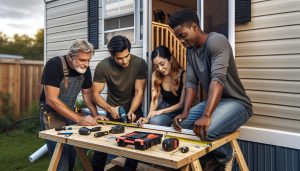
Installing skirting for your trailer home is not just a cosmetic upgrade; it plays a vital role in protecting your investment from harsh weather, critters, and even elevating your home’s energy efficiency. Proper skirting can help reduce heating costs in winter and maintain a stable temperature, making your living space more comfortable. Understanding the costs involved in this essential installation can be daunting, yet it’s crucial for ensuring that your home remains functional and inviting. In this article, we will break down the various factors that influence skirting installation pricing, including materials, labor costs, and options available to suit your specific needs. Whether you’re a first-time homeowner or looking to enhance your existing setup, gaining insight into skirting installation pricing will equip you with the knowledge to make informed decisions and maximize your trailer home’s potential. Let’s dive in!
Choosing the Right Skirting Material for Your Trailer Home
When it comes to selecting skirting materials for your trailer home, the right choice can significantly impact both aesthetics and functionality. The primary purpose of skirting is to protect the area beneath your home from harsh weather, animals, and insects, while also contributing to its curb appeal. With a variety of options available, it’s crucial to weigh the pros and cons of each material to find the best fit for your needs and budget.
Skirting Material Options
- Vinyl: This is one of the most popular choices due to its durability and low maintenance requirements. Vinyl skirting is available in various colors and styles, allowing for great customization. It resists fading, cracking, and rusting, making it a long-lasting option.
- Aluminum: Aluminum skirting provides excellent protection against weather conditions and pests. It’s lightweight and easy to install but can be prone to dents and scratches. Opting for a painted finish can improve its aesthetic appeal and protection against corrosion.
- Wood: Offering a natural look, wood skirting can blend seamlessly with your surroundings. However, it requires regular maintenance and may be susceptible to rot and pests unless treated properly. This option is best for those who appreciate a rustic or traditional appearance.
- Concrete or Block: For maximum durability and security, concrete or masonry skirting is an excellent choice, providing strong protection from animals and weather. It is often more expensive and requires professional installation but offers a long-term solution for homeowners seeking stability.
- Composite Materials: These are becoming increasingly popular as they combine the aesthetic benefits of wood with the durability of synthetic materials. They are resistant to rot, insects, and weather changes, making them a top choice for those looking for a balance of beauty and longevity.
Making the Right Choice
Consider your local climate, the design of your trailer home, and your budget when choosing skirting material. If you live in an area with severe weather, investing in more durable skirting like aluminum or concrete may be worthwhile. Additionally, think about the aesthetic-do you prefer a more modern look or something that harmonizes with nature?
In summary, selecting the right skirting material involves evaluating your specific needs, including durability, maintenance, and design preferences. By weighing these factors carefully, you can enhance not only the appearance of your trailer home but also its protection against environmental wear.
Understanding Trailer Home Skirting Pricing
The cost of skirting for trailer homes can vary significantly based on several factors, including the type of material selected, the size of the home, and whether you choose to install it yourself or hire a professional. Generally, homeowners can expect to pay anywhere from $100 to $1,500 for materials alone, while installation costs can add another $500 to $1,500, depending on complexity and labor rates in your area.
When it comes to materials, the choices range from affordable vinyl to more expensive concrete options. For example, vinyl skirting can cost between $3 to $6 per linear foot, while decorative options like stone or brick-patterned skirting may run higher, up to $10 per linear foot. It’s essential to consider not just the cost of materials but also the long-term benefits and durability each option provides, as investing in higher-quality skirting can lead to savings on maintenance and repairs down the road.
Additionally, regional pricing variations influence costs. In areas with a higher demand for construction services, installation costs might be elevated. Local building codes can also affect pricing; for instance, some regions may require specific materials or methods that could add to overall expenses. Don’t forget to budget for potential extra costs, such as tools for DIY installation or permits if required by local regulations.
To make this process more manageable, homeowners should consider getting quotes from multiple contractors if choosing professional installation. This allows for comparisons and aids in understanding where you might save money-whether through material selection or labor costs. By researching thoroughly and weighing all factors, you can find an option that fits your needs and budget while enhancing the protection and appearance of your trailer home.
Factors Influencing Skirting Installation Costs
The cost of installing skirting around your trailer home is influenced by a myriad of factors, making it essential to understand each aspect to budget effectively and ensure you make informed decisions. From the choice of materials to the complexity of installation, several elements contribute to the overall pricing.
One of the primary factors in determining costs is the material you select for skirting. Common options include vinyl, wood, metal, and concrete, each with its price range and aesthetic appeal. For example, while vinyl skirting is a budget-friendly choice, typically costing $3 to $6 per linear foot, upgrading to decorative stone or brick-patterned skirting can elevate your costs to $10 or more per linear foot. Additionally, certain materials may require specialized installation techniques or tools, which can further affect labor expenses.
The size and layout of your trailer home also play a significant role in skirting costs. Larger homes or those with unconventional shapes may demand more materials, thereby increasing both material and installation costs. Complex configurations that involve additional cutting or customization may also lead to higher labor charges. Furthermore, local labor rates can vary significantly based on your region, impacting overall installation pricing.
Installation Type
Another critical element to consider is whether you will be installing the skirting yourself or hiring a professional contractor. DIY installation can save labor costs, but it requires investment in tools and time, as well as a commitment to getting it right. On the other hand, hiring a professional ensures a high-quality, durable result but typically adds $500 to $1,500 to your overall expense depending on the contractor’s rates and the project’s complexity. Gathering quotes from multiple contractors can provide insight into getting a fair price and help you manage your budget effectively.
Lastly, regional building codes and permits can impact installation costs. In some areas, specific materials or installation practices may be mandated, leading to further expenses. It’s important to research local regulations to avoid unexpected fees that could affect your budget. Considering all these factors holistically will empower you to make the best decisions for your trailer home skirting project, ensuring that you both protect your investment and enhance the appearance of your home.
DIY vs. Professional Skirting Installation
When it comes to installing skirting for your trailer home, one of the most significant decisions you’ll face is whether to tackle the project yourself or hire a professional. Each option presents its own set of advantages and challenges, ultimately influenced by your budget, experience, and time availability. Understanding these factors can help you make an informed choice that suits your needs and enhances your living space.
Opting for a DIY installation can be both rewarding and cost-effective. You save on labor costs, which can range from $500 to $1,500 for a professional job. If you have prior experience with home improvement projects, the task may be straightforward, allowing you to enjoy the satisfaction of completing the work yourself. Furthermore, many resources, including video tutorials and detailed guides, are available online to assist you in the process. However, DIY installation requires a significant investment of time, as well as knowledge of the materials and tools necessary. If you make mistakes during the process, it can lead to additional expenses or poor-quality results that might necessitate hiring a contractor later.
On the other hand, hiring a professional can guarantee a seamless and efficient installation. Experienced contractors bring expertise and experience, ensuring that the skirting is not only installed correctly but also meets local building codes. This can be particularly important in regions where specific materials or techniques are mandated. A professional installation can save you time and alleviate the stress of managing the project alone. While this option typically has a higher upfront cost, the long-term benefits of a professionally installed skirting may outweigh the initial expense, resulting in a durable, aesthetically pleasing finish.
Ultimately, the decision between DIY and professional installation should consider your skill level, the complexity of the project, and your budget. Take your time to weigh the pros and cons, and don’t hesitate to seek quotes from contractors to help you assess your options effectively. By carefully evaluating your personal situation, you can choose the best approach to enhance your trailer home’s appearance and functionality.
Step-by-Step Guide to Installing Trailer Home Skirting
When it comes to setting up skirting for your trailer home, a meticulous approach ensures both durability and aesthetic appeal. Skirting not only enhances the appearance of your trailer but also protects it from pests and harsh weather conditions. Below is an easy-to-follow guide to help you effectively install skirting around your mobile home.
Gather Your Materials
Before getting started, ensure you have all necessary materials and tools. You will need:
- Skirting panels made from your chosen material (vinyl, wood, metal, or concrete)
- Skirting support system (if required)
- Concrete anchors or wooden stakes
- Adhesive (if necessary)
- Measuring tape
- Level
- Utility knife and saw (if cutting panels is needed)
- Screwdriver or drill
Measure and Plan
- Measure the Space: Begin by measuring the perimeter of your trailer home to determine how much skirting material you’ll need. Double-check your measurements to avoid mistakes.
- Plan Skirting Height: Decide how high you want the skirting to sit. Ensure there’s adequate clearance for ventilation and that it prevents water from pooling underneath.
Install the Skirting
- Install the Support System: If your chosen skirting requires a support system, set this up first, following the manufacturer’s instructions for placement and spacing.
- Cut and Fit Panels: If necessary, cut your skirting panels to fit. You want a snug fit that allows for some expansion and contraction, especially in fluctuating temperatures.
- Attach the Skirting Panels:
– Start from one end of your trailer. Align the first panel and attach it using your concrete anchors, stakes, or adhesive as appropriate.
– Use a level to ensure each panel is straight as you proceed.
- Continue Installation: Work your way around the trailer, attaching each panel in sequence. Be mindful to fit corners or curves accurately to avoid gaps.
Finalize and Secure
- Check for Places to Ventilate: Depending on your skirting material, create spaces or purchase vented panels to allow airflow. This is crucial for preventing moisture buildup.
- Seal and Finish: Once all panels are installed, check for any gaps. Fill these with appropriate sealant if necessary to further ward off pests and water entry.
- Inspect Your Work: Finally, review your installation for stability and alignment. Make any adjustments needed and ensure everything is secure.
With these steps, your mobile home skirting will be both functional and visually appealing. Regular maintenance checks will ensure that your skirting lasts throughout the seasons. By following this guide, you can protect your trailer effectively while adding to its charm.
Common Mistakes to Avoid During Skirting Installation
Installing skirting around your trailer home is a project that can significantly enhance its appearance while providing protection from the elements and pests. However, the process can be fraught with errors that may compromise both the look of your home and its structural integrity. Avoiding common pitfalls during this installation can save you time, money, and effort in the long run.
One of the most frequent mistakes is underestimating the importance of precise measurements. Many homeowners skip this crucial step or fail to double-check their figures, leading to costly errors like purchasing too much or too little skirting material. Always focus on getting the dimensions right by measuring the entire perimeter of your trailer and considering factors like height clearance. Additionally, if you’re cutting panels, ensure they fit snugly without restricting necessary airflow; otherwise, you might end up creating moisture problems that lead to mold.
Another common oversight is neglecting ventilation. Insufficient airflow beneath your trailer can trap moisture and foster mold growth, damaging both the skirting and the trailer itself. Be sure to incorporate vented panels or leave intentional gaps in your installation plan to promote adequate airflow. It’s also wise to check the manufacturer’s recommendations to understand the specific ventilation needs of your chosen skirting material.
Lastly, many DIYers underestimate the time and effort required for proper installation. Rushing through the process often leads to misalignment and improper fastening, diminishing the aesthetic appeal and increasing the risk of wind damage or pest entry. Take your time to secure each panel correctly and verify that they are level and straight as you work, rather than speeding through to finish quickly. By avoiding these common mistakes, you’ll achieve a more professional-looking result that enhances both the functionality and appearance of your trailer home.
Maintenance Tips for Long-Lasting Skirting
To ensure your trailer home skirting remains durable and effective over time, regular maintenance is key. By addressing minor issues promptly, you’ll prevent more significant problems from developing and extend the life of your skirting. Routine inspections should be part of your seasonal home care checklist. After heavy rains or storms, take the time to check your skirting for signs of damage or displacement. Look for warped panels, gaps allowing pests entry, or areas where standing water might accumulate.
Routine Cleaning
Keeping your skirting clean is another essential part of maintenance. Dust, dirt, and debris can accumulate and detract from the appearance of your home. A simple wash with a hose or power washer, combined with a mild detergent, can rejuvenate the look of your skirting and remove organic materials that could encourage mold or mildew growth. Make this a biannual task or more frequently if your home is in a dusty environment.
Inspect for Damage
Conduct a thorough inspection at least twice a year. Look for cracks, holes, or sections that have come loose. Signs of pest activity, such as nests or droppings, should be addressed immediately to prevent a larger infestation. Additionally, ensure that any vents incorporated into the skirting are unobstructed to allow proper airflow and drainage, which is vital for preventing moisture buildup.
Seasonal Adjustments
As seasons change, so do the challenges your skirting may face. In winter, ensure that no snow accumulates against your trailer’s base, which can lead to dampness and mold issues. During the hot summer months, regular checks for UV damage to materials can help maintain their integrity, particularly if your skirting is plastic or vinyl.
By committing to a routine maintenance schedule, you’ll not only enhance the aesthetic appeal of your trailer home but also protect your investment and ensure it remains a safe and comfortable living environment. Regular upkeep of your skirting can save you from costly repairs in the future, making it a smart practice for every trailer home owner.
Benefits of Properly Installed Trailer Home Skirting
Properly installed trailer home skirting serves as more than just an aesthetic enhancement; it provides critical benefits that contribute to the overall integrity and comfort of your living space. One of the most significant advantages is insulation. By blocking cold air drafts and heat loss beneath your trailer, skirting can help maintain a stable internal temperature, making your home more energy-efficient. This can lead to noticeable savings on heating and cooling costs, not just during extreme temperatures but year-round.
Another key benefit is protection against moisture and pests. Proper skirting creates a barrier that keeps water and debris from accumulating under your trailer, minimizing the risk of mold and rot that can compromise your home’s structure. Additionally, it prevents small animals and insects from nesting or entering your space, which can lead to costly damage and health risks. Having effective skirting means you can enjoy peace of mind, knowing that your home is safeguarded from environmental factors and unwanted critters.
Durability is also a critical advantage of investing in quality skirting materials and installation. When you choose the right materials, such as vinyl, metal, or reinforced composite options, you ensure that your skirting will withstand the elements over time. This durability not only enhances the longevity of the skirting itself but can also add to the resale value of your trailer home, making it a smart investment in the long run.
In summary, effectively installed trailer home skirting improves energy efficiency, protects against moisture and pests, and contributes to the overall durability of your home. These benefits make it a worthwhile investment that enhances both your living experience and the longevity of your trailer. Choosing the right skirting and ensuring it’s properly installed sets the groundwork for a comfortable, safe, and efficient home.
Top Skirting Brands and Products Reviewed
When it comes to choosing skirting for your trailer home, selecting a reliable brand that offers quality, durability, and aesthetic appeal is crucial. Various brands cater to diverse needs and preferences, ensuring that you find the perfect fit for your specific requirements. Here’s a look at some of the top skirting brands and products that stand out in the market.
Quality Brands to Consider
- Mobile Home Concepts: Known for its durable vinyl skirting options, Mobile Home Concepts provides a variety of colors and styles that can enhance the overall look of your trailer while providing effective insulation and protection against pests.
- Simpson Strong-Tie: This brand offers metal skirting solutions that are particularly valued for their robust construction. Their products not only withstand harsh weather but also provide a sleek, modern aesthetic.
- Skirting Direct: With a wide range of materials including vinyl, metal, and composite, Skirting Direct is a one-stop-shop for trailer home skirting. Their materials are designed to be long-lasting and easy to install, making them an excellent choice for DIY enthusiasts.
- Clayton Homes: Offering quality skirting options tailored for manufactured homes, Clayton Homes focuses on durability and insurance against moisture and pest infiltration, making them a reliable choice for homeowners.
Top Product Recommendations
| Brand | Material | Features | Price Range |
|---|---|---|---|
| Mobile Home Concepts | Vinyl | Easy installation, multiple colors | $1.50 – $3.00 per linear foot |
| Simpson Strong-Tie | Metal | Weather-resistant, sleek design | $2.00 – $4.00 per linear foot |
| Skirting Direct | Composite | Long-lasting, easy to customize | $1.75 – $3.50 per linear foot |
| Clayton Homes | Vinyl/Metal | Durable, great insulation | $1.80 – $3.20 per linear foot |
Investing in high-quality skirting not only improves the aesthetic appeal of your trailer home but also contributes to its structural integrity and efficiency. While considering your options, think about factors like climate, external appearance, and budget to ensure you select the ideal brand and product for your needs. By making an informed choice, you can enjoy the numerous benefits that come with properly installed skirting, enhancing both your living experience and the longevity of your home.
Regional Cost Variations for Skirting Installation
The cost of skirting installation for trailer homes can vary significantly based on regional factors, making it crucial for homeowners to be informed. Labor rates, availability of materials, and local demand can all influence overall costs. For instance, urban areas often see higher labor costs compared to rural regions, where the cost of living is generally lower. Additionally, certain regions may have a greater supply of specific materials, which can either drive prices down or create shortages that inflate costs.
Labor costs can also differ based on the complexity of the installation. In areas where skilled labor is in high demand, such as major metropolitan centers, you might encounter hourly rates that are significantly above the national average. On the flip side, in smaller towns or regions with less demand for skirting installation, lower rates may be found, allowing homeowners to save on their projects. For example, while you might pay $25 to $50 per hour for installation in a large city, rates could be as low as $15 to $30 per hour in less populated areas.
Material prices are similarly affected by regional supply and demand. Vinyl skirting options are widely available and can be purchased for as low as $1.50 to $3.00 per linear foot in some markets, whereas metal skirting might range from $2.00 to $4.00 per linear foot due to its durability and different aesthetic appeal. Local building regulations and climate considerations can also prompt buyers to choose specific materials, affecting prices accordingly. It’s essential to compare local suppliers and contractors to ensure that you’re getting a competitive price.
Additionally, some regions may have higher transportation costs due to their location or distance from major suppliers. Being aware of these potential variations ahead of time can help you budget better for your skirting installation. Collecting multiple quotes from local providers will give you a clearer picture of the market and allow you to negotiate effectively, ensuring that you can find a solution that fits both your needs and your budget.
Financing Options for Trailer Home Skirting Projects
When it comes to skirting installations for trailer homes, understanding your financial options can make a significant difference in how smoothly the project unfolds. Many homeowners are surprised to learn that there are multiple avenues available for financing these essential improvements. Whether you are looking to cover the costs through small personal loans, home improvement loans, or even by utilizing credit cards, having a plan in place can help ease the financial burden.
Types of Financing Options
There are several financing options to consider, each with its own set of benefits. Here are some common methods:
- Personal Loans: Unsecured personal loans can provide you with the funds needed to cover skirting installation costs, often with lower interest rates than credit cards.
- Home Improvement Loans: Some banks and credit unions offer specific loans for home improvements, which can be tailored for trailer homes. These may come with favorable terms if you have good credit.
- Credit Cards: Using a credit card is a quick option for covering costs, especially if you have a card with a low-interest rate or a promotional 0% APR period. However, be cautious of accumulating debt.
- Payday or Short-Term Loans: While these can offer immediate funds, they often come with high-interest rates and should be used cautiously.
Grants and Assistance Programs
Some local governments and non-profits offer grants or financial assistance for home improvement projects, particularly for low-income families or individuals. Research your eligibility for any housing grants specific to mobile homes, as they can provide invaluable support without the need to repay.
Budgeting for Your Skirting Project
No matter which financing route you choose, it’s wise to create a detailed budget that encompasses not just the installation costs, but also materials and potential additional expenses. Consider the following steps for effective budgeting:
- Obtain quotes from multiple contractors to gauge an accurate price range.
- Factor in the costs of materials, including any unexpected expenses that may arise.
- Assess your current financial situation to determine how much you can afford from savings versus how much you’ll need to finance.
By exploring financing options and carefully budgeting your expenses, you can pave the way for a successful and efficient skirting installation, enhancing the comfort and appearance of your trailer home.
To Conclude
Understanding the costs associated with skirting installation for your trailer home is essential for making informed decisions. With various options available, from DIY kits to professional services, you can create a stable, aesthetically pleasing environment that enhances your home’s value and energy efficiency. Don’t wait too long-taking action today not only improves the longevity of your home but also protects it against potential damage.
Explore our comprehensive guides on maintenance tips for mobile homes or check out our selection of mobile home skirting kits to find the perfect fit for your needs. If you have any questions or need personalized guidance, feel free to leave a comment below or sign up for our newsletter to stay updated with the latest information. Your journey towards an improved mobile home living experience starts now!