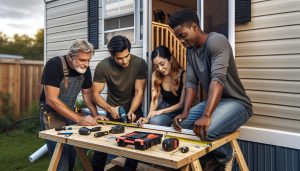
Did you know that the average lifespan of a trailer home can range from 30 to 55 years, depending on various factors? Understanding the longevity of trailer homes is essential for current and prospective owners, as it significantly impacts maintenance decisions, resale value, and overall living experience. Many people find themselves drawn to the affordability and flexibility of mobile and manufactured homes, yet may worry about the durability and lifespan of these structures. By exploring important longevity secrets, like regular maintenance, repair practices, and environmental factors, you can make informed choices to extend the life of your home. Continue reading to unlock valuable insights that will help you maximize your investment and enjoy a comfortable living space for years to come.
What Influences the Lifespan of Trailer Homes?
When considering the lifespan of trailer homes, multiple factors play a crucial role in determining how long these residences can remain functional and comfortable. One influential aspect is the quality of materials used in construction. High-grade insulation, sturdy roofing, and durable siding can significantly prolong the life of a trailer home. Additionally, the initial design and craftsmanship can set the foundation for longevity; homes built by reputable manufacturers typically adhere to higher standards.
Maintenance practices are particularly pivotal. Regular upkeep, such as inspecting and sealing the roof, maintaining plumbing systems, and checking for pest invasions, can extend the lifespan considerably. Conversely, neglect can lead to issues like water damage, which can quickly deteriorate the structural integrity of the home. Homeowners who proactively engage in maintenance often report lifespans of 30 to 55 years or even longer with diligent care [[3]].
Finally, environmental conditions heavily influence durability. Homes in regions with extreme weather-be it intense heat, heavy snowfall, or frequent storms-may experience more wear and tear than those in milder climates. Understanding these influences not only helps in choosing the right home but also prepares residents for necessary upkeep and eventual upgrades, ensuring their trailer homes serve as stable and comfortable living spaces for many years.
Common Maintenance Practices for Longevity
To ensure your trailer home remains a comfortable and safe haven for years to come, implementing a regular maintenance routine is essential. Just like any home, trailer homes require specific care to prolong their lifespan and maintain their value. Engaging in consistent upkeep can help you avoid costly repairs down the line and can even enhance the quality of your living environment.
Start with roof maintenance, as the roof is your first line of defense against the elements. Regularly inspect the roof for signs of damage, such as missing shingles or leaks. It’s advisable to seal any gaps or cracks promptly to prevent water intrusion, which can lead to extensive water damage and mold growth. Cleaning gutters and downspouts is also crucial to ensure proper drainage and avoid overflow that could harm the foundation.
Additionally, focus on HVAC system maintenance. Schedule routine inspections and cleanings for your heating and cooling systems to ensure they’re running efficiently. Change filters regularly to improve air quality and reduce energy costs. Similarly, plumbing maintenance is key; check for leaks, and while you’re at it, flush your water heater annually to remove sediment build-up. A proactive approach will not only help you identify small issues before they escalate but also contribute to the efficient operation of your home.
Lastly, consider seasonal maintenance tasks, such as inspecting windows and doors for proper sealing and insulation. This not only enhances energy efficiency but also prevents pests from entering your home. By investing time and effort into these common maintenance practices, you can significantly enhance the longevity of your trailer home, ensuring it remains a safe and welcoming space for years to come.
Cost-Effective Upgrades to Extend Your Home’s Life
Upgrading your trailer home doesn’t have to mean breaking the bank; in fact, numerous cost-effective improvements can significantly enhance its lifespan and livability. One of the most impactful upgrades you can make is adding insulation to the walls and underbelly of your home. Enhanced insulation can help regulate indoor temperatures, making your home cozier in the winter and cooler in the summer, which can lead to lower heating and cooling costs over time.
Another valuable project involves updating windows and doors. Replacing old, drafty windows with energy-efficient models can dramatically improve energy efficiency. Make sure to choose double-pane windows designed for mobile homes to maximize insulation. Weather stripping or installing door sweeps can also prevent drafts, further improving comfort and energy savings.
Maintenance-Free Exterior Solutions
Choosing low-maintenance materials for your trailer home’s exterior can save both time and money. Consider installing vinyl siding or composite decking, both of which are designed to withstand the elements without extensive upkeep. For those living in humid or wet areas, these materials can also mitigate the risks of rot and mold, contributing to the overall durability of your home.
Smart Water Management
Implementing smart water management practices is another effective upgrade. Installing rain gutters to direct water away from the home and ensuring proper grading around the foundation can prevent moisture-related problems. Additionally, consider adding a rain barrel to collect runoff-this not only conserves water but protects your trailer home’s foundation by reducing erosion.
By focusing on these cost-effective upgrades, you can extend the life of your trailer home while simultaneously creating a more comfortable living environment. Consider starting with one small project, and as you see the benefits, you may be encouraged to tackle larger initiatives. Every step taken towards improvement not only enhances the quality of your home but also represents a solid investment in your property’s future.
Understanding the Different Types of Trailer Homes
When considering the various types of trailer homes, it’s important to understand that not all options are created equal. Each type offers unique advantages and limitations that can significantly impact your living experience, maintenance needs, and overall longevity.
Manufactured homes are built in a factory and then transported to a site, often resembling traditional houses in terms of design and construction quality. They typically come in single-section or multi-section models, with multi-section homes providing more space and customization options. Because of their construction codes, these homes are designed for durability and longevity, often lasting several decades with proper maintenance.
Mobile homes also fall under the broader category of manufactured homes and are often older models made before 1976, when stricter federal regulations were introduced. While they may be less expensive and more portable, mobile homes can have a shorter lifespan compared to newer manufactured homes. Homeowners should prioritize routine maintenance, especially in areas like plumbing and roof integrity, to maximize their life expectancy.
Tiny homes, while distinct from traditional trailers, have become an appealing alternative for many looking to downsize. They are often built on trailer frames, making them easily movable. Despite their compact size, tiny homes can be equipped with high-quality materials and energy-efficient systems, contributing to sustainability. However, their longevity heavily relies on the materials used and regular upkeep.
Fifth-wheel trailers and motorhomes represent a different segment of trailer homes, primarily used for recreational purposes. Although these aren’t traditional homes, some people choose to live in them full-time. They require different maintenance strategies, focusing more on mobile aspects and systems like propane and batteries. Regular checks on the tires, connections, and appliances are essential for safe and comfortable living.
Understanding these various types can help homeowners make informed decisions about which trailer home suits their lifestyle and maintenance capability. Each type offers a unique set of characteristics, allowing you to find a living solution that meets both your practical and personal needs. Whether considering durability, space, or mobility, being informed is key to ensuring a satisfying and lasting home experience.
How Climate Affects Trailer Home Durability
The climate in which a trailer home resides plays a crucial role in determining its durability and overall lifespan. Extreme temperatures, humidity, and weather conditions can significantly affect the structural integrity and comfort of these homes. For instance, in areas with harsh winters, trailer homes are especially susceptible to heat loss if they are not adequately insulated, leading to higher energy costs and potential freezing of plumbing systems. Conversely, excessive heat in summer can cause materials to warp and degrade more rapidly.
Temperature variations can also influence key components of trailer homes. The materials used in construction, such as vinyl siding or rubber roofing, may face different wear and tear based on climate. In humid regions, moisture can promote mold and mildew growth, affecting air quality and structural integrity. In contrast, locations with high winds can place stress on the framing and anchoring systems, leading to potential damage over time. Thus, understanding your environment is essential for proactive maintenance.
To extend the life of a trailer home in various climates, consider these practices:
- Insulation: Ensure proper insulation is installed to regulate indoor temperatures and reduce energy consumption.
- Ventilation: Good airflow is essential, particularly in humid climates, to prevent moisture buildup.
- Roof Maintenance: Regular inspections and repairs of the roof will help to avoid leaks that can cause significant damage.
- Anchoring System Checks: Regularly check and reinforce anchoring systems in areas prone to high winds to maintain stability.
In sum, adapting your maintenance strategies to the specific climate can significantly enhance the lifespan of your trailer home. By staying vigilant and proactive about the challenges posed by your environment, you can ensure your home remains a safe and comfortable place for years to come.
Essential Safety Features to Consider
Ensuring the safety and comfort of your trailer home is paramount, given its unique structure and mobility. One of the essential aspects of maintaining a safe living environment is being aware of the key safety features that can significantly enhance your home’s integrity and your peace of mind. This begins with a robust smoke detection system. Installing multiple smoke detectors throughout your trailer not only meets safety regulations but also provides early warning in case of fire, giving you crucial time to evacuate.
In addition to smoke detectors, a carbon monoxide (CO) detector is essential, especially if your trailer uses gas appliances. Carbon monoxide is an invisible, odorless gas that can be lethal in high concentrations. Placing CO detectors near sleeping areas ensures that any presence of this dangerous gas is immediately detected, safeguarding you and your family.
Another critical safety feature is a secure anchoring system. Trailer homes are designed to be mobile, so they can be susceptible to strong winds and storms. Regularly checking and maintaining your anchoring system will help prevent the home from shifting or tipping over during inclement weather.
Installing proper lighting around the exterior of your trailer adds an extra layer of safety, deterring potential intruders while ensuring safe entry and exit during nighttime. Motion-sensor lights are particularly effective, as they provide illumination only when movement is detected, conserving energy while enhancing security.
Finally, ensure that your trailer’s emergency exits are easily accessible and clearly marked. Familiarize yourself and your family with these exits, practicing evacuation scenarios to prepare for unexpected situations. Incorporating these safety features not only fortifies your trailer home but also fosters a sense of security for you and your loved ones. Remember, being proactive about safety can ultimately contribute to the longevity and livability of your space.
Signs Your Trailer Home Needs Repairs
Identifying when your trailer home needs repairs is crucial for preserving its lifespan and ensuring your living environment remains safe and comfortable. A few key signs can alert you to potential issues before they escalate into costly repairs or safety hazards. Regularly assessing your home can save you both effort and money in the longer term.
One of the primary indicators that your trailer home might need attention is visible water damage or stains on walls and ceilings. Look out for discoloration, peeling paint, or warped surfaces, as these could suggest leaks that require immediate repair. Additionally, check for mold or mildew, particularly in areas with high humidity or where water exposure is likely. These growths not only compromise the integrity of your structure but can also pose health risks to you and your family.
Another significant marker is structural instability. If you notice cracks in the walls, uneven floors, or doors that no longer close properly, it may signal foundational issues. Ensure that windows and doors seal tightly; gaps can lead to increased energy costs and drafts, compromising your comfort. Inspect the exterior as well for any signs of damage to the skirting or undercarriage, which could affect your home’s stability and weatherproofing.
Lastly, a decrease in functionality of your systems can be a red flag. For example, if your HVAC system is struggling or making unusual noises, it may need servicing or replacement. Similarly, plumbing issues such as slow drains or low water pressure could indicate underlying problems within the pipes that need addressing. Catching these signs early can prevent more significant issues and enhance your trailer home’s overall longevity and quality of life.
By being vigilant and proactive, you can maintain a healthy and safe environment in your trailer home, ensuring it remains a cherished space for years to come. Regular inspections and timely repairs empower you to enjoy your living space without unnecessary stress or financial burden.
Long-Term Financing Tips for Trailer Home Buyers
Navigating the financial landscape of purchasing a trailer home can be a challenge, but it offers invaluable opportunities for affordable living. It’s essential to understand that financing can significantly impact both your purchasing power and the overall longevity and quality of your home. Many buyers may be unaware that traditional mortgages are often not applicable for trailer homes; instead, several specialized loan options cater to this unique housing market.
When considering long-term financing, it’s crucial to explore the various alternatives available. FHA Title I and Title II loans are popular options, designed to make homeownership accessible for those purchasing or refinancing manufactured homes. These loans usually come with lower down payment requirements and less stringent credit criteria, making them attractive choices. For individuals looking for financing without the need for permanent foundations, personal loans may also be an option. However, be cautious, as personal loans often have higher interest rates and shorter repayment terms, which could increase your monthly expenses.
Understand Your Budget
Before diving into the financing options, take time to evaluate your budget realistically. This includes not only the cost of the trailer home but also the long-term costs of maintenance, utilities, and potential upgrades. Create a detailed budget that informs you about how much you can afford monthly without stretching your finances too thin. Checking your credit score beforehand can also help you identify any areas for improvement, which can lead to better financing options and rates.
Consider Leasing vs. Buying Land
If you’re purchasing a trailer that will be placed on a rental lot, make sure to understand the implications of leasing. Many manufactured home communities have their own requirements and fees that could affect your financing and living experience. For those considering purchasing land, ensure that it is zoned for manufactured homes and that you understand local regulations. This can enhance your investment, but do factor in additional costs associated with owning land, such as property taxes and maintenance.
Finally, as you explore loans, consult with multiple lenders to understand your options fully. Look for lenders experienced with manufactured home loans, as they can provide specific advice based on your unique situation. Comparing rates and terms can lead to significant savings over the life of your loan. Informed decisions today can ensure that your trailer home remains a safe, comfortable, and financially manageable space for years to come.
Regulations and Legal Considerations for Owners
Owning a trailer home comes with its own set of regulations and legal considerations that are essential for sustaining not only the structure but also your peace of mind as a homeowner. Understanding local zoning laws and regulations is crucial. These laws dictate where trailer homes can be placed and the standards they must meet. Before purchasing or placing your trailer, verify that the location complies with local zoning requirements, and check if there are any restrictions on permanent installations or modifications to the home.
In addition to zoning laws, it’s essential to be informed about community rules, especially if your trailer home is situated in a manufactured home community. Often, these communities have rules regarding the upkeep of units, property standards, and even aesthetics that homeowners must follow. Violating these rules could lead to fines or even eviction. Engage with the community management to thoroughly understand all regulations before committing to a community lifestyle.
Another significant consideration involves insurance and financing requirements. Many lenders have specific stipulations for insuring trailer homes, which can differ markedly from traditional home insurance. It’s wise to shop around for insurance policies designed for manufactured homes to ensure adequate coverage against risks like fire, theft, or severe weather. When financing, be sure to review any lender requirements, such as the foundation type or the age of the trailer.
Lastly, stay informed about any federal and state laws that may apply to mobile homes. Regulations involving safety standards, housing services, and consumer rights are critical for ensuring that you are protected as a homeowner. This will help you advocate for your rights and understand your responsibilities as a trailer home owner, ultimately impacting the longevity of your investment.
Innovative Technologies to Enhance Home Longevity
Innovative technologies are transforming the landscape of trailer home living, providing residents with tools to enhance longevity, efficiency, and comfort. By integrating modern solutions, homeowners can significantly prolong the lifespan of their trailer homes while enjoying a higher quality of life.
One such advancement is the use of energy-efficient materials. For instance, installing foam insulation can dramatically reduce energy costs and improve temperature stability. Additionally, using roofing technology, such as reflective roofing materials, can help maintain cooler interiors and reduce wear on both the exterior and interior of the home. Smart home technologies also contribute to maintenance and longevity – systems that monitor HVAC efficiency or track moisture levels can alert residents to potential issues before they escalate, ensuring timely repairs.
Another aspect is smart water management systems. These technologies can detect leaks, optimize water usage, and improve overall water efficiency. This not only conserves resources but also minimizes damage from water-related issues, which can be particularly harmful in a mobile or trailer home environment. Furthermore, advanced building materials, including composite materials that resist rot and decay, can replace traditional wood components in areas prone to moisture or pest damage.
Incorporating renewable energy options, such as solar panels, not only reduces dependence on the power grid but can also extend the life of many components within the home by using clean energy. Additionally, embedding modern technologies like IoT (Internet of Things) sensors can help track energy consumption and detect faults, allowing homeowners to make informed decisions to maintain their home systems.
By embracing these innovative technologies, trailer homeowners can not only protect their investment but also enjoy a more comfortable and sustainable living environment.
Real Stories: Successful Trailer Home Renovations
Inspiring as they are, many trailer home renovations illustrate the true potential of these spaces when coupled with creativity and effort. One remarkable transformation involved a family in Maine who purchased a vintage mobile home with the intention of revitalizing it as their vacation getaway. Initially, the home was dated and poorly insulated, but through careful renovations that prioritized both aesthetics and efficiency, they managed to create a warm, inviting space. The family started by stripping away old paneling and replacing it with bright, shiplap wood walls. They then installed energy-efficient windows, which not only improved the home’s thermal performance but also allowed natural light to flood the interiors.
Renovations don’t always have to be extensive; sometimes, simple cosmetic changes can make a significant difference. A couple in Texas opted to update their trailer home by painting the exterior with a vibrant color and adding a cozy porch. These changes not only enhanced curb appeal but also created an outdoor living space that they could enjoy year-round. By investing in outdoor furniture and plants, they turned their porch into a relaxing oasis, demonstrating how effective small-scale improvements can be in boosting home longevity and enjoyment.
It’s also beneficial to consider the technology in renovations. A family in Arizona was able to extend their trailer home’s life by integrating modern smart home features. They installed solar panels, which not only reduced their energy bills but also powered smart thermostats that managed heating and cooling efficiently. This small change lowered maintenance costs and ensured that the home remained comfortable throughout the extreme temperatures of summer and winter.
These real-life stories reflect the endless possibilities within trailer home renovations. Each renovation journey emphasizes that with creative vision and practical upgrades, trailer homes can evolve into beautiful, functional spaces that stand the test of time. Whether through simple aesthetic changes or more comprehensive modern upgrades, every effort counts towards enhancing the longevity and livability of trailer homes.
Expert Tips for Choosing a Quality Trailer Home
Choosing a quality trailer home can be an exciting yet overwhelming process. With a wide range of options available, understanding the factors that contribute to durability and comfort is essential. One of the most critical aspects to consider is the construction standards. Look for homes that meet or exceed HUD (Department of Housing and Urban Development) regulations, as these guidelines ensure structural integrity and safety. Additionally, checking the manufacturer’s reputation can provide insights into the quality of the materials and craftsmanship used.
When inspecting potential homes, pay close attention to the condition of the roof and foundation. A good trailer home should have a sturdy, leak-free roof, which is vital for maintaining structural stability and preventing costly water damage. Inspecting the foundation for cracks or signs of settling can also reveal potential issues. A strong, level foundation supports the overall structure, enhancing longevity and comfort over the years.
Moreover, consider the home’s insulation and energy efficiency features. Well-insulated homes help maintain comfortable temperatures and reduce energy costs. Look for models equipped with double-pane windows and modern heating and cooling systems, which are not only energy-efficient but also extend the life of your home by reducing the stress on HVAC systems. If you’re purchasing an older model, it’s wise to ask about any insulation upgrades the previous owner might have made.
Lastly, remember to research the layout and space utilization of the trailer home. A well-designed floor plan can significantly enhance your living experience. Ensure that the design meets your lifestyle needs, whether it’s ample storage, open living spaces, or the number of bedrooms. Taking the time to choose a well-constructed, energy-efficient, and thoughtfully designed trailer home will set the foundation for a long-lasting and enjoyable living experience.
Wrapping Up
Understanding the longevity of your trailer home is key to enjoying a sustainable and comfortable lifestyle. Now that you have insights into average lifespans and maintenance tips, it’s time to take action! Whether you’re considering basic repairs, upgrades, or exploring financing options for a new trailer, don’t hesitate to delve deeper. Check out our guides on trailer home maintenance tips and renovation projects to ensure your home remains in top shape.
Ready to enhance your living experience? Explore our collection of resources and consider signing up for our newsletter to stay updated on the latest trends, tips, and product recommendations in trailer living. Your journey toward a resilient and lasting home begins now-take the next step today! We invite your thoughts and experiences in the comments below, as your insights can help others in the community. Let’s keep the conversation going!