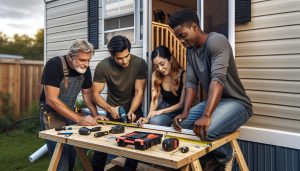
Did you know that upgrading your mobile home with hardwood floors can not only enhance its aesthetic appeal but also increase its value? Many homeowners face the challenge of outdated flooring that diminishes both comfort and style. Fortunately, attaching hardwood floors in a trailer home is a feasible DIY project, bringing long-lasting benefits to your living space. Whether you’re replacing old carpets or simply looking to modernize your home, this guide will equip you with practical steps and tips to navigate the process successfully. Dive into this rewarding endeavor and discover how to transform your mobile home into the cozy, stylish sanctuary you’ve always envisioned. Your journey toward a more beautiful home starts here!
Choosing the Right Hardwood for Your Trailer Home

Choosing hardwood flooring for your trailer home is more than just a stylistic choice-it’s a vital step in ensuring durability and comfort in a space that often faces unique challenges. When selecting the right hardwood, consider factors such as wood species, moisture resistance, and compatibility with your trailer’s structure. Not all hardwoods are created equal; some, such as oak and maple, offer excellent hardness and resilience, making them suitable for high-traffic areas. However, softer woods like pine may dent more easily, which can be a drawback in a mobile living environment.
Key Considerations
When choosing hardwood for a trailer home, keep the following points in mind:
- Moisture Resistance: Trailer homes can experience shifts in humidity and temperature, so selecting a wood that can handle these changes is crucial. Engineered hardwood is often recommended, as it tends to resist warping better than solid wood.
- Installation Method: Consider how you plan to install the flooring. Click-lock systems can be easier for DIY enthusiasts, while traditional nail-down methods may require more tools and skills.
- Finish: Pre-finished hardwood may save you time and effort, as it comes ready to install. This is particularly beneficial in smaller spaces where you may want to minimize the hassle of finishing on-site.
Finally, take into account your budget and maintenance needs. Some hardwoods might come with a higher price tag but offer longevity that justifies the cost. Always remember that investing in hardwood flooring not only enhances the aesthetic appeal of your trailer home but also increases property value and contributes to a cozier living environment.
Preparing Your Trailer Home for Flooring Installation

When embarking on the journey to install hardwood flooring in your trailer home, a little preparation can make all the difference between a smooth process and a frustrating experience. Assessing and preparing your space is crucial for not only the longevity of your flooring but also for the overall comfort and efficiency of your living area. Before you dive into the installation, take these essential steps to ensure your trailer home is ready for this transformation.
Start by clearing the area where you plan to install the hardwood. Remove any existing flooring, such as carpet or vinyl, and ensure that the subfloor is clean and free of debris. Inspect the subfloor for damage; any imperfections, such as rot or unevenness, can lead to problems down the line. If your trailer’s subfloor is not up to par, consider reinforcing it or using an underlayment for added stability. This not only provides a solid foundation for your hardwood but also improves insulation and reduces noise.
Next, it’s vital to acclimate your hardwood flooring before installation. This means allowing the wood to sit in your trailer, ideally for at least 48 hours. This process helps the wood adjust to the temperature and humidity levels of your living environment, minimizing the risk of warping or gaps after installation. Store the planks in their boxes and place them in the room where they will be installed to achieve the best results.
Understanding the moisture levels in your trailer is also critical. Use a moisture meter to check both the subfloor and the hardwood planks. Ideally, the moisture content should balance between the two to prevent issues from arising later. If your trailer home experiences humidity fluctuations, consider using a dehumidifier to maintain a consistent environment, which will extend the lifespan of your flooring.
Lastly, it’s wise to plan out your installation layout. Sketching a simple diagram can help visualize how the planks will fit together, ensuring a pleasing aesthetic and minimizing waste. Remember to account for expansion gaps along the edges to allow the wood to move naturally with temperature changes. By taking these preparatory steps, you pave the way for a successful DIY hardwood floor installation that enhances your trailer home’s beauty and functionality.
Essential Tools for DIY Hardwood Floor Installation
When preparing to lay hardwood floors in your trailer home, having the right tools can significantly influence the success of your project. Equipping yourself with essential tools not only makes the installation process smoother but also enhances the overall quality and durability of your flooring. Below is a list of must-have tools for a seamless DIY hardwood floor installation, along with tips for their effective use.
Essential Tools for Installation
- Measuring Tape: A reliable measuring tape is crucial for precise measurements of your flooring and subflooring. Accurate measurements reduce waste and ensure a snug fit.
- Chalk Line: Use a chalk line to mark reference lines on the subfloor. This helps maintain straight rows during installation and provides a visual guide throughout the process.
- Wood Floor Cutter or Miter Saw: A wood floor cutter simplifies cutting hardwood planks to size. A miter saw is ideal for angled cuts, such as when fitting pieces around corners or doorways.
- Drill and Wood Screws: Depending on your installation method, a power drill may be necessary for fastening the planks to the subfloor. Use wood screws if required by the chosen installation technique.
- Flooring Nailer: If opting for a nailed installation, a pneumatic flooring nailer can save time and effort, securely attaching planks to the subfloor.
- Pull Bar and Tapping Block: These tools help snugly fit the planks together without damaging them. The tapping block allows you to gently tap and align the edges of adjacent planks.
- Underlayment: While not a tool, selecting the right underlayment is essential. It improves insulation, moisture resistance, and comfort underfoot. Ensure it is compatible with your hardwood flooring.
- Safety Gear: Always wear safety glasses and a dust mask when cutting wood to protect against debris and dust.
By gathering these essential tools ahead of time, you can approach your hardwood flooring installation with confidence. Each tool plays a specific role, from ensuring accurate measurements to securing the planks effectively, all aimed at creating a robust and visually appealing floor in your trailer home. Taking the time to prepare with the right equipment can transform the installation process into an enjoyable and rewarding experience.
Step-by-Step Guide to Laying Hardwood Floors
Installing hardwood floors in your trailer home can be a rewarding project, transforming your living space into a warm and inviting environment. While the idea of a DIY installation might seem daunting, breaking it down into manageable steps can make the process not only achievable but also enjoyable. Whether you’re a seasoned DIY enthusiast or a first-time installer, following these steps will help you lay hardwood floors successfully.
Begin by preparing your subfloor to ensure a smooth installation. This involves removing the existing flooring and cleaning the surface thoroughly. Check for any damage or uneven spots in the subfloor and repair them as needed. It’s crucial that the subfloor is dry, clean, and level, as these factors significantly affect the final appearance and durability of your hardwood floor. If you’re installing over concrete, consider placing a moisture barrier first to protect your hardwood.
Once your subfloor is prepped, it’s time to lay down the underlayment. This material provides cushioning, insulation, and moisture protection, which is especially important in a trailer home where temperature fluctuations can be more pronounced. Roll out the underlayment, cutting it to fit, and secure it along the edges to keep it from shifting during installation.
Next, acclimatize your hardwood planks to the trailer’s environment by storing them in the installation area for several days. This will help the wood adjust to the humidity and temperature, minimizing the risk of warping or gapping once installed. When you’re ready to start laying the planks, use a chalk line to mark straight reference lines along the walls to guide your rows. Begin installation along one wall, using spacers to maintain an expansion gap between the planks and the wall-this gap is vital for allowing movement as temperatures change.
Continue laying the planks, staggering the joints for a more natural look and added strength. Utilize the flooring nailer or adhesive according to your chosen method of installation, ensuring each plank is secured properly. As you progress, use a tapping block and pull bar for those stubborn pieces that need a bit more persuasion without damaging the edges. Finally, once all the planks are in place, remove the spacers and install your baseboards or transition strips to cover the expansion gaps, giving your floor a polished finish.
Remember, patience and attention to detail are key throughout this process. With careful preparation and execution, you’ll be rewarded with beautiful hardwood floors that enhance your trailer home for years to come. Enjoy your new space!
Dealing with Common Trailer Home Flooring Challenges
Installing hardwood floors in a trailer home can lead to a stunning transformation, but it also comes with a unique set of challenges. One common issue is the limitation of space and the need for careful planning. With the often compact dimensions of trailer interiors, you may find that working around fixtures like cabinets and doorways requires precision cutting and fitting of your planks. To mitigate this challenge, always measure twice and frame your installation around the fixed objects. This ensures that your flooring flows seamlessly, giving a more unified look.
Another frequent concern is dealing with moisture. Trailers can be more susceptible to humidity fluctuations, which might lead to expansion and contraction of the floorboards. To counteract this, use a high-quality underlayment that offers moisture protection, and ensure the flooring material is acclimatized before installation. If your trailer is located in a particularly humid environment, consider using engineered hardwood, which tends to perform better under varying moisture levels than solid hardwood.
Movement can also be a challenge in trailer homes, as they can shift slightly over time. This means that not only do you need an expansion gap between the flooring and the walls, but you also need to account for any potential shifting. Employing a tongue-and-groove system can help in this regard, as it offers added stability. If you notice any squeaks or creaks after installation, they can often be addressed by tightening the subfloor or reinforcing it with additional screws.
Lastly, be prepared to face unexpected imperfections in the subfloor. You may encounter uneven areas or previous flooring remnants that need to be addressed before laying down hardwood. A leveling compound can be a handy tool for smoothing the subfloor, ensuring a solid foundation for your new flooring. By navigating these common challenges thoughtfully, you’ll set yourself up for a successful hardwood floor installation that enhances your trailer home for years to come.
Finishing Touches: Trim, Transitions, and Sealing
Adding hardwood floors to your trailer home not only enhances aesthetics but also increases its value, making it a worthwhile investment. Once the installation is complete, the finishing touches – including trim, transitions, and sealing – play a crucial role in achieving a polished look. Attention to detail in these areas can make your flooring appear professionally done, even if you’ve opted for a DIY approach.
To begin, installing trim effectively can help transition your new hardwood floors smoothly into adjoining spaces. For example, baseboards should be cut at 45-degree angles to ensure a seamless fit around corners. You might choose to use quarter-round trim at the intersection of the wall and floor; this not only covers any gaps but also adds a decorative touch. When selecting trim materials, consider using wood that matches or complements your flooring for a cohesive look. If you’re working in rooms with different flooring types, such as tile or carpet, be sure to use transition strips designed for the specific types of flooring involved. This will prevent tripping hazards and keep your flooring intact.
Another critical aspect is sealing the hardwood floors after installation. This helps protect them from moisture, scratches, and general wear and tear. For trailers, where moisture control is paramount, applying a high-quality sealant specifically designed for hardwood can make a significant difference. Apply the sealant evenly using a brush or roller, following the manufacturer’s instructions for drying times. Consider a polyurethane or water-based sealant for durability, as they typically resist moisture better than their oil-based counterparts. Keep in mind that proper ventilation during this step is essential to avoid overwhelming fumes.
Finally, ensure to regularly maintain your floors to prolong their beauty and functionality. Simple steps like cleaning with a damp mop (not soaking wet) and using appropriate wood cleaners can go a long way. Investing a little time in these finishing touches will not only elevate the appearance of your trailer home but also foster a more enjoyable, welcoming living environment.
Maintaining Your New Hardwood Floors in a Trailer
Maintaining hardwood floors in a trailer home is crucial for preserving their beauty and longevity, especially given the unique challenges that come with mobile living. Wood floors can enhance the aesthetic appeal and comfort of your space, but they require diligent care to withstand the nuances of a trailer environment, such as fluctuating temperatures and humidity. Here are some essential maintenance tips that will help keep your floors looking pristine.
One fundamental practice is regular cleaning. Use a soft-bristled broom or a vacuum designed for hardwood floors to remove dirt and debris that can scratch the surface. When mopping, choose a damp mop paired with a wood-safe cleaner-steering clear of excessive water is critical, as moisture can seep into seams and cause warping. For a deeper clean, consider a solution of vinegar and water or a product specifically formulated for hardwood, making sure to follow the manufacturer’s recommendations.
Protecting Your Floors
To minimize wear and tear, consider using area rugs in high-traffic zones, such as the entryway or living space. These can absorb foot traffic and provide cushioning that prevents scratches. Additionally, employing furniture pads under the legs of chairs and tables can safeguard the floor from potential dents and scratches when moving furniture.
Another important maintenance step is environmental control. Trailers are susceptible to temperature and humidity changes, which can impact hardwood floors. Keep your interior climate stable by using a dehumidifier or air conditioner during hot, humid weather to prevent moisture build-up, and use heating units wisely in the colder months. Maintaining a consistent environment can significantly extend the life of your flooring.
Dealing with Damage
In the unfortunate event of scratches or dents, act quickly. For minor scratches, a wood marker or crayon that matches your floor color can help cover imperfections. Deeper scratches might require a wood filler or refinishing, which can be carried out as a DIY project with the right tools and supplies. Regularly inspection of your flooring will allow you to catch and address potential issues early, ensuring your hardwood floors remain in excellent condition.
By following these simple yet effective maintenance practices, you can enjoy the warmth and beauty of hardwood floors in your trailer home for years to come. Investing time in their care not only enhances their appearance but also contributes to a more welcoming and comfortable living environment.
Cost Considerations and Budgeting for Your Project
When embarking on a DIY project to install hardwood floors in your trailer home, understanding the associated costs and budgeting effectively can be crucial to your success. The financial landscape of flooring projects can vary significantly based on factors like material choice, square footage, and installation complexity. By establishing a clear budget and being mindful of potential expenses, you can avoid unexpected financial strains and make informed decisions that suit your financial situation.
To start, it’s essential to consider the type of hardwood flooring you wish to install, as prices can range widely. For instance, more traditional hardwoods like oak may be more affordable, while exotic options like Brazilian cherry can command a premium price. On average, hardwood flooring can cost between $3 to $12 per square foot, depending on the species. Additionally, factor in costs for underlayment, adhesive, and any special finishes. You may want to create a simple breakdown of expenses:
| Item | Estimated Cost |
|---|---|
| Hardwood Flooring | $3 – $12 per sq. ft. |
| Underlayment | $0.50 – $1.50 per sq. ft. |
| Adhesive & Finishing | $1 – $3 per sq. ft. |
| Tools & Supplies | $50 – $150 (one-time costs) |
In addition to materials, it’s wise to account for labor costs if you’re considering hiring help for some tasks. DIY installation can save a significant amount of money, but ensure you understand the skill level required to avoid costly mistakes. If you choose to hire, labor costs can range from $2 to $5 per square foot, adding up quickly on larger projects.
Contingency Funds
Always allocate around 10-15% of your total budget for unexpected expenses that may arise during the project, such as emergency repairs or last-minute material purchases. This contingency fund can be a lifesaver and help keep your project on track financially.
Lastly, explore financing options should your budget require some flexibilization. Many home improvement stores offer credit cards with promotional financing that could provide breathing room. Remember, a well-planned budget not only supports your immediate needs but also enhances the enjoyment of your beautifully installed hardwood floors in the long run.
DIY vs. Hiring a Professional: Pros and Cons
Choosing between a DIY approach and hiring a professional for hardwood floor installation in a trailer home can significantly affect your experience and outcome. A compelling reason to tackle the project yourself is the potential for considerable savings. For those with a hands-on mindset, taking on a DIY project can be rewarding and engaging. It allows you to customize the installation process, ensure the materials meet your standards, and embrace the satisfaction of completing a home improvement project.
However, there are essential considerations to keep in mind. If you’re not experienced in flooring installation, DIY can lead to costly errors, especially in a trailer home where the structure may have specific needs. Mistakes can result in wasted materials or, worse, compromised structural integrity, leading to future expenses. Furthermore, professionals come equipped with tools, experience, and knowledge that can streamline the process, ensuring a high-quality finish. They are adept at handling complications such as uneven surfaces or specific anchoring requirements that may arise in trailer home installations.
Pros of DIY Installation
- Cost Savings: Eliminates labor costs, allowing budget allocation for high-quality materials instead.
- Personal Satisfaction: Completing a project boosts confidence and a sense of accomplishment.
- Learning Experience: Enhances your DIY skills for future home improvement projects.
Cons of DIY Installation
- Time-Consuming: Requires significant effort and possibly extended timelines, especially for beginners.
- Risk of Mistakes: Poor installation can result in expensive repairs, including structural issues.
- Equipment Costs: While there are savings in labor, purchasing or renting tools can add to your budget.
Ultimately, deciding whether to go DIY or hire a professional hinges on your skill level, budget, and desired results. If you are confident in your abilities and have the time, DIY can be a fulfilling option. Conversely, if you’re unsure or aim for a flawless finish, hiring a professional might be the best route to ensure your hardwood floors are beautifully installed and long-lasting.
Sustainability and Eco-Friendly Flooring Options
When considering flooring options for your trailer home, sustainability and eco-friendliness are essential factors that can significantly reduce your environmental footprint. Choosing sustainable hardwood flooring not only contributes to a healthier planet but also ensures that your living space is free from harmful chemicals and emissions. Products made from responsibly sourced materials help promote forest conservation and biodiversity, allowing you to enjoy your beautiful flooring with peace of mind.
An excellent choice for eco-conscious homeowners is engineered hardwood, which utilizes less wood than traditional solid hardwood floors while maintaining the aesthetic appeal of natural wood. This type of flooring typically consists of a thin veneer of real hardwood laid over a core of plywood, making it more stable and often more affordable. Look for brands that carry certifications like the Forest Stewardship Council (FSC), ensuring your flooring originates from sustainably managed forests. Additionally, consider reclaimed wood, which recycles old wood from buildings or furniture, reducing the demand for new timber and giving your space a unique character.
Another sustainable option is bamboo flooring. Bamboo is a fast-growing grass that matures within a few years, making it one of the most renewable building materials available. Its robust nature and resistance to moisture make bamboo a viable option for trailer homes, offering durability without compromising on environmental values. Just like with hardwood, be sure to choose bamboo flooring sourced responsibly and free from harmful adhesives.
To maximize your sustainability efforts, prioritize low-VOC (volatile organic compounds) finishes and adhesives. These products help maintain indoor air quality and enhance the overall health of your trailer home. Not only will you be making environmentally friendly choices, but your living space will become a safer, more pleasant environment for you and your family.
In summary, opting for eco-friendly flooring solutions in your trailer home reflects a commitment to sustainability while enriching your living space. By selecting materials like engineered hardwood, reclaimed wood, or bamboo, and ensuring they are treated with low-VOC finishes, you can create a stylish, healthy, and responsible home.
Real User Experiences: Success Stories and Tips
One of the most rewarding aspects of installing hardwood floors in a trailer home is the transformative effect it can have on the living space. Many DIY enthusiasts have taken on this project, often sharing their successes and offering tips for others considering a similar venture. For instance, Jenna, a proud trailer homeowner, shared her experience of replacing outdated carpeting with beautiful oak hardwood. She emphasized the importance of proper preparation: “Before I laid down the new floors, I made sure to remove all the baseboards and thoroughly clean the subfloor. It made the installation process smoother and ensured better adhesion of the flooring.”
When it comes to choosing the right materials, many users advocate for engineered hardwood, especially in trailer homes, where stability and moisture resistance are key considerations. Alex, another DIYer, found success in using engineered planks: “I loved how lightweight they were compared to solid hardwood. Plus, I didn’t have to worry as much about expansion and contraction.” He also recommended purchasing a few extra planks just in case of mistakes or future repairs, which can save time and money in the long run.
Proper tools play a crucial role in the installation process. Users have reported that investing in a quality flooring nailer can make a significant difference. Sarah, who took on her trailer renovation, noted, “The nailer sped up my installation, and I was able to get everything done in just a weekend. I also found that having a friend help was invaluable-it turned a big job into a fun weekend project.”
Lastly, the finishing touches can elevate the entire look of your new floors. Adding trims and transitions not only enhances aesthetics but can also solve common flooring issues. Many users recommend researching compatible transitions for uneven surfaces. Mark, who completed his project less than a year ago, advised, “Don’t skip the sealing! It keeps your floors looking great and helps prevent damage from moisture, which is especially important in a trailer.”
Through their shared experiences, these DIYers highlight not just the practical aspects of the installation process, but also the joy and satisfaction that come from transforming a living space, making it uniquely their own.
Frequently Asked Questions About Trailer Home Flooring
When it comes to installing hardwood floors in a trailer home, many questions arise regarding the best practices, challenges, and maintenance tips. Understanding these factors can not only simplify your DIY project but also enhance the longevity of your flooring. Here are some common inquiries:
What type of hardwood is best for trailer homes?
Choosing the right hardwood is critical due to the unique conditions within trailer homes. Engineered hardwood is often recommended because it provides more stability and is less prone to damage from humidity and temperature changes compared to solid hardwood. Additionally, options like oak are favored for their durability and moisture resistance, making them ideal for high-traffic areas.
How should I prepare my trailer for hardwood flooring installation?
Preparation is key to a successful installation. First, ensure that the subfloor is clean, dry, and level. Remove any existing flooring, and consider laying down a moisture barrier to protect against potential leaks. Use leveling compound to address any low spots in the subfloor. This foundation will help your new hardwood floors adhere better and last longer.
What tools and materials do I need for the installation?
Essential tools include a flooring nailer or stapler, a saw for cutting planks, and a measuring tape. Having a crowbar or pull bar will help with tight spaces. Don’t forget a moisture barrier and nails, or adhesive, depending on your flooring type. Accumulate extra planks for repairs or adjustments, as these can save time and money in the long run.
How do I deal with common flooring challenges?
Common challenges include managing expansion gaps and dealing with uneven surfaces. Always follow manufacturer guidelines for expansion gaps around walls and fixtures to prevent warping or buckling. If your floors are not level, use leveling products specifically designed for wood flooring to create a stable base.
Maintaining hardwood flooring in a trailer home is straightforward with a consistent routine of sweeping and occasional mopping with a damp cloth. For deeper protection, consider using a suitable sealant every few years to safeguard against moisture and scratches. Understanding these insights will empower you to approach your flooring project with confidence, ensuring that your trailer home remains a cozy retreat.
To Conclude
Congratulations on taking the first steps to enhance your trailer home with beautiful hardwood floors! Remember, successful DIY projects not only improve your living space but also add value to your home. If you’re curious about maintaining your new floors or tackling other home improvement tasks, check out our guides on basic maintenance for trailer homes and simple renovation projects.
Ready to dive deeper? Don’t forget to subscribe to our newsletter for tips and exclusive content tailored for mobile and trailer home living. Your journey doesn’t end here-explore our resources on financing options or purchase considerations to equip yourself with all the tools necessary for a successful DIY experience. We’re here to support your home improvement journey, so feel free to leave a comment with any questions you have! Your feedback helps us create content that meets your needs. Happy renovating!