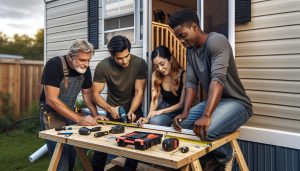
Grounding your trailer home properly is crucial for ensuring both safety and functionality. Did you know that improper grounding can lead to electrical shocks or fires? Many new and experienced mobile home owners overlook this essential step, but taking the time to understand proper grounding techniques can protect your loved ones and your investment. In this guide, we’ll break down the grounding requirements, clarify common misconceptions, and provide you with easy-to-follow steps to ensure your home is safe from electrical hazards. Whether you’re a DIY enthusiast or just looking for practical advice on home maintenance, learning how to ground your trailer home effectively is a key component of responsible ownership. Let’s dive into this vital aspect of mobile home care!
How Grounding Benefits Your Trailer Home Safety

Ensuring proper grounding for your trailer home is not just a safety measure; it’s a critical component that significantly enhances your living environment. When done correctly, grounding helps prevent electrical shocks, protects appliances from power surges, and can reduce interference with electronic equipment. This becomes particularly essential in trailer homes, where the mobile nature can lead to unique challenges regarding electrical stability. By establishing a reliable grounding system, you’re contributing to a safer and more efficient living space, allowing you to focus on enjoying your mobile lifestyle.
One major benefit of grounding is the prevention of electrical shocks. In the event of a fault in your electrical system, a well-grounded trailer allows excess electricity to travel safely into the ground rather than through the occupants, protecting everyone inside. Additionally, it safeguards your electrical appliances by providing a path for excess voltage to dissipate, which can help extend the lifespan of your devices. This is especially important if you frequently connect to power sources in different locations, as voltage quality can vary significantly.
Grounding can also enhance the overall reliability of your trailer’s electrical system. With a proper grounding setup, issues like flickering lights or erratic behavior of electronic devices can be minimized. Furthermore, when you’re parked in a campsite or parking lot, being properly grounded can help in reducing electromagnetic interference, ultimately leading to better performance of your technology. With these significant safety benefits in mind, recognizing the importance of proper grounding becomes a priority for every trailer home owner.
Understanding the Grounding Process for Trailers

Ensuring that your trailer is properly grounded is crucial not just for safety, but also for the efficient operation of your electrical systems. Grounding creates a pathway for excess electricity to safely exit your trailer, thereby preventing potential hazards like electrical shocks. This process involves connecting your trailer’s electrical system to the earth, which acts as a counterbalance to any stray electrical currents that might occur. In mobile living situations, where conditions can fluctuate significantly, understanding the nuances of the grounding process becomes imperative for trailer homeowners.
To begin with, the grounding process fundamentally relies on a grounding rod, typically made of copper or galvanized steel, which is driven into the earth adjacent to your trailer. This grounding rod is connected to your trailer’s electrical system through a grounding wire. The connection not only stabilizes your electrical supply but also minimizes interference from outside sources, which is especially valuable in areas with heavy electrical usage or where power sources may vary greatly.
An important aspect of this process is ensuring that all metallic parts of your trailer, such as the frame and any appliances, are also connected to the grounding system. This adds extra layers of safety by ensuring that any malfunction or excess electricity can be directed to the ground rather than posing a risk to occupants. Regular checks are necessary to confirm that these connections remain intact, particularly after relocating your trailer.
Furthermore, grounding isn’t just about safety; it can significantly enhance the performance of your electrical appliances. A well-grounded trailer reduces the risk of voltage fluctuations, which can lead to flickering lights and malfunctioning devices. By maintaining a solid grounding system, you’re not only protecting yourself but also promoting a more reliable electrical environment, making your mobile living experience smoother and more enjoyable.
Essential Tools and Materials for Grounding
When it comes to securing a stable and efficient electrical system in your trailer home, having the right tools and materials for grounding is essential. Grounding prevents dangerous electrical issues and enhances the overall performance of your electrical appliances. Here’s a handy overview of what you’ll need to create a safe and reliable grounding system.
Begin with a grounding rod-this is crucial for establishing a proper connection with the earth. Choose a rod made from either copper or galvanized steel, as these materials are excellent conductors and resist corrosion. Typically, a length of at least 8 feet is recommended to ensure adequate grounding effectiveness. You will also need a grounding wire, preferably copper or aluminum, to connect the grounding rod to your trailer’s electrical system. This wire should be appropriately sized (usually at least #8 AWG for copper) to accommodate the electrical load.
In addition to these core components, having a few tools on hand will ease the installation process:
- Hammer or Sledgehammer: For driving the grounding rod into the ground.
- Wire Stripper: To prepare the grounding wire and ensure proper connections.
- Drill: Useful for making holes in the trailer frame if necessary for securing the grounding wire.
- Voltage Meter: To test the effectiveness of your grounding once completed.
Finally, don’t overlook the importance of having a grounding clamp, which securely connects the grounding wire to the grounding rod. If there are metallic components in your trailer, you may also need additional clamps or connectors to ensure those elements are properly bonded to the grounding system.
By equipping yourself with these essential tools and materials, you’ll be well on your way to ensuring that your trailer home has a safe and effective grounding system, providing peace of mind as you enjoy your mobile living experience. Making this investment in safety will help protect both your home and its occupants, ultimately enhancing the quality of your lifestyle on the road.
Step-by-Step Guide to Properly Ground Your Trailer
To ensure your trailer home is safe and operates efficiently, grounding is an essential step often overlooked by many owners. Proper grounding not only protects your electrical system but also enhances safety by providing a clear path for electrical faults. Following a structured approach will help you establish a reliable grounding system. Here’s how to do it effectively.
Start by selecting a suitable location for your grounding rod. Aim for an area that is free from obstructions like large rocks or dense roots, allowing for proper installation. Once you’ve identified the spot, use a hammer or sledgehammer to drive the grounding rod into the ground vertically, ensuring that it reaches a depth of at least 8 feet. This depth is crucial for effective grounding as it helps maintain a low resistance path to the earth.
Next, prepare your grounding wire. Measure the distance from the grounding rod to the trailer’s electrical panel, and cut a length of copper or aluminum wire of at least #8 AWG to accommodate the electrical load. Strip both ends of the wire using a wire stripper-this prepares the wire for connection. First, connect one end of the wire securely to the grounding rod using a grounding clamp, ensuring a tight bond. The other end should be attached to a grounding point on your trailer’s electrical system, typically found on the electrical panel. Use a drill if necessary to create holes in the trailer frame for securing the wire or clamp securely.
After everything is securely connected, it’s vital to test your grounding effectiveness. Take a voltage meter and connect it to the grounding wire and a known ground. A reading near zero indicates effective grounding. If you experience high resistance, double-check your connections and the rod’s depth to ensure that it is adequately buried. With these steps, you’ll not only enhance the safety of your trailer home but also improve its electrical system’s reliability, providing peace of mind in your mobile living experience.
Identifying Common Grounding Mistakes to Avoid
It’s easy to overlook grounding when setting up your trailer home, yet failing to get it right can lead to serious hazards. Many trailer owners make common mistakes during this process that can compromise safety and functionality. Recognizing and avoiding these pitfalls is crucial to creating a secure living environment, so let’s dive into the most frequent issues.
One major mistake is neglecting to check for a proper electrical connection to the ground. If the trailer is parked on hard surfaces like asphalt, there may not be an adequate conductive path, leading to potential electrical shock. Always ensure that your grounding rod is buried deep enough, ideally at least 8 feet, to establish a reliable connection to the earth. Plus, verifying that the grounding wire is made from the appropriate gauge, such as #8 AWG or larger, can prevent overheating and ensure the system handles the expected load effectively.
Another common oversight is using inferior materials or making poor connections. Cheap or oxidized connectors can lead to high resistance at the junctions, so using quality materials is essential. Always make sure all wire connections are secure, and consider using dielectric grease to protect these connections from moisture and corrosion. Additionally, many people place their grounding connections in locations that are not easily accessible for future checks. It’s a good practice to ensure that connection points are visible and reachable for inspection or maintenance.
Lastly, failing to regularly test your grounding system can be a critical mistake. You might have set it up correctly, but environmental factors or wear can affect performance over time. It’s advisable to test your grounding system with a voltage meter periodically. This practice not only identifies any emerging problems before they escalate but also provides peace of mind knowing your home is safe from electrical faults.
By steering clear of these common pitfalls, you’ll help ensure a safe, secure environment in your trailer home, making your mobile living experience more enjoyable and worry-free.
Testing Your Trailer’s Grounding Effectiveness
Testing the effectiveness of your trailer’s grounding system is not just a best practice; it’s an essential safety measure. A well-grounded trailer can prevent electrical shocks, protect your devices, and create a stable living environment. Regularly checking this system helps ensure that any potential issues are caught early, so you can live more worry-free in your mobile home.
To accurately test your grounding system, you will need some basic tools: a multimeter, a grounding tester, and, optionally, a clamp meter if you want to measure the current grounding performance continuously. Begin by checking the connections at your grounding rod. Make sure there is no corrosion, and all connections are tight and dry. Next, use the multimeter to check the voltage between the ground and neutral connections. The reading should ideally be 0 volts. If you observe a voltage reading, it indicates that there’s a potential problem in your grounding system that must be investigated.
Another straightforward method is to use a dedicated grounding tester. This device can tell you if the circuit is properly grounded and also if there are any fault currents present. Following the manufacturer’s instructions, insert the tester into an outlet and observe the indicators. A correctly grounded trailer should display green lights, whereas red or blinking lights indicate grounding issues that need immediate attention.
- Check for corrosion: Inspect all ground connections for any signs of rust or corrosion that could affect conductivity.
- Measure voltage: Use a multimeter to ensure there is no voltage between ground and neutral.
- Use a grounding tester: Ensure your outlet shows proper grounding conditions according to your tester’s indicators.
Regular testing should be part of your maintenance routine, especially after heavy storms or if you park in a new location. Conducting these tests not only protects your property but also enhances peace of mind, knowing that you have done your part to maintain a safe living environment. Take control of your mobile living experience, and ensure that your grounding system is robust and functional-it’s one of the most important steps you can take to safeguard your home on wheels.
State Regulations and Safety Codes for Grounding
Understanding the importance of adhering to state regulations and safety codes regarding grounding for trailers is crucial for ensuring your mobile living space is both safe and compliant. Just as traditional homes must follow building codes, trailer homes must meet specific electrical standards to protect residents from electrical hazards. These regulations can vary significantly from state to state, but they generally aim to minimize risks such as electric shock, fire, and equipment damage.
It’s essential to familiarize yourself with the National Electrical Code (NEC), which provides a solid foundation for electrical installations, including those in trailers. Many states adopt the NEC or modify it to suit their specific needs. Most importantly, ensure your grounding system utilizes the required number of grounding conductors and adheres to appropriate grounding rod depths and materials as specified by local codes. For example, some locations might require a minimum of two grounding rods spaced appropriately or specific types of grounding electrodes for mobile homes.
Regularly checking and maintaining your trailer’s electrical system can help ensure compliance with regulations and maintain safety. Installations should be performed by a licensed electrician who understands local codes to prevent severe lag-time in inspections or emergencies. Keeping documentation of your grounding system, including diagrams and inspection reports, not only aids in any necessary compliance checks but also protects you should any issues arise down the line.
In addition to following NEC guidelines, it’s wise to stay informed about local safety codes, which may be influenced by geographical or environmental conditions. For instance, areas prone to flooding might have specific requirements for elevating electrical components. If you’re unsure which regulations apply to your trailer home, contacting your local building authority can provide clarity and ensure you’re on the right track for a safe and habitable living environment.
- Adhere to the National Electrical Code (NEC): Familiarize yourself with the standards that apply to electrical installations in trailers.
- Consult local regulations: Each state may have additional codes; check with local authorities for specific requirements.
- Use qualified electricians: Ensure installations and repairs are handled by professionals who understand local codes.
- Maintain documentation: Keep records of inspections, installations, and repairs for future reference.
By taking these steps and understanding the regulations that govern trailer home grounding, you can enhance your safety and peace of mind while living in a mobile environment.
Troubleshooting Grounding Issues in Trailer Homes
is an essential step for ensuring safety and preventing electrical hazards. You might be surprised to know that a significant number of electrical problems stem from improper grounding. This can lead not only to nuisance tripping of circuit breakers but also to potential dangers like electric shocks or fire hazards. Identifying and addressing grounding issues can be straightforward with a little knowledge and the right tools.
Begin by performing a visual inspection of your trailer’s electrical connections and grounding system. Look for signs of corrosion at connection points, frayed wires, or damaged grounding rods. If the ground wire connecting your trailer to the electrical source appears loose or worn, it’s crucial to replace it immediately. Ensure that all connections are tight and secure, as this can significantly affect the efficacy of your grounding operations.
Regular testing with a multimeter can help identify issues before they result in serious problems. Check for proper voltage at various points in your trailer’s electrical system. A reading of zero volts at the ground connection indicates a grounding issue that needs to be fixed. If you notice a discrepancy in voltage readings, it could indicate a poor connection or other issues that require attention. Don’t hesitate to reach out to a licensed electrician if you find anything concerning; their expertise can help pinpoint problems that may not be easily visible.
Another common problem arises from improper bonding between the trailer and the earth. Ensure that your grounding rods are installed correctly and driven deep into the ground, as shallow grounding can lead to ineffective grounding. You may want to consult local codes regarding the depth and spacing of grounding rods for mobile homes, which can vary significantly by location. Keeping records of any repairs or maintenance performed will not only help you remember what’s been done but will also be valuable if you need to consult with professionals in the future.
In summary, maintaining a safe grounding system for your trailer requires regular inspections, testing, and an understanding of local regulations. By staying proactive and informed, you can ensure your mobile living space is not only safe but also compliant with the necessary standards. Embracing these simple steps will help you enjoy the freedom of trailer living while keeping you and your loved ones safe.
Additional Safety Steps for Trailer Home Owners
Ensuring that your trailer home is grounded properly is just one aspect of maintaining a safe living environment, but there are many additional safety steps that can enhance both your comfort and security. Regularly assessing your trailer’s overall structure and systems can help prevent a myriad of issues from arising. For example, ensure that your smoke detectors and carbon monoxide alarms are functional and have fresh batteries. Establishing a routine schedule for testing these devices-perhaps monthly-can add an extra layer of safety.
Another fundamental safety measure is creating an emergency plan tailored to your unique living situation. Identify exits, establish a safe meeting place, and ensure that all occupants are aware of the plan. In addition, keep a well-stocked emergency kit that includes essentials such as first aid supplies, water, non-perishable food, flashlights, and extra batteries. Regularly check and replenish supplies to ensure they are available when needed.
Furthermore, it’s advisable to familiarize yourself with your trailer’s electrical system. This includes understanding which breakers control specific outlets and appliances. Labeling your breaker box can save time and reduce stress during an emergency. Additionally, consider a fire extinguisher that is easily accessible and ensure it is suitable for electrical and flammable material fires.
Lastly, maintain a respectful relationship with your trailer park community or neighbors. Establishing connections can make it easier to stay informed about local safety concerns or regulations, and they may provide assistance in an emergency. Keeping the lines of communication open not only enhances your safety but can also enrich your experience living in a trailer home. By taking these proactive measures, you can contribute to a safer and more enjoyable living environment in your mobile home.
Innovative Grounding Techniques for Mobile Living
When it comes to enhancing the safety and stability of your trailer home, innovative grounding techniques can make a significant difference. Grounding is not only crucial for protecting your electrical system but also plays a vital role in personal safety during severe weather, such as lightning storms. By employing creative grounding strategies, you can bolster your trailer’s resilience while ensuring peace of mind.
One effective method is to use grounding rods made from copper or galvanized steel. These rods should be driven deep into the ground, connected to your trailer’s electrical system through heavy-duty wire. This creates a pathway for electrical surges to divert safely into the earth, rather than through your trailer’s electrical systems or occupants. Consider spacing multiple grounding rods around your trailer, particularly in areas with soft, moist soil, enhancing the conductivity of the ground connection.
Another innovative approach is incorporating grounding plates or meshes into your trailer’s foundation. This technique involves laying flat metal plates or mesh beneath your trailer, connected to grounding wires. Not only do they provide an effective grounding mechanism, but they also help in stabilizing your trailer on softer ground. This approach works exceptionally well for mobile living situations, where landscapes vary widely and ground conditions may not always be ideal.
Regular maintenance of grounding systems is vital. Use a voltage meter to check the effectiveness of your grounding connections periodically. A reading of less than 25 ohms is typically considered acceptable, but local codes may have different requirements. Additionally, keep an eye on corrosion at connection points, which can degrade the grounding system over time. By routinely inspecting and upgrading your grounding setups, you can ensure not just compliance with safety standards but also a safe living environment, reducing the risk of electrical fires or shock hazards.
In summary, innovative grounding techniques such as grounding rods, plates, and robust troubleshooting practices can significantly enhance your mobile living experience. Prioritizing effective grounding solutions ensures not only the electrical safety of your trailer home but also the comfort and security of its inhabitants. By integrating these strategies into your home maintenance routine, you create a reliable, enjoyable living space that withstands the rigors of mobile life.
Long-Term Maintenance Tips for Grounded Trailers
Maintaining an efficient grounding system for your trailer can ensure sustainability and safety, while also preventing costly repairs down the line. Over time, environmental factors like moisture, temperature changes, and the natural wear of materials can impact your trailer’s grounding effectiveness. Regular attention to your grounding system will not only enhance the safety of your home but also contribute to the overall longevity of its electrical system.
Start with regular inspections of your grounding connections, particularly at the attachment points. Look for signs of corrosion-this is a common issue that can degrade the performance of your grounding system. A simple visual check can reveal whether connections are still secure and free from damage. If you notice any corrosion, use a wire brush to clean the area, and consider applying a corrosion-resistant compound to help prevent future issues. Additionally, test your system using a multimeter. A reading under 25 ohms indicates a good connection, but be mindful of local codes, which may have different standards for grounding effectiveness.
Another essential step is to check the grounding rods or plates routinely. Inspect these components for signs of erosion or accessibility issues. If the grounding rods aren’t driven deep enough or are obstructed, they may not provide adequate protection. Consider repositioning or replacing them if necessary. Also, monitor the surrounding soil conditions; in zones with varying moisture levels, utilizing grounding rods that can adapt to different environmental conditions may be beneficial.
Lastly, don’t forget to document your maintenance activities. Keeping a log of inspections, repairs, and upgrades can be invaluable for tracking the condition of your grounding system over time and identifying patterns or recurring issues. Engage with professional services for routine evaluations and additional peace of mind, especially after severe weather events. By embedding these maintenance practices into your care routine, you can ensure that your trailer remains safe, stable, and ready for the adventures that lie ahead.
Insights and Conclusions
Grounding your trailer home is not just an essential safety step; it’s a commitment to ensuring a secure living environment for you and your loved ones. By following the guidelines we’ve provided, you’ve taken a significant stride in safeguarding your investment. Remember, if you’re looking to dive deeper into related topics, explore our guides on trailer home maintenance and how to enhance your mobile home’s safety features.
Don’t leave your safety to chance-act now by sharing your thoughts below or contacting us for a consultation to address any remaining questions. We also offer a newsletter packed with tips and resources that can help you navigate the world of trailer home living. Engage with us; your journey to a more secure, enjoyable living space starts here. Together, let’s make your home the best it can be!