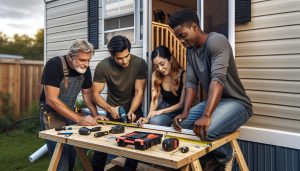
Did you know that a leaky roof can significantly affect your trailer home’s comfort and longevity? If you’re facing the common yet daunting task of replacing your trailer home’s roof, you’re not alone. Understanding how to perform a weather-tight repair is essential, not only to keep the elements out but also to protect your investment and enhance your living experience. This guide will walk you through the crucial steps of the roof replacement process, addressing potential concerns you may have and offering practical, easy-to-follow advice. With the right tools and knowledge, you can restore your trailer home’s roof to its optimal condition, ensuring a safe and cozy haven for you and your family for years to come. Let’s dive into the essential details that will empower you to tackle this project confidently!
Identifying Common Roof Problems in Trailer Homes
Many trailer homes face unique challenges when it comes to maintaining a weather-tight roof. Understanding common roof problems is crucial for homeowners who want to ensure longevity and safety in their living spaces. Over time, elements such as heavy rainfall, snowfall, or even intense sunlight can lead to deterioration, making it vital to identify issues early before they escalate into costly repairs.
One of the most prevalent problems is leaks, often discovered after a heavy rain. These leaks can stem from damaged seams, worn-out caulking, or compromised roofing materials. Homeowners should regularly inspect the roof for cracks or blisters in the outer surface, as these defects can allow water to seep through the protective layer. Moreover, around vents and other roof penetrations, deterioration is common due to weather exposure.
Another significant issue is pooling water, which occurs when the roof’s slope is insufficient for proper drainage. This stagnant water can lead to sagging and eventual structural damage if not addressed. Additionally, mold and mildew growth can arise from moisture trapped beneath roofing materials, posing health risks to residents. Keeping an eye out for dark spots or unpleasant odors inside the trailer can help identify mold issues early on.
In summary, proactive inspection and understanding of these common problems-such as leaks, pooling water, and mold-empower trailer homeowners to maintain their roofs effectively, ensuring a safe and comfortable living environment. Regular maintenance checks can save time and money, making trailer home living both practical and enjoyable.
Essentials of Weather-Tight Roof Repair

A solid, weather-tight roof is essential for preserving the integrity of your trailer home, safeguarding it against rain, wind, and sun damage. To achieve this, understanding the essentials of roof repair is paramount. Whether you’re dealing with minor leaks or significant damage, a proactive approach can extend the life of your roof and enhance your living experience.
To start, selecting the right materials is crucial. Use high-quality sealants suited for trailer roofs, such as silicone or polyurethane, which provide durable, long-lasting waterproof barriers. Additionally, consider roofing membranes designed for mobile homes, as they are often lightweight yet strong enough to protect against the elements. The roofing surface should also be compatible with your trailer type, whether it’s rubber, metal, or fiberglass, ensuring a cohesive and effective repair.
Proper preparation can’t be overlooked. Before beginning repairs, thoroughly inspect the roof for signs of damage, including worn caulking, cracked surfaces, or loose seams. Clean the area where repairs will take place to remove debris and ensure a good bond for the new materials. For larger repairs, it might be necessary to reinforce any sagging areas or replace damaged panels, which helps prevent future issues.
After repairs are made, consider an extra layer of protection. Applying a reflective roof coating not only enhances the weather-tightness but also improves energy efficiency by reducing heat absorption. Regular maintenance checks are important, too; inspecting for cracks, leaks, or signs of wear at least twice a year will help you catch potential issues early, ensuring your roof remains in top-notch condition. By being vigilant and informed, homeowners can create a safe, dry, and comfortable living environment within their trailer homes.
Tools and Materials Needed for Repair
When it comes to replacing the roof on your trailer home, having the right tools and materials is essential for ensuring a successful and long-lasting repair. Tackling this project not only helps maintain the integrity of your home but also enhances its comfort and safety. The following items will prepare you well for this undertaking and empower you to effectively address weather-related challenges.
Start with basic hand tools that are indispensable for roofing tasks. A screwdriver set (both flathead and Phillips), a utility knife, and a caulking gun will commonly be needed for repairs involving seams and openings. Additionally, a rubber mallet is useful for adjusting the fit of roofing panels without causing damage. A level ensures even placement, which is crucial for proper drainage and to prevent water pooling.
It’s equally important to have the right safety equipment as you work. Basic items such as safety goggles, gloves, and a hard hat safeguard against debris and tools. If you’re working at heights, use a safety harness and a sturdy ladder that can comfortably reach your trailer roof. For any work involving roofing materials, make sure to have a tarpaulin or drop cloth ready to protect your surroundings and catch debris during the job.
In terms of materials, focus on high-quality sealants and roofing membranes specifically designed for mobile homes. Look for silicone or polyurethane sealants, which provide durable, waterproof barriers. If your trailer features a rubber roof, consider a rubber roofing repair kit that includes patches and adhesives. A reflective roof coating can also be beneficial, as it improves energy efficiency and provides an additional layer of waterproof protection.
Below is a brief list summarizing the necessary tools and materials:
- Tools:
- Screwdriver set
- Utility knife
- Caulking gun
- Rubber mallet
- Level
- Safety goggles, gloves, and hard hat
- Sturdy ladder and safety harness
- Tarpaulin or drop cloth
- Materials:
- Silicone or polyurethane sealants
- Rubber roofing repair kit (if applicable)
- Reflective roof coating
Having the right tools and materials at hand not only streamlines the roof replacement process but also empowers you to take control of your trailer maintenance. With preparation and the right gear, you’re well on your way to ensuring your trailer home remains secure and comfortable against the elements.
Step-by-Step Guide to Replacing Trailer Roof

Replacing the roof on your trailer home can seem daunting, but with the right approach, it’s a manageable project that significantly enhances your living environment. A weather-tight roof not only protects against the elements but also contributes to energy efficiency and comfort. Here’s a straightforward guide to navigate the replacement process smoothly.
Start by ensuring you have the right materials, as discussed previously. Begin by removing the old roofing material. Use a utility knife to carefully cut through seams or joints, lifting the material with a pry bar. If the roofing is screwed down, carefully unscrew each panel to prevent damaging the underlying structure. Once the old roof is off, inspect the decking for any signs of rot or damage; replace or repair these areas to establish a solid foundation for your new roof.
Next, lay down a protective underlayment. This may include a waterproof membrane or specialized underlayment designed for trailer roofs. Roll out the underlayment evenly, ensuring it overlaps the edges to guide water runoff. Secure it with roofing adhesive or staples, ensuring there are no bubbles or wrinkles.
After the underlayment is in place, it’s time to install your new roofing material. Whether you’re opting for rubber, metal, or shingles, follow the specific installation guidelines for that material. For example, rubber roofing requires you to roll it out over the existing surface, securing it with adhesive and sealing the seams with roofing tape. Alternatively, if you choose metal panels, lay them from one end to the other, fastening each panel securely to avoid wind lift.
Finally, inspect all seams and edges carefully, applying additional silicone sealant where necessary for extra protection against leaks. Add any final touches, such as edging or ridge caps, to complete the installation. Always ensure everything is secure and weatherproof before considering the job done. Taking this step-by-step approach will not only enhance the durability of your trailer’s roof but also provide peace of mind for years to come.
Understanding the Different Roof Types for Trailers

When it comes to trailers and mobile homes, the roof is one of the most critical components, providing essential protection against weather elements. Understanding the various types of roofing materials used in trailer homes can help you make informed choices, especially when it’s time for repairs or replacements. Each roofing type comes with its own set of benefits and considerations, influencing durability, maintenance, and cost.
Common Roof Types:
- Metal Roofing: Metal roofs are popular for their longevity and resistance to harsh weather. They can be made from aluminum, steel, or copper and are known for their ability to shed snow and rain effectively. Metal roofs are lightweight, fire-resistant, and can last 40 years or more with proper maintenance.
- Rubber Roofing: Also known as EPDM (ethylene propylene diene terpolymer) roofing, rubber is a flexible and highly durable option. It is often used on flat or low-sloped roofs and can withstand extreme weather conditions. Rubber roofing rolls are easy to install and provide excellent insulation, making them a cost-effective choice in the long run.
- Shingle Roofing: Asphalt shingles are a traditional option for trailer homes, available in various styles and colors. They are relatively affordable and easy to install, but may require more maintenance than other materials. Shingle roofs typically last between 15 to 30 years, depending on the quality of the shingles and the climate they endure.
- Fiberglass and Composite Roofing: These materials are designed to mimic the look of traditional shingles while offering superior durability and lighter weight. Fiberglass and composite roofs are resistant to algae and mold, which can extend their lifespan significantly compared to standard asphalt shingles.
Choosing the right roofing material depends on several factors, including local weather conditions, budget, and personal preferences regarding aesthetics and maintenance. Always consider how each roofing type aligns with your long-term living strategy. For example, if you plan to stay in the same location for years, investing in a more durable material like metal or rubber may yield better returns over time. By understanding the different roof types available, you can better prepare for replacement or repairs and choose a solution that suits your lifestyle and budget.
Safety Tips for Roofing Projects on Mobile Homes

Taking on a roofing project for your mobile home can feel daunting, but with the right safety precautions, you can ensure a smooth and successful repair. It’s crucial to prioritize your safety, as the roofing process often involves working at heights and handling potentially hazardous materials. One of the first steps to take before beginning any roofing work is to assess your work area for any hazards. Clear the vicinity of debris, tools, or equipment that could pose a risk of tripping or falling. Ensure that your work area has adequate lighting, especially if you’re working in the early morning or late evening.
Always wear appropriate safety gear to protect yourself during the roofing process. Using a sturdy helmet can safeguard against any falling objects, and wearing non-slip footwear will provide better grip on the roof surface. Consider utilizing harnesses and safety lines, especially if your mobile home has a steep or slippery roof. Establish a safety plan, and if you’re working with someone else, make sure both of you are aware of the plans and emergency procedures.
Proper Ladder Use
Using a ladder safely is paramount when working on a roof. Always set up your ladder on stable, level ground, ensuring it extends at least three feet above the roofline to provide a secure handhold when climbing and descending. When on the ladder, maintain three points of contact at all times, whether it’s two hands and a foot or two feet and a hand. Never overreach; instead, reposition the ladder as necessary.
Handling Materials and Tools
Pay close attention when handling roofing materials and tools. Heavy rolls of rubber roofing or bundles of shingles can be cumbersome; lift with your legs and not your back to avoid injuries. Keep tools organized and within reach to reduce the risk of accidents. If you’re using power tools, read the instructions carefully and wear proper eye protection to shield against debris.
By ensuring a systematic approach and prioritizing safety, you can successfully navigate the process of roofing your mobile home. Embrace the project with confidence, knowing that by following these safety tips, you’re setting yourself up for a rewarding experience.
Sealing and Insulating Your New Roof
is a critical step in ensuring the longevity and energy efficiency of your trailer home. A well-sealed roof not only prevents leaks but also enhances insulation, keeping your living space comfortable regardless of weather conditions. With proper sealing and insulation, you can significantly reduce heating and cooling costs, making your trailer home more economical to live in.
Begin by thoroughly inspecting the roof surface after installation. Look for any gaps or seams where water may penetrate. To seal these areas effectively, apply a high-quality caulk or sealant designed for roofing applications. Use a caulking gun for precision and ensure even application for maximum durability. Pay particular attention to areas around vents, chimneys, and any protrusions, as these are common weak points. It’s advisable to apply at least two coats of sealant for optimal protection, allowing adequate drying time between applications.
Next, consider your insulation options. Insulation is essential for maintaining temperature control inside your trailer home. One popular choice is rigid foam insulation, which provides excellent thermal resistance and can be installed directly on the roof decking before laying down the final roofing material. If you choose to use spray foam insulation, be sure to work in a well-ventilated space as this requires specific safety measures. Additionally, fiberglass rolls or batts can be used between the ceiling joists inside, but ensure that there’s a vapor barrier in place to prevent moisture accumulation.
Incorporating both sealing and insulating techniques ensures that your new roof not only provides shelter but also contributes to a sustainable and energy-efficient living environment. Properly maintained roofs can last a lifetime, offering numerous benefits, including lower utility bills and an overall enhancement of your trailer home’s comfort and value.
Maintaining Your Trailer Roof After Replacement
Maintaining the integrity of your trailer roof after replacement is as crucial as the initial installation. Without proper upkeep, even a newly replaced roof can succumb to the elements and deteriorate much faster than expected. Regular maintenance not only maximizes the lifespan of your roof but also ensures that your home remains a safe and comfortable environment.
Begin by routinely inspecting your roof at least twice a year, ideally in the spring and fall. This seasonal check-up should focus on identifying any damaged areas or signs of wear, such as blistering, cracking, or peeling. Pay special attention to seams, edges, and areas around vents or chimneys, as these spots are particularly vulnerable to leaks. After storms, it’s wise to inspect the roof for debris, as fallen branches or accumulated leaves can trap moisture and cause rot over time.
To keep your roof in prime condition, a thorough cleaning is recommended at least once a year. Remove any debris such as leaves, dirt, or moss, which can promote water retention and lead to mold growth. For a more in-depth clean, consider using a mixture of water and mild detergent to effectively wash the surface. Avoid harsh chemicals that could damage roofing materials. Remember that a clean roof not only looks great but also contributes to the overall longevity of the roofing system.
Another essential aspect of maintenance is the application of protective coatings. Depending on the materials used for your trailer roof, a UV-resistant coating can extend its lifespan by preventing sun damage and reducing thermal expansion and contraction, which can weaken seams over time. Check with your roofing material manufacturer for recommended products and application frequencies. Regularly re-sealing seams and flashing will also fortify your roof against leaks, so keep those sealant supplies handy.
Lastly, ensure that your gutters and downspouts are cleared out regularly to facilitate proper drainage. Clogged gutters can lead to water pooling on the roof, increasing the risk of leaks and structural damage. By taking these proactive steps, you can maintain your trailer roof effectively, allowing your home to provide shelter and comfort for years to come.
Cost Factors for Roof Replacement in Trailer Homes
Replacing the roof of a trailer home can be a significant investment, and understanding the various factors that influence costs is essential for homeowners looking to make informed decisions. The expenses associated with roof replacement can vary greatly depending on several aspects, including materials, labor, and additional elements specific to your trailer’s design and condition.
One of the primary considerations will be the type of roofing material you choose. Standard options for trailer roofs include metal, rubber (EPDM), and fiberglass, each offering different price points. For instance, a metal roof may cost more upfront but could provide long-term savings through durability and low maintenance. Rubber roofs are generally less expensive initially but might require more frequent repairs over time. It’s wise to weigh the pros and cons of each material based on your budget and long-term housing plans.
Labor costs also play a crucial role in the overall expense of roof replacement. Hiring experienced professionals can add to the price, yet it ensures the job is done correctly, protecting your investment. Depending on your region, labor costs can fluctuate considerably, so obtaining multiple estimates will offer a clearer picture. It’s also essential to factor in any necessary permits or fees related to building regulations in your area, as these can add additional costs.
Lastly, consider the condition of your current roof structure. If there are underlying issues such as rot or water damage, making repairs before installing a new roof will increase costs but is vital for ensuring the new roof’s longevity. Homeowners should prepare for the possibility of needing to replace insulation or decking, as these elements can sometimes be impacted by existing roof issues.
In summary, understanding these cost factors helps facilitate more accurate budgeting for your trailer home’s roof replacement. Embracing this proactive approach not only aids in financial planning but also results in a more durable and effective roofing solution that enhances the comfort and safety of your living space.
When to Hire a Professional for Roofing Repairs
Replacing the roof of a trailer home can be a daunting task, and knowing when to call in a professional is crucial for ensuring both safety and effectiveness. Many homeowners may underestimate the complexity of roofing repair and replacement, thinking they can handle everything themselves. However, there are critical situations where professional assistance is not just recommended, but necessary for the integrity of your home and the safety of those living in it.
If you notice significant structural damage, such as bowing rafters or extensive rot, it’s time to seek professional help. These issues often require specialized skills and tools to properly assess and repair, ensuring that the underlying framework of your trailer remains sound. A contractor can also check for hidden problems that may not be visible without a thorough inspection. Additionally, if your trailer’s roof has leaks that persist despite your efforts to seal them or if you have multiple leaks across different areas, this is another strong sign that a professional should evaluate the entire roofing system.
Another important factor is your own comfort and skill level. If you’re unsure of your ability to replace or repair the roof safely-particularly when working at height or with complex materials-it’s wise to hire a professional. Experienced roofers not only bring technical expertise but also the appropriate safety measures to protect both themselves and your home. Most importantly, when dealing with weather-tight solutions, having a trained professional complete your repairs ensures that the work adheres to local codes and standards, providing peace of mind regarding your investment.
Professional roofers can also guide you in choosing the best materials suited for your climate and specific trailer design. This knowledge can save you from future costly repairs and replacements by ensuring that you select options that will last, based on your environmental conditions. Remember, while taking on DIY projects can be rewarding, prioritizing safety and quality in roofing repairs is fundamental to protecting your home and investment.
To Wrap It Up
Now that you understand how to expertly replace your trailer home’s roof for a weather-tight repair, it’s time to take action! Remember, maintaining a secure and leak-free roof is crucial for the longevity of your mobile home. If you have any lingering questions or need additional tips, don’t hesitate to explore related topics like our guide on basic trailer maintenance or essential renovation projects.
Ready to dive deeper? Subscribe to our newsletter for ongoing insights and expert advice tailored for mobile home living, or visit our resource page for tools and materials you’ll need for your next DIY project. Your journey toward a safer, more comfortable home starts now-let’s keep those roofs resilient! Share your experiences or ask questions in the comments below; we’re here to help you build confidence in your home improvement skills.