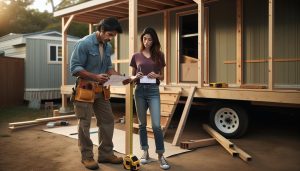
Selling a trailer home can feel daunting, yet it’s an opportunity to engage with a market that values mobility and affordability. Did you know that with the right approach, you can streamline the process and attract serious buyers quickly? Understanding what buyers really want can significantly enhance your selling strategy. By focusing on essential upgrades, effective marketing, and clear communication, you can present your trailer home in its best light, inspiring buyer confidence. Whether you’re looking to downsize, relocate, or simply make a change, this guide reveals the secrets that can turn your trailer home into a sought-after listing. Ready to learn how to make your sale fast and rewarding? Let’s dive into the key insights that will captivate your buyers and facilitate a smooth transaction.
Choosing the Right Pricing Strategy for Your Trailer Home
Determining the right price for your trailer home is crucial to attracting buyers and making a timely sale. An effective pricing strategy balances competitiveness with a fair valuation of your property. To find the ideal price point, start by conducting thorough research on similar homes in your area. Pay attention to factors like size, condition, and amenities. Utilizing platforms such as Realtor.com can provide insights into current listings and recent sales in your neighborhood, helping you gauge market expectations [[1]].
Next, consider how the current market conditions may influence your pricing strategy. In a buyer’s market-where inventory is high and demand is lower-you may have to be more flexible with your pricing. Conversely, in a seller’s market, setting a slightly higher price can be feasible if demand outstrips supply. Ensure that you factor in any recent renovations or upgrades, as these can justify a higher asking price. If your trailer is well-maintained and has modern features, it stands a better chance of capturing the interest of potential buyers.
To further enhance your pricing strategy, consider setting a psychological price threshold. Prices that end in “.99” or “.95” can create an impression of a better deal. For example, pricing your home at $29,995 rather than $30,000 may make it seem more appealing. Additionally, be open to feedback and ready to adjust your price based on the level of interest and activity your listing receives. This will allow you to remain competitive while maximizing your profit potential.
Always keep communication with serious buyers open and be willing to negotiate. Understanding their perspective can help you find a common ground that works for both parties. By using these strategies, you can position your trailer home effectively in the market and increase your chances of a quick sale.
Key Features Buyers Look for in a Trailer Home

When it comes to selling a trailer home, understanding what features potential buyers prioritize can significantly enhance your chances of a quick sale. Buyers today are often looking for a blend of comfort, functionality, and modern amenities that will make their living experience pleasurable and convenient.
Key features that attract buyers include:
- Condition and Maintenance: A well-maintained trailer home shows buyers that it has been cared for, reducing their concern about unexpected repairs. Upgrades such as new roofing, efficient heating and cooling systems, and updated appliances signal that the home is ready to move into.
- Space Layout: Open floor plans are increasingly desirable. Buyers appreciate layouts that maximize space, providing multifunctional areas that can accommodate furniture layouts for modern living.
- Outdoor Space: A well-kept yard or deck can enhance the appeal of a trailer home. Buyers often look for outdoor areas for relaxation or entertainment. Think about landscaping, outdoor seating options, and even storage sheds.
- Storage Solutions: Ample storage space, such as cabinets, pantries, and closets, can make a smaller trailer home feel more functional and spacious.
- Energy Efficiency: Features that promote energy efficiency, such as double-pane windows, energy-efficient appliances, and good insulation, are highly sought after. Buyers are often eager to save on utility costs.
- Modern Amenities: Updated kitchens and bathrooms with modern fixtures appeals to buyers. Features like stainless steel appliances, stylish countertops, and renovated bathrooms can create a strong impression.
By focusing on these features, you can ensure that your trailer home meets the expectations of potential buyers. Investing in some minor renovations or enhancements can pay off significantly by making your home more attractive and increasing its market value. Keep the unique aspects of trailer living in mind when showcasing your property, as many buyers are looking for a community-centric and affordable lifestyle that trailer homes offer.
Staging Your Trailer Home: Tips for Quick Sales

Preparing your trailer home for sale can make a significant difference in attracting potential buyers and speeding up the sale process. Staging your home effectively transforms it from a personal living space into a neutral canvas that allows buyers to imagine their own lives there. One powerful staging secret is creating an inviting atmosphere characterized by cleanliness, warmth, and functionality. By following a few practical tips, you can enhance the appeal of your trailer home and facilitate a quicker sale.
Start by decluttering and depersonalizing the space. Remove personal items, family photos, and excessive decorations that may distract buyers from envisioning their future in the home. Clear surfaces in the kitchen, living areas, and bathrooms to present a clean slate. A tidy environment not only looks larger but also gives buyers the impression of meticulous maintenance. Additionally, a fresh coat of paint can go a long way. Choose neutral colors that reflect modern tastes, making the space feel bright and inviting.
Focus on Key Areas
When staging your trailer home, prioritize the main living spaces, such as the living room, kitchen, and master bedroom, which are likely to leave lasting impressions on buyers. Arrange furniture to create open, inviting pathways and highlight the layout. Placing a few well-chosen accessories-such as throw pillows, area rugs, and artwork-can add warmth and style, but keep it minimal to avoid clutter.
Don’t overlook the exterior, as curb appeal plays a crucial role in buyers’ first impressions. Clean and tidy the yard, trim overgrown plants, and add colorful flowers or outdoor seating that invites relaxation. Simple enhancements like a new welcome mat or polished porch lights can convey a sense of care and make the home feel welcoming.
Maximize Lighting
Good lighting is essential when showcasing your trailer home. Open curtains to let in natural light and consider using strategically placed lamps or fixtures to brighten dark areas. Bright spaces feel larger and more inviting, which can sway buyers’ decisions favorably. If possible, take listing photos during the day to utilize abundant natural light, enhancing the visual appeal in your online marketing strategy.
Ultimately, effective staging is about showcasing the best features of your trailer home while creating an environment where potential buyers can imagine their new life. By investing time and effort into staging, you’re not just making your home look better-you’re building a compelling narrative that appeals to emotions and makes a strong case for a quick sale.
Effective Online Marketing Strategies for Trailer Homes
Capturing the attention of potential buyers online is crucial when it comes to selling your trailer home quickly. The digital marketplace offers vast opportunities, but effective online marketing strategies can make all the difference. Start by leveraging popular real estate websites and social media platforms where potential buyers are actively searching for homes. High-quality photos play a pivotal role here; ensure your images showcase your home’s best features, like spacious interiors or inviting outdoor areas, in bright and vibrant lighting.
Engaging Listings and Descriptions
Beyond beautiful images, your listing description should be both informative and engaging. Highlight the unique aspects of your trailer home, such as recent upgrades, included appliances, or proximity to local amenities. Use descriptive language that evokes a sense of lifestyle, allowing potential buyers to envision themselves living there. Short paragraphs and bullet points can make information digestible, ensuring that key details stand out.
- Use Keywords: Incorporate relevant terms that potential buyers may search for, such as “affordable mobile home” or “family-friendly community.”
- Call to Action: Encourage interested buyers to reach out for a viewing or more information, creating a sense of urgency.
Social Media and Online Communities
Social media platforms, such as Facebook, Instagram, and Twitter, can further extend your reach. Create an engaging post showcasing your home’s best features, then share it across local community groups and pages dedicated to real estate. Engage with users who comment or ask questions to foster interest. Consider using Facebook Marketplace, where you can directly connect with local house hunters.
Moreover, creating a dedicated listing on platforms like Zillow or Realtor.com allows for exposure to buyers specifically searching for mobile home options. Enhanced features like virtual tours or video walkthroughs can provide an immersive experience, catering to long-distance buyers or those who prefer online browsing.
By strategically utilizing these online marketing tactics, you can significantly enhance your chances of selling your trailer home swiftly and effectively, all while making the process more accessible and appealing to potential buyers.
How to Improve Curb Appeal on a Budget
Improving the curb appeal of your trailer home doesn’t have to break the bank. First impressions matter, especially when potential buyers arrive. An eye-catching exterior can make all the difference in attracting interest and ensuring a quick sale. Walkways, landscaping, and paint can often be updated with minimal expense yet significant impact.
Start with the entrance. A fresh coat of paint on the front door can bring vibrancy and warmth to your trailer home. Choose a color that complements the overall exterior, as a welcoming tone can set a positive mood. To enhance the entryway further, consider adding new hardware such as a stylish doorknob or decorative house numbers. This small detail can signal to buyers that your home has been well-cared for.
Next, focus on landscaping. This doesn’t necessarily mean a complete overhaul; small adjustments can boost visual appeal. Trim overgrown shrubs, mow the lawn, and plant colorful flowers, focusing on low-maintenance options that can thrive in your area. Adding planters or window boxes with vibrant flowers can also provide warmth and charm. If you’re on a strict budget, even simple tasks like clearing away debris and ensuring the yard is tidy can make a significant difference.
Another impactful improvement is enhancing outdoor lighting. Replace old bulbs and install solar path lights leading to the entrance. This increases safety and aesthetic value, making your home feel more inviting during evening viewings. Finally, don’t overlook cleanliness; power washing the exterior and ensuring gutters are cleaned out can elevate your trailer’s appearance exponentially.
These budget-friendly enhancements not only create a more appealing exterior but also signal to prospective buyers that your home is well-maintained and ready for them to enjoy.
Understanding the Legal Requirements for Selling Your Home
Selling a trailer home involves more than just a posting on social media or a sign in the yard; it’s essential to understand the legal requirements governing this process to ensure a smooth transaction. First and foremost, check the legal definition of a trailer or mobile home in your state, as this can impact taxes, zoning laws, and sale processes. For example, trailer homes often fall under different regulations compared to traditional homes, particularly regarding title ownership. Ensure you possess the proper title; in many cases, a mobile home is treated as personal property rather than real estate, requiring a different type of ownership transfer.
Documentation and Titles
When preparing to sell your trailer home, gathering the necessary documentation is crucial. You will typically need:
- The original title of the mobile home, which proves ownership.
- Proof of identification and any available warranties or service records.
- Current registration documents, if applicable.
If your trailer home is situated in a mobile home park or on leased land, review the park’s rules regarding sales. Many parks require prospective buyers to complete an application or be approved by park management, which can affect how quickly you can sell your home.
Understanding Local Regulations
Navigating local regulations is another critical aspect. In some areas, buyers and sellers may be required to fill out specific disclosures regarding the condition of the home and its compliance with safety regulations. Research whether you need to conduct a home inspection before selling, as this can provide buyers with confidence in their purchase and might even help you command a better price.
Compliance with State Laws
Different states may have varying laws regarding mobile home sales, so it’s beneficial to consult a lawyer or real estate expert specializing in mobile home transactions. They can assist you in ensuring compliance with all local laws, potentially saving you from legal headaches down the road.
Being well-informed about the legal requirements not only protects your interests but also enhances your credibility as a seller. This preparation instills confidence in prospective buyers, facilitating a faster and more successful sale of your trailer home.
Best Practices for Creating an Eye-Catching Listing
Creating a compelling listing is a key factor in capturing the attention of potential buyers. The goal is to stand out in a crowded market while conveying the unique charm and value of your trailer home. Begin by crafting a catchy headline that highlights the best features of your home. For instance, something like “Charming 3-Bedroom Trailer with Scenic Views and Modern Upgrades!” immediately tells buyers what to expect.
Next, invest time in capturing high-quality photographs. Biased as it may seem, the power of visuals cannot be overstated. Use natural light to your advantage; pictures taken during the day can really bring out the beauty of each space. Focus on showcasing key areas-like the kitchen, living room, and outdoor space-using wide-angle shots that provide a sense of flow. Remember, the more inviting your images, the more likely you’ll draw interested buyers.
When writing the description, keep it informative yet concise. Clearly highlight important features such as the number of bedrooms and bathrooms, any recent renovations, and special amenities like included appliances or outdoor spaces. Be sure to point out energy-efficient appliances or low maintenance costs, which can be particularly appealing to budget-conscious buyers.
Additionally, incorporate a brief narrative about the location: proximity to parks, shops, and schools can significantly enhance the appeal of your listing. Highlight local community features, like family-friendly environments or vibrant local culture, to make buyers envision their future in the space.
Finally, always encourage inquiries. A simple note at the end stating, “Contact us for more details or to schedule a viewing!” makes it clear that you are eager to engage and make your trailer home the next exciting chapter for prospective buyers. By focusing on quality imagery and thorough, thoughtful descriptions, you make your listing not just seen, but truly appealing.
Negotiation Tips to Maximize Your Sale Price
When it comes to negotiating the sale of your trailer home, preparation is key. Understanding the market conditions and the unique features of your home can empower you to command a stronger price. Start by researching comparable homes in your area, focusing on their sale prices and how long they remained on the market. This information will give you a solid foundation for setting your initial asking price and will help you justify it during negotiations. Be ready to articulate the selling points of your home, such as its location, recent renovations, or any energy-efficient installations that can save future homeowners money.
Consider setting a price that leaves room for negotiation. Listing slightly higher than your minimum acceptable price can create a comfortable space to negotiate downward while still reaching your desired sale price. When potential buyers make offers, keep an open mind. Instead of jumping at the first lower offer, take the time to evaluate and respond strategically. Counteroffers can be an effective tool; they show you’re willing to negotiate but still value your home appropriately.
Moreover, it’s important to establish a rapport with potential buyers. A friendly demeanor can often lead to more favorable negotiations. Be transparent about your home and any challenges it may have faced, as honesty tends to build trust. Instead of focusing solely on price, consider other factors that may appeal to you, such as a flexible closing date or the ability to rent back your home while securing a new place.
Lastly, consider enlisting the help of a real estate agent with experience in mobile and manufactured homes. They can provide valuable insights and assist in navigating negotiations effectively. Their expertise can not only help you price your home correctly but also catch potential issues that could arise during the negotiation process. By combining good preparation, effective communication, and expert assistance, you’ll maximize your chances of achieving the best possible sale price for your trailer home.
Safety and Inspection: What Buyers Expect
When potential buyers consider a trailer home, safety and inspection checks are at the forefront of their minds. Buyers need assurance that the home they are investing in is not only livable but also safe and structurally sound. This process often begins with a thorough inspection report highlighting critical issues that could affect their decision. As a seller, being proactive about these inspections can significantly boost buyer confidence and expedite the selling process.
Honesty is crucial when it comes to inspections. Buyers typically expect a comprehensive overview that covers various aspects, including:
- Structural Integrity: Inspectors will check for any signs of damage, such as water leaks, rust, or foundation issues.
- Electrical Systems: Safety codes must be met, so it’s essential to ensure all wiring is up to standard.
- Plumbing: A detailed assessment of the plumbing for leaks, water pressure, and proper drainage.
- HVAC Systems: Ensure that heating and cooling systems are functioning correctly and efficiently.
- Smoke Detectors and Safety Features: Functional smoke detectors, carbon monoxide detectors, and other safety features must be in place to comply with safety regulations.
Taking care of potential issues before the inspection can give your trailer home an edge in the market. Simple updates like replacing old smoke detectors, fixing leaks, and ensuring proper ventilation can make a significant difference. By showcasing these efforts, sellers can present their trailer homes as well-cared-for properties, which often results in increased buyer interest and a smoother transaction.
Furthermore, offering potential buyers a copy of the inspection report, even prior to their inspection, demonstrates transparency. This unique approach not only builds trust but allows buyers to make informed decisions quickly. Having everything in order reassures them and creates a positive impression, making it easier for them to envision themselves living in your trailer home.
Common Mistakes to Avoid When Selling
Selling a trailer home can be a fulfilling yet challenging endeavor. However, many sellers unknowingly fall into common pitfalls that can hinder a swift sale or reduce their overall profit. One of the most frequent mistakes is overpricing the home. Pricing too high can discourage potential buyers, while underpricing can lead to losses. It’s crucial to research local market trends and comparable sales in the area to set a realistic price that still reflects the value of your home.
Another misstep is neglecting to prepare the trailer for sale. Buyers are looking for homes that are move-in ready. Failing to declutter, clean, and make minor repairs may turn off interested parties. Simple tasks such as repainting walls, deep cleaning carpets, or fixing leaky faucets can significantly enhance the home’s appeal. Sellers should also stage the trailer effectively to showcase its potential, making it easier for buyers to visualize themselves living there.
Moreover, many sellers underestimate the power of effective marketing. Relying solely on traditional methods can limit exposure. In today’s digital age, listing the trailer on multiple online platforms, using social media, and creating engaging visuals can help reach a broader audience. Good descriptions highlighting unique features and benefits are essential in attracting potential buyers.
Lastly, overlooking the importance of legalities can lead to complications down the road. Sellers should ensure they have all necessary documents, such as titles and records of maintenance or repairs, readily available. Being transparent about any issues or repairs undertaken can build trust and streamline the selling process. By avoiding these common mistakes, sellers can increase their chances of a quick and profitable sale.
Timing Your Sale: When is the Best Season?
The timing of your trailer home sale can greatly influence your chances of a swift transaction and a favorable price. As with traditional real estate, the market for mobile and trailer homes often experiences seasonal fluctuations. Generally, spring and summer are considered the peak seasons for home sales. Warmer weather invites potential buyers to explore neighborhoods and open houses, leading to an increase in foot traffic and interest. During these months, families often look to relocate in time for the new school year, making it a particularly advantageous time for sellers.
To maximize your selling potential, consider the following factors that influence the ideal timing for your sale:
- Market Trends: Research local market trends to determine when buyers in your area are most active. Look for cyclic patterns in sales data, as these can help pinpoint the best months to list your trailer home.
- Conditions of the Property: Consider any improvements or repairs your trailer may need. Listing during the spring allows you time to declutter, clean, and enhance curb appeal, setting a favorable tone for prospective buyers.
- Local Events: Pay attention to local events or festivals that can attract visitors to your area. Listing your home around these times may increase your chances of exposure.
The off-peak seasons, especially winter, may see reduced buyer activity due to the holidays and adverse weather conditions. However, if your trailer home is in excellent condition and competitively priced, it may still attract motivated buyers. Highlighting the warmth and cozy aspects of your space during colder months can help you stand out amidst the competition.
Ultimately, understanding the timing of your sale can give you a strategic advantage. By aligning your sale with favorable market conditions, improving your home, and promoting its unique qualities, you’re more likely to engage buyers and achieve a successful sale.
Key Takeaways
Now that you’re equipped with the secrets to sell your trailer home fast, take action today! Remember, successful selling hinges on showcasing your home’s unique charm and understanding what buyers crave. Ensure your home stands out by investing a little effort in minor renovations and effective marketing strategies. For more insights, check our guides on optimizing your mobile home listing and enhancing curb appeal.
Feeling overwhelmed? You’re not alone! Many sellers share similar concerns. Address these by exploring our resources on pricing strategies and packing tips, ensuring you’re ready for a swift sale. Don’t forget to subscribe to our newsletter for expert tips and tricks directly to your inbox. Let’s make your trailer home selling journey smooth and successful!