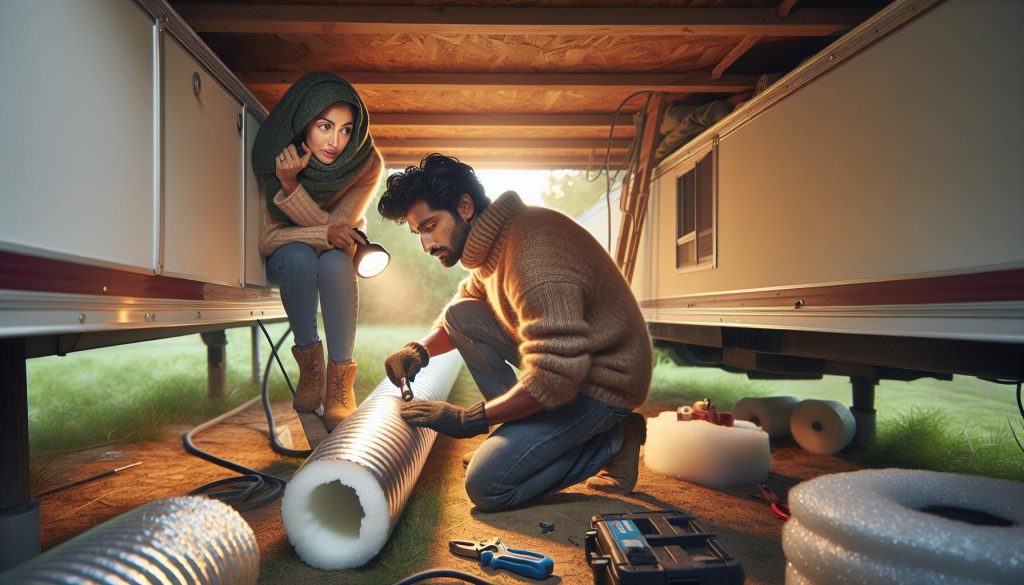
As winter approaches, ensuring your trailer home stays warm and cozy becomes paramount, especially when chilly floors can lead to discomfort. Proper heating under your trailer not only enhances indoor comfort but also helps prevent long-term structural issues caused by freezing temperatures. In this guide, we’ll explore effective methods to heat under your trailer home, providing practical solutions that can make a significant difference this winter. Whether you’re looking to improve energy efficiency or simply seeking a warmer living environment, the tips ahead will empower you to create a welcoming space that feels like home all season long. Let’s dive into the essentials of keeping your floors warm and your spirits high during those cold months!
How Heating Under Your Trailer Works
Heating solutions for trailers are designed to create a cozy living environment, especially during colder months. Understanding how these systems work can help you make informed choices that lead to warm, inviting floors all winter long. The most common method of heating under a trailer involves the use of radiant heating systems or forced air systems, each with their unique benefits.
Radiant heating systems operate by warming the floor surfaces directly, which radiates heat upwards into the living space. This method is efficient as it warms objects and people rather than relying solely on air circulation, making it feel warmer at lower temperatures. Typically, this involves either electric heating cables installed beneath the floor or hydronic systems that circulate heated water through pipes. On the other hand, forced air systems utilize a heater that blows warm air through ducts under the trailer, providing a more immediate heat source, though it may require more energy to operate effectively.
When choosing between these systems, consider factors such as energy efficiency, installation complexity, and your trailer’s size. Heated mats, though a bit more costly, can be a great solution if you’re looking to heat only specific areas like entryways or bathrooms. An effective heat retention strategy is key, which may include adding insulation under the trailer to minimize heat loss and using thermal curtains on windows to keep warmth in. Prioritize safety by ensuring all heating systems are correctly installed and maintained, as improper setups can lead to fire hazards or inefficiencies in heating.
Effective heating under your trailer isn’t just a luxury; it can significantly enhance your living comfort and energy efficiency. By understanding your options and implementing thoughtful choices, you can enjoy a warm, welcoming trailer home throughout the cold months.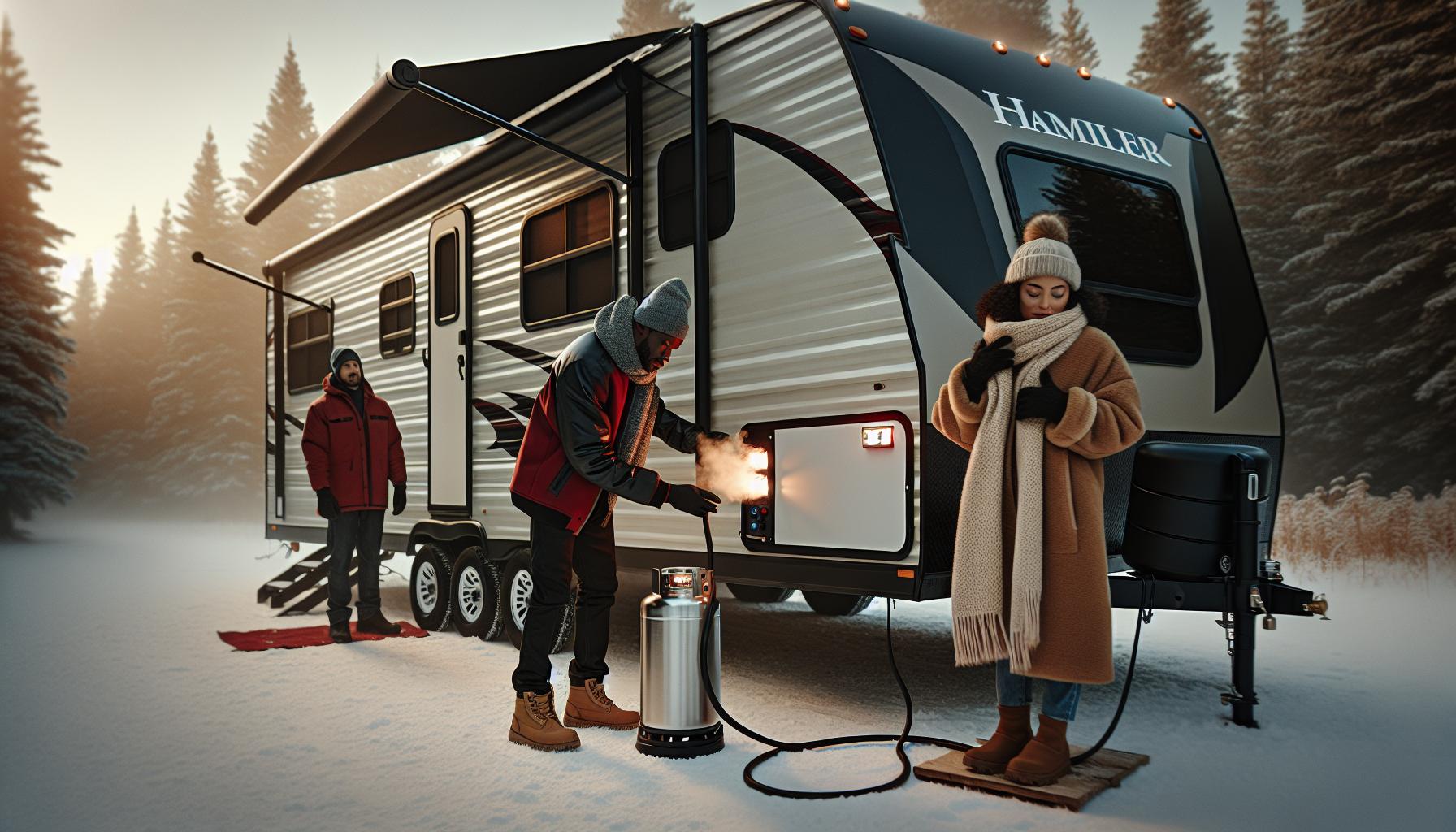
Types of Heating Systems for Trailers
Implementing effective heating under your trailer can be a game-changer during the colder months, bringing comfort and warmth that enhances your living space. When considering the right heating systems, it’s essential to understand the various options available to select one that meets your needs, budget, and lifestyle.
Radiant Heating Systems
One popular choice is radiant heating, which operates by warming the surfaces of your trailer’s floors. This system radiates heat upwards, creating a cozy environment where the heat is felt directly on your feet and other surfaces in the room. Radiant heating can take two forms:
- Electric Heating Cables: These cables are installed beneath the flooring and provide consistent heat. They are easier to install in existing trailers where retrofitting is needed.
- Hydronic Systems: These systems circulate heated water through pipes installed under the floor, offering a highly efficient method of heating. They require more complex installation but provide excellent warmth and energy efficiency.
Forced Air Heating Systems
Another common option is the forced air heating system. This works by distributing warm air throughout the trailer via ducts. It is often more affordable to install and can heat up spaces quickly. While this method is effective for immediate warmth, it may consume more energy over time and tends to dry out the air more than radiant methods.
Infrared Heating Panels
For a less conventional choice, consider infrared heating panels that can be placed strategically around the trailer. These panels emit infrared radiation that heats objects and people directly rather than the air, making them efficient and suitable for smaller spaces. They are easy to install and can be especially useful for heating targeted areas.
Choosing the Best Option
Ultimately, the choice of heating system will depend on your specific needs, including factors like your trailer’s size, your budget for installation, and how much maintenance you’re willing to manage. Additionally, it’s crucial to factor in your climate and how often you use your trailer during colder months.
Regardless of the type of system you choose, proper insulation is vital to maximizing efficiency. Insulating your trailer underbelly can significantly reduce heat loss, ensuring you get the most out of your heating investment. By assessing your options and understanding the pros and cons of each, you can create a warm, comfortable home for all seasons.
Choosing the Best Heating Option for Your Needs
Making the right choice for heating your trailer is crucial, especially as winter approaches and temperatures drop. With several heating options available, it’s essential to assess which system aligns best with your lifestyle, budget, and the specific needs of your space. A well-chosen heating system can provide both comfort and efficiency, transforming your trailer into a cozy retreat during the colder months.
When considering your options, think about the layout and size of your trailer. For example, radiant heating systems, including electric heating cables and hydronic systems, can effectively warm the floors and create a comfortable atmosphere. If your trailer has an open floor plan, these systems may work particularly well by providing even heat distribution. Conversely, if you often use your trailer for short trips, a forced air system could be a more practical solution for rapid heating, offering warmth on demand without extensive installation requirements.
Additionally, evaluate the climate of the area where you park your trailer. If you’re in a region known for extreme cold, investing in a more robust heating solution like a hydronic system may be wise, despite the higher initial costs. On the other hand, if you’re in a milder climate or use your trailer sporadically during winter, simpler options like infrared heating panels could be sufficient. These panels heat specific areas, reducing energy waste while keeping the environment comfortable.
Lastly, consider your ongoing maintenance preferences and costs. Some systems may require more regular upkeep than others. For instance, forced air systems often need filter changes and duct maintenance, while radiant heating systems typically have lower maintenance demands. By weighing these factors-installation complexity, energy efficiency, long-term costs, and maintenance needs-you can select a heating option that ensures your trailer remains invitingly warm all winter long.
Essential Tools for Installing Trailer Heating
When planning to heat your trailer effectively, having the right tools at your disposal can make all the difference in the installation process. Proper heating not only enhances your comfort during colder months but also helps in maintaining a welcoming environment in your mobile space. As you gather your materials, consider equipping yourself with a range of essential tools that will simplify your project.
Start with basic hand tools such as a drill and a screwdriver set. These will be necessary for securing your heating system to the trailer frame or flooring, particularly if you’re installing a radiant heating system or forced air units. A level is also crucial for ensuring that your installations are even and properly aligned, which is key to maximizing efficiency and heat distribution.
In addition to hand tools, having safety gear should be a priority. Always wear safety goggles and gloves when working with tools and materials that could potentially be hazardous. If you’re dealing with electrical heating systems, consider investing in a multimeter to ensure all electrical connections are secure and functioning properly. Furthermore, when it comes to cutting materials for ductwork or paneling, a quality utility knife and tin snips can provide precision for a clean fit.
For those delving into more complex hydronic systems, a pipe cutter and soldering iron will be invaluable for working with water lines, while a heat gun can assist in bending and fitting flexible tubing. It’s wise to have a tape measure handy as well, to ensure that duct runs or radiant heating layouts fit your space perfectly.
Lastly, consider the specific type of heating system you are installing. Resources such as installation manuals or online guides (such as those referenced in [1] and [3]) can offer tailored advice on the necessary tools for particular systems. Equipped with these tools and resources, you’ll be well on your way to achieving a cozy and comfortable trailer home during the chilly winter months.
Step-by-Step Guide: Installing Under-Trailer Heating
Creating a warm and comfortable under-trolley heating solution not only enhances the livability of your trailer but can also improve its overall energy efficiency, reducing heating costs in the long run. Installing under-trailer heating can be a manageable DIY project if approached methodically. Here’s a streamlined process to help you get started.
Begin by preparing the space under your trailer. Ensure that you have a clean working environment by removing any debris, ensuring that the underside of your trailer is free of obstructions. This will give you a clear view of where to install your heating system. Identify the type of heating system you’ll be using, which can include options like electric floor heating, propane heaters, or radiant heating tubes. Each type has its own installation specifications, so consulting the manufacturer’s guidelines is essential.
Next, you’ll need to gather your materials. This includes your heating elements (like heating mats or tubes), insulation materials, and any fasteners required for installation. Assess your trailer’s specifications, as this will influence the amount of insulation and materials needed for your specific layout.
Once you have your tools and materials, install the insulation first. Place it on the trailer’s floor, creating a barrier between the ground and your heating system. This step is crucial, as good insulation will help maintain heat. After laying down the insulation, begin installing your heating system. If it’s electric, follow the manufacturer’s instructions for connecting it to the power supply. If using a hydronic or gas system, ensure all connections are secured and leak-proof.
Finally, after the installation is complete, test the system thoroughly. Check for any areas that may need adjustment, ensuring that everything is functioning correctly. Note that regular maintenance will ensure longevity and efficient operation of your heating system. By investing the time to do it right and following these steps carefully, you can create a warm, inviting space that makes your trailer feel like home during the cold months.
Maintaining Your Heating System for Longevity
Maintaining your heating system is essential to ensure it runs efficiently and provides the warmth you need during frosty months. Regular upkeep not only enhances the system’s longevity but also minimizes unforeseen repair costs. A commitment to maintenance can transform a potentially daunting chore into a straightforward process that keeps your under-trailer heating in optimal condition.
To begin with, make a habit of conducting visual inspections throughout the heating season. Check for any visible wear and tear on the heating elements, especially if you use electric mats or tubes. Look for signs of rust or corrosion, particularly in hydronic systems where moisture can accelerate damage. Additionally, inspecting insulation materials for any gaps or wear is crucial, as this can affect efficiency.
A crucial component of maintenance is ensuring your system remains clean and free from debris. For electric systems, ensure the wiring and connections are tidy and secure. In gas systems, checking that vents or exhaust pipes are unobstructed is vital to prevent potential hazards. Regularly scheduling a professional service for deep cleaning and checks can further enhance safety and efficiency-consider this a once-a-year investment in your comfort.
Another beneficial practice is to monitor your energy usage. If you notice a sudden spike in heating costs, it might be a sign that your system is working harder than it should. This could prompt you to check for blockages in the system or inefficiencies in insulation. Keeping a maintenance log can help track dates of checks and repairs, making it easier to spot patterns that necessitate attention.
In essence, regularly maintaining your heating system not only secures efficient and comfortable living but also offers peace of mind. Taking small, responsible steps in upkeep can lead to significant benefits, allowing you to enjoy the cozy warmth of your trailer home all winter long.
Common Mistakes to Avoid When Heating Your Trailer
Ensuring proper heating under your trailer can significantly enhance your living experience during the colder months. However, many individuals unwittingly fall into traps that can lead to inefficient heating or even safety hazards. One of the most common mistakes is neglecting to fully understand the specific type of heating system being used. For instance, systems like hydronic heating require proper insulation to function effectively, while forced air systems demand efficient ventilation. Identifying the system’s needs and limitations can prevent problems before they arise.
Another frequent error is overlooking insulation, especially around plumbing and heating elements. Gaps in insulation can lead to heat loss, creating cold spots and diminishing the system’s overall effectiveness. A good practice is to conduct a thorough inspection of all exposed areas and seal any openings. Many homeowners underestimate the role insulation plays, assuming that simply having a heating system is sufficient. In reality, a well-insulated trailer is key to maintaining heat efficiently.
Moreover, improper thermostat placement can cause substantial heating inconsistencies. Positioning thermostats near drafts or heat sources, such as windows or heating vents, can lead to inaccurate temperature readings, making your heating system work harder than necessary. To optimize efficiency, ensure thermostats are situated in areas that accurately represent the average temperature of the living space.
Regular maintenance is critical, yet procrastination in scheduling it is a common pitfall. Many trailer owners wait until a heating issue arises, leading to potential breakdowns and costly repairs. Instead, committing to a routine maintenance schedule can help identify minor issues before they escalate. Keeping a log of maintenance tasks and check-ups can provide a helpful reference and enhance the longevity of your heating system. By avoiding these common mistakes, you can create a cozy, efficient living environment under your trailer home all winter long.
Cost Breakdown: Budgeting for Heating Upgrades
When considering heating upgrades for your trailer, understanding the financial implications is paramount. It can significantly impact your comfort levels during the colder months while also ensuring you remain within budget. The overall cost for heating under your trailer can vary widely based on the system selected, installation requirements, and additional modifications needed to optimize efficiency.
Several primary heating options exist, each with its unique costs:
- Electric Heating Systems: These are often among the most affordable initial investments, typically ranging from $500 to $1,500, depending on the type and quality of equipment chosen.
- Propane and Gas Heaters: Initially, these may cost between $1,000 to $2,000, including the heater and installation. However, ongoing fuel costs can add up, making it essential to consider long-term expenses.
- Diesel Heaters: While a bit pricier upfront (up to $2,000), their efficiency and durability may save money over time. Additional costs can come from fuel and maintenance.
- Hydronic Heating: Although this system offers excellent heat retention, it has a high initial setup cost, often $3,000 to $6,000, primarily due to the complexity of installation.
For an organized approach, a table can outline some common heating types against their estimated costs:
| Heating Type | Estimated Cost Range | Monthly Operating Cost |
|---|---|---|
| Electric | $500 – $1,500 | Variable (on usage) |
| Propane/Gas | $1,000 – $2,000 | $50 – $100 |
| Diesel | $1,500 – $2,000 | $60 – $120 |
| Hydronic | $3,000 – $6,000 | $100 – $200 |
As you plan for heating upgrades, also anticipate additional expenses, such as insulation improvements, which can help retain heat effectively and lower energy costs. Budgeting for maintenance tasks, including regular checks and servicing of heating units, is another critical consideration. Incorporating these factors into your financial planning will ensure that your trailer remains comfortable and warm throughout the winter, allowing you to make the most of your space regardless of the weather outside.
Tips for Maximizing Heat Retention in Your Trailer
Keeping the heat inside your trailer during chilly months can transform your living experience, turning what could be a frigid environment into a cozy retreat. Effective heat retention not only makes your trailer more comfortable but also reduces energy costs in the long run. Here are some practical tips to enhance heat retention under your trailer home and ensure that warm floors stay warm all winter.
Start with insulation, which is critically important for preventing heat loss. Consider upgrading your insulation underneath the trailer, using materials like foam boards or fiberglass batts, which can dramatically improve thermal resistance. Properly insulate exposed pipes and heating systems as well; using insulated sleeves can help maintain the temperature of your water lines and reduce the risk of freezing.
Another effective method is sealing gaps and cracks in your trailer’s structure. Inspect areas such as windows, doors, and where the skirt meets the ground. Use weather stripping or caulk to fill any openings. This simple step can make a significant difference in preventing drafts, which can sap warmth from your living space. Additionally, installing skirting around the bottom of your trailer can create a barrier that helps retain heat, particularly if you use insulated skirting materials.
Utilizing reflective insulation material can also boost your heat conservation efforts. Placing it between your trailer’s frame and insulation can reflect heat back into the living area. Furthermore, adopting the warmth-retaining benefits of carpets or rugs can help reduce cold floor drafts and keep your feet warm while adding a homely touch.
Lastly, consider optimizing your heating system. Regular maintenance, such as cleaning filters and checking for correct airflow, can enhance efficiency. Utilizing programmable thermostats allows you to control your heating needs more effectively, focusing heat during peak hours while reducing it when you’re not home.
By implementing these simple yet effective heating retention strategies, you can maximize comfort in your trailer home while enjoying lower energy bills. Each of these steps contributes not only to a warmer environment but also to a more energy-efficient living space during those colder months.
Solving Common Heating Issues in Trailer Homes
Experiencing heating issues in your trailer can be frustrating, especially during the colder months when warmth becomes essential. One common problem is inadequate heat output, which may stem from several factors, including blocked venting, insufficient fuel supply, or thermostat malfunctions. If you’re noticing that your trailer doesn’t reach the desired temperature or if some areas remain cold, it’s crucial to troubleshoot these issues promptly to restore comfort.
Identifying and Fixing Inadequate Heat Output
Start by checking the heating system itself. Ensure that all vents are unobstructed and free from dust and debris, as this can significantly impede airflow. If you have a furnace, make sure it has the right fuel supply-whether propane or electricity-ensuring tanks are filled and connections are secure. Additionally, inspect the thermostat. Sometimes, recalibrating or replacing an old thermostat can solve heating deficiencies, allowing you to set and maintain your desired comfort level efficiently.
Addressing Cold Spots
Cold spots in your trailer can disrupt the overall heating, making some rooms feel uninviting. Often, these issues arise from poor insulation or unsealed gaps. Check for any drafts around windows, doors, or under the trailer, and utilize weather stripping or caulk to fill in any gaps. Adding reflective insulation under the trailer and ensuring that the skirting is intact can also help maintain temperature by preventing cold air from seeping in. Taking these steps can dramatically improve retention and distribution of heat.
Solving Noisy Heating Systems
If your heating system is noisy, it may indicate buildup or a mechanical issue. For example, rattling sounds could point to loose components, while popping noises might suggest debris in the system. Regular maintenance, including cleaning out vents and ensuring proper function of fans, can help mitigate these problems. If unusual sounds persist, it may be worth consulting a professional to diagnose further, as ignoring these signs can lead to more serious issues down the line.
Understanding System Failures
In some situations, the heating system may fail completely. This failure could be due to electrical issues, such as tripped breakers or blown fuses, which are simple to check. If the problem is deeper, such as a malfunctioning combustion chamber or a blocked exhaust, you’ll want to enlist the help of a qualified technician. Keeping a close eye on preventative measures-like regular inspections and maintenance-can save you from unexpected failures when you need heat the most.
By proactively addressing common heating issues and understanding how to fix or prevent them, you can create a cozy and welcoming environment in your trailer home, allowing you to enjoy it year-round. With a little diligence and thoughtful care, you can ensure your heating system works efficiently and effectively, keeping the chill at bay all winter long.
Safety Considerations for Heating Under Your Trailer
When it comes to heating under your trailer home, safety should be a top priority. Improper installation or use of heating systems can lead to hazardous situations, including fires or carbon monoxide exposure. Therefore, understanding the key safety measures not only protects your home but also ensures your peace of mind during those cold months.
One important consideration is the type of heating system used. Electric radiant heat systems, for instance, require careful attention to their electrical connections to prevent overloads. Ensure that all wiring complies with local codes and that circuits can handle the heater’s load. Additionally, consider installing a Ground Fault Circuit Interrupter (GFCI) to automatically cut off power in case of a short, providing additional safety. If you opt for propane or gas heating systems, ensure proper ventilation to prevent dangerous gas buildup and install carbon monoxide detectors near sleeping areas to alert you of any leaks.
Another aspect to keep in mind is the placement and clearance of heating units. Always maintain safe distances between heating elements and any flammable materials such as fabric, wood, or even the trailer itself. Regular inspections are crucial; periodically check for signs of wear, leaks, or damage. Don’t forget to keep access points clear so you can service the heating units easily if any issues arise.
Lastly, it’s vital to educate everyone who uses the trailer about heating safety practices. Discuss how to operate the heating systems safely, the importance of keeping combustible materials away, and the procedure to follow in case of an emergency. By prioritizing safety and proactive maintenance, you can enjoy the comfort of warm floors all winter long, while also keeping risks at bay.
In Conclusion
As winter approaches, ensuring your trailer home has warm floors can transform your living space into a cozy retreat. By implementing the heating methods we explored, you not only enhance comfort but also protect your home’s value. If you’re ready to take the next step, consider checking out our guide on energy-efficient heating options to maximize your investment, or delve into maintenance tips that ensure your heating system runs smoothly all season long.
Don’t hesitate to share your thoughts or experiences in the comments below; your insights could help fellow homeowners! And if you’re looking for more practical advice on trailer and mobile home living, browse our resources on DIY home improvement projects. Remember, with proper care and knowledge, your trailer home can be just as warm and inviting as any traditional house. Start making your home a winter haven today!