Cold floors can be a frustrating aspect of living in a trailer home, especially during the winter months. If you’ve ever found yourself shivering as you step out of bed, you’re not alone. Insulating under your trailer home is a DIY project that can dramatically improve your comfort and energy efficiency. By blocking cold air from seeping in, you’ll not only enjoy warmer floors but also reduce your heating bills. In this guide, we’ll take you through the essential steps to properly insulate underneath your trailer home, ensuring you can create a cozy living environment no matter the season. So, let’s dive in and explore how you can stop those cold floors for good!
How Insulation Improves Comfort in Trailer Homes
Insulation is a game changer when it comes to enhancing the comfort of trailer homes. Many people living in these homes often face the challenge of cold floors, drafty interiors, and inconsistent temperatures throughout the space. Proper insulation not only mitigates these issues but also contributes significantly to energy efficiency and cost savings. By effectively sealing off gaps and regulating temperature, insulation creates a cozy atmosphere, making trailer living more enjoyable year-round.
When you insulate beneath your trailer, the floor surface becomes warmer, reducing the discomfort of cold surfaces during winter months. By blocking out the chill from the ground and limiting air leaks, you foster a more stable indoor climate. This is particularly important for those in regions with harsh winters. As an added benefit, proper insulation can help lower energy bills since your heating system won’t have to work as hard to maintain a comfortable temperature. Additionally, with improved insulation, homeowners often notice a reduction in outside noise, contributing to an increased sense of privacy and tranquility in their living spaces.
Here are some practical aspects to consider for enhancing comfort through insulation:
- Temperature Regulation: Insulation helps to maintain a consistent temperature, reducing the need for constant heating or cooling.
- Moisture and Mold Prevention: Proper insulation can help to control humidity levels, reducing the risk of mold and mildew.
- Noise Reduction: Insulated homes tend to be quieter, as sound transmission between the indoors and outdoors is minimized.
- Increased Home Value: Energy-efficient homes often appeal more to potential buyers, which can enhance resale value.
Making the effort to insulate your trailer not only improves comfort but also promotes a healthier living environment. With careful planning and execution, you can transform your steel-framed residence into a warm and welcoming home.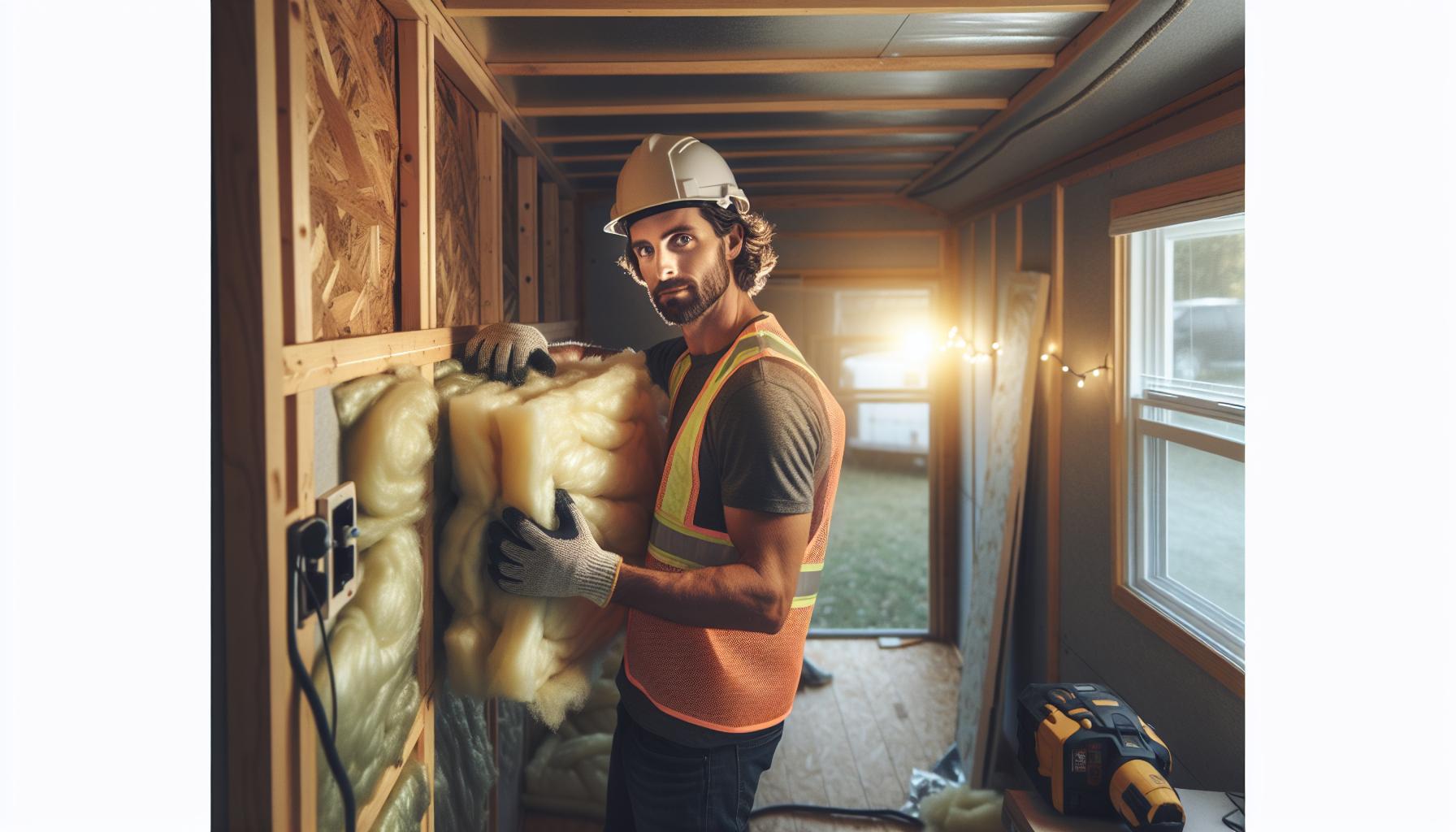
Understanding the Basics of Mobile Home Insulation
Understanding how insulation works specifically for mobile homes is essential in creating a comfortable living environment. In many cases, these homes suffer from cold floors and drafts due to insufficient insulation, which can lead to discomfort, higher energy bills, and even mold growth. The primary goal of insulation is to reduce heat transfer between the inside and outside of your trailer, ensuring that your home remains warm in winter and cool in summer.
Achieving effective insulation involves not just what material you choose, but also how you apply it. The most common types of insulation for mobile homes include fiberglass batts, foam board, and spray foam. Each has its advantages: fiberglass is cost-effective and easy to install, foam board provides excellent insulation values with added durability, and spray foam can fill gaps and create an airtight seal. It’s crucial to consider local climate conditions and the specific areas of your trailer that need insulation, often focusing on the underbelly and walls.
Insulating under a trailer requires careful planning and execution. Before beginning, inspect for any damage or moisture issues to ensure a solid foundation for your project. Between joists and around pipes are common areas needing attention. A well-insulated trailer not only provides immediate comfort benefits but also enhances energy efficiency, resulting in potential savings on heating and cooling costs over time. Furthermore, keeping drafts at bay contributes to a healthier indoor environment, reducing humidity levels and the risk of mold.
By taking the time to understand insulation and its impact on mobile home living, owners can make informed decisions that lead to long-term comfort and sustainability. Implementing adequate insulation not only improves the livability of your trailer but also extends its lifespan and value, making it a wise investment in your home’s future.
Choosing the Right Insulation Material for Your Trailer
can make a significant difference in the comfort and energy efficiency of your home. Since trailers often have unique structural designs and common issues like cold floors and drafts, selecting the appropriate insulation type is essential for optimizing your living environment. Understanding the insulation materials available and their specific benefits will help you create a cozy and energy-efficient space.
One of the most popular choices for trailer insulation is fiberglass batting. This material is affordable, relatively easy to install, and provides excellent thermal and acoustic insulation. You can find fiberglass batts in various thicknesses, allowing you to customize insulation based on your specific needs. However, fiberglass does require careful installation to avoid gaps, which can undermine its effectiveness. Always wear protective gear when handling fiberglass, as its fibers can irritate the skin and lungs.
Another effective option is foam board insulation, which offers high R-values compared to its thickness. This insulation material is particularly beneficial for trailers, as it provides excellent protection against moisture and air infiltration. Foam board can be easily cut to fit snugly between joists and around plumbing, helping to create a continuous insulation barrier. While it can be more expensive than fiberglass, its durability and performance can justify the investment, especially if your trailer experiences extreme temperature fluctuations throughout the year.
For those seeking a comprehensive solution, spray foam insulation is an excellent choice. This material expands upon application, filling in all gaps and seams, thus creating an airtight seal that helps prevent drafts. While spray foam typically has a higher upfront cost, it offers superior energy efficiency and can significantly lower heating and cooling bills over time. It’s important to consider that spray foam should be installed by a professional to ensure safety and proper application.
When choosing insulation, also consider your local climate and the specific areas of your trailer that require insulation. Understanding the characteristics and benefits of materials like fiberglass, foam board, and spray foam allows you to make informed decisions that will ultimately improve the comfort, efficiency, and longevity of your home.
Step-by-Step Guide to Insulating Under Your Trailer
Insulating the underbelly of your trailer is a crucial step in ensuring a comfortable living space, especially when it comes to combating those cold floors. Not only does proper insulation help maintain a steady temperature, but it also prevents drafts and moisture buildup that can cause significant damage over time. Here’s a practical step-by-step guide to help you tackle this important home improvement project effectively.
Start by gathering the necessary tools and materials for the job. You’ll need insulation material (such as fiberglass batt or foam board), a measuring tape, utility knife, vapor barrier (like polyethylene sheeting), safety goggles, gloves, and a staple gun. Ensure you have a clean workspace underneath the trailer, free from debris or obstacles.
Begin by measuring the space beneath your trailer to determine how much insulation you will need. Cut the insulation board or batts to fit snugly between the joists. It’s crucial that the insulation fills the entire cavity without leaving gaps-this will optimize its effectiveness. If using fiberglass batts, place them with the paper facing upwards (toward the warm side) to act as a vapor barrier.
Once the insulation is in place, cover it with a vapor barrier to prevent moisture intrusion, which can compromise the insulation’s efficiency. Lay the vapor barrier over the insulation, overlapping seams by at least 12 inches, and secure it to the joists with staples. Ensure that there are no tears or openings in the barrier that could allow moisture in.
Finally, check your work and make adjustments as needed. Inspect for any visible air gaps and ensure that everything is securely fastened. Regularly monitor under your trailer for signs of moisture or pests, and remember that maintaining good airflow in your trailer will further enhance the effectiveness of your insulation.
By following these steps, you’ll keep the cold at bay and enjoy a more comfortable living space in your trailer. A well-insulated underbelly not only improves your cozy floor experience but also adds to the longevity and energy efficiency of your mobile home.
Tools and Supplies Needed for Insulation Project
To transform your trailer home into a cozy haven, you’ll need the right tools and supplies for your insulation project. The process can initially seem daunting, but with a well-prepared toolkit, you’re equipped to tackle cold floors and drafts head-on. Remember, the outcomes of your efforts can dramatically enhance your living experience, making this investment worthwhile.
Begin your project with the essential materials. You’ll want to select insulation types that best meet your home’s needs, such as fiberglass batts or foam board. Both of these options provide excellent thermal resistance – fiberglass being more common due to its affordability and ease of installation. A vapor barrier, typically polyethylene sheeting, is also crucial to protect your insulation from moisture and mold, ensuring its longevity and effectiveness.
The following list outlines the key tools and supplies you’ll need for your insulation project:
- Insulation Material: Either fiberglass batts or foam board, depending on your choice.
- Measuring Tape: Essential for accurately gauging the space under your trailer.
- Utility Knife: Used for cutting insulation to size.
- Vapor Barrier: Polyethylene sheeting to keep moisture out.
- Safety Goggles and Gloves: Important for your safety when handling insulation materials.
- Staple Gun: Useful for securing the vapor barrier to the joists.
- Dust Mask: Provides protection when cutting insulation materials or working in dusty areas.
Before you start, ensure your workspace is clean and cleared of debris, allowing for easy access underneath your trailer. With the right tools and materials at your disposal, you’ll not only improve your comfort but also set a foundation for long-lasting energy savings. Regularly checking and maintaining your insulation ensures your hardworking materials continue to perform, allowing you to enjoy a warm and inviting home environment while navigating the unique challenges of trailer living.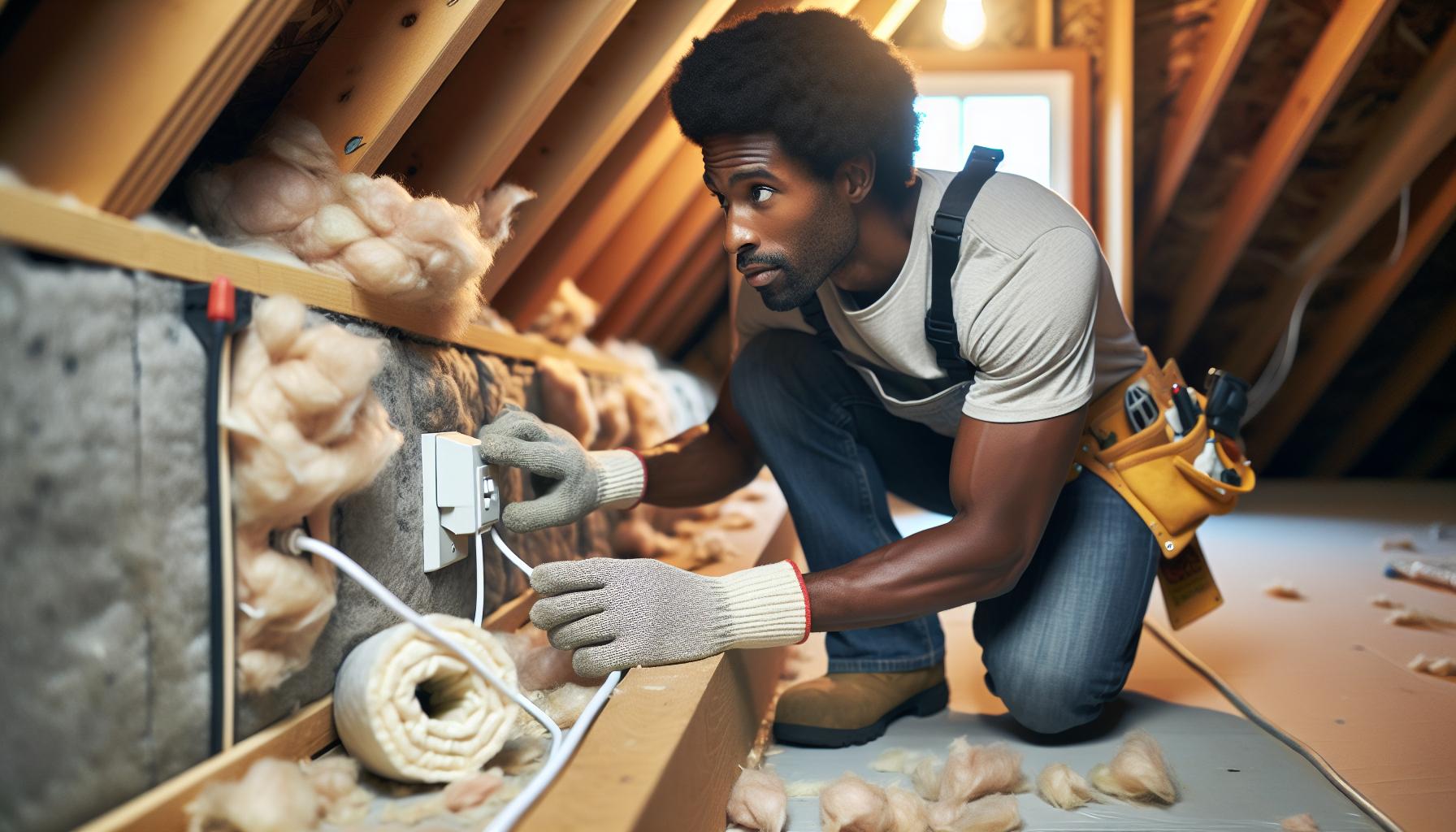
Common Mistakes to Avoid When Insulating
Insulating your trailer home can drastically improve comfort by eliminating cold floors and drafts, but many people unknowingly make mistakes that can compromise their efforts. One common error is skimping on the insulation material. Not all insulation is created equal, and using subpar products can lead to reduced thermal resistance. Opt for high-quality options like spray foam or rigid foam board, which offer superior insulation properties and moisture resistance.
Another frequent misstep is neglecting the vapor barrier. Failing to install a vapor barrier might seem inconsequential initially, but it can lead to moisture problems that damage insulation and promote mold growth. Always ensure your vapor barrier is properly secured to prevent moisture infiltration under the trailer. Furthermore, be cautious about cutting insulation too short; gaps in coverage can result in drafts and temperature inconsistencies. Measure twice, cut once to ensure a snug fit around your home’s frame.
- Skipping Safety Gear: Underestimating the importance of safety gear can lead to injuries. Always wear goggles, gloves, and a dust mask when working with insulation materials.
- Overlooking Structural Features: Some trailers have plumbing or wiring that need to be incorporated into the insulation plan. Ignoring these features can risk damages or create insulation voids.
- Poor Sealing Techniques: Using the wrong adhesive or not sealing edges properly can lead to air leaks. Be diligent in sealing joints and edges to maintain energy efficiency.
Ultimately, proper planning and attentiveness to detail can help you avoid these pitfalls, ensuring that your insulation project results in a warmer, more comfortable living space. A little foresight goes a long way in creating an inviting home beneath your feet, allowing you to fully enjoy the unique lifestyle offered by trailer living.
How to Identify Drafts and Cold Spots
Identifying drafts and cold spots in your trailer home can significantly enhance your living comfort and optimize your insulation efforts. One of the simplest ways to detect these unwanted air leaks is through a traditional method: the candle test. On a calm day, light a candle and move it slowly around windows, doors, and walls. If the flame flickers or bends, you’ve likely found a draft. This method is straightforward and surprisingly effective for pinpointing leaks in hard-to-reach places.
Aside from using visual cues like flickering flames, you can also assess temperature variations throughout your trailer. Use a simple infrared thermometer to check for cold spots on walls or floors. Measure the temperature at various points; if you notice significant differences, that’s an area in need of attention. Cold spots often indicate insufficient insulation or gaps that allow chilly air to seep in.
Common Areas to Check for Drafts
Some areas in trailer homes are notorious for drafts. Make a habit of inspecting:
- Windows and Doors: Look for gaps in the weather stripping or damaged seals.
- Floor Edges: Check where the flooring meets the walls and around vents.
- Skirting and Foundations: Inspect for any holes or cracks where air could enter.
- Ceilings and Attic Spaces: Ensure proper sealing in areas where plumbing or electrical wiring penetrates.
Another strategic approach to identify drafts is by using a smoke pen or incense stick. Similar to the candle method, observing the direction of the smoke will help visualize drafts. This technique can effectively highlight less obvious leaks and areas requiring more insulation.
Once drafts and cold spots are identified, you can take the necessary measures to remedy them. Proper sealing and insulation can transform your trailer’s comfort level, making it a cozy haven no matter the season. Recognizing and addressing these issues not only leads to a warmer environment but also contributes to energy efficiency, ultimately saving on heating costs.
Maintenance Tips for Long-Lasting Insulation
Proper maintenance of insulation in your trailer home is essential for ensuring comfort and efficiency, especially when it comes to combating cold floors. A well-maintained insulation system not only keeps your living space warm during chilly months but also helps reduce energy costs. To achieve this, regular inspections and timely interventions are vital.
Start by routinely checking your trailer’s insulation, particularly in areas prone to moisture and deterioration, such as beneath the home and around the skirting. Look for visible signs of wear, such as sagging insulation, damp spots, or mold growth. If you spot any issues, consider replacing or reinforcing your insulation as necessary. It’s also a good idea to keep the skirting in good condition, as this protects the insulation from external elements and minimizes heat loss.
To further extend the life of your insulation, ensure that any moisture problems are addressed promptly. Poor ventilation or leaks can lead to water accumulation, which can compromise the integrity of the insulation material. Investing in proper vents or dehumidifiers can help regulate moisture levels. Additionally, regularly clean out any debris from around the skirting and eaves, as this can obstruct airflow and trap moisture.
Lastly, consider conducting an annual energy audit. This process involves evaluating your insulation’s performance and identifying gaps where air may be escaping. Utilize tools like a thermal imaging camera to accurately pinpoint areas needing attention. Investing time and effort into maintaining your trailer’s insulation can create a more comfortable living environment and contribute to long-term cost savings.
Cost-Effective Solutions for Insulating Trailer Homes
In the quest for a cozy living environment, keeping trailer homes warm during the colder months is paramount. Fortunately, there are several cost-effective solutions that can make a significant difference in maintaining a comfortable temperature while minimizing energy bills. One of the most impactful steps is ensuring that insulation is properly installed and maintained under the trailer.
Start by evaluating the type of insulation currently in use. If it’s outdated or damaged, consider replacing it with more effective options that offer high R-values at a lower cost. Fiberglass batts and foam boards are popular choices due to their excellent insulating properties and affordability. Additionally, reflective insulation can provide significant benefits by reflecting heat back into the trailer during winter and keeping it out during summer, making it a versatile solution for year-round comfort.
DIY Insulation Solutions
For those looking to save on labor costs, consider a do-it-yourself (DIY) approach to insulating under your trailer. Here’s a simple step-by-step process to get you started:
- Gather materials: Purchase fiberglass batts, foam boards, or reflective material, along with vapor barrier plastic sheeting.
- Prepare the area: Clear any debris from under the trailer and ensure it’s dry and free of moisture.
- Install insulation: Cut the insulation to fit snugly between the floor joists. Make sure to install the vapor barrier facing the warm side of the home.
- Seal gaps: Use spray foam or caulk to seal any gaps where air can leak in.
These steps not only enhance insulation but can also significantly improve your trailer’s energy efficiency.
Incorporating Weatherization Practices
To further reduce heating costs, incorporate weatherization practices alongside your insulation efforts. Simple measures such as installing skirting around the base of your trailer not only blocks cold winds but also helps maintain an ambient temperature. Additionally, ensuring that doors and windows are properly sealed with weather stripping can significantly reduce drafts and heat loss.
Regular maintenance is essential for longevity. Conduct seasonal checks on your insulation and skirting to catch any wear or moisture issues early. Maintaining proper drainage around your trailer can help prevent flooding or moisture buildup, which is crucial for preserving insulation quality. By implementing these practical, cost-effective solutions, you can create a comfortable and efficient living space that makes trailer home living an enjoyable experience year-round.
When to Call a Professional for Insulation Help
It’s common for homeowners to feel overwhelmed when faced with insulation projects, especially in a trailer home. While DIY solutions can save costs and provide a sense of accomplishment, certain scenarios merit consulting a professional to ensure safety and effectiveness. For example, if your trailer home has sustained damage from pests or moisture, these issues must be addressed first. Repairing structural damage or dealing with mold requires expertise beyond basic insulation tasks, and hiring a professional can prevent further complications.
Another crucial time to call in a specialist is when you encounter specific insulation types that are outside your expertise. Options like spray foam insulation, while highly effective, require proper application techniques and safety precautions that may be difficult for an amateur to handle. A professional can not only install these materials effectively but also advise on the best types of insulation for your specific climate and trailer structure.
Furthermore, if your trailer home has significant drafts or inconsistent temperatures despite your best efforts to insulate, an expert can perform a detailed energy audit to identify areas for improvement. They have the tools and experience to diagnose issues that might not be visible at first glance, ensuring your home stays comfortable and energy-efficient.
In cases where you’re undertaking a large-scale remodel or renovation of your trailer, enlisting a professional can help streamline the process. They can coordinate various trades to ensure that insulation work aligns with other construction efforts, saving you time and potential missteps. In all these scenarios, investing in professional help can lead to long-term savings, enhanced comfort, and peace of mind in your trailer home living experience.
Upgrading Insulation: Timing and Benefits
Upgrading the insulation under your trailer is one of the most effective ways to combat cold floors and increase overall comfort. The timing for this upgrade can be crucial. Typically, the best practices suggest addressing insulation during warmer months when it’s easier to access areas underneath the trailer. A warm, dry day not only facilitates your work but also allows you to assess any existing moisture issues that may need to be resolved before adding new insulation.
There are several benefits to upgrading insulation. First and foremost, it enhances energy efficiency, reducing heat loss during the winter months and keeping your home cooler in the summer. Improved insulation can lead to significant savings on energy bills-often recouping the cost of the project within a year or two. Better insulation also helps mitigate drafts, offering a more stable and comfortable indoor temperature. This is particularly beneficial for those living in colder climates or areas with significant temperature fluctuations.
Another important aspect to consider is the material used for insulation. When upgrading, opt for products with higher R-values, which measure the insulation’s resistance to heat flow. For instance, installing foam board insulation or spray foam can provide superior thermal resistance compared to older materials like fiberglass batt insulation. This upgrade not only contributes to increased comfort but also enhances the resale value of your trailer home.
Lastly, it’s wise to schedule insulation upgrades alongside other home improvement projects, such as plumbing or electrical work. This coordinated approach minimizes disruptions and can potentially lower labor costs if you’re hiring professionals. Taking these steps ensures you get the most out of your insulation investment, creating a home that feels cozy and inviting, regardless of the weather outside.
Real-Life Success Stories: Insulated Trailer Homes
When it comes to transforming the comfort of trailer homes, real-life success stories from those who have insulated their spaces shed light on the significant benefits and strategies involved. For many homeowners, particularly in colder climates, laying down insulation under their trailers has been a game changer, turning once-frigid floors into cozy surfaces that invite bare feet. Homeowners report not only enhanced comfort but also a notable reduction in energy costs, illustrating how insulation improves quality of life.
Take, for instance, the story of a family who upgraded their trailer’s insulation to combat the persistent cold that seeped through the floors during long winters. They opted for foam board insulation beneath their trailer, recognizing that higher R-values could dramatically bolster their home’s thermal resistance. This upgrade not only minimized the chill from below but also significantly reduced their heating bills. Within a year, they had recuperated their investment through savings on energy expenditure, which motivated them to tackle additional home improvements, further enhancing their living space.
Another couple shared their experience with retrofitting their mobile home using mineral wool insulation. They were impressed by how easy it was to install during a weekend DIY project. They chose this material for its excellent sound absorption properties, which transformed their home into a peaceful retreat away from noisy neighbors. The couple reported a noticeable decrease in drafts, creating a more consistent indoor temperature that made their living environment more comfortable year-round.
These success stories highlight not just the tangible benefits of insulation-like energy savings and comfort-but also the pride and satisfaction that come from DIY efforts. They reflect a growing trend among trailer and mobile home owners towards taking control of their living conditions. By learning from the experiences of others, new homeowners can easily navigate their own insulation projects, empowered to create a more inviting and efficient home.
The Conclusion
Now that you’ve learned how to insulate under your trailer home and put an end to those cold floors, it’s time to take action! Proper insulation can significantly enhance your comfort and energy efficiency. Don’t wait-begin your project today to enjoy a warmer living space. For more great tips on home improvement, check out our guides on trailer maintenance and DIY renovation projects that will empower you to create the perfect home environment.
Feeling motivated? You can also sign up for our newsletter for more insightful articles directly to your inbox or visit our resources section for tools and materials to kickstart your insulation project. If you have any questions or want to share your own experiences, feel free to leave a comment below. Your journey to a cozier trailer home starts now-let’s make it happen together!