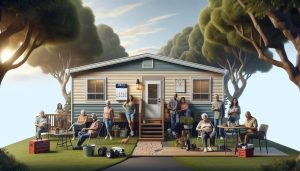
Creating an inviting porch for your trailer home not only enhances your outdoor living space but also adds value and charm to your dwelling. This project can transform a simple entryway into a cozy retreat where you can enjoy morning coffee, evening gatherings, or quiet contemplation. Many trailer homeowners often face the challenge of limited space, making the integration of a well-framed porch all the more important. By learning how to effectively frame your porch, you can maximize your living space while showcasing your personal style. This guide will walk you through the essential steps to frame a porch that complements your trailer home, ensuring that you make the most of your outdoor areas. Whether you’re a seasoned DIYer or a newcomer to home improvement projects, this comprehensive approach will empower you to create a functional and beautiful extension of your home that you and your family can enjoy for years to come.
How to Plan Your Porch Design for a Trailer Home
A well-designed porch can significantly enhance the living experience in your trailer home, offering not just a functional outdoor space but also adding aesthetic appeal. When planning your porch design, consider your lifestyle and how you intend to use this area. For instance, if you love entertaining, integrating comfortable seating and a dining area can transform your porch into an outdoor living room. Alternatively, if relaxation is your goal, cozy chairs and hammocks can provide a tranquil retreat. Begin by assessing the dimensions of your trailer and the surrounding landscape to determine the appropriate size and layout for your porch. This will help you maximize the available space while ensuring that it complements your home’s existing architecture.
Materials play a crucial role in your design decisions. Opt for durable options that withstand the elements. For the structural framework, pressure-treated wood or metal can provide a solid foundation. The flooring material should also be considered carefully; composite decking is a popular choice for its low maintenance and weather resistance, while traditional wood offers warmth and charm but requires regular upkeep. Integrate railing options that not only fit your style but also ensure safety, especially if your porch is elevated. Incorporating features like built-in storage benches or decorative planters can enhance functionality while adding visual interest.
Finally, think about accessibility and flow. Ensure that your porch design allows for easy movement between the porch and the interior of your trailer. Consider installing ramps or steps that are compliant with safety regulations, particularly if you anticipate guests with mobility challenges. By taking these factors into account, you can create a porch that beautifully enhances your trailer home, providing an inviting space that adapts to your lifestyle and scenery.
Essential Materials for Building a Durable Porch
To create a porch that stands the test of time while complementing your trailer home, selecting the right materials is essential. The right combination will not only enhance the aesthetics of your outdoor space but also provide safety and durability against various weather conditions. When embarking on this project, consider both functionality and visual appeal to make the best choices for your porch.
When constructing the structure, pressure-treated wood is a wise option due to its resistance to rot and insect damage. This wood undergoes treatment with chemical preservatives, making it suitable for outdoor exposure. Alternatively, metal framing is increasingly popular because of its strength and ability to withstand harsh weather without warping or decaying. If you opt for wood, ensure it’s from a reputable source to avoid low-quality materials that can compromise your porch’s integrity.
Flooring is another critical component that sets the foundation for comfort and style. Composite decking is favored for its low maintenance requirements and impressive durability, typically made from a blend of wood fibers and recycled plastic. It resists fading, staining, and mold growth, making it an excellent choice for busy outdoor spaces. On the other hand, traditional hardwoods like cedar or redwood provide a warm, inviting look but require more regular upkeep, including sealing and staining to maintain their beauty and performance.
Providing sufficient railing systems is vital, especially if your porch includes steps or is elevated. You can choose from various materials, including wood, metal, and even glass for a modern touch. Not only do these railings enhance safety, but they also add architectural interest to your porch design. For extra function, consider integrating built-in seating or storage solutions that can keep your outdoor area tidy and enhance its usability.
Taking the time to select materials wisely will not only improve the longevity of your porch but will also create a welcoming outdoor haven that you can enjoy for years to come. With careful planning and the right materials, your porch will become a cherished space for relaxation and gatherings, seamlessly extending your living area into the great outdoors.
Step-by-Step Guide to Framing a Porch
Constructing a porch for your trailer home can significantly enhance your outdoor living experience, providing a perfect spot for relaxation, entertaining, or simply enjoying the view. When framing a porch, it’s vital to follow a systematic approach that ensures a robust and aesthetically pleasing structure. Here’s a helpful guide to get you started with the right framework.
Begin by strategically planning the layout of your porch. Measure the desired area to determine dimensions, considering how you intend to use the space. Once you have your measurements, it’s time to gather your materials. Commonly used materials for framing include pressure-treated lumber for the wood framing or metal framing for added durability against the elements.
Next, you will layout the foundation. If your porch will be elevated, install the necessary support posts in line with your design. Ensure they are adequately spaced for optimal support-typically, this means placing them no more than 6 feet apart. As you set the posts in concrete, use a level to make sure they are plumb. This will create a stable base for the floor joists.
After your posts are installed, it’s time to turn your attention to the floor joists. Cut your joists to size, typically using 2×6 or 2×8 lumber, depending on the span. Space them 16 inches apart for maximum stability, securing each joist securely to the posts and adding blocking for added support. Once the joists are in place, lay down your decking boards, choosing materials that best suit your aesthetic and maintenance preferences.
Finally, ensure safety by incorporating proper railing systems, particularly for elevated porches. Use sturdy materials and design the railing at least 36 inches high, enabling safe usage for all porch visitors. This step not only provides crucial support but also adds to the overall charm of your porch design.
By carefully following these steps, you will create a well-framed porch that not only looks great but is also safe and functional for many years of enjoyment. Enjoy your new outdoor space as a beautiful extension of your home!
Tips for Ensuring Porch Stability and Safety
When building a porch for your trailer home, ensuring its stability and safety is paramount. A well-constructed porch should not only enhance your outdoor living space but also be a secure area for family and friends to gather. Consider these essential tips to create a safe and stable structure.
First, start with a solid foundation. If your porch is elevated, adequate support is crucial. Use pressure-treated posts that are anchored in concrete footings to resist the elements. The posts should be spaced no more than 6 feet apart to distribute weight evenly. Additionally, it’s essential to check the level of your posts before securing them; this ensures that your decking won’t be uneven and helps prevent problems down the line.
Next, pay careful attention to the framing. Utilize 2×8 or 2×10 framing members for the floor joists, spaced no more than 16 inches apart, which enhances the structural integrity of your porch. Make sure to reinforce these joists with blocking-pieces of wood placed between the joists-to create additional support. This is vital in preventing any sway or flexing that could lead to instability or accidents.
Railings and Safety Features
Lastly, incorporating railings is a critical safety measure, especially for elevated porches. The railing should be at least 36 inches high and constructed from durable materials. Consider adding vertical balusters spaced no more than 4 inches apart to ensure that no one can easily fall through. Use sturdy fasteners to attach the railings to the structure, and regularly inspect them for any signs of wear or loosening.
By following these guidelines, you’ll be well on your way to constructing a porch that not only complements your trailer home but also prioritizes safety and stability. Enjoy your new outdoor space with peace of mind, knowing you’ve taken the necessary steps to create a secure environment for all your outdoor activities.
Creative Ideas for Outdoor Living Spaces
Creating an inviting outdoor living space on your porch can transform it into a functional extension of your home. A well-designed porch not only serves as a comfortable gathering area but also enhances the overall appeal of your trailer home. With a bit of imagination and planning, this space can become your favorite spot for relaxation, entertaining, and enjoying the beauty of the outdoors.
To initiate your porch transformation, consider incorporating cozy seating options. Invest in weather-resistant furniture like a combination of benches, chairs, or hammocks that encourage relaxation. Throw in some plush cushions and blankets to provide comfort during cooler evenings. For added charm, you can use a mix of vintage and contemporary pieces that reflect your personal style.
Accessorizing with Greenery
Bringing nature closer is another excellent idea. Use potted plants, hanging planters, or vertical gardens to add vibrancy to your outdoor space. Not only do plants enhance the aesthetic, but they also improve air quality and provide a calming effect. Choose low-maintenance plants suited for your climate, ensuring your porch feels alive without the stress of constant upkeep.
Don’t forget about privacy and ambiance. Decorative outdoor curtains or bamboo screens can create a cozy nook and shield your porch from prying eyes. For ambiance, consider string lights or lanterns that provide soft lighting as the sun sets, making your porch a perfect spot for evening gatherings.
Functional Features
If you enjoy cooking or entertaining, think about adding a small outdoor kitchen or a bar cart. This not only makes serving food and drinks easier but also creates a social hub. A fire pit or a chiminea can also serve as a gathering place, providing warmth and a focal point for evening chats.
By blending comfort, greenery, and functionality, you can create a porch that becomes a cherished outdoor room. Personal touches like decorations, colors, and unique furniture choices will ultimately make the space feel uniquely yours, perfect for enjoying life outdoors in your trailer home.
Incorporating Storage Solutions into Your Porch
Incorporating smart storage solutions into your porch not only enhances its functionality but also helps maintain a tidy and organized outdoor space. Given the limited square footage often associated with trailer homes, effective storage becomes essential for maximizing your porch’s utility. A well-planned storage system allows you to keep outdoor essentials accessible while providing a clutter-free environment that enhances your enjoyment of the space.
Consider versatile options that seamlessly blend with your design. Built-in benches with storage compartments beneath them can serve dual purposes as seating and storage for cushions or gardening tools. Another excellent solution is to install shelves or cabinets along one wall of your porch. Opt for weatherproof materials to ensure durability-this could include marine-grade plywood or specially treated wood that can withstand the elements. If space allows, you can also use a small, enclosed cabinet to store outdoor games, gardening supplies, or even barbecue tools, ensuring everything has a designated spot.
Utilizing Vertical Space
Make the most of underutilized areas by incorporating vertical storage solutions. Wall-mounted hooks are perfect for hanging lighter items like planters, garden tools, or outdoor décor, while a pegboard can serve as a functional yet decorative element where you can hang pots and other frequently used items. Over-the-rail storage solutions, like baskets that hook onto the railing, can also provide an attractive and practical way to keep essentials like drinks or snacks close at hand during gatherings.
In addition to conventional storage options, think creatively about your existing furniture. For instance, ottomans can be used as both seating and storage units, housing spare blankets or outdoor games. Utilizing multi-functional furniture not only adds to the aesthetic appeal but significantly enhances the usability of your porch, making it a more enjoyable space for relaxing and entertaining.
By thoughtfully integrating storage solutions into your porch design, you can create a more organized, inviting space that reflects your lifestyle while catering to the unique needs of trailer home living.
Choosing the Right Flooring for Your Porch
Installing the right flooring for your porch is a crucial step in creating a comfortable and functional outdoor living space. Not only does the choice of material impact the aesthetic appeal of your trailer home’s exterior, but it also affects durability, maintenance, and safety. From classic wood to innovative composites, understanding the benefits and drawbacks of various options can help you make an informed decision that enhances both style and usability.
When considering flooring material, it’s essential to evaluate factors like climate, usage, and personal preferences. One popular choice for porch flooring is pressure-treated wood. It offers a natural look and can be stained or painted to suit your decor, though it requires regular maintenance to prevent rot and weathering. Alternatively, composite decking is gaining popularity due to its low maintenance needs and resistance to moisture and pests. Available in various colors and textures, composite materials maintain their appearance over time without the need for frequent sealing or painting.
For those in wetter climates, non-slip tiles or rubber flooring might be ideal. Tiles come in various styles, including ceramic or porcelain, providing excellent drainage and easy cleaning. Rubber flooring, especially those designed for outdoor use, offers cushioning and added traction, making it safe for children and pets. If your porch will serve as a gathering place, consider decorative outdoor rugs over a more permanent flooring solution; they can add comfort and style while being easily replaced if they wear out or get damaged.
Ultimately, the key is to choose a flooring material that not only matches your aesthetic vision but also stands up to the demands of outdoor living. Ensuring your porch is safe, functional, and visually appealing will create an inviting space that enhances your trailer home experience for years to come.
Lighting Options to Enhance Your Outdoor Area
Creating a well-lit porch can dramatically enhance the ambiance of your outdoor space, making it more inviting and functional, especially during evening gatherings. The right lighting not only improves safety by illuminating pathways and steps but also sets the mood for relaxation or entertainment. When planning your lighting, consider combining various types of fixtures to achieve a warm, welcoming atmosphere that complements your trailer home.
Types of Lighting to Consider:
- Pendant Lights: Ideal for open porches, these can hang gracefully from above, providing ample brightness and a decorative touch. Choose weather-resistant models to withstand the elements.
- Wall Sconces: Attaching sconces to the exterior walls can add elegance and enhance the visibility of entries and exits. They’re perfect for creating a cozy, uplighting effect.
- String Lights: A popular choice for creating a festive atmosphere, string lights can be draped around beams or along railings to cast a gentle glow, ideal for casual gatherings or relaxed evenings.
- Solar Lighting: For energy efficiency, consider solar lights. They’re available in various styles, from path lights to lanterns, and require minimal installation as they harness sunlight during the day.
- Recessed Lighting: This provides sleek, modern illumination along the edges of the porch or underneath steps, giving a sophisticated look while maintaining safety.
Tips for Integrating Lighting into Your Porch Design
When planning your lighting layout, it’s crucial to strike the right balance between functionality and aesthetics. Start by identifying key areas that require illumination-such as entrances, seating arrangements, and pathways. Using layers of light can enhance these spaces effectively. For instance, combine ambient lighting, which provides overall illumination, with task lighting focused on areas where activities, like cooking or reading, will occur.
Smart Lighting Solutions: With the rise of smart home technology, consider incorporating smart bulbs or systems that allow you to control the brightness and color of your porch lights remotely. This flexibility lets you adjust the mood according to the occasion, whether you’re hosting a dinner party or enjoying a quiet evening alone.
Lastly, pay attention to the placement and height of your lighting fixtures. High-mounted fixtures can cast light over a larger area but might create shadows in certain spots. Conversely, lower-mounted lights might create a more intimate setting but can risk being obstructed. Experimenting with different configurations will help you find the perfect balance for both safety and enjoyment while enhancing the overall aesthetic of your trailer home.
Weatherproofing Your Porch: Best Practices
To create a porch that withstands the elements and remains a cherished outdoor space for your trailer home, implementing effective weatherproofing techniques is essential. Whether you live in a region with heavy rainfall, intense sun exposure, or temperature fluctuations, there are several straightforward practices you can adopt to extend the life of your porch while keeping it functional and inviting.
The first step in weatherproofing your porch involves selecting the right materials to combat the climate. When framing your porch, consider using pressure-treated wood or rot-resistant alternatives such as cedar or composite materials. These choices help prevent decay and warping over time. Additionally, when it comes to roofing, opt for durable materials like metal or asphalt shingles designed to repel water and resist damage from sun exposure. Properly installed flashing around the roof edges can further protect against leaks.
A significant aspect of weatherproofing involves sealing and insulating your porch, which not only keeps moisture out but also enhances comfort. Use high-quality caulk to fill gaps and joints, especially around windows, doors, and any entry points. Insulation beneath the flooring can also minimize heat loss in cooler months. For enhanced protection, installing a drainage system to redirect water away from the foundation will prevent moisture buildup and potential structural damage.
Furthermore, treating your porch surfaces is crucial for longevity. Applying sealant or weather-resistant stains on wooden components can protect against moisture and UV damage, while also improving the overall aesthetic. Choosing outdoor fabrics for furniture that are both water-resistant and UV-resistant will ensure that your decor lasts longer.
By incorporating these weatherproofing best practices, you can create a welcoming, durable porch that serves as a perfect extension of your living space, enabling you to enjoy the fresh air and natural surroundings, no matter the season.
Decorating Your Porch for Maximum Enjoyment
Creating a welcoming and enjoyable outdoor space on your porch can transform your trailer home into a cozy retreat. With thoughtful decorating, you can enhance the aesthetic and functional appeal of your porch, making it a perfect spot for relaxation, entertaining, or simply enjoying the beauty of nature. The key is to tailor your space to suit your personal style while considering the practicality of your outdoor environment.
Start by selecting a cohesive color palette that reflects your personality. Soft pastels can create a soothing atmosphere, while vibrant colors can energize the space. Incorporate decorative elements like outdoor rugs, throw pillows, and cushions that withstand the elements yet provide comfort. Choose weather-resistant fabrics for your furniture covers and pillows to ensure they can endure various weather conditions. In addition, consider adding sheer outdoor curtains to create an inviting ambiance and provide privacy when needed.
Furniture Arrangement for Comfort and Style
When it comes to furniture, choose pieces that match your vision for the space. A small bistro table with chairs can be ideal for morning coffee or evening cocktails, while a few lounge chairs can invite relaxation. Arrange furnishings to encourage conversation and leisurely activities, ensuring that there’s enough room to move around comfortably. Supplement your seating with footrests or side tables for added convenience. If space allows, a porch swing or hammock can offer a cozy nook that encourages you to unwind and enjoy your surroundings.
Incorporating Greenery and Natural Elements
Plants can also play a vital role in enhancing your porch. Consider using planters filled with vibrant flowers or fragrant herbs to add visual interest and scent. Hanging plants can save floor space while maximizing greenery. Alternatively, trellises with climbing vines can create a natural screen that adds beauty and privacy. Be sure to select plants suited to your climate and care needs, ensuring maintenance remains manageable.
Lastly, don’t underestimate the impact of lighting. String lights or lanterns can add a warm glow, making your porch inviting after sunset. Solar lights along the edges can provide safety while highlighting your beautiful decor. Incorporating these elements creates a layered and inviting space where you and your guests will love gathering, regardless of the occasion.
With these decorating strategies, your porch can become a cherished extension of your trailer home, turning outdoor living into a delightful experience all year round.
Common Mistakes to Avoid When Framing a Porch
When constructing a porch for your trailer home, it’s crucial to avoid common pitfalls that can lead to structural issues or aesthetic shortcomings. One of the most frequent mistakes is neglecting the foundation. A solid base is essential for the longevity of your porch. If you fail to anchor your porch properly to the trailer or the ground, it could result in instability over time, leading to misalignment and potential safety hazards. Ensure that you use appropriate footing that’s level and capable of supporting the weight of the structure and any furniture you plan to add.
Another typical oversight is improper framing techniques. Many people underestimate the need for adequate support and spacing between joists. Following local building codes is not just a suggestion; it’s often a requirement. Ensuring your framing is spaced correctly will prevent sagging and enhance the overall durability of your porch. Using inadequate materials, such as thinner lumber instead of the specified thickness, can compromise the structure and increase the risk of rot or insect damage. Always opt for treated lumber if your porch will be exposed to the elements.
Additionally, consider skipping the weatherproofing as a serious misstep. Without proper sealing and protection from moisture, wood can warp, mold can develop, and your porch’s lifespan may diminish significantly. Applying a good quality sealant or stain designed for outdoor use can help protect your investment from water damage. Another critical factor is to ensure proper drainage. If water pools near your porch, it accelerates wear and can lead to foundational issues.
Lastly, aesthetic details should not be an afterthought. Some homeowners may begin framing their porch without first deciding on the intended look and functionality. Be cautious not to box yourself into a design that doesn’t fit your needs. Take the time to think through elements such as access points, stairs, and the overall layout, which can significantly enhance your external living space.
By recognizing and addressing these common mistakes, you can create a functional and beautiful porch that complements your trailer home, enhancing both its appearance and value.
Maintenance Tips for Your New Porch
Maintaining your new porch is essential for ensuring its longevity and functionality. Regular upkeep not only keeps the structure looking great but also prevents costly repairs in the long run. Start with an inspection at least twice a year, checking for any signs of wear and tear. Look for issues such as loose boards, cracked supports, or rusted hardware. Catching these problems early can save you from much bigger headaches down the line.
To keep your porch in top shape, consider the following maintenance tasks:
- Cleaning: Regularly sweep away debris and wash down surfaces with mild soap and water to prevent mold and dirt buildup. If your porch is made of wood, use a deck cleaner specifically designed for your material to preserve its appearance.
- Sealing: Every couple of years, apply a weatherproof sealant or stain designed for outdoor use. This protective layer helps guard against moisture, UV rays, and insects that can cause damage over time.
- Inspecting Hardware: Frequently check screws, nails, and hinges, and tighten or replace any that show signs of wear. This ensures your railings and other fixtures remain secure.
- Protecting Against the Elements: Consider installing awnings or using outdoor rugs to shield your porch from rain and sunlight, which can accelerate wear. Additionally, be proactive during winter by clearing snow and ice to prevent damage.
By implementing these simple yet effective maintenance strategies, you can enjoy your porch as a beautiful and functional outdoor living space, enhancing the overall appeal of your trailer home. Regular care is a small investment of time that pays off with a comfortable, safe space for relaxation and gatherings.
In Retrospect
Congratulations on taking the first steps to enhance your trailer home with a beautifully framed porch! By adding outdoor living space, you’re not just boosting your home’s curb appeal, but also creating a perfect spot for relaxation and gatherings. Don’t wait-start your project today and enjoy the benefits right away!
If you’re looking for additional resources, check out our guides on “Essential Maintenance for Trailer Homes” and “DIY Outdoor Living Ideas” for expert tips and inspiration. And if you have any questions or need personalized advice, feel free to reach out for a consultation. Your journey to a more functional and inviting home doesn’t stop here; explore more content on home improvements, financing basics, and unique trailer living tips to keep your project moving forward.
Join our community of trailer home enthusiasts by subscribing to our newsletter for the latest updates and insights. With ongoing support and resources, we’re here to help you thrive in your mobile home adventure. Share your progress or any tips you’ve found helpful in the comments below-let’s keep the conversation going!