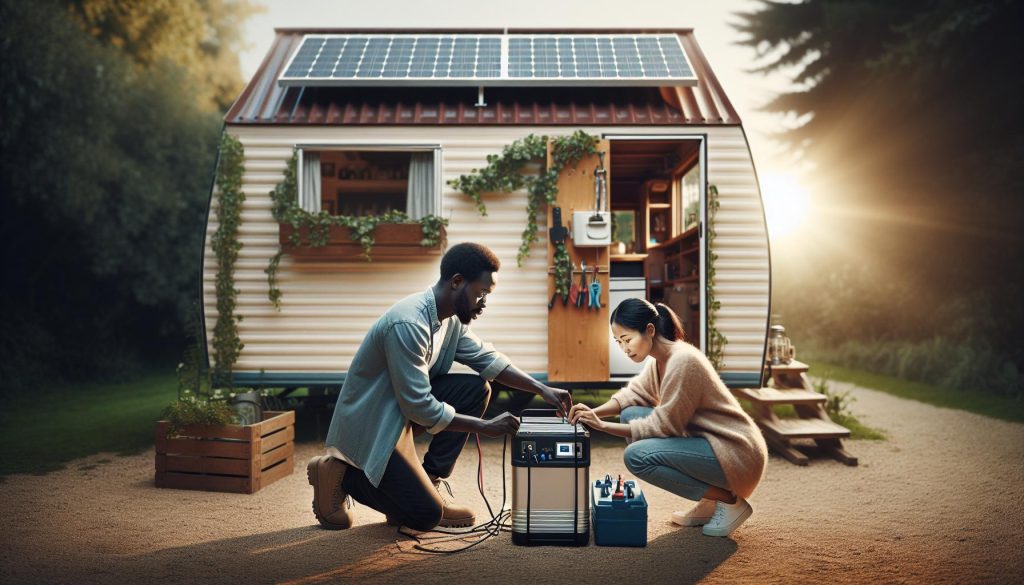
Powering a home fridge in a trailer home is crucial for maintaining a convenient and comfortable lifestyle on the go. Did you know that choosing the right energy solution can significantly enhance your food storage and save you money? Many trailer home residents face challenges when it comes to keeping perishables fresh, especially in remote areas or while camping. Understanding your energy options-whether through solar, propane, or battery systems-can ensure your fridge stays running, regardless of where you are parked. This guide will walk you through effective methods to efficiently power your fridge, helping you make informed choices that fit your lifestyle and budget. By the end, you’ll be equipped with the knowledge to confidently manage your energy resources, ensuring that you can enjoy your time in your trailer home without the worry of food spoilage.
Choosing the Right Power Source for Your Trailer Fridge
When it comes to maintaining a comfortable living space in a trailer home, one of the critical components is ensuring your fridge has a reliable power source. A well-functioning fridge keeps your food fresh and contributes to a more enjoyable living environment. However, choosing the right power source can be daunting due to the variety of options available, including electric, propane, solar, and generator power. Each of these sources has its own pros and cons, and your choice will ultimately depend on your specific lifestyle, budget, and the intended use of your trailer.
Electricity is often the most straightforward option, especially if your trailer is frequently connected to a shore power source. If you’re parked at a campsite or RV park, a standard electrical hookup will provide ample power to run your fridge without issues. On the other hand, for those who enjoy off-grid living or camping, alternatives like propane and solar power become more relevant. Propane refrigerators are self-sufficient and can be ideal for extended periods away from power sources; however, they typically require regular maintenance and monitoring of fuel levels. Solar panels can be a great eco-friendly solution, allowing you to harness nature’s energy to power your fridge. While the initial investment in solar technology can be higher, the long-term savings and sustainability benefits might be worthwhile.
For those considering these alternatives, it’s essential to evaluate the energy consumption of your fridge. Understanding how much power your appliance draws can help you calculate the necessary size and type of power system to support your needs. It’s worth noting that an inverter can enhance efficiency by converting DC power from batteries into AC power for appliances that require it. Properly sizing your inverter for the appliances you plan to run will ultimately ensure that you get the most out of your power setup.
In every case, remember that managing battery capacity is crucial for extended use. Monitoring your battery levels and knowing when to recharge or switch power sources will prevent unpleasant surprises like a spoiled fridge full of groceries. Owning a trailer home does not have to mean sacrificing modern conveniences; by understanding and choosing the right power source for your fridge, you can create a practical and enjoyable living experience tailored to your adventurous lifestyle.
Understanding Energy Requirements for Fridge Operation
Understanding your fridge’s energy requirements is essential for maintaining its efficiency and your overall comfort in a trailer home. A typical refrigerator in a mobile setting can draw anywhere from 100 to 800 watts depending on its size, type, and energy efficiency. This wide range highlights the importance of knowing your specific model’s energy consumption to make informed decisions about your power source.
To calculate the energy needs of your refrigerator, determine its wattage and the number of hours it operates daily. For example, if your fridge uses 200 watts and runs for 24 hours each day, it will consume about 4.8 kWh (kilowatt-hours) per day. This is crucial information when sizing your power system, whether you choose solar panels, a generator, or another energy source. Adjusting the fridge’s thermostat can also impact energy use; keeping it at a moderate temperature rather than the coldest setting can lead to significant savings over time.
Estimating Power Needs
Consider the following factors when estimating your fridge’s energy requirements:
- Fridge Type: Different refrigerators, such as absorption, compressor, or thermoelectric, have varying energy needs.
- Usage Patterns: Regularly opening the fridge or having it packed full can affect its efficiency.
- Climate Control: Higher ambient temperatures may lead to increased energy consumption as the fridge works harder to maintain internal temperatures.
Once you have a clear understanding of your fridge’s energy requirement, you can better assess your power source options. Ideally, you should choose a power solution that not only meets your fridge’s energy demands but also aligns with your lifestyle, budget, and environmental considerations. For instance, investing in solar panels could provide a sustainable long-term solution, while a generator might offer more immediate reliability for off-grid adventures. Making these evaluations helps ensure that your living experience in your trailer home remains enjoyable and convenient.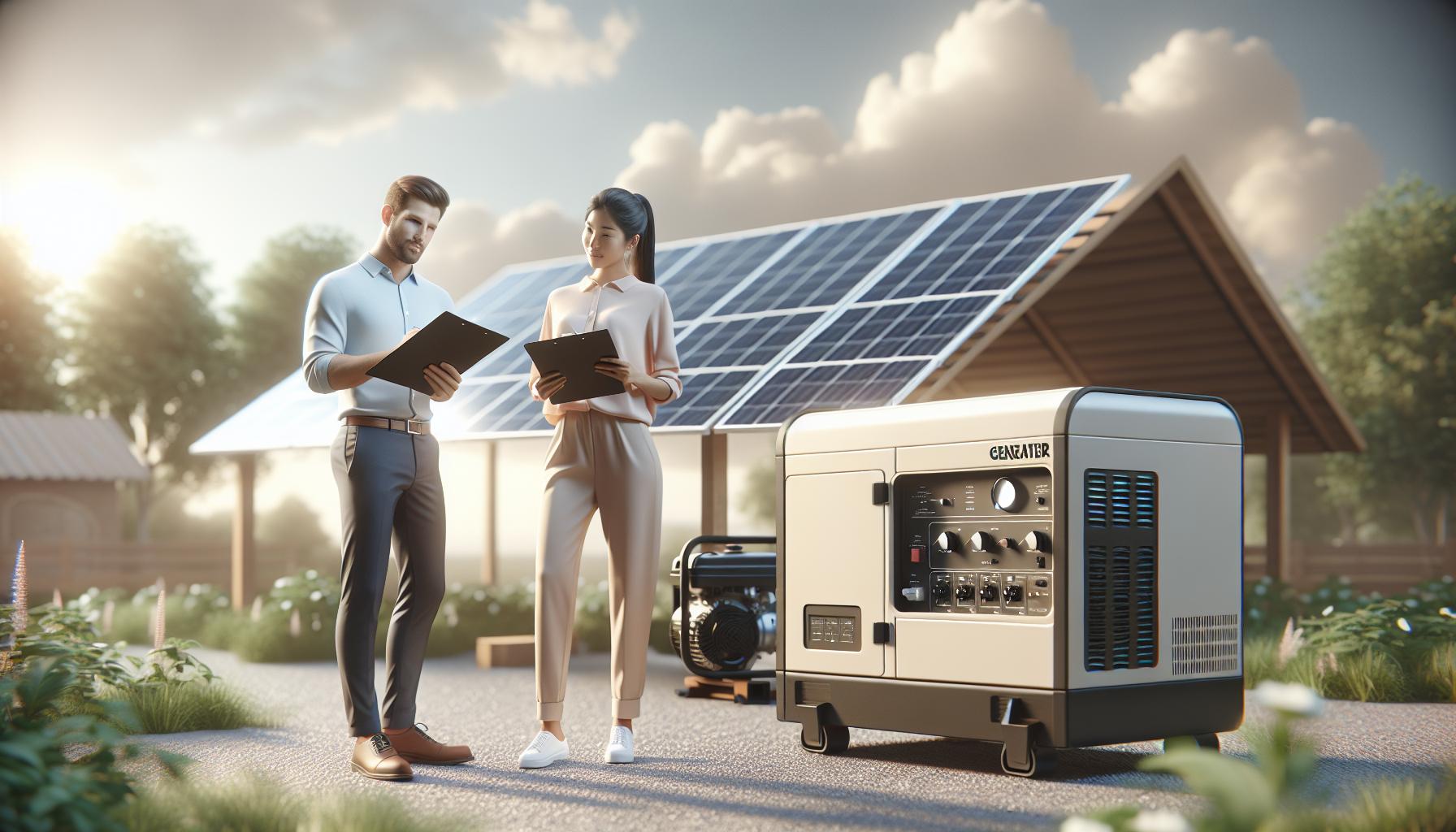
Comparing Solar vs. Generator Power Solutions
Comparing solar and generator power solutions is essential for ensuring that your trailer fridge operates efficiently and reliably while you enjoy your mobile lifestyle. As the demand for off-grid living rises, many RV owners find themselves weighing the pros and cons of these two popular energy sources.
Solar power offers a clean and sustainable energy solution that appeals to environmentally conscious travelers. By installing solar panels on your trailer, you can harness the sun’s energy to keep your fridge running without the noise or emissions associated with gas-powered generators. Depending on your location and panel size, a solar setup can provide enough energy to power your fridge while also allowing for other necessary appliances-making it a versatile choice for long trips. However, solar systems require an upfront investment and can be weather-dependent, meaning they’re less effective on cloudy or rainy days.
On the other hand, generators provide a reliable backup source of power, especially during extended trips or in regions with limited sunlight. They offer immediate energy output that can meet high wattage demands, making them suitable for larger appliances beyond just your fridge. While easier to set up and use, generators can be noisy, fuel-dependent, and require regular maintenance. Additionally, the ongoing costs of fuel can add up over time, making it important to budget for this expense.
When deciding between solar and generators, consider your travel patterns, energy consumption, and environmental values. A combined approach-using solar to cover daily needs while keeping a generator for emergencies-can offer the best of both worlds, ensuring you stay powered up, no matter the circumstances. Remember to calculate your fridge’s energy requirements and how much power your chosen solution can provide to make an informed decision that enhances your trailer living experience.
Installing an Inverter for Efficient Power Use
One essential component of powering your trailer fridge efficiently is installing an inverter. This device converts DC (direct current) power from your trailer’s battery into AC (alternating current) power, allowing you to use household appliances that typically require a standard electrical outlet. Not only does this make it possible to run your fridge while on the road or off-grid, but it also enhances the overall versatility of your power supply.
To install an inverter effectively, start by assessing your power needs. Determine the wattage of your fridge and any other devices you plan to use simultaneously. It’s crucial to choose an inverter that exceeds your total wattage requirement to avoid overloading. For example, if your fridge requires 300 watts, consider an inverter rated for at least 500-600 watts to accommodate startup surges and additional devices.
Installation Steps
Follow these simple steps for a safe and efficient inverter installation:
- Gather Materials: You will need an inverter, battery cables, a fuse, and mounting hardware.
- Select the Installation Location: Choose a dry, ventilated area close to the battery to reduce voltage drop.
- Mount the Inverter: Secure it to your trailer using screws or brackets to prevent movement while traveling.
- Connect the Battery: Use the appropriate gauge wire to connect the inverter to the battery, ensuring to include a fuse within 18 inches of the battery for safety.
- Plug in the Fridge: Finally, connect your fridge to the inverter using its AC outlet. Ensure that all connections are tight and secure.
Proper installation not only optimizes energy efficiency but can also prolong the life of both your inverter and appliances. Monitoring your battery capacity and inverter performance can lead to better decision-making about energy use in your trailer. This eco-friendly approach allows trailer home living to be both sustainable and successful, promoting a seamless blend of comfort and adventure.
Managing Battery Capacity for Extended Use
Managing your battery capacity is essential for ensuring that your trailer fridge runs efficiently, especially during extended trips off the grid. A well-maintained battery not only powers your fridge but also other essential devices in your mobile home. Understanding how to optimize battery usage involves several key practices and strategies that help prolong battery life and maximize available energy.
To start, it’s important to select the right type of battery based on your energy needs. Deep-cycle batteries, such as AGM (Absorbent Glass Mat) or lithium-ion, are ideal for RV applications since they are designed to be regularly discharged and recharged. Lithium-ion batteries offer a higher capacity and recharge faster compared to traditional lead-acid options. Keep in mind the total watt hours required by your fridge and other appliances to determine the best battery capacity for your needs.
Battery Maintenance Tips
Regular maintenance can dramatically extend the life of your batteries. Here are some essential practices to incorporate:
- Check Water Levels: For flooded lead-acid batteries, ensure the electrolyte levels are adequate and refill with distilled water as necessary.
- Clean Connections: Corroded terminals can hinder performance. Clean battery terminals and connectors regularly to maintain good contact.
- Monitor Charge Levels: Use a voltmeter to regularly check battery voltage; it helps in determining when to recharge. Aim to recharge before dropping below 50% charge to prolong battery life.
- Store Properly: If you’re not using your trailer for an extended period, disconnect the battery and store it in a cool, dry place to avoid self-discharge.
Using Energy Wisely
Efficient energy management is key to extending the life of your battery. Use appliances that require less energy, and invest in energy-efficient LED lights and low-power devices. Additionally, plan to run your fridge on DC power whenever possible, as it typically consumes less energy than operating on AC via an inverter. If you find yourself in the wilderness often, consider setting up a solar panel system to keep your batteries topped up during the day.
Another effective strategy is to segment your power usage by creating a power schedule. For instance, if you can limit the use of high-wattage appliances during peak usage hours, your batteries will have a better chance of maintaining a charge for your fridge. It’s also wise to refrain from running multiple devices simultaneously to prevent battery strain.
By taking proactive steps to manage battery capacity effectively, life on the road can be more sustainable and enjoyable. You’ll not only enjoy the comforts of your trailer home but also feel empowered to explore off-grid options without the constant worry of running out of power.
Exploring Off-Grid Solutions for Refrigeration
Finding effective off-grid solutions for refrigeration in trailer homes can be a game-changer, especially for those who value self-sufficiency and mobility. Many trailer owners are discovering that with a little planning and the right equipment, they can keep their food fresh and their beverages cold without relying on traditional power sources. One of the most popular solutions is integrating solar power systems that harness sunlight, providing a clean and renewable energy source.
Solar panels can be installed on the roof of your trailer, converting sunlight into electricity. This energy can then be used to charge batteries that power your fridge. Opt for high-capacity lithium-ion batteries, as they recharge quickly and have a longer lifespan compared to lead-acid alternatives. To effectively size your solar power setup, calculate the wattage requirements of your fridge and other appliances, then select solar panels that meet or exceed this demand. A common approach is to have a solar panel system capable of producing between 200 to 800 watts, depending on your energy needs and available roof space.
Additionally, 12V compressor fridges are specifically designed for off-grid use and are highly efficient. They operate on low energy, which makes them suitable for battery power systems. These fridges are gaining popularity due to their reliability and performance when compared to traditional AC models. When paired with a good solar array and battery bank, a 12V fridge can keep your food items at safe temperatures for days on end without any grid power.
For those who may not have the option of solar, small quiet generators can also provide emergency power when needed. When choosing a generator, look for models that are easy to transport and fuel-efficient. Many newer models come with inverter technology, making them ideal for sensitive appliances like fridges.
Finally, incorporating passive cooling techniques can complement your refrigeration setup. Insulation is key: make sure your fridge is properly sealed and consider using thermal containers to protect perishable items during travel. Using these strategies not only extends the life of your food but enhances your overall off-grid experience, giving you the freedom to explore the great outdoors without sacrificing comfort or convenience.
Maintenance Tips for Your Trailer Home Fridge
Keeping your trailer home fridge in optimal condition is essential for ensuring it runs efficiently, particularly when relying on alternative power sources. A well-maintained fridge not only extends the life of your appliance but also secures the freshness of your food and drinks, making your off-grid lifestyle more enjoyable. Regular maintenance can prevent minor issues from escalating into costly repairs, so integrating these practices into your routine is beneficial.
Start with a thorough cleaning of the fridge’s interior and exterior. Use a gentle detergent and hot water to wipe down surfaces, which helps eliminate odors and bacteria. Don’t forget to clean the fridge coils, if accessible, as dust and debris can accumulate there, hindering efficiency. A vacuum or a soft brush can be used to carefully remove any buildup on coils, allowing your fridge to operate more efficiently.
Next, pay attention to the door seals. Ensure that they are clean and free of debris to maintain an effective seal. Test the seals by closing the fridge door on a piece of paper; if you can pull it out easily, the seals may need adjustment or replacement. Proper seals help retain cold air, which is particularly important in a trailer where power options may be limited.
It’s also wise to monitor your power consumption. If your fridge is connected to a solar battery system, keep an eye on your battery levels and charging rates to ensure that your fridge always has the power it needs. Consider using a power monitor to track usage and identify any fluctuations that could indicate an issue.
Lastly, establish a maintenance schedule. Plan for quarterly checks of your fridge to perform the cleaning, inspect seals, and troubleshoot any electrical components or performance issues. This proactive approach will save you time, money, and hassle down the road, allowing you to concentrate on enjoying your travels instead of worrying about unexpected appliance failures.
Cost Considerations for Powering a Trailer Fridge
Determining the costs associated with powering a trailer fridge involves understanding both the initial investment in power solutions and the ongoing expenses. Your choice of power source-whether it’s solar, a generator, or a battery system-can significantly impact your wallet, not only during setup but also in terms of operation and maintenance.
When considering solar power, while the upfront costs can seem high due to the price of solar panels and necessary equipment like charge controllers and batteries, they often pay off in the long run. A quality solar panel system can function effectively for 20 years or more, requiring minimally invasive maintenance. Additionally, solar energy is free after initial setup, making it an environmentally friendly and sustainable choice for many trailer home dwellers. To better understand these costs, consider potential savings and how solar can be integrated for appliances beyond just the fridge.
On the other hand, using a portable generator offers flexibility and almost immediate availability of power, but comes with ongoing fuel costs. Generators also require regular maintenance and can lead to increased noise levels, which may not be ideal depending on your camping or living situation. To keep costs manageable, look for models that are energy-efficient and match your power needs without excess capacity.
For those opting for battery systems to power their fridge, initial costs vary significantly based on the battery type-lead-acid versus lithium-ion. Lithium batteries, while more expensive initially, often have longer life spans and better performance, especially in deep discharge scenarios. Additionally, remember to factor in the expense of any necessary inverters and upgrade of electrical wiring to accommodate your setup, ensuring your fridge receives a stable power supply and operates efficiently.
Ultimately, your choice should align with both your budget and lifestyle. By taking the time to evaluate and compare solar, generator, and battery options, you can make an informed decision that balances up-front investment with long-term savings and convenience. Consider maintaining a detailed budget to track expenses related to your power source for the fridge, ensuring you stay ahead of costs while enjoying the comforts of home in your trailer.
Emergency Backup Options for Fridge Power
Planning for unexpected power outages is crucial when it comes to keeping your trailer fridge operational. When you’re off the grid or simply away from a traditional power source, having emergency backup options ensures that your food stays fresh and your living environment remains comfortable. From battery backup systems to portable generators, there are various strategies you can implement to safeguard your refrigerator against power interruptions.
One effective option is a portable power station. These compact devices store energy and can provide power to your fridge in case of an outage. Choose a model with ample capacity to handle the fridge’s power requirements. They are especially useful because they are quiet, easy to transport, and some can even be recharged using solar panels, maximizing their utility and sustainability.
For longer outages, a generator might be the best course of action. While generators can produce noise and require fuel, they’re undeniably effective for providing continuous power to your appliances. Consider investing in an inverter generator for better fuel efficiency and quieter operation. Make sure it has sufficient wattage to start your fridge, as starting devices often require significantly more power than when they are running.
Another innovative solution involves solar power combined with a battery storage system. By pairing solar panels with a deep cycle battery, you can harness the sun’s energy to keep your fridge running constantly, even during rainy days or cloudy weather. This method not only provides a green energy solution but also gives you peace of mind knowing that your food will stay cool no matter the circumstances.
Lastly, keeping a supply of ice packs or dry ice handy can serve as a temporary backup in emergencies. If you anticipate losing power, pre-chilling ice packs or using dry ice can help maintain the fridge’s temperature until your main power source is back online. Although this isn’t a permanent solution, it can buy you precious time while you switch to another power source.
By preparing in advance with these emergency backup options, you’ll enhance your resilience against power outages, allowing you to fully enjoy life on the road without worrying about food spoilage or uncomfortable living conditions.
Common Issues and Troubleshooting Guide
In the realm of powering a fridge in your trailer home, encountering challenges is common. However, understanding these issues and knowing how to troubleshoot them can significantly ease your living experience on the road. Key problems often arise from the power source, wiring issues, or the fridge unit itself, so having a systematic approach to identify and resolve these challenges is essential.
Common Power Source Problems
Begin by checking your power sources, as problems can stem from inadequate energy supply. If you’re relying on a generator or solar setup, ensure they are functioning correctly:
- Generator: Verify that the generator is full of fuel and operational. Listen for any unusual noises that might indicate a mechanical failure. Ensure it’s producing the correct voltage by using a multimeter.
- Solar Power: Check that the solar panels are clean and free from obstructions like dirt or snow. Make sure the charge controller is functioning and that the batteries are fully charged.
If your fridge isn’t running, also inspect your inverter if you’re converting DC to AC current. Ensure it’s rated for the fridge’s start-up requirements since many fridges draw more power during startup than during continuous operation.
Wiring and Connectivity Issues
Wiring can often be overlooked but is crucial for proper fridge operation. Here’s what to examine:
- Connections: Inspect all electrical connections for corrosion or looseness. Secure any loose wires and replace corroded connectors to ensure a tight fit.
- Circuit Breakers: Check for tripped breakers or blown fuses. Reset them and if issues persist, it may indicate a deeper wiring problem that requires professional evaluation.
Fridge Performance Issues
If your fridge is powered but not cooling effectively, the issue may be internal:
- Temperature Settings: Confirm that the thermostat is set to the desired temperature. It’s also worth checking if the door seals are intact to avoid cold air leaks.
- Condensation Coils: Clean the condenser coils, which can get dusty and reduce efficiency. Dirty coils make it harder for the fridge to maintain cool temperatures.
For those living in particularly hot climates, consider positioning the fridge away from direct sunlight or heat sources to enhance its cooling performance.
By being proactive and methodical in your troubleshooting approach, you can tackle common issues that arise when powering a fridge in a trailer. Staying organized and addressing these concerns promptly will help in maintaining your fridge’s performance and ensure you can enjoy your travels without unpleasant surprises.
Eco-Friendly Refrigeration Solutions for Trailers
Living in a trailer home can be both an adventure and a commitment to sustainable living, especially when it comes to your refrigeration needs. With the increasing importance of eco-friendly solutions, there are several innovative options available that not only minimize your carbon footprint but also enhance your overall trailer experience. Whether you’re boondocking in the wilderness or parked in a more urban area, sustainable refrigeration can make your travels more environmentally conscious while maintaining your comfort.
One of the most popular eco-friendly choices is utilizing solar power to run your fridge. Solar panels can efficiently convert sunlight into electricity, providing a clean and renewable energy source. To maximize efficiency, consider installing a solar fridge, which is designed to operate optimally with the unique characteristics of solar power. These refrigerators often have features that allow them to run well even with fluctuating energy levels. Additionally, investing in high-quality batteries to store excess energy generated during sunny days can ensure your fridge remains operational, even during nighttime or cloudy weather.
Another emerging solution is thermoelectric coolers, which use the Peltier effect to provide refrigeration without traditional compressors. This technology consumes much less power compared to standard refrigerators and can operate effectively on lower energy inputs. Coupled with a robust battery system, thermoelectric coolers can maintain temperature efficiently, making them an excellent option for eco-conscious trailer dwellers.
Utilizing Efficient Materials
Choosing energy-efficient materials and appliances can also enhance your trailer’s sustainability. Look for fridges that are ENERGY STAR rated, as they meet strict efficiency guidelines set by the EPA. Insulating the fridge area effectively can significantly reduce energy consumption by minimizing the loss of cold air.
By embracing these eco-friendly refrigeration solutions, you not only contribute to protecting the environment but also enjoy the thrills of trailer living with modern conveniences. With the right planning and equipment, you can achieve a perfect balance of comfort and sustainability on your travels.
Key Takeaways
Now that you’ve explored effective ways to power a fridge in your trailer home, you’re one step closer to sustainable living. Remember, implementing energy-efficient solutions not only enhances your comfort but can also lead to significant savings on your energy bills. Don’t wait-start taking action today to transform your mobile living experience!
For more tips on enhancing your trailer home’s energy efficiency, check out our guides on energy-saving upgrades and solar panel installations. If you have any questions or want to share your experiences, please leave a comment below. Stay informed and engaged with our community by signing up for our newsletter, ensuring you never miss valuable tips and insights for your mobile home journey. Together, let’s make trailer home living more efficient and enjoyable!