Imagine a lifestyle where you can simplify your living space while maximizing freedom and mobility. Building a tiny home on a trailer lets you embrace minimalism and creativity, giving you the opportunity to design a space that reflects your personality and values. This comprehensive DIY blueprint will guide you through the entire process of constructing your own mobile sanctuary, from selecting the right trailer and materials to understanding essential legal requirements and practical maintenance tips. Whether you’re seeking financial freedom, a sustainable lifestyle, or just the joy of crafting your own home, this guide will equip you with the knowledge and confidence to embark on your tiny home journey. Join us as we explore the important steps and insights needed to turn your dream of tiny living into a reality!
Essential Tools and Materials for Tiny Home Building
Building a tiny home is an exciting journey, but to navigate this process smoothly, you’ll need the right tools and materials at your disposal. Having the essential items not only boosts your efficiency but also ensures your project remains enjoyable and rewarding. From framing to finishing touches, each phase has its specific requirements, and understanding these can save you time and frustration down the line.
Essential Tools:
- Measuring Tools: Accurate measurements are crucial. Invest in a high-quality tape measure, level, and square to maintain precision throughout your build.
- Power Tools: A circular saw, drill/driver, and jigsaw are indispensable for cutting and assembling materials. A compound miter saw can help make quick, precise cuts for trim and frames.
- Hand Tools: Don’t overlook simple tools like hammers, screwdrivers, and pliers. They are essential for various tasks and complement your power tools well.
- Safety Equipment: Prioritize safety by wearing gloves, safety goggles, and a dust mask. A first-aid kit should also be on hand for any minor accidents.
Materials to Consider:
When it comes to materials, opting for quality will pay off in the long run. Here are key categories to keep in mind:
- Framing Materials: Choose quality lumber (e.g., 2x4s) for the structural framework and plywood for subflooring.
- Insulation: Research energy-efficient options like spray foam or rigid foam board to ensure maximum energy efficiency.
- Siding and Roofing: Durable materials such as metal or wooden shingles will provide weather resistance and aesthetic appeal.
- Interior Finishes: Select materials that suit your style and budget, from drywall or reclaimed wood for walls to laminate or hardwood flooring.
By preparing with the right tools and materials, you increase your chances of creating a functional and beautiful tiny home. This groundwork not only enhances the building experience but also contributes to the longevity and comfort of your new living space.
Step-by-Step Guide to Designing Your Tiny Home
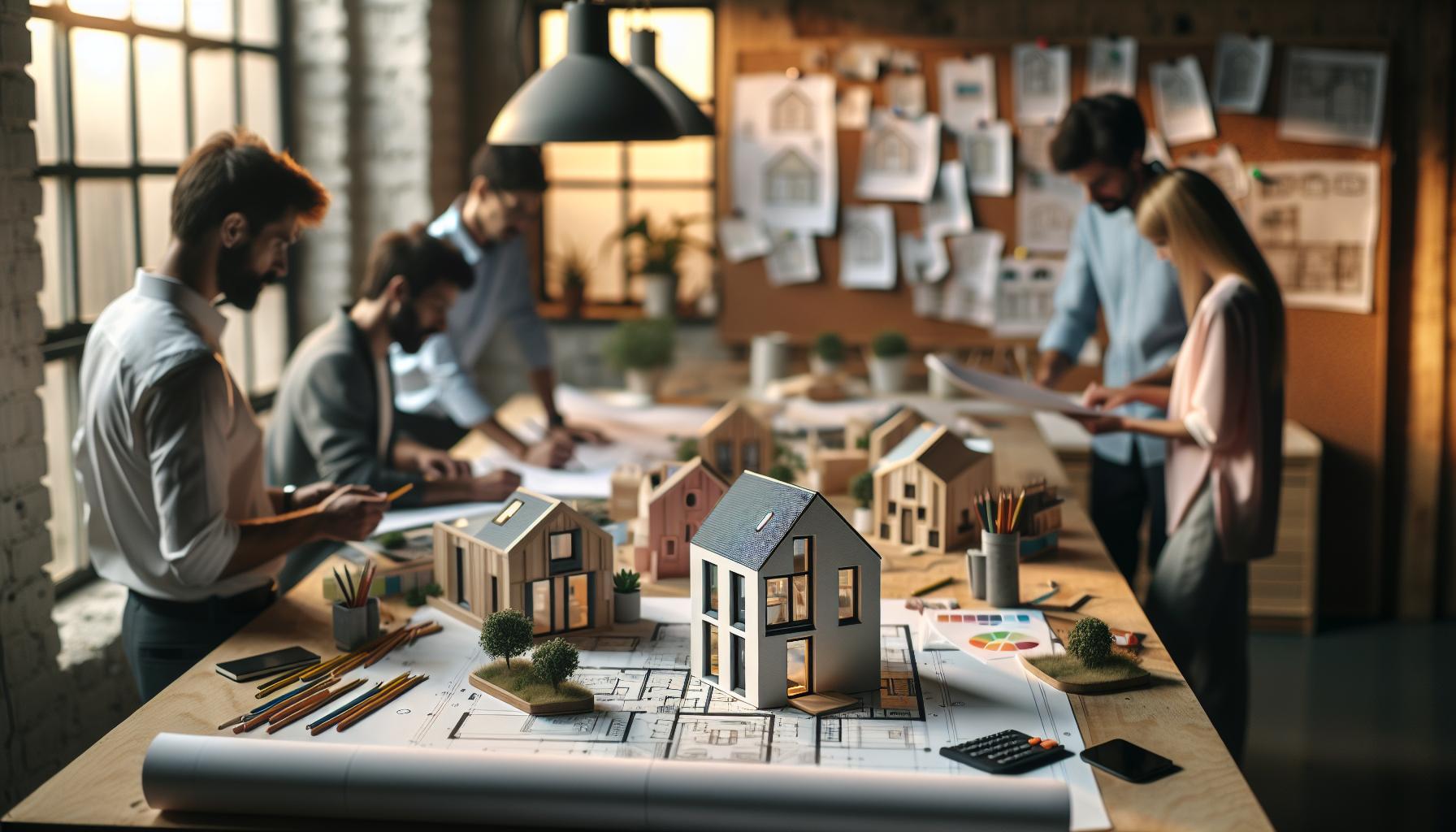
Designing your tiny home is a thrilling adventure that requires thoughtful planning and creativity. Each decision contributes to the overall comfort, functionality, and aesthetic appeal of your space, and given the compact nature of tiny homes, every square inch counts. The design process can also be a wonderful opportunity to express your personal style while maximizing efficiency.
To start, define your must-haves and priorities. Consider how many people will live in the home and the activities you enjoy. This will help you determine the necessary square footage, layout, and key features, such as a cozy kitchen, a spacious living area, or a dedicated workspace. Creating a simple list can streamline this process and keep your vision clear.
Next, sketch your layout. Use graph paper or design software to create a scaled version of your tiny home. A good rule of thumb is to visualize the flow of the space; you want areas to feel connected yet functional. Don’t hesitate to experiment with layouts that may include lofted sleeping spaces, foldable furniture, or multi-purpose rooms.
When it comes to materials, remember to balance aesthetics with functionality. Research durable and sustainable materials that not only fit your design but also suit your budget. Options like reclaimed wood can add character, while eco-friendly materials may offer the long-term benefits of energy efficiency. A well-thought-out selection can enhance the beauty of your home while keeping maintenance low in the long run.
Lastly, always keep in mind local zoning laws and building regulations. Understanding them early on can save you from substantial headaches down the line. Verify whether your design meets the necessary criteria for trailers or mobile homes, including weight limitations and structural integrity. By carefully planning these elements, your tiny home can transform from a dream to a delightful reality, providing you with a happy and functional space tailored to your lifestyle.
Choosing the Right Trailer for Your Tiny Home

Selecting the ideal trailer is a crucial step in the tiny home journey, as it serves as the foundation for your entire living space. The right trailer influences not only the structural integrity but also the overall design and functionality of your tiny home. Understanding various types of trailers and their specifications will equip you to make an informed choice that aligns with your vision for mobile living.
When evaluating trailers, consider factors such as weight capacity, size, and type. Trailers are typically categorized as bumper pull or gooseneck. Bumper pull trailers are easier to maneuver and are typically used for smaller homes, while gooseneck trailers provide additional towing stability and are better suited for larger structures. Always ensure that the trailer you select can support your intended design without exceeding weight limits.
Key Features to Look For:
- Frame Construction: A sturdy frame is vital for safety and long-term durability. Look for trailers with a steel frame that can handle the load of your tiny home.
- Axles and Suspension: Quality axles are essential for even weight distribution and smooth towing. Consider a trailer with dual or triple axles for better stability over various terrains.
- Braking System: Ensure that the trailer has an effective braking system, especially if you plan to transport a heavier build.
It’s also beneficial to review the trailer’s specification guides and potential customizable options. For example, some manufacturers offer customizable features that allow you to add amenities like built-in storage or access points for utilities, which can be beneficial when planning your design. Investing in a well-constructed trailer not only enhances the safety and functionality of your tiny home but also contributes to an enjoyable living experience on the road.
Before finalizing your purchase, research local regulations related to trailer homes. Zoning laws might dictate specific requirements for trailer dimensions and construction, so understanding these rules will help prevent potential pitfalls. By taking the time to choose the right trailer, you ensure a solid foundation for your tiny home adventure, creating a memorable and fulfilling lifestyle on wheels.
Understanding Zoning and Legal Requirements

Navigating the intricate web of zoning and legal requirements is a crucial step in your tiny home journey. Every location has its own set of regulations, and understanding these can make the difference between enjoying your new mobile lifestyle and facing unnecessary complications. For example, depending on where you live, tiny homes may be classified differently; they could be regarded as recreational vehicles, traditional homes, or something unique entirely, impacting where you can legally park or place your home.
Before you begin designing or building, check with your local zoning office. Some municipalities have adopted specific codes for tiny homes, while others still operate under outdated regulations that primarily address conventional housing. Look out for guidelines on zoning permits, occupancy limits, and any restrictions on dimensions. For example, in many areas, tiny homes must adhere to size limitations, often capped at 400 square feet, while others may have minimum height requirements for livable space. Familiarizing yourself with these essential regulations can help streamline the permitting process and save you from costly modifications down the line.
Key Legal Considerations
- Zoning Laws: Identify if your area allows tiny homes. Investigate whether they are categorized as mobile homes, RVs, or single-family residences.
- Building Codes: Understand the building codes that apply to tiny homes in your area. This includes safety standards for electrical and plumbing systems.
- HOA Rules: If you plan to park your tiny home in a community, check for any homeowners’ association (HOA) rules that might impose restrictions.
Taking proactive steps to research local laws and engage with relevant authorities can ease the path toward building your dream tiny home. In some cases, attending town hall meetings or joining local tiny home communities can offer insights and support as you navigate these waters. Remember, being well-informed not only protects your investment but helps ensure a smooth transition into this exciting alternative lifestyle.
Basic Electrical and Plumbing Setup for Tiny Homes

Setting up the electrical and plumbing systems in your tiny home is crucial for ensuring comfort and functionality. Proper planning and execution can prevent costly repairs and improve your living experience. Begin by understanding your needs: consider how many electrical outlets you’ll require, the appliances you’ll use, and the layout of your plumbing fixtures. This thoughtful approach will guide you in selecting the right components and designing an efficient system.
Start with the electrical setup. For safety and efficiency, it’s advisable to hire a licensed electrician, especially for the main wiring. Your setup should include a breaker panel, dedicated circuits for high-demand appliances, and GFCI outlets in moisture-prone areas like kitchens and bathrooms. The typical minimum service is 100 amps, allowing for sufficient power for basic appliances like refrigerators, microwaves, and heating systems. When planning your layout, use wire rated to handle the expected load, typically 14-gauge for general circuits and thicker for heavy appliances.
When it comes to plumbing, the goal is to create a system that efficiently delivers water and manages waste without taking up too much space. Start with a water heater, choosing between tankless or conventional models based on your hot water needs. PEX piping is ideal for tiny homes due to its flexibility and resistance to freezing, making installation easier and more efficient than traditional PVC or copper pipes. Create a layout that includes essential zones: a kitchen with a sink, an area for a bathroom with a shower or tub, and possibly a washing machine. Always ensure that pipes are insulated to prevent freezing in colder climates and consider installing a greywater system to recycle water from sinks and showers for irrigation.
By taking proactive steps in your electrical and plumbing design, you can enhance the functionality of your tiny home while minimizing potential issues in the future. Invest time in research and consider your lifestyle needs, making adjustments as needed to ensure a comfortable and effective living space.
Insulation Secrets for Maximum Energy Efficiency
Effective insulation is the unsung hero of energy efficiency in tiny homes, where space is limited and every square foot counts. Many tiny home enthusiasts are surprised to learn that proper insulation can drastically reduce heating and cooling costs, creating a more comfortable living environment. Without adequate insulation, you may find yourself battling drafts and fluctuating temperatures, leading to higher energy bills and a less cozy atmosphere.
When considering insulation options, it’s essential to choose materials that meet your needs while fitting within the space constraints of a tiny home. Fiberglass batts offer a popular and cost-effective solution, but expanding foam insulation or spray foam can provide a higher R-value per inch, which is crucial in tight spaces. The R-value measures insulation effectiveness, with higher numbers indicating better thermal resistance. For instance, closed-cell spray foam has a higher R-value than fiberglass, making it an excellent choice for maximum efficiency in a minimal footprint.
Another key area to address is the underbody of the tiny home, which is often overlooked. Insulating the floor and the underside of the trailer is crucial in preventing heat loss and protecting plumbing from freezing during colder months. Rigid foam boards can be adhered between the floor joists and along the exterior underbelly, creating a thermal barrier that keeps the home warm in winter and cool in summer. Additionally, sealing any gaps or cracks in both the exterior walls and around windows and doors with caulk or weatherstripping will significantly enhance your insulation efforts.
Incorporating multiple layers of insulation and an air barrier will encapsulate your tiny home, ensuring it remains a comfortable sanctuary regardless of the weather outside. By investing the time and resources into the right insulation strategy, you’ll enjoy lower energy costs and a warmer, more inviting space that makes tiny living both efficient and enjoyable.
Sustainable Building Practices for Tiny Homes
Building a tiny home offers an incredible opportunity to embrace sustainable living while enjoying the freedom of mobile home options. Emphasizing eco-friendly practices can significantly reduce your carbon footprint, contributing to a healthier planet. Consider using recycled or reclaimed materials wherever possible. Salvaged wood, for instance, not only adds character but also minimizes waste-helping you save on costs and resources. Additionally, sourcing local materials cuts down on transportation emissions, making your project more sustainable.
Incorporating energy-efficient solutions into your tiny home design is vital. Opt for solar panels to harness renewable energy, which can power your appliances and lights, reducing reliance on non-renewable sources. Generating your own electricity not only benefits the environment but can also lower your utility bills. Furthermore, energy-efficient appliances and LED lighting can significantly decrease electricity consumption, promoting a low-impact lifestyle.
Another crucial aspect of sustainable building is water conservation. Installing a rainwater catchment system allows you to collect and utilize rainwater for irrigation or even for flushing toilets, significantly reducing your water usage. Composting toilets can further minimize water waste while providing a natural way to manage waste. These practices not only make your tiny home more sustainable but also empower you to live more harmoniously with nature.
Lastly, think about landscaping strategies that promote biodiversity and resilience. Native plants that require less water and are adapted to your climate can enhance your outdoor space while supporting local ecosystems. Creating a small garden or green roof on your tiny home can contribute to food independence, sustainability, and a greater connection to your environment. By prioritizing these sustainable practices, you can not only enjoy your tiny home but also feel proud of your commitment to preserving the planet for future generations.
Creative Space-Saving Design Ideas
In the world of tiny homes, maximizing every inch of space is not just practical but essential for creating a comfortable living environment. With clever planning and innovative design, you can ensure that your tiny home feels spacious and functional without sacrificing style. Here are some creative space-saving ideas to inspire your tiny home project.
Multi-Functional Furniture
One of the most effective strategies for saving space is investing in multi-functional furniture. Look for items that can serve several purposes, such as a sofa bed or a dining table that converts into a workspace. Consider seating that doubles as storage, like ottomans or benches with hidden compartments. This approach not only helps reduce clutter but also allows you to adapt your space for various needs throughout the day.
Vertical Storage Solutions
Utilizing vertical space can dramatically improve your tiny home’s functionality. Install shelves that reach up to the ceiling and use every wall to display books, plants, or decorative items. Hanging racks in the kitchen for pots and pans can free up cabinet space, while wall-mounted organizers in the bathroom can keep essentials within easy reach without encroaching on counter space. Creating a more vertical layout leads to a cleaner, more open feel.
Convertible Spaces
Creating convertible spaces can greatly enhance the adaptability of your tiny home. For instance, open floor plans allow for the easy reconfiguration of rooms based on your daily activities. You can use sliding partitions or curtains to separate spaces as needed. When entertaining guests, you might want an open layout, but for day-to-day living, a little privacy can be beneficial. This flexibility will help you cater to your lifestyle seamlessly.
Strategic Use of Colors and Lighting
The perception of space can also be affected by the colors and lighting in your tiny home. Light, neutral colors can make a room feel larger and more airy, while strategically placed mirrors can reflect light and give the illusion of depth. Consider incorporating large windows or skylights to bring in natural light, which will enhance the spaciousness while reducing the need for artificial lighting during the day.
Embracing creativity in your tiny home design can yield remarkable results. With innovative furniture choices, vertical storage, adaptable layouts, and thoughtful use of color and light, you can create a beautiful, inviting space that feels much larger than its actual footprint. Consider these strategies as you embark on your journey to build the perfect tiny home.
How to Navigate Tiny Home Financing Options
Navigating the financial landscape for your tiny home can feel like a daunting task, but knowing your options can help you take the leap into alternative living with confidence. While traditional mortgage loans may not be an option for tiny homes due to their size and mobility, several financing methods can pave the way for your dream of tiny living.
Exploring Financing Options
When it comes to financing a tiny home, consider these key options:
- Personal Loans: Personal loans are often used to finance tiny homes, especially if you’re building it yourself. These loans typically require good credit scores and can cover a wide range of costs associated with building your tiny home.
- Chattel Loans: Since tiny homes on wheels are considered personal property rather than real estate, chattel loans are specifically designed for such scenarios. These loans have different terms and interest rates than traditional mortgages but can be a good fit for tiny home buyers.
- Home Equity Loans: If you already own a home and have built equity, you might consider a home equity loan or line of credit. This option allows you to use the equity in your existing home to finance the construction of your tiny home.
- Manufacturer Financing: Some tiny home manufacturers offer financing directly, making it easier to secure a loan for your purchase without going through traditional banks.
Understanding Loan Criteria
Each financing option comes with its own set of criteria. For example, personal loans usually require proof of income, credit history, and a low debt-to-income ratio. Similarly, when applying for chattel loans, lenders will assess the tiny home’s value, construction quality, and your creditworthiness. It’s vital to shop around and compare rates from various lenders to find the best deal that suits your financial situation.
Budgeting for Your Tiny Home
Before making a final decision, it’s essential to create a detailed budget reflecting not only the costs of building the home but also other associated expenses like land, permits, and utilities. Being prepared with a robust budget can help you make informed financing choices and avoid potential pitfalls.
Whether you are just beginning your tiny home journey or are ready to build, understanding how to navigate financing will empower you in making educated choices. Embrace the possibilities that tiny home living offers, knowing that multiple paths can lead you to your unique dwelling, no matter your financial situation.
Essential Maintenance Tips for Your Tiny Home
Keeping your tiny home in top shape is essential to enjoying its benefits while ensuring its longevity. With limited space, proper maintenance of every corner becomes even more crucial. From checking your trailer’s condition to managing moisture, there are practical steps you can take to maintain your tiny abode effectively.
Regular inspections are key. Start with the trailer: check the tires, brakes, and hitch to prevent any safety issues when moving your home. Next, inspect the exterior for signs of wear, such as rust or damage. Maintaining a good seal on windows and doors is essential to keep out moisture, pests, and drafts. During rainy seasons, it’s especially important to ensure that gutters and downspouts are clear to prevent water from pooling around your home.
When it comes to the interior, adopt a robust cleaning routine. Regularly clean the appliances to maximize their efficiency, especially in your kitchen and bathroom. Keep an eye on plumbing; minor leaks can lead to significant water damage if not addressed promptly. A moisture meter can help you identify hidden dampness before it becomes a problem. Additionally, consider investing in a small dehumidifier to maintain optimal humidity levels and prevent mold growth.
Lastly, establish a seasonal maintenance checklist. This can include tasks like checking the insulation, winterizing plumbing if you live in a freezing area, and inspecting all systems-electrical, HVAC, and water-ensuring everything runs smoothly. By staying proactive with these maintenance practices, you can protect your tiny home investment and enjoy the simplicity and freedom that comes with tiny living.
Top Mistakes to Avoid When Building a Tiny Home
Building a tiny home can be an exciting adventure, but it also comes with a unique set of challenges. Many aspiring tiny home builders fall into common traps that can lead to costly mistakes. Understanding these pitfalls can save time, money, and a lot of frustration. Below are crucial missteps to avoid in your tiny home journey.
One of the most significant mistakes is underestimating the importance of planning. It’s easy to get swept up in the excitement and rush into construction, but without a well-thought-out blueprint, you risk creating a space that’s not functional or efficient. Take the time to sketch your layout, keeping in mind how you intend to use each area. Consider the flow of movement and placement of utilities. Investing in detailed plans, including systems like plumbing and electrical layouts, can prevent many headaches later on.
Another typical error is neglecting the selection of a proper trailer. Choosing the wrong size or type of trailer can lead to stability issues and problems when towing. Ensure that your trailer has the right capacity to support your tiny home’s weight and that it’s built for mobility. Aim for a dual-axle trailer if your tiny house will be larger or heavier, as it provides better stability while on the road.
It’s also crucial to be aware of zoning laws and regulations in your area. Failing to research local building codes, permits, and zoning requirements can lead to legal headaches down the line. Many tiny house enthusiasts have faced fines or even been forced to relocate their homes due to overlooked regulations. Take the time to consult local authorities or tiny home communities to ensure that your build complies with all necessary standards.
Lastly, skimping on insulation can drastically affect your tiny home’s energy efficiency and comfort. With limited space, even minor fluctuations in temperature can lead to discomfort. Invest in high-quality insulation materials suitable for your climate. Understanding the R-value you need for your location is essential to ensure that your tiny home remains comfortable year-round.
By avoiding these common mistakes, you can create a tiny home that is not only beautiful but also functional and sustainable. Your dream of tiny living can become a fulfilling reality with the right preparation and knowledge at your side.
Real-Life Tiny Home Success Stories and Inspiration
Many people are discovering the joy of living in tiny homes, finding inspiration in the countless success stories of those who made the leap into this alternative lifestyle. From teachers to retired couples, various individuals have embraced tiny living, each creating a unique space that reflects their personality and values. These stories not only highlight the diverse ways of living small but also inspire others considering this path.
One noteworthy example is a couple from California who transformed a 200-square-foot tiny home into an exquisite retreat. They focused on sustainable building practices, using reclaimed materials and a solar energy system, effectively reducing their environmental footprint. Their home features clever built-in storage solutions and multipurpose furniture, demonstrating how innovative design can optimize space without sacrificing comfort. This story showcases that with thoughtful planning and creativity, even the most compact spaces can feel cozy and functional.
Another inspiring tale comes from a single mother in Oregon who built her tiny home to provide a stable environment for her children after facing financial challenges. By participating in community workshops and seeking guidance from tiny home builders online, she managed to construct a delightful home on a budget. Her story emphasizes that seeking resources and support can empower anyone to pursue their tiny home dreams, regardless of their starting point.
Tips for Crafting Your Success Story
- Connect with a Community: Whether it’s local meetups or online forums, engaging with others in the tiny home movement can provide support and motivation.
- Set Clear Goals: Define what living in a tiny home means for you-be it financial freedom, minimalism, or environmental sustainability. This clarity will guide your design and construction decisions.
- Embrace Challenges: Expect hurdles along the way, from budgeting to zoning laws. Seeing these challenges as part of your journey can turn obstacles into opportunities for growth.
- Stay Inspired: Follow success stories through blogs, documentaries, and social media. Inspirational content can fuel your passion and remind you why you’re embarking on this lifestyle change.
By learning from real-life experiences and applying these tips, you can transform your vision of tiny living into a rewarding reality. Each story serves as a reminder that with determination and creativity, anyone can thrive in a tiny home.
Future Outlook
As you embark on your journey to build a tiny home on a trailer, remember that the freedom and flexibility of mobile living are within your reach. By following the steps outlined in our complete DIY blueprint, you’ll not only create a unique living space but also discover the joys of intentional minimalist living. Don’t wait-start planning your tiny home today and unlock the potential for a simpler, more fulfilling lifestyle.
For further inspiration, check out our articles on essential maintenance tips for trailer homes and smart renovation projects that can enhance your living experience. If you still have questions, feel free to leave a comment or reach out directly; we’re here to help!
Stay tuned for more content on mobile home living, financing options, and legal considerations that will empower your tiny home journey. Together, let’s explore the incredible world of alternative housing!