Did you know that a typical mobile home can lose over $50,000 in value within just five years? This rapid depreciation can be a significant concern for prospective buyers and current owners alike. Understanding the dynamics of trailer home depreciation is crucial for making informed decisions about purchasing, selling, or investing in this alternative housing option. As you navigate the world of mobile homes, you’ll uncover important factors that influence their value and longevity. By grasping these insights, you can better protect your investment, explore financing options, and make the most of your living situation. Dive into the details of how and why trailer homes depreciate to empower your housing journey and embrace the potential benefits of mobile home living.
What Determines Trailer Home Depreciation Rates?
Understanding what impacts the depreciation rates of trailer homes can significantly inform potential buyers or current owners about maintaining value. Generally, mobile homes-often referred to as trailer homes-are known to depreciate over time, a trend that is markedly different from traditional housing which usually appreciates. Once a mobile home leaves the factory, it often loses value, similar to how a new car does once driven off the lot [[3]].
Several key factors influence the depreciation rates of trailer homes. First, the initial purchase price plays a critical role; homes bought at a higher price may depreciate more sharply. The location where the home is situated is also an essential determinant; homes in areas with limited land or unfavorable market conditions can see more significant value drops. Additionally, the condition of the home impacts depreciation. Regular maintenance and timely upgrades can help mitigate depreciation, keeping the home more appealing to potential buyers [[2]].
Age is another contributor to depreciation rates, with older mobile homes typically valued lower than their newer counterparts. The effect of age combines with other factors like desirability and market trends. For instance, mobile homes relocated from their original sites generally face steeper declines in value, as they might require additional investment to prepare the new location. In contrast, high-demand areas may allow for better price retention, especially if the mobile home is situated in a well-maintained community [[1]].
For anyone invested in mobile home living, understanding these factors not only helps in making informed purchasing decisions but also empowers you to take proactive steps in maintaining or enhancing the value of your home.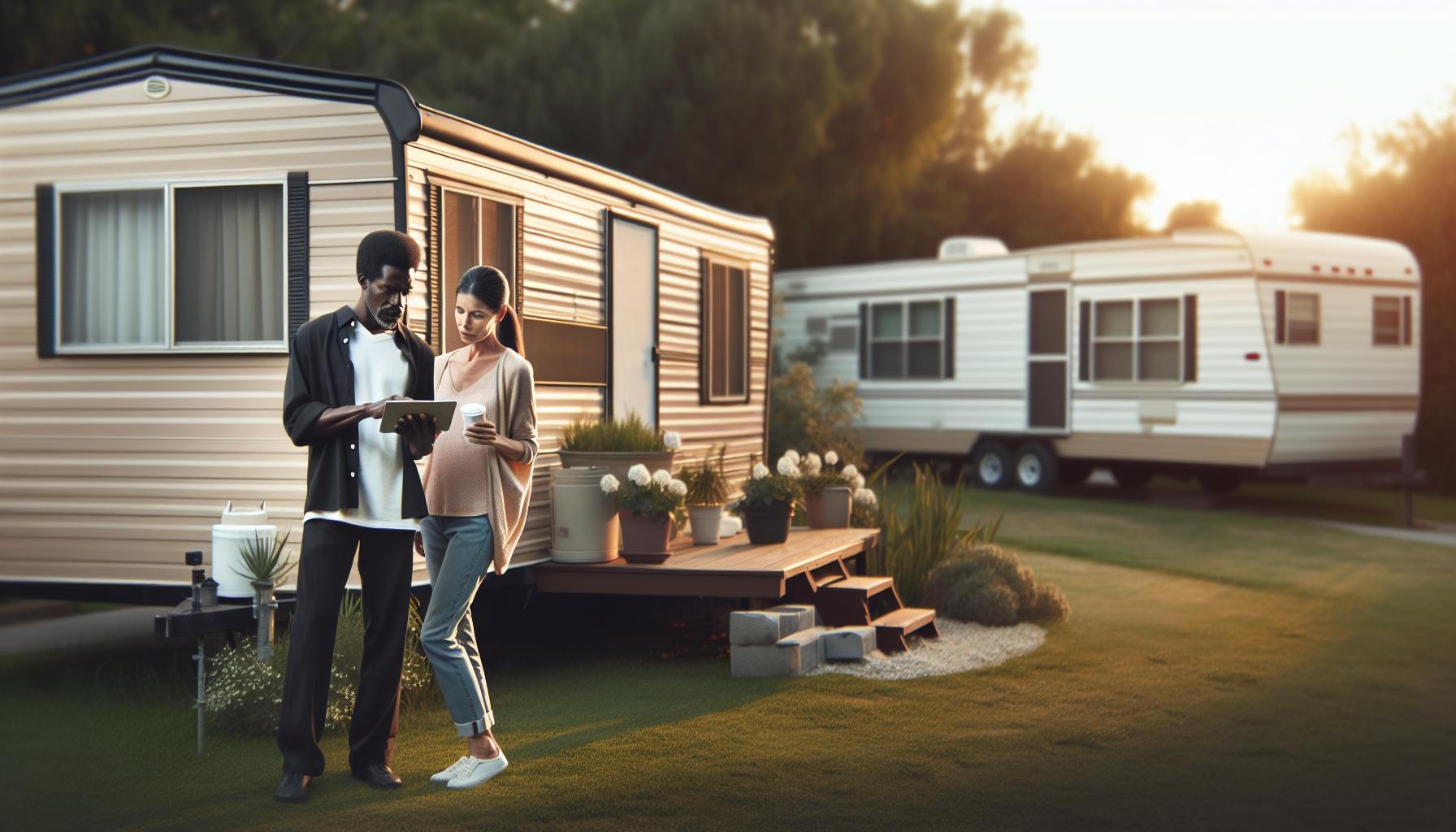
Understanding the Average Depreciation Percentage
The average depreciation percentage of trailer homes can greatly influence potential buyers and owners alike, as understanding this metric is crucial for navigating the mobile home market. Unlike traditional homes that generally appreciate over time, trailer homes typically experience significant depreciation shortly after their purchase. Initial estimates suggest that the first year alone can see depreciation rates of around 12.5%. Following this, the depreciation rate stabilizes at approximately 5% annually for the next four years, before settling at a more gradual 3% per year until the 20-year mark [[2]](https://mobilebyebye.com/manufactured-home-depreciation-how-fast-do-mobile-homes-depreciate/).
Factors Influencing Depreciation Rates
Understanding what drives these depreciation percentages is equally essential. The most critical factors include the home’s age, condition, and location. For example, mobile homes that are well-maintained, especially in desirable areas, tend to hold their value better than those in less favorable conditions. Buyers should also consider the type of community the home resides in; well-established mobile home parks with a strong reputation can help mitigate depreciation risks.
Investors and owners aiming to preserve value should stay informed about maintenance practices and community amenities, as these elements significantly influence overall home desirability. Simple upgrades can also go a long way in enhancing a mobile home’s appeal, assisting in retaining its value against the ongoing depreciation trend. Regular inspections, aesthetic improvements, and energy-efficient upgrades are all strategies that can contribute to long-term value retention.
By remaining proactive and utilizing available resources for education on mobile home care, owners can make informed decisions that address depreciation effectively, fostering a more sustainable living experience.
Key Factors Influencing Value Loss in Mobile Homes
The depreciation of mobile homes often reflects a blend of physical, economic, and structural factors, significantly impacting their value over time. Understanding these influences can empower owners and potential buyers to make informed choices that help mitigate financial losses. At the core of this issue is how mobile homes are perceived in the real estate market versus traditional homes. Unlike conventional homes, which generally appreciate over time, mobile homes face sharp initial depreciation rates, which can reach up to 12.5% in the first year alone, stabilizing to lower percentages in subsequent years.
Critical Influences on Depreciation
Several key factors directly influence the rate of value loss in mobile homes:
- Age: Older homes often face steeper depreciation. Many mobile homes begin to lose value significantly after the first decade, making timely upgrades crucial.
- Condition: A well-maintained mobile home can hold its value fairly well, while those showing signs of neglect will depreciate more rapidly. Regular maintenance is essential, including roof inspections, plumbing checks, and exterior upkeep.
- Location: The community surrounding a mobile home plays a significant role in value retention. Homes situated in well-managed parks with amenities or in locations with high demand can maintain higher values.
- Market Trends: The overall real estate market also impacts mobile home values. In a booming market, mobile homes may depreciate less sharply than in a declining market.
Investors and owners should be proactive in engaging with their mobile homes, focusing on community involvement and improvements. For instance, considering simple updates like installing energy-efficient windows or enhancing landscaping can significantly boost appeal and value. By understanding these factors and engaging in regular upkeep and community participation, mobile home owners can mitigate value loss over time and foster a more sustainable living experience.
Comparing Depreciation of Trailers vs. Traditional Homes
Mobile homes and traditional homes differ significantly in how they depreciate over time, a vital aspect for potential buyers and current owners to consider. Surprisingly, while traditional homes may appreciate in value, mobile homes often face sharp depreciation, with initial value losses often exceeding 12.5% in the first year alone. In contrast, conventional homes typically show steadiness in value due to factors like location and market demand, often gaining equity over time.
The stark difference in depreciation rates can be attributed to how these properties are classified and perceived in the market. Traditional homes are typically viewed as long-term investments; they come with land ownership, which contributes significantly to their value retention. In contrast, many mobile homes are considered personal property, leading to steeper declines in value, often resembling the depreciation of vehicles rather than real estate.
Additionally, economic fluctuations play a contrasting role in the value of these two housing types. For instance, in a down market, traditional homes may retain value better than mobile homes due to their fixed nature and inherent ties to land, making them more desirable. Mobile homes, however, can be susceptible to rapid value loss influenced by local market conditions and the overall perception of mobile home living. Economic downturns can amplify fears regarding resale potential, causing potential buyers to shy away.
To mitigate depreciation risks when choosing to invest in a mobile home, it is essential to consider factors such as maintaining a solid condition, choosing the right location, and being aware of the long-term market trends that may impact value retention. Keeping mobile homes in good repair and making thoughtful upgrades can improve chances of retaining a higher resale value. Furthermore, understanding community dynamics, such as the quality of the surrounding amenities and overall local demand, can help owners and prospective buyers make informed decisions in alternative housing markets.
Common Misconceptions About Trailer Home Value
When it comes to mobile homes, many people hold misconceptions that can lead to misunderstandings about their value. A prevalent belief is that all mobile homes depreciate at the same rate as cars-a misconception that overlooks the various factors influencing their value. While it is true that mobile homes generally do depreciate more than traditional homes, this decline can vary significantly based on location, condition, manufacturer, and current market trends.
One common myth is that the age of a mobile home always dictates its value. While older models may face depreciation due to wear and tear, certain vintage mobile homes can actually gain value if they are well-maintained or have been upgraded with modern features. Additionally, the stigma surrounding mobile homes contributes to the misconception that they are inherently less valuable. However, with the rising popularity of manufactured and modular homes, many have defied these stereotypes, particularly if situated in desirable locations with supportive communities.
The notion that all mobile homes are low-quality products is also misleading. The industry has seen significant advancements in construction methods and materials, with many newer models boasting features comparable to traditional homes, including energy efficiency and enhanced aesthetics. Consequently, properly maintained mobile homes in great condition can retain their value much better than some may assume.
To navigate these misconceptions effectively, potential buyers should consider looking at mobile homes as a viable housing option. By researching specific models, understanding local market dynamics, and assessing the overall condition of the property, buyers can make informed decisions that challenge the common stereotypes and recognize the real value of mobile home living.
Long-term vs. Short-term Depreciation Trends
The depreciation of trailer homes, like most investments, unfolds over time and can vary significantly between the short-term and long-term. Initially, a new mobile home may lose value rapidly-similar to a car driving off the lot-often depreciating between 3% to 5% annually in the early years. This short-term depreciation can create an impression that mobile homes are poor investments. However, it’s essential to look beyond these first few years to appreciate the factors that influence long-term value retention.
In the long run, the depreciation rate can stabilize or even reverse, especially for homes that are well-maintained and located in desirable areas. Understanding how various factors contribute to value retention is crucial. Factors such as the quality of materials used in construction, the home’s age, and ongoing maintenance can significantly affect depreciation trends. For instance, a well-kept vintage mobile home may appreciate due to its unique characteristics, charm, or historical value, defying typical depreciation norms. Additionally, homes in thriving communities with rising market values may see their worth increase as the demand for housing rises.
Moreover, the broader economic landscape plays a vital role in these trends. When the real estate market is booming, mobile homes can appreciate in value just like traditional homes, particularly if they are situated on owned land. It’s essential for homeowners to stay informed about local market trends, the overall economy, and community developments, as these will directly impact the value of their mobile home in the long run. Active engagement in maintaining and upgrading the home can also mitigate depreciation, making smart renovations a worthwhile investment to ensure that the home remains valuable over time.
Overall, while short-term depreciation might seem daunting, a strategic approach focusing on maintenance, quality care, and understanding market dynamics can help homeowners navigate the long-term value of their trailer homes effectively.
How Location Affects Trailer Home Values
Choosing to invest in a trailer home can be both an affordable and practical decision, but the location of your mobile home plays a crucial role in influencing its value over time. For instance, homes situated in prime areas-where amenities such as good schools, shopping, and healthcare facilities are easily accessible-tend to appreciate better than those in less desirable regions. The old adage “location, location, location” rings especially true in the mobile home market, directly impacting resale potential and depreciation rates.
Community and Infrastructure
The community surrounding a mobile home also significantly affects its value. A well-maintained mobile home park with a strong sense of community can provide stability, attracting potential buyers who value a safe and pleasant living environment. Conversely, homes located in rundown areas or regions experiencing economic decline may see their values drop more steeply. It’s helpful to investigate neighborhood dynamics, such as the construction of new infrastructure or businesses that might positively affect the area’s desirability.
Land Ownership
Another critical aspect is whether the mobile home is situated on owned land or in a rental park. Homes on owned land typically hold their value better than those in parks because land ownership provides more stability and often allows for more significant upgrades to the property. If you’re looking at purchasing a mobile home, consider your options because investing in the land can lead to better long-term returns.
Market Trends and Demand
Finally, regional market trends play a role in trailer home values. For instance, areas experiencing population growth and economic development often lead to increased demand for all types of housing, including mobile homes. This heightened demand may counteract typical depreciation trends, giving homeowners an opportunity to see their property’s value rise. Keeping an eye on local real estate trends can empower you to make informed decisions about purchasing or maintaining a mobile home.
By understanding the influence of location on trailer home values, potential buyers can make more educated choices, ensuring that their investment remains a sound and satisfying one.
The Role of Age in Depreciation Rates
The age of a mobile home plays a significant role in determining its depreciation rate, creating a crucial intersection of economics and homeowner decisions. On average, a manufactured home can depreciate at a staggering rate, often reflecting over 12.5% in its first year alone. This initial drop is usually followed by a 5% depreciation each year for the next four years, and even a 3% decline annually from years six to twenty[[1]](https://mobilebyebye.com/manufactured-home-depreciation-how-fast-do-mobile-homes-depreciate/). As a result, understanding how age impacts value can be pivotal for anyone considering purchasing or investing in mobile homes.
Why Age Matters
Older mobile homes may face higher depreciation rates primarily due to perceived value loss and mechanical concerns. As homes age, they may begin to show wear and tear, and essential systems (like plumbing, electrical, and HVAC) might require upgrades or replacements. Prospective buyers often view newer models as more desirable, equipped with modern amenities and designs, which can impact the resale value of older units. Additionally, many lenders consider the age of the home when approving financing, further influencing the home’s marketability.
Examples and Maintenance Tips
While age is a significant factor, it doesn’t mean that older mobile homes can’t hold or even increase their value. Well-maintained homes in desirable locations can fare better over time. Regular maintenance-such as repairing roof leaks, updating appliances, and keeping up with exterior aesthetics-can make an older mobile home just as appealing as a new one. For example, homeowners might:
- Perform regular inspections to identify potential issues early.
- Invest in energy-efficient upgrades, which can be attractive to buyers.
- Enhance curb appeal through landscaping and exterior improvements.
Moreover, being proactive about maintenance can greatly mitigate depreciation risks, allowing owners to retain more value in their investment.
As you navigate the world of mobile home ownership, understanding how age affects depreciation can guide you in making informed decisions, ensuring that whether you buy new or vintage, you’re optimizing the long-term value of your home.
Maintenance Tips to Preserve Home Value
Maintaining the value of a mobile home is crucial, especially given the swings in depreciation rates that can occur as homes age. One of the most effective strategies to counteract depreciation is regular upkeep and improvement, which not only enhances the living environment but also demonstrates to potential buyers that the home has been cared for. For example, focusing on preventative maintenance can significantly extend the lifespan of essential systems, such as plumbing and heating, which, when well-managed, can lead to a better resale price.
Performing routine inspections is essential. Homeowners should regularly check for leaks in the plumbing and roof, inspect the condition of appliances, and ensure that all electrical systems are functioning properly. Here’s a handy list of maintenance tasks:
- Monthly: Check and replace air filters in HVAC systems.
- Quarterly: Inspect for signs of water damage or pest infestations.
- Yearly: Professional inspections for plumbing and electrical systems.
Upgrading your mobile home with energy-efficient appliances and fixtures not only enhances comfort but also makes the home more appealing to environmentally-conscious buyers. Simple changes, like installing LED lighting or energy-efficient heating and cooling systems, can yield long-term savings on utility bills and improve overall home value.
Another vital aspect to consider is curb appeal. Investing in outdoor aesthetics can make a strong first impression. Planting flowers, keeping the lawn trimmed, and perhaps upgrading outdoor features like decks or patios can significantly enhance a home’s attractiveness. Remember, a well-maintained exterior sets the first tone for potential buyers and can effectively mitigate concerns about the home’s age.
By staying proactive about home maintenance and improvement, owners can effectively preserve and potentially even increase their mobile home’s value, ensuring a robust investment for the future.
Real Estate Market Impact on Mobile Home Depreciation
The real estate market has a profound influence on the depreciation rates of mobile homes, often more so than for traditional houses. In times of economic stability and growth, demand for mobile homes can increase, leading to slower depreciation or even appreciation in value. Conversely, during economic downturns, the market for mobile homes can shrink, resulting in accelerated depreciation. Understanding these market dynamics is crucial for potential buyers and current owners as they navigate the challenges of maintaining their home’s value.
Factors such as location and community offerings play a significant role in determining how mobile homes fare in the housing market. For instance, mobile homes situated in well-maintained parks with amenities such as pools, clubhouses, and proximity to essential services like schools and shopping tend to retain their value better than those in less desirable areas. Additionally, regions with a higher demand for affordable housing often see a more robust market for mobile homes.
The type of financing available for mobile homes can further influence values. Many traditional lenders view mobile homes as chattel (personal property) instead of real estate, which can restrict financing options and make it harder for potential buyers to obtain loans. This limitation can suppress demand and drive down prices. Educating potential buyers about available financing options, including personal loans and special programs for mobile homes, can aid in sustaining market interest.
In light of these influences, homeowners must stay informed about real estate trends in their area, actively participate in community organizations, and consider simple upgrades and maintenance to enhance curb appeal. Doing so not only mitigates the impact of depreciation but can also position a mobile home competitively within the broader housing market, ensuring that it remains an attractive, viable living option.
Financing Options and Their Influence on Value
Obtaining financing for trailer homes can feel like navigating a complex maze, but understanding the landscape can significantly influence a mobile home’s value retention. Unlike traditional homes, which typically qualify for broad financing options, mobile homes often face limitations. Many lenders categorize them as personal property (chattel) rather than real estate, complicating access to favorable mortgage terms. This classification can result in higher interest rates and shorter loan terms, both of which can contribute to faster depreciation.
To maximize the value and longevity of a mobile home, prospective buyers should explore various financing avenues. Options may include:
- Chattel loans: Specifically designed for mobile homes, these loans often come with flexible terms but can carry higher interest rates.
- FHA loans: The Federal Housing Administration offers loans for manufactured homes if they are classified as real estate, enabling buyers to secure better rates.
- Personal loans: For those with good credit, personal loans can provide the necessary funds without tying the property to the loan.
- Credit unions: Many credit unions provide favorable terms specifically for mobile home financing, often more competitive than traditional banks.
Furthermore, the community in which the mobile home is located can also affect financing possibilities and consequently influence market value. Homes situated in well-maintained parks with additional amenities may find that lenders are more willing to finance or provide better terms, knowing such features often lead to increased demand and less depreciation.
Educating buyers about these financing options is crucial-not only to facilitate their purchase but also to prepare them for the long-term stewardship of their investment. Understanding how financing affects the depreciation and valuation of a mobile home can empower homeowners. By strategically securing financing that aligns with their budget and the specific characteristics of the mobile home, they can create a more stable environment that helps preserve their home’s value over time.
Expert Insights: Reducing Depreciation Risk
To mitigate depreciation risk in trailer homes, understanding the factors that influence value retention is crucial. Smart planning and proactive maintenance can significantly enhance the lifespan and resale value of mobile homes. Implementing regular upkeep, transforming spaces aesthetically, and fostering a positive community environment can make a substantial difference in how these homes appreciate or depreciate over time.
Investing in routine maintenance is a foundational step. Regular inspections of critical systems-such as plumbing, roofing, and HVAC-prevent small issues from evolving into costly repairs. Simple tasks like cleaning gutters, checking for leaks, and servicing appliances not only extend the life of the home but create an impression of care and diligence that can translate into higher property values. Additionally, maintaining the exterior through landscaping or exterior painting can boost curb appeal, which is a key factor in prospective buyers’ perceptions.
Renovation projects can further enhance a trailer home’s value. Improvements such as modernizing kitchens or bathrooms, upgrading flooring, or adding energy-efficient windows can attract buyers looking for move-in ready options. Even small upgrades, like installing a new front door or efficient lighting, can yield a high return on investment. It’s advisable to consider market trends and buyer preferences in your area to ensure any renovations align well with what potential buyers seek.
Community plays an essential role in preserving mobile home values. Seeking homes situated in well-maintained parks with robust management can enhance value retention. Communities that promote safety, cleanliness, and a friendly atmosphere are more appealing to buyers. Joining or forming community associations can also be beneficial, as they often help coordinate neighborhood improvements and foster a collaborative spirit, contributing to communal property values.
Lastly, understanding the market dynamics and being informed about local real estate trends enables homeowners to make smarter decisions regarding when to sell. Engaging with real estate professionals familiar with mobile home markets can provide insights into timing and pricing strategies that are favorable to maximizing resale value.
With these strategies, homeowners can effectively reduce depreciation risk and harness the full potential of their mobile home investment, making it not just a dwelling, but a worthwhile financial asset.
Concluding Remarks
Understanding the depreciation of trailer homes is crucial for making informed financial decisions. While some may find that a significant percentage of trailer homes depreciate in value over time, there are positive factors that can enhance your home’s worth, such as proper maintenance and strategic upgrades. Don’t let concerns about depreciation discourage you from embracing alternative housing options; the flexibility and affordability of trailer living can lead to a fulfilling lifestyle.
Ready to dive deeper? Explore our guides on essential maintenance tips and renovation projects to maximize your investment. Don’t forget to check out our resources on financing basics and legal considerations when purchasing a trailer home. Join our community-subscribe to our newsletter for the latest tips and insights into trailer living. Your dream of comfortable and practical housing is just a click away!