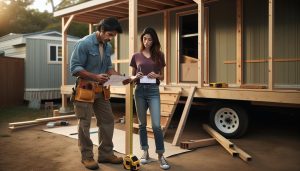
Navigating the world of used trailer homes can be both exciting and daunting. With prices ranging from as low as $10,000 to over $50,000, finding the perfect option within your budget is key to your housing journey. Many people are drawn to the affordability and flexibility that trailer living offers, whether for downsizing or investing. However, understanding the costs involved is essential to make informed decisions. This guide will explore the factors influencing used trailer prices and highlight some great deals, helping you find the right fit for your needs while avoiding potential pitfalls. Let’s delve into the insights that can make your search for a used trailer home not just easier but rewarding.
Understanding the Cost of Used Trailer Homes
can be an eye-opening experience for many prospective buyers, especially as it often presents more affordable housing alternatives. On average, a used mobile home ranges between $10,000 and $50,000, depending on factors such as age, condition, size, and location. This variation can provide ample opportunities for savvy buyers to find something that meets both their budget and living needs.
Several key elements influence the price of a used trailer home. Age and Condition: Newer models generally cost more and may come equipped with modern amenities, while older homes could require renovations or repairs, affecting overall cost. Location: Geographic differences can lead to significant price discrepancies; for example, prices tend to be lower in rural areas than urban settings. Size and Layout: Larger models with open floor plans can demand higher prices, while smaller trailers offer a more budget-friendly option. Additionally, the availability of trailers in a particular market can cause fluctuations in pricing, where higher demand often drives costs up.
When contemplating the financial aspect of purchasing a used trailer home, potential buyers should also take into account hidden costs, such as ongoing maintenance, property taxes, and insurance premiums, which can accumulate over time. It’s crucial for buyers to conduct thorough inspections and consider the potential need for renovations, as these may significantly affect the overall investment. By understanding the nuanced pricing landscape and related expenses, individuals can make informed decisions about choosing the right trailer home that fits their lifestyle and financial situation.
Factors Influencing Used Trailer Home Prices
When it comes to purchasing a used trailer home, understanding the influencing factors on pricing can empower buyers to make informed decisions. One of the most significant aspects is the age and condition of the mobile home. Typically, newer models fetch a higher price due to their modern amenities and often better energy efficiency. In contrast, older models, while potentially cheaper, may require significant investments in repairs or upgrades, which can escalate the overall cost for buyers.
Geographic location also plays a critical role; prices can vary dramatically between urban and rural areas. Urban settings often command higher prices due to demand and proximity to amenities, while rural areas may offer lower costs but could lack certain conveniences. Additionally, the size and layout of the trailer affect its market value. Larger homes with more bedrooms and spacious layouts are more desirable and, consequently, can be priced higher compared to smaller, compact models.
Buyers should also consider the availability of used trailer homes in their desired area, as market demand directly influences pricing. If a specific type of mobile home is in short supply, the prices may spike. Furthermore, before finalizing any purchase, it’s wise to conduct a thorough inspection to assess hidden issues that could impact the purchase price and lead to unexpected expenses down the line. Understanding these factors can lead to smarter financial decisions when exploring used trailer homes.
Comparing Prices: New vs. Used Trailer Homes
The choice between a new and a used trailer home often hinges on several essential factors, including budget, desired features, and personal preferences. While new trailer homes come with modern designs, warranties, and the latest energy-efficient technologies, they can also be significantly more expensive, sometimes reaching upwards of $100,000. In contrast, used trailer homes often provide a more budget-friendly option, with prices frequently ranging from $10,000 to $50,000, depending on their condition and age. This price difference can make a substantial impact on a buyer’s ability to customize the living space according to their needs.
When comparing the two, it’s crucial to consider not just the initial purchase price but also the potential costs involved. New trailers may require minimal repairs and often include advanced amenities that can enhance living standards. However, used trailers might need updates or renovations to match modern expectations, which can add to overall expenses. For example, significant upgrades-like replacing appliances or improving insulation-can cost thousands, so assessing the condition and necessary renovations is key to understanding the total investment.
Moreover, financing options differ between new and used homes. Lenders may offer competitive rates for new trailers, which might make them more appealing despite higher upfront costs. In contrast, financing a used trailer often comes with less favorable terms, especially if the trailer is older or considered a risky investment. To make an informed choice, buyers should evaluate their financial situation, including down payment capabilities and monthly budget for mortgage payments.
In conclusion, whether opting for a new or used trailer home requires careful consideration of features, costs, and personal financial circumstances. With informed choices and a clear budget, potential buyers can find the right home that fits their lifestyle and financial goals.
Best Places to Find Affordable Used Trailers
Finding an affordable used trailer can be an exciting journey, especially as many buyers discover that these homes provide great value without breaking the bank. One of the best places to start your search is online marketplaces dedicated to classifieds and property listings. Websites like Craigslist, Facebook Marketplace, and local community forums frequently feature listings from sellers who are looking to downsize or relocate. These platforms allow you to negotiate directly with sellers, which can lead to favorable pricing.
Another great option is visiting mobile home parks or dealership lots. Mobile home parks often have listings for resale units, and a visit can give you a clearer picture of what’s available in your area. Additionally, established dealerships might offer used trailers at prices that are slightly above private sales but often come with added benefits like a limited warranty or financing options. Be sure to research the reputation of any dealers before making a purchase to ensure you’re working with a trustworthy source.
You might also consider checking local auctions or estate sales. Homes that include trailer sales as part of larger estate sales can present unique opportunities for buyers looking for better deals. Participate in these events with a clear idea of your budget and desired features in mind, as bidding wars can quickly inflate prices.
Finally, don’t underestimate networking. Join local online groups focused on trailer living or alternative housing; members often share tips, leads on great deals, and even list their units for sale. Connecting with others who share a passion for mobile living can not only lead to finding an affordable trailer but also offer valuable insights into the lifestyle adjustments and maintenance tips unique to trailer homes.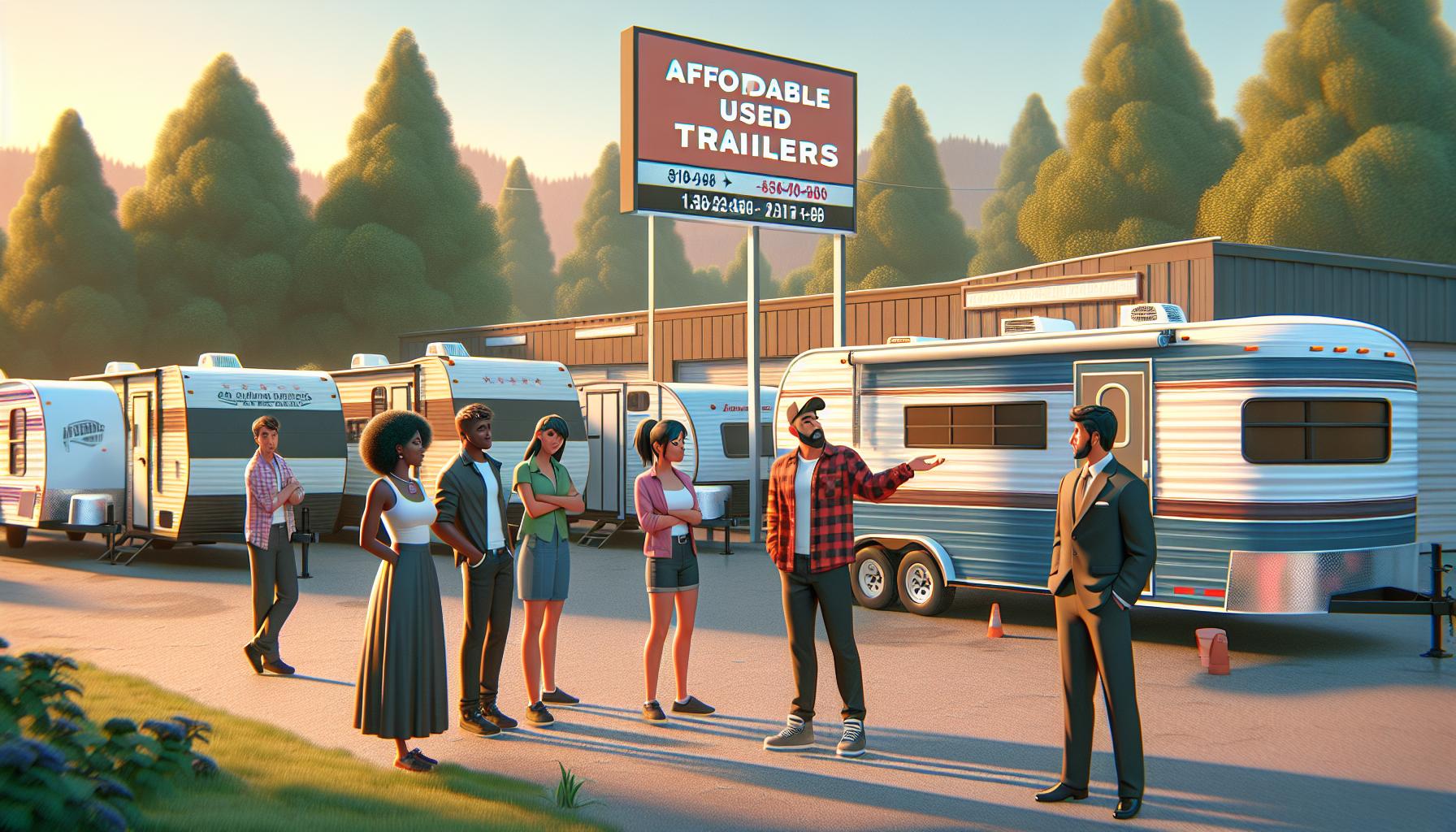
Financing Options for Buying a Used Trailer Home
Financing a used trailer home can feel daunting, but understanding your options is the first step to turning your dream of mobile living into reality. Various financial avenues exist to help you afford a trailer home, making this lifestyle more accessible to a broader range of buyers. For many, securing the right financing is a crucial element that can significantly affect the overall cost and financial flexibility for future upgrades or renovations.
One primary option is obtaining a loan specifically designed for mobile homes. These loans can come from banks, credit unions, or specialized lenders. It’s essential to note that many lenders require the trailer to be fixed to a foundation (like land) to be eligible for a traditional mortgage rate. Therefore, before you start your financing journey, ensure you understand whether you need a personal loan or a loan designed for mobile homes. For instance, it’s wise to check out financial institutions that offer personal property loans, which could be suitable if your trailer is not permanently affixed.
In addition to traditional loans, you might consider seller financing as a viable alternative if you’re purchasing from an individual owner. This arrangement allows buyers to pay the seller directly over time rather than going through a bank. This route can often mean more flexible terms and lower closing costs, making it an attractive option for those with limited credit histories or financial means. Always ensure that the terms are clearly laid out in a written agreement to avoid misunderstandings.
If you’re looking for even more affordability, don’t overlook government-backed loans, such as those offered by the Federal Housing Administration (FHA) or the U.S. Department of Agriculture (USDA). These programs can provide lower down payment options and more favorable interest rates to those who qualify. Just keep in mind that these loans may have specific eligibility criteria, so a bit of research upfront can save time and effort later.
Lastly, as part of your financing preparations, it’s crucial to assess your credit score and explore ways to improve it, if necessary. A higher credit score can lead to better loan terms and lower interest rates, ultimately saving you money in the long run. Utilizing budgeting tools and resources available online can also help you gauge how much you can afford to spend on a trailer while still maintaining your financial health. By exploring all these financing options and preparing adequately, you can confidently step into the world of trailer home ownership.
Essential Features to Look for in a Used Trailer
When looking to purchase a used trailer home, understanding the essential features to consider can significantly enhance your living experience and investment longevity. Many trailers may look appealing on the outside, but it’s crucial to assess the functional aspects that ensure comfort, safety, and maintenance feasibility. Start by thinking about your specific needs, and then evaluate these core components.
Structural Integrity
A solid foundation is imperative. Check for rust, structural damage, or water leaks, particularly around windows and door frames. Pay attention to the trailer’s axles and frame; they should be intact, as repairs can be costly. If possible, request a professional inspection to gauge overall safety and livability.
Size and Layout
Consider the size and layout of the trailer. Does it fit your lifestyle? Large family gatherings may benefit from an open floor plan, while solo living might be well-suited to a more compact option. Look for well-defined spaces that can be utilized effectively; room for appliances, larger bathrooms, and ample storage can make a significant difference in day-to-day life.
Utilities and Appliances
Ensure all utilities-electricity, water, plumbing, and sewage-are in working order. Examine the condition and age of appliances like refrigerators, stoves, and heating or cooling units. Outdated appliances can not only affect your comfort but might also lead to increased utility costs or necessitate immediate replacement.
Energy Efficiency
Inquire about insulation and energy-efficient features. Well-insulated used trailers can save you money on heating and cooling, significantly lowering costs over time. Look for double-pane windows, insulated walls, and energy-efficient appliances to enhance comfort and sustainability.
Safety Features
Safety should never be overlooked. Check for smoke detectors, carbon monoxide detectors, and fire extinguishers. A trailer home’s compatibility with modern safety standards can provide peace of mind, especially regarding the risks associated with older models.
Finding the perfect used trailer home means balancing your needs, wants, and budget with the essential features that guarantee a secure and enjoyable living environment. By focusing on these critical aspects, you will not only enhance your living situation but also ensure a wise investment in your future.
Cost of Renovating a Used Trailer Home
A budget-friendly approach to living can often be found in renovating a used trailer home, making it a practical option for many. Although the initial purchase price may seem appealing, knowing what to expect regarding renovation costs is essential for effective budgeting. Renovating a used trailer can vary significantly based on the scope of the work, but many homeowners find that with careful planning, they can create a comfortable living environment without overspending.
Renovation costs can range widely, but for a complete remodel of a used trailer, homeowners might expect to spend anywhere from $5,000 to $20,000 depending on the extent of the project and the materials used. Smaller updates, such as new paint, flooring, or fixtures, can be done for much less, possibly around $1,000 to $5,000. Some common renovations include upgrading electrical systems, replacing old plumbing fixtures, installing new cabinetry, or adding energy-efficient windows. Final costs will also depend on whether you choose to handle some of these projects yourself or hire professionals. DIY efforts can save a substantial amount on labor costs.
To help manage your renovation budget effectively, consider prioritizing updates by necessity and cost. Necessary repairs-such as fixing leaks or replacing outdated appliances-should come first to ensure safety and livability. Once essential fixes are taken care of, focus on aesthetic upgrades that will enhance comfort and appeal. It’s also helpful to create a timeline for renovations, as this can help in spreading out costs while allowing you to live comfortably in your trailer during minor upgrades.
Overall, renovations provide an exciting opportunity to personalize your trailer home and increase its value. With a clear plan in place and an understanding of typical costs, you can transform your used trailer into a welcoming, functional space that meets your lifestyle needs.
Tips for Negotiating the Best Price on Trailers
Negotiating the price of a used trailer home can feel daunting, but with the right strategies, you can secure a deal that fits your budget. It’s essential to approach this process with a blend of preparation, knowledge, and confidence. A strong starting point is conducting thorough research on comparable models in the market. By familiarizing yourself with local listings, you can identify reasonable price ranges for the specific type of trailer you’re interested in, empowering you during negotiations.
When you find a trailer home you like, consider getting a professional inspection done. Highlighting any issues uncovered during the inspection can be a powerful negotiating tool. Use these findings to your advantage by requesting a lower price or asking the seller to address these issues before the sale. Sellers often expect some level of negotiation, so presenting a well-reasoned argument based on tangible data can significantly increase your chances of landing a better deal.
Timing can also play a critical role in negotiations. If you’re looking to buy during the off-season, you may encounter more motivated sellers willing to negotiate prices. Often, sellers facing time constraints due to personal circumstances may be more flexible on price. Additionally, be prepared to walk away if the price does not meet your expectations; showing that you have other options can sometimes persuade sellers to reconsider their stance.
Lastly, establishing a rapport with the seller can facilitate smoother negotiations. A friendly and respectful approach often yields better results than a confrontational one. Share your vision for the trailer home and your willingness to maintain it as this can help build trust. Remember, the goal is not only to secure a good price but also to create a positive transaction experience that could lead to future connections within the trailer community.
Hidden Costs of Owning a Used Trailer Home
Owning a used trailer home can be a budget-friendly option, but it’s essential to be aware of the hidden costs that often accompany this housing choice. While the initial purchase price may seem appealing, ongoing expenses can add up, potentially impacting your overall budget. Understanding these hidden costs can help you make a more informed decision about your investment.
One significant expense to consider is maintenance and repair costs. Just like any home, a trailer requires regular upkeep. Issues like roof leaks, plumbing problems, or electrical issues can arise, especially in older models. Setting aside a maintenance fund-ideally about 1% of the trailer’s value each year-can help cover these unexpected expenses. Additionally, consider the cost of necessary upgrades, such as replacing outdated appliances or improving insulation, which can enhance comfort and efficiency.
Insurance is another often-overlooked cost. Trailer homes typically have unique insurance requirements compared to traditional homes. It’s vital to shop around for the best coverage options, keeping in mind factors like your location and the trailer’s age. Monthly premiums can vary significantly, so comparing quotes can help you find a policy that offers the best value for your needs.
Local regulations may also impose costs. Many areas have specific zoning laws or regulations regarding trailer home placement, which might include fees for permits or property taxes. It’s crucial to research your local laws to avoid any unexpected legal fees or fines down the line.
Lastly, don’t forget about utility costs, which can differ from traditional homes, especially if your trailer is located in a park or community with shared resources. Monthly bills for water, electricity, and waste management can fluctuate and should be factored into your overall budget. By preparing for these potential expenses, you can enjoy the benefits of trailer home living while avoiding financial surprises.
Legal Considerations When Purchasing a Trailer
When purchasing a used trailer home, understanding the legal landscape can feel overwhelming, yet it’s incredibly important for a smooth transition into your new living space. Legal considerations can significantly impact your overall experience, ensuring that you’re protected and informed throughout the buying process. One critical area to investigate is the title and ownership transfer. Unlike traditional homes, trailers can have distinct title requirements; it’s vital to verify that the seller has the legal right to sell the trailer and that you can successfully transfer the title into your name without complications.
Understand Your Rights
As you delve into the specifics of mobile home and trailer ownership, familiarize yourself with local laws that govern these properties. Different states may have varying regulations impacting your rights as a homeowner and the responsibilities of the seller and the trailer park owners, if applicable. For example, in Illinois, a park owner cannot require that a mobile home be moved after it is sold unless specific conditions are met.[[1]]. This kind of knowledge can empower you to negotiate more effectively and avoid potential pitfalls in your purchase.
Zoning and Placement Regulations
Before purchasing, ensure that you understand any zoning laws and trailer park regulations that might apply to your specific situation. These regulations can influence where you can place your trailer and any alterations or improvements you might want to make. Research local requirements, including any permits needed for installation or changes, to avoid unexpected fees or legal troubles after your purchase.
Insurance and Financing Considerations
Financing a used trailer home may involve different terms compared to conventional home loans, and insurance requirements can also differ. It’s wise to shop around for financing options that specialize in mobile homes and ensure that you review insurance policies to cover your investment adequately. Some insurers offer tailored policies for mobile homes, which can help mitigate risks related to potential damage or loss.
Be Aware of Hidden Fees
Additionally, be vigilant about potential hidden fees and costs associated with the purchase. These can include sales taxes, registration fees, and even park-specific charges if your trailer is situated in a mobile home community. Reviewing the purchase agreement thoroughly and considering consulting a legal professional can clarify what expenses you might encounter, keeping you informed and financially prepared.
Equipping yourself with this knowledge not only helps you in navigating the complexities of purchasing a used trailer home but also positions you for a rewarding living experience. By proactively addressing legal considerations, you can embrace the many benefits of trailer home living with confidence.
Maintenance Tips to Preserve Your Investment
Regular maintenance of your trailer home is crucial not only for preserving its value but also for ensuring a safe and comfortable living environment. Studies show that well-maintained mobile homes can appreciate in value over time, making your investment worthwhile. Here are some practical tips to help you keep your used trailer in great shape.
One of the first steps in maintaining your trailer home is conducting routine inspections of both the interior and exterior. Check for signs of wear and tear, including cracks in the walls, leaks in the roof, and issues with windows and doors. Pay special attention to the plumbing and electrical systems, as these can lead to larger problems if neglected. Create a seasonal checklist that includes:
- Inspecting the roof for damage, particularly after severe weather.
- Checking for water leaks under sinks and around appliances.
- Examining the foundation for settling or shifts.
- Testing smoke detectors and carbon monoxide detectors.
Maintaining the exterior of your trailer is equally important. Regularly clean and paint the exterior to protect it from the elements. Use a high-quality exterior paint or sealant to keep out moisture and prevent rust or decay. Ensure that tires are in good condition and that the undercarriage is free from debris or rust. Additionally, clean out gutters and downspouts to prevent drainage issues that could lead to interior water damage.
Finally, consider making small upgrades or renovations as part of your maintenance strategy. Simple changes like replacing old fixtures, upgrading appliances for energy efficiency, or improving insulation can significantly enhance your trailer’s comfort and reduce long-term costs. By investing time and resources into regular maintenance, you not only prolong the life of your trailer home but also ensure it remains a welcoming and enjoyable place to live.
Success Stories: Living in a Used Trailer Home
Every year, countless individuals and families discover the charm and practicality of living in a used trailer home, often finding it to be an affordable housing solution in an otherwise tight real estate market. One notable success story comes from a young couple who downsized from a traditional home to a vintage trailer. After searching for months, they purchased a used 1970s model for just $15,000. With a little creativity and elbow grease, they transformed the interior with fresh paint and modern appliances, illustrating that a used home can be your blank canvas.
Moreover, the financial benefits of opting for a used trailer home are often life-changing. For families who previously rented, this option provides a path to homeownership without a significant financial burden. Many owners report drastically reduced costs-both in terms of mortgage payments and utility expenses-thanks to efficient layouts and smaller square footage. One single mother shared how moving into a used trailer cut her monthly housing costs by nearly half, allowing her more savings for her children’s education.
The sense of community found in trailer parks also enhances the living experience. Residents frequently highlight the supportive environment where neighbors become friends, providing a network of connections that foster a sense of belonging. This community aspect, combined with the financial freedom gained from lower housing prices, makes living in a used trailer home a fulfilling lifestyle choice for many.
Such stories are a testament to the potential of used trailer homes, showcasing how they can offer more than just a roof over one’s head. They embody an opportunity for creativity, community, and economic viability in today’s ever-evolving housing landscape. By choosing this option, individuals are not only making a smart financial decision but also investing in a lifestyle that promotes sustainability and connection.
The Way Forward
As you explore affordable housing options, understanding the nuances of used trailer homes can empower your decision-making process. By considering factors such as price, condition, and location, you can find remarkable deals that fit your lifestyle and budget. Don’t hesitate to reach out if you have further questions about financing or maintenance – we’ve got the resources to guide you every step of the way.
Want to dive deeper? Check out our articles on essential maintenance tips and renovation projects that can transform your mobile home into a dream space. Plus, subscribe to our newsletter for the latest updates on best deals and housing insights. Your perfect trailer home is just a few clicks away; explore our site for more valuable content and resources. Share your thoughts or ask questions in the comments below – your journey towards a new home starts now!