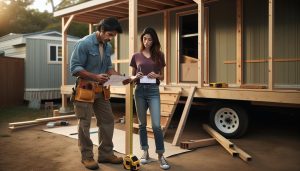
Buying a trailer home can be a practical and affordable housing solution, but navigating the process requires careful consideration and knowledge. With the rising costs of traditional homes, many are turning to mobile and manufactured homes as a viable alternative. Understanding the steps involved-from financing options to land considerations-can empower you to make informed decisions that align with your lifestyle and budget. This guide unveils essential insights into the buying process, helping you approach the journey with confidence. Whether you’re seeking affordability, flexibility, or a simpler way of living, learning the ins and outs of trailer home ownership will equip you with the tools you need for a successful transition. Read on to explore everything you need to know about purchasing a trailer home!
Understanding Trailer Home Types and Options
When considering a trailer home, understanding the various types and options available is crucial to finding the perfect fit for your lifestyle and needs. Trailer homes, or mobile homes, come in several forms, each catering to different preferences, budgets, and locations. The allure of trailer home living often lies in its flexibility, affordability, and the unique sense of community it can foster.
Types of Trailer Homes
There are primarily three categories of trailer homes to consider:
- Single-Wide Homes: These are the most compact type, typically measuring around 60 feet long and 14 feet wide. They are ideal for those seeking a smaller, more affordable option.
- Double-Wide Homes: As the name suggests, these homes are twice the width of a single-wide, offering greater living space. They are transported in two sections and then joined on-site, providing a layout similar to a traditional house.
- Triple-Wide Homes: Offering even more room, triple-wide homes are designed for larger families or individuals wanting luxurious space. They provide extensive customization options and layouts, resembling a conventional home more closely.
Options and Features
Once you determine which type of trailer home suits your needs, consider the options and features available:
- Floor Plans: Look for layouts that maximize space usage and suit your lifestyle. Popular features include open-concept living areas, spacious kitchens, and ample storage.
- Energy Efficiency: Today’s mobile homes often come equipped with improved insulation, energy-efficient windows, and appliances designed to reduce utility costs.
- Aesthetic Customization: Many manufacturers allow for customizable exteriors and interiors, enabling you to choose colors, materials, and fixtures that reflect your personal style.
- Community Living: Consider whether you will place your trailer home in a park with community amenities or on private land. Each choice offers different benefits and social dynamics.
Understanding these types and options empowers you to make educated decisions about purchasing a trailer home, ensuring a better fit for your lifestyle and preferences. Whether you are drawn to the compactness of a single-wide or the spaciousness of a triple-wide, there’s a trailer home out there that can become your comfortable sanctuary.
Essential Considerations Before Buying a Trailer Home
When considering the journey towards purchasing a trailer home, it’s essential to remember that this decision is more than just choosing a place to live; it’s about embracing a lifestyle that can offer both comfort and community. A trailer home can be an excellent investment for those seeking flexibility and affordability, yet certain factors must be weighed carefully before making a purchase.
One of the most significant considerations is your budget. Take a close look at not only the purchase price of the trailer home itself but also associated costs such as land acquisition, site preparation, utilities, and maintenance. It’s wise to prepare for additional expenses such as insurance, property taxes, and any required refurbishments or renovations once you take ownership. Deciding on a realistic financial plan will help you avoid overspending.
Another important aspect is location. Choosing where to place your trailer home can affect your lifestyle significantly. Consider whether you prefer the appeal of a trailer park, which often provides amenities and a sense of community, or if you want to settle on your private land for more personal space. Urban, suburban, and rural settings come with their own advantages and challenges regarding access to services, local regulations, and potential for future value appreciation.
Researching zoning laws and local regulations is also vital. Different areas have distinct requirements concerning what types of homes can be placed where, and understanding these legal frameworks will save you from future headaches. Some areas might have restrictions on mobile home developments or specific guidelines on appearance and structure.
Lastly, think about your long-term goals. Are you planning to reside in your trailer home for many years or viewing it as a temporary solution? This perspective can influence your choice in style, features, and even the durability of the home. By considering these essential factors before you buy, you can pave the way for a more enjoyable and enriching trailer home experience.
Step-by-Step Guide to Financing Your Trailer Home
Securing the right financing for your trailer home is a crucial step that can ease the path to your new lifestyle. With various options available, navigating this process can feel overwhelming, but breaking it down into manageable steps ensures you make informed decisions.
Start by assessing your budget. Before you apply for financing, determine how much you can afford to spend on a trailer home. Consider all potential costs, including the down payment, monthly mortgage payments, insurance, property taxes, and maintenance expenses. Most lenders will require a minimum down payment, typically around 10% of the purchase price, though this can vary by lender and location. Knowing your budget upfront helps avoid overextending your finances.
Next, review your credit report. A good credit score-generally above 620-is essential for qualifying for favorable loan terms. Check your credit history for any errors and take steps to improve your score if necessary, such as paying down existing debts or making payments on time. A higher credit score can lead to lower interest rates, saving you money over the duration of your loan.
Once your budget and credit are in order, begin exploring financing options. You can opt for traditional banks, credit unions, or specialized lenders that focus on mobile home financing. Each lender may have different requirements regarding documentation, interest rates, and terms, so it’s wise to compare several options. Additionally, keep in mind that while some lenders might finance only a portion of the mobile home’s value, others may offer loans that cover both the home and land if you’re purchasing real estate.
Finally, once you’ve found a suitable lender, gather necessary documentation, which commonly includes proof of income, employment verification, and information about the trailer home you wish to purchase. After submitting your application, the lender will assess your financial situation and the property itself to determine loan eligibility. Remember to ask questions and clarify any uncertainties throughout the process-understanding your loan terms is vital to ensuring a smooth financing experience and successful transition into your new trailer home.
Navigating Legal Requirements for Trailer Home Purchases
Purchasing a trailer home involves navigating a complex landscape of legal requirements, which can differ significantly from traditional home buying. Understanding these legalities isn’t just a formality; it lays the groundwork for a successful and secure investment. Key legal aspects include title transfers, land use regulations, zoning laws, and warranty provisions that are unique to manufactured homes.
When buying a trailer home, one of the first steps is to ensure that you’re familiar with state and local regulations. Many jurisdictions have specific codes governing the installation and placement of mobile homes, which may affect everything from the home’s foundation to its insurance requirements. It’s also crucial to verify that the home has a clear title free of liens. This process often involves obtaining documentation that confirms ownership and reviewing the manufacturer’s paperwork for compliance with safety and building standards.
Additionally, warranties for manufactured homes are typically mandated by state law, offering buyers protection against defects and issues that may arise shortly after purchase. For instance, in Florida, every new mobile home must carry a warranty for at least one year, ensuring that any structural problems are addressed promptly. Understanding these warranties can save you stress and financial burden later on.
Lastly, engaging with a legal professional familiar with mobile home transactions can provide valuable insights. They can guide you through the nuances of mobile home laws in your area, assist with contract negotiations, and help ensure all aspects of the purchase comply with local regulations. Familiarity with these legal considerations will not only help you make informed decisions but also enhance the overall experience of becoming a trailer home owner.
Researching and Choosing the Right Trailer Home Manufacturer
Finding the right trailer home manufacturer can make a significant difference in your living experience and long-term satisfaction. With numerous options available, doing your homework ensures that you select a manufacturer that not only offers quality and style but also meets your specific needs and budget. Start by identifying your requirements, such as size, layout, and design preferences, as these will guide your search and help filter out manufacturers that do not align with your vision.
As you begin your research, it’s crucial to consider reputation and reliability. Look for manufacturers with a strong track record and positive reviews from previous buyers. Online reviews, testimonials, and ratings can provide insights into customer satisfaction, after-sales service, and the quality of the homes produced. Also, explore the materials used in construction, as well as any customizable features that can make your trailer home feel more personal. Manufacturers that prioritize energy efficiency and sustainable practices may also reflect a commitment to quality and innovation, a factor worth considering.
Additionally, visit local dealerships to get a firsthand look at models from various manufacturers. This hands-on approach allows you to assess the build quality, layout, and design options. Some manufacturers often have display models or show homes that provide a realistic sense of space and functionality. Don’t hesitate to ask questions about warranties, maintenance, and the availability of parts or service post-purchase. A solid warranty can offer peace of mind, showcasing the manufacturer’s confidence in their product.
Finally, engaging in discussions with current trailer home owners can provide valuable insights into their experiences with specific manufacturers. They can share information about the build quality, customer service, and any challenges they’ve encountered since moving in. Online forums or local community groups can be excellent resources for connecting with potential or current trailer home owners. By conducting thorough research and engaging with others in the community, you can make an informed choice and find a manufacturer that aligns with your needs, ensuring your trailer home is a place you enjoy for years to come.
Tips for Inspecting a Trailer Home Before Purchase
When considering a trailer home, thorough inspection before purchase is crucial to ensure you make a sound investment. These homes, whether new or used, can come with hidden issues that might not be immediately visible. By taking the time to carefully assess the condition of the trailer, you can avoid costly surprises down the road and ensure your living space meets your expectations.
General Condition and Exterior Inspection
Start with a visual inspection of the exterior. Check for any signs of damage to the siding, roof, and windows. Look for:
- Water Damage: Signs of water leakage, such as stains or mold, can indicate larger issues.
- Structural Integrity: Examine the framework for rust or rot, focusing on the undercarriage and support beams.
- Windows and Doors: Ensure they open and close properly and are free from cracks or deterioration.
Additionally, a closer look at the tires is essential, especially if the trailer will be moved. Check the tread depth and whether they show signs of dry rot.
Interior Inspection
Once the exterior has been evaluated, it’s time to step inside. The interior condition is just as important and can be a reflection of the overall maintenance of the trailer. During your inspection, consider the following aspects:
- Plumbing: Turn on faucets and flush toilets to check for leaks and water pressure. Look under sinks for signs of water damage.
- Electrical Systems: Test outlets, light fixtures, and check the functionality of major appliances. Look for exposed wiring or any indications of electrical issues.
- Heating and Cooling: Ensure that the HVAC system operates efficiently, checking vents and air filters.
Be mindful of the smell within the trailer; musty odors can indicate mold or other issues that would require further inspection.
Professional Inspection
While a personal inspection is invaluable, hiring a professional inspector can provide peace of mind. They bring expertise and experience to unearth potential problems you might overlook. A formal inspection report can also serve as a bargaining tool when negotiating the purchase price.
No matter your skills or knowledge, following these tips can help you make an informed decision when purchasing a trailer home. Remember, taking the extra time to inspect will ensure that your new living space is safe, comfortable, and ready for you to create lasting memories.
Understanding Trailer Home Insurance: What You Need to Know
Navigating the landscape of trailer home insurance is essential for safeguarding your investment and ensuring peace of mind. Unlike traditional homes, trailer homes, often classified as mobile or manufactured homes, come with unique risks and coverage needs due to their construction and mobility. Understanding how insurance protects you from damages, theft, or liability can help you make informed decisions when securing the right policy.
One crucial aspect of trailer home insurance is knowing the types of coverage available. Insurance typically covers damages from various events, including fire, theft, vandalism, and certain natural disasters. A well-rounded policy can also provide liability protection in case someone gets injured while on your property. However, it’s important to recognize that not all policies cover the same range of hazards. For example, some might exclude coverage for earthquakes or floods, which could be critical depending on your location. Always read the fine print and seek clarification from your insurer on what is included.
When shopping for insurance, consider several key factors to ensure you choose a policy that aligns with your needs. Firstly, the age, size, and condition of your trailer home can significantly affect premiums; newer and well-maintained homes often qualify for lower rates. Additionally, researching multiple providers and comparing quotes can reveal significant differences in coverage and price, making it more likely for you to find the best deal. Many insurers offer specific mobile home insurance policies designed to address the unique needs of manufactured homes, so it’s beneficial to focus your search accordingly.
Lastly, make sure to review and update your policy regularly, especially if you’ve made improvements or significant changes to your trailer home. Maintenance tasks, upgrades, or even relocations can influence your coverage needs. Setting aside time each year to assess and adjust your policy ensures you remain fully protected and can enjoy the flexibility and comfort of trailer home living without undue stress. By understanding and actively managing your trailer home insurance, you position yourself for a more secure and enjoyable living experience.
Exploring Trailer Home Communities: Pros and Cons
Choosing to live in a trailer home community can open doors to a unique lifestyle that blends affordability, convenience, and community spirit. However, like any housing choice, it comes with its own set of advantages and disadvantages that potential buyers should carefully consider. Exploring these pros and cons can be instrumental in making an informed decision about where to lay down your roots.
On the positive side, trailer home communities often offer a sense of belonging that can be hard to find in traditional living arrangements. Residents frequently enjoy communal activities, social events, and shared amenities such as pools, parks, and gathering spaces. This close-knit environment fosters friendships and support networks, making it an ideal choice for individuals or families looking for a vibrant social life. Additionally, many communities are located in desirable areas and can provide convenient access to shopping, work, and recreational opportunities.
However, there are also notable downsides to consider. Renting or leasing a lot in a trailer home community often involves additional fees that can escalate over time. Furthermore, community rules and regulations may be strictly enforced, allowing little room for personal expression through home modifications or landscaping choices. There’s also the aspect of mobility; while trailer homes afford some flexibility, relocating within a community or to another area can be complicated and costly. Potential buyers should weigh these factors carefully against their lifestyle preferences and financial situation.
Ultimately, living in a trailer home community can be a rewarding experience if it aligns with your lifestyle and values. By understanding the benefits and challenges, you can make a choice that contributes to a fulfilling and sustainable way of life. Embrace the opportunity to connect with like-minded individuals while enjoying the freedom and flexibility that trailer home living offers.
Transporting Your Trailer Home: What to Expect
If you’re considering the journey of transporting your trailer home, preparation and awareness are key to ensuring a smooth transition. One common misconception is that moving a trailer home is as simple as hitching it to a truck and driving away. In reality, transporting a mobile or trailer home involves careful planning, legal considerations, and logistical challenges that, when understood, can make the process much more manageable.
Before starting your journey, it’s crucial to check local laws and regulations regarding trailer transport. Different states have varying requirements, including permits for oversized loads and weight restrictions. Generally speaking, if your trailer exceeds a certain width (usually 8.5 feet) or weight (commonly over 10,000 pounds), you’ll need special permits. Be sure to contact your local Department of Transportation to confirm what is necessary for your specific move.
Additionally, hiring professionals with experience in trailer transport can save significant time and reduce stress. These companies know the ins and outs of safe transportation practices, including securing the trailer, dealing with potential road obstacles, and navigating tricky routes. If you prefer a DIY approach, then ensure you have the right truck capable of handling the weight and size of your trailer. You’ll also need the appropriate hitch and towing equipment to secure the trailer during transit.
Once on the road, maintaining awareness of your surroundings is crucial. Adverse weather conditions can significantly affect handling, so consider postponing your move during storms or severe wind. Always keep a safe distance from other vehicles and be prepared for necessary stops, such as gas stations with ample space to accommodate your setup. Finally, securing all around your home’s interior before the transport is essential. Items that are loose can easily become damaged or cause damage during transport, so take the time to pack everything securely.
With careful planning, consideration of legalities, and the right equipment, transporting your trailer home can be a hassle-free experience, allowing you to enjoy your new living environment without undue stress. Whether moving across town or across state lines, understanding these aspects will help ensure your transition is successful.
Maintaining Your Trailer Home: Essential Tips for Longevity
Ensuring the longevity of your trailer home requires regular maintenance and attention to detail, much like any other home. With the right practices, you can protect your investment and create a comfortable living environment. One essential task is to regularly inspect the roof and exterior for signs of wear. Small leaks can quickly turn into significant issues if not addressed promptly. Plan to check for cracks, rust, or any indications of water damage outside, and don’t hesitate to implement repairs immediately to prevent escalation.
Another critical aspect of maintenance is the HVAC system. Keeping heating and cooling systems in good shape is vital for comfort and energy efficiency. It is recommended to clean or replace air filters regularly and have the system serviced at least once a year. This will not only improve air quality but also extend the lifespan of your HVAC components. Regular cleaning of vents and ducts can also help in maintaining efficiency.
Furthermore, proper insulation is critical for energy savings and maintaining an even temperature throughout your trailer home. If you experience drafts or significant temperature fluctuations, consider adding insulation to the walls, floors, and ceiling. Insulating your home effectively can significantly reduce heating and cooling costs, making your living situation much more pleasant.
Consider making a seasonal checklist to keep track of maintenance tasks. For example, during spring and fall, inspect the exterior, clean gutters, and service systems. Winter preparations should include checking pipe insulation and ensuring heating systems are in top shape to handle colder temperatures. Here’s a simple checklist you might follow:
- Inspect Roof and Seals
- Clean/Replace HVAC Filters
- Check Plumbing for Leaks
- Seal Cracks and Gaps
- Test Smoke and Carbon Monoxide Detectors
By being proactive with these maintenance tasks, you will not only enhance the lifespan of your trailer home but also create a tranquil and enjoyable space that reflects your lifestyle. Embracing these practices makes trailer home living not only practical but also rewarding, ensuring that your home remains a sanctuary for years to come.
DIY Improvement Projects for Your New Trailer Home
Transforming your trailer home doesn’t have to be a daunting task. In fact, many improvement projects are simple, budget-friendly, and can be tackled over a weekend. Whether you’re looking to enhance aesthetics or functionality, there’s a plethora of DIY projects that can elevate your living space. These enhancements not only boost your comfort but also increase the value of your investment.
Interior Makeover
One of the simplest ways to refresh your trailer home is through paint. A fresh coat of paint on walls and cabinets can dramatically change the space’s look. Opt for light, neutral colors to make smaller areas feel more open. Additionally, consider updating hardware on cabinets and doors for a modern twist. This project is cost-effective and anyone can do it with a little preparation.
- Choose your colors carefully: Lighter shades can make spaces feel larger.
- Invest in quality paint for better coverage and durability.
- Don’t forget to label cabinets and drawers during assembly to avoid confusion.
Functional Upgrades
Improving storage is vital in compact living spaces. Consider building DIY shelves or investing in modular storage solutions. Floating shelves can be an excellent option for displaying decor or storing books without taking up floor space. Another idea is to organize your pantry or closet with custom shelving units. This not only creates a cleaner look but utilizes every inch of available space efficiently.
Outdoor Appeal
Enhancing your outdoor area can drastically improve your trailer home’s curb appeal. Small upgrades like adding a deck, patio, or even simple landscaping can create an inviting atmosphere. Consider planting low-maintenance shrubs or flowers, and don’t overlook outdoor furniture to make your space more usable. A few well-placed lights can also add charm and improve safety during evenings.
Energy Efficiency
Lastly, boost your trailer home’s energy efficiency with simple insulation improvements or by sealing windows and doors to minimize drafts. Installing energy-efficient appliances can also save money in the long run. For those interested in more extensive upgrades, solar panels can be considered for long-term energy savings.
By engaging in these DIY projects, you not only enhance the livability of your trailer home but can also feel a sense of accomplishment knowing you’ve personalized your space to reflect your style and needs. Remember, every small improvement counts toward making your trailer home a sanctuary that feels uniquely yours.
Maximizing Space in a Trailer Home: Smart Solutions
Maximizing space in a trailer home requires creativity and strategic planning, especially given their typically smaller footprint compared to conventional homes. To turn even the most compact areas into functional, enjoyable spaces, leverage smart storage solutions and layout designs that enhance the sense of openness.
One effective approach is to incorporate multi-functional furniture. For example, consider sofas that convert into beds or ottomans with storage capabilities. This kind of furniture not only saves space but also adds versatility to your living area. Opting for expandable tables can also be beneficial; they can accommodate larger gatherings when needed but remain compact during everyday use. Additionally, using furniture that is appropriately scaled to the space can prevent the area from feeling cramped. Avoid oversized pieces that may dominate the room; instead, choose sleek, minimalist designs.
Utilizing vertical space is another essential strategy. Install shelving that extends up to the ceiling, which can hold books, decorative items, or even pantry goods without occupying significant floor space. Hang hooks or pegboards in hallways or kitchens to store bikes, kitchen utensils, or tools conveniently. This not only maximizes storage but can also serve as an attractive display area for your favorite items. For bedroom spaces, consider raising the bed on a platform to create space for drawers or bins underneath, keeping essentials tucked away yet easily accessible.
Finally, make use of natural light to create an illusion of larger spaces. Use light colors for walls and furnishings, and position mirrors strategically to reflect light and enhance the openness of your home. Curtains can also affect how light enters a space; sheer options allow for privacy while maintaining brightness. The key to maximizing space in a trailer home is to create a sense of flow and openness through thoughtful design, allowing you to fully enjoy your living environment without the clutter and confinement often associated with smaller homes.
Concluding Remarks
As you embark on your journey of buying a trailer home, remember that the process can be both rewarding and manageable when guided by the right resources. We’ve provided comprehensive insights to help demystify purchasing a trailer home, but your next steps are just as crucial. Explore our guides on essential maintenance tips and financing basics to ensure your new home remains a haven for years to come.
Don’t hesitate-your dream of trailer home living is within reach! Dive deeper into our resource-rich articles, such as “Beginner SEO Tactics for Mobile Home Dealers” and “SEO, PPC, and Social Media for Manufactured Home Dealerships” for additional insights that can enhance your buying experience. Share your thoughts or questions in the comments below, and join our newsletter for ongoing tips and updates. Let us empower your journey towards a comfortable and fulfilling mobile home lifestyle today!