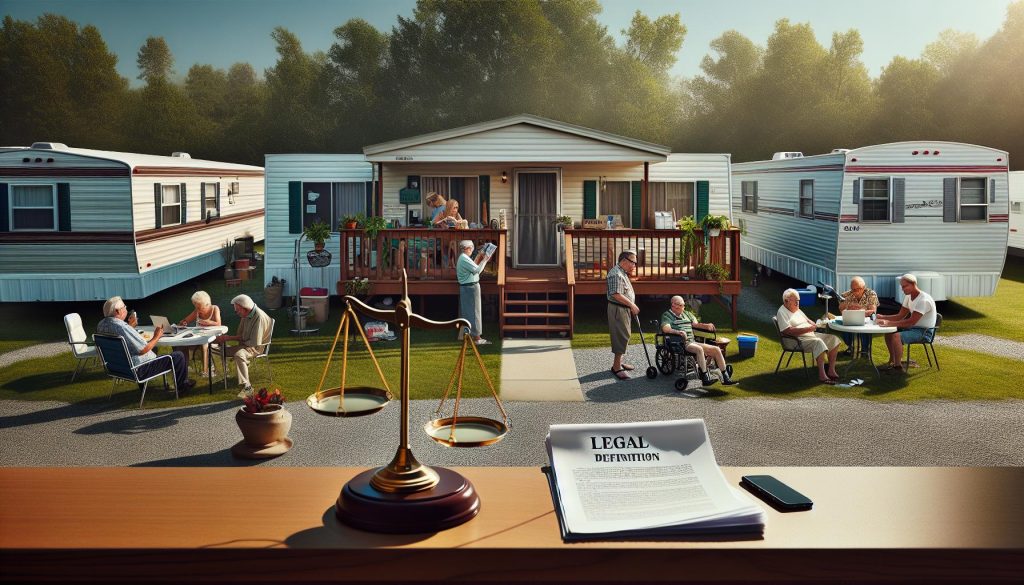
Understanding what constitutes a trailer home under law is crucial for anyone considering this housing option. Many people are drawn to trailer homes for their affordability and flexibility, but the legal definitions can be complex and vary by jurisdiction. Knowing these specifics can help you navigate regulations related to zoning, financing, and property rights, ensuring a smooth experience as a homeowner. From distinguishing between a mobile home and a manufactured home to understanding local codes, this article aims to clarify these important legal aspects. If you’re thinking about making a trailer home your own, stay with us as we explore the essentials you need to know to make informed decisions and embrace the independence that comes with alternative housing.
What is a Trailer Home? A Clear Definition
A trailer home, often referred to as a mobile home or manufactured home, serves as a versatile living space that can be moved from one location to another. These homes are typically constructed in a factory and designed to be transported over highways on their own wheels or by flatbed truck, allowing for flexibility in housing options. While many people think of trailer homes as budget-friendly choices, they offer more than just affordability; they can be genuine homes equipped with modern comforts and personal touches.
Legally, the classification of a trailer home typically hinges on its construction standards. The U.S. Department of Housing and Urban Development (HUD) sets specific guidelines under which manufactured homes must be built, ensuring they meet safety and quality standards. This is a key distinguishing factor from traditional trailers, which may not comply with the same regulations. It’s essential for potential buyers to understand these distinctions as they can significantly affect financing, insurance, and resale value.
When considering a trailer home, it’s helpful to reflect on the range of features and amenities available. Many modern trailer homes boast multiple bedrooms, spacious living areas, and energy-efficient appliances. Such homes can be an excellent option for those seeking a blend of mobility, affordability, and comfort, fulfilling diverse housing needs while allowing for personalization through various renovation and maintenance options. Whether it’s a cozy retirement option or a family dwelling, trailer homes can adapt to different lifestyles, making them appealing to a wide audience.
Understanding the Legal Classification of Mobile Homes
The unique classification of mobile homes under legal frameworks plays a significant role in how they are perceived, financed, and regulated. Often colloquially referred to as trailer homes, these residences are technically defined based on construction standards established by the U.S. Department of Housing and Urban Development (HUD). To qualify as a manufactured home, a unit must be constructed in compliance with the HUD Code, which includes strict guidelines for safety, durability, and quality. This creates a clear distinction from traditional trailers or mobile units, which may not adhere to such rigorously enforced standards.
A crucial element of this legal classification is the concept of permanence. When a mobile home is placed on a lot, its ability to remain in one location and be used as a permanent dwelling may shift its classification in the eyes of local governments and zoning laws. For instance, once a mobile home is affixed to a permanent foundation and utilities are connected, it may be classified similarly to a traditional home. Understanding these distinctions is imperative for owners and buyers alike, as they significantly affect zoning laws, lending practices, and insurance requirements.
In addition to the federal standards set by HUD, local and state regulations can also play a critical role in defining mobile homes. Different jurisdictions may have their own definitions and requirements concerning placement, usage, and modifications. For potential owners, investigating these local laws is vital to ensure compliance and to avoid legal pitfalls that could arise from improper installation or modification of the home.
Ultimately, navigating the legal landscape surrounding mobile homes can be complex. Owners need to remain informed about:
- Federal and state regulations governing manufactured homes.
- Zoning laws that dictate where mobile homes can be located.
- Insurance policies tailored specifically for manufactured homes.
- Financing options available for purchasing a mobile home.
Equipped with this knowledge, prospective buyers and current owners can make informed decisions, ensuring that their living situation is not only comfortable but also legally compliant. Understanding these nuances offers peace of mind and opens up the path to a successful mobile home living experience.
Key Differences Between Trailers and Manufactured Homes
While often used interchangeably, trailers and manufactured homes represent distinct categories in the realm of housing, governed by different standards and regulations. Understanding these differences is essential for anyone considering residing in or purchasing such homes. At the heart of the distinction lies the concept of construction standards. Manufactured homes are built per the U.S. Department of Housing and Urban Development (HUD) guidelines, which mandate rigorous safety and quality controls. This means that manufactured homes are designed to be durable and livable for long-term occupancy.
In contrast, trailers, particularly those used for transportation or temporary housing, might not adhere to the same stringent regulations. These units are often more basic in design and functionality, lacking the permanent features associated with manufactured homes. For instance, a trailer may be equipped for easy mobility, allowing it to be relocated frequently, while a manufactured home is typically installed on a permanent foundation and meant to serve as a long-term residence.
Legal Implications
The legal implications of these classifications can have significant effects on financing options and insurance requirements. Manufactured homes often qualify for conventional loans because they are built to federal standards. In contrast, financing a trailer might be more complex due to its classification as personal property, similar to an automobile rather than real estate. This distinction impacts the type of loans available and the interest rates associated with them.
Zoning laws further complicate the matter, as manufactured homes may be permitted in residential areas where trailers could face restrictions. For potential homeowners, it is crucial to consult local zoning regulations to determine where each type of unit can be legally placed. Understanding these key differences not only helps in making informed decisions about purchasing a home but also ensures compliance with local laws, enhancing the overall living experience.
By acknowledging these distinctions, you can navigate the landscape of alternative housing more effectively, ensuring that you choose the type that best fits your lifestyle while adhering to legal requirements.
Legal Standards for Trailer Home Construction
Understanding the is crucial for both prospective buyers and current owners. These standards dictate not only the safety and structural integrity of the homes but also the regulations that must be followed to ensure compliance with local laws. While many people associate trailers primarily with mobility, they still require adherence to specific construction regulations that can vary significantly by state and municipality.
The key document governing the construction of mobile homes and trailers is the National Manufactured Housing Construction and Safety Standards Act, which was enacted in 1976. This act established construction standards set by the U.S. Department of Housing and Urban Development (HUD). Under these standards, trailers classified as manufactured homes must meet rigorous requirements concerning design, durability, and safety. This includes limitations on materials, requirements for energy efficiency, and specifications for electrical and plumbing systems. For instance, a trailer home must be wired for electricity according to predefined safety codes and should have appropriate insulation values that align with energy consumption standards.
However, trailers that are typically used for non-permanent housing or as towable units may not be subjected to these same strict regulations, which can lead to significant variations in quality and safety. It’s important for potential buyers to investigate the specific classification and construction standards applicable to the model they are considering. For instance, if the trailer is classified as a recreational vehicle (RV) rather than a manufactured home, it may be subject to different safety codes primarily focused on mobility rather than long-term residency.
Understanding these distinctions can help potential homeowners choose the right type of trailer for their needs and ensure that they comply with local building codes. Consultations with local building authorities or housing agencies can provide insight into the specific standards and inspections required in your area. By being informed, you can make better decisions regarding the purchase, renovation, and long-term use of your trailer home, ensuring a safe and enjoyable living experience.
Regulations Governing Trailer Home Placement
The process of placing a trailer home is not merely a matter of choosing a spot and moving in; it involves navigating a complex landscape of regulations designed to ensure safety, compliance, and community harmony. Understanding these regulations is crucial for anyone considering this housing option. Municipalities typically enforce specific zoning laws that dictate where trailer homes can be located, necessitating careful research before selecting a site.
Local zoning ordinances often classify areas designated for residential use and may limit the number of manufactured homes that can occupy a given space. These regulations are intended to maintain neighborhood aesthetics and property values. For instance, trailers may be restricted in more affluent neighborhoods or areas with certain architectural guidelines. It’s advisable to consult local zoning offices or municipal codes to comprehend which areas permit trailer homes and any related restrictions.
Additionally, the foundation of a trailer home must adhere to local building codes. This often includes requirements for anchoring the home to prevent movement during adverse weather conditions and ensuring that utilities such as water, electricity, and sewage systems are appropriately connected. Failure to comply with these standards can result in hefty fines or, in worst cases, the need to relocate the home. It’s also essential to check for permits required for utility installations, as these can vary by region.
In many areas, manufactured homes must also undergo inspections before they can be occupied. These inspections verify that the home meets safety standards and is placed on a proper foundation. Homeowners may find it helpful to connect with local manufactured home associations or consult professional services for assistance in navigating these requirements. By being proactive and informed, trailer home owners can ensure that their living situation is both legal and comfortable, paving the way for a fulfilling home experience.
Zoning Laws Affecting Trailer Homes
Navigating the maze of zoning laws is essential for anyone considering placing a trailer home in a new location. These regulations, often intricate and varied from one municipality to another, govern where and how trailer homes can be situated. They are designed to maintain neighborhood integrity and value, thus influencing the safety and community aspects of living in a trailer home.
In many regions, zoning laws may specifically delineate which areas are permissible for trailer parks or individual trailer homes. For instance, residential zones might have strict limitations on the types of homes that can be placed there, potentially excluding trailers altogether. Conversely, areas classified for mobile homes may have specific criteria such as minimum lot sizes or separation distances between units. Therefore, engaging with local zoning offices before deciding on a location can save homeowners significant time and trouble.
Another critical factor to consider is the possible restrictions imposed by homeowner associations (HOAs) or community bylaws if you are planning to place a trailer home in a community development. These organizations might implement their own set of guidelines regarding aesthetics, including the color and style of the trailer, as well as landscaping requirements. These added layers of regulation can significantly impact your planning process and should not be overlooked.
Lastly, some municipalities encourage the development of trailer homes through incentives or relaxed regulations in designated mobile home zones. Understanding these local incentives can open up opportunities for affordable housing options and grant potential homeowners a pathway to their dream living situation. By being informed and proactive, individuals can effectively navigate zoning laws, ensuring a smooth placement process and fostering long-term satisfaction with their chosen living arrangement.
Insurance Considerations for Trailer Home Owners
Living in a trailer home can offer financial freedom and a unique lifestyle, but it also comes with specific insurance considerations that every owner should be aware of. One key aspect is that traditional homeowner’s insurance typically does not cover a trailer home, often requiring specialized policies. Therefore, understanding how to protect your investment through adequate insurance should be a top priority.
Types of Insurance for Trailer Homes
When selecting insurance for a trailer home, consider the following options:
- Mobile Home Insurance: This type of coverage is designed specifically for mobile and manufactured homes. It usually includes protection against damages from fire, theft, and certain natural disasters.
- Liability Insurance: Liability coverage can protect you from accidents that occur on your property, covering legal fees and medical costs if someone is injured.
- Contents Insurance: This policy protects the personal belongings within your trailer, ensuring that items such as furniture, electronics, and clothing are covered.
It’s also essential to check if the insurer provides replacement cost coverage, which can be beneficial in the event of a total loss, as it may cover the cost to replace your home with a similar unit.
Factors Influencing Insurance Costs
The cost of insuring a trailer home can vary greatly based on several factors, including:
- Location: Where your trailer home is located can affect premiums. Areas prone to extreme weather events may have higher rates.
- Age of the Home: Older models may cost more to insure due to perceived risks of structural issues and outdated materials.
- Security Features: Installing security systems, smoke detectors, and other safety enhancements can reduce your premium.
In addition to these considerations, potential trailer home owners should thoroughly review policy exclusions. Some policies may limit specific types of damage (like flood or earthquake), which is especially important if you live in a high-risk area.
Ultimately, proactive research and choosing the right insurance policy can empower trailer home owners to protect their investment effectively. Understanding these insurance needs contributes to a satisfying living experience while allowing residents to enjoy the benefits of alternative housing.
Financing Options for Purchasing Trailer Homes
Purchasing a trailer home can offer a unique blend of affordability and freedom, but navigating financing options is crucial for potential buyers. Unlike traditional homes, trailer homes often fall under different classifications that can affect financing. Understanding the variety of financial pathways available can empower you to make a well-informed investment.
One common option is a chattel loan, which is specifically designed for the financing of mobile homes. Chattel loans differ from traditional mortgages in that they use the home itself, and not the land it sits on, as collateral. This means that if you’re purchasing a trailer home located in a mobile home park, this type of financing may be more accessible than a conventional mortgage. Typically, chattel loans come with shorter terms-often 10 to 15 years-and higher interest rates due to the perceived risk. However, they can serve as a viable solution for financing a manufactured home.
In addition to chattel loans, some buyers may opt for personal loans. These provide flexibility since they are unsecured and can cover a broader range of expenses beyond just the purchase price of the home. Keep in mind that personal loans usually offer smaller amounts and are subject to higher interest rates, so it’s essential to assess your overall budget and ensure it aligns with your repayment capabilities.
Another avenue to explore is government-backed loans, such as those offered by the Federal Housing Administration (FHA). FHA loans are designed to assist lower-income buyers or those with less-than-perfect credit scores. They can be utilized for manufactured homes that meet specific standards, which often include being affixed to a permanent foundation, thus providing more stability. Additionally, if you plan to purchase the land along with your trailer home, traditional mortgage options may be available, allowing for longer-term financing at potentially lower interest rates.
Finally, exploring financing through manufactured home dealers can prove beneficial. Many dealerships offer in-house financing or partnerships with lenders that are experienced in trailer home financing. This option can simplify the process, providing you with guidance tailored to your specific situation.
Understanding these financing options provides you with the necessary tools to make a sound investment in a trailer home. By weighing the benefits and drawbacks of each, you can choose the path that best aligns with your financial goals, ultimately paving the way for a fulfilling living experience in your new home.
Common Legal Issues Faced by Trailer Home Owners
Navigating the waters of trailer home ownership can be a rewarding adventure, but it also comes with its set of legal challenges. One major issue often faced by trailer home owners is zoning regulations. Local laws dictate where trailer homes can be placed, and these restrictions can vary widely. It’s crucial to research the zoning laws in your area before purchasing a trailer home. Not only do these laws affect whether you can park your home at specific sites, but they can also dictate the type of modifications you can make to your trailer.
Another common concern is land lease agreements. Many trailer home owners reside in mobile home parks where they lease the land. Understanding the terms of these leases is vital. Issues related to rent increases, lease renewals, and maintenance responsibilities frequently arise. Ensure you read your lease thoroughly and are aware of your rights as a tenant, including any protections against unjust eviction or lease termination.
Insurance can also present its challenges. Unlike traditional homes, trailer homes may require specialized insurance policies tailored to cover unique risks. It’s essential to have a comprehensive understanding of what your policy covers and whether your trailer home requires additional endorsements or riders for protection against damages from natural disasters or accidents.
Lastly, be aware of property taxes and regulations as they pertain to trailer homes. Some areas may classify trailer homes differently, impacting how much you pay in taxes. Keeping organized records and staying informed about changes in local laws can help you avoid unexpected fees and maintain compliance.
Understanding these common legal issues empowers trailer home owners to navigate ownership successfully. It’s not just about having a place to live; being proactive and informed can help you enjoy the freedoms of trailer home living while guarding against potential pitfalls.
Maintenance and Safety Regulations for Trailer Homes
Maintaining a trailer home involves a blend of regular upkeep and adhering to specific safety regulations. Knowing how to care for your home can not only enhance your living experience but also extend the life of your property and ensure safety. For example, many trailer homes are constructed with unique materials that require specific care compared to traditional homes. Neglecting maintenance can lead to issues such as water damage, structural weakening, and decreased energy efficiency. Regular inspections and care routines will help you avoid these pitfalls.
One critical aspect of trailer home maintenance is checking for leaks and proper insulation. Since many trailer homes are built with less insulation than conventional homes, they can be susceptible to temperature fluctuations and moisture accumulation. A good practice is to inspect areas around windows, doors, and plumbing fixtures for any signs of leaks. Additionally, applying weatherstripping and caulk around these points can prevent unwanted air and moisture from entering. Such preventive measures can significantly improve energy consumption and lower utility bills.
Electrical systems in trailer homes need to be regularly monitored as well. Verify that all outlets and circuits function correctly, and inspect for any frayed wiring or signs of wear. Unplugging devices when not in use and using surge protectors can further safeguard your electrical systems against damage and hazards like fires. Moreover, considering periodic professional inspections can provide peace of mind regarding the safety of your home’s electrical grid.
Another component to consider is the exterior of your trailer home. Regularly cleaning gutters, checking the integrity of the roof, and maintaining the skirting can prevent water accumulation and ensure your home remains securely anchored. This is vital, particularly in areas prone to heavy rainfall or snow. It’s equally important to be aware of local safety regulations and maintenance standards in your community or mobile home park, as they help guide your efforts and ensure your living space is safe and compliant.
By implementing these maintenance practices and safety precautions, trailer home owners can foster a secure and enjoyable living environment, empowering them to take full advantage of the unique benefits of trailer home living.
Resources for Trailer Home Legal Assistance
Accessing legal assistance is crucial for trailer home owners navigating the complexities of housing laws and regulations. Whether you’re dealing with zoning issues, tenant rights, or construction standards, a variety of resources are available to help you understand and assert your rights. Organizations dedicated to legal assistance often provide free resources or services tailored specifically for mobile and manufactured home owners, ensuring they receive the information and support they need.
One excellent starting point is LawHelpNY, which offers a comprehensive guide to legal organizations focused on mobile home issues. They can connect residents with local legal aid groups that specialize in housing law, tenant rights, and other related matters. This resource is beneficial for individuals who may not have the financial means to hire a private attorney. You can access their services [here](https://www.lawhelpny.org/issues/housing/mobile-home-park-tenants) to find support in your local area.
Additionally, the New York State Department of State provides information regarding manufactured housing, including laws about placement, construction, and zoning. Their resources extend to understanding local government services and zoning regulations that may impact your trailer home’s legal standing. For more details, visit their page on [Manufactured Housing](https://dos.ny.gov/manufactured-housing).
It’s also beneficial to consult organizations like LawNY, which offers free legal aid tailored to the needs of those in mobile home parks. They assist with issues ranging from past due rent demands to tenant rights, which can empower you to negotiate with landlords or convey your concerns effectively. More information can be found on their site [here](https://www.lawny.org/node/66/demand-past-due-rent-mobile-home-parks).
By utilizing these resources, trailer home owners can gain a clearer understanding of their legal rights and responsibilities. Engaging with knowledgeable professionals can not only alleviate some of the stress associated with legal issues but also promote community awareness and advocacy for better housing conditions.
The Future of Trailer Home Legislation and Trends
As the housing landscape continues to evolve, so does the legislation surrounding trailer homes and manufactured housing. With rising housing costs and a growing interest in affordable living options, many people are turning to trailer homes as a viable solution. This shift brings not only opportunities but also new challenges in regulations, safety standards, and community integration. Staying informed about current trends and forthcoming changes in legislation is essential for current and prospective trailer home owners.
One significant trend is the increasing focus on the distinction between mobile homes, manufactured homes, and trailers. Understanding these technical definitions is crucial, as the classification often determines applicable regulations and rights. Most recent developments encourage more uniform standards across states, striving for consistency in safety and zoning laws. This can create clearer guidelines, benefiting both occupants and communities by promoting well-maintained environments.
Emerging Safety and Construction Standards
The future may also see more stringent safety and construction standards for trailer homes. Regulatory bodies are likely to introduce enhanced stipulations regarding energy efficiency, environmental sustainability, and structural integrity. These advancements not only aim to protect residents but also enhance property values. Homeowners looking to invest in renovations or upgrades should keep an eye on these emerging standards, as compliance will be important for both resale and safety.
Community Policies and Zoning Reforms
As local governments recognize the importance of accommodating affordable housing solutions, many are reevaluating zoning policies to be more inclusive of trailer parks and manufactured home communities. This could lead to more available land designated for such developments, greater access to utilities, and improved infrastructure. Homeowners should advocate for community engagement and policies that support their long-term interests, promoting a cohesive and well-integrated neighborhood environment.
In summary, staying updated on the future of trailer home legislation is crucial for owners and potential buyers alike. Understanding the implications of these changes can not only empower individuals but also foster a more supportive community for all residents. By being proactive, homeowners can navigate legal aspects confidently and make informed decisions regarding their living arrangements.
In Summary
Understanding the legal definition of trailer homes is essential for anyone navigating the world of alternative housing, particularly when it comes to rights, responsibilities, and financing. As you explore these housing options, remember that being well-informed can save you time and prevent future complications. If you have more questions or need practical advice, our guides on mobile home maintenance and renovation can offer valuable insights-check them out for resources that can enhance your living experience.
Don’t miss out on our latest articles discussing purchase considerations and financing basics to empower your journey into trailer home living. The time to take charge of your housing decisions is now-subscribe to our newsletter for expert tips delivered right to your inbox. Your home is a significant investment; make sure to keep it thriving! Join the conversation by sharing your thoughts in the comments below, and visit our related topics to continue your learning journey. Your next step towards confident home ownership starts here!