When considering a single wide trailer home, understanding its size and layout is essential for making the most of your living space. Generally, these homes range from 400 to 1,200 square feet, offering a compact yet comfortable lifestyle. For those looking to downsize or simplify their housing needs, single wide trailers provide an affordable alternative without sacrificing quality. This space guide will delve into the dimensions, layout options, and tips for maximizing your square footage. Whether you’re a first-time homebuyer or simply exploring your options, this guide will empower you with practical knowledge to navigate the world of single wide trailers effectively. Keep reading to uncover valuable insights that will help you create the ideal space tailored to your needs.
Understanding Square Footage in Single Wide Trailers

Understanding the space in single wide trailers is essential for maximizing comfort and functionality. Typically, single wide trailers range from 600 to 1,300 square feet, although the most common sizes fall between 700 to 1,100 square feet. This compact layout can make trailer living feel cozy but requires savvy planning to optimize every inch.
When considering square footage, it’s important to understand how the layout affects daily living. A well-designed single wide trailer often features an open floor plan, which maximizes the perception of space and improves natural light flow. They usually have a linear design with separate living, dining, and kitchen areas, sometimes combined to enhance open space feelings. Remember to account not only for the interior but also for useful outdoor areas like porches or decks, which can significantly increase livable space.
Key Elements in Measuring Square Footage
To accurately measure your trailer’s square footage, follow these simple steps:
- Measure the length and width of each room in feet.
- Multiply the length by the width to get each room’s area in square feet.
- Add up the areas of all individual rooms to get the total square footage of your trailer.
Utilizing square footage effectively involves strategic furniture placement and multifunctional pieces; for instance, a sofa bed can provide additional sleeping space without cluttering the area during the day. Such considerations can transform your trailer experience from cramped to comfortably efficient, ensuring that your space serves both your needs and lifestyle.
Typical Dimensions of Single Wide Trailer Homes
Single wide trailer homes offer a range of dimensions that cater to a variety of lifestyles and budget needs. These homes typically span widths of 14 to 18 feet, with lengths ranging from 60 to 90 feet. As such, the overall square footage can vary significantly. On average, most single wide trailers fall between 600 and 1,300 square feet, with commonly available models averaging around 700 to 1,100 square feet. This layout offers a compact yet functional living space suitable for individuals or small families.
Understanding the typical dimensions of single wide trailers can help prospective buyers ascertain what will best meet their needs. For instance, a narrower model at 14 feet can feel cozier, while an 18-foot width can provide a more spacious feel, often accommodating more open floor plans. When it comes to length, a 70-foot trailer might include two bedrooms, a full bathroom, and an open living space, effectively utilizing every square inch.
Choosing the right dimensions also influences the amenities you can incorporate, such as kitchen sizes, bathroom layouts, and storage options. It’s critical to balance available space with comfort, ensuring that each area feels inviting rather than cramped. As you explore your options, consider both current and future needs-whether it’s accommodating growing children or the wish for a home office. The beauty of single wide trailer homes lies not only in their dimensions but in their flexibility and adaptability to various lifestyles and preferences.
Benefits of Living in a Single Wide Trailer
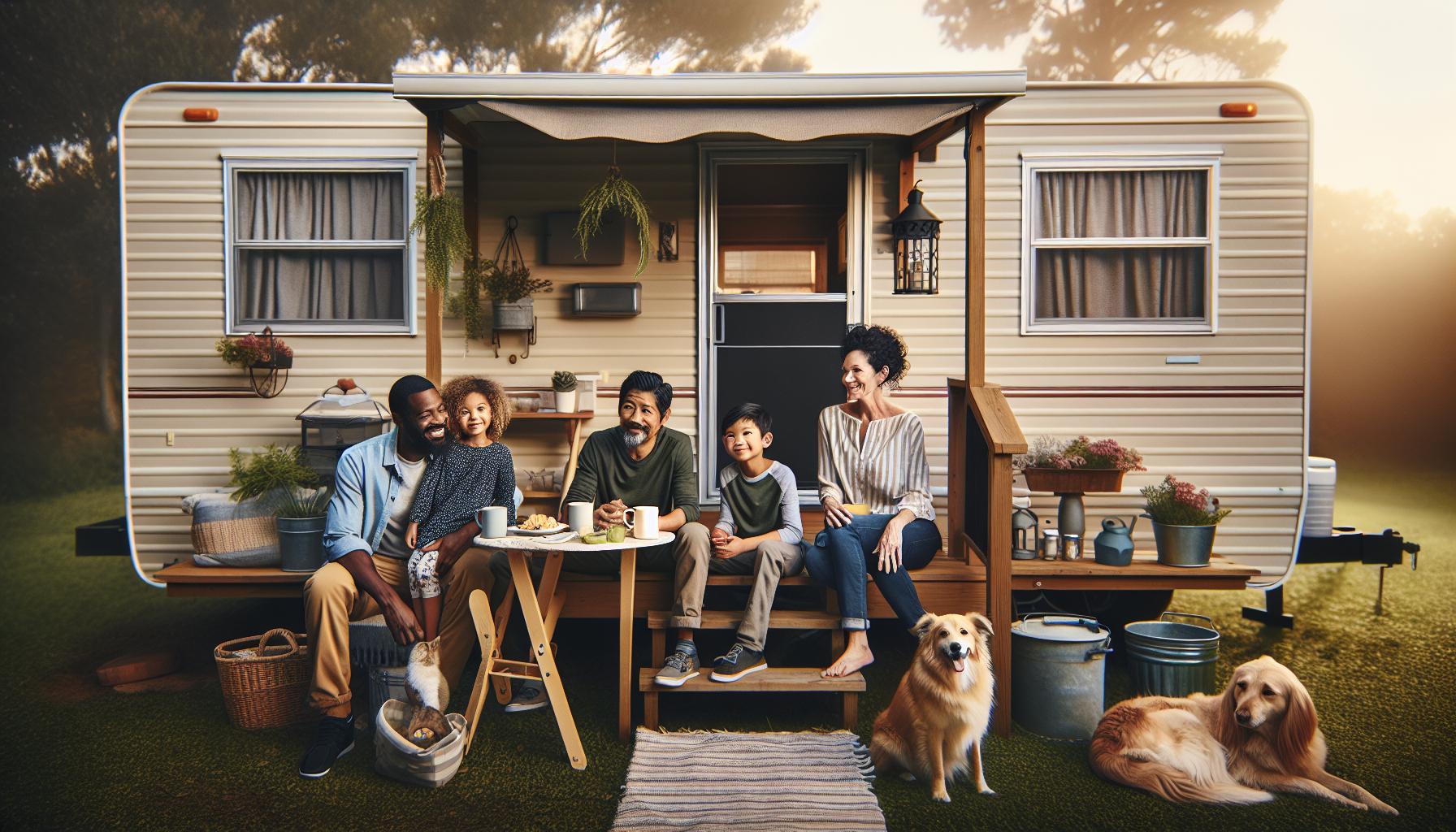
Living in a single wide trailer can offer a unique blend of affordability, flexibility, and convenience. For many, these homes provide an opportunity to own property without the financial burdens often associated with traditional stick-built houses. With typical dimensions that range from 600 to 1,300 square feet, single wide trailers are designed to maximize space efficiently, making them suitable for individuals, couples, or small families looking for a cozy yet functional living environment.
One of the key benefits of a single wide trailer is the lower overall cost, not just in terms of purchasing but also in utilities and maintenance. The compact design generally means reduced energy bills, making it easier to manage monthly expenses. Additionally, many single wide trailers come with customizable options that allow homeowners to select layouts and features that best suit their lifestyle. This adaptability makes it easier to create a home environment that feels personal and inviting, whether that means a spacious kitchen for entertaining or creating a cozy reading nook.
Moreover, the mobility aspect of a trailer home cannot be overlooked. For individuals who value travel or might relocate for work, single wide trailers offer a level of flexibility that traditional homes do not. Many parks and communities cater specifically to mobile homes, providing supportive environments that encourage a sense of community among residents. Safety regulations are also often in place, assuring that these trailers meet necessary building codes and standards.
Lastly, living in a single wide trailer encourages simplicity and minimalism, which can be refreshing in today’s consumer-driven society. By focusing on essential belongings and prioritizing space, residents can cultivate a lifestyle that values experiences and quality over material possessions. This focus on practical living often leads to less stress and a greater appreciation for the space they have. Overall, the extend far beyond mere square footage, offering a smart solution for those seeking quality living without compromise.
Making the Most of Limited Space in a Trailer

requires creativity and strategic planning. With an average square footage of 600 to 1,300 square feet, every inch counts, and maximizing functionality is key. One effective approach is to choose multi-purpose furniture, such as a sofa bed or ottomans with storage. These pieces not only fulfill multiple functions but also help to reduce clutter, which can quickly overwhelm smaller spaces.
Another important technique is to utilize vertical space. Installing shelving units high on the walls can free up valuable floor space, allowing you to display decorative items and store books or other necessities without encroaching on your living area. Consider open shelving in the kitchen for easy access to pots and pans, or install hooks for hanging mugs and utensils, which can give a more spacious feel while keeping things organized.
In addition, you can create the illusion of more space through color and light. Opt for lighter paint colors on walls and furniture, which can make rooms feel airy and open. Mirrors strategically placed can also enhance natural light and help the area appear larger. For example, a large mirror in the living room can reflect light from windows, brightening the space while adding an aesthetic appeal.
Lastly, decluttering is essential in a small living area. Regularly review your belongings and consider seasonal storage solutions. Use under-bed storage boxes for off-season clothes or holiday decorations, and take advantage of wall-mounted organizers to keep everyday items off surfaces. By implementing these strategies, you can transform your single wide trailer into a spacious, comfortable, and inviting home that aligns perfectly with your lifestyle.
Essential Features to Look for in a Single Wide Trailer

When exploring single wide trailers, knowing what essential features to look for can transform your living experience. These homes, typically ranging from 600 to 1,300 square feet, often require careful consideration to maximize space and comfort. The right features not only enhance livability but also provide a foundation for a cozy and efficient home.
Layout and Floor Plan
A well-thought-out layout is fundamental in single wide trailers. Look for designs that optimize flow and functionality. Open-concept layouts can make smaller spaces feel more expansive, facilitating easy movement between rooms. Additionally, consider the location of bedrooms relative to the living area for privacy, especially if you plan to entertain guests often.
Energy Efficiency
Incorporating energy-efficient features can significantly impact your utility bills and overall environmental footprint. Prioritize trailers with adequate insulation, energy-efficient windows, and quality heating and cooling systems. These elements not only keep the home comfortable year-round but also save money in the long run.
Storage Solutions
Maximizing storage is crucial in any small living space. Look for trailers that include built-in storage options such as cabinets, drawers, and overhead compartments. Additionally, features such as under-bed storage and attic spaces can provide valuable extra room for seasonal items or less frequently used belongings.
Quality Construction and Materials
The durability and quality of construction materials play a vital role in the long-term satisfaction of your mobile home. Investigate the type of materials used in flooring, countertops, and cabinetry. Strong, moisture-resistant materials are essential for maintaining the trailer’s integrity over time and preventing costly repairs. Checking the warranties offered on appliances and structural components can also provide peace of mind.
By carefully considering these essential features, you can ensure that your single wide trailer meets your needs for comfort, efficiency, and durability. Whether you’re looking for a permanent residence or a vacation getaway, taking the time to assess these elements will lead to a more satisfying living experience.
How to Measure the Space in Your Trailer Accurately
Accurate measurements are essential when it comes to understanding the space within your single wide trailer. Particularly if you’re considering renovations or simply trying to maximize the use of your existing space, knowing the precise dimensions can make all the difference. Did you know that the average single wide trailer ranges from 600 to 1,300 square feet? This makes it crucial to effectively measure your living area to envision your layout and utilize your space most efficiently.
Start by gathering necessary tools: a reliable tape measure, a notebook, and a pencil. Depending on the layout, you may want an additional set of hands to help hold the tape measure in place. To begin measuring, take note of the overall length and width of your trailer. Measure from one wall to another at several points to ensure consistency, especially in trailers that may have slightly irregular shapes. Calculate the total square footage with the formula: Length x Width = Total Square Feet. For instance, if your single wide trailer is 60 feet long and 12 feet wide, the total square footage would be 720 square feet.
Measuring Individual Rooms
For a more detailed understanding, measure each room individually-living areas, bedrooms, bathrooms, and kitchens. This will allow you to identify where to improve functionality. Record these dimensions in your notebook for a comprehensive overview. If your layout features alcoves or nooks, ensure to include these in your measurements as well.
Accounting for Features and Fixtures
When measuring, remember to account for built-in features, such as cabinets and appliances, which can occupy significant space. Use a smaller measuring tape to measure around these areas to keep track of usability within each room. For example, if you plan to add furniture, measure doorways and access paths to ensure smooth movement and adequate spacing.
Creating a Floor Plan
Once you’ve completed your measurements, consider sketching a simple floor plan. This visual representation will make it easier to plan any renovations, rearrangements, or furniture placements. You might find digital tools or apps helpful in creating a more precise layout.
By taking the time to accurately measure and understand your trailer’s space, you’ll position yourself to make informed decisions that enhance your living environment. Whether you’re arranging furniture or planning for future improvements, precise measurements will guide you in creating a comfortable and functional home.
Renovation Ideas to Maximize Trailer Space
Making the most of limited space in a single wide trailer can be both an exciting and rewarding challenge. With clever renovations, you can transform your living environment into a more spacious and functional home, regardless of its modest square footage. One effective strategy is to prioritize multifunctional furniture. Consider incorporating a sofa bed in the living area, which serves as both seating during the day and a cozy sleeping space at night. Likewise, a coffee table with built-in storage can help declutter while maintaining a sleek appearance.
Utilizing Vertical Space
Don’t forget about the often-overlooked vertical space within your trailer. Installing shelves and wall-mounted storage can free up valuable floor space while also providing a platform for personal decor and essential items. Vertical storage units near doorways can hold shoes or outdoor gear, making them both practical and visually appealing. Even in tight kitchens, consider hanging pot racks or magnetic strips for knives to keep counters clear and organized.
Open-Concept Designs
Creating an open-concept design can significantly enhance the feeling of spaciousness in your trailer. Taking down non-load-bearing walls (with professional help) can connect the living area, dining area, and kitchen for a fluid, airy ambiance. If removing walls isn’t feasible, think about using furniture arrangements that allow for seamless movement between spaces, like a bar cart that doubles as a divider.
Smart Lighting Solutions
Finally, lighting plays a critical role in how spacious your trailer feels. Bright overhead fixtures combined with ambient lighting, such as strategically placed lamps or LED strip lights, can create a warm and inviting atmosphere. Use mirrors to reflect light and make rooms appear larger, while also serving as a stylish decor piece.
Incorporating these renovation ideas will help you make the most of your single wide trailer, turning it into a personal haven that maximizes every square foot. Simple changes can enhance not just aesthetics but also functionality, providing that comforting sense of home you’ve always wanted.
Financing Options for Buying a Single Wide Trailer
Financing a single wide trailer can feel daunting, especially if you’re new to the world of mobile home ownership. However, understanding your options can simplify the process and help you secure the right funding for your dream space. Mobilers often find that financing options for single wide trailers are both accessible and varied, catering to diverse needs and credit situations.
One of the primary avenues for financing is through lenders who specialize in mobile home loans. These lenders generally provide several types of loans, including government-backed programs like FHA loans, which offer more favorable terms for those with lower credit scores or limited down payments. When applying for such loans, it’s important to ensure that the trailer is classified as real estate, meaning it is either located on owned land or has been permanently affixed to a foundation. This classification opens doors to traditional mortgage options, allowing for longer repayment periods and potentially lower interest rates.
Considerations for Financing
When exploring financing options, consider factors such as:
- Loan type: Determine whether you need a chattel loan (for trailers on rented land) or a real estate loan.
- Down payment: Most lenders require a down payment for mobile home loans, typically ranging from 5% to 20%.
- Interest rates: Rates can vary significantly, so compare offers from multiple lenders to find the best deal.
- Loan term: Understand the length of time you’ll be paying back the loan, as this affects your monthly payment and total interest paid.
Alternative Financing Options
If traditional financing doesn’t align with your needs, consider alternative options such as personal loans, which can be used for purchasing a mobile home without being tied to land ownership, though they often come with higher interest rates. Other people have found success through peer-to-peer lending platforms that match borrowers directly with private lenders.
Additionally, be prepared for the practicalities of obtaining financing. This includes gathering necessary documents, such as proof of income, credit reports, and details about the mobile home itself. Working with a trusted mortgage broker who has experience in mobile home financing can also prove invaluable, guiding you through the intricacies of the application process and helping you find a loan that fits your financial situation and goals.
By understanding the various financing options available and preparing accordingly, you can take confident steps toward becoming a proud single wide trailer owner, transforming a house on wheels into a cozy, personalized living space.
Legal Considerations for Trailer Home Ownership
Navigating the legal landscape of trailer home ownership is essential for ensuring your investment is sound and your living situation is secure. Understanding the laws and regulations that apply to mobile homes can save you from potential disputes and financial hardship later on. One of the first steps is recognizing the difference between owning the trailer as personal property versus real estate. To qualify for many financial products, your single-wide trailer must be affixed to a permanent foundation and classified as real estate, which can significantly impact property taxes and insurance requirements.
When purchasing a single-wide trailer, it’s vital to review the title and registration documents carefully. Confirm that the title is clear of any liens or encumbrances that could affect your ownership rights. Additionally, familiarize yourself with local zoning laws that dictate where mobile homes can be placed. Some areas may have strict regulations regarding trailer parks versus private land, and understanding these rules can prevent legal issues down the line.
Lease Agreements and Park Rules
If you plan to place your trailer in a mobile home park, thoroughly review the lease agreement and understand the rules and regulations set forth by the park management. These may include restrictions on modifications, landscaping, and guest policies. Ensure that you know your rights as a tenant and the park’s policies regarding rent increases and maintenance responsibilities.
Insurance and Liability Considerations
Investing in comprehensive insurance coverage is also a critical legal consideration. Standard homeowner’s insurance may not cover all aspects of mobile home ownership, so seek policies tailored for trailer homes that offer protection against hazards like fire, theft, and severe weather. Understanding your liability in case of accidents or damage to communal areas of a trailer park is equally important, as this can influence your insurance choices.
By comprehensively understanding these legal aspects, you position yourself to enjoy the comforts of single-wide trailer living without unexpected legal hurdles. Whether you are a first-time owner or have experience with mobile homes, staying informed empowers you to make the best decisions for your living situation.
Maintenance Tips for Single Wide Trailer Homes
Maintaining your single-wide trailer is essential to ensuring both its longevity and your comfort. A well-maintained home can offer a cozy haven, regardless of its size. Regular housekeeping and minor repairs can go a long way in preserving the integrity and aesthetic appeal of your space. Here are some practical tips to help keep your trailer in top condition.
Start with the exterior. Regularly inspect the roof for any signs of wear or leaks. This is particularly important in areas prone to heavy rain or snow. Clear debris, such as leaves and branches, from the roof and gutters to prevent water buildup that could lead to serious issues. Moreover, check the foundation and skirting for cracks or damage and consider applying weatherproofing or caulking to ensure energy efficiency.
For the interior, prioritize regular cleaning and organization. Consider the following routine tasks:
- Check and replace air filters for better air quality and HVAC efficiency.
- Inspect plumbing fixtures for leaks and ensure proper drainage in sinks and showers.
- Test smoke detectors and carbon monoxide alarms periodically to ensure your safety.
- Keep an eye on the flooring for signs of wear and damages, particularly if your trailer has carpeting; clean stains and consider a deep clean periodically.
In addition to routine maintenance, embrace some simple renovation ideas that can improve both aesthetics and functionality. Light-colored paint can brighten small spaces, making them feel larger. Installing shelves or using multifunctional furniture can enhance storage without crowding your living area.
Finally, don’t overlook the importance of preventative care. Seasonal checks-such as examining insulation, sealing windows and doors, and maintaining appliances-can save you time and money in the long run. By staying proactive about maintenance and making small improvements, you can turn your single-wide trailer into a warm, inviting home for years to come.
Creating a Comfortable Living Environment in a Trailer
Creating a cozy and comfortable atmosphere in a single wide trailer can transform it into a welcoming sanctuary, despite its compact dimensions. With an average square footage ranging from 600 to 1,300 square feet, maximizing the space while infusing personal touches is crucial for an inviting environment. Utilizing smart design choices and clever storage solutions can make your trailer not only functional but also a delightful space to call home.
One effective strategy is to embrace natural light. Larger windows or strategically placed mirrors can create the illusion of more space. Consider using light, airy drapes or blinds that allow sunlight to filter through-this can brighten up interiors and make spaces feel more open. Incorporating soft, warm tones in your decor can enhance a sense of coziness. Whether you choose neutral shades or pastel colors, these palettes tend to make small areas feel more inviting.
Additionally, thoughtful furniture placement plays a vital role. Opt for multifunctional furniture, such as a sofa bed or an ottoman with hidden storage. This enhances usability while saving valuable square footage. A well-placed area rug can delineate spaces within the trailer, making it feel like distinct rooms rather than one long corridor. Decorate vertical spaces with shelves to take advantage of height; this can free up floor space while providing room for personal memorabilia or plants, which can bring life to your interiors.
Essential Comfort Elements
To further enhance comfort, ensure that temperature control measures are in place. Invest in quality insulation, especially if your trailer is situated in an area with extreme weather conditions. A programmable thermostat can efficiently regulate heating and cooling, contributing to a comfortable living environment year-round. Supplement your air conditioning with ceiling fans, which circulate air and add a touch of charm.
Lastly, privacy is integral in creating a safe haven. Choose curtains or room dividers that fit the aesthetic of your home while providing personal space. Establishing outdoor living areas with patio furniture and gardens can also extend your living space and create additional areas for relaxation, making the overall living experience in your single wide trailer fulfilling and enjoyable.
By incorporating these thoughtful elements, you transform a simple trailer into a cherished home-a place that reflects your personality and nurtures comfort, regardless of size.
Exploring Different Floor Plans for Single Wide Trailers
When it comes to single wide trailers, the diversity of floor plans can significantly influence how comfortable and functional your living space can be. Typically, these homes span anywhere from 600 to 1,300 square feet and feature various layouts that cater to different lifestyles and needs. Understanding the available floor plans allows homeowners to select an option that best suits their preferences, from efficient use of space to aesthetic appeal.
Many single wide trailers come with multiple configurations, such as open-concept designs or more traditional layouts with separated rooms. The choice often boils down to personal beliefs about communal living versus the need for privacy. For example, an open-concept floor plan promotes interaction and can make a small space feel larger, while a more segmented layout provides distinct areas for cooking, relaxing, and sleeping. Both types have their pros and cons, so consider how you like to live day-to-day when reviewing options.
Here are some typical floor plan types to consider when exploring single wide trailers:
- Two Bedroom Layout: This option often features a master bedroom at one end with an adjacent second bedroom, ideal for families or guests.
- One Bedroom with Office: Perfect for remote workers, this design includes a dedicated office space, allowing for work-life separation.
- All-In-One Living Space: For minimalists, this layout eliminates walls and combines the kitchen, living, and sleeping areas into an efficient, multifunctional spot.
- Dual Bath Designs: Some larger models provide two bathrooms, catering to families or shared living arrangements.
It’s also crucial to consider how windows and natural light are positioned within these floor plans, as this can dramatically enhance the overall ambiance. Ample windows can create a more open feel and add warmth to the interiors. Take time to visualize how your belongings will fit into different layouts and whether there’s adequate storage solutions to maintain a tidy living environment.
When reviewing floor plans, always look for the flow of the space and how you will move through areas daily. Visiting a dealer or checking out display models can help ensure that you choose a layout that works seamlessly for your lifestyle. Remember, the right floor plan not only enhances comfort but can also increase the home’s functionality, making every square foot count in your stylish single wide trailer.
In Conclusion
Understanding the dimensions of a single wide trailer home is just the beginning of your journey in alternative living. With typically 600 to 1,300 square feet of space, these homes offer a flexible and efficient lifestyle. If you’re considering the move, now’s the perfect time to explore other essential guides, like our articles on trailer home maintenance and smart financing options. Whether you’re curious about renovations or looking to enhance your living experience, we have valuable resources to help you make informed decisions.
Don’t hesitate to join our community by signing up for our newsletter, where you’ll receive tips and updates tailored to enhance your trailer living experience. Have questions or insights? We’d love to hear from you in the comments! Check out our other resources on modular housing and mobile home living for further insights. Your next step towards a fulfilling home life is just a click away. Explore now and embrace the possibilities of trailer home living!