In today’s digital age, reliable internet access is a necessity, even in a trailer home. Whether you’re an adventurous RVer or living in a mobile home, having a fast connection allows you to work remotely, stay connected with loved ones, and enjoy entertainment on the go. However, setting up internet in a trailer can seem daunting, especially with so many options available. Knowing how to navigate the different services can lead to a more comfortable and enjoyable living experience. This guide will walk you through the essential steps and considerations for establishing a fast and dependable internet connection in your trailer home, ensuring you stay connected wherever your travels take you. Read on to discover the best strategies tailored for your unique lifestyle!
Choosing the Right Internet Type for Your Trailer
When setting up internet in your trailer home, it’s vital to choose a type that suits your lifestyle and needs, especially if you plan to work remotely or stay connected while traveling. The landscape of mobile internet solutions has evolved significantly, offering various options tailored for trailer living. From satellite systems to portable Wi-Fi routers, understanding these choices can enhance your connectivity experience and ensure you remain online regardless of your location.
One popular choice is satellite internet, with services like Starlink gaining traction among full-time travelers. Starlink provides high-speed internet with global coverage, but the equipment can be an upfront investment, and monthly fees may be higher compared to traditional services.[1]
For casual internet use, such as browsing or streaming, plans like TravlFi Unlimited RV Internet present an attractive option. With speeds ranging from 15 to 50 Mbps, it supports everyday activities without breaking the bank, starting at just $19/month.[3] Each option comes with its own pros and cons, making it crucial to consider factors like where you’ll be traveling, how much data you’ll need, and what budget you’re working with. By assessing these needs, you can select the right internet type that complements your trailer lifestyle, keeping you connected to the world regardless of the road ahead.
Essential Equipment for Trailer Internet Setup
Setting up a fast, reliable internet connection in your trailer is essential for enjoying a seamless mobile lifestyle, whether you’re working remotely or simply streaming your favorite shows. The right equipment can significantly impact your connectivity experience, ensuring you can access the internet when and where you need it. Here’s a breakdown of the key components you’ll need for a successful trailer internet setup.
First and foremost, a solid internet connection type is crucial. Depending on your needs and budget, you might choose between satellite internet, a cellular hotspot, or Wi-Fi extenders. For satellite options like Starlink, you’ll need a satellite dish and a router capable of handling the service. If you opt for a mobile hotspot, ensure it supports 4G or 5G connectivity for faster speeds. Additionally, a quality router is vital; look for one that offers strong coverage and multiple connection options to support all your devices efficiently.
To create a reliable network in your trailer, consider investing in signal boosters and Wi-Fi extenders. These devices amplify weak signals, especially in remote areas where traditional coverage may falter. A good signal booster can help you maintain a connection even in hard-to-reach spots-ideal for campsite locations or rural areas. Moreover, incorporating network cables can provide a more stable connection for devices that require consistent bandwidth, like streaming devices or computers.
Additional Accessories
Alongside your primary equipment, some supplementary tools can enhance your mobile internet experience:
- Portable Battery Packs: Keep your devices charged on longer trips.
- VPN Services: Protect your data and privacy while online, especially on public Wi-Fi.
- Antennas: Directional antennas can help capture distant signals, boosting your connection significantly.
By carefully selecting the right equipment tailored to your specific needs, you can set up a reliable internet system that keeps you connected, making your trailer living experience enjoyable and stress-free. With the proper setup, you won’t miss out on modern connectivity, no matter where the road takes you.
Step-by-Step Guide: Connecting Internet in Your Trailer
Setting up internet in your trailer can dramatically enhance your mobile lifestyle, providing the connectivity needed for both work and leisure. By following a simple series of steps, you can ensure a reliable setup that suits your needs, whether you’re parked in a campground or tucked away in a beautiful remote location.
Begin by selecting the internet connection type that best fits your requirements. If you’re looking for high-speed access everywhere you go, consider a cellular hotspot or a satellite internet option like Starlink. For simpler setups, tethering your smartphone to your devices might suffice, but ensure that your mobile plan supports this. After deciding on the type of internet service, gather the essential equipment, which typically includes a router, a modem (if necessary), and any additional boosters or extenders.
Next, connect your modem to the power supply and link it to the router using an Ethernet cable. If you are using a satellite dish, follow the manufacturer’s installation instructions to secure it in an ideal location with a clear line of sight to the sky. Once you have your router powered on, connect your devices through Wi-Fi or Ethernet cables, ensuring that you configure your network settings for optimal performance. Don’t forget to secure your Wi-Fi network with a strong password to prevent unauthorized access.
To further improve your internet connection, consider integrating signal boosters or Wi-Fi extenders. These devices help enhance your signal strength, especially in areas with weak coverage. Position them strategically around your trailer to maximize their effectiveness, and use apps or tools to test signal strength in different locations. Regularly check your connection’s performance and make adjustments as needed, ensuring you maintain a fast and reliable internet experience no matter where the journey takes you.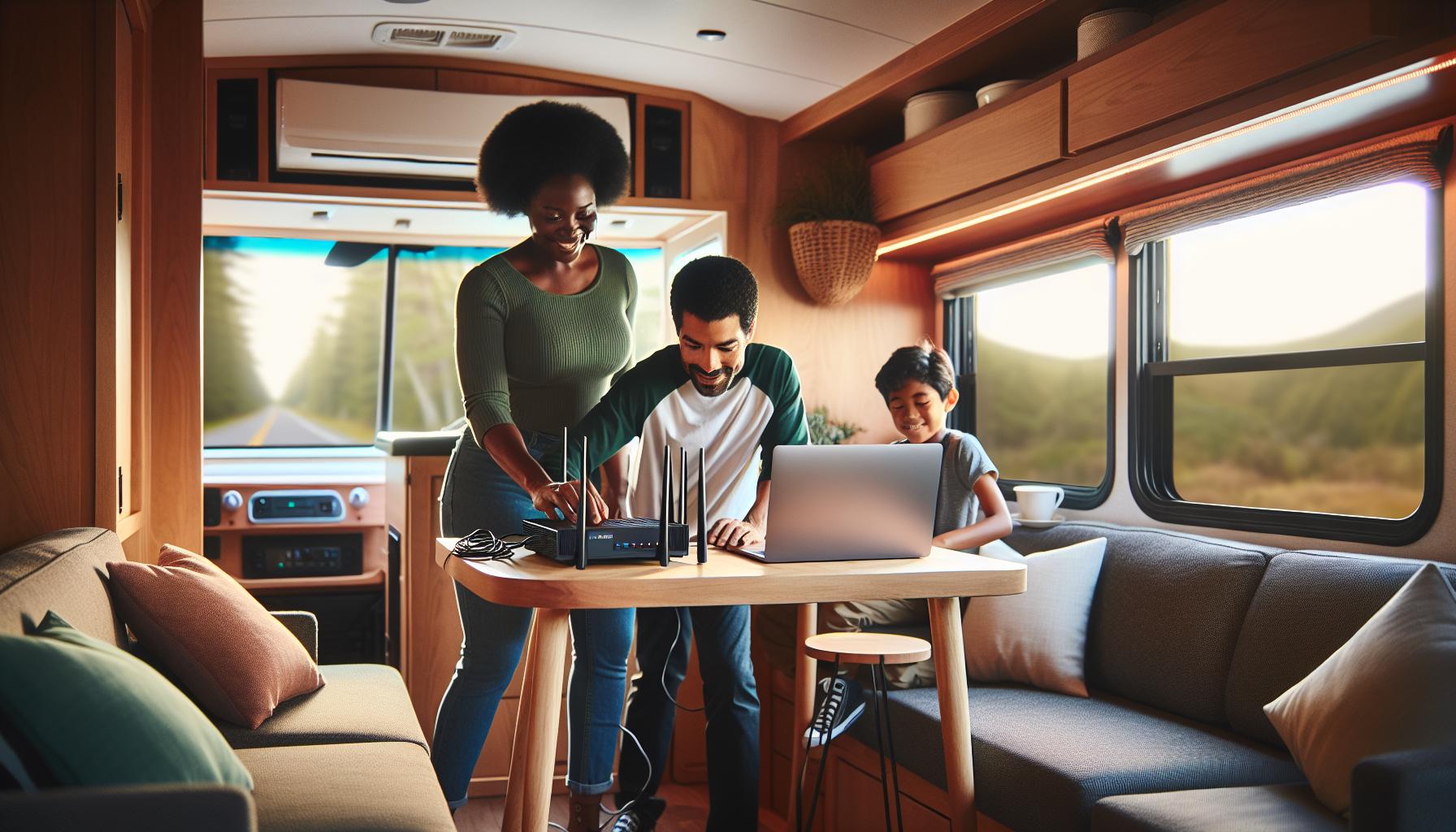
Maximizing Wi-Fi Signal Strength in Limited Space
To enjoy seamless internet access in your trailer, it’s crucial to maximize the limited space available for Wi-Fi reception. The spatial constraints of a trailer can be challenging; however, there are several methods to enhance your signal strength effectively, ensuring that you stay connected even in remote locations.
First and foremost, strategic placement of your router can make a significant difference. Ideally, position the router as high as possible, away from walls and obstructions. Consider placing it near a window to facilitate signal transmission. If possible, use a Wi-Fi range extender or a repeater, which can boost weak signals and extend your coverage area. It is important to place these devices in locations where they can still receive a good signal from the router while being positioned to distribute that signal effectively throughout your trailer.
Another practical approach is to create a Wi-Fi-friendly environment. This can involve minimizing interference caused by other electronic devices like microwaves or cordless phones. Additionally, utilizing a high-gain directional antenna can significantly improve your reception. This type of antenna focuses the signal in a specific direction rather than broadcasting it uniformly, which can help if you know where the Wi-Fi signal originates from.
Lastly, regularly checking your internet speeds with apps or network testing tools can help you understand where improvements are needed. If you find specific areas in your trailer with weaker signals, consider iterating on your setup; moving your router or extenders slightly can have a big impact on your overall connectivity. By investing some thought and time into your setup, you can create a reliable internet connection that enriches your mobile living experience.
Troubleshooting Common Internet Connection Issues
Maintaining a reliable internet connection in your trailer can sometimes feel like a high-stakes game of cat and mouse, especially when you’re on the road or parked in a remote area. Understanding and troubleshooting common connection issues is essential for keeping your online experience seamless, whether you’re working remotely, streaming movies, or simply staying in touch with loved ones.
Identifying the Problem
When you encounter internet connectivity issues, the first step is to identify the problem. Start by checking if the issue lies with your service provider, the router, or the devices themselves. Here are a few quick troubleshooting steps to follow:
- Check Your Signal Strength: Use your device to assess Wi-Fi signal strength. If the signal is weak, your router could be poorly positioned.
- Restart Your Devices: Sometimes, simply rebooting your router and the connected devices can resolve transient issues.
- Run a Speed Test: Conduct an internet speed test to determine if you’re getting the connection speeds you’ve paid for. If the speed is significantly lower, it might be a network issue.
Common Solutions
Once you’ve identified the variables, it’s time to tackle the solutions. Here are the most common internet connection issues and how to resolve them:
- Weak Wi-Fi Signal: If your connection is spotty, reposition your router higher, near windows, or use a Wi-Fi extender to enhance coverage.
- Router Configuration: Ensure your router is configured correctly. Check settings, such as network name and password, and make sure there are no restrictions preventing devices from connecting.
- Interference from Other Devices: Minimize interference by relocating the router away from microwaves, Bluetooth devices, and other electronics.
If issues persist after trying these fixes, consider checking with your internet service provider to see if they’re experiencing outages or require maintenance in your area.
By staying proactive about troubleshooting, you can quickly resolve many common internet issues and ensure that your trailer home remains a comfortable and connected haven, no matter where your adventures take you. Remember that patience and a systematic approach can lead you to solutions, transforming frustrating moments into learning experiences on your journey.
Upgrading Your Connection: When to Consider Alternatives
In a world where connectivity is essential, knowing when to upgrade your internet connection can significantly enhance your trailer living experience. Whether you’re working remotely, streaming content, or managing smart devices, there comes a time when your current setup may not meet your demands. This could be due to slow speeds, unreliable connections, or a lack of coverage in remote areas. Recognizing these moments can save you frustration and enable you to enjoy all the benefits of mobile living.
Consider upgrading if you frequently experience buffering during video calls or find that your internet slows significantly during peak hours. These symptoms often indicate that your current plan or hardware is inadequate. For instance, if you’re relying on the shared Wi-Fi of an RV park, it might be worth investing in a dedicated mobile hotspot or a router with a solid data plan. This would provide a much more reliable and faster connection, especially when you’re in a location where public Wi-Fi is slow and unsecure, as is common in many trailer parks[[[2]](https://www.quora.com/How-do-I-get-a-high-speed-internet-connection-in-a-trailer).
Additionally, consider alternatives like satellite internet or 4G LTE to access high-speed connections even in more remote locations. These options can often offer better performance than traditional broadband and are especially beneficial if you travel across areas with spotty availability. The upfront cost might be higher, but the investment can pay off by ensuring you stay connected when it matters most.
If you’re unsure about the right alternatives for your trailer, remember to assess your specific needs first. Prioritize what you’ll use internet for-be it streaming, gaming, or professional work-to choose the most suitable service. Upgrading your connection not only means faster internet but also elevates your overall trailer living experience by providing the reliability you need to stay connected in today’s digital landscape.
Exploring Mobile Hotspots for Trailer Homes
In the world of mobile living, mobile hotspots have emerged as an essential tool for staying connected. These portable devices allow you to access the internet from virtually anywhere, making them an invaluable asset for trailer living. A mobile hotspot acts like a mini Wi-Fi router, converting cellular data from your phone or a dedicated device into a wireless signal that you can connect multiple devices to, including laptops, tablets, and smart devices. This flexibility enables you to work remotely, stream videos, or browse the web even in the most remote locations.
Choosing the Right Mobile Hotspot
When exploring mobile hotspots for your trailer, it’s crucial to consider several factors to find the right fit for your needs. Start by assessing your data usage; if you plan to stream videos or participate in online meetings regularly, consider opting for a plan that offers unlimited data or high-speed options. Many providers offer specific plans for mobile workers or RVers, ensuring that you’ll have the bandwidth required for your activities. For example, options like T-Mobile, Verizon, and AT&T provide various plans based on data needs, coverage areas, and contract flexibility, allowing you to select one that fits your budget and usage.
Also, think about the device’s compatibility with different networks. Some mobile hotspots are designed to connect with multiple cellular service providers, enhancing your coverage area. This feature is particularly helpful if you frequently travel across regions with varying network availability. Devices like the Netgear Nighthawk M1 or the Inseego MiFi 8000 are popular choices among mobile users for their speed, battery life, and ability to connect multiple devices simultaneously.
Setting Up Your Mobile Hotspot
Once you’ve chosen a mobile hotspot, setting it up is usually straightforward. Here’s a quick guide:
- Charge the Device: Make sure your mobile hotspot is fully charged before your trip.
- Insert the SIM Card: If it’s a dedicated mobile hotspot, insert the SIM card provided by your carrier.
- Power On: Turn on the device and wait for it to connect to the cellular network.
- Connect Your Devices: Use the settings on your devices to find the Wi-Fi network created by the hotspot, enter the password (usually found on the device itself), and connect.
With this setup, you’ll enjoy the convenience of internet access no matter where your travels take you.
Tips for Maximizing Connectivity
To ensure you get the most out of your mobile hotspot experience, consider these tips:
- Monitor Your Data Usage: Keep track of your consumption to avoid overage charges, especially if your plan has limits.
- Find Optimal Locations: Position your mobile hotspot near windows or elevated areas to enhance signal strength.
- Limit Connected Devices: The more devices connected, the slower the speed, so limit the number of simultaneous connections.
Mobile hotspots can transform your trailer living experience by providing you with reliable internet that travels with you, making both work and leisure much more manageable. Just remember to choose wisely and set up correctly to maximize your connectivity while on the road.
Optimizing Data Plans for Full-Time Trailer Living
Finding the right data plan when living in a trailer is crucial to ensuring seamless connectivity during your travels. Many mobile living enthusiasts underestimate their internet needs, which can lead to frustrations like unexpected overages or slow speeds right when you need them most. By strategically optimizing your data plan, you can enjoy reliable internet access that supports both leisure and work demands while on the road.
When selecting a data plan, start by evaluating your usual internet habits. If you primarily use the internet for browsing and occasional streaming, a mid-tier plan might suffice. However, if you rely on video calls for work, stream movies regularly, or have multiple devices connected simultaneously, consider plans that offer unlimited data or high-speed options. Major carriers like T-Mobile, Verizon, and AT&T provide tailored plans for mobile workers, which can help ensure you have the necessary bandwidth wherever your travels take you.
Another important consideration is the coverage area provided by your chosen service. Some plans work better in rural regions, while others excel in urban settings. Research coverage maps for your most frequented travel areas. Many users find that combining two different carriers or using a mobile hotspot for backup can improve their connectivity. Additionally, consider using specialized services like Google Fi or nomadic internet solutions that offer competitive pricing and flexible data options geared towards mobile living.
Tips for Choosing the Right Data Plan
- Assess Your Data Needs: Analyze your usage patterns to determine if you need low, medium, or unlimited data.
- Compare Carrier Options: Look at different carriers’ offerings, paying attention to the coverage and pricing within your travel regions.
- Utilize Promotional Deals: Many providers run special promotions, which can provide significant savings on your monthly bill or enhanced data features.
Optimizing your data plan while living in a trailer is not just about selecting the cheapest option but finding one that aligns with your lifestyle and travel habits. With some research and planning, you can maintain uninterrupted internet access and enjoy your mobile living adventure to the fullest.
Safety and Security: Protecting Your Internet Connection
In an era where connectivity is paramount, staying safe online while living in a trailer can pose unique challenges. Whether you’re working remotely, streaming your favorite shows, or simply checking emails, protecting your internet connection is crucial to safeguarding your personal information. One effective way to enhance your internet security is by using a Virtual Private Network (VPN). A VPN encrypts your online activities, making it significantly harder for hackers and unauthorized users to intercept your data, especially when connected to public Wi-Fi networks at campsites or RV parks.
Additionally, you should ensure that your router’s firmware is updated regularly. Manufacturers frequently release updates that patch security vulnerabilities, making it crucial to stay ahead of potential threats. Utilize strong passwords for both your Wi-Fi network and any accounts you access online. A good practice is to use a combination of upper and lower case letters, numbers, and special characters. Changing your default Wi-Fi name (SSID) can also aid in obscuring your network from potential intruders, which is especially important in areas with high traffic.
Moreover, consider setting up a dedicated firewall in your trailer. This hardware or software solution adds an extra layer of protection by monitoring incoming and outgoing traffic and blocking malicious activities. If you’re using a mobile hotspot, be cautious about what networks you connect to, and avoid accessing sensitive information on unsecured networks. Keeping your devices secure with up-to-date antivirus software can further protect you while navigating the digital landscape on the road.
In summary, implementing these strategies not only preserves your personal data but also enhances your overall mobile living experience. By prioritizing internet safety, you can fully enjoy the freedom of trailer life while ensuring your online explorations remain secure and enjoyable.
Maintaining Your Internet Setup for Long-Term Use
Having a reliable internet connection in your trailer is essential not only for work and entertainment but also for staying in touch with friends and family on the road. Maintaining this setup for long-term use involves consistent upkeep and strategic planning. Regularly assessing your equipment, environment, and internet service options ensures that you stay connected, efficient, and safe, ultimately enhancing your mobile living experience.
Routine Maintenance Checks
To keep your internet setup functioning optimally, conduct routine checks on your equipment. This includes inspecting your router, cables, and any external antennas for wear and tear. Over time, environmental factors such as humidity and temperature fluctuations can affect your devices. Clear any dust or debris and ensure that connections are secure. Additionally, set periodic reminders to update your router’s firmware, which can improve performance and security.
Optimal Placement for Signal Quality
Where you position your router or hotspot can dramatically influence your internet speed and reliability. If you’re frequently moving your trailer, take note of good spots for signal reception at different locations. Ideally, place your router in a central location within your trailer, free from obstructions like metal objects or walls that can block signals. If you’re camping in one place for a while, consider using a Wi-Fi extender or booster to enhance reception, especially if you’re relying on campground Wi-Fi.
Adapt Your Internet Plan
As your internet usage needs change, it may be time to reassess your plan. Many mobile data providers offer flexible plans that can accommodate both low and high usage. If you find yourself streaming content or working more online, look for an unlimited data plan or consider a mobile hotspot that allows for additional data usage at a reasonable cost. Staying informed about your data usage can help avoid overage charges and ensure your internet service keeps pace with your lifestyle.
Documentation and Support
Lastly, maintaining your internet setup involves keeping documents related to your service and equipment organized. Documenting any technical issues and how you resolved them can be invaluable for future reference. Additionally, maintain a list of customer support contacts for your internet service and equipment manufacturers. This proactive approach ensures prompt assistance when challenges arise, minimizing downtime and maximizing your connected experience on the road.
By staying engaged with your internet setup and adapting to your needs, you enhance your overall trailer living experience, making it more enjoyable and hassle-free. A strong, reliable internet connection opens up countless possibilities, whether for work, leisure, or keeping in touch while exploring the great outdoors.
The Future of Internet in Mobile Living: Trends to Watch
In an era where connectivity is woven into our daily lives, the prospect of a robust internet experience while living mobile is evolving rapidly. As technology advances, there are compelling trends emerging that cater specifically to the needs of trailer homes and mobile living enthusiasts. From satellite technology becoming more accessible to 5G networks enhancing coverage, the future looks promising for those seeking reliable internet on the go.
One significant trend is the development of satellite internet services. Traditionally deemed expensive and slow, modern advancements have greatly improved satellite connectivity, making it a viable option for mobile dwellers. Companies are launching smaller satellites into low Earth orbit, drastically reducing latency and offering speeds that can rival traditional broadband. This technology is paving the way for consistent internet access in remote areas where terrestrial connections are unreliable or non-existent.
In addition to satellite, the rollout of 5G networks is revolutionizing mobile internet access. The ultra-fast data transfer speeds and low latency associated with 5G mean that streaming, gaming, and video conferencing are now much more feasible while on the road. Mobile providers are expanding their 5G coverage to rural areas, making it increasingly accessible for trailer living. As more providers adopt this technology, it opens up opportunities for mobile workers to perform their duties seamlessly from virtually anywhere.
Furthermore, the rise of mesh networking technology is worth noting. This innovative approach allows multiple routers or nodes to work together, extending the range and strength of the wireless signal throughout your trailer. By investing in a mesh system, you can enhance your internet reliability even in tight quarters or obstacles that would typically hinder performance. Such systems are particularly beneficial when parked in campgrounds or where external Wi-Fi signals need a boost.
As mobile living continues to gain popularity, we can also foresee an increase in customized data plans tailored specifically for trailer users. Internet service providers are beginning to recognize the unique demands of full-time RVers and mobile inhabitants. Expect to see more versatile plans that accommodate varying data consumption levels, prioritize customer service for mobile users, and simplify the process of activating and managing mobile internet.
With these advancements on the horizon, it’s clear that the landscape of internet access in mobile living is transforming. Staying informed about these trends will not only enhance your trailer living experience but also empower you to choose the best options that suit your lifestyle, keeping you connected no matter where the road leads.
Budgeting for Internet: Cost-Effective Solutions
While the dream of living freely in a trailer often includes adventure and exploration, budgeting for a reliable internet connection is essential. With various options available, it’s possible to secure a good internet connection without breaking the bank. Understanding the types of services available and their costs can empower you to choose what best fits your needs and lifestyle.
Start by evaluating your internet usage. Are you a casual user who mostly checks emails and browses social media, or do you require high-speed access for video streaming and remote work? Once you know your needs, consider these cost-effective solutions:
- Mobile Hotspots: Many cell phone providers offer mobile hotspot plans that allow you to use your phone’s data to connect other devices. This option is often flexible and budget-friendly, especially if you’re already paying for a mobile data plan.
- Prepaid Data Plans: If you prefer not to commit to a long-term contract, consider prepaid data plans. These allow you to pay upfront and only for what you need, making it easy to manage your expenses.
- Public Wi-Fi: Many campgrounds, parks, and even cafes provide free Wi-Fi. While this option can serve as an occasional backup, relying solely on public networks may compromise your security and consistency.
- Satellite Internet: Although traditionally more expensive, satellite services have become increasingly affordable with competitive pricing. This option is especially valuable for those located in remote areas where other services may not be available.
To maximize your budget while ensuring a reliable internet connection, combining several of these strategies can be effective. For instance, using a mobile hotspot as your primary connection and supplementing it with public Wi-Fi or a prepaid plan during high-use weeks can help you cover various needs without overspending.
It’s also helpful to periodically review your data plan to avoid overage charges and ensure you’re not paying for unnecessary services. Switch providers or plans as needed, and look out for promotions that can further cut costs. With a little planning and awareness of your internet habits, you can enjoy online connectivity while living in your trailer without financial strain.
Concluding Remarks
Now that you know how to set up a fast internet connection in your trailer home, it’s time to take the next step! Remember, a reliable internet connection enhances your mobile living experience, allowing you to work, stream, and connect effortlessly. Don’t let slow speeds hold you back-explore your options today! For more tips on maintaining your space, check out our guide on basic trailer maintenance and common renovation ideas to keep your home cozy.
Have questions or need further assistance? Feel free to drop a comment below! If you found this information helpful, consider signing up for our newsletter for more invaluable tips on trailer living. Additionally, discover our resources on financing and legal requirements for trailers, ensuring you’re well-prepared for the journey ahead. Your adventure in trailer living starts here!