As the temperature drops and winter approaches, ensuring your trailer home is properly winterized becomes essential to avoid costly freeze damage. Many owners underestimate the impact of frigid conditions on their mobile living spaces, but a few simple steps can make all the difference in protecting your investment. By winterizing your trailer, you can prevent issues like frozen pipes, malfunctioning appliances, and structural damage. Not only does this preparation save you money in repairs, but it also ensures your home remains a warm, safe haven throughout the cold months. In this guide, we’ll explore practical tips and techniques to help you winterize effectively, so you can enjoy peace of mind and a comfortable environment no matter how harsh the winter gets. Let’s dive in!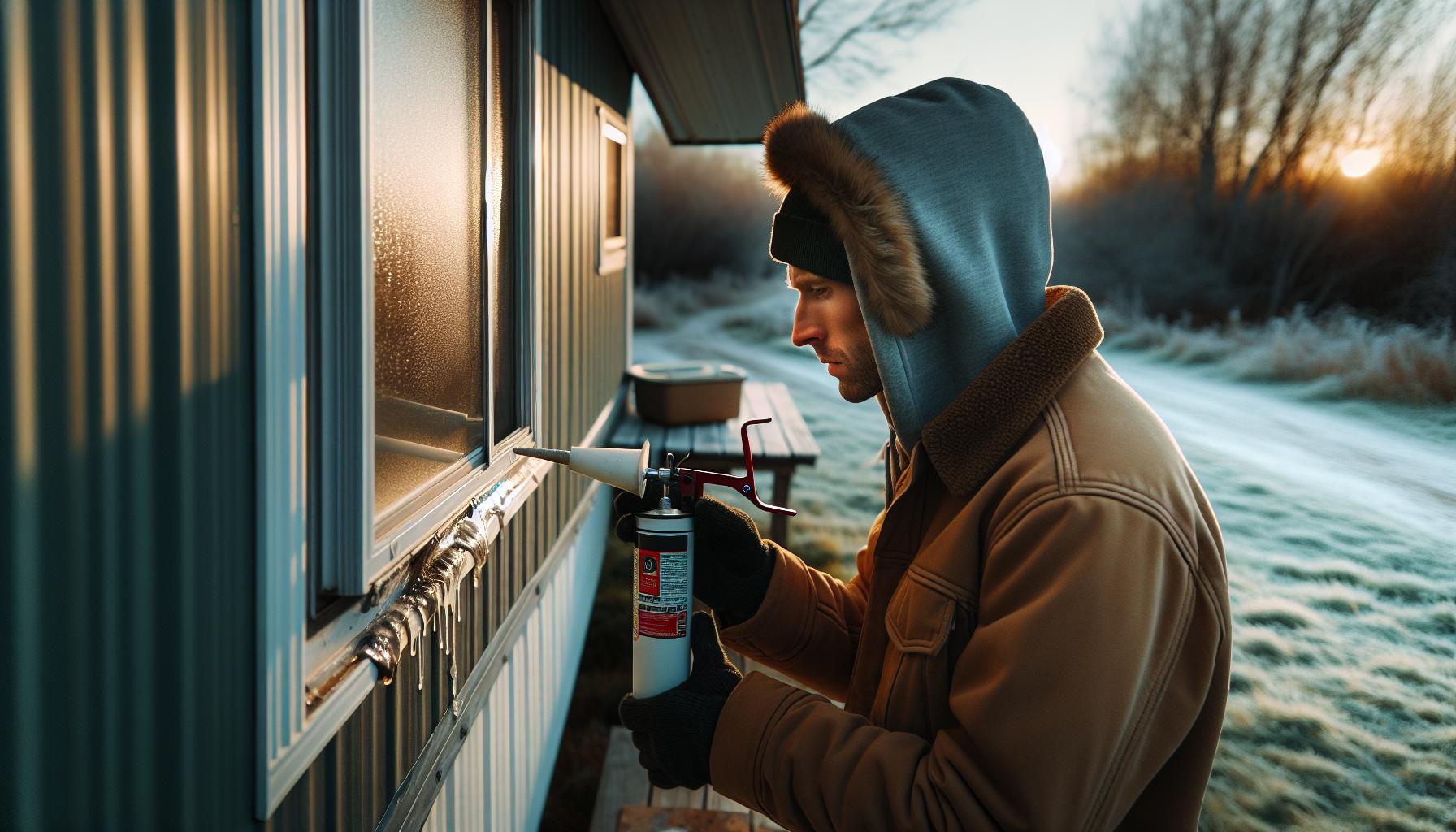
Understanding the Importance of Winterizing Your Trailer Home
As the winter months approach, the need to protect your trailer home from freezing temperatures becomes crucial. Failing to winterize your trailer can lead to significant damages, including burst pipes, mold growth, and weakened structural integrity, resulting in costly repairs. The process of winterization not only safeguards your investment but also ensures that when spring arrives, you’re ready to enjoy your trailer without facing a long list of repairs and maintenance issues.
One of the fundamental aspects of winterizing is understanding how cold weather affects different materials and systems within your trailer. For example, water left in pipes or the water system can freeze overnight, causing significant damage as it expands. This can lead to leaks that may not be apparent until you attempt to use your plumbing again in warmer months. Additionally, inadequate insulation can lead to rapid heat loss, making it uncomfortable and costly to heat your trailer throughout the winter. Taking the time to prepare your trailer for winter can save you both time and money in the long run.
Incorporating a few essential practices can enhance your winter preparedness. Start by checking for and sealing any gaps or drafts around windows and doors, which can significantly reduce heat loss. Additionally, consider covering or insulating exposed pipes to protect against freezing. Using space heaters or investing in a quality heating system will not only keep the interior warm but also protect the plumbing. By understanding the unique vulnerabilities of your trailer home and proactively addressing them, you ensure a safe, comfortable living space throughout the winter season.
Key Steps to Prepare Your Trailer for Winter
Preparing your trailer for winter is essential to preventing costly damage and ensuring a comfortable living space throughout the cold months. By taking a proactive approach, you can safeguard your investment and enjoy the peace of mind that comes with knowing your trailer is ready for the challenges of winter. Here are some key steps to effectively winterize your trailer, helping you avoid potential freeze damage.
Start by draining your water systems completely. This includes emptying the fresh water tank, water heater, and all pipes. Leftover water can freeze and cause pipes to burst, leading to extensive repair costs. After draining, consider adding non-toxic antifreeze to your plumbing system. It’s advisable to follow manufacturer instructions to ensure thorough protection.
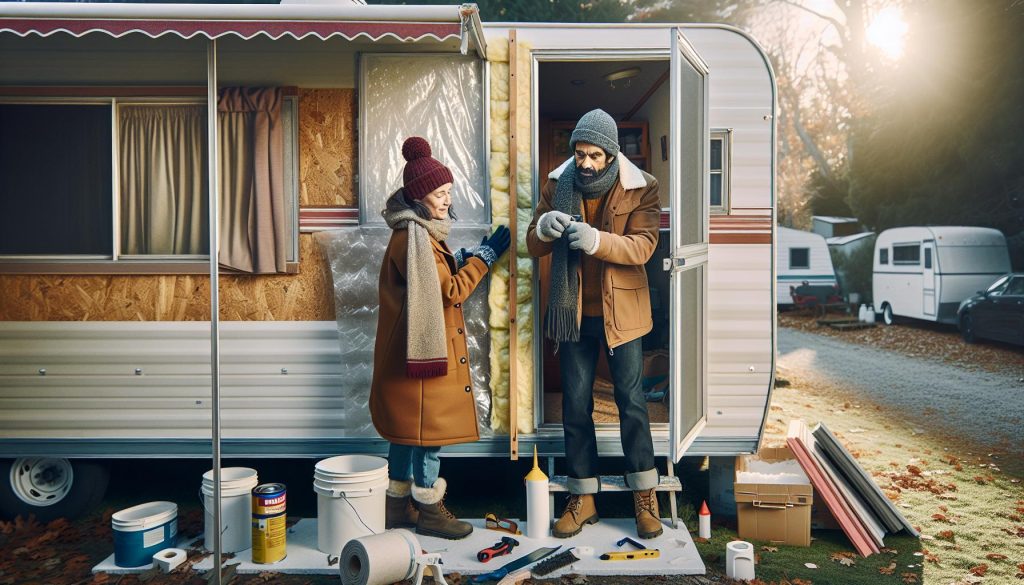
Next, focus on insulating your space. Check for drafts around windows and doors, and seal any gaps with weather stripping or caulking to prevent heat loss. Covering windows with thermal curtains can also help retain warmth. For added insulation, particular attention should be paid to exposed pipes, which may benefit from foam pipe insulation or heat tape.
Additionally, select an appropriate heating source. A high-quality space heater can keep your trailer warm during extreme weather. Moreover, ensure that your propane tanks are full and securely stored, as this will help you keep your heating systems operational throughout the winter. Always prioritize safety with fuel storage; keep tanks in well-ventilated areas away from flammable materials.
Finally, perform a thorough inspection of your trailer’s exterior, looking for vulnerable areas such as cracks or gaps in the siding. Address any damage promptly, as moisture can seep into these openings and freeze, leading to more significant issues later. Regular maintenance checks, even outside the winterization process, will extend the lifespan of your trailer and keep your living space cozy and secure during the cold months.
Insulating Your Trailer: Essential Tips and Tricks
Proper insulation is crucial for ensuring your trailer remains warm and comfortable during winter months, reducing heating costs and preventing damage from freezing temperatures. Oftentimes, trailers are more susceptible to the elements due to their construction and materials. Therefore, strategic insulation techniques can make a significant difference in maintaining a cozy interior.
Start with the basics by inspecting your trailer for drafts and gaps. These can be found around windows, doors, and joints in the walls. Weather stripping is an effective solution for sealing these drafts. Measure the size of each gap, then cut weather stripping to fit and apply it along the edges of windows and doors. Additionally, consider using caulking to fill in any larger cracks or crevices you might find. A thorough inspection followed by proper sealing can significantly reduce heat loss.
Another critical area for insulation is the floor and ceiling. Installing insulation board or using reflective insulation can provide an extra layer of protection against the cold. These materials can often be found at home improvement stores and are easy to cut and install. For the floor, consider adding insulating rugs or carpets that not only keep your feet warm but also act as thermal barriers. In the ceiling, if your trailer allows, adding a thermal blanket can drastically improve your temperature control.
Don’t forget about your pipes! Use foam pipe insulation or heat tape to protect exposed plumbing, particularly in unheated areas of your trailer. This preventative measure is essential, as even a short period of freezing can lead to burst pipes, causing extensive damage. Ensure that any access points to plumbing are also sealed and insulated.
Finally, invest in thermal curtains for your windows. These can help retain heat within the trailer by blocking cold air from seeping in and by reflecting heat back inside. During the day, keep curtains open to let in natural light and warmth from the sun, and close them at night to trap that heat. With these insulation strategies, you can create a warm and inviting space that stands strong against winter’s chill.
How to Protect Plumbing from Freezing
When winter hits, the risk of plumbing issues dramatically increases, especially in trailer homes where pipes may be more exposed to the cold. Protecting your plumbing from freezing is essential to prevent costly repairs due to burst pipes. A proactive approach to winterizing your plumbing will ensure that your home remains safe and cozy throughout the season.
Start by thoroughly insulating any exposed pipes, particularly those located in unheated areas like the underbelly of the trailer. Use foam pipe insulation or heat tape to wrap these vulnerable sections, which can prevent the pipes from reaching freezing temperatures. Be sure to check not just the pipes themselves but also the areas where they enter and exit walls and floors. Apply caulking or weather stripping around these points to prevent cold drafts from reaching the pipes.
Next, consider keeping a small trickle of water running through the faucets during extreme cold spells. This simple action can help keep the water moving within the pipes, reducing the chance of freezing. While it may seem wasteful, the cost of running a faucet is minimal compared to the potential cost of pipe repairs. Additionally, if you anticipate being away during the winter months, it’s wise to drain your plumbing system. Open all faucets, and flush toilets until they are empty, ensuring that water is cleared from the pipes.
It’s also important to maintain the heating in your trailer. Keeping the interior temperature above 55°F (around 13°C) can help protect plumbing. If necessary, use portable heaters in particularly cold areas, making sure to follow safety protocols and never leave heaters unattended. For trailers with a basement or crawl space, consider using a space heater to maintain a warmer environment around the plumbing, as these areas can get colder than the main living space.
By taking these precautions, you’ll create a protective barrier for your plumbing against the winter chill, ensuring your trailer home remains warm and functional without the fear of freeze damage.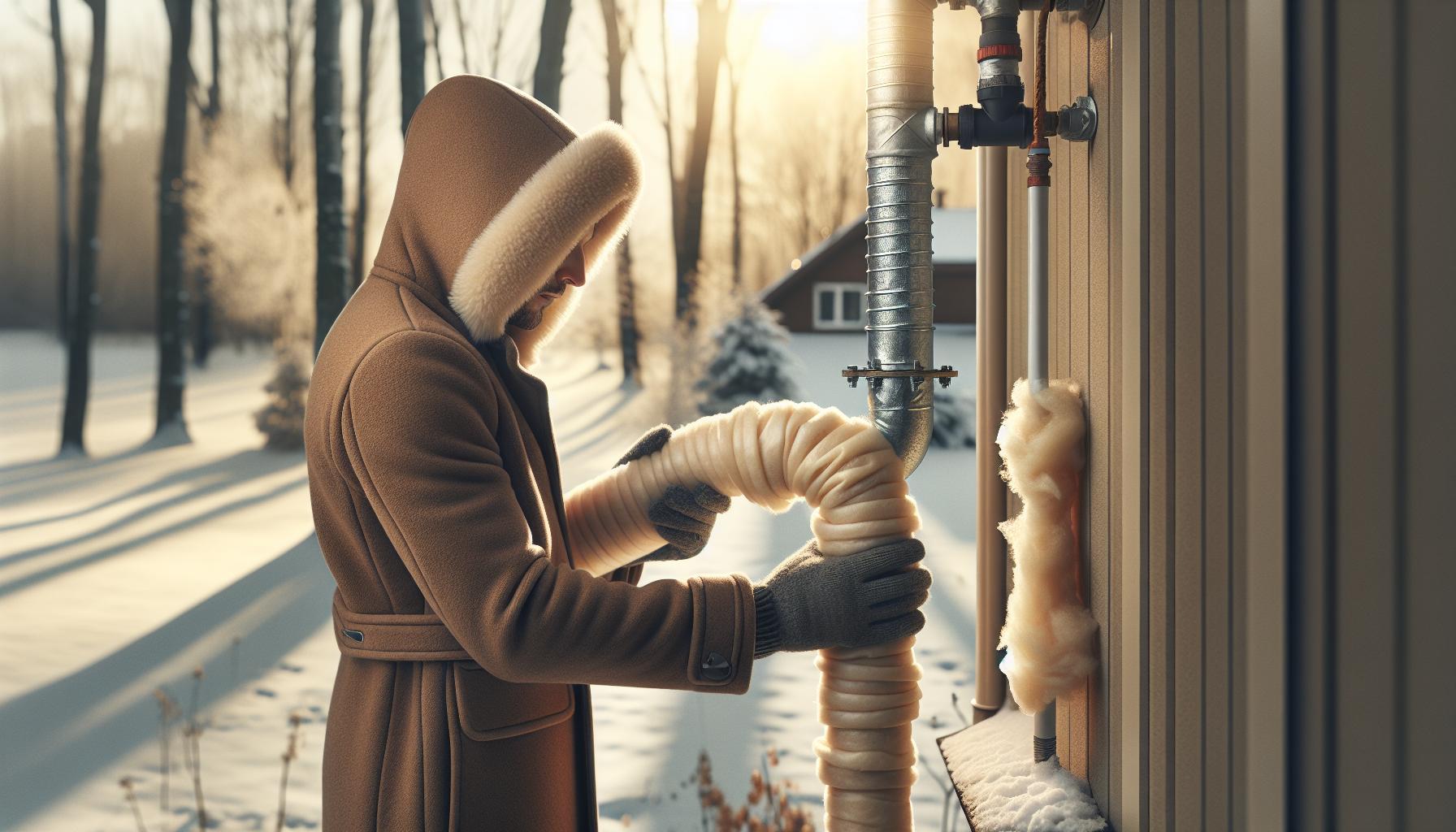
Choosing the Right Heater for Your Trailer Home
Choosing an appropriate heating solution for your trailer home is crucial for maintaining a safe and comfortable environment during the cold winter months. Considering that many trailer homes are more susceptible to temperature fluctuations than traditional homes, selecting the right heater can significantly protect against freezing pipes and other cold-weather issues.
When deciding on a heater, evaluate the size of your trailer and your specific heating needs. Electric space heaters are popular due to their ease of use, portability, and safety features. They are ideal for maintaining warmth in localized areas; however, be sure to check their wattage and ensure your electrical system can handle the load. Gas heaters, such as propane-powered options, are another great choice as they can provide substantial heat without significantly impacting your electric bills. They are particularly useful in trailers that are not connected to an electrical grid but require proper ventilation when in use.
It’s also wise to consider energy-efficient models that have thermal protection and automatic shut-off features to enhance safety. Regular maintenance of your chosen heating source is essential; clean the filters and inspect for any potential gas leaks if you opt for a gas heater. A detailed heater maintenance routine can not only extend the life of the appliance but also keep your trailer safe and warm throughout the winter.
In addition, consider utilizing a combination of heating methods. For example, you could use a central air heater in conjunction with portable space heaters to warm areas that might not receive adequate heat. This layered approach allows you to create a comfortable living space while minimizing energy costs. Whatever heating solution you decide on, ensuring that it aligns with your trailer’s specifications and your lifestyle will make wintering in your mobile home a cozy and worry-free experience.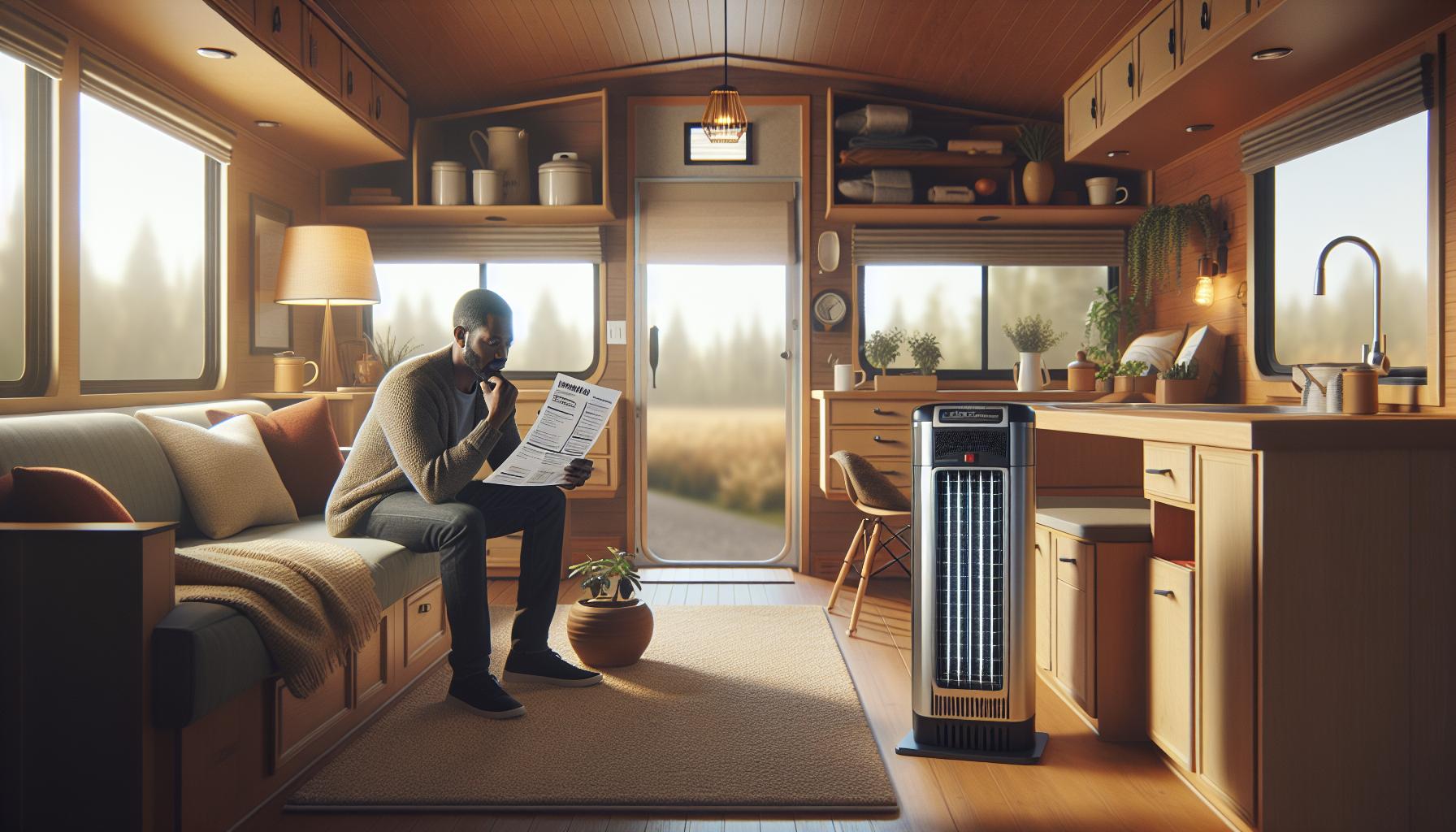
Covering Windows and Doors: Best Practices
One of the most effective ways to maintain warmth and reduce energy costs during the winter months in your trailer home is by properly covering windows and doors. Drafts can lead to significant heat loss, resulting in discomfort and elevated heating expenses. Implementing smart preventative measures can ensure that your living space remains cozy despite the elements outside.
To protect windows and doors from the harsh winter weather, consider utilizing insulative materials such as thermal curtains or window film. Thermal curtains, designed specifically to minimize heat transfer, can be a stylish yet practical choice. Installing them on all windows creates an additional layer that keeps cold air out and warm air in. Similarly, window film, which can be applied directly to the glass, provides an insulating barrier while still allowing natural light to filter through. This method is cost-effective and can help to significantly reduce heating bills. Remember to also check for drafts around doors; if you detect any, consider using weather stripping or door snakes to seal these gaps effectively.
For added protection against severe winter weather, you might want to implement a storm window solution. If permanent storm windows are not an option, inexpensive plastic sheeting can be used as a temporary barrier. Simply stretch the plastic across the window frame with double-sided tape and then heat it with a hairdryer to create a tight seal. This will help to reduce condensation inside, protecting your trailer’s interior surfaces from moisture damage and mold growth.
Finally, don’t overlook the importance of ensuring that doors fit snugly in their frames. Regularly inspect hinges and latches for any wear and tear, and tighten any loose screws. If doors have significant gaps, consider adjusting them, or using additional barriers like collapsible door panels designed for insulation. These practices not only add to the longevity of your doors but also ensure that your trailer remains a sanctuary against the winter chill. By taking these steps, you’ll create a warmer and more energy-efficient living space that can withstand the coldest months of the year.
Maintenance Checklist for Winterizing Your Trailer
When preparing your trailer for winter, a comprehensive maintenance checklist can be your best ally. This ensures you cover all essential tasks to protect your home from freezing temperatures and potential damage. A well-executed winterization process not only helps maintain a comfortable living environment but also contributes to long-term durability and reduces repair costs. Below is a detailed checklist to guide you through the winterizing process.
- Inspect and Seal Leaks: Check all windows and doors for leaks and drafts. Use weather stripping or caulking to seal any gaps, ensuring that your trailer retains heat efficiently.
- Drain and Insulate Plumbing: Flush your plumbing system to remove any residual water. Insulate pipes with foam sleeves or heat tape, especially in unheated areas, to prevent freezing.
- Check Roof and Gutters: Inspect your trailer’s roof for debris, cracks, or damaged shingles. Clean the gutters to ensure proper drainage and prevent ice dams that can lead to leaks.
- Winterize Appliances: Turn off and disconnect exterior appliances, including air conditioners and water hoses. Store them indoors where they are protected from the cold.
- Service Heating Systems: Check your propane or electric heater to ensure it functions correctly. Replace filters and consider scheduling a professional inspection if needed.
- Inspect Skirting: Ensure that the skirting around your trailer is secure and properly insulated. This protects against drafts and helps maintain internal temperatures.
- Stock Up on Supplies: Prepare for emergencies by stocking up on essential supplies, such as extra propane, non-perishable food, and warm clothing.
- Check Carbon Monoxide Detectors: Ensure all smoke and carbon monoxide detectors are functional. Replace batteries and test the units as necessary.
By methodically working through this checklist, you can reduce the risk of freeze damage and maintain a warm, inviting atmosphere in your trailer throughout the winter months. Each step taken in this process leads to a more comfortable living space, less worry about maintenance issues, and the peace of mind that comes from being well-prepared for winter’s chill.
How to Safely Store Fuel and Propane
When winter weather sets in, ensuring the safe storage of fuel and propane is crucial for your trailer home’s safety and performance. Improper storage can lead to dangerous situations, including leaks or explosions, especially in frigid temperatures. To maintain a safe environment, concrete steps are necessary to handle and store these essential energy sources.
Begin by selecting a well-ventilated area away from any sources of ignition or heat. Ideally, propane tanks should be stored outdoors in an upright position, protected from extreme cold and covered to prevent snow accumulation. If you must store them inside, a dedicated, ventilated shed is preferred. Always ensure that the valves on fuel tanks are tightly closed and secure. This minimizes the risk of leaks and keeps the contents intact.
For fuel storage, use appropriate containers that comply with safety standards. Avoid using old or repurposed containers that could compromise integrity. Clearly label all fuel containers with the type of fuel they hold and the date they were filled. Rotate your fuel supply periodically; this not only ensures you use fresh fuel but also prevents potential degradation.
An effective method to check for leaks in your propane tanks involves using a mixture of soap and water. Apply this solution around the valve area; if bubbles form, a leak is present. In case of a leak, immediately shut off the propane supply and contact your local gas company for guidance. Regular maintenance and inspections of fuel and propane systems can prevent much larger issues in the long run, ensuring that your trailer home remains a safe haven during the winter months.
By following these practices, you can securely store fuel and propane, allowing you to enjoy your trailer home without unnecessary worries during the winter.
Identifying and Fixing Vulnerable Areas
When preparing your trailer home for the harsh winter months, identifying and addressing vulnerable areas is crucial to prevent costly freeze damage. A well-insulated and secure trailer can withstand severe weather better than one left unchecked. Start by meticulously inspecting your trailer’s exterior and interior for any signs of wear or potential weaknesses. Pay close attention to seams, joints, windows, and doors where cold air might infiltrate.
Common Vulnerable Areas
Typically, the most susceptible areas are:
- Windows and Doors: Weather stripping can wear out over time. Ensure these seals are intact and replace any that show signs of damage.
- Roof Seams: Inspect the seams and check for cracks or gaps in the sealant. Applying a new coat of sealant can keep moisture out and prevent leaks.
- Underbelly and Skirting: Ensure that the underbelly of your trailer is well-insulated and that skirting is installed properly to protect plumbing from freezing.
- Pipes and Plumbing: Check for exposed plumbing that may be prone to freezing. Insulating these pipes is vital.
Fixing Vulnerable Areas
After identifying these spots, it’s important to act swiftly. Here are practical steps to fix these vulnerabilities:
- Seal Leaks: Use caulk or spray foam insulation to seal gaps around windows, doors, and roof seams. This can dramatically reduce drafts and water intrusion.
- Install Insulation: Consider adding additional insulation to walls, under the floors, and around the plumbing to further protect against extreme cold.
- Check for Cracks: Walk around the trailer and look for cracks in the siding or foundation. Treat these areas with appropriate sealers to enhance protection.
- Install Skirting: If you haven’t already, install skirting around your trailer, which can serve as a barrier against cold air and improve heating efficiency.
By proactively identifying and fixing these vulnerable areas, you can help ensure your trailer home remains cozy and safe throughout the winter. Taking these measures not only protects your investment but also provides peace of mind, allowing you to enjoy your home without the stress of potential damage.
Emergency Preparedness for Winter Weather
When winter strikes, being unprepared can lead to uncomfortable situations, especially for trailer home residents. Strong winds, heavy snowfall, and freezing temperatures can pose significant challenges that could compromise your safety and comfort. By taking proactive steps to prepare for winter storms, you can ensure that you and your trailer home are ready for whatever nature throws your way.
Start by assembling an emergency kit that includes essential items. A well-stocked kit should contain non-perishable food, bottled water, a flashlight, extra batteries, a first aid kit, blankets, and a portable phone charger. Having a battery-operated or solar-powered radio can keep you informed about weather updates and emergency announcements, offering peace of mind during a storm.
It’s also crucial to plan for heating emergencies. Ensure your heating system is in good working order and consider having a backup heat source, such as a propane heater, available. If you plan to use portable heaters or fireplaces, ensure proper ventilation to prevent carbon monoxide buildup. Finally, familiarize yourself with the nearest emergency shelters and resources in your locality-having this information readily available can save vital time during a crisis.
Additionally, staying informed about the weather forecast will allow you to anticipate storms before they hit. Use weather apps or local news channels to get timely updates. Before a storm arrives, take a moment to secure any loose outdoor items that could become projectiles in high winds and ensure your trailer is parked in a safe location, away from potential hazards like falling trees or flooding. By being prepared and informed, you can navigate winter weather with confidence, ensuring a warm and safe environment in your trailer home.
Common Mistakes to Avoid When Winterizing
Getting your trailer home ready for winter can be a daunting task, but avoiding common pitfalls can save you from costly damage and stress later on. One prevalent mistake is neglecting to check for and seal air leaks, which can lead to significant heat loss and might freeze pipes. Ensure that windows, doors, and any gaps in your skirting are properly insulated and sealed with weather stripping or caulk. This simple step can keep your home warmer and lower heating costs.
Another frequent oversight is failing to drain the plumbing system thoroughly. Many people assume that just letting a faucet run will prevent freezing, but it’s essential to blow out water lines and add antifreeze to traps and toilets for comprehensive protection. Ignoring these details can lead to burst pipes, resulting in not just a mess, but expensive repairs during the frosty months.
Also, many trailer home residents underestimate the importance of proper insulation. Using inadequate insulation materials or skipping insulation altogether can leave your trailer vulnerable in extreme cold. Consider investing in higher-rated insulation for skirting and underbelly areas, which can significantly enhance your home’s resistance to freezing temperatures.
Lastly, do not overlook the need for a thorough maintenance check before winter. This includes inspecting and servicing heating systems and generators, if applicable. Starting the season with a failing heater could leave you in uncomfortable and potentially dangerous conditions. Keeping up with routine maintenance, including replacing filters and checking for wear and tear, will ensure that your heating system works efficiently when you need it most.
By being aware of these common mistakes and taking the necessary precautions, you can effectively winterize your trailer home and prevent costly freeze damage, ensuring that you stay warm and safe throughout the winter months.
DIY Winterization vs. Professional Help: Pros and Cons
Deciding between winterizing your trailer home yourself or hiring a professional can be a pivotal choice that affects both your finances and your peace of mind. DIY winterization provides the benefit of being cost-effective, as you primarily invest in materials rather than labor. Many trailer owners find satisfaction in tackling the task themselves, transforming it into a learning experience that builds their skills and knowledge about their home. A DIY approach allows you to address specific areas of concern at your own pace, giving you the flexibility to thoroughly assess your trailer’s needs.
However, there are notable advantages to hiring a professional. Seasoned experts are equipped with the knowledge, tools, and experience to address complex winterization tasks efficiently. They can quickly identify any hidden vulnerabilities, such as insulation gaps or plumbing issues, that a novice might overlook. Hiring a professional can also save you valuable time, which is especially crucial as winter approaches. If you’re uncertain about your abilities or the extent of required repairs, investing in a professional service can offer peace of mind and ensure your trailer is properly winterized against harsh conditions.
Ultimately, the decision largely depends on your comfort level with DIY tasks and the specific needs of your trailer. Many owners find a middle ground, choosing to handle straightforward tasks like covering windows or sealing leaks while enlisting help for more complicated plumbing or heating system preparation. Regardless of the method you choose, the essential goal remains the same: ensuring your trailer home is adequately protected from the elements, so you can enjoy a cozy and worry-free winter season.
In Conclusion
Winterizing your trailer home is a proactive step that can save you from costly repairs in the future. By following the essential tips outlined, you can ensure your living space remains safe and sound during even the coldest months. Don’t wait until the freeze sets in-start your winterization process today to protect your investment and enjoy peace of mind.
For more resources, check out our guides on basic maintenance and renovation projects for trailer homes, or explore our tips on financing considerations for your next upgrade. If you have any questions or need further assistance, feel free to leave a comment below or browse through our related articles to continue your journey in effective trailer living. Remember, a well-prepared home not only stands the test of time but also enhances your overall living experience.