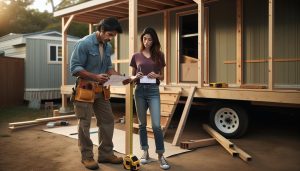
Buying a used trailer home can be a rewarding and budget-friendly housing option, yet it comes with its own unique challenges. Did you know that a thorough inspection can save you thousands in repairs down the road? Understanding the nuances of mobile home buying is essential for making an informed decision. Whether you’re seeking your first home or looking for a charming weekend getaway, knowing what to look for during your inspection and mastering negotiation tactics can empower you in this process. In this guide, we’ll explore key tips to help you navigate the buying journey confidently, ensuring you choose a home that meets your needs and budget efficiently. With the right knowledge, you can turn a used trailer home into a comfortable haven that reflects your style.
Understanding the Used Trailer Home Market
The used trailer home market offers a unique blend of affordability, flexibility, and community living that can appeal to a diverse range of buyers. Understanding this market is essential for anyone looking to make a purchase. The demand for used trailer homes has surged in recent years, driven by rising home prices and the growing popularity of simpler living. With many units nestled in established parks or on private land, they provide an attractive option for first-time homeowners or those seeking to downsize.
When entering the used trailer home market, it is important to consider the variety of styles and sizes available. From single-wide models that are easier to transport to spacious double-wides that feature modern amenities, the options are vast. Generally, older models can offer lower purchasing costs but may require more maintenance. Buyers should also research various brands and their reputations, as some manufacturers are known for their durability and quality, which can impact long-term satisfaction and resale value.
Potential buyers should familiarize themselves with regional pricing trends and what influences them. For example, the value of a used trailer home can vary greatly based on geographic location, condition, age, and market demand. In areas where housing is particularly scarce or expensive, you may find that prices rise steeply even for used models. Understanding these trends will enable buyers to make informed decisions, whether negotiating the purchase price or considering future investments.
Finally, navigating the used trailer home market requires knowledge of financing options and legal considerations. Many banks and credit unions offer specialized loans for mobile homes, often requiring different qualifications than traditional home mortgages. Additionally, zoning laws, land leases, and mobile home regulations vary by state and municipality, which can significantly impact occupancy rights and overall investment. By being prepared with this information, buyers can move forward with confidence, making the most of their investment in a used trailer home.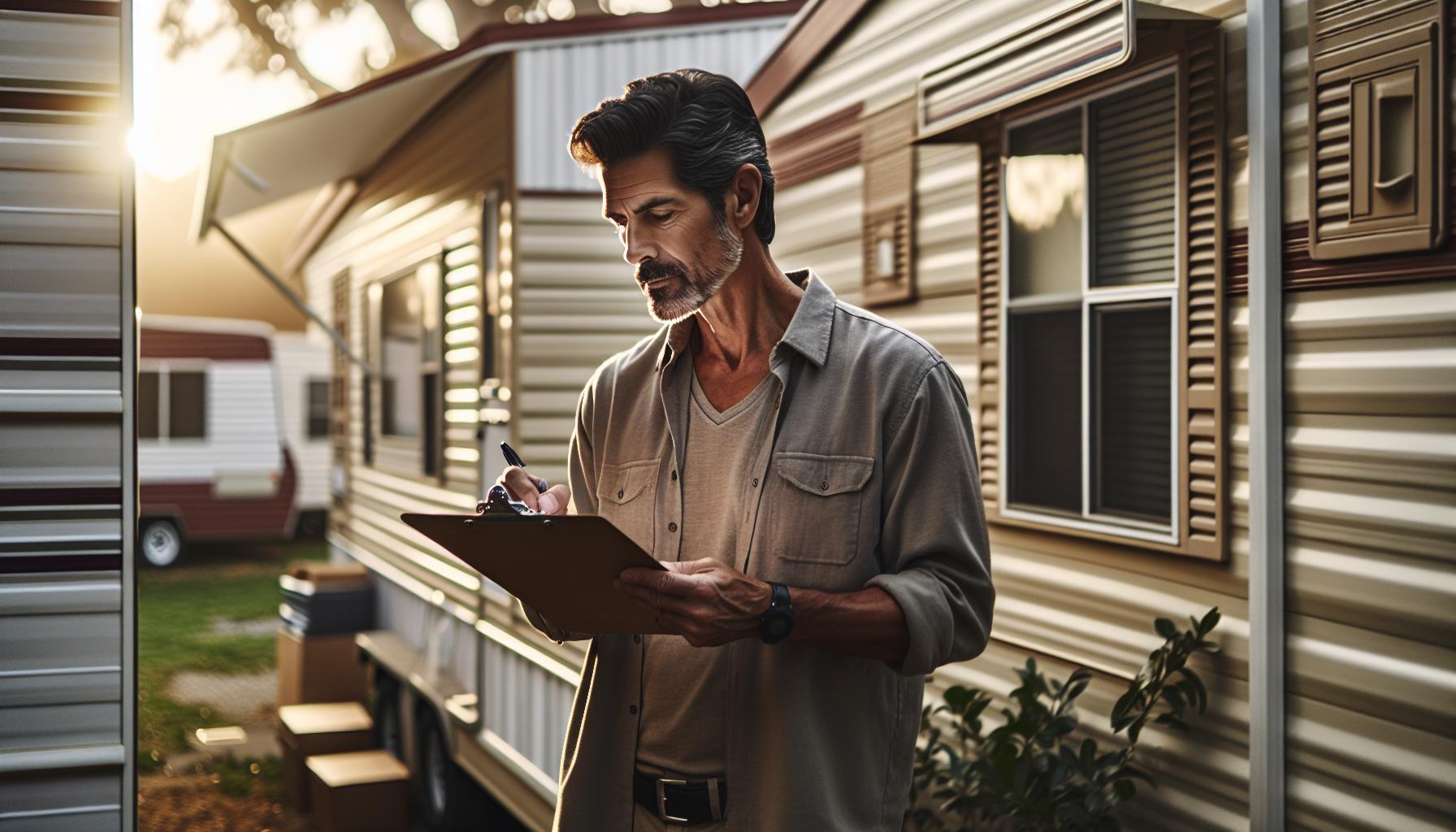
Key Features to Look for in Trailer Homes
When considering a purchased used trailer home, it’s essential to know what key features can significantly enhance your living experience. Much like traditional homes, trailer homes come with a variety of options and specifications that can affect comfort, functionality, and even resale value. Assessing these features will give you a solid foundation for making an informed decision.
- Structure and Materials: Investigate the materials used in the construction of the trailer home. Metal siding is generally more durable than wood, particularly in areas susceptible to moisture. Ensure the roof is sound; a well-maintained roof can extend the life of the home significantly.
- Layout and Space: Evaluate the layout carefully. Open-concept designs are popular for their spacious feel, while traditional layouts might offer more defined spaces. Consider your lifestyle; if you entertain often, an open design may suit you better.
- Windows and Natural Light: Assess the quality and condition of the windows. Double-pane windows can improve insulation and energy efficiency. Ample natural light can make a home feel larger and more inviting.
- Insulation and Energy Efficiency: Inquire about the insulation type within the walls and ceilings. Proper insulation not only enhances comfort but also reduces energy bills, making your living space more economical and sustainable.
- Heating and Cooling Systems: Understand the heating and cooling systems in place. Look for energy-efficient models and ensure they are in good working order. An effective HVAC system can make a world of difference in comfort levels.
- Appliances and Fixtures: Check the quality and age of kitchen appliances and bathroom fixtures. Energy-efficient appliances can save money in the long term, so keep an eye out for recent models or warranties that may transfer with the home.
- Outdoor Space: Consider the surrounding outdoor area and access to your trailer home. Whether you’re interested in gardening or simply a patio for relaxation, adequate outdoor space can significantly enhance your home life.
While these features are crucial, it’s wise to also look for potential upgrades that could personalize your new home. Simple reno projects, such as adding a deck or enhancing the landscaping, can improve enjoyment and potentially increase property value. Always keep in mind your long-term satisfaction and how these features align with your lifestyle and goals as a homeowner. Assessing these elements during your search can ensure that your investment in a used trailer home leads to a fulfilling living experience.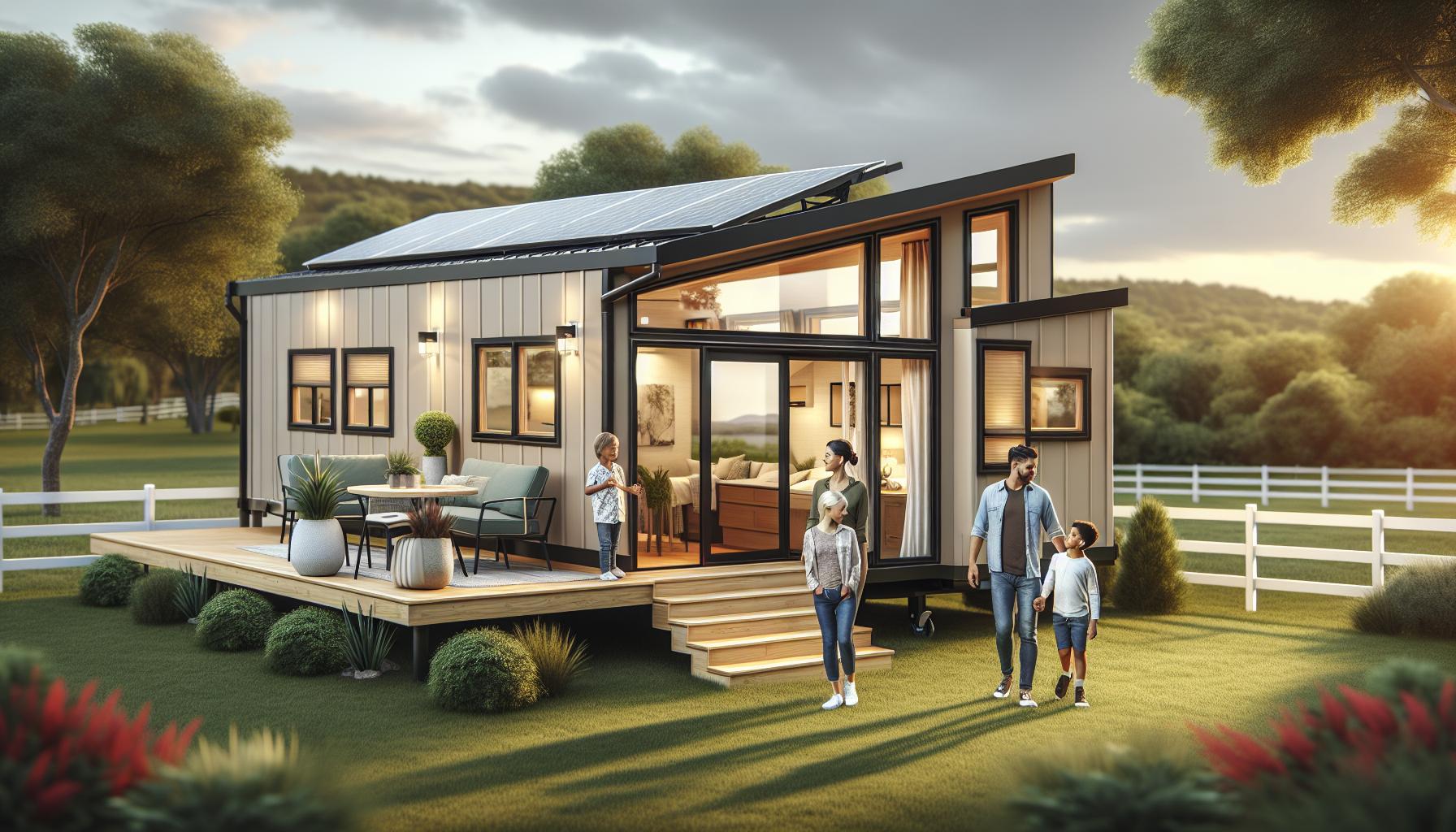
Essential Inspection Checklist Before Buying
Inspecting a potential new home is a crucial step in the buying process, especially when it comes to used trailer homes. A well-thought-out inspection can save future homeowners a significant amount of time, effort, and money. Due to the unique construction and characteristics of trailer homes, knowing what to look for during an inspection is vital. Here’s a comprehensive checklist to guide you through the inspection process, ensuring you cover all essential aspects of the home.
Exterior Examination
Begin your inspection by examining the exterior of the trailer home. Look for signs of damage or wear that could indicate underlying issues:
- Roof: Check for missing shingles, leaks, or sagging which can lead to serious water damage.
- Siding: Inspect for rust, rot, or moisture damage, especially if it’s wood siding.
- Foundation: Evaluate the stability and condition of the foundation or piers. Cracks or shifting can be a red flag.
Interior Inspection
Once you’ve assessed the exterior, move inside and focus on crucial components:
- Walls and Ceilings: Look for cracks, stains, or signs of water damage that could suggest leaks from the roof or faulty plumbing.
- Floors: Check for any soft spots or unevenness, which may indicate structural issues or hidden water damage.
- Windows: Ensure they open and close properly and check for cracks, broken seals, or drafts.
Systems Check
Understanding the mechanical systems is equally important. Assess the following:
- Electrical System: Inspect the electrical panel and outlets; look for frayed wires or outdated panels that may need upgrading.
- Plumbing: Check for leaks under sinks and behind toilets. Ensure the water heater and fixtures are functioning properly.
- HVAC System: Test the heating and cooling systems to confirm they are operational and efficient.
Safety Features
Lastly, don’t forget about safety. Ensure the trailer is equipped with:
- Smoke and Carbon Monoxide Detectors: Verify these devices are present and functional.
- Fire Extinguisher: Check for a fire extinguisher and confirm it is within the required service date.
By following this essential inspection checklist, you can confidently assess the condition of a used trailer home and make an informed purchasing decision. Remember, thoroughness is key; taking the time to properly inspect each element can help ensure your investment leads to a safe and enjoyable living experience.
Common Issues to Watch Out For
When considering a used trailer home, it’s essential to be aware of common issues that could affect both your living experience and your investment. One of the most frequent problems in these homes is water damage. This can manifest in various ways, from mold and mildew in corners and under sinks to structural issues resulting from roof leaks. Make it a priority to inspect the roof for signs of wear, including missing shingles, sagging, or discoloration. A quick check of the interior walls and ceilings for stains or softness can also reveal past water issues.
Another area of concern is the state of the electrical system. Older trailer homes may have outdated wiring or insufficient electrical panels, which can pose serious safety risks. Look for frayed wires, ungrounded outlets, or a lack of GFCI outlets in bathrooms and kitchens. If you notice these red flags, a qualified electrician’s assessment can help determine the extent of necessary upgrades.
Plumbing is another critical system to examine. Leaky pipes, rusted fixtures, and clogged drains can lead to significant repairs. Pay attention to signs of wet spots under sinks and around the toilet, as well as checking if faucets deliver consistent water pressure. Additionally, the condition of the water heater is vital; a unit nearing the end of its lifespan may need to be replaced soon after your purchase.
Lastly, consider the overall structural integrity of the trailer home. Look for any signs of pest infestation, particularly termites or rodents, which can cause long-term damage. Inspect the flooring for soft spots that could indicate more serious structural problems. By being vigilant about these common issues, you can make a more informed decision and potentially avoid costly surprises down the road.
Understanding Pricing Trends for Used Trailers
The used trailer home market has shown considerable fluctuations in pricing over the years, influenced by various factors such as location, age, condition, and overall demand. Understanding these pricing trends can empower buyers to make informed decisions and negotiate effectively. For instance, the location plays a critical role; trailer homes situated in sought-after areas like near parks, schools, or amenities typically command higher prices compared to those in less desirable locations.
The age and condition of the trailer also significantly affect its market value. Newer models or those that have been well maintained can fetch a premium, while older units requiring extensive repairs may lead to steep discounts. It’s essential to research comparable sales in the area to understand the average pricing range for similar models. Online platforms and local listings can provide insights into how much buyers are willing to pay, helping you identify a fair offer.
Additionally, seasonal trends can impact pricing as well; during spring and summer, when moving season peaks, prices may rise due to increased demand. Conversely, winter might see a dip in prices as fewer buyers are actively searching. Timing your search can therefore yield better deals.
To maximize your investment, consider getting a professional appraisal, especially if you find a trailer home that ticks all your boxes but is priced higher than your budget. Understanding structural integrity and potential renovation costs can help you justify an offer or negotiate better terms based on necessary repairs or updates.
Ultimately, knowledge is power in the used trailer home market. By staying informed about pricing trends while focusing on the unique features and conditions of the homes you’re considering, you can confidently navigate the purchasing process.
Negotiation Strategies for Getting the Best Deal
When entering the world of used trailer home purchases, effective negotiation can significantly impact your overall costs and satisfaction. Many buyers often feel pressured and overwhelmed during negotiation, but a strategic approach can empower you to secure the best deal. It’s essential to approach each negotiation with confidence and a well-prepared plan, understanding that the seller is often willing to negotiate on price, especially if they are motivated to sell.
One effective strategy is to conduct thorough research prior to any discussions. Know the fair market value of the trailer you are interested in by analyzing comparable sales and current listings within your area. Tools such as online real estate platforms and local classifieds can provide insights into recent sales of similar models. Additionally, familiarizing yourself with the trailer’s features, age, and condition can help you articulate why a lower offer may be justified. For example, if the home requires repairs, use those as leverage in your negotiation process.
Building Rapport and Communicating Effectively
Another essential aspect of negotiation is building rapport with the seller. A friendly, respectful attitude often goes a long way in creating a positive atmosphere for negotiations. If possible, ask the seller about their own experiences with the trailer home and express genuine interest in their perspective. This personal touch can pave the way for a more amicable financial discussion.
Additionally, communicate clearly and assertively but avoid being confrontational. Present your offer based on your research and any findings from your inspection checklist. For example, if you discover that the roof needs repairing, highlight this during negotiations to reinforce your request for a lower price. Remember, it’s not just about getting the lowest price but ensuring that both parties feel comfortable with the outcome.
Timing and Offering Terms
Consider timing as a negotiation tactic; if you approach the seller towards the end of the month or during the colder seasons, they may be more willing to negotiate to close the deal. Offering terms that cater to the seller’s needs, such as quick closing or flexibility in moving dates, can also sweeten the deal. Sometimes, being flexible on the timing of the transaction can lead to a better purchase price.
Ultimately, effective negotiation hinges on a combination of preparation, communication, and empathy. Know your limits and the maximum price you’re willing to pay, but also keep an open mind about the seller’s situation. By employing these strategies, you’ll position yourself as a savvy buyer, ready to navigate vendor discussions with assurance and poise, making your dream of owning a trailer home a reality.
Financing Options for Used Trailer Homes
Finding the right financing for a used trailer home is crucial, as it can greatly influence your overall buying experience and long-term satisfaction. While traditional mortgages are often associated with standard homes, options exist specifically tailored to manufactured and mobile homes. One popular method is securing a personal loan, which often comes with fewer restrictions than conventional mortgages. This can be particularly useful for buyers with less-than-perfect credit, allowing them to take advantage of a more accessible funding avenue.
It’s important to explore financing through specialized lenders that focus on manufactured homes. These lenders may offer specific financing programs that are more suitable for used trailers, often at competitive rates. Additionally, be aware of the down payment requirements, which can vary significantly by lender and the type of financing you choose. Typically, a down payment of at least 5% is common, but some specialized lenders might have lower requirements.
Government Programs
The Federal Housing Administration (FHA) has programs designed specifically for mobile and manufactured homes. FHA loans can provide lower down payment options and more lenient credit requirements, making them an attractive choice for many first-time buyers. Research local and state housing agencies as well, as they may offer additional assistance or subsidies that can help alleviate some of the financial burdens associated with purchasing a trailer home.
Preparing for Your Loan Application
Before applying for financing, gathering necessary documentation can streamline the process. Make sure to have your financial records in order, including income verification, existing debt information, and details about the trailer home you plan to purchase. Lenders typically require proof of income and may ask for credit history reports, so being prepared can save time and increase your chances of approval.
In summary, understanding your financing options will empower you as you navigate the purchase of a used trailer home. Exploring both traditional and alternative lending avenues, as well as government programs, can lead to better financial decisions and pave the way for a successful home-buying experience. By staying informed and prepared, you’ll step into ownership with confidence and peace of mind.
Legal Considerations and Regulations
Entering the world of used trailer home ownership comes with its own unique set of legal considerations. Many first-time buyers might not realize that purchasing a mobile or manufactured home involves navigating various legalities that can greatly impact the purchasing process and future living conditions. Understanding these regulations will not only safeguard your investment but will also ensure your home is compliant with local laws, which can be a crucial factor for financing and long-term ownership satisfaction.
One of the primary legal aspects to consider is the title and registration of the trailer home. Just like cars, mobile homes must be titled and registered. You’ll want to verify that the seller has clear ownership and that the trailer is not burdened by liens or other claims. Request the title documents and check for any outstanding financing that could complicate your purchase. In many areas, you may also need to obtain a vehicle identification number (VIN) inspection, which verifies the identity of the trailer and its compliance with state requirements.
Additionally, if you plan to place your trailer home on rented land, it’s vital to review the lease agreement carefully. Some parks have specific rules regarding the age and condition of mobile homes that can be placed on-site, or they may have restrictions about modifications you can make after purchase. To avoid surprises, ensure you understand any zoning laws or community regulations that dictate where and how you can set up your mobile home. This includes confirming that the land is zoned for mobile home use, which is a crucial step to ensure you comply with local development regulations.
Finally, it’s advisable to look into state and federal regulations that may provide additional protections for mobile home buyers. The U.S. Department of Housing and Urban Development (HUD) offers guidelines specific to manufactured homes, including safety standards and regulations on sales practices. Familiarizing yourself with these laws can help you feel more confident during negotiations and ensure your rights as a buyer are fully protected. Understanding these legal elements can ultimately lead to a smoother, more successful transition into your new trailer home, empowering you to make informed decisions throughout the buying process.
Tips for First-Time Trailer Home Buyers
When diving into the journey of buying a used trailer home, it’s essential to approach the process with a clear strategy and valuable insights. Many first-time buyers overlook critical aspects that could save both time and money. Whether you’re a seasoned homeowner seeking a new experience or entirely new to the concept of mobile living, understanding a few key elements can make the difference between a successful purchase and a regrettable one.
One of the most crucial steps is to conduct thorough research before you even start viewing homes. Familiarize yourself with the types of trailer homes available-ranging from single-wide to double-wide and manufactured homes. Each type has its own set of advantages and potential drawbacks concerning space, layout, and transportability. Establish your budget, considering not only the purchase price but also ongoing costs such as site rent (if applicable), insurance, and maintenance. This foresight enables you to narrow down your choices and promotes focused decision-making later.
When inspecting a trailer home, don’t rush through the process. Prioritize a comprehensive inspection to identify any potential issues. Look closely at the roof for leaks, check the plumbing for signs of water damage, and ensure the electrical systems are up to standard. Engage a professional inspector if finances allow, as they can uncover hidden problems not easily seen by the untrained eye. Make sure to inquire about the age of key components like the HVAC system and appliances; knowing their history can help plan your budget for replacements in the near future.
As you prepare to negotiate the sale, arm yourself with knowledge and confidence. Start by determining the market value of similar models in the area. Use this data to create a fair offer that considers the home’s condition and any necessary repairs. Remember, negotiation is a dialogue, and being respectful yet assertive can lead to better outcomes for both parties. Don’t hesitate to ask for contingencies based on inspection results, and be ready to walk away if the terms don’t align with your needs or budget.
Lastly, keep in mind that becoming a trailer home owner isn’t just about purchasing a structure; it’s about embracing a lifestyle. Engage with the community, understand local regulations, and consider the logistics of living in a mobile home. This holistic approach can foster a more enjoyable and sustainable experience in your new home. With the right research, a keen eye for detail, and respectful negotiation tactics, you’ll be on your way to thriving in your new trailer home environment.
Maintenance Tips for New Trailer Owners
Owning a trailer home presents a unique lifestyle that often blends the comforts of traditional living with the freedom of mobility. To keep your new home in top condition, regular maintenance is essential. A well-maintained trailer not only enhances your quality of life but also preserves its value over time. Here are some practical tips to help you navigate the upkeep of your used trailer home effectively.
Routine Inspections
Regularly inspecting your trailer is crucial in preventing small issues from becoming major repairs. Schedule an inspection of key areas at least once every three to six months. Check the roof for any signs of wear or leaks, especially after heavy rains or storms. It’s advisable to clean the gutters and downspouts to prevent water buildup, which can lead to damage. Make sure to inspect the undercarriage and axles for rust or damage, particularly if you live in a humid or coastal area.
Maintaining Systems
Your trailer’s systems-plumbing, HVAC, and electrical-are vital to its functionality and comfort. Here are some maintenance tips specific to each:
- Plumbing: Insulate pipes to prevent freezing in colder climates. Regularly check for leaks and drips under sinks and around appliances. Don’t forget to flush your water tank once a year to remove sediment buildup.
- HVAC: Change or clean air filters every few months to ensure efficient operation. Schedule a professional servicing of your heating and cooling systems at least once a year.
- Electrical: Inspect electrical outlets and appliances regularly for signs of wear. Consider an annual check by a licensed electrician to ensure systems are up to code.
Exterior Maintenance
Maintaining the exterior of your trailer is just as important as the interior. Cleaning and protecting your trailer’s exterior surfaces can help prevent damage from weather elements. Use a gentle cleanser to wash the exterior periodically and polish it to protect the finish. Apply sealants to windows and doors to keep moisture at bay, and inspect seals regularly to ensure they are intact. Additionally, if your trailer is located in an area prone to pests, consider using preventive measures against infestations such as routine inspections and treatments.
Enhancing Energy Efficiency
To save on energy bills and enhance your living experience, consider upgrading insulation or installing energy-efficient windows. These upgrades not only improve comfort but can also save you money over time. Simple changes like using energy-efficient LED lighting and unplugging devices not in use can make a significant difference as well.
By incorporating these maintenance strategies, you can ensure your trailer home remains a comfortable and inviting space for years to come. Regular care and attention to detail will keep your home in excellent shape, allowing you to fully enjoy the benefits of trailer living without the stress of unexpected repairs.
Enhancing Your Used Trailer Home
Investing in a used trailer home opens up a world of possibilities for customization and improvement. Beyond ensuring that your new home is in good condition initially, enhancing its functionality and aesthetics can significantly elevate your living experience. Simple upgrades can turn a basic trailer into a cozy and efficient retreat that reflects your personal style and meets your daily needs.
One of the most impactful areas to focus on is energy efficiency. Upgrading insulation-whether in the walls, floors, or ceilings-can substantially reduce heating and cooling costs. Consider installing energy-efficient windows, which not only help manage temperature but also add natural light and visual appeal. Another effective upgrade is switching to LED lighting; it consumes less electricity and lasts much longer than traditional bulbs. To further enhance energy use, you can install a programmable thermostat to automate your home’s heating and cooling systems according to your schedule.
Aesthetic improvements can make a big difference in how you enjoy your trailer home. Simple tasks like repainting walls or replacing cabinet handles can update the look of your space without breaking the bank. Adding personal touches, such as decorative wall art or comfortable textiles, can transform a sterile environment into a warm, welcoming home. Consider creating outdoor living spaces as well, such as a deck, patio, or garden, which can expand your usable space and allow you to enjoy the outdoors.
Lastly, prioritizing organization and smart storage solutions will maximize your trailer’s space. Utilize multifunctional furniture, such as ottomans with storage inside or wall-mounted shelves, to keep your home clutter-free. Customizing cabinetry and closets with organizers can also help you make the most of limited space. By planning effectively for both maintenance and enhancements, you can create a trailer home that not only meets your needs but also becomes a cherished personal sanctuary.
Resources for Used Trailer Home Buyers
When entering the world of used trailer homes, having the right resources can make all the difference in ensuring a successful purchase and a smooth transition to mobile living. Numerous organizations and online platforms provide essential information, tips, and tools specifically for buyers in this niche market. From materials on financing options to guides for legal considerations, equipping yourself with the right knowledge will empower you to make informed decisions.
Online Platforms and Communities
One of the most valuable is online communities where experienced homeowners share their insights. Websites like Facebook Groups or Reddit forums focused on mobile homes are treasure troves of information. You can ask questions, share concerns, and receive feedback from individuals who have navigated similar experiences. Additionally, sites like Mobile Home University offer courses and articles on buying, owning, and managing mobile homes that can be hugely beneficial.
Government and Nonprofit Resources
Don’t overlook local government and nonprofit resources that can help with your purchase. Many cities and counties have housing authorities providing information about zoning laws, permits, and regulations specific to trailer homes. HUD’s Office of Policy Development and Research also offers valuable information on manufactured housing, including standards and safety guidelines that can assist you in making a more secure purchase.
Inspection and Appraisal Services
Utilizing professional inspection services is crucial when purchasing a used trailer home. Many companies specialize in mobile home inspections, assessing everything from structural integrity to plumbing and electrical systems. A proper inspection can uncover hidden issues that may affect the home’s value and your living experience. Furthermore, hiring an appraiser familiar with trailer home values can help ensure you’re making a financially sound decision. This step is especially important if you’re seeking financing, as lenders typically require an appraisal before approving a loan.
Financial Assistance Programs
Lastly, understanding your financing options is key to a successful purchase. Numerous financial institutions offer loans specifically for mobile and manufactured homes. Websites like NerdWallet or Bankrate can guide you through available lending options, helping you compare interest rates and terms. Additionally, check into local programs that provide grants or assistance for low-income buyers, which can alleviate some of the financial burden associated with purchasing a used trailer home.
By tapping into these diverse resources, you can enhance your buying experience and make well-informed decisions that lead to a fulfilling trailer home lifestyle. Whether you’re seasoned in mobile housing or just starting your journey, having access to the right information can turn your new trailer house into a cherished home.
Closing Remarks
Now that you have the essential inspection and negotiation tips for buying a used trailer home, it’s time to take the next steps toward your new living space. Remember, being well-prepared not only saves you money but also ensures you find a home that fits your lifestyle. Dive deeper into our guides on essential maintenance tips to keep your trailer in top shape and explore financing options that can make your purchase smoother.
Don’t hesitate to ask questions or share your experiences in the comments below; your insights might just help a fellow homebuyer! For more valuable resources, check out our articles on mobile home living and renovation projects that can transform your space. Make informed decisions today, and unlock the door to an affordable and fulfilling life in your trailer home!