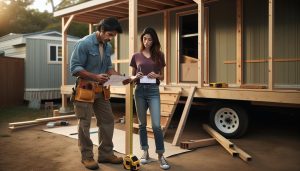
Did you know that millions of Americans choose trailer homes as their affordable housing solution? Despite common misconceptions, trailer homes-or manufactured homes-offer a comfortable and practical living option for many families. In this article, we’ll explore the surprising statistics surrounding trailer home living, revealing not only how many Americans reside in these homes but also the unique benefits and challenges they face. Whether you’re considering this lifestyle for financial reasons or seeking a sense of community, understanding the realities of trailer home living can help you make informed choices. Join us as we delve into the world of mobile homes and discover what it truly means to call one of these spaces home.
How Many Americans Live in Trailer Homes?
In recent years, the landscape of housing in the United States has seen a notable surge in the popularity of trailer homes, also referred to as manufactured or mobile homes. As of the latest statistics, approximately 20 million Americans reside in mobile homes, a figure that accounts for about 6% of the total housing market. This trend reflects both a shift in societal attitudes towards affordable housing and a growing necessity amidst rising real estate costs in urban areas. The flexibility and lower financial burden of trailer homes appeal to diverse demographics, from young families to retirees seeking downsized living.
Trailer homes offer various designs and sizes, catering to the unique needs of their residents. These homes can be found in established trailer parks or on private land, each providing distinct community and lifestyle benefits. The increase in mobile home living can also be attributed to innovations in construction technology, resulting in more aesthetically pleasing and durable homes. Furthermore, many people are drawn to the minimalist lifestyle that often accompanies trailer living, allowing for more financial freedom and flexibility, which ultimately leads to a more sustainable way of life.
For potential owners considering a move to a trailer home, it’s essential to understand local zoning regulations and land ownership laws, as these can vary significantly from one area to another. Being informed about the financial implications, from setup costs to ongoing maintenance, is crucial for ensuring a smooth transition into this style of living. With the rising interest and changing perceptions of mobile homes, this housing option continues to gain respect as a viable alternative in the broader conversation about homeownership in America.
The Surprising Growth of Trailer Home Living
In recent years, the rise of trailer home living has captured the attention of a broad spectrum of Americans, driven by a combination of economic necessity and a search for simpler lifestyles. Approximately 22 million people currently reside in manufactured or mobile homes in the United States, a trend that underscores a significant shift towards affordable housing solutions in the face of soaring real estate prices. This demographic shift has been buoyed by the appeal of lower living costs and increased flexibility associated with mobile home ownership, making these homes an attractive option for many, from young families to retirees seeking a more manageable lifestyle.
As awareness grows about the benefits of trailer living, more individuals are exploring this option as a viable alternative to traditional housing. Trailer homes are not just a staple of budget living but reflect a lifestyle choice that fosters community and connection. Many homes are situated in friendly trailer parks that offer communal living benefits and a sense of belonging, while others are positioned on private lots to cater to those seeking more privacy. The modern mobile home has also undergone a transformation; innovations in building technology have led to designs that are not only affordable but also aesthetically pleasing and energy-efficient.
Additionally, the minimalist lifestyle often associated with trailer living encourages individuals to declutter and prioritize experiences over possessions. This shift can lead to a more sustainable way of life, with lower costs and reduced ecological footprints. With ongoing changes in cultural perceptions about homeownership and alternative living arrangements, the appeal of mobile homes is evident, indicating that this form of housing will continue to grow in popularity amidst shifting societal dynamics and economic realities.
As you consider this lifestyle, it’s beneficial to familiarize yourself with the variety of trailer home types available. This knowledge will empower you to make informed decisions and embrace the potential of mobile living, should you choose to embark on this journey.
Demographics of Trailer Home Residents
Approximately 22 million Americans currently call trailer homes, also known as manufactured or mobile homes, their residence, highlighting a significant shift towards alternative living arrangements in response to rising real estate prices. This population represents about 5.6% of the total U.S. population, showcasing the growing acceptance of this housing option across diverse demographics. Notably, many of these residents are part of lower-income households, indicating that affordability remains a central factor fueling interest in mobile home ownership [3[3]. Additionally, modern mobile homes are increasingly being designed with aesthetics and energy efficiency in mind, debunking the stereotype of trailer homes as poor-quality accommodations [2[2].
Affordability facilitates a vibrant community among trailer home residents, where many live in close-knit trailer parks that cultivate a sense of belonging and shared experiences. This environment allows for social connections that can often be difficult to find in more traditional housing scenarios. As the stigma surrounding trailer living continues to fade, it’s essential to recognize the positive aspects of this lifestyle, including the simplicity and flexibility it offers, fostering a sustainable and communal approach to housing.
Understanding the Types of Trailer Homes
There are several types of trailer homes that cater to a wide range of lifestyles, budgets, and personal preferences. Understanding the distinctions among these options can help potential residents make informed choices about their living arrangements. Trailer homes, also referred to as manufactured homes or mobile homes, can generally be classified into three main categories: single-section homes, multi-section homes, and park model homes.
Single-Section Homes
Single-section homes are the most common type and are characterized by their compact, one-unit design. Typically, these homes range from 400 to 1,200 square feet, making them ideal for individuals, couples, or small families. Their smaller footprint often comes with lower costs, which can be appealing to those seeking affordable housing solutions. Despite their size, single-section homes can offer a cozy and efficient living space, often featuring open floor plans, modern kitchen amenities, and energy-efficient appliances.
Multi-Section Homes
Multi-section homes, also known as double-wides or triple-wides, are larger manufactured homes that consist of two or more sections joined together on-site. These homes can offer considerably more living space, typically ranging from 1,000 to over 2,000 square feet. They often provide additional features such as multiple bedrooms and bathrooms, spacious living areas, and upgraded finishes, making them a popular choice for families or those looking for more room. Mult-section homes can be placed on permanent foundations, which gives them the feel of traditional houses while still allowing for the flexibility of mobile living.
Park Model Homes
Park model homes are a specialized type of trailer known for their unique design, often used as vacation retreats or permanent residences in campgrounds and RV parks. These homes typically cover less than 500 square feet and are intended to provide a comfortable and efficient living space for short-term or seasonal stays. They often include stylish interiors, smart storage solutions, and are designed to maximize the use of limited space. While park models are not intended for full-time occupancy in most areas, they can serve as a delightful alternative for those looking to downsize or maintain a part-time residence in a recreational environment.
Understanding these types of trailer homes not only empowers prospective buyers but also enriches their appreciation for this versatile housing option. Each type comes with unique benefits and considerations, catering to diverse needs and lifestyles while promoting a sense of community and belonging among residents. Whether you’re seeking a permanent home, a cozy retreat, or a seasonal getaway, there’s likely a trailer home option that fits your vision and budget, making alternative living not just accessible, but enjoyable.
Why Choose Trailer Living? Unpacking the Benefits
Choosing to live in a trailer home can be a transformative decision, with numerous benefits that appeal to a diverse range of individuals and families. One of the most compelling advantages is affordability. Compared to traditional housing, trailer homes often come with lower purchase prices and reduced ongoing costs. This affordability allows residents to allocate their financial resources to other important areas, such as savings, education, or travel. Living in a trailer home can be a smart financial strategy, especially for first-time homebuyers or those looking for a way to minimize housing expenses.
Another significant benefit is flexibility. Many trailer homes are designed for mobility, providing residents the opportunity to relocate easily if circumstances change or if they simply desire a different environment. This aspect is particularly appealing for those who may need to move for work or who wish to explore new areas. Furthermore, trailer parks and communities often foster a strong sense of community. Residents often share similar values, making it easier to forge meaningful connections and friendships.
The environmental aspect of trailer living cannot be overlooked either. Trailer homes tend to have a smaller ecological footprint due to their size and the nature of their materials. Additionally, many new models are built with energy-efficient features, which can help lower energy bills while reducing environmental impact. Embracing a more minimalistic lifestyle in a trailer home often leads to less consumption and waste, aligning with sustainable living principles.
When considering maintenance, trailer homes also present distinct advantages. They are often built using materials and methods designed for durability and ease of care. Basic maintenance tasks, such as cleaning gutters or maintaining the exterior, can be less daunting in a smaller space compared to a traditional home. This focus on practicality extends to renovation options as well; many trailer homes can be customized or updated with relatively low investment and effort, allowing residents to personalize their space according to their taste and style.
In summary, opting for trailer living presents a unique blend of affordability, flexibility, community, and sustainability, making it an appealing choice for many Americans. Whether you’re drawn to the financial benefits or the lifestyle changes it fosters, trailer homes offer a practical alternative to conventional housing.
Common Misconceptions About Trailer Homes
Living in a trailer home often comes with a cloud of misconceptions that can discourage potential residents from considering this viable housing option. One prevalent myth is that trailer homes are only for low-income individuals. In reality, trailer homes vary widely in price and quality. Many residents choose this lifestyle for its affordability, flexibility, and sense of community-amenities that attract people from diverse economic backgrounds. Trailers can be found in upscale parks and neighborhoods, showcasing modern designs and high-end features. This shift in perception highlights that homeownership is not exclusively tied to traditional single-family houses; many people, including retirees and young families, find long-term satisfaction and financial stability in trailer living.
Another common stereotype is the idea that trailer parks are chaotic or unkempt places. Contrary to these notions, many trailer parks today are well-maintained communities where residents take pride in their homes and surroundings. These parks often foster a strong sense of community, with gatherings and social events that help neighbors connect. The commitment to quality living spaces has led to many parks implementing strict guidelines on home upkeep, thereby dispelling the negative image of trailer parks. In fact, some communities have become sought-after locations due to their friendly environment and shared amenities, such as pools and recreation areas.
Quality and Safety Concerns
A frequently held belief is that manufactured homes are lower in quality or less safe than traditional homes. Today’s manufactured homes are built to rigorous standards and can often meet or exceed those of site-built homes. Many construction companies embrace innovative materials and energy-efficient designs, resulting in homes that are both safe and environmentally friendly. Furthermore, the integration of smart home technology is becoming increasingly common, giving residents enhanced control over their living environments.
In tackling these misconceptions, it is vital to engage in open discussions and provide accurate information about trailer home living. By doing so, we can foster a better understanding of the advantages and realities of this lifestyle, encouraging more individuals to explore this affordable and practical housing option.
Cost of Living in a Trailer Home: What to Expect
Living in a trailer home can be an affordable and practical choice for many Americans seeking alternative housing options. In fact, the average monthly rent for a trailer home in a park can be significantly lower than traditional home rentals, often ranging from $300 to $1,000, depending on location and amenities. This lower cost can provide greater financial freedom, allowing residents to allocate funds towards other essential expenses or savings.
Understanding Initial Costs
When considering a trailer home, potential owners should be aware of various costs associated with purchasing and maintaining this type of housing. Some key expenses include:
- Purchase Price: The cost of buying a new or used trailer home can vary widely. While a new model may range from $50,000 to $100,000, used trailers can be found for less than $30,000.
- Lot Rent: If the trailer is located in a park, monthly lot fees can range from $200 to $800, depending on location and community amenities.
- Utilities: Trailer homes generally have similar utility costs as traditional homes. Expect to budget for electricity, water, gas, and waste disposal, which might total around $150 to $300 per month.
- Insurance: Trailer home insurance is essential and can range from $300 to $1,000 annually, depending on coverage limits and property value.
Ongoing Maintenance Costs
Regular upkeep is vital for ensuring the longevity of trailer homes. Residents can expect to budget for maintenance tasks like:
- Roof Repairs: Keeping the roof in good condition is crucial. Minor repairs may cost around $100 to $500.
- Appliance Maintenance: Regular servicing of appliances, such as heating and cooling systems, can range from $50 to $200 annually.
- Landscaping and Outdoor Care: If residents wish to maintain a yard or outdoor space, costs may vary based on personal preferences and community guidelines.
Financial Considerations
Financing a trailer home can differ from traditional homes. Many residents choose to secure a personal loan or a specific manufactured home loan. Down payment requirements can vary, typically ranging from 5% to 20%, so it’s essential to consider your financial situation when exploring options.
In summary, living in a trailer home can be a budget-friendly alternative to traditional housing, with initial and ongoing costs typically lower than conventional homes. By understanding these financial aspects, potential residents can make informed decisions and enjoy the many benefits that come with this lifestyle choice.
Trailer Home Maintenance Tips for Longevity
Maintaining a trailer home is essential for ensuring its longevity and comfort, just like with any residence. While trailer homes are designed for flexibility and mobility, their unique construction demands specific care to withstand various environmental factors and day-to-day wear. Simple, regular maintenance can prevent costly repairs down the road, keeping your home cozy and functional.
To start, examine your roof regularly. Roof leaks can lead to significant damage if not addressed promptly. It’s advisable to check for any signs of wear or damage at least twice a year, especially before and after extreme weather conditions. Should you detect any issues, addressing minor repairs early on can save you thousands in potential water damage.
Inspect and maintain your appliances for optimal efficiency. Many homeowners overlook regular servicing of heaters, air conditioning units, and kitchen appliances, which can lead to malfunction and increased energy consumption. Schedule annual check-ups or cleanings, and don’t forget to replace filters in HVAC systems as needed. Additionally, consider making a habit of testing smoke detectors and carbon monoxide alarms every few months to ensure they are functioning correctly.
Lastly, maintaining the exterior and surrounding area of your trailer enhances both its aesthetics and integrity. Keep the foundation stable by checking for signs of settling or shifting. Ensure that the skirting is in good condition and sealed properly to prevent wildlife intrusion and air leaks. Maintain the landscaping, as an overgrown yard can lead to damage and attract pests. Regularly clear leaves and debris to ensure proper drainage around the home, helping to protect it from potential water damage.
By incorporating these practices into your routine, you can enjoy the benefits of trailer living for many years to come, keeping your home comfortable, efficient, and full of charm.
Financing Your Trailer Home: Essential Guidance
Securing financing for a trailer home can be a fundamental step towards realizing your dream of alternative living. As home prices continue to trend upward, many people are seeking more affordable options, and financing a trailer home can present a cost-effective solution. Surprisingly, a significant portion of Americans-estimates suggest over 20 million individuals-live in mobile homes or trailer homes as their primary residence. Understanding your financing options not only empowers you to make informed decisions but also helps you navigate the overall process with confidence.
When considering financing your trailer home, it’s essential to recognize that these homes can fall under different categories, impacting the type of loan you might choose. Conventional loans are typically reserved for traditional homes, while trailer homes may require specialized loans, such as personal property loans or chattel loans. These lending options are often less stringent in terms of qualifications and can offer lower down payment requirements. Explore lending institutions that specialize in mobile or manufactured home financing, as they are more familiar with the nuances of this type of property.
Choosing the Right Financing Option
- Personal Loans: These can be used for trailer home purchases, often without the need for collateral. However, interest rates might be higher.
- Chattel Loans: Specifically for mobile homes, these loans treat the home as personal property rather than real estate, which can simplify the application process.
- Manufactured Home Mortgages: If the trailer is deemed real estate (typically when placed on a permanent foundation), conventional mortgages may be accessed.
Additionally, consider the total budget for your trailer home, which should include not just the purchase price but also ongoing costs such as insurance, utilities, and maintenance. Understanding your financial standing-income, debts, and credit score-will also play a crucial role in determining your eligibility for various loans. Before applying, it’s wise to get pre-approved, which can give you a clearer picture of your budget and help streamline the transaction process when you find a suitable home.
Being well-informed about financing options can lead you to make smart, strategic decisions for your future living space. Remember, exploring multiple lenders and understanding the specifics of each financing choice will position you best as you step into the exciting world of trailer home living.
Legal Considerations for Trailer Home Ownership
Navigating the legal landscape of trailer home ownership is crucial for anyone considering this alternative living option. While the appeal of affordability and flexibility should not be underestimated, understanding your rights and responsibilities is essential to enjoy a peaceful, secure life in a mobile home. Trailer homeowners must typically deal with issues related to zoning, land leasing, and titling, which can significantly affect their experience.
Zoning laws vary widely depending on location, governing where trailer homes can be situated. It’s important to check with local authorities to ensure compliance with regional zoning regulations. Some areas may have restrictions on the placement of mobile homes or require special permits. Additionally, buyers should understand the difference between owning the land their trailer sits on versus renting a lot in a mobile home park. Leasing land can come with specific rules and regulations that dictate how you can use your home, including restrictions on modifications or extensions.
Legal ownership of a trailer home also entails proper titling. Unlike traditional homes, trailers may be treated as personal property rather than real estate. This distinction affects financing, insurance, and transfers of ownership. When purchasing a mobile home, ensure that you receive a clear title to avoid any disputes later on. It’s advisable to keep records of all legal documents, including the purchase agreement, any site leases, permits, and communication with park management.
Protecting your rights as a trailer homeowner involves being aware of your legal obligations as well. Many mobile home communities have rules and guidelines outlined in a lease agreement that residents are required to follow. Familiarizing yourself with these regulations will not only help you avoid potential conflicts but also promote a sense of community within the park. Should any disputes arise, seeking legal advice early can help you navigate the complexities that may come with trailer home ownership.
Lifestyle in a Trailer Home: What You Need to Know
Living in a trailer home can be an enriching and liberating experience, often providing a unique lifestyle that appeals to many Americans. As of recent statistics, millions of families reside in mobile homes, reflecting a growing trend toward alternative housing solutions. The lifestyle associated with living in a trailer can differ dramatically from traditional home ownership, allowing for flexibility, community, and a more simple way of living.
One appealing aspect of trailer living is the sense of community it fosters. Many mobile home parks are designed for neighborly interactions, where residents often share resources and cultivate friendships. This communal atmosphere can provide support, whether through informal gatherings or organized events, making it easier to forge lasting connections. Additionally, trailer homes often allow for more affordable living, enabling families to allocate resources for travel, experiences, or savings, all while embracing a minimalist lifestyle.
Practicality is key when it comes to maintaining a trailer home. Regular maintenance is essential to ensure longevity and comfort. This includes checking for leaks, maintaining heating and cooling systems, and routinely inspecting electrical wiring. Simple tasks like cleaning gutters and checking seals around windows can significantly enhance your home’s efficiency. Moreover, upgrading your trailer with energy-efficient appliances can boost comfort while lowering utility bills over time.
The interior of a trailer can also be personalized and optimized to fit individual needs and aesthetics. Many homeowners take on renovation projects to improve the functionality of their space, such as creating open floor plans or enhancing storage options. Before embarking on a remodeling project, it’s essential to check any community guidelines or regulations that may affect what changes you can make. This ensures that your renovations not only satisfy personal taste but also adhere to the standards of the mobile home community.
With the right approach and mindset, the lifestyle in a trailer home can be fulfilling and practical, combining affordability, community spirit, and a chance to create a comfortable living space tailored to your personal preferences. Whether you’re looking for freedom from traditional housing costs or simply craving a tighter-knit community, trailer home living can be an excellent choice for many.
Comparing Trailer Homes to Traditional Housing Options
Living in a trailer home can be a transformative experience, especially when juxtaposed with traditional housing options. Millions of Americans choose mobile homes due to their affordability and flexibility, highlighting a growing trend in alternative living arrangements. When comparing trailer homes to traditional houses, it becomes clear that each option offers distinct advantages tailored to different lifestyles and financial situations.
One of the most significant differences lies in the overall cost of living. For many families, purchasing a mobile home presents a more feasible solution amidst rising home prices. The average price per square foot for mobile homes is about $49, which starkly contrasts with the $107 per square foot typical for conventional houses3. This substantial savings can free up funds for other essential areas, such as education or travel, making trailer living an attractive option for those who prioritize financial freedom.
Additionally, the structure and layout of trailer homes have evolved significantly over the years. Modern mobile homes often feature spacious designs that mimic traditional homes, complete with distinct areas for living, dining, and sleeping1. This evolution reduces the perception of downsizing, as many new models offer a variety of floor plans and customizable options. Residents often find they can enjoy the comforts of home-albeit in a more compact form-while benefiting from the community-centric lifestyle found in mobile home parks.
Maintenance practices also differ between the two housing types. Traditional homes generally require extensive upkeep, potentially leading to greater long-term costs. In contrast, trailer homes typically have lower maintenance demands. Simple tasks such as inspecting seals, cleaning gutters, and ensuring the efficiency of heating and cooling systems can be handled more easily and with less expense. Homeowners can take proactive steps by utilizing energy-efficient appliances, thereby reducing utility costs over time, which is a significant advantage for many who are budget-conscious.
Ultimately, the choice between a trailer home and a traditional house comes down to individual priorities, financial situations, and lifestyle preferences. Both options provide unique benefits, making it essential for potential homeowners to weigh their options carefully. By embracing the shift towards mobile living, many families find a sense of community and a lifestyle that aligns with their values without the burdensome cost associated with conventional homeownership.
Concluding Remarks
As we’ve explored, the statistics on mobile home living reveal a significant aspect of American housing trends that’s often overlooked. With millions of Americans choosing trailer homes, understanding the benefits and realities of this lifestyle can empower you to make informed decisions. If you’re considering this option or simply curious, now’s a great time to delve deeper into the advantages, financing options, and maintenance tips that accompany mobile home living.
For more practical insights, check out our guides on basic maintenance tasks and simple renovation projects that can enhance your mobile home experience. Interested in purchase considerations or legal requirements? Our comprehensive resources are here to support you every step of the way. Don’t forget to share your thoughts in the comments-your experiences can inspire and educate others on their journey to alternative housing. Explore, engage, and embrace the possibilities of trailer home living today!