Did you know that a properly installed rubber roof can significantly extend the lifespan of your trailer home and prevent costly leaks? For many mobile homeowners, securing a durable, leak-proof roofing solution is essential not just for comfort, but also for protecting their investment. Learning how to install a rubber roof is a practical skill that can save you money and provide peace of mind against the elements. This guide will walk you through each step of the installation process, ensuring a seamless application that can withstand the test of time. Whether you’re a seasoned DIYer or tackling your first home project, you’ll find useful tips and insights that make the task approachable. Join us in exploring how a rubber roof can transform your trailer home into a safe, weather-resistant haven. With the right knowledge, you can create a reliable roof over your head, enhancing your living space for years to come.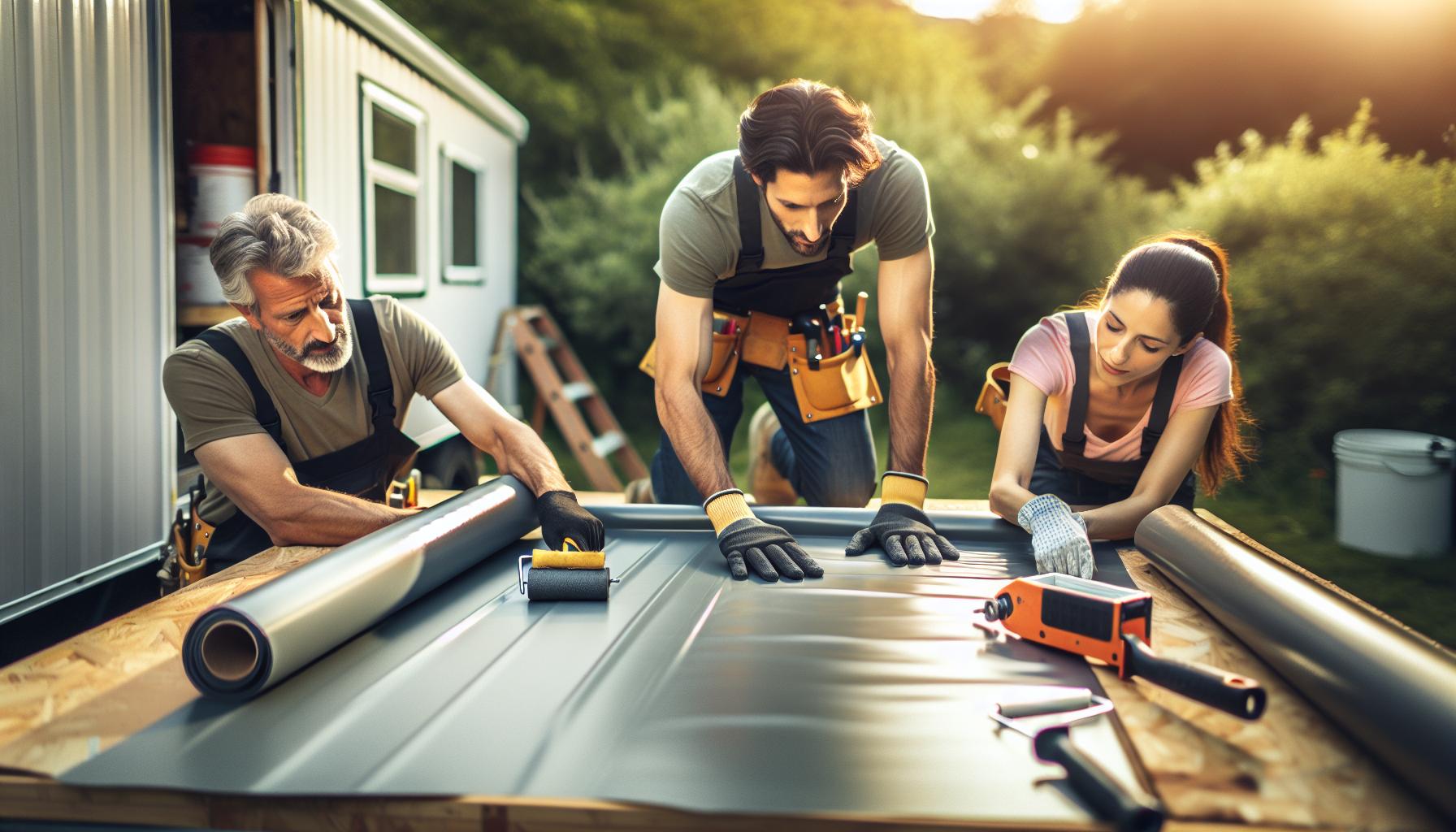
How Rubber Roofing Works for Trailer Homes
The effectiveness of rubber roofing for trailer homes lies in its unique composition and adaptability, making it a preferred option for many homeowners. Rubber roofs, commonly made from Ethylene Propylene Diene Monomer (EPDM), provide excellent durability and weather resistance, crucial for trailer homes that are often exposed to varied climates. The material is lightweight yet flexible, allowing it to expand and contract without cracking, a significant advantage in regions with extreme temperature fluctuations.
When installed properly, a rubber roof creates a seamless barrier that protects against water intrusion, which is essential for maintaining the integrity of your home. The installation process involves laying down a single sheet that covers the entire roof surface, minimizing seams and joints that could become potential leak points. This seamless installation not only enhances the roof’s waterproofing capabilities but also reduces maintenance needs over time. Additionally, rubber roofing is reflective, helping to keep your trailer home cooler in the summer by deflecting sunlight, which can result in energy savings on cooling costs.
Ultimately, the consideration of rubber roofing extends beyond mere functionality; it’s about enhancing the overall living experience in your trailer home. By understanding how this roofing option works and its inherent benefits, homeowners can make informed decisions that add value and comfort to their living space. Choosing rubber roofing means investing in long-term protection and maintenance ease, aligning perfectly with the practical needs of trailer home living.
Benefits of Installing a Rubber Roof
Installing a rubber roof on a trailer home presents a multitude of advantages, making it an appealing choice for homeowners seeking durability and efficiency. One of the standout benefits is its exceptional waterproofing ability. A properly installed rubber roof eliminates seams that could lead to leaks, ensuring that you remain sheltered from harsh weather conditions. This seamless installation plays a crucial role in maintaining the integrity of your home while reducing the frequency and cost of repairs associated with leaks.
Moreover, rubber roofing is recognized for its long lifespan, often lasting 20 years or more with minimal maintenance. This longevity means homeowners can invest with confidence, knowing they are making a cost-effective decision in the long run. Additionally, rubber roofs are highly resistant to a variety of environmental factors, including UV radiation and extreme temperatures. This resilience translates to lower replacement and upkeep costs over time, making it a smart choice for those looking to enhance their home’s value without the ongoing expenses typical of other roofing materials.
Another considerable advantage is the material’s energy efficiency. Rubber roofs are reflective, helping to keep your home cooler in the summer, which can lead to reduced energy consumption and lower utility bills. This not only contributes to a more comfortable living environment but also supports eco-friendly practices by decreasing your overall energy footprint.
Furthermore, the installation process for rubber roofing is typically quicker and less labor-intensive compared to traditional roofing options, such as shingles or metal. This efficiency can lead to significant savings on labor costs, making it an attractive prospect for DIY enthusiasts and professionals alike. With a range of colors available, rubber roofing can also be tailored to fit the aesthetic of any trailer home, providing homeowners with not just protection, but also improved curb appeal.
Investing in a rubber roof means securing peace of mind, reducing long-term costs, and enhancing comfort in a trailer home. By choosing this modern roofing solution, you’re not only safeguarding your investment but also embracing a practical approach to home living.
Essential Tools and Materials Needed
When embarking on the journey to install a rubber roof on your trailer home, having the right tools and materials can streamline the process and enhance the quality of your work. A well-equipped toolkit not only ensures efficiency but also sets the stage for a successful, leak-proof installation that can withstand various weather conditions.
To begin, you’ll need the appropriate roofing material, typically EPDM (ethylene propylene diene monomer) rubber, which is both durable and flexible, ideal for a variety of climates. Alongside this, you’ll require:
- Rooftop Adhesive: A strong adhesive specifically formulated for rubber roofing to ensure a secure bond to your trailer’s roof surface.
- Sealant: A high-quality, waterproof sealant to fill any seams or joints, providing additional protection against leaks.
- Underlayment Material: Often a layer of polyester fabric or a similar material to provide extra cushioning and protection against punctures.
- Drainage Materials: If your trailer has low spots, adding drainage solutions can prevent water pooling.
Next, ensure you have the right tools to assist with installation. Here’s a concise list of recommended items:
- Utility Knife: Essential for cutting the rubber roofing to the correct size.
- Roller or Brush: For applying adhesive evenly across the surface.
- Measuring Tape: Accurate measurements are crucial for proper fit.
- Paint Roller: Useful for applying sealants smoothly.
- Scaffolding or Ladders: Depending on the height of your trailer, ensure you have safe access to the roof.
- Safety Gear: Don’t forget items like gloves, safety glasses, and a hard hat to protect yourself during the installation.
Preparing with the right tools and materials not only ensures a smoother installation process but also contributes significantly to the longevity and performance of your rubber roof. Taking the time to gather these items before you start means less hassle later on, allowing you to focus on creating a comfortable and secure living space in your trailer home.
Preparing Your Trailer for Roof Installation
Before diving into the installation of a rubber roof on your trailer home, setting the stage with proper preparation can make a significant difference in both the quality of your work and the longevity of the new roofing system. A few crucial steps will ensure that your trailer is ready to receive its new waterproof shield, making your installation not only easier but more effective.
To begin, clear the roof of any debris, dirt, or old roofing materials. This includes leaves, branches, and any remnants from previous roofing installations. A clean surface is essential to ensure that the adhesive bonds correctly and that there are no hidden vulnerabilities that could lead to leaks, compromising your new roof. Inspect the roof for damage or weak spots that may need repair before installation. If you find any rust, cracks, or holes, these should be fixed prior to laying down the new rubber.
Next, check the structural integrity of your trailer’s roof. Ensure that it is sound and capable of supporting the additional weight of the rubber membrane. If your roof has sagging areas or signs of water damage, it may need reinforcement or repair before proceeding. Additionally, consider removing any existing roof vents or air conditioning units if they obstruct the area where the rubber will be laid; these can be resealed or replaced after the installation is complete.
Finally, gather your materials and tools at the installation site. Having everything within reach maximizes efficiency and minimizes the risk of accidents while working at height. Ensure that your workspace is safe and that you have ladders or scaffolding firmly set up, ready for easy access to the roof. Preparing your trailer in these ways will facilitate a smoother installation and lead to a more resilient and leak-proof roofing system.
Step-by-Step Guide to Installing Rubber Roofing
Installing a rubber roof on your trailer home can significantly enhance its durability and protect it from the elements. This resilient roofing option is not only waterproof but also highly reflective, helping to keep your trailer cool during hot months. Below is a step-by-step guide that will walk you through the installation process, ensuring that your new roof adheres properly and is leak-proof.
Start by measuring the roof area to determine how much rubber membrane you’ll need. It’s essential to purchase a single piece of rubber whenever possible to minimize seams, which are potential leak points. Once you have your materials, roll out the rubber sheet over the roof to familiarize yourself with the layout. Cut the rubber to fit, leaving a few extra inches on all sides for easier installation and trimming later.
Next, prepare the surface by applying a primer to the roofing material as instructed by the manufacturer. The primer helps the adhesive bond stronger. After allowing the primer to dry, apply a generous amount of roofing adhesive over the entire area where the rubber sheet will lay. Start from one end, slowly rolling the rubber onto the adhesive. Use a broom or a large roller to smooth out any bubbles or wrinkles as you go, ensuring a secure and even bond.
After the rubber is laid down, trim any excess material along the edges using a utility knife. It’s crucial to create a clean, sharp edge for sealing later. Install edge flashing and sealing tape around the perimeter for added protection against water intrusion. For areas around vents, chimneys, or other roof penetrations, use flashing kits designed for rubber roofs to effectively seal these junctions and prevent leaks.
Lastly, consider applying a sealant over the edges to further enhance waterproofing. Regularly check the roof for signs of wear and tear, especially after heavy rains or storms, to maintain its integrity over time. With this careful approach to installation and ongoing maintenance, your trailer home can enjoy the benefits of a durable rubber roof for many years to come.
Common Mistakes to Avoid When Installing
Installing a rubber roof on your trailer home requires careful attention to detail, as even minor oversights can lead to significant issues down the line. One of the most common mistakes is underestimating the importance of proper surface preparation. Skipping this step or rushing through it can prevent the adhesive from forming a secure bond, ultimately compromising the roof’s integrity. Always ensure that the surface is clean, dry, and free of debris or contaminants before applying any primer or adhesive.
Another frequent error is utilizing multiple pieces of rubber instead of a single sheet. Seams, where two pieces join, are weak points prone to leaks. When possible, order your rubber membrane in one continuous piece. Additionally, aligning the rubber improperly during installation can lead to wrinkles or bubbles, which not only looks unprofessional but may also allow moisture to enter. Take your time to lay the rubber out correctly, smoothing it as you go to prevent these issues.
It’s crucial to follow the manufacturer’s instructions on both adhesive and primer. Often, inexperienced DIYers will apply too little or too much product, both of which can hinder the roof’s performance. Make sure to apply a consistent layer of adhesive and allow the primer to dry for the specified time before proceeding. This attention to detail can make the difference between a leak-proof lasting installation and a costly repair job in the future.
Lastly, neglecting to properly seal roof penetrations is another error many make. Areas around vents, chimneys, or other protrusions must be meticulously sealed with appropriate flashing and sealing tape to prevent future leaks. A thorough inspection post-installation will help you spot any overlooked areas needing attention, ensuring that your trailer’s new rubber roof stands up to the elements for years to come.
How to Ensure a Leak-Proof Seal
Ensuring that your rubber roof installation is leak-proof is crucial for maintaining the integrity and longevity of your trailer home. A small oversight during installation can lead to significant water damage over time. One of the primary strategies for achieving a secure seal is to use a single continuous sheet of rubber wherever possible. This minimizes the number of seams, which are often the most vulnerable points in roofing systems. If seams cannot be avoided, take the time to properly overlap and seal them with high-quality seam tape designed specifically for rubber roofing.
Properly sealing around roof penetrations is another vital aspect of creating a leak-proof seal. Areas around vents, pipes, and chimneys must be treated with care. Utilize flashing to cover these penetrations adequately, and apply generous amounts of roofing sealant tape to ensure that water cannot penetrate these critical spots. Always remember that the sealant should cover not just the seam or joint, but extend a few inches beyond on all sides to provide the best protection.
Inspection and Maintenance
After installation, regular inspections are essential. Make it a habit to check your roof, especially after severe weather events. Look for signs of wear or separation along seams and around any penetrations. If you detect any leaks, address them immediately with appropriate sealants or by consulting a professional. Keeping a maintenance schedule can help you catch potential issues early and reinforce your roof’s durability.
Overall, adding a rubber roof to your trailer home can be a smart investment when done correctly. By focusing on a continuous membrane, careful sealing of penetrations, and conducting regular inspections, you’ll create a robust and leak-proof roofing solution that can withstand the elements and greatly extend the life of your trailer home roof.
Maintaining Your Rubber Roof Over Time
While a rubber roof can greatly enhance the protection of your trailer home, proper maintenance is essential in ensuring its longevity and effectiveness. A well-maintained rubber roof can last up to 30 years or more, but this requires regular attention and care. One of the most important routines is to conduct thorough inspections at least twice a year, preferably in the spring and fall. After severe weather, taking the time to check for damage is crucial. Look for any cracks, punctures, or signs of wear around seams and roof penetrations, as these areas are particularly vulnerable.
Regular cleaning is another critical component of maintenance. Debris, such as leaves and branches, can accumulate on your roof, leading to potential issues like mold or mildew growth. To clean your rubber roof, use a gentle soap solution mixed with water and a soft-bristle brush. Avoid using harsh chemicals or abrasive materials, which can damage the rubber surface. It’s best to tackle this chore during a sunny day when the roof is dry, making it easier to spot any defects as you clean.
Repairing Damage Promptly
If during your inspections you notice any issues, addressing them immediately can save you from more significant repairs down the line. Small cracks can often be patched with a rubber roofing repair kit, which includes sealants specifically designed for rubber. For larger damages, consider consulting a professional to ensure that repairs are performed correctly and maintain the integrity of the entire roofing system.
Protecting from Elements
To extend the life of your rubber roof even further, consider applying a protective coating designed for rubber roofs every few years. These coatings not only enhance UV resistance but also help minimize heat buildup, which can damage the roofing material over time. Additionally, avoid parking heavy objects or equipment on the roof to prevent unnecessary stress and potential damage.
By incorporating these simple maintenance practices, you can ensure that your rubber roof remains in excellent condition, safeguarding your trailer home for years to come. Embracing the responsibility of upkeep will not only protect your investment but also contribute to a comfortable and durable living environment.
Signs Your Rubber Roof Needs Repair
Regular maintenance is key to prolonging the life of your rubber roof, but knowing when it needs repair can save you from hefty costs down the line. Rubber roofs are known for their durability, but like any other roofing material, they are subject to wear and tear. Thankfully, identifying the signs that your rubber roof requires attention can be straightforward.
One of the most common indicators that a rubber roof needs repair is the appearance of cracks or splits. These can often occur due to extreme weather conditions, such as intense heat or prolonged exposure to UV rays. Inspect your roof regularly, especially following severe weather, to look for these vulnerabilities. Other issues to watch for include leaking or water stains on your ceiling, which may indicate that water is penetrating your roof and creating moisture problems inside your trailer. Additionally, if you notice pooled water or significant debris accumulation, it can lead to increased wear and contribute to the formation of leaks.
Visual Indicators to Watch For
Pay attention to the following signs as part of your routine inspections:
- Cracks or Splits: Look for obvious breaks in the rubber material, especially around seams and edges.
- Blisters or Bubbles: These can indicate trapped moisture and need to be addressed before they expand.
- Dark Stains: If you see darkened patches, these could signify mold or mildew growth, which can damage the roofing material over time.
- Seam Deterioration: Check areas where the rubber roofing material is joined, as these are common failure points.
Incorporating regular inspection into your maintenance routine will help in spotting these signs early. If you do find any issues, it’s wise to act promptly. Small repairs, such as sealing cracks or treating blisters, can often be done yourself using a rubber roofing repair kit. Larger problems, however, might necessitate the expertise of a professional to ensure the integrity of your roof and prevent further deterioration.
Being proactive about your trailer home’s rubber roof not only protects your living space but also enhances the overall longevity of your investment. With a little attention and care, your rubber roof can remain a reliable barrier against the elements, keeping your home cozy and safe for years.
Cost Analysis: Rubber Roofing for Trailer Homes
When considering the installation of a rubber roof on your trailer home, a crucial aspect to evaluate is the overall cost associated with this investment. Not only does rubber roofing offer a durable and long-lasting solution, but it can also lead to significant savings over time. Understanding the initial expenditure, maintenance costs, and potential savings can help in making an informed decision.
The upfront cost of rubber roofing materials typically ranges from $3 to $5 per square foot, depending on the quality and thickness of the membrane. For an average-sized trailer, which might require around 250 to 350 square feet of roofing, you can expect to pay between $750 and $1,750 for the materials alone. Labor costs will vary based on whether you choose to hire a professional for installation or tackle the project yourself. Professional installation can add another $1,000 to $2,000 to your total cost, while DIY efforts can save you a considerable amount, although some experience with roofing projects is advised.
Long-Term Savings and Considerations
One of the main benefits of rubber roofing is its longevity and low maintenance needs. Typically, a well-installed rubber roof can last 20 to 30 years with minimal upkeep, which makes it a cost-effective option over time. Maintenance costs are generally low, often only requiring periodic inspections and minor repairs that can be performed independently, further reducing future expenditures. Additionally, because rubber roofs are resistant to UV damage, ponding water, and extreme weather conditions, they tend to outperform other traditional roofing materials in durability and lifespan.
Moreover, consider the energy savings that could result from installing a rubber roof. Its reflective properties can help lower cooling costs during hot months by reducing heat absorption within your trailer home. This potential for energy efficiency can contribute to lower utility bills, adding to the financial advantages of this roofing option.
Ultimately, while the initial investment in rubber roofing might seem considerable, its long-term benefits, such as durability, low maintenance, and potential energy savings, can outweigh the initial costs. It’s essential to weigh these factors, alongside the comfort and security provided by a reliable and weather-resistant roof over your trailer home.
Alternative Roof Options for Trailer Homes
When considering your options for roofing a trailer home, it’s essential to recognize that rubber roofing is just one of many viable choices. Each alternative comes with its own benefits and potential drawbacks, catering to different preferences, budgets, and climates. Exploring these options can help ensure you find the ideal solution for your specific needs.
Metal roofing is a popular alternative known for its longevity and durability. Made from materials like aluminum or steel, metal roofs can last over 40 years with proper maintenance. They are resistant to extreme weather, making them suitable for regions with heavy snowfall or strong winds. Additionally, metal roofs are energy-efficient; their reflective surfaces can help reduce cooling costs during hot months. Installation may require more specialized knowledge or tools, but the long-term savings and durability often justify the investment.
Another common choice is asphalt shingles. While not as long-lasting as rubber or metal, asphalt shingles are relatively affordable and easy to install, making them attractive for DIY enthusiasts. Available in various styles and colors, shingles offer aesthetic versatility and can improve the overall appearance of your trailer home. However, they typically last around 15 to 30 years and may require more frequent maintenance and replacement, especially in harsh climates where UV exposure can degrade their quality.
For those seeking a unique look and excellent insulation, consider a thatched roof option or synthetic alternatives designed to mimic traditional styles. These roofs can add character and charm to your trailer home while providing effective protection against the elements. However, it’s crucial to weigh the potential costs of installation, maintenance, and local building regulations before choosing such specialized roofing options.
Each roofing solution has its merits and considerations. Take the time to assess your environmental conditions, aesthetic preferences, and budgetary constraints to make an informed choice that enhances both the functionality and beauty of your trailer home.
Frequently Asked Questions about Rubber Roofing
Rubber roofing is an increasingly popular choice for trailer homes due to its affordability, durability, and easy installation process. If you’re considering this option, you might have questions about its functionality, installation, maintenance, and more. Here are some frequently asked questions that can guide you through your rubber roofing journey.
How does rubber roofing enhance a trailer home’s weather resistance?
Rubber roofing materials, particularly EPDM (Ethylene Propylene Diene Monomer), are known for their resilience against the elements. They remain flexible under varying temperatures, which helps prevent cracking and leaks that can occur with other materials. Additionally, rubber roofs typically feature a seamless design that significantly reduces the chance of water infiltration, making them particularly effective for trailer homes exposed to rain or snow.
What preparations are necessary before installing rubber roofing?
Proper preparation is key to a successful installation. Start by ensuring the existing roof surface is clean, dry, and free of any debris. Inspect for any damage; you’ll want to repair or replace any compromised areas before applying the rubber roofing. You will also need to gather the right tools and materials, including roofing adhesive, rubber membrane, roller, and utility knife, ensuring you have everything on hand for a smooth installation process.
Can I install rubber roofing on my own or should I hire a professional?
While many homeowners successfully install rubber roofing themselves, assessing your comfort level with DIY projects is essential. If you’re handy and willing to follow guides closely, you might find it manageable. However, if you’re unsure about the process or prefer a guaranteed outcome, hiring a professional can save you time and mitigate the risks associated with improper installation.
How do I maintain my rubber roof to ensure longevity?
Maintaining your rubber roof is relatively straightforward. Regular inspections can help you identify issues early, while cleaning it periodically with mild soap and water will prevent algae and debris buildup. Keeping gutters and drains clear also plays a vital role in maintaining a healthy roof. Most rubber roofs can last 20 to 30 years with proper care, making them a worthwhile investment for your trailer home.
By addressing these common queries, you can navigate the world of rubber roofing with confidence, ensuring your trailer home remains protected and functional for years to come.
In Conclusion
Now that you have the insights on installing a leak-proof rubber roof on your trailer home, it’s time to take action! Remember, this upgrade not only enhances the longevity of your home but also protects your investment against water damage. For further assistance, check out our guide on maintaining your trailer home’s exterior and explore tips for renovating your interior spaces for a complete makeover.
Don’t hesitate to share your own experiences or ask questions in the comments below; we love hearing from you! If you found this information valuable, consider signing up for our newsletter for more practical tips, or explore our recommended products to simplify your maintenance tasks. Your journey towards a secure and comfortable trailer home starts here-let’s keep it going!