Did you know that the wind resistance of a trailer home can significantly influence its safety during storms? Understanding the wind speed limits that your mobile or manufactured home can withstand is crucial for ensuring the safety and security of your living space. With wind speeds classified into different zones-ranging from 70 mph to 110 mph-it’s important to know how your home is built to handle these natural forces. This knowledge not only helps you make informed choices when purchasing or retrofitting a trailer home but also provides peace of mind during stormy weather. Delving into the specifics of wind load ratings and safety measures can guide you in protecting your investment and enhancing your living experience. Stay with us as we explore how to assess your trailer home’s wind resistance and determine practical steps for improved safety and longevity.
Understanding Wind Resistance in Trailer Homes
Understanding how trailer homes withstand wind is crucial for anyone considering this housing option. The safety of these structures during high winds largely depends on their design, construction materials, and installation methods. Trailer homes, often referred to as mobile homes, are built to specific regulations that address their wind resistance capabilities. For instance, newer models are generally designed to endure wind speeds of up to 140 mph, thanks to innovations like enhanced metal wind straps that secure the frame and structure. This development helps significantly reduce the risk of structural failures during severe weather events.
To enhance wind resistance, several factors come into play. First, the location of the trailer home is vital; homes situated in areas prone to high winds should follow specific building codes that account for environmental risks. Additionally, the design of the roof and overall structure impacts how wind flows around the home. Rounded or sloped roofs tend to divert wind, while flat roofs may be more susceptible to uplift forces. Using engineered materials that meet or exceed safety standards can also enhance durability against high winds.
Beyond understanding the basics of wind resistance, it’s essential for trailer homeowners to take proactive measures. Regular inspections should focus on areas prone to wear and tear, such as the anchoring systems, to ensure they remain secure. Homeowners should also consider reinforcing attachment points and ensuring that the home is adequately tied down according to local guidelines. By staying informed and maintaining their trailer homes, owners can significantly improve their resilience against the elements, making trailer living a secure and viable housing option.
Factors Affecting Wind Speed Tolerance

Understanding how various factors influence the wind speed tolerance of trailer homes is essential for ensuring safety and resilience in severe weather conditions. The wind speed that a trailer home can withstand is not solely determined by its construction but is also significantly influenced by several interconnected elements.
First and foremost, the location of the trailer home plays a crucial role. Homes situated in areas prone to hurricanes, tornadoes, or high wind events are often subject to stricter building codes. These regulations require builders to use materials and design practices that enhance wind resistance, such as proper anchoring systems. When choosing a site for a trailer home, consider the local climate and typical weather patterns. Homes in high-wind zones must adhere to higher safety standards to minimize risks.
Next, the design and structure of the home are critical. Elements such as the shape of the roof can affect how winds flow around the home. For instance, homes with sloped or rounded roofs are generally better at deflecting wind, which can help prevent damage during strong gusts. Additionally, the overall footprint of the home impacts its ability to withstand lateral forces; wider structures may be more stable than narrower ones.
Another significant factor is the materials used in construction. Modern trailer homes often incorporate wind-resistant materials that can withstand strong gusts. Features like reinforced walls, impact-resistant windows, and secure anchoring systems are key components that contribute to overall wind tolerance. For example, many contemporary models utilize advanced metal straps or ties that enhance the stability of the frame, providing extra resistance during high winds.
Lastly, maintenance and preparedness cannot be overlooked. Regular inspections and repairs are vital to ensure that all components, such as anchors and structural supports, remain in optimal condition. Homeowners should periodically check for wear, rust, or defects and address these issues promptly to maintain the home’s integrity against wind forces.
In summary, by considering the location, design, materials, and maintenance of trailer homes, homeowners can significantly enhance their wind speed tolerance, ensuring safety and longevity in their living spaces.
Typical Wind Speed Ratings for Trailer Homes
A common question among trailer home owners is, “What wind speed can my home withstand?” This question is vital for ensuring safety and appropriate preparedness, especially in regions more susceptible to severe weather. Wind speed ratings can help inform decisions on site selection, maintenance, and potential fortifications.
Most trailer homes are designed to endure wind speeds between 60 to 100 mph, depending on their construction and location. Basic single-wide trailers, while they may fall on the lower end of that spectrum, often comply with standards suitable for areas that experience milder winds. Conversely, double-wide and more structurally sound models may handle gusts up to 120 mph or higher. To illustrate, typical wind speed ratings for various classes of trailers might include:
| Trailer Type | Wind Speed Rating (mph) |
|---|---|
| Single-Wide | 60-80 |
| Double-Wide | 80-100 |
| Manufactured Home (High Wind Zone) | 100-120 |
It is important to recognize that these wind speed ratings are influenced not just by the design but also by the local building codes which may vary significantly from one region to another. Owners in high-wind areas should ensure their trailer has been certified to meet the specific wind resistance criteria outlined in local regulations. This often includes using enhanced anchoring systems and wind-resistant materials, which can substantially increase a trailer’s resilience.
Aside from knowledge of these ratings, it’s prudent for homeowners to routinely inspect their trailers, looking for signs of wear or damage that could compromise their wind tolerance. By understanding these ratings and how they impact choice and maintenance, trailer home residents can better prepare themselves for the challenges posed by harsh weather conditions, ultimately ensuring a safer living environment.
Signs Your Trailer Home Needs Strengthening
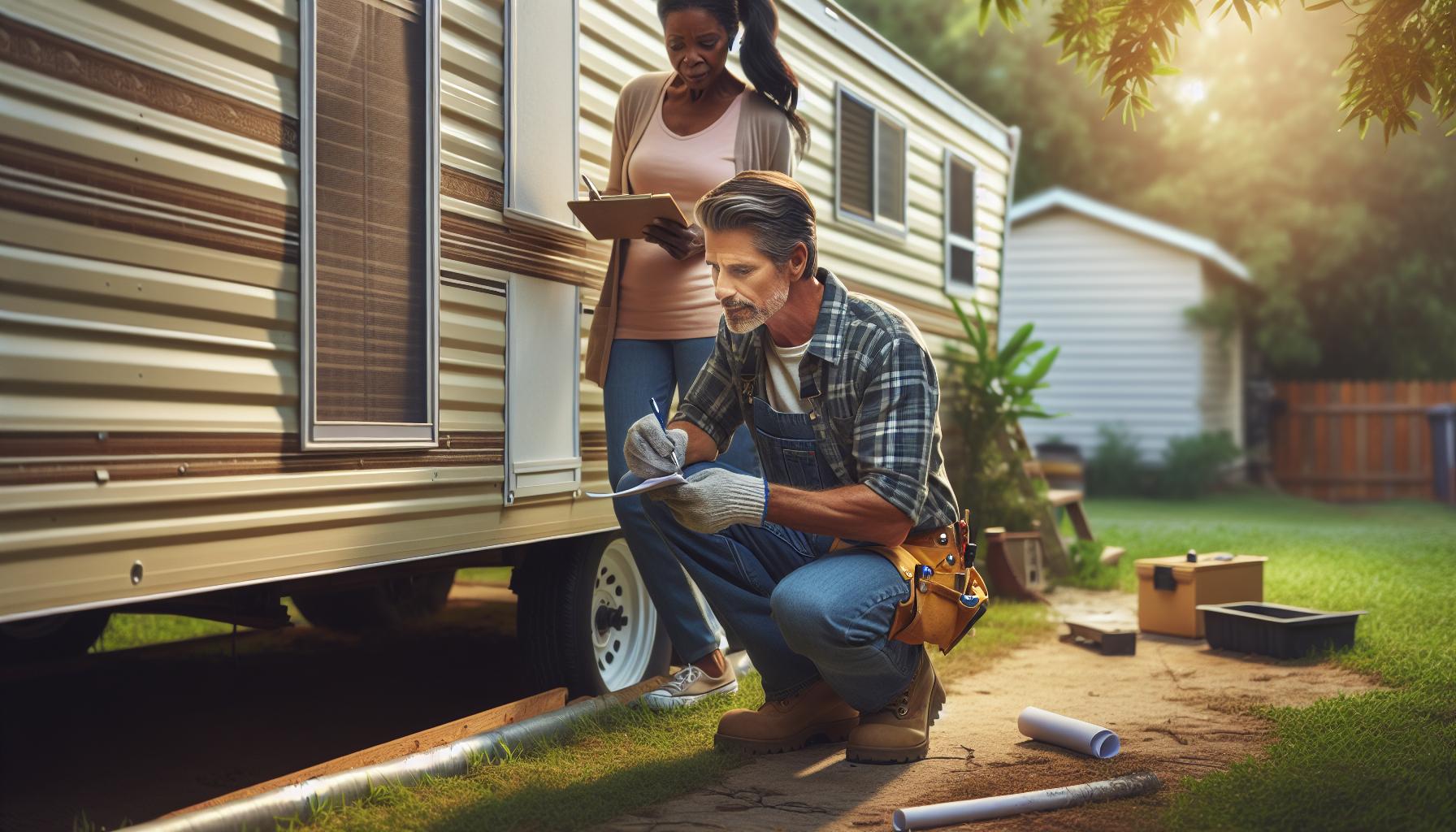
Many trailer homeowners may not realize that their homes can quietly signal when they need reinforcement to withstand harsh winds. Just like any structure, trailers require regular inspections to ensure they remain safe and secure against the elements. Identifying signs that your trailer home needs strengthening can make all the difference when faced with severe weather events.
One of the most important indicators to check is the condition of the exterior. Look for visible issues such as dents, cracks, or rust on the metal siding, which may compromise its ability to resist wind. Pay extra attention to the seams where different materials meet, as these are common weak points. If you notice any gaps or deterioration, it’s essential to address these by reinforcing them with appropriate materials or sealants.
Structural Stability
Another critical area to assess is the foundation and anchoring of your trailer. If the anchors are loose or damaged, the home may become unstable in high winds. Check the stability of your frame and floor-swaying or creaking noises when winds pick up could indicate underlying issues. Furthermore, inspect supporting piers and blocks for any signs of deterioration that might impact the overall structure.
Lastly, wind can cause significant stress on windows and doors. If them start to show signs of leaks or difficulty closing completely, consider replacing weather stripping or even investing in storm shutters designed to enhance wind resistance. Keeping these areas in optimal condition not only strengthens your trailer but also enhances your comfort during harsh weather.
Taking the time to address these signs helps ensure your trailer is equipped to handle higher wind speeds, providing peace of mind and safety for you and your family. Regular inspections, timely repairs, and understanding your trailer’s specific needs can make a meaningful difference in your home’s resilience against wind damage.
Safety Features to Consider for High Winds
When it comes to ensuring safety during high winds, trailer homeowners must take proactive steps to integrate resilient features into their homes. Wind resistance isn’t just about the exterior, but also involves various internal and external safety measures that all contribute to a trailer’s overall wind tolerance. Knowing what features to incorporate can vastly improve safety and peace of mind when storms arise.
One significant feature to consider is the installation of stronger anchoring systems. Most trailers come with standard tie-downs, but upgrading to more robust systems, such as ground anchors or tiedowns that meet higher wind-rating standards, can provide enhanced stability. It’s essential to ensure that these systems are properly installed and routinely inspected for wear and tear, especially before storm season.
Additionally, reinforced windows and doors can make a notable difference in wind resilience. Storm shutters or impact-resistant windows can shield these vulnerable points from flying debris and pressure changes. Regular maintenance, such as checking and replacing weather stripping, not only bolsters energy efficiency but also tightens the seals against wind intrusion, further securing the trailer.
Another key consideration is the use of aerodynamic roof designs or shells. These designs help reduce wind resistance and minimize pressure buildup during strong gusts. Owners can enhance their trailer’s profile by removing any unnecessary attachments, such as satellite dishes or decorative objects that may act as wind catchers.
Incorporating hurricane ties to the roof-to-wall connections is also a prudent choice. These metal connectors can help keep the roof attached during severe winds, which is crucial in maintaining the integrity of the structure. Regular inspections of these features can help identify any wear and ensure that all elements remain securely fastened.
Being prepared for high winds involves not just reinforcing the function of the trailer but also ensuring that the living space is equipped to handle emergencies. These enhancements provide a dual benefit: they protect the structure and ensure that you and your loved ones remain safe and comfortable when facing the fury of nature. By addressing these safety features, homeowners can significantly elevate their trailer’s wind resistance and be better prepared for whatever the weather brings.
Building Codes and Regulations for Wind Safety
When it comes to the safety of trailer homes in windy conditions, building codes and regulations play a pivotal role in ensuring structural integrity. These regulations vary by region but typically align with standards set by organizations such as the International Code Council (ICC) and the American National Standards Institute (ANSI). Understanding these codes can help trailer homeowners make informed decisions about the safety and durability of their homes.
Most areas require trailer homes to comply with specific wind load requirements, which are determined based on the geographic region’s risk for extreme weather. For instance, homes in hurricane-prone areas must withstand greater wind forces than those in less volatile climates. Wind load calculations are often reflected in the home’s design, including the anchoring systems and construction materials used. It’s crucial to check local building codes and zoning laws to ensure compliance, as failing to do so could lead to safety issues or larger financial liabilities in the event of wind damage.
Additionally, regulations may dictate the use of specific materials that enhance wind resistance. For example, homes may be required to have reinforced connections at critical structural points, which help maintain stability during high winds. It’s advisable to consult a local building inspector or contractor who can confirm that your trailer meets all necessary code requirements, as well as provide insights on upgrades that could improve wind resilience.
When considering improvements, always document any modifications and keep records of compliance with local regulations. Engaging with local housing authorities not only ensures adherence to safety codes but can also provide access to resources for financial assistance or grants aimed at upgrading resilient features in trailer homes. By prioritizing safety through understanding and following building codes, trailer homeowners can significantly enhance their ability to withstand severe wind conditions.
Best Materials for Wind-Resistant Trailer Homes
When it comes to ensuring that trailer homes can withstand high winds, the materials used in their construction play a crucial role. Opting for the right materials not only enhances the safety and durability of a home but also can offer peace of mind during severe weather conditions. Strong, resilient materials can alleviate many worries homeowners may have about wind damage, making it a worthy investment for anyone considering wind-resistant upgrades.
One of the best materials for frame construction is steel. Steel framing is exceptionally strong and flexible, allowing it to withstand high winds better than traditional wood framing. Not only does it resist bending and breaking, but it also doesn’t warp in extreme weather, making it a reliable option for long-term durability. Additionally, using high-quality siding-such as fiber cement or vinyl with a high wind rating-can protect against wind-driven rain and debris without compromising the structural integrity of the home.
For roofing, consider impact-resistant shingles or metal roofing. These materials not only resist winds but are also built to withstand hail and flying debris, making them ideal choices in storm-prone areas. It’s essential to ensure that the roofing is properly secured with strong underlayment and appropriate fasteners to limit the risk of being blown off during severe gusts. Anchoring systems are also essential; using robust anchors designed for high wind resistance ensures that your home remains securely attached to its foundation.
Incorporating hurricane ties and reinforced connections at critical juncture points can bolster the structure’s resilience. Properly installed, these elements can help transfer wind loads throughout the home, mitigating the chance of structural failure. Regular maintenance, such as checking fasteners and seals for wear, is vital in ensuring continued performance in high winds.
Investing in these materials and overseeing proper construction and installation ensures that trailer homes can withstand wind loads, potentially up to and beyond the 110 mph threshold often seen in storm areas. By prioritizing safety and resilience through material choices, homeowners can significantly enhance their ability to protect their living space from the unpredictability of nature.
Emergency Preparedness for Wind Damage
It’s essential to understand that trailer homes can be particularly vulnerable during high wind events. This is why emergency preparedness is critical. Preparing for potential wind damage involves several proactive measures to protect your home and your family. By taking the time to plan and implement a solid emergency strategy, you can significantly mitigate risks and ensure your safety during storms.
Begin by assessing your trailer’s structural integrity. Check for any loose fittings, weakened connections, or signs of wear in both the exterior and interior. It’s advisable to conduct a thorough inspection before storm season. Moreover, consider enhancing your home by installing tie-down systems that securely attach your trailer to the ground or foundation. These systems can minimize the risk of your home being lifted or shifted during high winds.
Create an emergency kit that includes essentials such as flashlights, batteries, a first aid kit, and non-perishable food items. Do not overlook the importance of having a communication plan in place. Make sure all family members know where to gather in case of an emergency and ensure that you have a reliable way to stay informed about weather updates. Regularly practicing these safety measures will help everyone feel more confident and prepared when high winds are forecasted.
In addition to physical preparedness, consider keeping important documents such as insurance policies, identification, and medical records in a waterproof container for easy access if evacuation becomes necessary. Remember also to stay connected with your community; having a network of neighbors can provide additional assistance and information during severe weather. By being proactive and prepared, you can increase your chances of staying safe and protecting your home from the unpredictable forces of nature.
Maintenance Tips for Wind Resilience
Ensuring your trailer home can withstand high winds is not just about installation; it requires regular maintenance and the implementation of specific strategies tailored to enhance its structural resilience. One of the most critical aspects of maintenance involves regularly inspecting the exterior of your home. Check for any signs of wear and tear, such as loose siding, damaged roofing, or gaps where wind could penetrate. Address these issues promptly by resealing joints and replacing any damaged materials to maintain a tightly sealed structure.
Another essential element is to evaluate and reinforce your trailer’s anchoring system. This not only reduces the risk of your home moving during strong winds but can also prevent severe damage to your trailer or the surrounding areas. Ensure that the tie-downs are in good condition and properly secured. A visual inspection is beneficial, but considering a professional evaluation can provide insights into any weaknesses in your installation.
Regularly clearing debris from around your trailer enhances not only safety but also reduces potential wind resistance. This includes trimming overhanging branches, removing loose items from the yard, and securing outdoor furniture that could become projectiles during a storm. Keeping the area around your home tidy helps to maintain stability and reduces hazards associated with high winds.
Finally, consider reinforcing critical parts of your trailer with weather-resistant materials. Upgrading windows to impact-resistant models and applying storm shutters can significantly bolster your home against high winds. Additionally, installing a more robust roof might be a beneficial investment, as roofs are particularly vulnerable to wind uplift. By taking these maintenance steps seriously, you can improve your trailer home’s wind resilience, ensuring a safer living environment in storm-prone areas.
Real-Life Case Studies: Wind Tests on Trailers
During wind tests, the resilience of trailer homes can be both surprising and informative. Many manufacturers have subjected their models to rigorous testing under controlled conditions to determine their capacity to withstand extreme weather. For example, one well-publicized test conducted by a leading trailer home manufacturer involved simulating hurricane-like conditions, where the homes were subjected to sustained winds of up to 130 mph. Observations from these tests provided invaluable data about structural integrity and performance under duress.
One notable case study involved a series of mobile homes tested in a high wind zone, where they were reinforced with various materials such as high-strength steel framing and impact-resistant windows. The results showed that homes built to these enhanced specifications not only survived higher wind speeds but also demonstrated less structural damage compared to standard models. Over 75% of the enhanced models maintained their integrity, while the standard models exhibited severe damage and significant component failures.
Another compelling instance took place in a coastal community that regularly experiences tropical storms. Residents of this area participated in a study where their older trailer homes underwent wind shear tests. Many of the homes had been retrofitted with newer anchoring systems and weather-resistant materials. Interestingly, the data showed that the retrofitted homes withstood wind speeds up to 90 mph with minimal issues, while those that had not been updated faced considerable risks of displacement.
These real-life examples underscore the importance of not just understanding the structural ratings of trailer homes but also actively reinforcing them to meet or exceed safety standards. By staying informed about recent advancements in materials and construction techniques, as well as applying lessons learned from these wind tests, trailer home owners can significantly improve their safety and resilience against high winds. Making educated upgrades and repairs can be the key to ensuring that your trailer remains a safe haven, no matter the weather circumstances outside.
Comparing Different Trailer Brands’ Wind Ratings
Understanding the wind ratings of different trailer brands can dramatically influence your safety and peace of mind, especially for those residing in areas prone to high winds or severe weather events. Each manufacturer approaches wind resistance with varying levels of design and construction standards, meaning it’s crucial to know how your chosen brand rates on the wind scale.
Many manufacturers categorize their models into wind zones, which denote the maximum wind speeds they can withstand. For instance, homes rated for Wind Zone 1 typically resist winds of up to 70 mph, while Wind Zone 2 models can handle up to 80 mph. The most robust trailers, rated for Wind Zone 3, are engineered to endure gusts exceeding 90 mph. Below is a general overview of how some prominent trailer brands align with these ratings:
| Brand | Wind Zone Rating | Maximum Wind Resilience |
|---|---|---|
| Brand A | Wind Zone 1 | Up to 70 mph |
| Brand B | Wind Zone 2 | Up to 80 mph |
| Brand C | Wind Zone 3 | Up to 90 mph |
| Brand D | Wind Zone 3 (Upgraded) | Up to 130 mph |
When selecting a trailer, consider not just the wind zone rating but also the construction features that contribute to its wind resilience. For instance, some brands offer advanced anchoring systems, aerodynamic designs, and reinforced materials that boost their ability to withstand extreme weather. It’s also valuable to look at consumer reviews and real-life performance reports, as these often highlight how well a model has fared in actual storm conditions.
In addition to brand reputation and ratings, potential trailer owners should also inquire about updates and retrofits, such as reinforcement with steel framing or wind resistance enhancements. By thoroughly comparing ratings and features across different brands, you can make an informed decision that prioritizes safety and structural integrity in your living space, ensuring your trailer home is a secure refuge amidst nature’s fury.
The Conclusion
Understanding the wind speed limits your trailer home can withstand is crucial for ensuring your safety and comfort. As you consider your next steps, remember that being informed empowers you to make the best decisions about your living situation. Whether it’s reinforcing your home against severe weather, exploring basic maintenance tasks, or learning more about renovation projects, we’re here to help. For additional insights, check out our articles on essential trailer maintenance, financing options for new purchases, and legal considerations for mobile home living.
Ready to take action? Subscribe to our newsletter for expert tips directly to your inbox, or explore our resource center to find answers to all your housing questions. Your journey toward a safe and enjoyable trailer home experience starts here-don’t hesitate to reach out with comments or questions, as we’d love to hear from you! Together, let’s make mobile living a practical and rewarding choice.