Park model mobile homes offer an inviting blend of comfort and mobility, making them a popular choice for those seeking alternative housing options. These compact living spaces are designed for recreational use, often found in campgrounds or as vacation retreats, and provide an affordable solution for individuals and families looking for flexibility in their living arrangements. Understanding the classification of park models is essential in navigating the various options available and ensures you choose a home that fits your lifestyle and budget. As you explore this topic, you’ll discover the unique features, benefits, and potential challenges associated with park model living. This knowledge will empower you to make informed decisions, enhance your living experience, and even inspire you to embrace a simpler, more connected way of life. Dive in to learn more about what constitutes a park model mobile home and how it can meet your housing needs!
What is a Park Model Mobile Home?
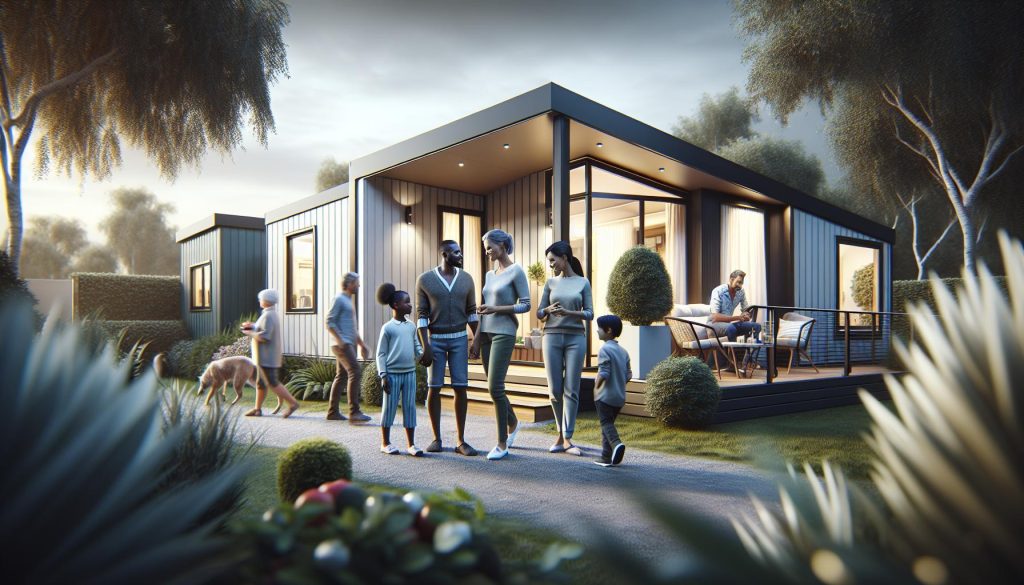
A park model mobile home represents a unique housing solution that perfectly blends the charm of a traditional home with the versatility of a mobile structure. These homes are designed for recreational and seasonal use, making them ideal for those who enjoy living close to nature while still having all the comforts of home. Typically situated in designated RV parks or campgrounds, park models provide an inviting and cozy lifestyle that appeals to a range of residents, from retirees to young families seeking adventure.
One of the defining characteristics of park model homes is their adherence to specific size regulations. According to standards set by the Recreational Vehicle Industry Association (RVIA), park models are limited to a maximum of 400 square feet. This compact design encourages efficient use of space, often featuring cleverly arranged living areas, full kitchens, and one or more bedrooms. Their construction often includes residential-grade materials, providing a more permanent feel compared to traditional RVs, making them suitable for longer-term living arrangements.
Moreover, park models differ from traditional mobile homes in several ways. While mobile homes are built to be permanently movable and can often be larger than manufactured homes, park models are intended for seasonal living with mobile characteristics that still allow them to be transported. This distinction plays a significant role in how they are classified and utilized. Residents in park model homes can enjoy the benefits of community living in parks that may offer amenities like swimming pools, recreational facilities, and social activities, enhancing their overall living experience.
In essence, park model mobile homes cater to a lifestyle that prioritizes both mobility and comfort, offering a perfect solution for those looking for a cozy retreat without compromising on essential living features.
Key Features of Park Model Mobile Homes
Park model mobile homes offer a delightful combination of comfort, efficiency, and mobility, making them an attractive option for those looking to embrace a unique lifestyle. One standout feature is their design, which incorporates residential-grade materials to create a warm, inviting atmosphere that feels like home. With their compact layout typically limited to 400 square feet, these homes maximize space by including functional areas such as a cozy living room, fully-equipped kitchen, and often one or two bedrooms.
Thoughtful Layouts
The ingenious use of space in park model homes allows for multiple configurations. Features often include:
- Open Floor Plans: Many park models utilize an open-concept design, making the space feel larger and more connected.
- Loft Areas: Some models incorporate lofted sleeping areas, adding extra space without compromising on the footprint.
- Outdoor Living Spaces: Many designs include porches or decks to extend the living area outdoors, perfect for enjoying nature.
Energy Efficiency
Another key highlight is their energy-efficient construction. These homes often come equipped with modern insulation and energy-efficient appliances, which not only reduce energy costs but also reflect a commitment to sustainable living. Owners can enjoy the comforts of temperature control and the advantages of low utility bills.
Emphasizing community living, most park models cluster within RV parks or designated areas, providing access to shared amenities such as pools, fitness facilities, and social gatherings. This sense of community fosters a supportive environment, making park model living suitable not just for seasonal residents but also for those seeking a welcoming neighborhood year-round.
Understanding these key features helps prospective buyers recognize the benefits of park model homes as viable, enjoyable housing options that balance all the comforts of a traditional home with the freedom of mobility.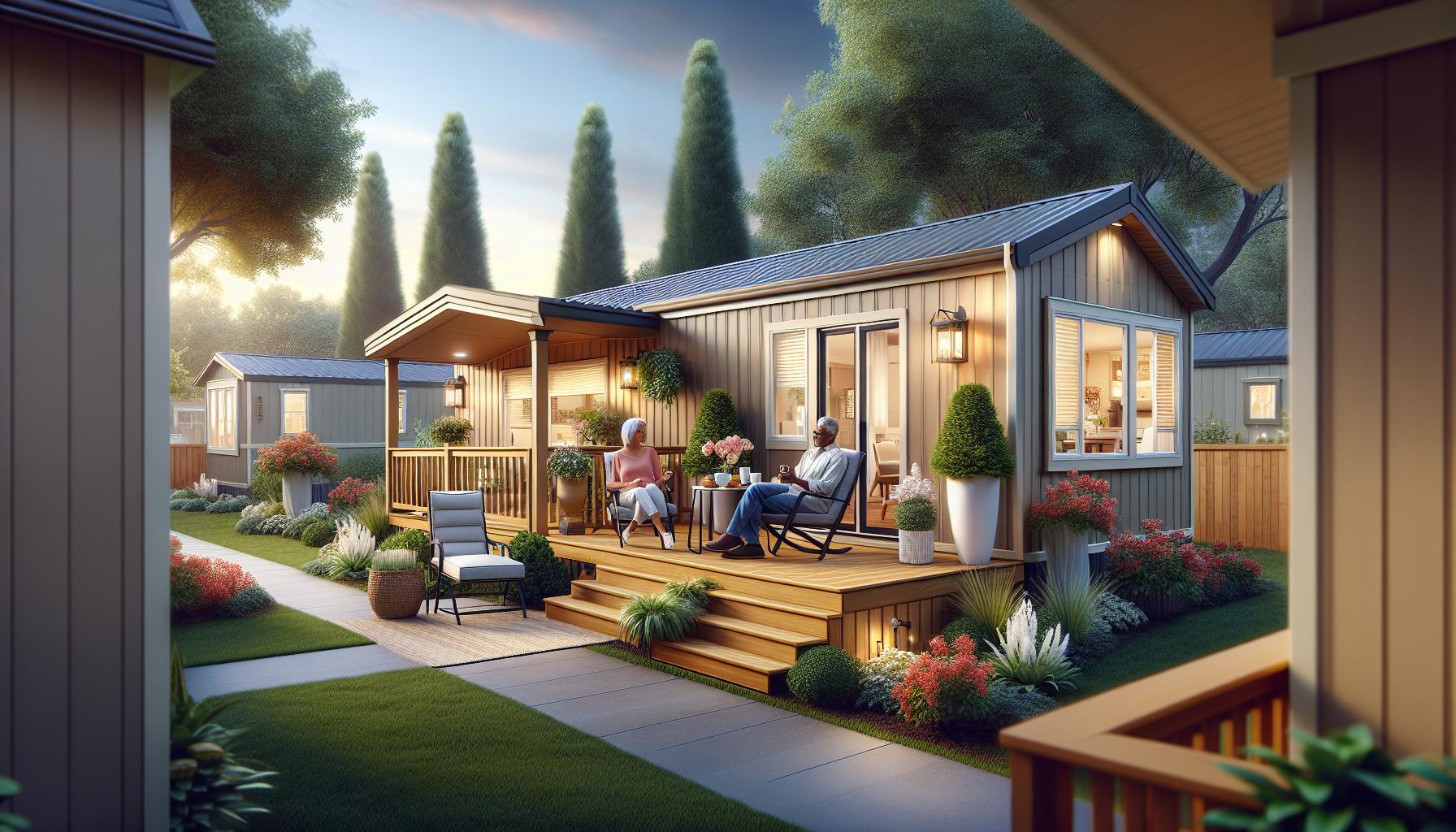
Differentiating Park Models from Traditional Mobile Homes
Unlike traditional mobile homes, park model mobile homes are designed specifically for a unique blend of mobility, minimalism, and livability within a compact footprint. These homes are typically limited to a maximum of 400 square feet, providing a smaller space that promotes a more efficient lifestyle while still offering the comforts found in larger residences. The key distinction lies in their classification: while both types of homes can be moved, park models are considered recreational vehicles (RVs) and are subject to different regulations than traditional mobile homes.
Structural Differences
Park models often utilize higher-quality construction materials akin to those found in traditional housing. This results in a more robust and aesthetically pleasing dwelling. Traditional mobile homes, in contrast, may use lower-grade materials that prioritize cost-saving over long-term durability. Features such as residential-grade insulation, energy-efficient appliances, and attractive siding are commonly found in park models, enhancing both the comfort and appeal of the spaces.
Regulatory Framework
In terms of compliance and regulations, park model homes fall under the RV industry standards, which are different from those that govern standard manufactured homes. This distinction affects zoning laws, where park models are typically allowed in RV parks or designated communities, while traditional manufactured homes may be permitted in subdivisions or mobile home parks. This creates unique living environments where residents can benefit from a sense of community and shared amenities.
Lifestyle Considerations
Another critical difference lies in lifestyle. Park model homes are often situated in recreational environments, making them ideal for seasonal or vacation living. Their ability to maintain a cozy atmosphere while offering mobility makes them suitable for those who enjoy traveling or exploring different locations throughout the year. Traditional mobile homes, however, are frequently viewed as permanent residences. This distinction influences not only the design and community aspect but also how residents interact with their surrounds, fostering a community spirit that is characteristic of RV living.
In summary, understanding these differences can help prospective buyers make informed choices when considering their housing options. Whether looking for flexibility in a park model or the permanence in a traditional mobile home, each offers unique benefits that cater to various lifestyles.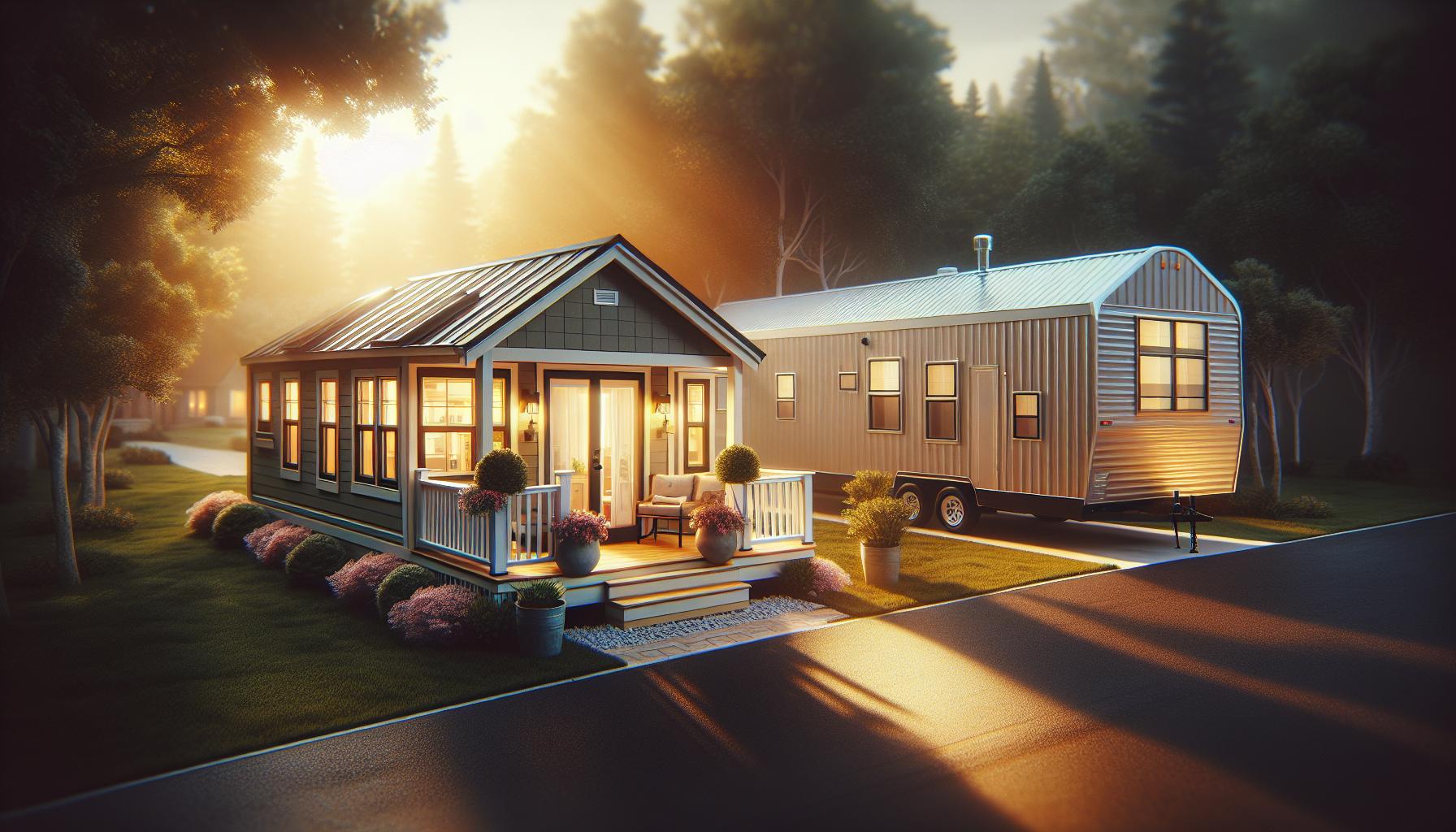
Understanding the Size and Design Specifications
Park model mobile homes are designed with specific dimensions and design features that set them apart, making them a unique alternative housing option. Typically, these homes have a maximum floor area of 400 square feet, allowing for a cozy yet functional living space. While small in size, park models are ingeniously designed to maximize every square foot, often featuring open-concept layouts that integrate living, cooking, and sleeping areas seamlessly.
Dimensions and Layout
Most park models are built on a chassis that enables mobility, yet they can offer a range of layouts to suit different needs. Standard widths are usually 8 to 12 feet, but some designs may stretch wider to offer more spacious interiors. When choosing a park model, consider the layout that best fits your lifestyle:
- Single-level Living: Many park models feature single-level designs, ideal for those seeking accessibility and convenience.
- Loft Designs: Some homes include loft spaces that maximize vertical space, perfect for additional sleeping areas or storage.
- Expandable Features: Options like slide-outs can provide extra living space, enhancing the feeling of openness.
Materials and Construction
The construction quality of park models is often higher than that of traditional mobile homes, using materials akin to those found in permanent residences. Common features include:
- Residential-grade insulation for year-round comfort.
- Energy-efficient windows and appliances, contributing to lower utility costs.
- Attractive exteriors that can mimic traditional homes, enhancing curb appeal.
This approach not only meets the aesthetic needs of homeowners but also ensures durability and efficiency.
By of park models, prospective buyers can better envision how these homes might fit into their lifestyle while embracing the efficiency and comfort they offer. With thoughtful layouts and quality construction, park model mobile homes create a welcoming environment that can serve both as a full-time residence and a seasonal retreat.
Benefits of Living in a Park Model Home
Living in a park model home offers a unique blend of comfort, affordability, and mobility that can transform your lifestyle. With a focus on efficient living, these homes are not only designed for maximum space utilization but also provide a sense of community often found in recreational settings. One of the most appealing aspects of park models is their ability to function as both a full-time residence or a seasonal retreat, catering to diverse living situations.
One significant advantage is the cost-effectiveness that comes with park model homes. Generally more affordable than traditional houses, they can lower your overall living expenses, which can be particularly beneficial for retirees or those seeking to downsize. Furthermore, with their smaller footprint, utility costs tend to be reduced; energy-efficient appliances and quality insulation contribute to manageable monthly budgets, allowing you to allocate resources elsewhere.
In addition to financial benefits, park model homes foster a simpler lifestyle that emphasizes community engagement and connection with nature. Many are located in picturesque settings like campgrounds or resort-style communities, encouraging outdoor activities and social interactions with neighbors. This lifestyle not only nurtures relationships but also promotes well-being through an active, outdoor-oriented way of life.
Additionally, park models are designed for flexibility. Many of these homes can be customized to reflect personal tastes and preferences, whether it’s choosing an open floor plan, adding loft spaces, or incorporating modern amenities. As your needs change-such as growing a family, aging in place, or simply shifting lifestyle priorities-your park model can adapt. The ease of installation and mobility allows for the possibility of relocating to a different site, embracing new environments while keeping the comforts of home close at hand.
Overall, choosing to live in a park model home can open doors to a fulfilling lifestyle, characterized by financial prudence, community spirit, and flexibility. As you consider this alternative housing option, reflect on how it might fit into your life and enhance your living experience.
Exploring Park Model Mobile Home Regulations
Living in a park model mobile home offers a lifestyle that merges mobility with comfort, but potential homeowners should be aware of the various regulations that govern their use. Park models are classified under specific guidelines that dictate where and how they can be placed, making it essential to understand these regulations before making a purchase. For instance, park model homes are typically defined as recreational vehicles designed for seasonal living. They may not exceed 400 square feet and must be built according to standards set forth by the American National Standards Institute (ANSI). This classification affects zoning laws and can determine the type of communities where park models can be installed.
When exploring regulations, it’s crucial to pay attention to local zoning laws and property codes. Different municipalities can have varying rules regarding the installation of park models. For example: some areas may have restrictions on permanent living in park models, allowing only seasonal or recreational use. Always check whether the area you are considering permits park models and what the specific requirements are, including permits for installation and land use.
Another important aspect to consider is the requirement for utility connections. Many park model communities or campgrounds have specific guidelines regarding how utilities are to be hooked up. This often involves adhering to safety codes for electrical, water, and sewage systems. Furthermore, some places might require inspections before you can occupy your park model, ensuring everything is safe and compliant.
Additionally, if you’re thinking about relocating your park model home in the future, be prepared to navigate the regulations that may apply to moving it. Some areas require notification to local authorities and compliance with transportation guidelines to ensure your home is moved safely and legally. Being informed about such regulations will help prevent any surprises and ensure you fully enjoy the benefits of your park model lifestyle.
Financing Options for Park Model Mobile Homes
Financing a park model mobile home can often feel daunting, but understanding your options can make the process smoother. Unlike traditional homes, park models are classified as recreational vehicles, which affects their financing. Since they are typically less costly than conventional homes, prospective buyers might find themselves with distinct financial pathways tailored to their specific needs.
Lenders often treat park model homes similarly to RVs. This means traditional mortgage options may not apply. Instead, many buyers consider options such as personal loans, RV loans, or even cash purchases. Here are some common :
- RV Loans: These loans are specifically designed for buying recreational vehicles, including park models. They often require a down payment and have terms ranging from 5 to 20 years. Interest rates can vary significantly, so shopping around is advisable.
- Personal Loans: Unsecured personal loans can be a flexible option, allowing you to borrow a specific amount to cover the cost of the home. Keep in mind that interest rates might be higher than secured loans, given that they don’t require collateral.
- Cash Purchases: If you have the funds available, purchasing outright with cash can be advantageous. This avoids interest payments and can simplify the buying process.
- Manufacturer Financing: Some park model manufacturers offer financing options directly, which can streamline the purchasing process. This might include competitive rates and tailored plans, so it’s worthwhile to inquire directly with the seller.
Before deciding, potential buyers are encouraged to assess their financial situation carefully and consider how each financing method aligns with their budget and long-term goals. Always factor in additional costs, such as placement fees, utilities, and insurance. By doing this, you can ensure you select a financing option that supports your lifestyle aspirations without stretching your budget too thin.
Maintenance Tips for Park Model Mobile Homes
Maintaining a park model mobile home doesn’t have to be a daunting task; it can be a rewarding way to ensure that your unique living space remains comfortable and functional for years to come. With proper care and attention, park models can thrive as a practical alternative housing solution that blends comfort with mobility. Here are several essential maintenance tips to keep your park model in top shape.
Routine inspections are key to preventing major issues. Check your plumbing systems regularly for leaks, particularly under sinks and around toilets. Ensure that your roof is free from debris and inspect it for signs of wear, especially after heavy storms. This proactive approach can save you from costly repairs in the long run. Additionally, keeping the exterior clean not only enhances the aesthetic appeal but also protects the materials from environmental damage.
Another crucial aspect is maintaining your appliances and HVAC system. Schedule regular service checks for your air conditioning and heating units to ensure they are operating efficiently. It’s advisable to replace filters as recommended, typically every 1-3 months, to improve air quality and reduce energy consumption. Don’t forget about the kitchen and laundry appliances; cleaning and descaling them regularly can extend their lifespan.
Lastly, consider seasonal maintenance tasks such as winterizing your home if you live in an area with harsh winters. This process includes draining water systems, insulating pipes, and checking for air leaks to ensure your home stays cozy and protected from the elements. Keeping a maintenance schedule that outlines these tasks can simplify your responsibilities and help you enjoy the benefits of your park model mobile home without worry.
Choosing the Right Location for Your Park Model
Selecting the ideal location for your park model mobile home is crucial not just for your lifestyle but also for maximizing the benefits of this unique housing option. Park models are designed to be semi-permanent, often placed in designated communities, RV parks, or on private lots. The choice of site can influence everything from your daily activities to your home’s long-term value.
When considering a location, think about access to amenities. Proximity to grocery stores, medical facilities, and recreational areas can enhance your quality of life. It’s also important to evaluate the local community culture. Many park model owners enjoy a sense of neighborhood, so a community that aligns with your interests-be it outdoor activities, social events, or cultural offerings-can be incredibly beneficial.
Environmental factors should not be overlooked. Consider the climate and natural surroundings of the area. If you enjoy outdoor activities like hiking, fishing, or skiing, a location with easy access to these activities will be advantageous. Additionally, look for areas with stable weather patterns and safe terrain to avoid disruption due to storms or flooding.
Finally, don’t forget to research local zoning regulations and homeowners’ association (HOA) guidelines if applicable. Some locations may have restrictions on the size, style, or placement of park models. Ensuring your home complies with these rules is essential to avoid potential fines and hassles later. With thoughtful consideration of these factors, your park model mobile home can become a comfortable and enjoyable haven.
Sustainable Living in Park Model Mobile Homes
Living in a park model mobile home isn’t just about downsizing; it can also be a significant step toward sustainable living. These homes, often smaller than traditional houses, naturally encourage a minimalist lifestyle that reduces consumption and waste. By embracing a simpler way of living, residents often find they can substantially lessen their ecological footprint. The compact size of park models allows for innovative designs that can incorporate energy-efficient systems, water-saving fixtures, and sustainable materials, making them an attractive option for environmentally conscious individuals.
To enhance sustainability in a park model home, consider implementing various green technologies and energy solutions. Installing solar panels on the roof can provide a renewable energy source, significantly reducing electricity bills and dependence on non-renewable energy. Choose energy-efficient appliances and LED lighting to keep energy use low. Additionally, high-quality insulation materials can contribute to a more energy-efficient home by reducing heating and cooling costs.
Water conservation is another critical aspect of sustainable living in park models. Low-flow fixtures and toilets can significantly reduce water usage. Rainwater harvesting systems can also be integrated to maintain gardens or perform outdoor residential tasks like washing cars. Utilizing native plants in landscaping can minimize water needs while enhancing biodiversity.
For those looking to renovate, consider sustainable materials such as reclaimed wood or sustainable bamboo for flooring and cabinetry. Not only do these materials have a lower environmental impact, but they also add character and unique design to your space.
The journey toward sustainable living in a park model home is more about mindfulness than perfection. As you embrace simplicity, you’ll likely discover a newfound appreciation for your surroundings and the resources you utilize, ultimately cultivating a lifestyle that prioritizes both personal well-being and environmental responsibility.
Renovation Ideas for Park Model Mobile Homes
When it comes to enhancing the charm and functionality of park model mobile homes, renovations can take your living space to the next level. These homes offer a unique blend of compactness and style, making them perfect for creative upgrades. Whether you want to modernize your kitchen or create a cozy outdoor space, there are numerous renovation ideas to consider that will not only beautify your home but also optimize its efficiency and sustainability.
One popular renovation choice is upgrading the kitchen. Consider installing energy-efficient appliances that not only save on electricity bills but also contribute to a greener lifestyle. Repainting cabinets with eco-friendly paint can dramatically refresh the space, while adding open shelving instead of traditional cabinets can create an open feel and display your favorite dishes or decor. Utilize natural materials like reclaimed wood for countertops or bamboo for cabinetry to enhance both aesthetics and sustainability.
The bathroom is another critical area that can benefit from stylish renovations. Upgrading to a water-saving toilet and fixtures can significantly reduce water consumption. Beautiful tile work, possibly using recycled materials, can turn this space into a spa-like retreat. Installing a sliding barn door can save space and add a rustic touch to your home.
Don’t forget about the external aspects. Creating an outdoor living area can extend your living space and provide a relaxing retreat. Consider building a deck or patio, ideal for enjoying the outdoors. Using sustainable materials, such as composite decking made from recycled plastics and wood fibers, contributes to eco-friendliness while maintaining durability. Adding native plants and a small rainwater collection system for irrigation can also promote a sustainable landscape.
Lastly, implementing smart home technologies is an exciting renovation option that can lead to greater energy efficiency. Smart thermostats, lighting systems, and security devices can be easily integrated into your park model mobile home without requiring extensive modifications. These systems help lower utility costs and enhance convenience, giving you a modern living experience while being mindful of your ecological footprint.
Renovating your park model mobile home opens up countless possibilities for personal expression and sustainable living. As you embark on your renovation journey, remember to prioritize materials and practices that reflect your commitment to environmental responsibility while creating a comfortable and stylish sanctuary.
The Future of Park Model Mobile Homes in Housing Trends
The demand for alternative housing solutions, particularly park model mobile homes, continues to rise as more individuals seek affordable and flexible living arrangements. With increasing housing prices and a growing interest in minimalism and sustainability, park model homes represent a viable option for many looking to downsize or transition to a more mobile lifestyle. Unlike traditional homes, these compact dwellings emphasize both mobility and the comforts of home, making them appealing to a diverse group of buyers, from retirees to young professionals.
One significant trend influencing the future of park model homes is the push towards sustainability and eco-friendliness. These homes can be built using energy-efficient materials and equipped with solar panels, rainwater catchment systems, and other green technologies that not only reduce homeowners’ ecological footprints but also lower utility bills. As society becomes more conscious of environmental issues, the appeal of park model homes, which often incorporate innovative green designs, is likely to grow, making them a key player in future housing developments.
Moreover, zoning regulations and developments in infrastructure are becoming more accommodating for park model communities. Many municipalities are beginning to recognize the benefits of such housing options, resulting in updated legislation that allows for easier placement of park model homes in designated areas. This changing framework opens doors for developers to create dedicated park model communities, enhancing social interaction and providing a shared sense of belonging among residents.
- Affordability: Park models often cost significantly less than traditional homes, making them accessible to a broader audience.
- Mobility: With their RV classification, park model homes can be relocated, offering flexibility for homeowners.
- Community living: Growing acceptance of park model communities fosters social connections and shared resources.
As technology continues to evolve, park model homes will likely incorporate smart-home features that enhance comfort and efficiency. This integration can range from remote-controlled heating and cooling systems to advanced security features, enabling homeowners to manage their living spaces conveniently and efficiently. Overall, as urban planning evolves and societal needs change, park model mobile homes are well-positioned to adapt and thrive, thereby shaping the future of housing in progressive and sustainable ways.
In Retrospect
Understanding what constitutes a park model mobile home is essential for making informed decisions about your living arrangements. These unique homes, designed for seasonal or recreational use, offer a blend of compact comfort and versatility. If you’re considering purchasing or customizing a park model, now is the time to explore your options further!
For more insights on maintenance tips and renovation ideas specifically tailored for park models, check out our detailed guides on basic home care and improvement projects. Don’t hesitate to reach out if you have questions or need personalized advice; we’re here to help you every step of the way.
Join our newsletter for the latest updates in mobile home living or browse our resources to find the perfect park model for your needs. Your ideal home awaits, and we’re excited to accompany you on this journey!