Underpinning a trailer home is a crucial step for ensuring stability and proper insulation, yet many homeowners are unsure about the costs involved. Did you know that a well-executed underpinning project can significantly enhance the longevity of your mobile home? Understanding the financial aspects is vital because it not only protects your investment but also contributes to a comfortable living environment. In this guide, we’ll break down the factors that influence underpinning costs, helping you make informed decisions that align with your budget and needs. Whether you’re considering underpinning to address sagging issues or simply to enhance energy efficiency, we’ll provide you with essential insights and practical tips to navigate this important home improvement project. Let’s explore the considerations you need to take into account to ensure your trailer home stands strong for years to come!
Understanding the Costs of Underpinning a Trailer Home
Understanding the costs associated with underpinning a trailer home is essential for any homeowner looking to stabilize their property. The expenses can vary significantly based on several factors, including the chosen underpinning technique, local labor costs, and the specific conditions of the site. Typically, homeowners can expect to pay anywhere from $5,000 to $15,000 for a complete underpinning project, but this number can fluctuate depending on the complexities involved.
Key Factors Influencing Costs
Several elements contribute to the overall cost of underpinning a trailer home:
- Location: Regional labor rates and material costs can significantly impact the total expenses. Urban areas tend to have higher costs than rural locations.
- Technique Used: Different underpinning methods, such as traditional concrete underpinning, helical piers, or push piers, have varying costs associated with equipment and labor.
- Site Conditions: The current state of the foundation and surrounding soil will affect how much work is necessary. Issues like erosion, tree roots, or water drainage problems can complicate the project.
- Permits and Inspections: Obtaining the necessary permits and passing inspections can add additional costs, which should be factored into the overall budget.
Understanding these factors not only aids in realistic budgeting but also prepares homeowners for potential obstacles during the underpinning process. In making informed decisions, it’s crucial to research various techniques and consult with professionals to get detailed estimates based on specific needs and circumstances.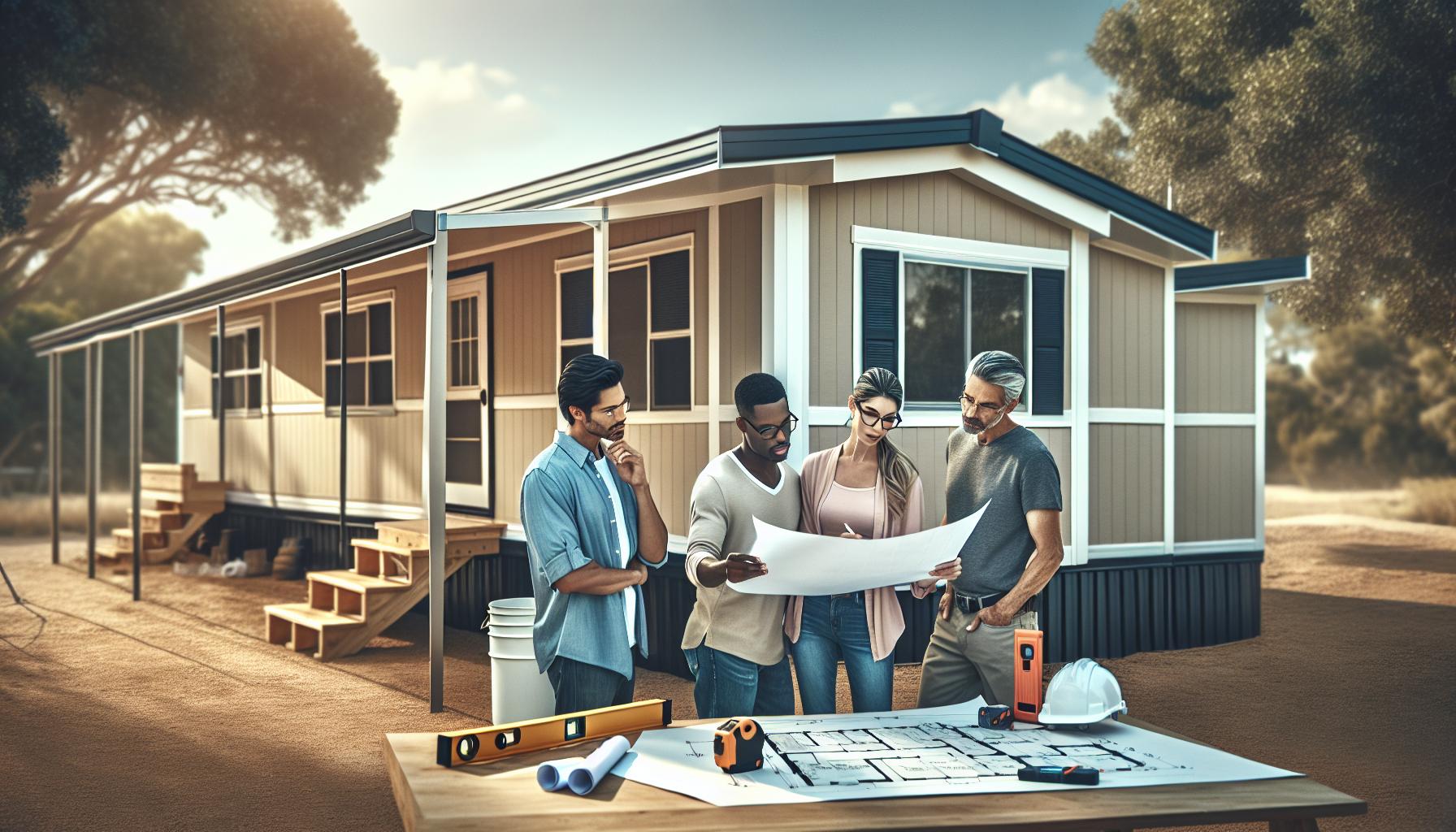
Factors Influencing Foundation Costs
Understanding the financial implications of underpinning is crucial for any trailer home owner. With a foundation that directly impacts the structural integrity and safety of your home, making informed decisions can save you significantly. The costs associated with underpinning can often feel daunting, yet being aware of the factors that influence these expenses will help you prepare better and avoid any financial surprises.
Several elements play a key role in determining the overall cost of underpinning a trailer home:
- Location: Costs can vary widely depending on where you live. Urban areas generally experience higher labor rates and material costs compared to rural settings. This regional variation means that a project in a bustling city could be significantly more expensive than the same type of work performed in a quieter region.
- Technique Used: The choice of underpinning method can greatly influence your budget. Techniques such as helical piers, push piers, or traditional concrete footing each come with its own set of costs related to materials, labor, and equipment. Understanding these differences will allow you to make an informed decision that best suits your financial situation.
- Site Conditions: Every foundation and site is unique. The existing condition of your trailer home’s foundation, as well as the surrounding soil type, will affect how much work is required. Complications such as erosion, tree root intrusions, or water drainage issues may necessitate additional work, driving up costs further.
- Permits and Inspections: Often overlooked, the need for permits and subsequent inspections can add to your expenses. Depending on local regulations, obtaining the necessary documents and passing inspections can increase the total budget, which is why homeowners should factor these costs into their planning.
Taking the time to research these elements and consult with professionals can make a significant difference. By familiarizing yourself with potential challenges and costs beforehand, you can establish a comprehensive budget that accounts for all aspects of the underpinning process. This proactive approach not only prepares you for financial responsibilities but also guides you in selecting the right solutions to ensure the longevity and stability of your trailer home.
Types of Underpinning Techniques Explained
The process of underpinning a trailer home is vital for ensuring its structural stability, particularly when issues like foundation settling or shifting occur. There are several underpinning techniques, each designed to address specific foundation problems while accommodating the unique requirements of trailer homes. Understanding these methods can empower homeowners to make informed decisions that best suit their needs and budgets.
Helical Piers
Helical piers are a popular choice for underpinning due to their versatility and effectiveness in various soil conditions. This method involves installing steel screw-like piers into the ground beneath the foundation. Once secured, these piers can bear the weight of the structure and provide additional support. Helical piers are particularly advantageous for trailer homes because they minimize disturbance to the surrounding landscape, making them an ideal solution for properties with limited access or delicate aesthetics.
Push Piers
Similar to helical piers, push piers are another robust underpinning technique. They consist of heavy-duty steel pipes pushed into the ground until they reach a stable soil layer. Once installed, the foundation of the trailer home is lifted back to its original position. Push piers are especially effective in areas with expansive clay soils, as they can provide long-term stability. However, the installation process can be more invasive compared to helical piers, often requiring greater excavation work.
Concrete Footings
For a more traditional approach, concrete footings are often used. This technique involves excavating around the existing foundation and pouring a new concrete footing underneath. This method not only reinforces the foundation but can also help prevent future settling. While concrete footings may require more labor and time to install, they offer a permanent solution that is well-suited for a durable and stable foundation.
Slab Jacking
Another method is slab jacking, which is useful when the trailer home’s foundation has directly settled. This technique involves injecting a polyurethane foam or concrete beneath the slab to lift it back to its original level. Slab jacking is less invasive than other methods and can often be completed in just a few hours, making it a convenient option for homeowners looking for quick solutions.
Selecting the appropriate method for underpinning a trailer home comes down to various factors, including budget, soil conditions, and the specific structural challenges faced. Homeowners should consult with professionals to assess the foundation’s condition and determine the best option to ensure the safety and longevity of their home.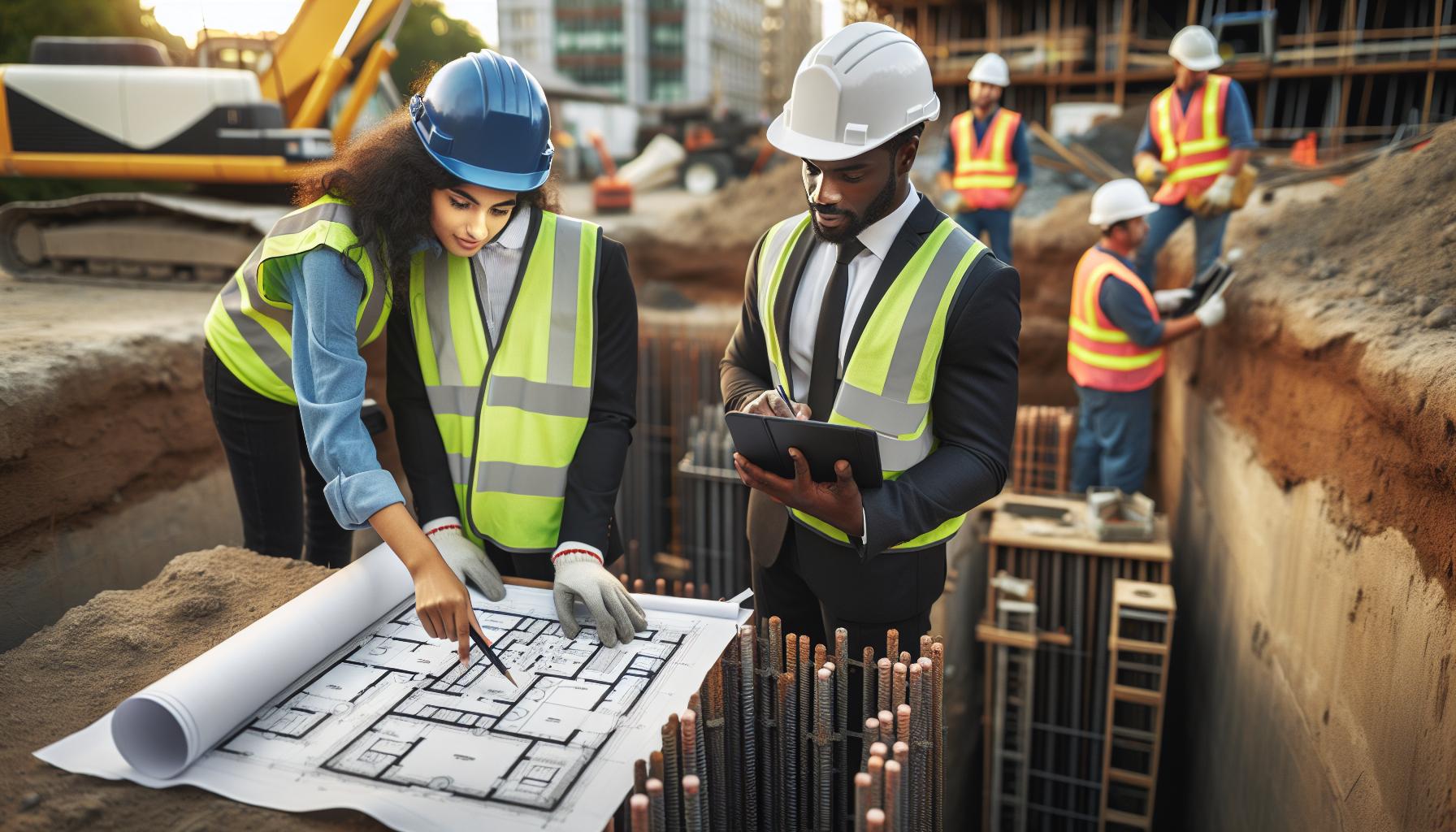
Step-by-Step Guide to Underpinning a Trailer Home
Addressing foundation issues in a trailer home can feel daunting, yet a well-planned underpinning process can restore stability and peace of mind. Here’s a straightforward guide to navigating the underpinning of your trailer home, broken down into easy-to-follow steps that demystify the process.
Start by evaluating the condition of your foundation. Look for visible signs of settling, such as cracks in the walls, floors that slope, or gaps around doors and windows. Engaging a professional for an assessment will provide a clearer picture of the underlying issues, helping you determine whether underpinning is necessary.
Next, choose the appropriate underpinning method based on your home’s specific conditions and budget. Options include helical piers, which are great for their minimal disruption; push piers, ideal for heavy lifting; concrete footings for a more traditional approach; and slab jacking for a quick fix. Each method comes with its advantages, so consider your soil type, accessibility, and the extent of the foundation issues.
Once you’ve selected a method, prepare for the installation process. This may involve:
- Excavating around the foundation to create a stable area for work.
- Installing the chosen support system, whether it’s driving piers into the ground or pouring new concrete footings.
- Lifting the trailer home back into its original position, if applicable.
Ensure that you follow local regulations, and remember to consult with professionals for the installation to guarantee safety and compliance.
Finally, once the underpinning is complete, monitor the foundation over time. Look out for signs of new settling and address any potential issues early. Regular maintenance and periodic inspections can help prolong the life of your newly stabilized home and prevent future foundation problems. By investing in a sound underpinning strategy, you’re securing the comfort and longevity of your trailer home.
Choosing the Right Materials for Underpinning
can significantly influence the success and longevity of your project. When it comes to trailer homes, where mobility is a key feature, stability must be prioritized. The materials you select need to accommodate the specific ground conditions, climate, and type of foundation you have. Here are some crucial considerations to guide your decision-making process.
Start by evaluating the soil type where your trailer home is situated. If you have sandy or loose soil, options like helical piers can provide the necessary support. These are steel shafts that are drilled into the ground, offering a stable base without disturbing the surface significantly. On the other hand, push piers are a better choice for heavier loads and deep foundations; they are driven into the soil to stabilize and lift your home if necessary. Both options are robust but require careful installation to ensure effectiveness.
Concrete footings are another traditional material often used in underpinning. If your trailer home needs a solid base, pouring new concrete can provide a durable and stable foundation. However, this method requires proper curing to avoid issues like cracking due to shrinkage. When using concrete, ensure that the mix is designed for your specific climate; for areas with extreme temperatures, materials that withstand freeze-thaw cycles are critical.
Finally, don’t overlook insulation materials if your home is located in a colder region. Insulating the foundation can help prevent frost heave and improve energy efficiency. Examples include rigid foam boards, which can be placed around the base, creating a thermal barrier.
By carefully considering soil conditions and the unique needs of your trailer home, you can select materials that not only enhance the foundation’s durability but also align with your budget and aesthetic choices. Planning ahead will yield a stable and comfortable environment for your living space.
Permitting and Legal Considerations for Underpinning
Before undertaking the process of underpinning your trailer home, it’s vital to navigate the permitting and legal landscape. Depending on your local jurisdiction, the regulations surrounding structural modifications can vary significantly, as these changes impact not only your home’s safety but also its value and compliance with zoning laws. Start by contacting your local building authority to understand the specific requirements applicable to your area. This initial step can help prevent potential fines or the necessity to undo work that was not properly permitted.
Obtaining the appropriate permits is often non-negotiable, as these documents validate that your proposed modifications meet the safety and building codes established in your community. The permitting process will typically involve submitting detailed plans, which may include engineered drawings, soil analysis reports, and a description of the underpinning techniques you plan to use. Additionally, be prepared to pay certain fees, which can vary based on the complexity of the project and local standards.
Understanding Zoning Laws
It’s also essential to review the zoning laws in your area, as these can dictate where and how you can make changes to your trailer home. For instance, some areas have restrictions regarding the permanence of foundations or specific construction methods. Engaging with a local zoning office can provide clarity on whether your plans align with community standards.
Homeowners Insurance Considerations
Moreover, consider how your underpinning project might affect your homeowners insurance. Informing your insurer about major modifications is crucial, as failure to do so could leave you underinsured in the event of an accident or damage. Discuss any adjustments in coverage that might be necessary during and after the underpinning process.
By carefully addressing these legal and permitting considerations, you can ensure your project adheres to local regulations, helping to protect your investment and maintain the integrity of your trailer home. Taking the time to complete this groundwork can give you peace of mind and pave the way for a successful underpinning process.
DIY vs. Professional Underpinning: Pros and Cons
When deciding how to underpin your trailer home, the choice between a DIY approach and hiring a professional can significantly impact both your budget and the durability of the foundation. Understanding the pros and cons of each option is crucial to ensuring your underpinning project is successful and meets safety standards.
Opting for a DIY underpinning project can save you money on labor costs. With careful planning and adequate research, many skilled homeowners can handle the basics of foundation work. This option offers flexibility in scheduling and allows you to learn more about your home’s structure. Simple techniques such as installing concrete piers or using steel brackets can be manageable for those with previous construction experience or a strong desire to learn. However, it’s important to be aware of the risks-if the underpinning isn’t done correctly, it can lead to greater structural issues and could potentially be unsafe.
On the other hand, hiring professionals brings expertise and efficiency to the project. Skilled contractors understand local regulations, have the right tools, and can provide guarantees for their work. They are adept at assessing soil conditions and can adapt their methods to meet specific challenges, ensuring that the foundation is securely and effectively reinforced. Professional underpinning might be more costly upfront, but it often results in peace of mind, knowing that the work meets safety codes and will last for years.
Considerations when choosing between DIY and professional underpinning:
- Experience: Do you have previous construction or foundation work experience?
- Time: How much time can you dedicate to the project?
- Budget: Are you looking to save on costs, or are you willing to invest for quality and safety?
- Safety: Are you knowledgeable about building codes and safety regulations?
In summary, understanding the implications of both approaches will enable you to make a more informed decision that aligns with your budget, expertise, and the specific needs of your trailer home. Whether you choose to embark on a DIY journey or hire a professional, proper planning and execution are key to a successful underpinning project.
Average Costs: What to Expect in Your Area
When planning to underpin a trailer home, understanding the average costs associated with the process is crucial. This can significantly influence your budget and overall project strategy. Costs can vary widely based on factors such as geographical location, the complexity of the project, and the specific method chosen for underpinning. Generally, underpinning a trailer home ranges from $1,000 to $15,000, depending on the scope of work required.
Several key factors affect these costs:
- Type of Underpinning Technique: Different methods, such as piering, slab jacking, or using screw piles, come with varying price points. For example, traditional concrete underpinning may be on the lower end of the cost spectrum, while more complex methods like helical piers can be more expensive.
- Site Conditions: The accessibility of your location, soil stability, and existing foundation condition can all impact labor and material costs. Difficult terrains or those needing significant site preparation generally lead to higher expenses.
- Local Labor Rates: Geographic location plays a crucial role. Urban areas typically see higher labor costs compared to rural locations. It’s wise to procure several quotes from local contractors to get a sense of the going rate in your area.
- Permits and Regulations: Depending on local building codes, you may need to secure permits, which can add to your overall cost. Ensure your project adheres to local regulations to avoid fines or additional expenses down the line.
Calculating these costs beforehand can provide a clearer picture of your financial commitment. Consider consulting with local contractors who specialize in mobile home foundations to obtain detailed estimates tailored to your specific situation. This not only helps you budget effectively but also ensures you select a method that best suits the needs of your trailer home, keeping it secure and stable for years to come.
Financing Options for Underpinning Projects
Securing financing for underpinning a trailer home can be a significant step in ensuring the stability and safety of your living space. With costs ranging from $1,000 to $15,000, understanding your financing options can make this essential investment more manageable. Whether you’re a homeowner looking to reinforce your foundation or preparing to sell a mobile home in a safe condition, exploring various financing avenues can alleviate some of the financial pressures often associated with such projects.
One solid option is to consider home equity loans or lines of credit. If you’ve built equity in your trailer home, this can be an advantageous way to access funds. Typically, these loans feature low-interest rates compared to personal loans, as the equity in your home secures them. Always compare offers from different lenders, as terms and rates can vary significantly. Another alternative is personal loans, which, while generally coming with higher interest rates, can provide the necessary funds without requiring collateral, making them an attractive option for those without substantial home equity.
Furthermore, many local and state housing authorities offer grants or low-interest loans specifically for home repairs and improvements, including foundation work. Investigating these options can provide financial support without the burden of high repayment costs. Additionally, remember to ask your contractor if they offer financing plans or payment options, which can spread out the cost over time, easing the upfront burden and making the project more financially feasible.
Don’t forget to explore community resources or home improvement programs that may exist in your area. Some non-profit agencies provide assistance for vulnerable homeowners, ensuring that necessary foundation repairs can be completed. Always conduct thorough research to find programs that align with your financial capabilities and specific situation.
Taking the time to evaluate these financing strategies will not only help you fund the underpinning work but also contribute to the overall worth and safety of your trailer home, making it a secure and comfortable place to live.
Maintenance Tips for Your Underpinning Foundation
Maintaining the stability and safety of your trailer home often hinges on the integrity of its underpinning foundation. A well-maintained foundation not only ensures that your home remains secure but also extends its lifespan. To keep your underpinning in optimal condition, consider the following practical tips and habits.
First, regular inspections are crucial. Check for signs of shifting or sinking, such as cracks in the walls, uneven floors, or gaps between the walls and the ceiling. If you notice any structural changes, it may indicate underlying issues with your foundation that require immediate attention. Document the condition of your foundation over time to identify patterns or any worsening trends.
Next, manage drainage around your home. Ensure that water is directed away from your foundation by maintaining proper grading and installing gutters if needed. Ponding water around the base of your trailer can lead to erosion or shifting of the underlying support. Additionally, plants and bushes should be kept at a safe distance from the foundation to prevent root intrusion, which can exert pressure and cause structural damage.
Another key aspect is monitoring soil moisture levels. Expansive soils can lead to significant fluctuations in support for your foundation. Use moisture-retaining landscaping and ensure proper drainage during heavy rains. Consider installing a drainage system that directs water away from the foundation to minimize the risk of soil expansion or contraction.
Finally, schedule professional evaluations periodically, especially if your trailer home experiences severe weather conditions. A foundation specialist can assess whether your underpinning is still performing optimally and recommend necessary repairs or reinforcements. By implementing these maintenance strategies, you can ensure that your underpinning remains strong, ultimately safeguarding the structural integrity of your trailer home for years to come.
Common Mistakes to Avoid When Underpinning
Underpinning a trailer home is a crucial task that can significantly impact its stability and longevity. Unfortunately, many homeowners overlook common pitfalls during this process, which can lead to costly repairs down the line. Recognizing these missteps is essential to ensure that your foundation work is conducted efficiently and effectively.
One frequent error involves neglecting soil analysis. Every foundation’s support starts beneath the surface. Failing to assess soil type and condition can result in choosing inappropriate underpinning techniques that do not provide adequate support. Before commencing any underpinning project, it’s important to consult with a geotechnical engineer to evaluate the soil’s characteristics. This will help in selecting the right type of underpinning that suits the specific conditions of your site.
Another common mistake is overlooking drainage solutions. Water accumulation around the foundation can weaken it over time. Many trailer home owners focus solely on the underpinning process and fail to implement effective drainage strategies, such as grading the land or installing gutters to redirect water away from the base. This oversight may lead to erosion and undermine the very improvements made during underpinning. Taking proactive measures to manage water flow is critical for the long-term success of foundation work.
Moreover, some homeowners might opt for DIY underpinning without adequate knowledge. While there are certainly DIY projects that can enhance a trailer home, underpinning is often complex and requires a solid understanding of structural integrity. Missteps can not only compromise safety but also lead to liability issues in the event of future property damage. If you’re unfamiliar with foundation work, it’s wise to hire a professional who specializes in underpinning to avoid the multitude of potential problems.
Lastly, forgoing local permits and inspections can be a grave oversight. Each locality has specific building codes and regulations that govern foundation work. Skipping these procedures can result in legal ramifications and may require costly rework if the foundation does not meet safety standards. Always check with your local building authority to understand the necessary permits and inspections needed for your underpinning project.
By avoiding these common mistakes, you can ensure that your trailer home is firmly anchored to a robust underpinning foundation, ultimately preserving your investment and enhancing your living environment. Proper preparation and attention to detail will empower you to tackle this critical home improvement task with confidence.
Comparing Underpinning with Other Foundation Solutions
Underpinning serves as an essential foundation repair technique, especially for trailer homes, but it’s just one of several options homeowners can consider for stabilizing their structures. When choosing between underpinning and other foundation solutions, it’s vital to understand the pros and cons of each method, as well as their costs and suitability for your specific situation.
One alternative solution is piering, which involves driving steel or concrete piers deep into the ground to reach stable soil, effectively lifting and supporting the structure. This method is often chosen when soil conditions make underpinning less feasible. Piering tends to be less invasive than traditional underpinning and can provide quick results. However, it can also be more expensive, depending on the type and depth of piers required.
Another option that may be suitable for trailer homes is slabjacking, which involves injecting a leveling material beneath the concrete slab to raise it back to its original height. This technique is often more cost-effective and quicker than underpinning, making it attractive for those looking to address minor issues promptly. However, it may not provide the same long-term stability offered by underpinning, particularly in cases of serious soil settlement.
For those with budget constraints, post-and-beam systems are worth considering as a simpler foundation type. This system involves placing beams and posts to support a structure without extensive excavation or soil remediation. This method might be adequate for lighter structures or temporary setups but may not provide the required durability for a permanent residence.
When weighing these foundation solutions, consider the following factors:
- Soil Condition: Assess the soil type and stability to determine which foundation solution will work best.
- Structural Needs: Evaluate the weight and design of the trailer home to ensure adequate support.
- Cost: Compare not only the initial installation costs but also long-term maintenance and effectiveness.
- Local Climate: Understand how weather conditions may impact foundation performance over time.
Ultimately, whether you choose underpinning or another foundation solution, the right decision hinges on thorough research and possibly consulting with a professional. Ensuring that your trailer home is safely anchored will help you enjoy your living space for years to come.
To Wrap It Up
As you consider underpinning your trailer home, remember that ensuring a solid foundation is key to your investment. If you’re ready to enhance your home’s stability and value, act now! Explore our detailed guides on trailer home maintenance and renovation tips to further empower your living experience. Don’t miss our resources on financing options that can help ease the cost of improvements, making your project manageable.
Feeling uncertain about the process? You’re not alone! Join our community by signing up for our newsletter for expert advice and support tailored to your trailer home needs. We’d love to hear your thoughts or questions-drop a comment below, and let’s keep the conversation going! For more insights on related topics, check out our articles on mobile home legal requirements and improvement guidance. Together, let’s make trailer living both practical and enjoyable!