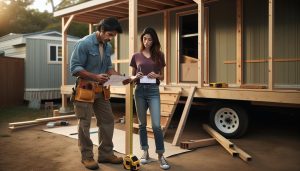
Are you considering the unique lifestyle of a trailer home? The decision to buy a mobile home can offer both affordable living and a sense of community, but it’s essential to navigate the potential complexities. From understanding financing options to inspecting structural integrity, this checklist will guide you through the critical factors to weigh before making a commitment. By addressing common concerns and providing practical insights, we aim to empower you with the knowledge needed to make an informed choice. Whether you’re looking for a cozy retreat or a permanent residence, this checklist will help clarify your path and spark curiosity about the joys of trailer home living. Keep reading to explore what you need to know!
Is a Trailer Home Right for You?
When considering whether a trailer home is the right fit for you, it’s essential to reflect on your lifestyle, financial situation, and long-term goals. Many find trailer living appealing due to its affordability, flexibility, and unique sense of community. These homes often enable owners to invest in a beautiful living space without the heavy financial burden that traditional homes entail. For instance, trailer homes can be bought at significantly lower prices, making them an excellent option for first-time homebuyers or those looking to downsize.
Assessing your personal needs is crucial in this decision-making process. Ask yourself questions such as: Do you enjoy the idea of a smaller, more manageable space? Are you looking for a community-oriented environment where neighbors often know each other? If you prioritize these aspects, a trailer home may indeed be the perfect choice. Additionally, consider your plans for the future: are you open to relocating or potentially moving your home if your needs change?
Key Considerations
- Location: Proximity to work, schools, and amenities may affect your choice. Research areas that offer trailer parks that meet your needs.
- Space Requirements: Determine how much space you actually need versus what you want. Smaller units can save money and time.
- Community Vibe: Engaging with neighbors and participating in a community can enhance your living experience in a trailer home.
While trailer homes are a viable alternative to traditional housing, they do come with unique challenges. Maintenance, for instance, might be different from that of a standard home, so being prepared for tasks like roof repairs or plumbing issues is essential. However, embracing the lifestyle of a trailer home can lead to greater financial freedom, allowing you to redirect funds typically spent on a mortgage toward travel, hobbies, or savings. Evaluating the balance between your personal lifestyle requirements and the benefits trailer living offers will ultimately guide you in making a decision that best suits your needs.
Key Benefits of Living in a Trailer Home
Living in a trailer home offers an array of benefits that can transform how you think about housing and lifestyle. One of the most compelling advantages is affordability. The cost of purchasing and maintaining a trailer home often falls well below that of traditional houses, allowing you to invest in experiences or savings instead of being tied down by a hefty mortgage. Many people find that this financial flexibility translates into a more liberated lifestyle, whether that’s traveling more frequently or pursuing new hobbies.
Another significant perk is the sense of community often found within trailer parks or mobile home communities. Unlike the general anonymity that can accompany suburban living, residents often develop close-knit relationships with their neighbors. This environment fosters a supportive network where people feel they can count on each other, making it especially appealing for families or those new to an area.
Moreover, trailer homes generally provide a simpler, more manageable living space. The smaller footprint encourages a minimalist lifestyle, helping residents to declutter their lives and focus on what truly matters to them. With efficient use of space, trailer homes can be thoughtfully designed to maximize comfort and functionality. For those who appreciate the outdoors, many trailer homes are situated in picturesque locations or near recreational opportunities, further enhancing the lifestyle experience.
In terms of mobility, one of the unique aspects of trailer living is the ability to relocate your home if needed. This flexibility is particularly attractive for those who may need to move for work, family, or a change in lifestyle. It opens doors to new opportunities without the hassle of selling a traditional house.
Ultimately, the advantages of living in a trailer home can create a fulfilling lifestyle that prioritizes community, affordability, and flexibility, making it a worthwhile option for many potential homeowners.
Common Concerns and Misconceptions
Many people harbor misconceptions about trailer living, often based on outdated beliefs or stereotypes. For instance, one common concern is that trailer homes are synonymous with low quality or substandard living conditions. However, the reality is that modern mobile homes have come a long way, featuring high-quality materials and designs that rival traditional houses. Today’s trailer homes come in various styles and layouts, providing comfort and aesthetics that appeal to a broad audience.
Another prevalent myth is that trailer homes are not suitable for long-term living. In truth, many families find that they enjoy the benefits of trailer living for years, thanks to the generous layouts and customization options available today. Residents can create a personalized space that suits their needs, from adding decks and porches to fully renovating interiors. Additionally, advancements in insulation and energy efficiency make these homes more comfortable and affordable to maintain.
Some potential buyers may also worry about the stigma attached to living in a mobile home community. Yet, many trailer parks foster a warm community atmosphere where neighbors bond and support one another. This sense of belonging is particularly valuable for families or individuals seeking connection, especially if they are new to an area. Moreover, many of these communities offer amenities such as pools, parks, and organized social events, enhancing the living experience.
Lastly, the perception that maintenance for trailer homes is burdensome is another misconception. While trailer homes do require upkeep, this is similarly true for traditional houses. Simple maintenance tasks such as cleaning gutters, checking the roof, and servicing the plumbing are essential for all homes. By staying proactive with basic care, trailer homeowners can enjoy their space without feeling overwhelmed by maintenance concerns. Plus, various resources are available online to guide residents through any challenges they might face, making it easier than ever to keep their homes in good shape.
How to Assess Your Budget for a Trailer Home
Assessing your budget for a trailer home is a crucial step that can help ensure a smooth transition into this alternative living arrangement. The initial purchase cost of a mobile home can range significantly, with single-wide models typically priced between $60,000 to $90,000, and double-wide models from $120,000 to $160,000, inclusive of delivery and assembly. Understanding these price ranges will help you set realistic expectations for your budget and determine which model works best for your needs.
Key Budget Considerations
When calculating your total budget, it’s essential to account for more than just the price of the home. Consider these additional expenses:
- Site and Land Costs: Depending on your intended location, you may need to pay for land or lot rent in a trailer park, which can vary widely.
- Utilities: Be sure to include estimates for water, electricity, and gas, as these costs can fluctuate based on usage.
- Maintenance and Repairs: Like any home, a trailer needs upkeep. Set aside a small portion of your budget for routine maintenance to avoid any surprise expenses.
- Insurance and Permits: Typical insurance costs range from $500 to $1,500 annually, and building permits can add an extra $500 to $2,000 depending on your area’s regulations.
Another considerable aspect of your budget should reflect your financing options. Assessing whether you will pay in cash or finance the purchase affects how you manage monthly payments. If considering financing, look into specialized lenders who focus on manufactured homes; they often have better rates suitable for trailer homes.
Additionally, it’s advised to create a detailed monthly budget that encompasses all your income streams and potential variable expenses, allowing you to fine-tune what you can afford for your home and living expenses. The combination of the purchase price and these ongoing costs will paint a clearer picture of your financial commitment, ensuring your choice is both suitable and sustainable in the long term. By methodically evaluating these costs and factoring them into your decision-making checklist, you can genuinely determine your readiness for trailer home living.
Choosing the Right Type of Trailer Home
When it comes to selecting the ideal trailer home, it’s essential to know that there are various types tailored to different lifestyles and budgets. Understanding these options can significantly impact your living experience, making the choice much more than just a question of price. From single-wide to double-wide or even modular homes, each style comes with its unique attributes that cater to specific preferences and needs.
Single-wide trailer homes are compact and generally more affordable, making them an excellent choice for singles or couples. These homes can range from 600 to 1,200 square feet, allowing for efficient use of space. They are easier to transport and set up, which is a plus if you anticipate moving in the future. However, if you’re a growing family or desire more living space, a double-wide might be the better option. Offering 1,200 to 2,400 square feet, double-wides come with larger rooms and more amenities, providing a more spacious and comfortable living environment.
Considerations in Choosing the Right Home
When choosing the type of trailer home, consider these factors:
- Space Requirements: Evaluate how much space you need based on your family size and lifestyle. A larger family may require a double-wide with multiple bedrooms and bathrooms.
- Location: The type of trailer home you choose may depend on local zoning laws and land availability. Some areas may only permit certain types of manufactured homes.
- Cost of Living: Take into account not only the purchase price but also the ongoing costs such as utilities, maintenance, and lot rent, which can influence your overall budget.
- Future Plans: Think about your long-term goals. If you plan to stay in one location for an extended period, investing in a more spacious home may be worthwhile. Alternatively, if mobility is essential for you, a smaller, more transportable option might be ideal.
By taking the time to carefully assess your living situation, preferences, and future plans, you can make an informed decision when . Your choice will not only affect your daily comfort but also impact your financial stability, making it critical to select a home that aligns with your lifestyle and long-term objectives.
Financing Options for Trailer Home Buyers
Financing a trailer home can often seem more straightforward than traditional home financing, yet it’s crucial to navigate the options available to find the best fit for your situation. Many buyers discover that trailer homes, also known as manufactured homes or mobile homes, can be an affordable entry point into homeownership, but understanding how to fund such a purchase is key to making it work.
One common option is through personal loans, which can cover the cost of a trailer home, especially if you’re considering a used one. Typically, personal loans don’t require collateral, but interest rates may be higher compared to secured loans. If you’re looking at new or more permanent options like double-wide homes, you might consider a chattel mortgage. This type of financing is specifically designed for manufactured homes and doesn’t require the home to be permanently affixed to the land, allowing for greater flexibility.
Before committing to a loan, it’s essential to assess your financial health. This includes reviewing your credit score, which can significantly impact your loan terms. Generally, a score above 620 can qualify you for better interest rates. Also, consider your debt-to-income ratio; lenders typically prefer this ratio to be below 43% to ensure you can manage the loan payments alongside your other financial obligations.
Another avenue to explore is specific financing programs aimed at manufactured homes. Some government-backed loans, such as those offered through the Federal Housing Administration (FHA) or the U.S. Department of Agriculture (USDA), provide favorable terms for low to moderate-income buyers. These programs often require a smaller down payment, making them an attractive option for many first-time homebuyers.
Lastly, always remember to factor in additional costs beyond just the purchase price of the trailer home. For example, monthly lot rents, utilities, property taxes, and homeowners insurance can add up. By doing thorough research and comparing different financing options, you can set yourself up for long-term happiness and financial stability in your new trailer home.
Essential Legal Considerations for Trailer Homes
Before committing to the lifestyle of a trailer home, it’s essential to navigate the legal landscape that accompanies such a choice. Understanding the legal considerations is not only crucial for ensuring compliance but also for securing your investment and protecting your rights as a homeowner. The distinction between owning the trailer and the land it sits on can profoundly impact your legal responsibilities and options available to you.
One of the first steps is to check the zoning laws in your desired location. Many areas have strict regulations governing where mobile homes can be placed, which can include restrictions on the types of trailers allowed and minimum lot sizes. Failure to comply with these zoning regulations may result in fines or the forced removal of your trailer. Additionally, understanding whether you’ll be purchasing the land (which may involve different legal processes and property taxes) or renting a lot (which often includes lease agreements) will help shape your overall experience.
Another critical legal aspect involves the title and registration of the trailer itself. Just like traditional homes, mobile and manufactured homes also require proper titling. Depending on your state, registering the trailer with the Department of Motor Vehicles (DMV) or similar local authority may be necessary to avoid legal complications. Ensuring that your trailer is properly titled can protect you from potential issues, particularly if you decide to sell it in the future.
When entering any agreement regarding land lease or trailer purchase, carefully review all terms of the contract. Key details to inspect include the length of the lease, provisions for rent increases, maintenance responsibilities, and any community rules that might impact your living situation. Familiarizing yourself with these legalities can greatly alleviate future conflicts or misunderstandings with landlords or neighbors.
Legal considerations also extend to safety and health regulations. Many municipalities enforce standards for living in manufactured homes, which may include safety inspections, adherence to occupancy limits, and compliance with health regulations. Being proactive in understanding and meeting these requirements can help you avoid penalties and create a safer living environment.
In summary, addressing legal considerations from the onset can make your journey in trailer home living smoother and more rewarding. By doing your homework on zoning laws, ensuring proper registration of your trailer, reviewing contracts carefully, and adhering to safety regulations, you empower yourself to sustainably enjoy your new home.
Maintenance Tips for Your Trailer Home
Maintaining a trailer home differs from upkeep in a traditional house, but with the right approach, it can be both manageable and rewarding. One of the fascinating aspects of trailer living is that many maintenance tasks can be performed easily without needing specialized skills or heavy equipment. The key to a thriving trailer home is consistency, as regular care can prevent larger problems down the road.
Start by performing regular inspections on the exterior of your trailer. Look for signs of wear and tear, including cracks in the siding, rust spots, or loose hardware. It’s advisable to use a pressure washer to clean the exterior periodically, removing dirt and mildew that may accumulate. Additionally, inspect the roof at least twice a year, checking for leaks or damages. A roof sealing treatment can significantly prolong its life span, and it is often recommended to reapply sealant every few years, depending on your climate.
Interior Maintenance
Keeping the inside of your trailer home clean not only enhances comfort but also preserves its value. Regularly vacuum and dust all surfaces, and pay extra attention to high-moisture areas like the kitchen and bathroom to prevent mold growth. It’s beneficial to maintain the appliances by regularly cleaning the refrigerator coils and checking the water filter in the refrigerator and the water heater to ensure optimal performance.
Plumbing is another critical component that requires occasional attention. Familiarize yourself with the location of your water shut-off valves and perform regular checks for leaks under sinks and connections. If you find any leaks, addressing them promptly can save you from water damage and costly repairs later.
Seasonal Preparation
When the seasons change, so should your maintenance schedule. For instance, during winter, ensure your plumbing is insulated to prevent freezing, and consider adding skirting around the base of your trailer to help maintain a consistent temperature inside. In summer, check that air conditioning units are running efficiently and that window seals are intact to reduce cooling costs.
Maintaining a trailer home is an opportunity to create a personalized living space that resonates with your lifestyle while being cost-effective. With regular attention and care, you transform your trailer into a cozy retreat that suits your needs and preferences for years to come.
Simple Renovation Ideas for Trailer Living
Transforming a trailer home into a cozy, inviting space can be both fun and rewarding. With a few simple renovations, you can breathe new life into your living area, maximizing utility while adding personal flair. Whether you’re considering a few DIY projects or minor upgrades, here are some renovation ideas that can help elevate your trailer living experience without a massive investment of time or money.
One effective way to refresh your trailer is by updating the flooring. If you have old, worn carpeting, consider replacing it with durable laminate or vinyl planks that are easier to clean and maintain. This not only enhances the overall look of your space but also provides greater durability against the wear and tear of everyday life. You can also add area rugs for a pop of color and comfort.
Another impactful change is to revamp the kitchen. Painting cabinets in brighter colors can make the space feel larger and more inviting, while new hardware can give a modern touch. If your budget allows, consider upgrading to a farmhouse sink or a stylish faucet. Open shelving can also replace upper cabinets, creating a more open feel while providing a space for functional décor.
Don’t overlook the potential for enhancing your outdoor space. Adding a deck or patio can significantly expand your living area, ideal for entertaining or simply enjoying a morning coffee. Use potted plants or garden beds to create a natural extension of your home, and consider privacy screens or outdoor curtains to create a cozy, intimate environment.
Finally, personal touches throughout your trailer can create a warm, lived-in atmosphere. Hang artwork that reflects your style, use vibrant textiles for cushions and throws, and incorporate personal items like family photos or travel souvenirs. Each addition contributes to a unique environment that feels truly your own, proving that even a small space can hold a world of comfort and individuality.
These simple renovation ideas not only enhance the aesthetics of your trailer home but also increase its functionality and comfort, making it a space you look forward to coming back to every day.
Creating a Comfortable Living Space
The allure of a trailer home often lies in its compactness and efficiency, but inside such a smaller footprint is both an art and a science. When approaching your trailer living experience, think about maximizing every inch of space while also ensuring that it feels welcoming and personal. One essential tip is to embrace multifunctional furniture. Choose pieces that serve multiple purposes, such as a sofa bed for guests or an ottoman that can double as storage. This not only helps in saving space but also encourages an organized and tidy environment, critical in small living areas.
To enhance comfort, natural light should be prioritized wherever possible. Opt for sheer curtains that allow the sunshine to filter through while providing privacy. Installing mirrors strategically can also create an illusion of a larger space and reflect light, making the interiors brighter. Additionally, consider integrating indoor plants-these not only purify the air but also add a vibrant touch of nature, making the space feel more alive. The choice of color can play a critical role as well; light, neutral shades can make a small area feel larger, while pops of color in decor and furnishings create focal points and warmth.
Creating Inviting Atmosphere
To create a warm and inviting atmosphere, layer various textures in your decor. Consider mixing materials like soft throw blankets, plush cushions, and woven baskets for storage. This approach not only adds visual depth but also makes the space feel cozier. Utilizing wall-mounted shelves and vertical storage solutions can free up floor space, making rooms feel less cramped and more functional. Personalized touches, such as artwork, family photos, or travel mementos, can significantly enhance the emotional comfort of your home, ensuring that it feels uniquely yours.
Lastly, don’t underestimate the impact of an organized layout on comfort. A simple floor plan that flows well can make daily activities easier and more enjoyable. Use area rugs to define spaces, particularly in open-concept layouts where delineating areas for living, dining, and working is crucial. By thoughtfully arranging your furniture and decor, you can transform your trailer home into a sanctuary that optimizes comfort and style. Embrace the journey of making your trailer a reflection of your lifestyle-to create a cozy, personal haven that you look forward to returning to every day.
Finding the Perfect Location for Your Trailer Home
Choosing the right location for a trailer home can significantly impact your overall living experience. From access to essential amenities to the natural environment surrounding you, the right site can transform your trailer into a welcoming sanctuary. To begin with, consider proximity to work, schools, and healthcare facilities. Short commutes can enhance your quality of life, allowing you more time to enjoy your unique space rather than being stuck in traffic.
Additionally, the type of community surrounding your trailer home is essential. Research local zoning laws and regulations to ensure that you’re permitted to place a trailer on your chosen lot. Investigate whether the area has a supportive network of fellow trailer residents, which can foster a sense of community and provide useful resources. You might find local clubs or online forums where current residents share their experiences and tips.
When scouting locations, think about lifestyle factors such as climate and recreation options. Some people prefer a rural setting close to nature, while others may seek urban environments with vibrant city life. Consider the availability of outdoor activities, access to parks, or even nearby lakes and hiking trails. If you value a certain ambiance-whether it’s bustling streets or quiet countrysides-these preferences will guide you in choosing an ideal spot.
Lastly, evaluate the land itself. Is it flat and stable, free from flooding risks? What services are available? Access to water, sanitation, and electricity are critical for your trailer home. Don’t forget to assess the internet connectivity, especially if you work remotely or enjoy streaming services. Carefully weighing these factors will lead you to a location that meets your needs and enhances your trailer living experience overall.
Long-Term Investment: Is It Worth It?
Considering a trailer home can lead to a variety of benefits and challenges, especially when it comes to long-term investment. One appealing aspect is the lower upfront cost compared to traditional homes, which can be attractive for first-time buyers or those on a tight budget. This affordability often allows for quicker returns on investment, making it feasible to enter the housing market without the significant financial burdens typically associated with purchasing real estate.
However, potential buyers should also be aware that trailer homes may depreciate in value similar to vehicles rather than appreciating like conventional real estate. This depreciation can stem from factors such as location, quality of the home, and overall market conditions. Buyers can enhance their investment by strategically selecting locations with potential for growth or by purchasing in desirable communities.
To ensure that your investment remains worthwhile, it’s crucial to conduct thorough research and understand local real estate trends. Engaging with local communities, as well as utilizing platforms to compare similar properties, can provide valuable insights. Additionally, investing in basic maintenance and making renovations can significantly increase the marketability of your trailer home, helping to offset possible declines in value.
Understanding financing options is another critical aspect of evaluating the investment potential. Trailer homes can have unique financing considerations, and exploring various lenders or alternative financing methods can yield favorable terms. Make sure to educate yourself about legal aspects, such as zoning restrictions and property taxes, which can affect your ownership experience and long-term value.
In summary, while a trailer home offers an appealing and affordable entry into homeownership, it’s essential to approach it with careful consideration. By balancing costs, researching potential for appreciation, and getting involved in community aspects, you can make informed decisions that enhance your investment in this alternative housing market.
Key Takeaways
Deciding whether to buy a trailer home can be a transformative step toward a flexible and affordable lifestyle. As you weigh your options, remember that understanding your needs and preferences is crucial. Consider exploring our resources on financing basics and maintenance tips, which will help you feel more equipped to make your decision confidently. Ready to take the next step? Check out our detailed guides on trailer maintenance and renovation projects to start planning your ideal trailer home today!
Don’t let lingering questions hold you back-join our community by signing up for our newsletter, where you’ll receive tips and insights directly related to trailer living. By staying informed and connected, you’ll be well-prepared to enjoy your new home. Explore our trailer sales page for the latest models and deals, and take action now to embrace the lifestyle you’ve been considering!