Did you know that properly insulating your trailer home can reduce your energy bills by up to 50%? In addition to saving money, better insulation enhances your comfort throughout the year by keeping the warmth in during the winter and the cool air in during the summer. Many homeowners are unaware of how much energy escapes through poorly insulated walls and ceilings, leading not only to higher bills but also to an uncomfortable living environment. By investing time and resources into insulation, you’re not just improving your immediate surroundings-you’re also ensuring the longevity and value of your home. In this guide, we’ll explore effective methods to insulate your trailer home, offering practical tips that make this important upgrade manageable and impactful. Your journey toward a cozier, more energy-efficient living space starts here.
Choosing the Right Insulation Materials for Your Trailer
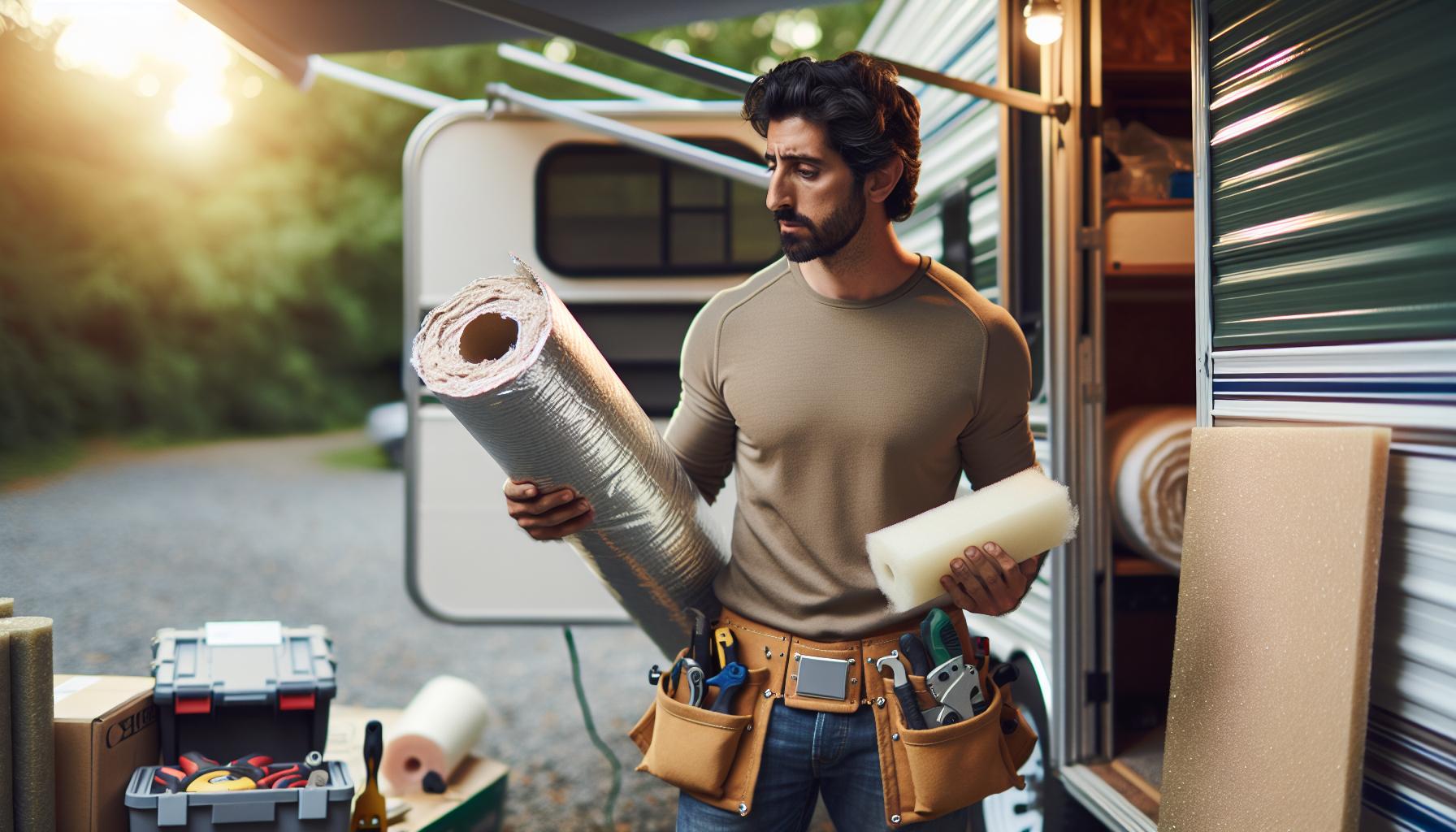
can greatly affect your home’s comfort and energy efficiency. For instance, selecting suitable insulation can cut your energy bills significantly, with some homeowners reporting reductions of up to 50%. Understanding the various types of insulation available and their respective benefits will empower you to make informed choices.
When evaluating insulation materials, consider factors such as R-value (an indicator of thermal resistance), moisture resistance, and ease of installation. Common types of insulation used in trailers include:
- Fiberglass Batts: These are popular due to their affordability and wide availability. They work well in walls and ceilings, but ensure that they are installed correctly to prevent air gaps.
- Foam Board: Offers excellent insulation in a thin profile, making it ideal for tight spaces. It’s moisture-resistant and great for areas with high humidity.
- Spray Foam: Although more expensive, spray foam provides superior insulation and seals gaps effectively. It expands to fill cavities, making it an excellent choice for irregular spaces.
- Reflective or Radiant Barrier: Particularly useful in warmer climates, these materials can help reflect heat away from the trailer, improving cooling efficiency.
It’s essential to also assess your specific climate and usage patterns. For instance, if your trailer is situated in a particularly cold area, higher R-values might be necessary to maintain warmth. Conversely, trailers in hotter regions may benefit more from radiant barriers to keep the interior cool.
Ultimately, the right insulation material can contribute significantly to your trailer’s comfort, reduce energy bills, and enhance its overall livability. Consider consulting with a professional to determine the best option tailored to your specific needs and budget, ensuring that you make the most effective choice for your trailer home insulation project.
Understanding the Benefits of Insulation for Energy Savings
Insulation is a key component in enhancing the energy efficiency of your trailer home, often making the difference between a comfortable living space and one that feels drafty and cold. Research indicates that well-insulated homes can achieve energy savings of up to 50%, which means potentially significant reductions in your monthly utility bills. By investing in quality insulation, you’re not just improving comfort; you’re also making a wise financial choice that pays off in reduced energy costs over time.
One of the primary benefits of insulation is its ability to regulate indoor temperatures, keeping your home warm in the winter and cool in the summer. This is particularly important in trailer homes, which can have less thermal mass than traditional houses, leading to rapid temperature fluctuations. Proper insulation creates a barrier that minimizes heat transfer, ensuring that your heating and cooling systems don’t have to work overtime. For example, insulating the floor and walls can prevent cold air from seeping in during the colder months, reducing the reliance on your heater and lowering energy consumption.
Furthermore, insulation plays a crucial role in noise reduction, which can be a significant advantage in a mobile living environment. Whether your trailer is parked near a busy road or another noisy location, effective insulation can dampen sounds from outside, creating a more peaceful and relaxing home environment.
Incorporating various types of insulation materials, such as fiberglass or foam board, into the structure of your trailer can maximize these benefits. Each material has distinct properties that can enhance energy savings in targeted areas. For instance, radiant barriers may be particularly advantageous in hot climates, helping to reflect heat away from the interior.
In conclusion, investing in high-quality insulation not only provides immediate comfort and noise control but also leads to long-term financial savings on energy bills. As you explore options for insulating your trailer, consider consulting with professionals to determine the best materials and methods tailored to your specific needs and climate. The result is a more efficient, comfortable, and sustainable living space.
Step-by-Step Guide: How to Insulate Your Trailer Home
Insulating a trailer home is a fantastic way to enhance comfort and cut energy bills by as much as 50%. The process may seem daunting, but by breaking it down into manageable steps, anyone can transform their living space into an energy-efficient haven. Whether you’re looking to stay cozy in the winter or keep cool in the summer, proper insulation will make all the difference.
Start by assessing your trailer to determine where insulation is needed most. Common areas include floors, walls, and ceilings. For floors, remove any existing coverings and expose the joists underneath. You may also inspect any crawl spaces to ensure they’re not missing insulation. Next, measure the spaces to calculate how much insulation material you will need. Popular options include fiberglass batts, foam board, or spray foam. Each has its own insulation value, so choose accordingly based on your climate and budget.
Once you have your materials, it’s time to get to work. For wall insulation, begin by removing paneling or siding, then insert the insulation between the framing studs, ensuring it fits snugly. If you’re using fiberglass, wearing gloves and a mask is a must to protect yourself from irritation. After the insulation is in place, cover it with a vapor barrier or additional wall material to help retain heat and moisture. For ceiling insulation, lift up any existing panels, lay your insulation between the joists, and then secure the panels back in place.
Finally, don’t overlook gaps and seams. Use caulk or spray foam to seal any cracks around windows, doors, or vents. This step is crucial for maximizing energy efficiency, as even small openings can lead to significant heat loss. Once your trailer is properly insulated and sealed, you will notice a marked difference in your comfort levels and energy costs.
By following these steps, you can effectively insulate your trailer home, creating a space that is not only more energy-efficient but also more enjoyable to live in throughout the year. Remember that investing time and resources into insulation pays off with long-term energy savings and enhanced comfort.
Common Mistakes When Insulating Mobile Homes
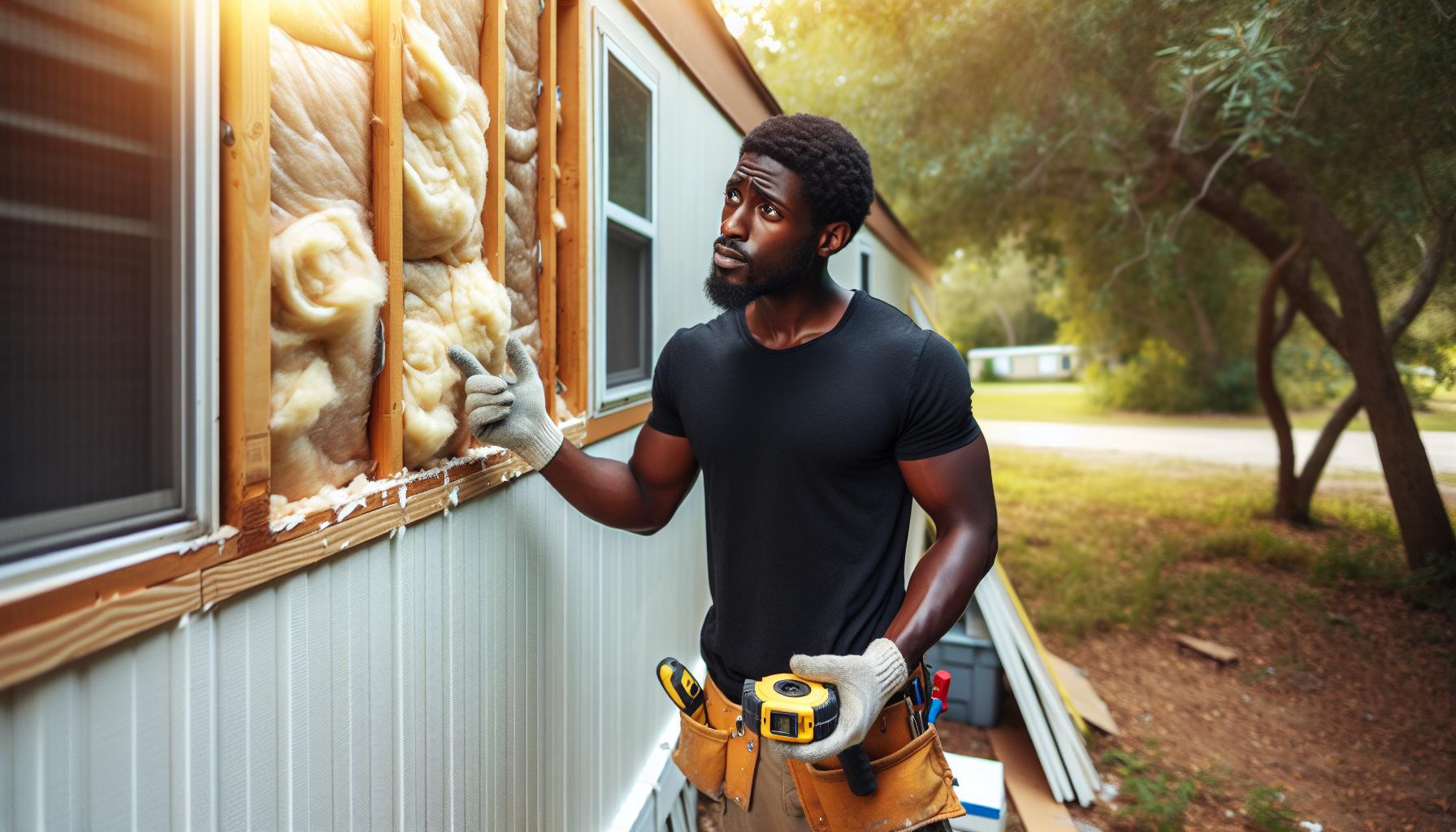
When it comes to insulating a mobile home, avoiding common pitfalls can make all the difference between a cozy, energy-efficient space and a frustratingly cold or hot environment. One of the biggest mistakes is underestimating the importance of proper insulation materials. Many homeowners opt for cheaper options without considering their effectiveness in different climates. For instance, while fiberglass batts are a popular choice, they can become ineffective if not installed properly or if they absorb moisture. Instead, consider high-performance materials like spray foam, which not only insulates but also seals air leaks, enhancing overall efficiency.
Another frequent error is neglecting to insulate critical areas. Many DIYers focus solely on walls and ceilings, overlooking floors and crawl spaces. Poor insulation in these areas can lead to significant heat loss. While insulating the walls can raise the overall temperature of the space, cold air seeping in from underneath can negate those benefits. Be sure to assess your entire trailer, including the skirting and any gaps or cracks, to ensure comprehensive coverage.
Insulation Installation Oversights
Even the best insulation can fail if not installed correctly. A common mistake is not taking the time to ensure a snug fit. Gaps or compression can reduce the insulation’s effectiveness. For instance, if fiberglass insulation is not fitted tightly between studs, it can create convection currents that cool down your home. Always check that each bat or panel fits snugly without any voids or compression. Furthermore, homeowners sometimes forget to use a vapor barrier, which protects against moisture buildup that can lead to mold and mildew-hidden issues are detrimental in the long run.
Lastly, many trailer home owners overlook sealing air leaks before insulating. Air leaks around windows, doors, and through the skirting can lead to dramatic energy losses. Even small gaps can add up to significant inefficiencies, so it’s vital to caulk or foam seal these areas. Performing a simple air leak test-like using a candle or incense stick around suspected gaps-can help identify trouble spots. By addressing these common insulation mistakes, you can significantly boost your mobile home’s energy efficiency and create a comfortable living environment year-round.
Maximizing Energy Efficiency with Proper Sealing Techniques
To transform your trailer home into an energy-efficient haven, mastering sealing techniques is essential. Proper sealing can significantly reduce energy costs and create a more comfortable living environment. A staggering amount of energy loss occurs due to unnoticed gaps and leaks, which can hinder even the best insulation efforts. Therefore, focusing on these areas before insulation is key to achieving the best results.
Start by inspecting common culprits such as windows and doors. A simple yet effective method is to conduct an air leak test using a candle or incense stick. Move the light source around the frames; any flicker will indicate a draft. To seal these gaps, apply weatherstripping or caulk, ensuring a tight fit. Pay particular attention to areas where different materials meet, like where the siding meets the foundation. Adding a bead of caulk can create a strong barrier against unwanted air infiltration.
Another critical area to address is your trailer’s skirting. Many homes overlook the base, where cool air can create a chilling effect. Foam board or insulated skirting can keep the warmth in during winter months and prevent heat from entering during the summer. Using spray foam, which expands to fill gaps and cracks, can also be particularly useful for securing tight seals around plumbing penetrations and other openings.
Furthermore, remember that a vapor barrier is crucial in moisture-prone areas like bathrooms and kitchens. It not only protects against mold but can also enhance the insulation’s performance. Incorporate high-quality materials when sealing; investing a little more upfront can lead to significant savings in energy efficiency over time.
Finally, regular maintenance of these seals is vital. Seasonal checks will help you identify and repair any wear and tear before they result in substantial energy losses. Incorporating these sealing techniques into your trailer home maintenance will lead to a noticeable drop in energy bills, allowing you to enjoy a cozy and efficient living space year-round.
How to Insulate Skirting for Added Comfort
Insulating the skirting of your trailer is a critical step often overlooked by many homeowners. Proper skirting insulation can significantly enhance the overall comfort of your living space and help reduce energy bills. In fact, an estimated 30% of a trailer’s heat can be lost through uninsulated areas, including the skirting. By effectively insulating this part of your mobile home, you can keep your indoor temperatures stable year-round, making your living conditions more enjoyable and economical.
To start insulating your trailer’s skirting, choose appropriate materials. Foam board insulation is a popular option due to its high insulating properties and ease of installation. Aim for at least 1-inch thick foam board to maximize efficiency. If moisture is a concern, ensure you select a moisture-resistant type. Another effective choice is spray foam insulation, which can expand to fill gaps and create an excellent thermal barrier.
Once you’ve selected your materials, here’s a straightforward process to follow:
- Measure the Area: Start by measuring the perimeter of your trailer to determine how much insulation material you will need.
- Prepare the Skirting: Remove any debris or old skirting that may hinder the installation process. Ensure the area is clean and dry to promote adhesion.
- Install Insulation: Cut the foam board or position spray foam as needed. For foam boards, you can secure them to the skirting framework using adhesive or brackets. If using spray foam, apply it directly into the gaps around the skirting.
- Add Vapor Barrier: If you’re in a high-moisture area, consider placing a vapor barrier over the insulation to protect it from moisture buildup, which can lead to mold.
After the insulation is in place, it’s essential to cover it to protect against mechanical damage and weather elements. You can use plywood, vinyl skirting, or any durable material that suits your aesthetic preference. Ensure that there is proper ventilation around the skirting area to prevent condensation build-up that could lead to mold growth.
Regular maintenance is vital in preserving the effectiveness of your skirting insulation. Check periodically for any signs of wear, gaps, or corrosion and address them promptly to ensure maximum efficiency. Following these practices not only improves comfort in your trailer but also helps you save significantly on heating and cooling costs, making it a worthwhile investment for any mobile homeowner.
DIY vs. Professional Insulation: What You Need to Know
When considering insulation for your trailer home, one important decision you’ll face is whether to tackle the project yourself or hire a professional. Both options come with their pros and cons, making it essential to assess your skills, budget, and the specific requirements of your insulation project. While DIY projects can be rewarding and budget-friendly, professional insulation services often ensure quality and efficiency, particularly in complex installations.
If you choose the DIY route, you can save a considerable amount of money, as labor costs can be significant. Many homeowners find that insulating their trailer is a manageable task with the right materials and guidance. Basic insulation techniques, such as using foam board or spray foam, can be learned through online resources and tutorials. Here are some advantages to consider:
- Cost-Effectiveness: DIY projects typically consume fewer resources, avoiding labor costs.
- Flexibility: You have control over the schedule and can work at your own pace.
- Personal Satisfaction: Completing a home improvement project can provide a strong sense of accomplishment.
On the flip side, professional insulation contractors bring expertise to the table. They possess the knowledge to deliver a seamless installation, utilize advanced tools, and ensure that all necessary building codes and safety regulations are met. This option may be particularly beneficial for those less comfortable with DIY tasks or facing unique challenges, such as navigating around electrical wiring or plumbing. Key benefits of hiring professionals include:
- Quality Assurance: Experienced contractors can identify areas that may require additional attention, ensuring comprehensive insulation.
- Time-Saving: Hiring professionals can significantly reduce project time, allowing you to enjoy the benefits of insulation sooner.
- Insurance and Warranties: Many professional services offer warranties that protect your investment.
Ultimately, the decision to insulate your trailer home yourself or hire a professional depends on your personal preferences, budget constraints, and comfort level with such tasks. Regardless of the approach you choose, the essential goal remains the same: effectively insulating your trailer to reduce energy bills and enhance your living experience. Balancing the trade-offs of each option will lead you to an informed decision that aligns with your needs and circumstances.
Seasonal Maintenance Tips for Insulated Trailer Homes
Maintaining an insulated trailer home is crucial for keeping energy bills low and ensuring comfort throughout the changing seasons. Regular seasonal maintenance plays a significant role in maximizing the effectiveness of your insulation. By being proactive, you can prevent common issues that could lead to energy loss and increased costs.
As temperatures fluctuate, it’s essential to check the condition of your insulation. Start by inspecting the insulation material for any signs of wear or damage. Look for gaps, sagging, or areas that might have been affected by moisture. Pay particular attention to corners and around windows or doors, where air leaks are more likely to occur. A consistent check for these issues will help maintain the integrity of your insulation and could save you significant amounts in energy costs over time.
Another vital aspect of seasonal maintenance is ensuring proper sealing of all windows and doors. Cracks and gaps can allow cold drafts in winter and hot air during summer, making your heating and cooling systems work overtime. Use weather stripping or caulk to seal any openings. Not only does this enhance the effectiveness of your insulation, but it also contributes to a more comfortable living environment.
Lastly, remember to maintain good ventilation within your trailer. Proper air circulation can prevent moisture buildup and reduce the risk of mold, which can compromise insulation effectiveness. Installing exhaust fans in kitchens and bathrooms, along with regular air filter changes for your HVAC system, can contribute to a healthier home environment and improved insulation performance.
In summary, a few simple steps during each season can keep your insulated trailer home functioning at its best. By regularly inspecting insulation, sealing air leaks, and ensuring proper ventilation, you can significantly reduce energy bills and improve comfort year-round.
Exploring Alternative Insulation Methods
For many trailer homeowners, insulating effectively can drastically reduce energy bills and enhance comfort, but can open up a world of possibilities tailored to specific needs and budgets. Traditional options like fiberglass and foam board are tried-and-true, but innovative materials are making waves in the insulation arena, potentially providing even greater benefits in efficiency and sustainability.
One exciting alternative to consider is spray foam insulation. This method not only provides excellent thermal resistance but also acts as an air barrier, sealing gaps that could lead to energy loss. It’s particularly valuable in irregular spaces often found in mobile homes, as it expands to fill every nook and cranny. For those looking to tackle more significant projects, cellulose insulation could be an eco-friendly choice. Made from recycled paper products, cellulose is treated to be fire-resistant, and when blown into walls or attics, it creates a dense barrier against heat transfer.
Another option to consider is the use of reflective or radiant barrier insulation, especially beneficial in warmer climates. This type of insulation reflects radiant heat away from the living space, thus keeping your trailer cooler during intense summer heat. It’s often installed in attics or as part of the roof to maximize effectiveness.
When exploring these alternative methods, it’s crucial to evaluate the following factors:
- Climate: Choose insulation that best suits the specific heating and cooling needs of your region.
- Installation Method: Some options may require professional installation, while others can be DIY-friendly.
- Cost: Always compare the upfront costs of materials with potential long-term savings on energy bills.
- Sustainability: If environmental concerns motivate your changes, opt for materials that use recycled products or contribute to lower carbon footprints.
not only encourages energy efficiency but also empowers you to make informed decisions about your living space. By embracing innovative solutions, you can create a comfortable and cost-effective environment tailored to your specific needs.
Cost Breakdown: Budgeting for Trailer Home Insulation
Insulating a trailer home can yield significant cost savings that extend well beyond the initial investment. A well-executed insulation job can cut your energy bills by up to 50%, making it an essential consideration for both new and seasoned trailer homeowners. Understanding the costs involved in insulating your space is crucial-not just for budgeting, but for recognizing the long-term value of your investment.
When budgeting for trailer home insulation, take into account several key factors that impact the overall costs. These include the type of insulation material chosen, the size of your trailer, and whether you opt for DIY installation or hire professionals. Here’s a breakdown of common insulation materials you might consider and their general price ranges:
| Insulation Type | Cost Per Square Foot | Benefits |
|---|---|---|
| Fiberglass Batts | $0.50 – $1.50 | Cost-effective, non-combustible, and widely available. |
| Spray Foam | $1.00 – $2.50 | Excellent R-value, acts as an air barrier, and fills gaps. |
| Blown-In Cellulose | $0.75 – $2.00 | Eco-friendly, made from recycled materials, and great for irregular spaces. |
| Reflective Radiant Barrier | $0.75 – $1.00 | Reflects heat, effective for hot climates, often used in attics. |
Before starting your insulation project, calculate the total area you need to insulate to ensure you have enough materials. Additionally, consider any relevant local codes and regulations regarding insulation that could impact your choices and costs. Factor in potential installation fees if going the professional route, which can range significantly based on the service provider and complexity of the job.
Don’t forget to account for additional costs that may arise, such as sealing gaps, removing existing materials, or repairs to structural components. While spending more on high-quality insulation may feel like a hefty upfront investment, the payoff can be substantial through energy savings, increased comfort, and improved indoor air quality over time. By conducting thorough research and considering all associated costs, you’ll set yourself up for a successful insulation upgrade that will make your trailer home more efficient and enjoyable.
Sustainable Insulation Options for Eco-Friendly Living
When it comes to insulating your trailer home, opting for sustainable materials not only contributes to energy efficiency but also reduces your ecological footprint. Utilizing eco-friendly insulation options can enhance comfort while ensuring a healthier living environment. Moreover, sustainable insulation can significantly help cut energy bills by minimizing heat loss during colder months and keeping interiors cooler during the summer.
One of the top choices for eco-conscious homeowners is blown-in cellulose insulation. Made primarily from recycled paper products, cellulose is treated with fire retardants and provides excellent thermal performance. With an R-value comparable to that of traditional fiberglass, it effectively fills gaps and irregular spaces, ensuring a snug fit that minimizes air leaks. Additionally, cellulose is a sustainable option due to its reliance on recycled materials, promoting a circular economy.
Another noteworthy option is sheep’s wool insulation. This natural material is not only biodegradable but also boasts fantastic moisture-wicking properties. Wool can help regulate humidity levels within your trailer home, reducing the likelihood of mold and ensuring a healthier living space. Although it might carry a higher initial cost, the long-term benefits in durability and performance can offset these expenses.
For those looking to embrace passive solar design, consider reflective radiant barriers. While not traditional insulation, they work effectively in hot climates by reflecting radiant heat away from living spaces. This reflective surface can be particularly beneficial in trailers, which often have limited space. They can be combined with other insulation methods to maximize energy efficiency, especially when installed in attics or on roofs.
Integrating these options not only promotes eco-friendly living but also aligns with a practical approach to energy savings. By choosing materials that are less harmful to the environment and highly effective at thermal insulation, trailer homeowners can make informed decisions that lead to a more sustainable lifestyle. Remember, the right insulation is an investment in both comfort and environmental responsibility, ensuring your home remains efficient year-round.
FAQs About Insulating Trailer Homes
When it comes to insulating your trailer home, the plethora of options can leave many owners feeling confused. Understanding frequently asked questions can empower you to make informed choices that lead to a cozy, energy-efficient living space. For instance, one common inquiry is about the ideal insulation materials. Eco-friendly options like blown-in cellulose and sheep’s wool not only enhance thermal resistance but also contribute to a healthier environment. Seeking sustainable choices helps in reducing energy bills and maintaining comfort throughout the seasons.
Another popular question revolves around the effectiveness of insulation strategies. Homeowners often want to know how much insulation is necessary to achieve desired energy efficiency. The general guideline is to aim for an R-value that matches your local climate’s needs; typically, higher R-values are necessary for colder regions. This means that insulating the skirting, walls, and roofs of your trailer can significantly reduce heat loss, leading to potential energy cost savings of up to 50%.
Some hesitate to insulate due to concerns about moisture and mold. Rest assured, choosing moisture-regulating materials like sheep’s wool can mitigate these issues effectively. Moreover, properly sealing any drafts during installation will further enhance your home’s comfort and longevity. To tackle DIY projects with confidence, many find it helpful to consult guides specific to mobile homes to ensure they avoid common pitfalls, such as improper sealing or inadequate ventilation.
Lastly, it’s crucial to consider whether to hire professionals or take on the insulation project yourself. If you’re handy and willing to invest the time, DIY insulation can be rewarding and cost-effective. However, for those unsure of their abilities, hiring professionals may lead to a more thorough job and ultimately save you money in repairs down the line. By answering these crucial questions, you can make strategic choices that keep your trailer home energy-efficient and comfortable year-round.
Concluding Remarks
Now that you have learned how to insulate your trailer home effectively, it’s time to take action. By following these steps, you can cut your energy bills by up to 50%, creating a more comfortable and efficient living space. Don’t let high utility costs hold you back-start your insulation project today!
For further guidance, check out our comprehensive guide on trailer home maintenance and discover practical renovation projects that can enhance your living experience. If you have any questions or want to share your own insulation success stories, leave a comment below!
Remember, improving your trailer home not only boosts energy efficiency but also elevates your overall mobile living experience. Subscribe to our newsletter for continuous updates, tips, and resources tailored to trailer home living. Let’s make your home the best it can be!