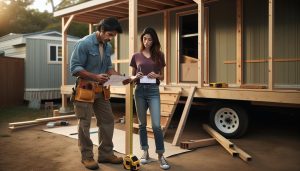
Are you feeling cramped in your trailer home? The good news is that expanding your living space is not only possible but can also be a rewarding project. Adding onto your trailer can enhance comfort, functionality, and even the value of your home. This guide will walk you through essential steps, from planning and design to practical execution, ensuring your addition meets your needs and complies with regulations. Whether you want to create an extra bedroom, a home office, or a cozy sunroom, learning how to successfully add onto your trailer can transform your living experience. Dive in to discover innovative ideas, cost considerations, and valuable tips that will make your expansion both practical and enjoyable.
How to Determine If an Expansion is Right for You

Deciding whether to expand your trailer home can be both an exciting and daunting prospect. Understanding your needs and the implications of such a decision is crucial to ensuring that your expansion is a wise investment, rather than a costly mistake. Start by assessing the main reasons you want to expand: Is your family growing, or do you simply desire more space for hobbies and relaxation? Establishing clear motivations will help guide your planning process and focus your budget.
Once you’ve identified your reasons, it’s essential to consider your budget and financial capacity. Expansions can vary significantly in cost, depending on the size and complexity of your project. Researching local market prices for materials and labor will help you create a realistic budget. Additionally, think about potential financing options, as many lenders offer loans specifically for home improvements. Don’t forget to account for any unexpected expenses that might arise during construction by setting aside a contingency fund.
Another critical factor is the feasibility of expansion on your current lot. Analyze the available space around your trailer and consider how an expansion might affect your outdoor area. Additionally, consult local zoning laws and regulations, which can restrict the type and size of structures you can add. Always check if there are any permits required before proceeding with your project.
Lastly, envision how the expansion can enhance not only your living space but also the overall value of your trailer home. A well-planned expansion can provide you with the room you need while also making your home more appealing to future buyers. It’s helpful to connect with professionals, such as architects or contractors, who have experience in mobile home additions to gain insights and perspectives that could influence your decision positively. By carefully weighing these factors, you’ll be better positioned to determine if an expansion truly suits your lifestyle and financial plans.
Understanding the Legalities of Home Expansions

Before embarking on an expansion project for your trailer home, understanding the legalities involved is crucial to ensuring a smooth and compliant process. Many homeowners overlook the importance of local regulations, which can significantly influence the scope and feasibility of their expansion plans. Not only can local building codes dictate the types of materials you can use and the structural requirements for your addition, but they also often require that any new constructions, such as decks or additional rooms, be self-supporting and not rely on the existing structure for stability [1[1].
To begin, it’s essential to check local zoning laws, which may impose restrictions on the size and type of expansion permitted. These regulations can vary widely depending on your location, so consulting with local building authorities or a zoning office can provide clarity on what is feasible on your property. Additionally, some areas require a formal permit before starting any construction; failure to obtain the necessary permissions can result in costly fines and may require you to remove the expansion altogether. Moreover, consider that regulations may also extend to land use, necessitating compliance with health and safety codes, especially when adding water and sewage systems Budgeting Your Trailer Home Expansion Project Budgeting for an expansion of your trailer home requires careful consideration to ensure a successful project without breaking the bank. Start by evaluating all potential costs associated with the expansion, which typically fall into several categories. These can include materials, labor, permits, and other related expenses such as temporary housing if your living space becomes uninhabitable during renovations. It’s crucial to have a clear understanding of each component to effectively manage your budget. Begin by creating a detailed list of the elements required for the project. For example, consider the cost of construction materials, which can vary significantly based on quality and type. Prices can range from basic materials to high-end finishes, so it’s beneficial to compare options and seek out cost-effective suppliers. Similarly, labor costs can fluctuate depending on whether you choose to hire professionals or take on the work yourself. Assessing your own skills and available time can help you make informed decisions about hiring a contractor versus going the DIY route. Don’t forget to include the costs of obtaining necessary permits, which may vary based on local regulations. Research local zoning laws and building codes to ensure compliance, as failure to secure the proper permits can lead to fines and project delays. In cities where permits are required, incorporating these costs into your initial budget is essential to avoid surprises later on. Finally, always allocate a contingency fund of about 10-20% of your total budget to cover unexpected expenses. An unexpected plumbing issue, additional structural support needs, or price changes in materials are all common in expansion projects. By preparing for these variables in advance, you can approach your trailer home expansion with greater confidence and financial stability, ensuring a smooth process from start to finish. Choosing the right materials for your trailer home expansion can significantly impact the durability, aesthetic appeal, and overall functionality of your new space. With a plethora of options available, understanding the pros and cons of different materials is essential. For example, when selecting siding, you might choose between vinyl, wood, or aluminum. Vinyl is low-maintenance and weather-resistant, making it a popular choice for many homeowners. In contrast, wood offers a classic look but requires regular upkeep to prevent rot and pests. Aluminum is lightweight and resistant to rust, an ideal option for areas prone to moisture. When it comes to insulation, consider materials like spray foam or fiberglass. Spray foam provides superior insulation, sealing cracks to enhance energy efficiency, though it comes at a higher cost. Fiberglass batts are more budget-friendly and relatively easy to install. Your choice will depend on your climate, budget, and energy efficiency goals. In your selection process, always weigh the long-term benefits against upfront costs. Quality materials might cost more initially but can save you money over time on repairs and energy bills. Additionally, consider the potential environmental impact of your materials and opt for sustainable options where possible. Ultimately, the right choices will transform your trailer into a comfortable, stylish, and functional home that meets your lifestyle needs. Another key aspect is integrating vertical space into your design. Utilizing wall-mounted shelves not only helps to keep the floor clear but also draws the eye upward, making the room feel larger. You can install tall bookshelves or display cabinets that reach toward the ceiling, providing both storage and aesthetic appeal. Consider adding hooks, pegs, or wall-mounted racks to input more storage options for items typically kept on the floor, like coats, bags, and hats. A seamless flow between rooms is crucial for creating a sense of openness. Broken-up spaces can often feel smaller, so opt for open-concept designs whenever possible. For example, removing a non-load-bearing wall between the kitchen and living area can create a more expansive feeling and improve social interactions, making it easier for family and guests to mingle. Also, incorporating large windows or sliding glass doors can enhance natural light and visual space, further promoting an airy ambiance. Lastly, the use of color and lighting cannot be understated. Light color palettes can make a space feel larger and more inviting, while strategic lighting can highlight areas and create a warm, welcoming atmosphere. Consider using mirrors to reflect light and visually expand the space; placing them opposite windows can amplify the effect. By embracing these creative design ideas, you can successfully maximize space in your trailer home expansion while enhancing both functionality and comfort. Start with the foundational aspects of any addition, such as framing, which involves constructing the skeletal structure of your new space. Familiarize yourself with the tools required, including a level, measuring tape, saw, and nail gun. Basic woodworking skills are invaluable here. Learn how to cut and assemble wood correctly, ensuring that everything is square and level. For instance, understanding how to frame a wall correctly not only strengthens your structure but ensures that doors and windows fit properly. Next, plumbing and electrical skills are crucial if your expansion includes connecting to existing systems. While not entirely necessary for a simple extension, a basic knowledge of how plumbing works or how to wire a light fixture can save you from hiring professionals for every little task. Start with small projects to build your confidence-like installing new fixtures or running simple electrical lines-and never hesitate to consult guides or tutorials specific to mobile home systems. Moreover, developing your finishing skills can dramatically improve the aesthetics of your expansion. Techniques such as drywall installation, painting, and flooring can enhance not just the look, but the functionality of your space. Mastering these crafts can allow you to create a seamless blend between your existing home and the new area. Resources such as online tutorials and community workshops can be instrumental in gaining these skills. Lastly, effective project management is key to any DIY endeavor. This includes constructing a timeline for various phases of your project, budgeting for materials, and coordinating tasks. Efficient planning avoids unnecessary delays and helps maintain your motivation throughout the project. By embracing these essential DIY skills, you’re not just expanding your physical living space; you’re investing in your ability to shape your home to meet your needs and aspirations. When considering an expansion for your trailer home, the choice between hiring a contractor or taking on the project yourself can profoundly influence your experience and outcome. Each option presents its own set of benefits and challenges, making it essential to assess your situation thoughtfully. Hiring a contractor can save you time and reduce stress, especially if you’re not well-versed in construction or don’t have much experience in home renovations. Skilled contractors bring expertise, efficiency, and often a network of suppliers and subcontractors that can facilitate the job. They can navigate the complex permitting processes and ensure your expansion complies with local building codes. This approach is particularly beneficial if your expansion involves complicated tasks such as plumbing or electrical work, where a professional’s knowledge is paramount. On the other hand, embracing a DIY approach provides the dual advantages of personal satisfaction and potential cost savings. When you take on the project yourself, you have full control over every detail, from design to completion. This method allows for customization that fits your vision, and it can be a fulfilling way to make your home truly yours. However, this route requires a good grasp of the necessary skills, tools, and time commitment involved. If you’re inclined to learn and willing to invest time in developing your abilities, DIY can be an enriching experience. As you weigh your options, consider your budget, the scope of the project, and your own skillset. If you’re unsure about your capabilities or the complexity of the work, starting with small DIY projects can help build your confidence and skill level. Alternatively, seeking professional help for more extensive renovations might lead to a more polished result. A balanced approach could even involve hiring professionals for critical work, while you tackle less complex tasks, creating a mix that can enhance both your home and your experience. Ultimately, the decision comes down to your personal preferences, how much time and energy you can dedicate to the project, and the specific needs of your trailer home expansion. Whether you choose to hire a contractor or embark on a DIY adventure, the key is to ensure that your vision for your expanded living space is realized in a way that suits you best. When embarking on an expansion for your trailer home, the excitement of creating a more spacious living environment can sometimes cloud judgment. It’s crucial to navigate this process carefully to avoid pitfalls that could lead to costly mistakes or dissatisfaction with the final outcome. Here are some common missteps to be aware of, so you can ensure your project runs smoothly and meets your needs. One prevalent mistake is underestimating the importance of thorough planning. Without a comprehensive plan, it’s easy to overlook vital elements such as utilities, structural integrity, and flow of space. Before breaking ground, take the time to visualize your project. Create detailed sketches that outline measurements, design elements, and desired features. This will not only help you stay organized but will also clarify what materials you’ll need to purchase, and assist in maintaining a budget. Another frequent error is neglecting local regulations and permits. Each area has specific zoning laws and building codes that dictate what can and cannot be done in terms of home expansions. Skipping this step can lead to fines or even having to remove your newly added space. Make sure to research your local requirements well in advance. In some cases, obtaining the necessary permits can be a lengthy process, so starting early can save you from unnecessary delays. Budgeting inadequately is also a common pitfall. It’s tempting to create a budget and stick to it strictly, but expansion projects often come with unforeseen costs. Always allocate a portion of your budget for unexpected expenses-experts often recommend about 10-20% of your total budget. Additionally, while aiming for cost savings, ensure that you don’t compromise on quality materials, as this could affect the longevity of your expansion. Effective communication, whether you are working with contractors or collaborating with friends for a DIY project, is essential. Failing to express your vision or misunderstandings about the project’s scope can lead to mistakes and frustrations. Regular check-ins and updates can help ensure that everyone is on the same page, and the outcome aligns with your expectations. By being aware of these common mistakes and taking proactive steps to mitigate their impact, you can enjoy the expansion of your trailer home and create a living space that truly fits your lifestyle. A mindful approach to planning, adhering to regulations, budgeting wisely, and maintaining clear communication with those involved will pave the way for a successful project. Creating an eco-friendly expansion for your trailer home not only enhances your living space but also helps protect the planet. With increasing awareness of sustainability, many homeowners are looking for ways to make their expansions both functional and environmentally responsible. By incorporating sustainable practices, you can minimize your ecological footprint and create a space that reflects your commitment to a greener lifestyle. Start with materials that are sustainable and have a low environmental impact. Opt for reclaimed wood, which is not only stylish but also prevents deforestation and utilizes materials that would otherwise be wasted. Additionally, consider using recycled metal and eco-friendly insulation made from natural fibers, such as wool or cellulose. When selecting paint or finishes, look for low-VOC (volatile organic compounds) options that improve indoor air quality. These choices not only contribute to a healthier home but also promote sustainability. Another vital aspect of an eco-friendly expansion is energy efficiency. Integrate solar panels into your design to harness renewable energy, reducing your dependence on fossil fuels. If you’re unable to install solar panels, consider energy-efficient windows that provide insulation and reduce heating and cooling costs. Proper ventilation and natural lighting are also important-skylights and strategically placed windows can help reduce the need for artificial lighting and improve air circulation. This conscious approach to design can lead to significant savings on energy bills while enhancing your living environment. Incorporating sustainable landscaping is equally important for maintaining an eco-friendly expansion. Utilize native plants that require less water and are well-adapted to your local climate. Create outdoor spaces that encourage biodiversity by planting a variety of plants that attract pollinators and beneficial insects. Rainwater harvesting systems can also be implemented to collect water for irrigation, further conserving resources. By making mindful choices in materials, energy efficiency, and landscaping, you can develop a trailer home expansion that not only enhances your living space but contributes positively to the environment. Embracing these sustainable practices allows you to enjoy a functional and beautiful home while playing your part in protecting the planet for future generations. When planning an expansion for your trailer home, understanding zoning regulations is crucial. Zoning laws dictate how land can be used and can significantly influence your project. They vary widely from one municipality to another, often covering aspects such as building height, the distance from property lines, and permissible uses for the land. For instance, what might be acceptable in a suburban setting could vastly differ from urban or rural locales. Familiarizing yourself with these regulations not only helps ensure compliance but also saves you from potentially costly adjustments later on. To begin navigating zoning rules, start by visiting your local zoning office or checking your city or county’s website. Most areas provide access to zoning maps and regulations online. Here are some key steps to follow: Remember, involving local authorities early in the planning process is advantageous. They can clarify doubts, provide insights on potential challenges, and help ensure your expansion adheres to all necessary standards. Engaging neighbors ahead of time can also be beneficial; their support may ease the approval process. By proactively addressing zoning regulations, you empower yourself to create an effortless transition into your expanded living space, ensuring that your plans are not only visionary but also practical and legally sound. Knowing the local regulations enables you to design your trailer home expansion with confidence, ultimately enhancing both your home and your living experience. Expanding your trailer home isn’t just about gaining extra living space; it can also significantly increase its resale value. In today’s real estate market, buyers are often on the lookout for homes that offer flexibility and room to grow. Adding square footage can enhance your home’s appeal, making it more attractive to potential buyers and, consequently, providing a higher return on investment. When planning an expansion, it’s crucial to focus on areas that are most valued in the market. For example, consider adding a master bedroom suite, which can create a more luxurious living environment. Incorporating additional bathrooms can also significantly boost your home’s value since convenience is a top priority for many homebuyers. Open-concept designs, which allow for better flow and natural light, can make even a modest expansion feel spacious and inviting. Ultimately, how you market your expanded home plays a pivotal role in influencing its resale value. Highlight the benefits and improvements during showings and in listings to reassure buyers of the value their investment will bring. Remember, an attractive, well-planned expansion not only enhances your current living experience but also positions your trailer home competitively in the real estate market, making it a wise financial move. Maintaining an expanded living space is essential to ensure that your trailer home remains a comfortable and appealing place for you and your family. Regular maintenance not only prolongs the lifespan of your expansion but also helps retain its value over time. Establishing a consistent upkeep schedule can simplify this process and can prevent small issues from escalating into costly repairs. To keep your new space in top condition, start with the basics. Regularly check for any signs of wear and tear, such as cracks in the walls, doors that don’t close properly, or leaks around windows and doors. Addressing these issues promptly can prevent more significant problems, such as water damage or pest infestations. It’s advisable to perform seasonal checks, particularly after periods of severe weather, to ensure everything is performing as it should. Being proactive about your expansion also means thinking critically about cleaning. Regularly cleaning floors, windows, and surfaces will make your space feel more welcoming and easier to maintain. Consider scheduling professional cleaning for carpets or upholstery every few years, as these can trap allergens and dust. Finally, don’t overlook the importance of outdoor maintenance. Ensure that landscaping is well-kept, as a tidy yard can not only enhance your home’s curb appeal but also complement the value of your expansion, making it a more attractive option for potential buyers in the future. By following these maintenance tips, you’ll create a safe and enjoyable environment, enhancing your living experience in your expanded trailer home. Expanding your trailer home living space is an exciting opportunity to enhance your lifestyle and comfort. By following the strategies outlined, from assessing your needs to understanding local regulations, you’re well-equipped to make informed decisions. Don’t wait any longer-start planning your expansion today and transform your trailer into a home that truly fits your lifestyle! For more tips on maintaining and enhancing your mobile home, check out our guides on basic maintenance tasks and step-by-step renovation projects. If you’re looking for resources on financing your expansion or need help navigating the purchase of new parts, visit our dedicated sections on these topics. We encourage you to share your thoughts or experiences in the comments, and subscribe to our newsletter for more insights on trailer and mobile home living. Together, let’s make your dream space a reality!Choosing the Right Materials for Your Expansion
Creative Design Ideas to Maximize Space
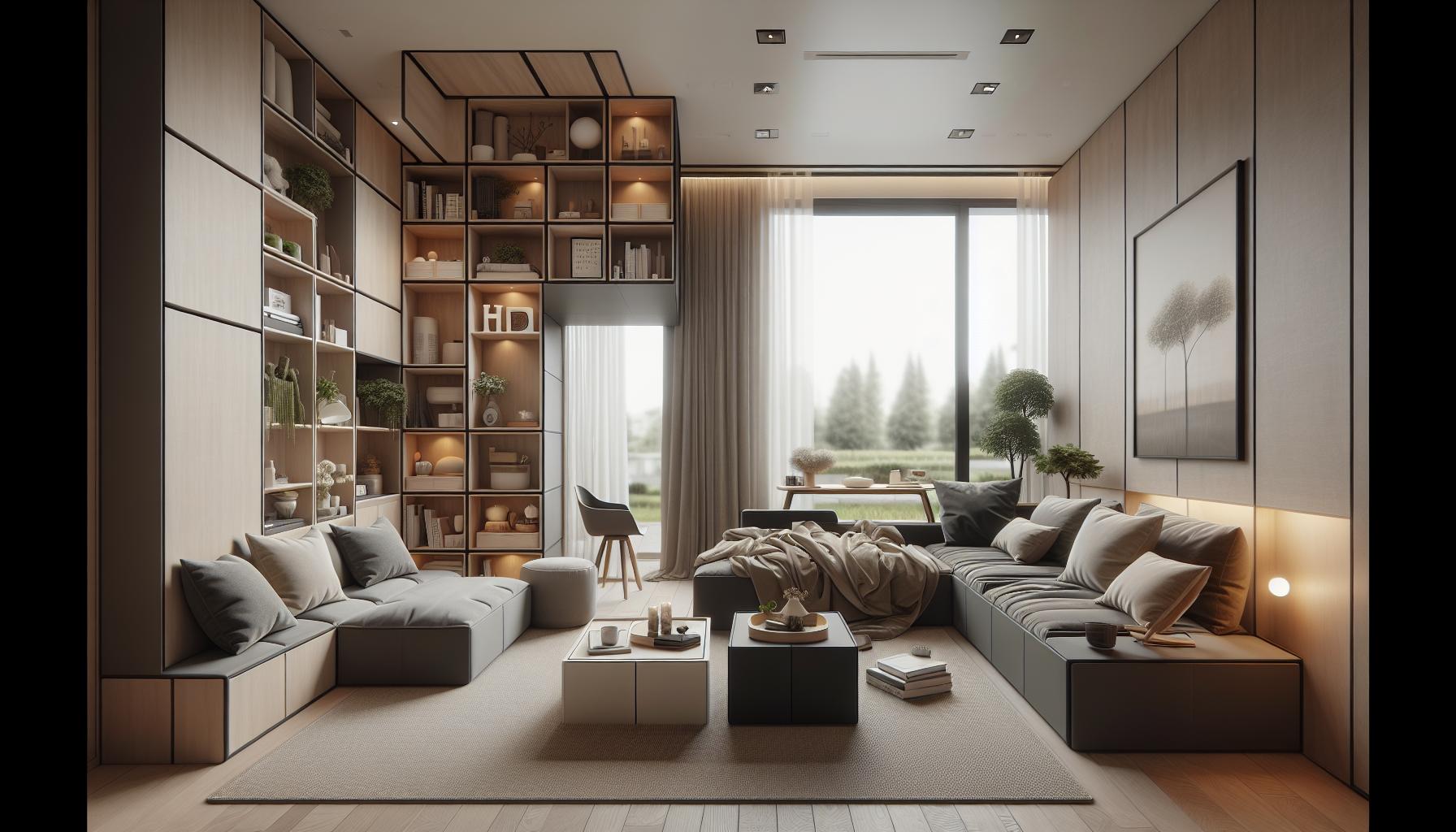
Considering a trailer home expansion opens up a world of possibilities, particularly when it comes to maximizing space in a home that is often limited by square footage. One effective strategy is to focus on multi-functional furniture and clever layouts that create an illusion of more space while adding functional areas. For example, using furniture that serves multiple purposes-such as a coffee table that doubles as storage or a sofa bed for guests-can help keep clutter at bay and make the best use of your existing space.Essential DIY Skills for Expansion Projects

When embarking on an expansion project for your trailer home, possessing essential DIY skills can be the difference between a successful renovation and an overwhelming challenge. Understanding the basics of construction, along with specific skills tailored to your project, empowers you to take control of your living space while potentially saving money in labor costs. Whether you’re building an additional room, extending a deck, or creating functional outdoor areas, honing these skills will help enhance your confidence and execution.Hiring a Contractor vs. DIY: What to Consider
Common Mistakes to Avoid When Expanding
Sustainable Practices for Eco-Friendly Expansions
How to Navigate Zoning Regulations
Adding Value: How Expansions Affect Resale
Maintaining Your Expanded Living Space
Routine Maintenance Checklist
The Way Forward