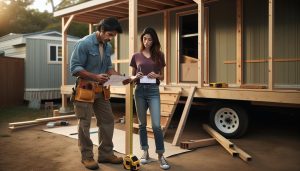
As the housing market continues to evolve, trailer homes have emerged as an appealing and affordable alternative for those seeking financial freedom and flexibility. Understanding the costs associated with building a trailer home is essential for anyone considering this lifestyle; it can provide significant savings compared to traditional housing options. In this article, we’ll explore the various factors influencing the price, from materials and design to labor and permits. Whether you’re dreaming of downsizing, investing in vacation property, or seeking a mobile living solution, grasping the nuances of trailer home pricing will empower you to make informed decisions. Join us as we delve into the costs and benefits of building your own trailer home in 2025, and discover how you can turn your vision into a practical reality.
Understanding Trailer Home Costs in 2025
The cost of building a trailer home in 2025 is influenced by various factors, making it crucial for prospective builders to fully understand the potential expenses involved. Generally, the base price for a new trailer home can range from $30,000 to $100,000, depending on the size, design, and materials used. However, this figure only represents a portion of the overall cost. Costs can escalate based on location, with more expensive areas necessitating higher investments not just in land but also in compliance with local regulations and materials.
When contemplating the construction of a trailer home, it is important to consider the following essential components that contribute to the overall cost:
- Land Acquisition: The price of land varies significantly. Research local real estate markets to find plots that suit your budget.
- Materials: High-quality materials can significantly improve durability and aesthetics. The choice of siding, roofing, and insulation all play a role in the final cost.
- Labor Costs: If contracting out the build, labor costs will affect your budget. DIY can reduce expenses but requires time and skill.
Additionally, it’s important to prepare for financial variables beyond the initial build. Hidden costs such as utility connections, landscaping, and site preparation may add up. Many builders underestimate ongoing costs related to maintenance and potential upgrades, which are essential for the longevity and comfort of the home. Furthermore, understanding the market trends in the trailer home industry can provide insight into when and where to build for the best investment return. By approaching the project with a clear awareness of these financial factors, builders can create a practical budget that accommodates their vision while remaining financially viable.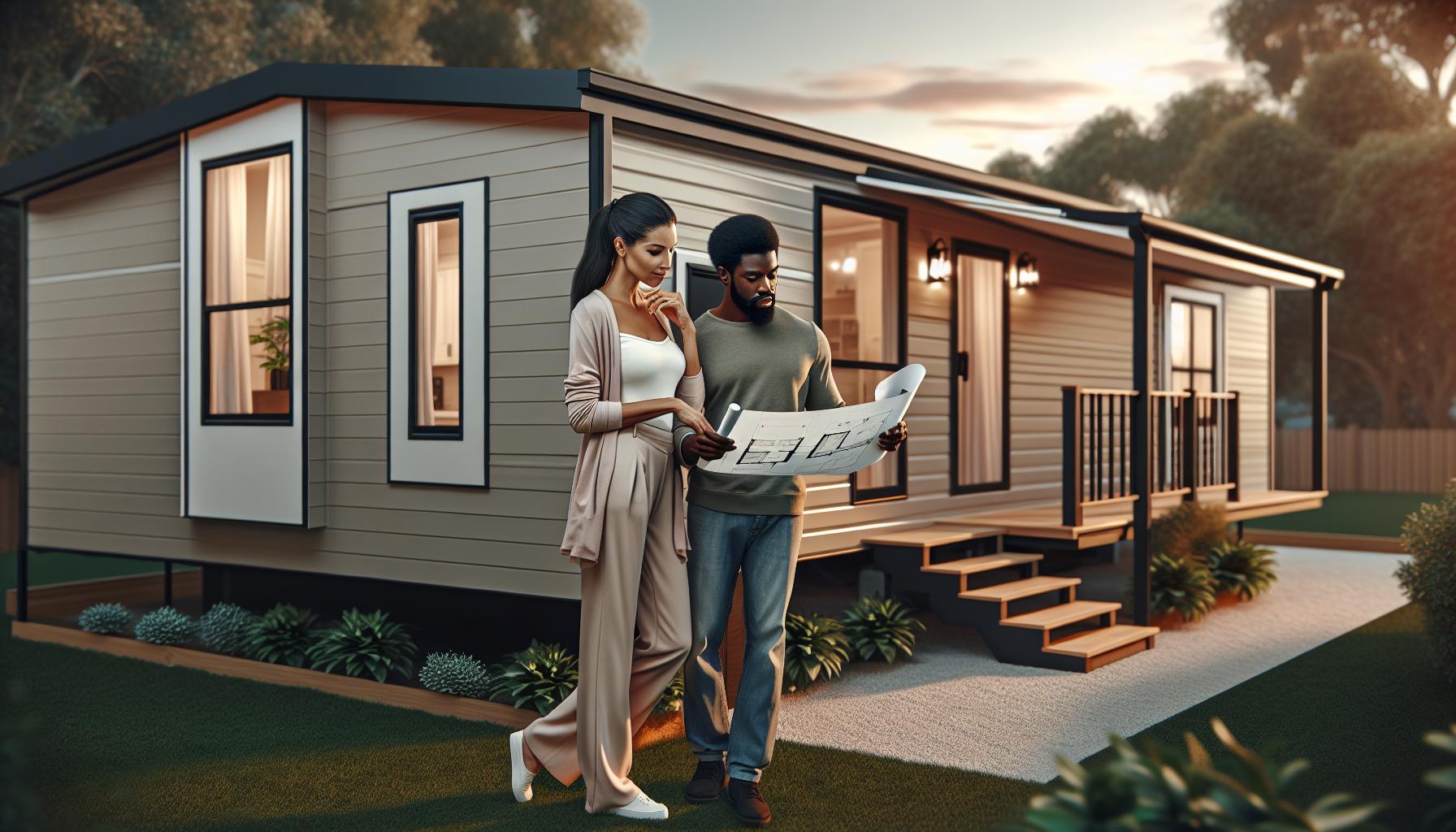
Factors Affecting Trailer Home Prices
Every trailer home is a unique structure, and various factors contribute to its final price, making it essential for potential buyers to be well-informed about these influences. One overarching element is the location. Prices can vary tremendously from one municipality to another, often reflecting the local housing market’s supply and demand dynamics. For instance, rural areas may feature more affordable prices due to lower land costs, whereas urban centers could significantly inflate expenses due to land scarcity.
Another critical aspect is the design and size of the trailer home. A single-wide model, generally cheaper, may cost between $60,000 to $90,000, while more spacious double-wides can land in the $120,000 to $160,000 range. Enhancements such as upgraded interiors, energy-efficient appliances, and luxury fixtures can also increase the total price, especially if buyers opt for customizable features.
Construction quality and materials further play into the final cost. Opting for high-grade materials can bolster durability and visual appeal but may elevate the initial investment. Conversely, selecting cost-effective alternatives might save money upfront but could lead to higher maintenance expenses over time.
Lastly, market trends and economic conditions, such as interest rates and material availability, might impact the overall pricing landscape. Keeping a close eye on these trends will empower prospective homeowners to make informed decisions, ensuring that they not only invest wisely but also achieve a home that meets their vision and budget. To summarize, understanding these factors lays the groundwork for a successful purchase in the dynamic trailer home market.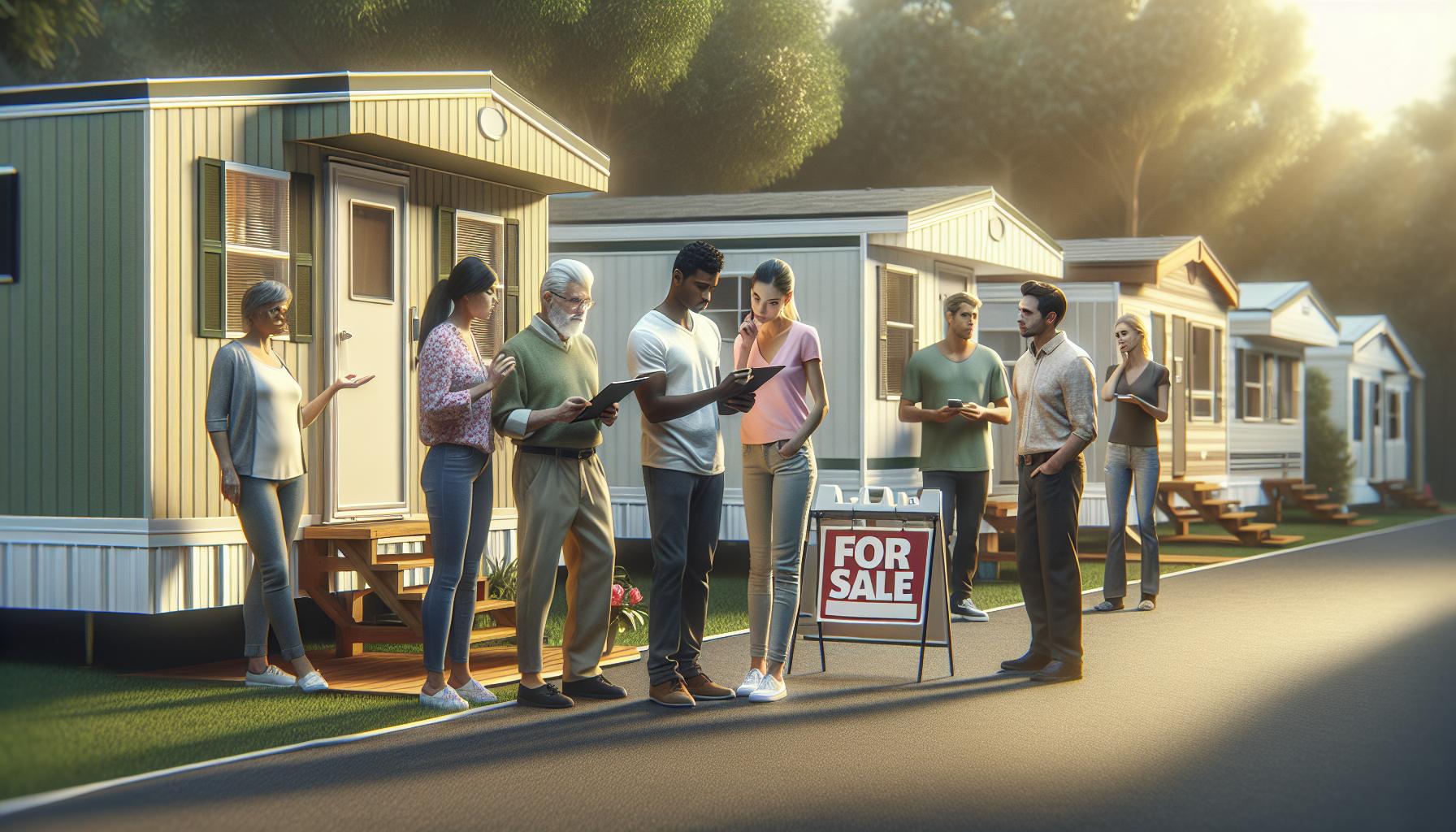
Cost Breakdown: Materials and Labor
Building a trailer home involves a nuanced understanding of how materials and labor contribute to the overall cost. This process can be exciting-offering countless choices in design and functionality-yet it requires careful planning and budgeting. For example, the materials chosen for construction can significantly affect not only the cost but also the long-term sustainability and visual appeal of the home.
Materials Impacting Costs
When considering materials, it’s vital to recognize the varying price ranges based on quality and durability. Commonly used materials include:
- Structural framing: Wood is a popular choice, but metal framing offers superior durability at a higher cost.
- Siding: Vinyl is affordable and low-maintenance, while wood siding provides aesthetic charm but demands more upkeep.
- Roofing: Metal roofs, though costlier upfront, can last significantly longer than shingles, providing better long-term value.
In 2025, the price for these materials can fluctuate based on local supply and demand. It is important for prospective homeowners to shop around, potentially saving hundreds to thousands in costs by choosing the right suppliers.
Labor Costs
Labor expenses are equally crucial in determining the cost of building a trailer home. Depending on the complexity of the design and the region, labor rates can vary significantly. A simplified construction process can reduce these costs, while opting for custom designs or high-end finishes often requires specialized tradespeople, leading to increased labor expenses.
On average, hiring a contractor can add around 20-40% to your total project costs. To help manage expenses, homeowners might consider engaging in some of the more straightforward tasks, such as painting or landscaping, to offset costs.
Ultimately, a comprehensive understanding of both material choices and labor requirements allows you to make informed decisions, paving the way for a successful and budget-conscious trailer home project. Taking the time to investigate your options and weigh the pros and cons will empower you to create not just a home, but a sanctuary tailored to your needs and lifestyle while ensuring that each dollar spent is a step towards a bright future in trailer home living.
Hidden Expenses in Trailer Home Construction
Building a trailer home can be an appealing way to achieve that dream of affordable, flexible living, but many first-time builders fail to anticipate the hidden expenses that often accompany the construction process. These unforeseen costs can quickly add up, turning an initially budget-friendly project into a financial strain. Understanding these potential pitfalls can help you prepare more effectively and keep your project on track.
One common hidden expense is site preparation and utility hookup costs. Before you even begin constructing your trailer home, you’ll need to ensure the land is suitable-this might require clearing trees, leveling the ground, or even installing a driveway. Additionally, connecting to utilities such as water, electricity, and sewage can incur significant fees, especially if your chosen site is remote or requires extensive work for connection. These costs should not be overlooked during your planning phase, as they can easily reach thousands of dollars depending on your location and specific needs.
Another often-overlooked area is insurance and property taxes. While people tend to focus on the costs of materials and labor, obtaining adequate insurance for your trailer home is crucial. Insurance rates may vary based on your geographical region, the value of the home, and any additional features. Moreover, property taxes can also catch many new homeowners off guard. It’s wise to check with local authorities to understand the financial implications of owning land and a trailer home in your selected area, as this can impact monthly budgets significantly.
Lastly, consider the costs associated with furnishing and customizing your new home. Unlike traditional homes which might come partially furnished, trailer homes often require that you build or purchase everything from scratch. Factor in expenses for fixtures, appliances, and general home décor to create a space that feels like home. To minimize these costs, you can keep an eye out for sales or explore second-hand options, optimizing your budget while still achieving a uniquely styled living space.
By recognizing and planning for these hidden expenses, you’ll be better equipped to handle the financial aspects of building a trailer home in 2025. A little foresight can go a long way in ensuring your project remains a rewarding and enjoyable experience, enabling you to immerse yourself in the joys of trailer home living without unnecessary financial stress.
Financing Options for Building a Trailer Home
Building a trailer home presents an exciting opportunity for affordable living, but securing the right financing can make a significant difference in how smoothly your project unfolds. Many aspiring homeowners may not realize that traditional mortgage options may not be available for trailer homes, leading to the necessity of exploring alternative financing solutions. Understanding these options can empower you to choose the best path forward to bring your trailer home vision to life.
To start, one popular financing option is a personal loan. Personal loans can be a flexible choice for financing small-scale construction and renovation projects, and they typically come with quicker approval times. Unlike mortgages, personal loans are generally unsecured, which means you won’t need to put up collateral. This could be ideal for covering the costs of materials or labor, especially if you’re planning a DIY approach. However, it’s important to shop around for the best interest rates and terms based on your financial profile.
Another viable avenue is through RV loans, particularly applicable if your trailer home resembles a recreational vehicle. Certain lenders specialize in RV financing, offering loans that can cover the purchase price of the trailer home itself. This option may come with more lenient credit requirements and longer repayment terms, making it accessible for first-time builders. Ensure to check if the terms fit your budget and consider the total interest you’ll pay over the life of the loan.
You might also explore home equity loans or lines of credit if you already own a home or have significant equity. Tapping into your home’s equity can provide a larger sum for your trailer home project, often at a much lower interest rate than personal loans or credit cards. However, it’s crucial to understand the risks involved, as your property may be at stake if you fail to meet repayment obligations.
In addition to these options, consider seeking grants or assistance programs aimed at promoting affordable housing. Many local governments or charitable organizations have initiatives to support low-income families looking to construct or improve their living situations. Researching and applying for such programs could supplement your financing, alleviating some of the financial burdens.
By evaluating these diverse financing options, you can better plan your trailer home project in a way that suits your financial situation. A well-thought-out approach to financing ensures that you can create your dream home while managing costs effectively and sustainably.
Navigating Legal Requirements and Permits
Building a trailer home can be an exciting venture, but before you dive into the construction process, understanding the legal requirements and permits needed is crucial. Navigating these regulations isn’t just a formality; it ensures that your home adheres to safety standards and local codes, protecting both your investment and your peace of mind.
Every state and municipality has its specific regulations regarding trailer homes, so your first step should be to check with your local zoning office. They can provide information on zoning laws that dictate where trailer homes can be situated. If you find land that seems perfect for your trailer home, ensure it is classified properly for residential use and that local laws don’t restrict this type of dwelling. Some regions may have restrictions based on the size or type of trailer, or they may require you to purchase land where a trailer home is explicitly allowed.
Next, you’ll need to consider permits. These can vary significantly depending on the location and the complexity of your project. A building permit is usually required for any significant construction, including the installation of utilities like water, electricity, or sewage systems. Your local building department will provide detailed instructions on how to apply for these permits, what forms are required, and any associated fees. Additionally, some areas might require inspections at various stages of construction to ensure compliance with local building codes, adding another layer of consideration to your project timeline.
- Check Local Zoning Laws: Verify if your desired location permits trailer homes.
- Obtain Necessary Permits: Apply for building and utility permits through your local building department.
- Plan for Inspections: Be prepared for onsite inspections to ensure compliance with building codes.
Securing all the necessary legal approvals can initially seem daunting, but doing so not only safeguards your project but also enhances its long-term value. It’s a wise investment of time that can prevent future legal complications and financial loss. Consider reaching out to local trailer home builders or homeowners’ associations for advice, as they may have valuable insights into the process specific to your area. With the right groundwork, you’ll be well on your way to creating your ideal living space.
Choosing the Right Trailer Home Design
When considering how to create your ideal trailer home, the design plays a pivotal role that extends beyond mere aesthetics. A thoughtful design can influence everything from functional living space to energy efficiency. Begin by assessing your lifestyle and needs-do you require extra storage for hobbies, or is outdoor space a priority? Perhaps you envision a modern kitchen to satisfy culinary desires. Integrating your personal requirements into the design will ensure your trailer home feels welcoming and practical.
Another important aspect is selecting the type of trailer home that aligns with your goals. Options range from traditional single-wide models to more modern, spacious double-wides that can accommodate large families. Each design comes with its own set of benefits and constraints; for instance, single-wides are often more affordable and easier to transport, while double-wides typically offer more square footage and luxurious amenities. Additionally, consider layouts that maximize space, like open floor plans that create a feeling of spaciousness, or multi-functional areas that serve dual purposes.
Moreover, sustainable design choices can also bolster your trailer home’s affordability in the long run. Opting for energy-efficient appliances and insulation materials can significantly reduce utility costs over time. Incorporating features like solar panels or rainwater collection systems may require a higher upfront investment but can yield substantial savings and environmental benefits down the line.
Lastly, don’t hesitate to explore various interior design styles. Whether you lean toward minimalism, rustic charm, or modern elegance, the right furnishings can enhance your living experience while also reflecting your personality. Engaging with resources such as design blogs or trailer home forums can provide inspiration and advice to curate a space that’s uniquely yours.
In summary, choosing the right design for your trailer home is a multifaceted process that involves analyzing your personal needs, considering the type of trailer that fits your lifestyle, and incorporating sustainable features while allowing room for individual flair. The more effort you put into understanding these elements, the happier you’ll be in your future dwelling.
DIY vs. Hiring Professionals: Cost Comparisons
When embarking on the journey to build your own trailer home, a prominent question often arises: should you go the DIY route or hire professionals? Deciding between these options can significantly impact your overall budget and project timeline, making it crucial to weigh the pros and cons of each approach.
Opting for a DIY build can potentially save you a significant amount of money. By handling tasks like framing, insulation, and even the installation of cabinetry yourself, you can cut down labor costs, which can be the most expensive component of any construction project. However, it’s essential to have a realistic understanding of your skillset and the time you can dedicate to the project. Basic maintenance tasks, such as painting and landscaping, might be manageable. Still, more complex jobs like wiring or plumbing may require professional assistance, adding unforeseen expenses if mistakes are made.
On the other hand, hiring professionals brings expertise and efficiency to your project. Skilled tradespeople can navigate challenges that might arise, adhere to building regulations, and ensure quality workmanship. While the upfront costs will be higher, this can lead to long-term savings as the likelihood of costly repairs diminishes. To illustrate, consider the following cost breakdown:
| Task | DIY Cost | Professional Cost |
|---|---|---|
| Framing | $1,000 | $2,500 |
| Insulation | $300 | $800 |
| Electrical Wiring | $500 (if you can do it) | $1,500 |
| Plumbing | $400 (if you can do it) | $1,200 |
| Finish Work | $600 | $1,000 |
Assessing your abilities and comfort level with various construction tasks can guide your decision-making process. Many successful DIY builders recommend starting with smaller renovation projects in advance to familiarize yourself with the techniques and materials you will be using. Additionally, consider the value of your time. If you have a full-time job and limited spare time, the DIY route may lead to burnout or stalled projects, negating the perceived savings.
Ultimately, the best choice hinges on your goals, budget, and available resources. Whether you decide on a DIY project or seek professional help, being well-informed will empower you to create a trailer home that matches your vision and practical needs. Remember, it’s about crafting a living space that reflects who you are while being mindful of both your budget and time constraints.
Budgeting Tips for Your Trailer Home Project
Building a trailer home can be a rewarding journey, but it requires careful financial planning. One of the most effective ways to ensure that your project stays on track is to create a detailed budget upfront. This process involves more than just estimating the cost of materials; it requires a thorough understanding of all potential expenses, both expected and unforeseen.
To start, it’s essential to break down your budget into manageable categories. Focus on major components such as materials, labor, permits, and utilities. For example, you might allocate a specific portion for the trailer shell, another for insulation, and additional funds for plumbing and electrical work. Utilize tools like budgeting apps or spreadsheets to track these expenses in real-time, allowing for adjustments as needed.
It’s also wise to establish an emergency fund within your budget, typically 10-20% of your total project cost. This fund can mitigate the impact of unexpected expenses like rising material costs or necessary repairs that you hadn’t initially considered. Doing some preliminary research on prices, permits, and local regulations can uncover hidden costs that might arise, such as requirements for septic systems or foundation issues.
Another key strategy is to prioritize your spending based on what will give you the most value. For instance, investing in energy-efficient materials and appliances can lead to significant long-term savings, reducing utility costs and enhancing the overall quality of your living space. Additionally, consider engaging in DIY tasks wherever feasible, allowing you to allocate saved funds towards higher-priority areas such as professional plumbing or electrical work, where expertise is crucial.
By approaching your trailer home project with a strategic and flexible budgeting plan, you can better navigate the complexities of construction while ensuring that your dream home becomes a reality.
Market Trends Impacting Trailer Home Prices
As the demand for affordable housing grows, trailer homes are becoming increasingly sought after, reflecting broader market trends in the housing sector. The rising cost of traditional homes has driven many to consider alternative options, like trailers, which can offer significant savings and flexibility. An intriguing aspect of this shift is the innovation in designs and materials that has made trailer living more appealing, allowing for not only affordability but also modern comfort and aesthetics.
Supply chain dynamics are also influencing trailer home prices. The availability of key materials can fluctuate due to global events, tariffs, and local manufacturing capabilities. Building materials such as lumber, which saw drastic price increases in previous years, can directly affect the overall cost of constructing a trailer home. Regional variances exist as well; for instance, areas with abundant resources may experience lower construction costs while others might face higher logistics and transportation expenses. Understanding these elements can help prospective homeowners make informed decisions and possibly time their purchases for better pricing.
In addition, zoning laws and community regulations play a crucial role in pricing trends. As more people look to establish trailer homes in varied settings, local governments are either adapting regulations to accommodate this trend or, conversely, enforcing strict compliance that could increase costs. Thus, staying up-to-date with local regulations and possible changes will be vital for anyone considering building or purchasing a trailer home, as this can significantly impact both initial costs and future expenses.
In light of these trends, prospective buyers should explore various designs and models available in the market, keeping in mind that premium features and energy-efficient options can lead to longer-term savings on utilities and maintenance. Evaluating the overall investment potential of trailer homes within these dynamic market conditions can not only enhance financial stability but also enrich one’s living experience.
Cost-Saving Tips for Building Your Trailer Home
Building a trailer home can be an exciting journey, but keeping costs manageable is key to making it a successful venture. With the increasing demand for affordable housing options, savvy planning and practical decisions can lead to substantial savings. For those interested in creating their own space, there are several effective cost-saving strategies that can make a significant difference in your overall budget.
One effective approach is to opt for a DIY method for certain aspects of the build. If you possess basic skills in construction or home improvement, tackling specific tasks can drastically reduce labor costs. Projects such as installing flooring, painting walls, or constructing simple features like decks or storage can be done with minimal expense and effort. Additionally, harnessing videos and tutorials online can offer guidance and boost your confidence in handling these tasks on your own. If DIY isn’t feasible, consider hiring local contractors or tradespeople, as they often charge less than established companies and may provide quality work at a better rate.
Choosing materials wisely is another pivotal way to save. Instead of premium materials, explore options that offer durability at a lower cost. Reclaimed wood, for instance, can add character while being more affordable than brand-new timber. Additionally, consider using energy-efficient materials that may have a slightly higher upfront cost but will save you money in the long run through reduced utility bills. Prioritize purchases to ensure you spend on essential items first, such as framing and roofing, before moving on to aesthetic features.
Finally, thorough research can uncover various financing options that can mitigate initial costs. Look for grants and loans specifically designed for modular or manufactured homes, often found through local governments or nonprofit organizations focused on housing affordability. As prices vary widely by region, don’t hesitate to compare quotes from different suppliers and contractors, seeking out the best deals that fit your vision and budget.
By approaching your trailer home project with informed choices and a bit of creativity, it’s entirely possible to create a comfortable living space that aligns with your financial goals while enjoying the process of building and personalizing your future home.
Long-Term Costs: Maintenance and Upgrades
Building a trailer home is just the beginning of a rewarding journey toward affordable living; however, understanding the long-term costs associated with maintenance and upgrades is essential for any owner. Just like traditional homes, trailer homes require ongoing care and investment to maintain their livability and value. Many homeowners overlook these aspects during initial planning, but being proactive can lead to significant savings and increased satisfaction over time.
Regular maintenance is key to preventing major repairs down the line. Common tasks include checking the roof for leaks, inspecting undercarriage conditions, and ensuring the plumbing and electrical systems are functioning correctly. Here are some basic maintenance tips:
- Routine Inspections: Perform seasonal checks on crucial components like the roof, windows, and doors to identify issues before they escalate.
- Plumbing Maintenance: Regularly inspect plumbing fixtures for leaks and ensure the water heater and filters are in good condition.
- Exterior Care: Clean and maintain the siding, and inspect the skirting for damage to prevent pests and water damage.
Upgrades can also add substantial value and improve your living experience. Energy-efficient upgrades, such as installing better insulation, energy-efficient windows, or solar panels, can lower utility bills significantly over time, offsetting initial costs. Similarly, renovating spaces like kitchens and bathrooms can enhance both functionality and comfort. When considering upgrades, prioritize features that increase energy efficiency, aesthetics, and resale value.
Another important consideration is budgeting for unexpected repairs. Having an emergency fund or setting aside 1-3% of your trailer home’s value annually can help manage unforeseen expenses. By planning ahead, you ensure that your trailer home remains a thriving, comfortable place to live, reducing the stress and financial strain of surprise repairs.
Future Outlook
As you explore the costs associated with building a trailer home in 2025, remember that understanding your budget is just the first step towards making your dream a reality. Affordable options exist, and with the right planning, you can enjoy the benefits of trailer home living while minimizing unexpected expenses. Don’t forget to check out our guides on basic maintenance tasks and simple renovation projects to keep your new space thriving.
Ready to take the next step? Sign up for our newsletter to receive valuable insights directly to your inbox, or consider consulting with one of our experts who can guide you through purchasing considerations and financing basics. If you’re curious about the various mobile home styles or legal requirements, explore our related articles to broaden your understanding. Your journey towards a fulfilling mobile home lifestyle starts now; let us help you make it as smooth and enjoyable as possible!