Did you know that the average size of a mobile home ranges between 600 and 1,300 square feet? Understanding the square footage of trailer homes is essential for efficient space planning, budgeting, and lifestyle decisions. Whether you’re considering downsizing, looking for a budget-friendly living option, or simply expanding your knowledge about alternative housing, knowing the dimensions of trailer homes can significantly impact your choices. As you navigate this exciting path, it’s vital to grasp how size influences everything from layout to maintenance. In this guide, we’ll break down typical sizes, what to consider when choosing a trailer home, and how to make the most of your space. Keep reading to find not just measurements but tips and insights that can enhance your mobile living experience!
Choosing the Right Size: Understanding Square Footage
When contemplating a trailer home, understanding square footage is crucial to ensure the space meets your lifestyle needs. Trailer homes come in various sizes, typically ranging from 200 to over 1,500 square feet, and the right choice will heavily depend on factors like family size, budget, and personal preferences. For example, a couple might find comfort in a compact 400-square-foot model that includes a bedroom, kitchenette, and living area, while a family with children may require something larger, possibly around 1,000 square feet, to accommodate everyone comfortably.
Determining the appropriate size begins with assessing your daily activities and how much space is necessary for comfort and functionality. Consider the following aspects:
- Family Dynamics: More family members typically require more space not only for sleeping but also for communal areas that foster interaction.
- Storage Needs: Evaluate how much storage you will need for personal belongings, outdoor gear, or recreational equipment.
- Future Plans: Anticipate any lifestyle changes, such as having more children or moving into retirement, which may necessitate a different size.
- Budget Considerations: Keep in mind that larger homes generally come with increased costs, not just for purchasing but also for maintenance, utilities, and insurance.
It’s also beneficial to visualize the layout of the space. A well-designed floor plan can make a smaller trailer feel more spacious through strategic placement of furniture, multipurpose rooms, and adequate natural light. Understanding these dynamics not only makes the choice of size more manageable but can significantly enhance your overall living experience in a trailer home.
Common Sizes of Trailer Homes Explained
When exploring trailer homes, it’s essential to understand the wide array of sizes available, as they can significantly impact your lifestyle and living experience. Trailer homes typically range in size from around 200 square feet for compact models to over 1,500 square feet for larger family units. These variations essentially cater to diverse preferences and needs, enabling buyers to select the perfect match for their lifestyle.
Many entry-level trailer homes are found at about 400 to 600 square feet, providing a manageable space for couples or singles. These models often feature an open floor plan that effectively incorporates a living area, kitchen, and bathroom, ensuring that all necessary elements coexist without feeling cramped. As families grow, the size of the trailer home commonly expands, with sizes around 800 to 1,200 square feet becoming more popular. These spacious designs typically offer multiple bedrooms, larger kitchens, and designated living areas that allow for privacy and comfort.
For those needing even more room, large trailer homes go beyond 1,200 square feet, accommodating larger families or providing additional features like a dedicated office space or multiple bathrooms. Such homes often come with customization options to ensure a perfect fit for your family’s requirements. It’s also worth noting that the age and type of the trailer can influence its dimensions-newer models generally maximize space efficiency and design, while vintage units may have unique layouts that charm with their distinctive character.
Ultimately, choosing the right size for a trailer home involves not only assessing current needs but also considering future plans. Whether it’s planning for children, accommodating guests, or simply desiring more space for hobbies, understanding the common sizes can help you make an informed decision that suits both your present and future lifestyle.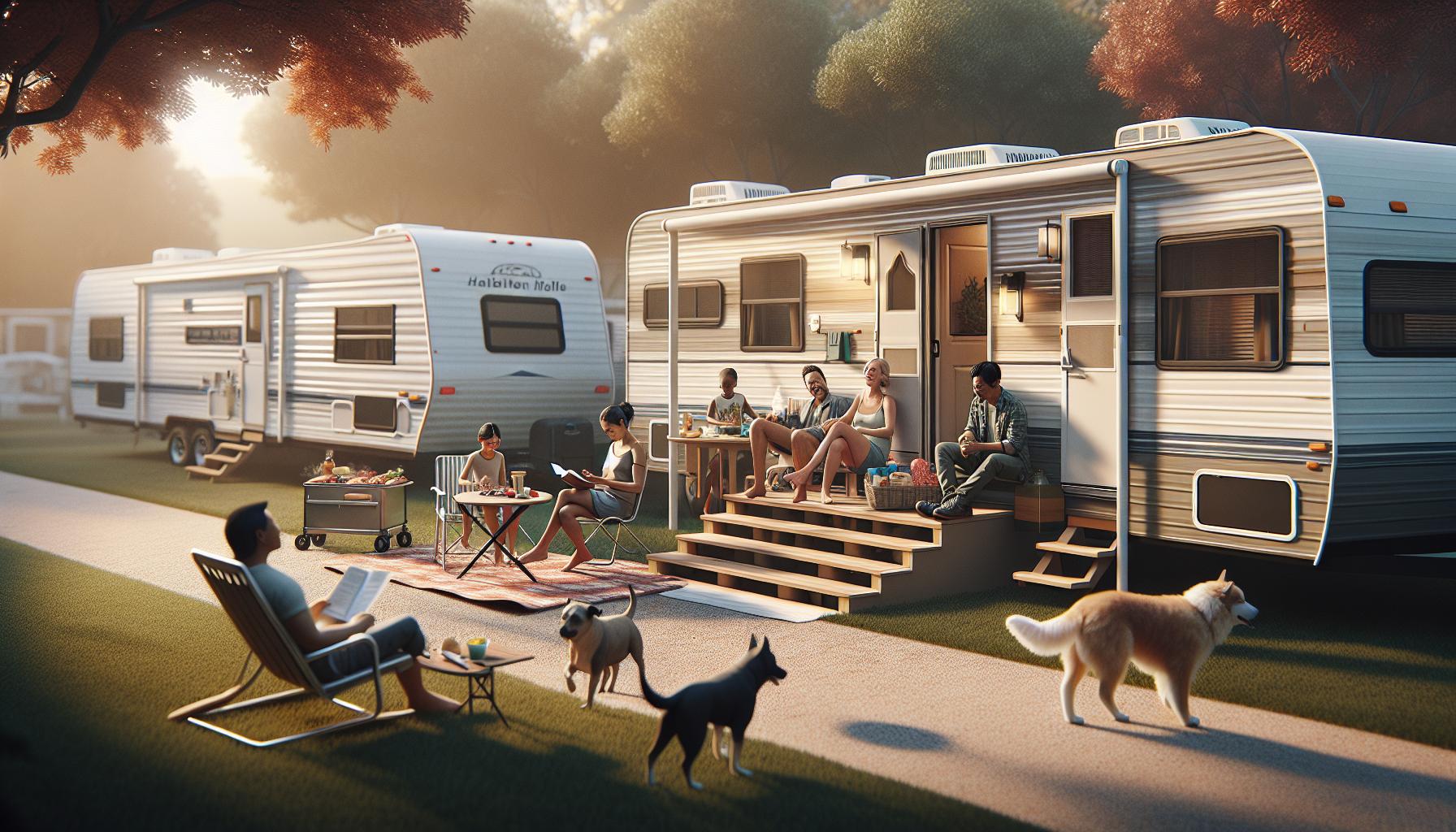
Floor Plan Options for Trailer Homes
When considering trailer homes, the floor plan can significantly influence both your comfort and functionality. Understanding the various layout options available is crucial for making the most of your space. Many modern trailer homes prioritize open-concept designs that offer a seamless flow between living areas, making the space feel more expansive and inviting. This layout is ideal for those who appreciate a communal atmosphere, often integrating the kitchen, dining, and living spaces into a single area.
Popular Floor Plan Configurations
Some common floor plan options you may encounter include:
- Single-Section Layouts: Typically ranging from 400 to 1,200 square feet, these designs feature a single linear structure. They often include one or two bedrooms, an open living area, and a compact kitchen, making them perfect for singles or couples.
- Double-Section Models: These offer more space, often featuring separate rooms for sleeping, cooking, and lounging. With sizes often exceeding 1,200 square feet, they are excellent for families needing additional bedrooms or an office space.
- Lofted Plans: Increasingly popular in modern designs, these homes utilize vertical space, with lofted sleeping areas above the main living spaces. This architectural style can effectively maximize square footage while offering a unique aesthetic appeal.
One consideration when selecting a floor plan is how it can accommodate your lifestyle. For example, families may favor layouts with multiple bedrooms and distinct living spaces to ensure everyone has privacy and room to grow. Alternatively, minimalist enthusiasts might prefer compact designs prioritizing open space, allowing for easy movement and flexibility in furniture arrangement.
Customizing for Your Needs
Many trailer homes also offer customization options to tailor their layouts to your requirements. This can include adjusting room sizes, creating additional storage solutions, or modifying the kitchen layout to suit your cooking style. If you have specific needs, such as a home office or a larger dining area for entertaining, don’t hesitate to discuss these with your builder or dealer, as they can provide insights into achievable modifications within your desired floor plan.
Ultimately, selecting a floor plan that aligns with your lifestyle, family structure, and personal preferences can enhance your trailer home experience, creating a comfortable, functional, and inviting space.
Maximizing Space in Smaller Trailers
Living in a smaller trailer can be a rewarding experience, but maximizing every square foot is essential for comfort and functionality. It’s all about smart organization and clever design choices. One effective approach is to incorporate multi-functional furniture. For instance, consider a coffee table that can be transformed into a dining table or a sofa bed that serves as both a comfortable seat and a sleeping space for guests. These versatile options not only save space but also enhance the overall aesthetic of your home, making it feel more open and inviting.
Utilizing vertical space is another key strategy. Install shelves that reach up to the ceiling, allowing you to store books, decorative items, or even kitchenware without using precious floor space. You can also consider wall-mounted storage solutions or hanging organizers for smaller items, which can keep countertops clutter-free. Hooks are perfect for hanging things like jackets, hats, or kitchen utensils, making everyday items easily accessible while keeping your living area tidy.
In addition to furniture and storage solutions, optimizing your layout is crucial. Arrange your furniture in a way that promotes flow and accessibility. For example, placing a dining table by a window can create a cozy eating nook, while allowing light to brighten the space. Creating designated zones within your trailer can help distinguish different areas, making it feel more spacious. Using rugs or furniture placement to define these areas can be an effective method for visually expanding your living space.
Lighting plays a vital role in how spacious a smaller trailer feels. Natural light can make a significant difference, so maximize windows and consider sheer curtains that let in light without sacrificing privacy. Additionally, incorporating mirrors can create an illusion of more space, reflecting light and making your home feel larger than it is. Simple changes like these can transform a compact trailer into a well-organized, comfortable living space that feels like home.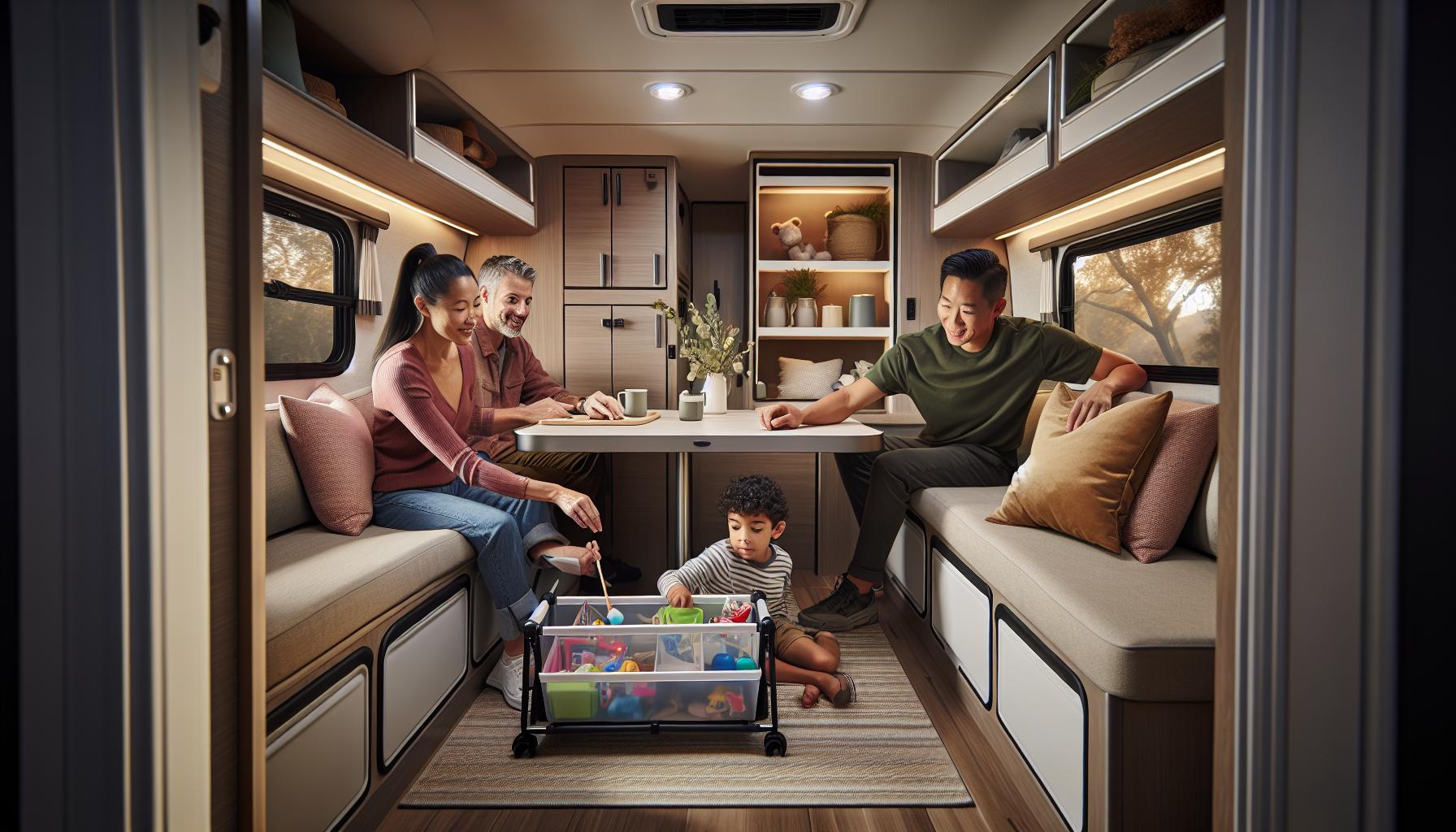
The Impact of Size on Trailer Costs
Determining the cost of a trailer home often revolves significantly around its size. Generally, the larger the trailer, the higher the price tag, influenced by factors such as materials, design, and amenities. For instance, a modest single-wide trailer, which typically ranges from 600 to 1,200 square feet, can cost anywhere between $30,000 to $80,000, depending on its condition and features. In contrast, double-wide trailers offer more room-usually around 1,200 to 2,400 square feet-and can run from $70,000 to over $150,000, reflecting the additional materials and labor needed for customization and installation.
Factors Influencing Cost
Several elements come into play regarding how size affects trailer expenses:
- Material Quality: Larger trailers often utilize more high-end materials, increasing both the initial cost and potential ongoing maintenance expenses.
- Features and Customization: Additional square footage allows for more rooms or unique layouts, which may require special planning and upgrades. Spaces like full bathrooms, equipped kitchens, or laundry areas can rise the overall costs substantially.
- Site Preparation and Setup: Bigger trailers necessitate more extensive site work-such as foundation leveling or utility connections-which can add to both initial and ongoing costs.
Considering the long-term financial impact of size is crucial. A larger trailer may provide enhanced comfort and usability but could lead to increased heating and cooling costs, higher property taxes, and possibly greater insurance premiums. Therefore, it’s essential for prospective trailer owners to weigh their desired space against their budget while also keeping future expenses in mind.
Thinking beyond the purchase price, budgeting for potential upgrades or modifications is wise. For instance, buyers may want to invest in energy-efficient appliances or durable materials that minimize ongoing maintenance costs, offsetting the initial financial outlay with savings over time. Exploring various financing options, including loans tailored for mobile homes, can also help in managing these costs effectively.
Legal Regulations on Trailer Home Sizes
Navigating the maze of legal regulations regarding the size of trailer homes can feel daunting, yet understanding these rules is crucial for prospective owners. Local zoning ordinances, state regulations, and federal guidelines establish specific criteria that dictate the minimum and maximum dimensions for trailer homes. Additionally, these laws often vary significantly by location, so it’s essential to research the regulations that apply to your intended area.
One of the primary considerations is the classification of the trailer as either a mobile home or a manufactured house, as these terms might influence applicable laws. Some areas have established minimum square footage for residential trailer homes, often requiring a minimum of 400 to 600 square feet to meet habitability and safety standards. Conversely, oversized or custom trailers may be subject to additional scrutiny to ensure compliance with local building codes and safety measures.
Local Zoning Laws
Zoning laws are governed by local municipalities and can stipulate specific requirements for trailer sizes. These regulations are often influenced by factors such as land use planning and residential density. For instance:
- Setback Requirements: Many zones require trailers to be placed a certain distance from property lines, which can affect the usable footprint.
- Height Restrictions: Restrictions might be in place that limit how tall a trailer can be, impacting multi-story designs.
- Foundation Requirements: Some regions mandate that trailer homes be anchored to a foundation, which can influence design and construction choices.
State and Federal Regulations
In addition to local zoning laws, both state and federal regulations, such as the U.S. Department of Housing and Urban Development (HUD) guidelines, establish standards regarding the construction and safety of manufactured homes. Adhering to these regulations is essential not only for safety but also for ensuring that the home retains its value and meets insurance requirements.
Understanding and complying with these legal aspects is critical to making informed decisions about purchasing or placing a trailer home. It is highly advisable to consult with local authorities or a legal expert who specializes in housing regulations to ensure that your trailer home not only meets your size needs but also complies with all necessary legal standards. This foresight can save both time and resources, making your trailer living experience as enjoyable and hassle-free as possible.
Upgrading: When to Consider a Larger Space
Deciding to upgrade to a larger trailer home can be a significant step toward enhancing your living experience, especially if you’ve found your current space no longer meets your needs. Various life changes might motivate this move; for instance, a growing family, the desire for more space for hobbies, or simply a preference for comfort and convenience can all play pivotal roles in this decision. Understanding when to consider a larger space is essential for both practical and emotional satisfaction in your home.
One of the primary indicators that it might be time to upgrade is when your current trailer feels cramped. Families can grow quickly, and as children age, they often require more personal space. If you’re starting to see conflict over shared areas or if simple daily tasks become cumbersome due to space constraints, it may be a signal that it’s time to look for a larger trailer. Additionally, you may find that your lifestyle has evolved-perhaps you’ve taken on remote work or hobbies that require more room for equipment and organization. In these scenarios, relocating to a more spacious unit can vastly improve your daily functioning and quality of life.
Consider also your long-term plans and career trajectory. If you are planning to expand your family or see yourself working from home for the foreseeable future, investing in a larger space can set you up for success, allowing you to create areas specifically for work and relaxation. However, moving to a larger trailer not only involves evaluating your current needs but also your budgetary constraints and the potential costs associated with finding and maintaining a more expansive home. A larger size often comes with higher expenses both in terms of purchase price and ongoing upkeep.
Lastly, if you’re frequently entertaining guests or have an active social life, you might feel cramped when hosting gatherings. Having an open floor plan and additional amenities, such as an extra bedroom or dedicated guest space, can make your trailer more conducive to an inviting atmosphere. If your living situation is starting to impede your lifestyle, then it may be time to evaluate what an upgrade entails, enabling you to enjoy a comfortable, functional, and welcoming living environment. Embracing this transition can transform how you experience home life, leading to increased satisfaction and happiness.
Maintenance Tips for Various Trailer Sizes
Maintaining a trailer home, regardless of its size, is essential to ensure its longevity and comfort. With the right approach, you can keep your space in top shape, making it a cozy and inviting place for you and your loved ones. Whether you’re living in a compact unit or a more spacious model, tailored maintenance strategies can help you optimize every square foot.
For smaller trailers, regular checks on plumbing and electrical systems are crucial. Since these homes often have condensed layouts, any issues can escalate quickly. Inspect your pipes for leaks and ensure that all outlets function properly. Additionally, because ventilation can be a challenge, consider using dehumidifiers during humid months to prevent humidity buildup, which can lead to mold. It’s advisable to clean and vacuum exhaust fans to enhance airflow and maintain good indoor air quality.
Larger trailer homes might come with additional features like multiple bedrooms or expanded living areas, increasing the complexity of maintenance. In these larger spaces, pay special attention to heating and cooling systems. Schedule seasonal inspections to ensure efficiency and comfort. Furthermore, regular exterior maintenance-such as checking for rust, repainting, and sealing windows-can prevent structural damage and preserve your investment. It’s also beneficial to regularly clean gutters and downspouts to avoid water damage from overflow, especially in rainy seasons.
Additionally, in both small and large trailers, establishing a maintenance calendar can greatly simplify upkeep. Create a schedule that outlines monthly, quarterly, and annual tasks, which may include:
- Monthly: Check smoke detectors and carbon monoxide alarms.
- Quarterly: Inspect roof seals and clean any debris from vents.
- Annually: Test the propane system and perform a deep clean of carpets and upholstery.
Effective maintenance not only enhances your living experience but also safeguards your investment, allowing you to enjoy your trailer home for years to come. By taking proactive steps tailored to the size and layout of your space, you’ll create a more comfortable and efficient home environment.
Decorating Strategies for Different Layouts
Creating a visually appealing and functional living space within a trailer home can sometimes be challenging due to limited square footage. However, clever decorating strategies can enhance the aesthetic while maximizing usability. An important approach is to embrace a cohesive color palette. Lighter shades, like pastels and whites, can create an illusion of more space, making your trailer feel larger and airier. Accentuate this with the use of mirrors, which not only reflect light but also contribute to a sense of openness.
Choosing the right furniture is crucial when it comes to outfitting a smaller trailer. Opt for multi-functional pieces that serve more than one purpose. For example, a sofa bed or a coffee table with storage can save space while providing essential features. Additionally, consider scaling down furniture to fit the confines of your layout; oversized items can quickly overwhelm a small area. Utilize vertical space effectively by incorporating shelves or wall-mounted units, allowing for decorative displays without sacrificing floor area.
Creative Storage Solutions
Storage can be a pressing concern in trailer homes, especially smaller ones. Here are some inventive strategies to consider:
- Under-bed storage: Invest in containers or drawers that fit under your bed frame.
- Built-in racks: Consider building or purchasing racks in closets to optimize vertical storage.
- Hooks and hangers: Install hooks in entryways or on walls for hats, jackets, or bags, reducing clutter.
In addition to functional considerations, the decor should reflect your personal style. Incorporating personal items like photographs, art, or crafts can infuse warmth into the space. Layering textiles, such as throws and cushions, adds texture and comfort while allowing you to change aesthetics seasonally or as desired. Plants, whether real or artificial, can also revitalize the environment, adding life and a touch of nature that softens the hard edges often found in trailers.
By thoughtfully decorating your trailer home, you can create a sanctuary that not only feels spacious and inviting but also represents your personality and style. Through careful selection of furnishings and decor, maximizing vertical space, and implementing smart storage solutions, you can transform your living area into a comfortable, stylish haven.
Essential Features for Comfortable Trailer Living
Creating a comfortable environment in a trailer home involves more than just fitting furniture into a space-it’s about optimizing every square inch to enhance your living experience. One essential feature for comfortable trailer living is efficient climate control. Depending on your location, a reliable heating and cooling system is crucial. Look for models that combine energy efficiency with adequate temperature regulation, such as HVAC systems designed for small spaces, or compact heating units that can be easily installed.
Another critical aspect is the right kitchen configuration. A well-planned kitchenette can make a significant difference in day-to-day life. Choose appliances that are not only space-saving but also offer functionality, such as a combination microwave and convection oven or an under-counter refrigerator. Ensure that your kitchen has sufficient storage options, like cabinets that maximize vertical space and drawer organizers, to keep things tidy and accessible.
Home Security and Safety Features
Security shouldn’t be overlooked in the quest for comfort. Install reliable locks on doors and windows, and consider an alarm system or even smart home technologies that alert you to unusual activity. Additionally, fire safety is essential-install smoke detectors and ensure that a fire extinguisher is readily accessible.
Lighting plays a vital role in creating a cozy, inviting atmosphere. Use a mix of overhead, task, and ambient lighting to enhance the mood and functionality of your space. For instance, adjustable LED lighting can save space while providing the flexibility needed for different tasks and settings. Incorporate natural light as much as possible, using window treatments that allow for privacy while maximizing brightness.
Water and Plumbing Considerations
Lastly, solid plumbing and water systems are vital for full-time living in a trailer home. Make sure your water heater is efficient and has the capacity for your needs, while also ensuring that your plumbing connections are well-maintained to prevent leaks and contamination. Access to clean, treated water is essential for comfortable living, so consider filtration systems that ensure safe drinking water.
By prioritizing these essential features, trailer living can become not just an alternative but a genuinely enjoyable lifestyle choice. Thoughtful planning and execution will foster a comfortable, functional space that you can truly call home.
Buying vs. Renting: Size Considerations
Considering whether to buy or rent a trailer home can significantly impact your living experience and financial planning, especially when factoring in size considerations. The decision often boils down to flexibility versus permanence. For instance, if you frequently relocate due to work or personal circumstances, renting a smaller trailer may offer the ideal balance of space and efficiency without the long-term commitment of a mortgage. This approach allows you to test different layouts and sizes-helping solidify your preferences before deciding on a purchase.
On the other hand, purchasing a trailer home can provide both a sense of stability and the opportunity for customization. Homeowners have the freedom to select a design and size that suit their needs perfectly, allowing for more tailored living arrangements, whether that’s a spacious layout for a family or a compact setup for minimalists. Owning means you can also make improvements and alterations to enhance space and comfort, such as adding shelving or reconfiguring interiors, which can be more restricted in rental situations.
There are also financial implications to consider. While renting might appear less expensive in the short term, costs can add up with monthly payments and potential increases in rental fees over time. Conversely, buying may require a higher upfront investment, including down payments and financing, but it can build equity and generally leads to greater financial stability over the long run. It’s essential to budget for the size of the trailer as well since larger units naturally translate to higher costs-both in terms of purchase price and ongoing maintenance.
Ultimately, analyzing your lifestyle, financial situation, and long-term goals can guide you in making the right choice. Remember to consider not just the square footage and layout but also how each option aligns with your vision for a comfortable and practical living space. By weighing these factors against your personal needs, you can find the perfect fit for your trailer home journey.
Future Trends in Trailer Home Sizes
The trailer home landscape is evolving, influenced by shifting housing trends, lifestyle preferences, and environmental considerations. As more individuals explore alternative living arrangements, there is a noticeable shift towards smaller, more efficient designs that cater to minimalist lifestyles while maximizing comfort and functionality. This trend is expected to reshape the average square footage of trailer homes, driving innovation in both design and construction methodologies.
Emphasis on Sustainability
The push for sustainable living is propelling the development of smaller trailer homes, often designed with eco-friendly materials and energy-efficient systems. Many manufacturers are introducing models that feature innovative layouts to optimize space while minimizing the environmental footprint. For instance, some new models are incorporating smart technology that allows residents to manage energy consumption effectively, making trailer living not only more resource-efficient but also more appealing to eco-conscious buyers.
Adaptation to Remote Living
With the rise of remote work, many people are seeking trailer homes that facilitate a work-from-anywhere lifestyle. This trend is influencing the design of homes that allow for dedicated office spaces within smaller square footage, ensuring that occupants can enjoy the flexibility of remote work without sacrificing comfort or privacy. Consequently, trailer homes are increasingly being designed with modular setups that can easily adapt to different uses, from leisure to a productive work environment.
Increased Customization Options
Today’s trailer home buyers are not just looking for a place to live; they want to create a personalized sanctuary. This demand is leading to a trend toward greater customization in floor plans and layouts, allowing buyers to choose configurations that suit their unique needs. Companies are responding by offering modular designs that can grow or shrink depending on the owner’s requirements, helping to maintain functionality without the need for a larger footprint.
While traditional larger trailer homes remain popular, the incoming wave of smaller, innovative designs reflects a shift in values towards more sustainable, flexible, and personalized living arrangements. As you plan for the future or decide on your next trailer home purchase, consider how these trends can shape your choice towards a space that not only meets your needs but also aligns with the evolving housing landscape. Being proactive in understanding these changes will empower you to make informed decisions that enhance your living experience.
Concluding Remarks
Understanding the square footage of a trailer home is just the beginning of your journey into mobile living. With this guide, you’ve equipped yourself with crucial insights for size planning that will enhance your living experience. Don’t hesitate-take the next step toward your new home today! Whether it’s exploring trailer options or delving into financing basics, we’ve got the resources you need.
For deeper insights, check out our articles on trailer home maintenance tips and smart renovation projects to maximize your space. Interested in connecting with a community that shares your passion for trailer living? Join our newsletter for updates and tips directly to your inbox! Remember, every great journey starts with informed decisions, and we’re here to support you every step of the way. Explore, engage, and envision your ideal trailer home today!