When it comes to trailer safety, understanding the proper clearance height for your wheels is crucial. Did you know that inadequate clearance can lead to accidents, damage to your trailer, or even costly repairs? Ensuring your trailer wheels clear the ground appropriately is not just a matter of functionality; it plays a vital role in your safety on the road. Many trailer owners overlook this essential aspect, but being aware of clearance requirements can help prevent mishaps and enhance the longevity of your vehicle. In this article, we’ll delve into the key safety rules regarding trailer wheel height clearance, helping you make informed decisions and keep your journeys smooth and secure. Read on to uncover the critical guidelines that every trailer owner should know!
Understanding Trailer Wheel Height Requirements
The height at which trailer wheels must clear the ground is crucial not just for operational efficiency but for overall safety. Understanding this requirement helps prevent issues such as tire wear, bottoming out, and potential accidents. Proper wheel clearance ensures that your trailer can maneuver over various terrains without getting stuck or damaged. Assessing this height lowers the risk of encountering problems while traveling, especially over bumps, potholes, or rough roads.
Several factors influence the appropriate wheel height, including the type of trailer, its intended use, and local regulations. For instance, a utility trailer designed for heavy loads may require a different clearance compared to a lightweight cargo trailer. When measured correctly, maintaining a minimum wheel clearance can significantly enhance your trailer’s performance. Factors like load distribution and the type of suspension system will also affect overall wheel height.
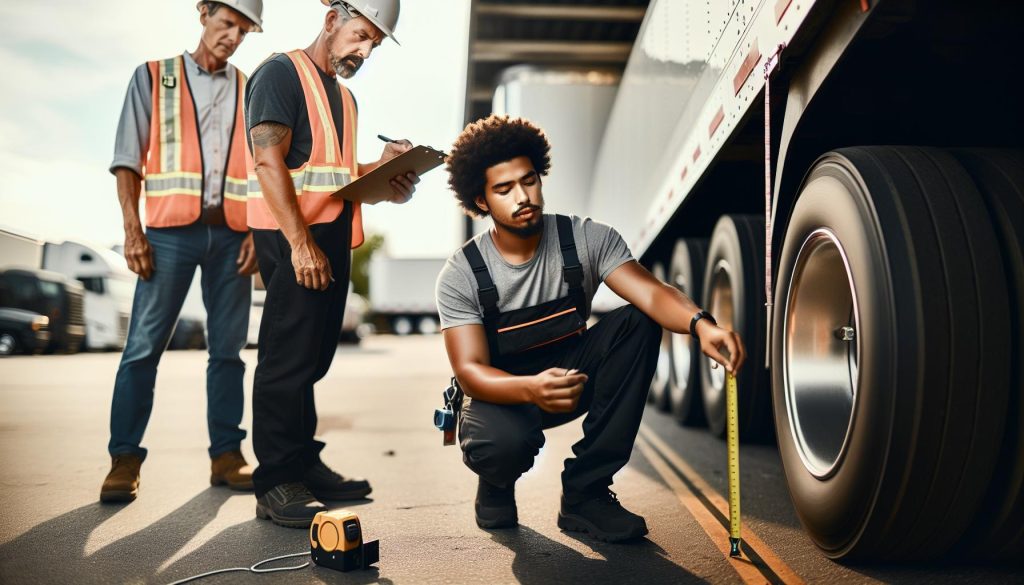
To measure the wheel height accurately, you need to consider the trailer’s axle height and tire size. Begin by ensuring the trailer is placed on level ground. Using a measuring tape, check the distance from the ground to the bottom of the wheel arch-this gives you a clear indication of your current clearance. It’s also essential to keep in mind any adjustments in height that may occur with weight displacement; for example, loading the trailer can lower its stance. Regular inspections and measurements will ensure your setup remains safe, especially before long trips or heavy loading.
By paying close attention to these factors, trailer owners can promote safer towing practices and extend the life of their equipment.
Importance of Proper Wheel Clearance for Safety
Ensuring adequate wheel clearance is paramount for the safety of any trailer. Insufficient clearance can lead to numerous hazards, including tire wear, instability during transit, and the potential for accidents. One of the most critical roles of proper wheel clearance is to prevent the trailer from bottoming out when encountering obstacles such as potholes, speed bumps, or uneven terrain. This not only protects the tires and suspension system but also enhances the overall handling of the trailer, providing a smoother and more controlled towing experience.
Beyond just protecting your equipment, maintaining appropriate wheel clearance contributes to safer road interactions. For example, if a trailer’s wheels are too low, it risks dragging or scraping against the road surface, especially when loaded. This dragging can lead to a loss of control, jeopardizing the safety of both the trailer operator and other road users. Furthermore, improper wheel clearance may violate legal safety standards, potentially leading to fines or penalties during inspections. Regular checks and adjustments ensure compliance with regulations while reinforcing best practices for safe towing.
To effectively manage wheel clearance, trailer owners should perform routine inspections, particularly before long trips or when planning to carry heavier loads. These inspections should also involve a close evaluation of the trailer’s weight distribution and suspension system, as these factors directly impact wheel height. By staying proactive and educated about clearance requirements, you not only enhance your equipment’s longevity but also significantly reduce the risks associated with towing. Making informed decisions about trailer maintenance and operation can greatly enhance safety on the road.
Legal Safety Standards for Trailer Wheel Heights
Maintaining proper wheel height for trailers is not just a matter of convenience; it’s essential for ensuring safety and compliance with legal standards. Each state and region has specific regulations governing the minimum ground clearance required for trailers, which can vary based on several factors such as trailer type, size, and intended use. These regulations are designed to enhance safety, mitigating risks that could arise from inadequate clearance, such as damage to roads, loss of control, or increased likelihood of accidents.
Generally, trailer wheel height is determined based on the type of trailer and its contents. For example, utility trailers may have different requirements compared to enclosed or fifth-wheel trailers. Compliance with local laws is critical; failing to adhere to these regulations can result in penalties, fines, or even accidents and liabilities. Regular inspections and adjustments are crucial to meet these standards, particularly when a trailer has been modified or if it carries varying loads.
Key Considerations for Legal Compliance
- Local Regulations: Always check state and local regulations, as they may have unique requirements for different trailer types.
- Inspection Criteria: Be aware of what inspectors look for during trailer inspections. They will ensure the trailer meets the legal requirements for wheel height.
- Manufacturer Guidelines: Follow the guidelines provided by the trailer manufacturer regarding wheel height and load capacities, as they often align with legal standards.
Staying educated about these legal standards not only helps avoid penalties but also enhances your overall safety on the road. Holding informative discussions with other trailer owners and seeking advice from experienced professionals in the field can provide insights into proper compliance and safety practices while towing. Proper preparation and adherence to the legal requirements concerning wheel height will ensure that your trailer operates safely and smoothly on various terrains.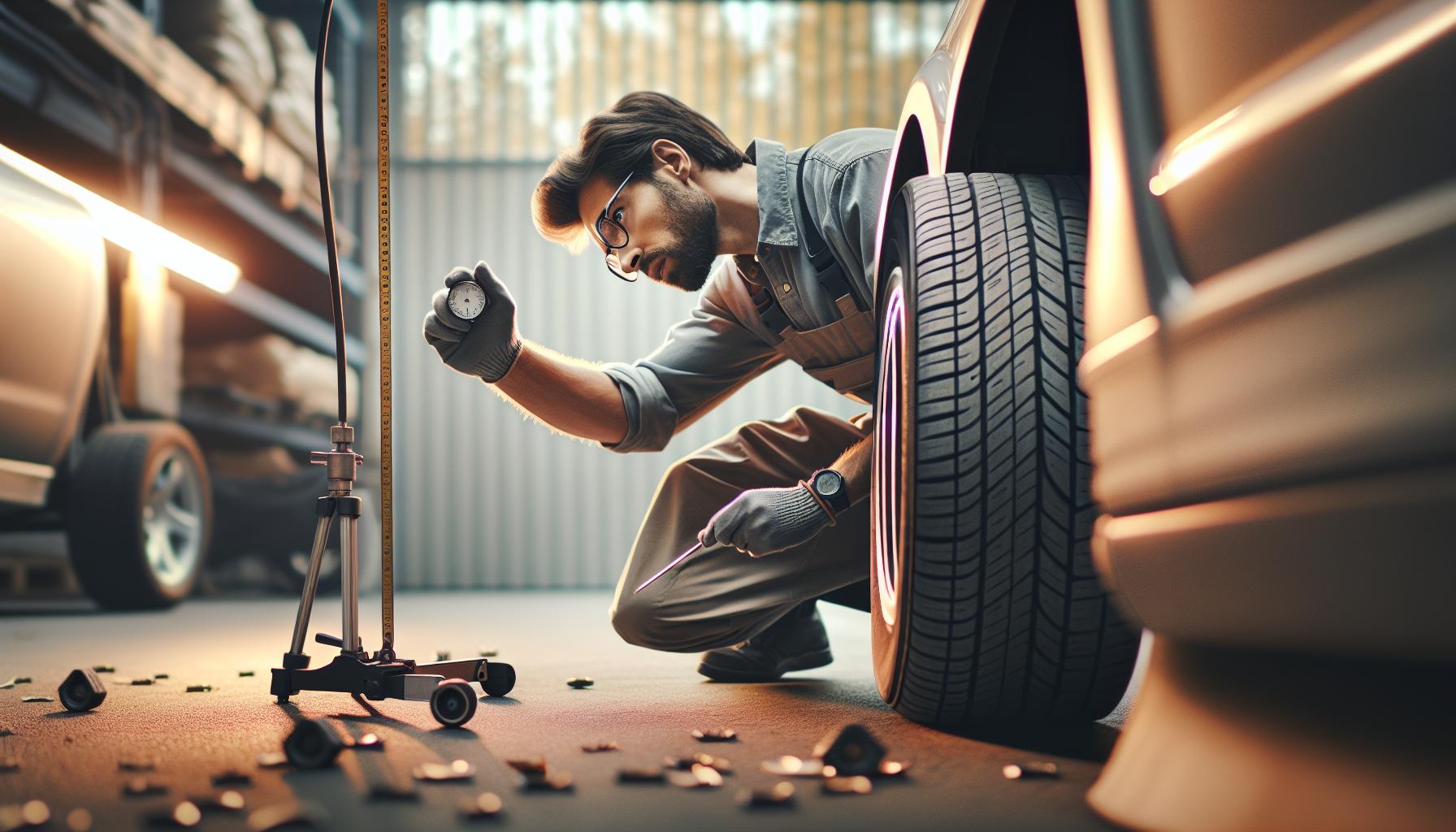
Factors Influencing Minimum Wheel Clearance
Determining the minimum wheel clearance for trailers is a crucial aspect of safe towing and operation. Various factors can influence the required clearance height, and understanding these can help ensure compliance with safety standards while enhancing operational effectiveness. Notably, the type and purpose of the trailer are primary considerations. For example, utility trailers used for transporting tools or equipment might have different height requirements compared to recreational trailers meant for camping. Generally, trailers designed for heavy-duty loads will require more clearance to manage the added weight and maintain stability.
Another influential factor is the terrain over which the trailer will travel. For instance, if a trailer is often used on off-road paths, higher clearance may be necessary to avoid potential obstacles like rocks or ditches. Additionally, the type of vehicle towing the trailer can impact the required wheel height. Different towing vehicles may have varying hitch heights, affecting how trailers sit on the road. This consideration is essential for maintaining a level tow, which also aids in proper weight distribution and reduces tire wear.
The suspension system of the trailer is yet another critical element. For trailers equipped with adjustable suspension, operators can modify the height to suit different applications or road conditions. However, it’s crucial to balance the suspension settings to avoid bonking issues while also keeping within the legal limits for wheel clearance. Regular maintenance of the suspension components is vital, as worn-out parts can lower the trailer, leading to reduced clearance and potential safety hazards.
Educating oneself on these influencing factors can help trailer owners make informed decisions about their vehicles, ensuring they maintain the required wheel clearance for safety and performance. Regular assessments and a solid understanding of both manufacturer guidelines and local regulations will greatly contribute to safer towing experiences.
How to Measure Trailer Wheel Height Correctly
To ensure safe towing and optimal performance, accurately measuring the wheel height of your trailer is crucial. A well-calibrated wheel height can prevent damage to both the trailer and the vehicle towing it, ultimately leading to a smoother and safer experience on the road. Measuring wheel height correctly involves several steps that can be easily performed with basic tools.
Begin by parking the trailer on a flat, level surface to get the most accurate measurement. Using a tape measure, follow these steps:
- Identify Reference Points: Choose a consistent point on the trailer chassis to measure from, such as the bottom of the frame or the axle.
- Measure from Ground to Chassis: Extend the tape measure from the ground straight up to the selected reference point on the trailer. Make sure the tape measure is perpendicular to the ground for accurate results.
- Repeat for All Wheels: Measure the height for each wheel separately. This helps to identify any discrepancies and ensures that the trailer maintains level balance.
- Consider Load Differences: If the trailer is currently loaded, you should also measure its height when fully loaded. This will give you a complete picture of how weight affects clearance.
- Document the Measurements: Record all measurements for future reference, especially if you plan to adjust the suspension or add weight to the trailer. This data will be valuable for ensuring compliance with safety standards.
By following these straightforward steps, trailer owners can accurately assess their wheel height and maintain necessary clearance for safety and functionality. Regular checkups and adjustments based on measurement insights can significantly enhance your towing experience, reducing wear and tear on both the trailer and towing vehicle. Always keep in mind that any changes to wheel height, such as adjusting suspension or adding equipment, should be considered carefully to maintain safety and compliance with legal standards.
Common Mistakes in Wheel Height Assessment
Accurately assessing trailer wheel height is crucial for safe towing, yet many owners unwittingly overlook significant details that can compromise their trailer’s safety and performance. One common mistake is failing to measure wheel height on a level surface. Inaccurate or variable terrain can lead to erroneous measurements, resulting in improper adjustments that could lead to instability while towing. Always ensure the trailer is parked on a flat, firm surface before taking measurements.
Another frequent error arises from measuring only one wheel rather than all wheels individually. Variations in height between wheels can indicate issues with the trailer’s suspension or weight distribution, potentially leading to uneven wear or difficulty during towing. Implementing a consistent measuring method for all wheels aids in identifying discrepancies and maintaining balance.
It’s also essential to consider load-related changes when assessing clearance. Many owners forget to measure the trailer’s height when loaded, which can significantly affect wheel clearance. A trailer’s weight distribution can shift after loading, necessitating a re-evaluation of wheel height and ground clearance to prevent bottoming out on uneven surfaces or during turns.
Lastly, some owners neglect to document their measurements or changes over time. Keeping a record can help track performance trends or identify new issues that emerge due to wear or alterations made to the trailer. Proper documentation allows for timely adjustments, ensuring continued compliance with safety standards and enhancing the overall towing experience. By being mindful of these common mistakes, trailer owners can ensure a safer journey for themselves and others on the road.
Tips for Maintaining Adequate Ground Clearance
Maintaining adequate ground clearance for your trailer isn’t just a matter of aesthetics-it’s a crucial safety consideration that can prevent accidents and damage. A minimum clearance helps ensure the trailer remains stable and free from obstructions during transport, whether negotiating rugged terrain or navigating urban environments. By taking proactive steps in maintenance and adjustment, you can enhance your trailer’s safety performance and longevity.
To achieve and maintain optimal ground clearance, consider these practical tips:
- Regular Inspections: Routinely inspect your trailer’s suspension system, as worn-out springs or shocks can lead to reduced height. Look for signs of wear or damage and replace components as necessary to ensure your trailer maintains its intended height.
- Monitor Load Distribution: The way load is distributed significantly affects your trailer’s height. Make sure the weight is evenly distributed across the axles to maintain balance and enough clearance. Avoid overloading, as this can compress the suspension and reduce ground clearance.
- Adjusting Tire Pressure: Check your tire pressure regularly; under-inflated tires can sag, lowering the trailer’s height. Use a reliable tire gauge and inflate tires to the manufacturer’s recommended pressure to ensure optimal performance.
- Considerations for Upgrades: Upgrading your wheels and tires can provide not only enhanced safety but also improved ground clearance. Select tires designed for your specific towing conditions-those with larger diameters may provide additional height, but be sure to check compatibility with your trailer specifications.
Always document your maintenance activities and measurements to keep track of your trailer’s performance over time. This can help you identify patterns and anticipate any adjustments necessary before they become critical issues. By incorporating these tips into your regular trailer care routine, you ensure that your vehicle remains road-ready, enhancing both your safety and experience on the open road.
Effects of Load Weight on Wheel Clearance
When it comes to ensuring safe towing, the weight of the load plays a pivotal role in maintaining proper wheel clearance of a trailer. Overloading a trailer can lead to decreased ground clearance as the suspension compresses under excess weight. This reduction can result in a variety of dangerous conditions, including tire damage, insufficient braking response, and increased likelihood of bottoming out on uneven surfaces. For example, if a trailer designed to carry a maximum load of 3,000 pounds is loaded with 3,500 pounds, its suspension will sag, consequently lowering the wheel clearance and putting the entire towing setup at risk.
Research indicates that maintaining an appropriate load distribution is just as crucial as adhering to weight limits. Load weight concentrated toward the back or front of the trailer can lead to altered height profiles, affecting how the trailer rides on the road. Uneven loading can reduce clearance on one side, leading to instability while maneuvering. It’s recommended that trailer loads be evenly balanced side to side and front to back to optimize clearance and stabilize the ride.
To monitor this, it’s prudent to invest in a tongue weight scale to ensure that the weight placed on the hitch remains within safe limits (generally 10-15% of the total trailer weight). Regularly checking and adjusting loads can significantly improve the longevity of the trailer components.
When you find yourself in a towing situation where the load weight is unavoidable, consider upgrading the suspension system or utilizing air bags that can adapt to varying load weights. These systems allow for adjustments at any time, promoting optimal clearance and safety, regardless of the load changes. Always remember that understanding and managing the is essential for safe towing and a smoother journey.
Inspection Checklists for Trailer Wheel Clearance
Ensuring that the wheels of your trailer have adequate clearance from the ground is critical not just for safety, but also for the overall performance of your towing setup. Regular inspections can help you spot potential issues before they escalate, providing a smoother and safer journey. Here’s a practical checklist to guide you through inspecting your trailer’s wheel clearance effectively.
Visual Inspection
Start by conducting a thorough visual check of your trailer’s wheels and suspension components. Look for any signs of wear, damage, or deformation. Pay special attention to the following:
- Wheel Wells: Ensure there’s no contact between the tire and the wheel well, which can indicate insufficient wheel clearance.
- Tire Condition: Inspect tires for uneven wear patterns, which may suggest alignment or load distribution issues.
- Suspension Components: Check for broken or bent springs and shock absorbers, which can affect ride height and wheel clearance.
Measuring Wheel Height
To precisely measure your trailer’s wheel clearance, use a tape measure to check the distance from the ground to the bottom of the wheel arch while the trailer is unloaded:
- Record the height at all four corners of the trailer.
- Compare measurements with your vehicle’s manufacturer specifications for ideal wheel clearance.
This ensures that any loads placed on the trailer will not negatively affect its performance due to insufficient height.
Testing Load Capacity
If you’re frequently towing with varying loads, it’s crucial to evaluate how those loads impact wheel clearance:
- After loading the trailer, remeasure the clearance to ensure that it remains within safe limits.
- Pay attention to how the trailer sits when loaded; it should remain level or slightly nose-up.
Consider using a tongue weight scale to keep track of weight distribution for optimal maintaining.
Regular Maintenance Checks
Incorporating clearance checks into your regular maintenance routine will not only prolong the life of your trailer but also enhance safety:
- Every few months or before long trips, perform these checks to ensure that your tire pressures and suspension are where they should be.
- Look for any leaks from the suspension system, which could signal that the height is adjusting dynamically and may need attention.
Documentation of these inspections helps in tracing patterns over time, allowing you to address issues promptly.
By adhering to this checklist, you can effectively monitor and maintain the required wheel clearance for your trailer, helping secure safe road travel.
Adjusting Trailer Suspension for Optimal Height
Adjusting the suspension of your trailer for optimal height is a critical step in ensuring safety while towing. An appropriate suspension height not only enhances handling and stability but also prevents potential issues such as tire wear and undercarriage damage. Understanding how to make these adjustments can significantly impact your towing experience, ensuring that the trailer operates within its designated parameters.
One of the most effective methods to adjust your suspension is by modifying the leaf springs or utilizing adjustable air suspension systems. Start by consulting your trailer’s owner manual to identify the proper specifications for your model. If you’re equipped with leaf springs, you can add or remove leafs to either raise or lower the trailer height. This method can provide a robust solution for trailers that frequently encounter uneven loads. As an alternative, air suspension systems can offer more flexibility by allowing you to change the height based on the load you are carrying. This adjustment ensures that the trailer remains level, which is crucial for safe driving.
Before making any adjustments, it is vital to measure the current clearance to understand how much change is needed. Use a tape measure to check the distance from the bottom of the wheel arch to the ground, ideally when the trailer is unloaded. For further precision, load the trailer as you typically would, and re-measure. This will help you gauge how much height adjustment is necessary to maintain adequate ground clearance based on your regular loading conditions.
After making the adjustments, it’s essential to repeatedly check the height as the trailer is loaded and unloaded over time, ensuring that the suspension settings remain optimal. Regular reassessments help you catch any settling or changes in weight distribution that may affect the height. Remember, proper adjustment not only keeps your trailer safe but also enhances your towing efficiency, leading to a more enjoyable and secure trip.
Upgrading Wheels and Tires for Better Safety
Upgrading the wheels and tires of your trailer can drastically improve safety, handling, and overall performance. Many trailer owners overlook the importance of high-quality wheels and tires until they encounter troubles on the road. Selecting the right size and type of tires ensures that your trailer can handle the stresses of towing, better distributing weight and improving clearance to meet safety requirements.
When choosing new wheels and tires, consider the weight rating and the conditions you’ll be using the trailer in. Higher load ratings provide more durability and resistance against punctures, which is essential if frequently carrying heavy loads. A common mistake is to choose tires solely based on price rather than suitability for the trailer’s requirements. Always refer to the manufacturer’s specifications for the correct tire size and load capacity. This information ensures that you are optimizing the safety and performance of your towing setup.
Another important aspect of upgrading wheels and tires is ensuring adequate ground clearance. By selecting larger tires, you may increase the clearance between the trailer’s undercarriage and the ground. This height adjustment is crucial to avoid damage from road debris or dips and potholes, especially when the trailer is loaded. However, it’s essential to maintain stability; excessively large tires can affect your trailer’s handling and result in swaying or bouncing during travel.
Lastly, don’t overlook the importance of regular maintenance and inspections of your wheels and tires. Ensure that the tire pressure is consistently checked and maintained within the recommended limits, as this directly impacts the lifespan of the tires and the safety of the trailer. Implementing these upgrades not only enhances safety but also contributes to a smoother, more enjoyable towing experience.
Resources for Further Reading on Trailer Safety Standards
To ensure safe and efficient trailer operation, understanding the height requirements of trailer wheels in relation to ground clearance is essential. For those looking to dive deeper into the legal and safety aspects, several resources provide comprehensive information regarding trailer safety standards.
Resources such as the Federal Motor Carrier Safety Administration (FMCSA) offer guidelines that clarify wheel clearance regulations for different trailer types. They often publish detailed materials on minimum safety standards that must be followed to avoid legal issues on the road. Additionally, state-specific transportation departments regularly update their websites with information relevant to local regulations, including safety compliance requirements for trailers.
For practical advice and up-to-date information, websites like etrailer.com provide expert recommendations on towing products, including wheels and tires, while also addressing safety standards and maintenance practices. Their articles often feature real-world scenarios, helping trailer owners understand the implications of improper wheel height and how it can affect vehicle performance. Engaging with online forums, such as those on Trailering sites, can also connect you with other trailer owners who share firsthand experiences and tips regarding wheel height adjustments and maintenance strategies.
Incorporating academic knowledge from relevant engineering journals, such as the Journal of Transportation Engineering, can provide insights into the mechanics behind wheel height and stability. These articles often discuss the effects of different tire pressures, wheel sizes, and their impact on trailer dynamics, reinforcing the importance of adhering to established safety guidelines.
By tapping into these diverse resources, trailer owners can not only reinforce their understanding of height requirements but also enhance their overall towing experience through informed decision-making.
Concluding Remarks
Ensuring your trailer wheels clear the ground at the right height is essential for safe and efficient travel. By understanding and adhering to these safety rules, you can prevent potential accidents and ensure a smoother journey. Don’t hesitate-check your trailer clearance today to keep your journeys safe and worry-free!
For further insights on trailer maintenance and enhancements, explore our guides on trailer towing safety and best practices for trailer upkeep. Whether you are interested in upgrades, financing options, or legal requirements of trailer living, we have the resources to assist you. Join our community of enthusiasts by subscribing to our newsletter for exclusive tips and updates. Your next adventure awaits-get started now!