Upgrading the electrical system in your trailer home is not just about enhancing your comfort-it’s a vital step towards ensuring safety and efficiency. Many trailer homes were built with outdated wiring, which can pose risks like electrical fires or power shortages. Understanding the costs involved in an electrical upgrade is essential for any owner looking to create a safe and functional living environment. By investing in a modern electrical system, you not only protect your home but also increase its value. This guide will explore the key factors that influence upgrade costs and provide practical tips to help you navigate the process, making trailer home living safer and more enjoyable. Keep reading to discover how you can achieve peace of mind while enhancing your living space!
Understanding Electrical Systems in Trailer Homes
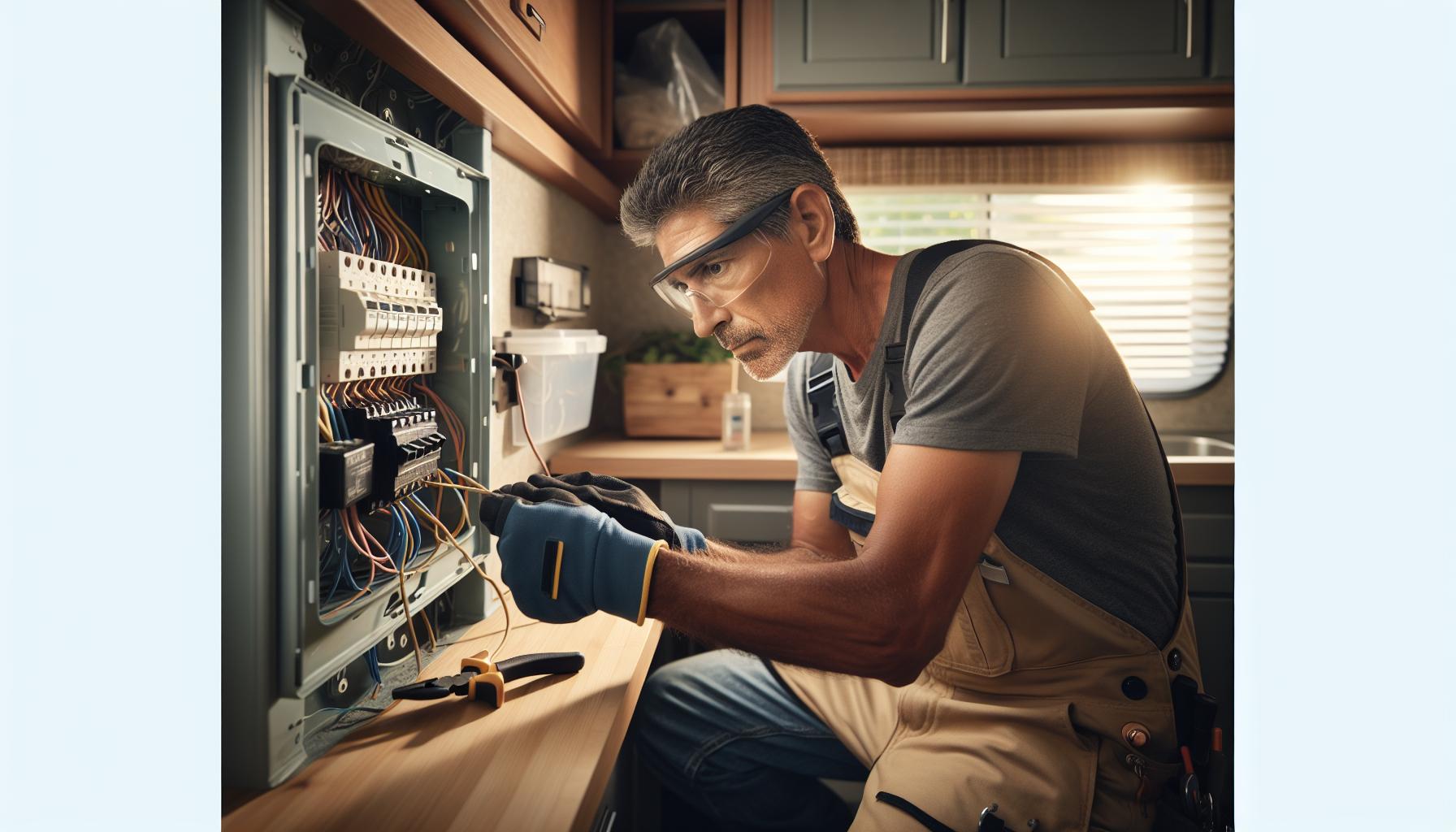
Understanding the electrical systems in trailer homes is crucial for ensuring safety and maximizing the efficiency of your living space. Unlike traditional homes, trailer homes often utilize unique wiring and electrical setups designed to accommodate the compact layout and mobile nature of the structure. A typical trailer electrical system includes a combination of 120-volt AC and 12-volt DC systems. The AC system powers appliances and outlets, while the DC system governs lights and other low-voltage devices. This dual system supports both typical household functions and trailer-specific needs like water pumps and propane systems.
In a trailer home, it’s essential to recognize the potential challenges associated with aging electrical systems. Over time, wiring can degrade, leading to insufficient power delivery and increased risk of electrical hazards such as shorts or fires. Additionally, older systems may not support modern appliances that consume more power, necessitating an upgrade. Upgrading the electrical system involves not only enhancing safety features-like circuit breakers and grounding-but also ensuring it meets current energy demands. Regular inspections and familiarity with your system are key to maintaining a safe and functional electrical environment.
Key Components to Understand
- Breaker Panel: The heart of your electrical system, managing power distribution.
- Wiring: Different types, such as stranded or solid, can affect reliability and safety.
- Outlets and Switches: Must be compatible with current appliances and safe for use.
- Grounding Systems: Essential for safety, preventing shock hazards.
Understanding how these components work together allows you to make informed decisions regarding upgrades and maintenance. Always consult a professional if you’re uncertain about any aspects of your trailer home’s electrical system to ensure optimal safety and performance. This proactive approach can save you time, money, and provide peace of mind as you enjoy your alternative living space.
Key Signs Your Electrical System Needs an Upgrade

It’s not uncommon for trailer and mobile home residents to ignore the signs that their electrical systems are in need of an upgrade. A well-functioning electrical system is critical for both the safety and comfort of your living space. If you notice flickering lights or tripped circuit breakers, it could serve as a wake-up call. These symptoms are often indicators that your system is struggling to meet current demands, signaling a potential need for improvements.
Another clear sign of a failing electrical system is the frequent need to replace fuses or reset breakers. If you’re continually troubleshooting these issues, your electrical system may be overloaded. This means that it’s unable to handle the power requirements of modern appliances, which can become especially apparent when using multiple devices at once. Pay attention to any outlets that feel warm to the touch, as this can be a red flag for overheating wiring-another clear indication that your system may require immediate attention.
Additionally, if you find yourself relying on extension cords to power appliances, it’s time to evaluate your setup. While extension cords can be useful in a pinch, they are not a substitute for permanently installed electrical infrastructure. This need for temporary solutions typically stems from inadequate existing wiring, which can pose safety hazards and lead to inefficient energy use. Be vigilant about any visible damage to wires or connections as well; frayed or damaged cords should never be ignored and warrant an upgrade.
If you encounter any of these signs, consider scheduling a professional inspection to evaluate your electrical system thoroughly. Proactively addressing these concerns not only enhances safety but also ensures that your home can take advantage of the latest technology and appliance efficiency. A well-maintained electrical system provides peace of mind and contributes to a more enjoyable living experience in your trailer home.
Safety Considerations for Electrical Upgrades
Ensuring the safety of electrical upgrades in trailer homes is paramount, as outdated or inadequate systems can lead to serious hazards. One critical aspect is understanding the importance of adhering to electrical codes and standards. These guidelines are formulated not only to enhance safety but also to ensure that systems are capable of handling modern electrical loads. Seeking the advice of a licensed electrician can help navigate these regulations and confirm that all upgrades comply with local and national codes.
Another vital consideration is the assessment of existing wiring and components. Older wiring materials, such as aluminum or cloth-insulated wires, may not withstand modern electrical demands and could pose fire risks. Upgrading to high-quality materials-such as copper wiring-can significantly reduce the risk of outages and overheating. Moreover, investing in properly rated circuit breakers and outlets which fit the updated electrical requirements of your trailer is crucial for enhancing safety.
General Safety Tips for Electrical Upgrades
When embarking on electrical upgrades, follow these general safety tips to protect yourself and your home:
- Turn Off Power: Always ensure the power is completely turned off at the circuit breaker box before beginning any work.
- Use Proper Tools: Equip yourself with the right tools and safety gear, including insulated gloves, safety goggles, and voltage testers.
- Check for Hazards: Before starting, inspect the work area for signs of moisture, damaged wiring, or other hazards.
- Follow Manufacturer Guidelines: When installing new components, always adhere to the manufacturer’s installation instructions.
- Consider Fire Safety: Install smoke detectors and fire extinguishers in key areas of your trailer home to reduce risks.
Furthermore, if DIY work feels overwhelming, hiring a professional electrician is a prudent course of action. Professionals can not only ensure compliance with safety codes but also provide the expertise necessary for complex installations or troubleshooting existing issues. Remember, investing in safe and reliable electrical systems is an investment in the well-being of your home and family.
Estimating Costs for Upgrading Electrical Systems
Upgrading the electrical system in your trailer home is not just about improving safety; it’s also an investment in comfort and convenience. With the increasing number of electronic devices and appliances we rely on daily, understanding how to accurately estimate the costs of these upgrades is crucial for any homeowner. Costs can vary widely based on several factors, including the complexity of the upgrade, the materials used, and whether you choose to undertake the work yourself or hire a professional.
When budgeting for electrical system upgrades, consider the following key components that contribute to your total cost:
- Materials: The type of wiring, outlets, circuit breakers, and fixtures you select can significantly impact your budget. For instance, upgrading to higher quality copper wiring might cost more upfront but can lead to long-term savings by reducing maintenance issues.
- Labor Costs: If you hire a licensed electrician, their rates can vary based on location and experience. Generally, you can expect to pay between $50 and $100 per hour. Complex installations may also include additional fees for permits.
- Permits and Inspections: Depending on local regulations, you may need to obtain permits before beginning work, which can add to the overall expense. Budget for potential inspection fees to ensure compliance with safety codes.
- Upgrading the Main Electrical Panel: If your trailer relies on an outdated panel, upgrading it can range from $1,000 to $3,000, depending on the complexity and power requirements.
To give you a clearer picture, here’s a rough cost breakdown for common electrical upgrades typical in trailer homes:
| Upgrade Type | Estimated Cost |
|---|---|
| Wiring Upgrade (per linear foot) | $1.00 – $3.00 |
| Installing New Outlets | $100 – $250 each |
| Replacing or Upgrading Circuit Breakers | $200 – $500 |
| Rewiring Entire Trailer | $2,500 – $8,000 |
With proper planning and a clear understanding of potential costs, you can make informed decisions about your electrical upgrades. Taking the time to estimate your expenses will help you allocate your budget effectively and avoid unexpected financial surprises. Always remember, these investments not only enhance safety but can also improve your quality of life in your trailer home, ensuring it’s a safe and comfortable living space.
Essential Tools for DIY Electrical Work
Investing in the electrical system of your trailer home can greatly enhance both safety and functionality. However, before diving into DIY upgrades, having the right tools at your disposal is crucial for ensuring a successful project. Not only will the correct tools make your work easier, but they will also help you execute tasks more accurately and safely.
Basic Tools for Electrical Work
When planning electrical upgrades, consider gathering the following essential tools:
- Multimeter: This versatile device measures voltage, current, and resistance, allowing you to troubleshoot electrical issues effectively.
- Wire Strippers: Essential for stripping the insulation off wires without damaging the metal underneath, making connections easier.
- Screwdrivers: A set of both flathead and Phillips screwdrivers will be necessary for securely fastening outlets, switches, and covers.
- Pliers: Needle-nose and lineman’s pliers assist in grasping, twisting, and cutting wires.
- Circuit Tester: Valuable for checking whether a circuit is live or if power is flowing to a specific outlet or fixture.
- Tape Measure: Measuring accurately ensures your new outlets, fixtures, or displacement of old wiring conform to your intended layout.
- Electrical Tape: This is crucial for insulating wire connections and securing loose wires.
Safety Equipment
Safety should always be your top priority during electrical work. Equip yourself with the following safety gear:
- Safety Glasses: Protect your eyes from debris that might fly when cutting or stripping wires.
- Rubber Gloves: These can offer extra insulation and minimize the risk of electrical shock.
- Hard Hat: Especially useful in older trailer homes where structural elements might be unstable.
Organizational Tools
Keeping your workspace organized is vital for efficiency and safety. Consider using:
- Toolbox or Tool Belt: Having your tools easily accessible saves time and prevents misplacement.
- Wire Nuts: These help secure and insulate wire connections, keeping them neat and tidy.
Equipping yourself with these tools will not only streamline your DIY electrical upgrades but also enhance the safety and quality of your work. Engaging in these projects can be highly rewarding, leading to a more comfortable and efficient living space in your trailer home. Always remember to consult local codes and safety regulations, and don’t hesitate to reach out for professional help if needed.
Step-by-Step Guide to Upgrading Wiring
Upgrading the wiring in your trailer home can be a crucial step toward ensuring both safety and functionality. With the right approach, you can enhance your electrical system while becoming familiar with its layout and components. This guide will walk you through the essential steps involved in updating your wiring effectively and safely.
Start by turning off the main power supply to your home to eliminate the risk of electrical shock. Use a multimeter to verify that there is no electrical current before you proceed. Once you are sure the power is off, create a blueprint of your existing wiring system, labeling each circuit clearly. This planning stage is vital for figuring out what needs to be replaced and where new wiring will go.
Next, remove the outlet covers and switches carefully using screwdrivers. Label each wire before disconnecting them to ensure easy reinstallation. If you’re upgrading to higher capacity wiring, make sure to choose wires that not only meet but exceed current electrical codes to handle future power needs. Install the new wires, leading them from the main panel to the outlets, ensuring to follow local electrical codes for placement and securing.
As you connect the new wiring, ensure that the connections are snug and secure. Use wire nuts to twist your connections together, followed by electrical tape to provide additional insulation. When all connections are made, replace the outlet covers and switches. Finally, restore power at the main panel and test each outlet and circuit to confirm everything is functioning correctly.
By taking these steps, you not only upgrade your electrical system but also gain greater insight into how your trailer home’s electrical components work, empowering you to make informed decisions for future upgrades or maintenance.
Choosing the Right Electrical Components
Selecting the appropriate electrical components is crucial when upgrading the electrical system in your trailer home. The right choices not only enhance safety but also improve efficiency, ensuring that your electrical system meets both current and future needs. When it comes to electrical components, you’ll want to consider several factors such as compatibility, capacity, and regulations.
Start by evaluating the demands of your lifestyle. Consider the appliances you use most often. For example, if you frequently operate high-powered devices like space heaters or refrigeration units, you’ll need to invest in components that can handle their electrical load. Key components include:
- Wires: Opt for wires that meet or exceed local electrical codes. Copper wires are commonly used for their conductivity, while an appropriate gauge is essential to handle the amperage without overheating.
- Breakers: Choose breakers that can handle the total expected load. The National Electrical Code (NEC) provides guidelines on sizing breakers based on wire gauge and expected load.
- Outlets and Switches: Ensure these are rated for the amperage they will carry and that they are suitable for the environment in which they’ll be installed, especially in areas that may be exposed to moisture.
- Fuses: If your trailer uses fuses instead of breakers, select the right amp rating for protection against short circuits or overloads.
Another critical aspect is compliance with local regulations. Research and familiarize yourself with local building codes that dictate which components are permissible in your area, especially for mobile homes, which may have specific requirements. Using components that are certified and compliant not only protects you but also ensures safety for anyone living or visiting your home.
Finally, consider future-proofing your upgrades by choosing components with higher ratings than you currently need. By doing so, you prepare your trailer for potential increases in electrical demand as you add appliances or upgrade existing ones. This foresight can save you time and money down the line, ensuring your trailer home remains comfortable and efficient for years to come.
Permits and Regulations for Electrical Upgrades
When considering electrical upgrades in your trailer home, understanding the necessary permits and regulations is essential for a safe and compliant renovation. Local building codes often dictate the standards for electrical systems, which can vary significantly from one jurisdiction to another. Ignoring these regulations can lead to unsafe conditions, potential fines, and ultimately costly rewrites down the line.
To start, check with your local building authority about specific requirements for electrical work in mobile homes. Many areas require electrical permits for any upgrades that alter the electrical system significantly, such as installing new circuits or upgrading existing wiring. These permits ensure that the work meets local safety standards and is inspected by an authorized official. Here are some key points to consider:
- Type of Upgrade: Some minor repairs may not require permits, while major updates, like adding an electric service panel or new wiring, typically do.
- Inspections: After completing your electrical work, an inspection may be required to confirm everything meets local codes. This step is crucial for ensuring safety and compliance.
- Certified Components: Use electrical materials and components that are certified for safety and meet local regulations; this can prevent any legal complications.
Additionally, state regulations regarding mobile homes may impose specific guidelines different from those for traditional homes. For example, they might require that all electrical work be performed by a licensed electrician, especially in older models that may have dated wiring systems not up to current safety standards. Make sure to familiarize yourself with these requirements beforehand to avoid any surprises during your upgrade process.
Investing time in understanding permits and regulations not only provides peace of mind but also protects your home and loved ones. Whether looking to modernize your trailer or simply maintain its safety, ensuring compliance can make all the difference in achieving a successful upgrade.
Hiring a Professional: When to Consider It
When it comes to upgrading the electrical system in your trailer home, knowing when to call in a professional can make a significant difference in ensuring safety and compliance. While some homeowners may feel confident tackling minor repairs or installations themselves, complex electrical work requires specialized knowledge, experience, and adherence to local codes. Missteps in electrical upgrades can lead not just to inefficient systems, but also to hazardous situations, risking faulty wiring or even fire.
Consider hiring a licensed electrician if you’re contemplating extensive upgrades, such as installing new circuits, replacing main service panels, or rewiring old infrastructure. These tasks typically involve a deep understanding of electrical systems and local regulations, which can vary widely. Professionals not only bring expertise but also peace of mind, knowing that the job will be done safely and correctly. Moreover, many jurisdictions require that all significant electrical work be inspected-having a qualified electrician handle this ensures that all necessary permits are obtained and standards are met.
Additionally, if you find yourself uncertain about your existing electrical system’s condition or your ability to perform upgrades safely, seeking professional help is a smart choice. Issues like inconsistent power supply, frequent tripped breakers, or signs of overheating can indicate underlying problems that require immediate attention. Relying on an electrician can save you from costly repairs down the line and improve the safety of your living environment.
To help you in your decision-making process, consider the following factors when thinking about hiring a professional:
- Complexity of the Project: For extensive wiring, electrical panel upgrades, or disturbing existing structures, an expert’s insight is crucial.
- Local Codes and Permits: Professionals are well-versed in regional regulations and can navigate the permitting process smoothly.
- Emergency Issues: If you notice emergencies, such as power surges or burning smells, it’s essential to seek immediate assistance from a qualified electrician.
- Time and Resources: If you lack the time or tools necessary for a safe electrical upgrade, hiring a professional is a wise investment.
Investing in expert help ensures you not only comply with legal requirements but also enhances your trailer home’s safety and functionality-ultimately making it a comfortable space for you and your family.
Common Mistakes to Avoid During Upgrades
Upgrading the electrical system in your trailer home can be a rewarding endeavor but is not without its pitfalls. Many homeowners underestimate the complexity of electrical upgrades, leading to mistakes that can compromise safety and functionality. For instance, one common misstep is using the wrong type or gauge of wire. This mistake can result in overheating, electrical fires, and damage to connected devices. Always refer to the guidelines for your electrical appliances and circuits to select appropriate wiring.
Another critical error is neglecting to turn off the power before starting work. Even experienced DIYers can fall prey to the assumption that power switches are enough for safety. Always shut off the electrical panel to ensure a completely safe working environment. Moreover, failing to properly label wires during disassembly can create confusion during reassembly, possibly resulting in incorrect connections and circuit failures.
While some homeowners feel they can bypass local codes and requirements, this is a risky habit. Each jurisdiction has specific codes that are designed to enhance safety, and ignoring them can lead to legal trouble or insurance issues. It’s crucial to obtain the necessary permits and, when in doubt, consult local building regulations or guidelines to ensure compliance.
Finally, many underestimate the importance of testing the system after an upgrade is completed. Skipping this step can mean that issues remain unresolved, leading to malfunctions down the line. Use a multimeter to check voltage levels and ensure everything is functioning correctly before reconnecting appliances. Prioritize thoroughness in every aspect of your upgrade, and you’ll protect both your home and your peace of mind.
Maximizing Electrical Efficiency in Trailer Homes
To enhance the efficiency of your trailer home’s electrical system, it’s essential to think beyond mere upgrades; adopting energy-saving practices and smart technologies can significantly reduce your energy consumption and costs. Did you know that simple adjustments can lead to substantial savings in your utility bills? Here are some practical strategies to consider.
Conduct an Energy Audit
Start your efficiency journey by performing an energy audit. This will help identify areas where you may be wasting energy. You can hire a professional or conduct a simple self-assessment using online resources. Look for:
- Drafts around doors and windows
- Old appliances that consume more energy
- Inadequate insulation
Once identified, addressing these issues can lead to effective energy savings and a more comfortable living space.
Upgrade to Energy-Efficient Appliances
If your trailer home still uses outdated appliances, consider upgrading to energy-efficient models. Look for units that have the ENERGY STAR® label. These appliances consume less electricity while providing the same level of performance. Common upgrades might include:
- Refrigerators
- Water heaters
- Air conditioning units
Investing in energy-efficient appliances might have a higher upfront cost, but they often lead to lower energy bills in the long run.
Optimize Lighting
Switching to LED lighting can be one of the simplest ways to boost your trailer home’s electrical efficiency. LEDs use up to 80% less energy than traditional incandescent bulbs and have a much longer lifespan. Incorporating task lighting and natural light sources, like strategically placed mirrors, can further enhance the effectiveness of your lighting.
Use Smart Technology
Another effective way to maximize electrical efficiency is by integrating smart technology. Smart thermostats can help manage your heating and cooling system more efficiently by learning your habits and optimizing performance. Additionally, smart plugs can allow you to control energy use for various devices remotely, ensuring that electronics aren’t left on unnecessarily.
Implementing these strategies can immensely improve your trailer home’s energy efficiency, leading not only to cost savings but also to a more sustainable living environment. By prioritizing efficiency, you can create a comfortable, eco-friendly space that enhances your quality of life while reducing your carbon footprint.
Future-Proofing Your Trailer Home Electrical System
Planning for the future is a key component of ensuring that your trailer home’s electrical system serves you well for years to come. As technology continues to advance, it’s essential to future-proof your electrical setup so that you can easily accommodate new devices and energy sources. By taking a few proactive steps, you can create a safe, efficient, and versatile electrical system that meets your current needs and adapts to future innovations.
One effective strategy is to upgrade to a higher-capacity electrical panel. This can accommodate additional circuits if you decide to add new appliances or gadgets in the future. Consider opting for a panel with at least 200 amps, which is generally sufficient for most homes, including those anticipating more substantial electrical demands from modern conveniences and smart home technologies.
In addition to the panel, think about wiring upgrades. Using thicker gauge wiring can handle higher loads and reduce the risk of overheating. Install outlet boxes that allow for USB charging or smart device integration, as these features are increasingly popular. When installing new circuits, ensure that you adhere to current electrical codes and best practices to maintain safety and ensure compatibility with future technologies.
Finally, don’t overlook the potential benefits of renewable energy sources. Installing solar panels can drastically reduce your reliance on traditional electricity while enhancing your home’s sustainability. Prepare your electrical system for solar by integrating a solar inverter and ensuring your electrical panel can handle additional input. This not only future-proofs your home but can also result in significant long-term savings on your energy bills.
Implementing these suggestions will not only safeguard your electrical system against obsolescence but also create a flexible and adaptable foundation for your trailer home, enabling you to embrace advancements in technology as they arise.
The Conclusion
Upgrading your trailer home’s electrical system is not just a matter of comfort but essential for safety and efficiency. By investing in this upgrade, you enhance your living space, reduce risks, and improve the overall quality of your home environment. Don’t wait-take action now to ensure your electrical system meets your needs and adheres to safety standards.
For more insights, check out our detailed guides on basic maintenance tips and renovation projects tailored for trailer homes. Explore our resource on financing options to help you budget for your upgrades. Feel free to share your experiences in the comments below, and don’t hesitate to subscribe to our newsletter for ongoing tips on enhancing your mobile living experience. Your dream of a safe and efficient trailer home is just a click away!