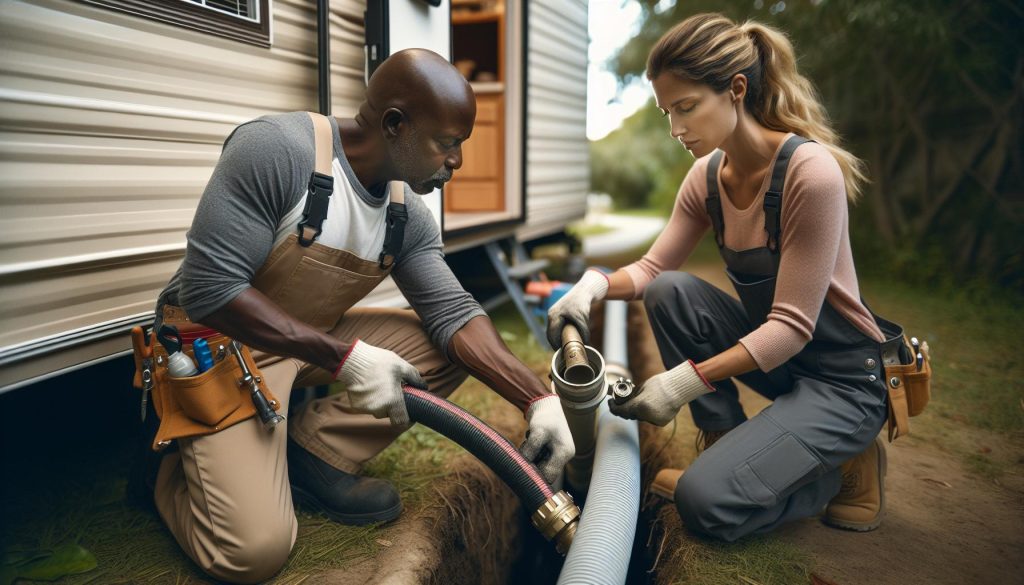
Connecting your trailer home to a sewer system is a crucial step in ensuring a comfortable and functional living space. Did you know that improper sewer connections can lead to serious plumbing issues and costly repairs? It’s vital to understand the basics of this process to maintain a clean and efficient home environment. As a homeowner, you want to avoid stressful surprises and create a seamless living experience. In this guide, you’ll find practical, step-by-step instructions for hooking up your sewer line, along with tips to ensure compliance with local regulations. Whether you’re a seasoned DIY enthusiast or a newcomer to trailer living, this information will empower you to tackle this essential task with confidence, maximizing both your comfort and your investment.
Understanding Sewer Connections for Trailer Homes
Connecting the sewer system for a trailer home is a vital step in ensuring a clean and functional living space. Unlike traditional homes, trailer homes require specific considerations and techniques for a proper sewer connection. Understanding the layout and requirements can maximize your convenience and minimize potential issues. Whether you’re moving into a trailer for the first time or upgrading your system, knowing the basics can make the process much smoother.
To start, it’s essential to be aware of the standard sewer setup for trailer homes. The connection typically utilizes a flexible sewer hose, which links your trailer’s waste outlet to the campground or home sewer line. It’s crucial to ensure that this hose is secure and free from cracks or wear, as leaks can lead to unsanitary conditions. The trailer’s waste outlet should be placed lower than the sewer connection point of the facility or septic system, to facilitate proper gravity drainage. Additionally, securing the hose with clamps can help prevent it from detaching.
Beyond just the connection, understanding wastewater management is key. Trailer homes often use either communal sewage systems or private septic tanks. Familiarizing yourself with the specifics of your system is important for maintenance and regulatory compliance. Choose a connection point that not only is easily accessible but also allows for regular inspection and maintenance. Having a clear understanding of these requirements and best practices can help prevent common issues associated with sewer connections, such as blockages and backflows, ensuring a healthy living environment.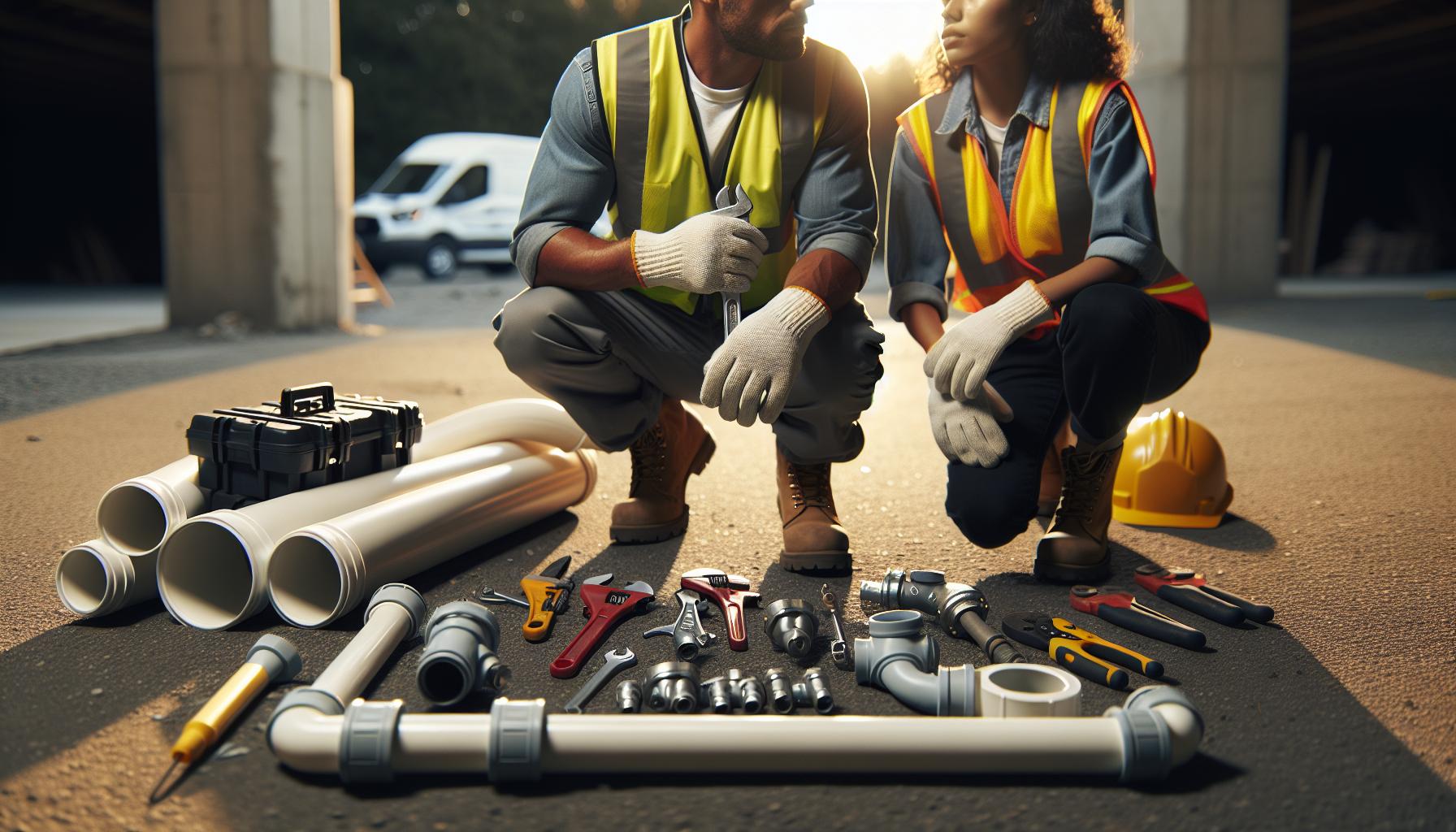
Essential Tools for Sewer Hook-Up
To successfully connect the sewer system for your trailer home, having the right tools on hand is crucial. Proper preparation not only simplifies the process but also minimizes the risk of future complications. Here’s a rundown of essential tools and equipment that will help ensure a secure and efficient sewer hook-up.
Start with a flexible sewer hose, designed to link your trailer’s waste outlet to the communal sewer line or septic system. Choose a hose that is rated for both durability and flexibility, as this will allow you to easily navigate the connection in the often tight spaces around your trailer. Along with the hose, sewer hose support can be beneficial for maintaining a steady slope that promotes proper drainage, preventing any potential backflow issues.
You’ll also need clamps to secure the connections. These are vital for ensuring that your sewer hose remains attached, preventing leaks and maintaining sanitary conditions. A good set of hose fittings will provide additional compatibility with various sewer hookups, especially if you’re moving between different campgrounds or residential areas.
In addition to these items, keep a tank wrench handy. This tool assists in securely closing your holding tank without the risk of spills or leaks during the hook-up process. A sewer connection kit can be a worthwhile investment as well, often including all the basics you need in one package, from hose fittings and clamps to adapters.
Consider bringing along some gloves and disinfectant wipes for hygiene. Dealing with sewer connections can be messy, and keeping clean and safe should always be a priority. Lastly, a portable water hose can also assist in rinsing down the connection area once hook-up is complete, ensuring everything is clean and odor-free.
By equipping yourself with these essential tools, you can approach your sewer hook-up with confidence, making the process easier and more efficient. Preparation is key, and having the right instruments at your disposal will help facilitate a smooth connection, allowing you to enjoy your trailer home without the worry of plumbing problems.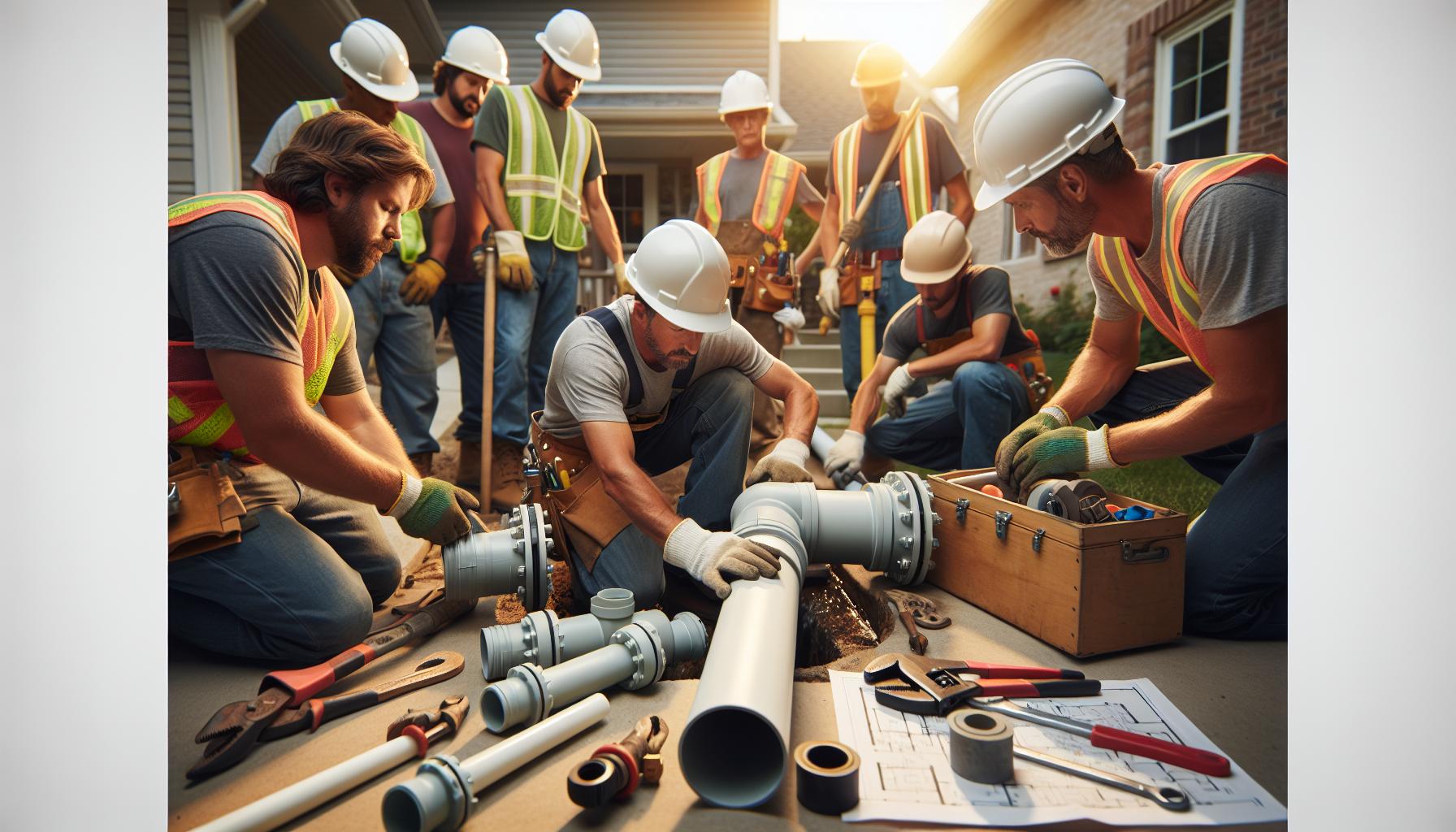
Step-by-Step Guide to Connecting Your Sewer
Connecting your sewer system properly is vital for a hassle-free experience in your trailer home, ensuring that waste is disposed of efficiently and hygienically. The following step-by-step guide will walk you through this essential process, enabling you to set up your sewer connection with confidence and ease.
Begin by making sure you have all essential tools ready, as outlined previously. Prior preparation will save you time and trouble. First, locate the sewer connection point, which is usually marked and situated near the trailer’s exhaust outlet. Once located, lay out the flexible sewer hose on the ground, ensuring that there are no kinks or twists-this helps maintain an uninterrupted flow for waste.
Next, attach one end of the sewer hose to your trailer’s waste outlet. Use your hose fittings and clamps to secure the connection tightly, preventing leaks. This step is crucial; missed leaks can lead to messy situations that are both unpleasant and unsanitary. After securing the hose to your trailer, attach the opposite end to the sewer line or septic system, ensuring it fits snugly into place. Again, use clamps to secure this connection.
To promote optimal drainage, position a sewer hose support under your pipe, creating a downward slope toward the sewer system. This will help gravity do its job and reduce the risk of backflow. Once everything is connected, it’s a good practice to rinse down the area with your portable water hose to keep things clean and odor-free.
Finally, double-check all connections to ensure they are secure and leak-free. Once satisfied, you can safely start using your sewer system, knowing you’ve followed all the steps for a proper, carefree hook-up. Embrace the freedom of trailer living with the knowledge that you have set up your sewer connections correctly!
Common Mistakes to Avoid When Hooking Up
Connecting your trailer home to a sewer system might seem straightforward, but several common pitfalls can complicate the process and lead to potential headaches down the line. Understanding these mistakes can safeguard your experience and ensure a smooth hookup.
Firstly, one of the most frequent oversights is failing to secure the sewer connections properly. It’s essential to use the right sized hose fittings and clamps to create a tight seal. Loose connections are prime culprits for leaks, which not only create unpleasant odors but can also lead to costly repairs and health hazards. Always double-check each connection before you start using your system.
Another common error is neglecting the slope of the sewer hose. For optimal drainage, the hose should form a downward angle leading towards the disposal system. If the hose is laid flat or has kinks, it can cause backups or slow drainage, leading to messy situations. Consider using a hose support to maintain a proper slope and prevent these issues.
Additionally, do not assume that all sewer connections are the same. Always familiarize yourself with local regulations and guidelines regarding sewer hook-ups, as these can vary. Each area may have specific requirements for the type of connection permitted, which can affect whether you need to be connected to a municipal system or a private sewage disposal system. Ignoring these rules can lead to fines or mandates to alter your setup.
Lastly, don’t overlook the importance of regular inspections and maintenance of your sewer system. Routine checks can help you catch small issues before they escalate into larger problems. Ensuring that connections remain tight and free from debris can contribute significantly to the longevity and efficiency of your sewer system. Embrace these best practices to set a solid foundation for enjoying a hassle-free trailer home experience.
Tips for Ensuring a Secure Connection
Having a reliable sewer connection is essential for a comfortable and hassle-free living experience in a trailer home. Understanding how to secure these connections can prevent costly repairs and ensure your system operates smoothly. Start by using high-quality, properly sized hoses and fittings; this is crucial for achieving a watertight seal. Opt for reinforced hoses that can withstand pressure and environmental factors, enhancing durability and longevity.
When connecting your sewer hose, consider the importance of proper alignment and slope. The hose should be positioned with a downward angle to facilitate gravity-fed drainage, helping to prevent clogs and backups. If necessary, use hose supports to maintain the ideal slope and keep the hose free of kinks. It’s also advisable to check all attachment points for tightness-loose connections can lead to leaks, which not only create unpleasant odors but can also contribute to health hazards.
Another key practice involves regularly inspecting your connection points and hoses for wear and tear. Monitoring for early signs of deterioration or damage can save you time and money in the long run. Store your sewer connections properly when not in use, as exposure to harsh weather conditions can diminish their integrity. Consistently adhering to these tips ensures your sewer system remains secure and efficient, allowing you to enjoy the benefits of trailer living with confidence.
Understanding Wastewater Management in Mobile Homes
Effective wastewater management is crucial in mobile homes, particularly for ensuring a sustainable and pleasant living environment. Unlike traditional houses, many mobile homes utilize either a septic system or connect directly to municipal sewage lines, both of which come with unique management requirements. Understanding how your trailer home handles wastewater can significantly influence your comfort, maintenance efforts, and potential long-term costs.
- Septic Systems: If your mobile home is equipped with a septic system, it’s important to regularly inspect and pump the tank. Typically, a septic tank should be pumped every 3 to 5 years to prevent overfilling and ensure efficient treatment of sewage. Additionally, be mindful of what you flush; only human waste and toilet paper should go into the system.
- Municipal Systems: For homes connected to municipal sewage, it’s beneficial to adhere to community regulations regarding sewage disposal and maintenance. Regularly check for any notices from your local water authority about potential issues or required maintenance.
- Drainage Practices: Regardless of your system, always ensure proper drainage. Keep the area around your sewer connection clear of debris and vegetation that could block drainage paths. Proper grading of the land can also help redirect rainwater away from your sewer lines, reducing the risk of overflow or backflow.
Being informed about your mobile home’s wastewater management can lead to more effective maintenance strategies. Engage with local resources or community guidelines to stay updated on best practices. This proactive approach not only helps in managing your home better but also contributes to the longevity and efficiency of your entire sewage system. Embracing these practices will allow you to enjoy your trailer living experience with ease and peace of mind.
Maintaining Your Sewer System for Longevity
Maintaining the health and efficiency of your sewer system is essential for the longevity of your trailer home and your overall comfort. Regular upkeep not only prevents costly repairs but also ensures that the system operates smoothly, minimizing the risk of unpleasant surprises. A little proactive maintenance goes a long way toward safeguarding this vital system.
One of the simplest and most effective strategies is to establish a routine inspection schedule. Take time at least twice a year to check for leaks, cracks, or other signs of damage in your sewer pipes. For homes using a septic system, be sure to pump the tank regularly, ideally every 3 to 5 years. Monitoring the tank’s level will also help you determine when it’s nearing capacity. If you’re connected to a municipal sewer, familiarize yourself with local inspection protocols and respond promptly to any maintenance notices from the utility company.
It’s also crucial to manage what goes down your drains. Create a household guideline for what is appropriate for disposal. Educating all household members on the importance of avoiding flushing non-biodegradable items or harsh chemicals can considerably prolong the lifespan of your sewer system. Consider installing drain screens to catch debris and prevent clogs.
Tips for Effective Sewer System Maintenance
- Regular Inspections: Look for signs of wear and tear or potential problems. Catching issues early can save you time and money.
- Proper Disposal: Dispose of only human waste and toilet paper in your septic system. For kitchen drains, avoid putting grease, coffee grounds, or fibrous foods down the sink.
- Be Mindful of Landscaping: Ensure tree roots and plants are kept at a safe distance from sewer lines to prevent root intrusion.
- Utilize Safe Cleaning Products: Use environmentally-friendly cleaners to prevent harming the beneficial bacteria that break down waste in your septic tank.
Taking a proactive stance on sewer system maintenance not only protects your home but also contributes to the environment. By adopting these essential practices, you can enjoy the peace of mind that comes from knowing your waste management system is in excellent working order, allowing you to focus more on the pleasures of trailer living.
Sewer Regulations Every Trailer Owner Should Know
Understanding the legal framework surrounding sewer connections is vital for anyone living in a trailer home. Each location has specific regulations that dictate how waste must be managed, and failing to comply can result in serious consequences, including fines or even the inability to reside in your home. Knowing these regulations not only keeps homeowners informed but also helps in preventing costly mistakes during the hook-up process.
One key factor to keep in mind is that sewer connection requirements can vary significantly based on local laws. For instance, in Oklahoma City, regulations stipulate that each mobile home space must have a sewer connection that is at least three inches in diameter and positioned four inches above the ground surfaceseptic systems typically require adherence to specific pumping schedules and system upgrades over time. Regardless of the system, homeowners should always be prepared for periodic inspections and must maintain accurate records of any required maintenance activities.
In summary, staying informed about sewer regulations not only ensures compliance but also enhances the safety and functionality of your trailer home. Engaging with local regulatory agencies or seeking advice from experienced professionals can guide new trailer owners through the process of understanding and adhering to all relevant regulations, providing peace of mind during the connection and usage of their sewer systems.
Dealing with Sewer Blockages: Prevention and Solutions
Every trailer home owner needs to be aware of the potential for sewer blockages, which can lead to inconvenient and costly issues. Regular maintenance and the right practices can help prevent these blockages, ensuring that your sewer system functions properly. One of the main culprits behind blockages is the accumulation of grease, hair, and foreign objects that can obstruct the flow of waste. Plumbing experts recommend using a drain strainer to catch debris and minimizing the disposal of non-biodegradable items down the toilet.
To tackle blockages effectively, you can adopt a few straightforward strategies. First, regular inspections of your plumbing can help you catch potential issues before they escalate. Consider flushing your sewer lines periodically with hot water to dissolve grease buildup. Additionally, using an organic enzyme cleaner can help break down waste materials without harming your plumbing. In cases where a blockage occurs, a plumbing snake or auger can be invaluable for dislodging stubborn clogs. Should the problem persist, it may be time to call in a professional to assess the situation.
Prevention Techniques
To keep your sewer system running smoothly, consider implementing these simple preventive measures:
- Avoid Grease Disposal: Never pour grease or oils down the sink; instead, dispose of them in the trash.
- Be Mindful of What Goes Down the Toilet: Only flush human waste and toilet paper.
- Regular Maintenance: Schedule annual plumbing inspections to look for leaks or weak spots in your system.
- Install a Backflow Prevention Valve: This can help prevent sewage from backing up into your trailer home.
Being proactive about sewer maintenance not only enhances the longevity of your system but also contributes to a healthier living environment. By understanding the common causes of blockages and employing practical solutions, you can enjoy a trouble-free plumbing experience in your trailer home.
How to Locate Your Sewer Connection Point
Finding the sewer connection point for your trailer home is a crucial first step in establishing a reliable plumbing system. Understanding its location not only facilitates a proper hook-up but also helps avoid potential issues in the future. Typically, the sewer connection for trailer homes is designed to be easily accessible, usually located near the back or side of the unit. Knowing this can streamline the setup process and ensure that waste disposal operates smoothly.
To accurately locate your sewer connection point, start by examining the undercarriage of your trailer home. Most models have a distinctive outlet pipe, which typically extends outwards or receives a connection through a rubber hose or fitting. This pipe will lead directly to the sewer system, so look for the spot where the plumbing transitions from the trailer to the ground. If you have difficulty spotting it, consulting your trailer’s user manual can provide specific diagrams or descriptions, ensuring you detect the connection point correctly.
Another effective method is to trace any visible sewer lines underground. In many cases, these lines are marked by specific indicators or signage, especially in manufactured home parks or campgrounds. During the hook-up, ensure the connection remains securely fastened to prevent any leaks. Consider digging a small trench from your trailer to the sewer access point if you are setting up a permanent connection, as this can help protect pipes from damage due to weather exposure or mechanical interference.
Lastly, if you still encounter issues locating the sewer connection, consider seeking assistance from professionals or neighbors who are familiar with trailer setups. They may have valuable insights or suggestions based on local conditions that can aid in your search. By ensuring accurate identification and connection, you’ll set the groundwork for effective wastewater management in your trailer home, allowing you to focus on enjoying your alternative living arrangement.
Troubleshooting Common Sewer Connection Problems
Understanding the common issues that can arise when establishing sewer connections in your trailer home is essential for maintaining a hassle-free living environment. Many trailer owners encounter leaks, clogs, or improper connections that can disrupt their experience and lead to more significant problems down the line. Recognizing these issues early and knowing how to troubleshoot them can save you time, money, and frustration.
Common Issues and Their Solutions
One of the most frequent problems is a loose connection at the sewer hose or attachment point. This can lead to leaks, which not only create messes but can also cause plumbing odors. To remedy this, always ensure that your connections are tight and secure before use. Employing a hose clamp can provide extra support and prevent any accidental detachment. Don’t hesitate to check for cracks in the hose or fittings, as even small imperfections can lead to major issues.
Another common challenge is blockages caused by debris accumulating in the sewer line or hose. To reduce the chances of significant backups, regularly inspect your sewer system and utilize proper disposal practices. If a blockage occurs, a plumber’s snake can help dislodge accumulated waste or debris. Additionally, avoid flushing non-biodegradable materials or excessive amounts of toilet paper, as these can cause severe clogs over time.
Preventive Measures
Preventing issues before they arise is always preferable in maintaining your sewer connection. For instance, consider investing in high-quality sewer hoses and fittings, which are designed to withstand weather changes and resist wear. Regular maintenance checks will alert you to any signs of wear and tear, allowing for timely replacements. Furthermore, always use a proper sealant or lubricant on connection points to improve the integrity of the seals and reduce the risk of leaks.
By being proactive and staying informed about potential sewer connection problems, you can help ensure that your trailer home remains a comfortable and enjoyable space. Remember, small routine checks and immediate attention to minor issues can lead to significant long-term savings and convenience in your alternative living situation. Embrace the freedom of trailer living, knowing you have the tools to tackle common plumbing challenges head-on.
Upgrading Your Sewer System for Better Performance
Upgrading your sewer system can significantly enhance the performance and longevity of your trailer home’s plumbing. If you’ve noticed slow drainage, frequent blockages, or unpleasant smells, it might be time to consider an upgrade. Implementing even a few effective strategies can transform your infrastructure, making life on the road much more enjoyable and hassle-free.
One of the most impactful upgrades is the installation of a high-quality sewer hose with an optimal diameter for your needs. Opting for a thicker, reinforced hose minimizes the chances of kinks and leaks, ensuring smoother waste transport. Additionally, adding a sewer hose support can keep the hose elevated and reduce the risk of water pooling, promoting better flow and preventing clogs. For best results, look for hoses that feature an easy-connect design and a secure seal, as these will significantly reduce wear on fittings and connections.
Another valuable enhancement is investing in a septic tank treatment solution. Regular use of these treatments can help break down waste and maintain a healthy bacterial balance in your system. This not only aids performance but also minimizes unpleasant odors and helps prevent clogs. Consider scheduling regular maintenance checks to spot and address issues before they escalate, ensuring your sewer system operates at peak efficiency.
Lastly, be aware of the latest technologies on the market, like macerating toilets that can reduce waste into smaller pieces, allowing for smaller pipe diameters. These systems can be a game changer if you’re dealing with space constraints or heavy waste generation. Consulting with professionals about installation can provide insights specific to your trailer’s setup, leading to an upgrade that fits your needs perfectly. Taking these steps can elevate your sewer system’s efficiency, allowing you to fully embrace the trailer lifestyle with confidence and comfort.
The Conclusion
Now that you know how to securely hook up the sewer for your trailer home, you can enjoy a more comfortable and worry-free living experience. Remember, proper sewer connections can prevent potential headaches down the road, so make it a priority. For further insights on maintaining your trailer, check out our guides on trailer home plumbing essentials and trailer maintenance tips.
If you have any questions or need clarification, don’t hesitate to comment below. Your journey in trailer living can be smooth and enjoyable, and we’re here to help! For more valuable resources, sign up for our newsletter to stay updated on best practices and product recommendations. Take the next step in making your mobile home a more functional and pleasant space!