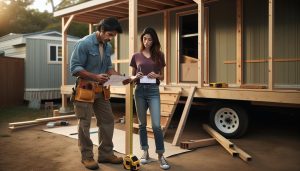
As the cost of traditional housing continues to rise, many are exploring alternative living arrangements, including trailer homes. But are they truly a good investment? In this article, we’ll dive into the pros and cons of trailer homes, highlighting their affordability, mobility, and unique lifestyle opportunities. Whether you’re seeking a budget-friendly option or a simpler way of living, understanding the benefits and potential downsides of trailer homes can help you make informed decisions. Join us as we explore this alternative housing choice, providing insights that resonate with your financial goals and lifestyle aspirations.
Are Trailer Homes Worth Your Investment?
In the realm of housing options, trailer homes represent a unique alternative that caters to various lifestyles and financial situations. One of the most compelling reasons to consider investing in a trailer home is affordability. In comparison to traditional houses, trailer homes typically have a lower initial purchase price, making them an attractive option for first-time homeowners or those looking to downsize. Additionally, the lower property taxes and insurance premiums associated with trailer homes can lead to significant long-term savings.
Another important aspect is the flexibility that trailer homes offer. Many homeowners appreciate the option to relocate their homes if needed, whether for work, family, or lifestyle changes. This mobility is not just practical but also provides a sense of freedom that traditional homes may not offer. Furthermore, trailer communities often foster a sense of camaraderie among residents, which can enhance one’s social experience and overall quality of life.
However, potential buyers should also weigh the downsides of investing in a trailer home. Often, these homes depreciate more quickly than traditional houses, meaning that their resale value may not be as robust. In addition, depending on local zoning laws and regulations, there may be challenges in finding appropriate land or community spaces to place a trailer home. Understanding these dynamics is crucial in ensuring that your investment remains sound over time.
In summary, trailer homes can indeed be worth the investment for those looking for affordability, flexibility, and community; however, it is essential to conduct thorough research and consider both the benefits and drawbacks carefully. With the right approach, trailer home living can be a practical and rewarding choice.
Understanding the Pros of Trailer Homes
When considering the option of investing in a trailer home, it’s enlightening to know that these residences offer numerous advantages, making them an appealing choice for various lifestyles and budgets. One of the standout benefits is the cost-effectiveness; trailer homes generally have a lower initial purchase price compared to traditional houses. This affordability is a game changer for first-time homeowners or those seeking to downsize without sacrificing comfort. Additionally, the ongoing expenses associated with trailer homes, such as property taxes and insurance premiums, are typically less burdensome, potentially translating to thousands of dollars in savings over time.
Another significant advantage lies in the flexibility that trailer homes provide. With the ability to relocate when necessary-whether due to job changes, family needs, or simply a desire for a different environment-homeowners enjoy a level of mobility that isn’t commonly available in conventional housing. This flexibility resonates especially well with those who value freedom and adaptability in their living arrangements. Furthermore, trailer home communities often cultivate a strong sense of belonging and support among residents, fostering relationships that enhance the overall living experience.
- Affordability: Lower initial costs and reduced ongoing expenses.
- Flexibility: Ability to move your home as needed, giving a sense of freedom.
- Community: Many trailer parks offer vibrant, close-knit neighborhoods.
For those considering maintenance, trailer homes are generally simpler to care for due to their size and design. Regular upkeep may include checking for leaks, maintaining plumbing, and ensuring proper insulation, which are manageable tasks for most homeowners. Additionally, making small enhancements, such as upgrading appliances or updating décor, can not only improve comfort but also increase the home’s resale value.
In summary, trailer homes present compelling advantages, from their affordability and flexibility to their tight-knit communities. By making informed choices and understanding the maintenance and improvement processes, potential buyers can optimize their living experience and enjoy the benefits that come with trailer home investment.
Key Drawbacks to Consider in Trailer Home Investment
Investing in a trailer home is often seen as a stepping stone to affordable housing, but it’s essential to weigh the potential drawbacks before making a decision. One major concern is depreciation. Unlike traditional homes, which typically appreciate over time, mobile and trailer homes tend to lose value much like vehicles. This can make them less effective as long-term investments, as their resale value may decline significantly, leading to financial losses in the future.
Another key factor to consider is the land ownership situation. Many trailer homeowners lease land in mobile home parks, which can introduce additional costs and legal complications. Rent prices can increase, which might lead to financial strain over time, and lease agreements often come with terms that could limit your ability to sell or move your home. It’s crucial to thoroughly read and understand any lease agreements associated with the land.
Trailer homes can also be more challenging to finance. Lenders often look at them as personal property rather than real estate, leading to higher interest rates and less favorable loan terms. Additionally, the limited availability of financing options can constrain your purchasing power, making it harder to invest in upgrades that could enhance the home’s value.
Maintenance and repairs can pose significant challenges as well. While their simpler design may ease some upkeep tasks, the materials used in many trailer homes can be less durable than those found in traditional homes. Homeowners may need to address issues like plumbing leaks, insulation problems, or HVAC repairs more frequently, which can disrupt your budget and require ongoing investments in home care.
Ultimately, while trailer homes offer unique benefits, it’s vital for prospective buyers to acknowledge these drawbacks. Understanding the realities of depreciation, land ownership, financing challenges, and maintenance needs ensures that any investment made is well-informed and reflective of long-term housing goals.
Financial Aspects of Buying a Trailer Home
Buying a trailer home can be an attractive financial option for those seeking affordable housing or investment opportunities, but navigating the associated costs and financing considerations is crucial for a successful purchase. One major advantage is that trailer homes typically come with lower acquisition costs compared to traditional houses. This affordability can make homeownership achievable for many individuals and families looking to reduce living expenses while still having a place to call home.
When considering the financial aspects, it’s essential to understand the ongoing costs of ownership, including maintenance, land lease payments, and monthly utilities. Unlike conventional properties where homeowners own the land, many trailer homes are located in mobile home parks where the land is rented. This arrangement can lead to additional expenses that might increase over time, so prospective buyers should budget for potential hikes in lot rent. Equally important is setting aside funds for maintenance, as trailer homes may require more frequent repairs due to the materials used in their construction. Addressing plumbing issues or HVAC repairs can add up, so having an emergency fund is advisable to manage unexpected costs.
Financing options for trailer homes can differ from those available for traditional homes, which can complicate the purchase process. Since lenders often categorize them as personal property, higher interest rates and lesser favorable terms may be the norm. Buyers should research various lenders and loan types, such as personal loans or chattel loans, to find the most suitable financing options. It’s also wise to approach the purchase with an awareness of the resale potential; understanding the market demand in the area will help in projecting future value and determining if the investment makes financial sense in the long term.
In summary, while purchasing a trailer home can be a financially sound decision, it requires careful planning, budgeting for ongoing expenses, and a keen understanding of the financing landscape. By approaching this investment with consideration of all financial factors and maintaining a proactive stance on management and upkeep, potential homeowners can enjoy the unique benefits that trailer home living offers.
Maintenance Tips for Long-Lasting Trailer Homes
Keeping a trailer home in great condition requires consistent maintenance and attention to detail. Regular upkeep not only enhances your home’s comfort and aesthetic appeal, but it also contributes significantly to its longevity and value. Unlike traditional homes, trailer homes may require more frequent inspections due to their materials and construction methods. By adopting a proactive maintenance schedule, you safeguard your investment and ensure a welcoming living environment.
Regular Inspections
Establish a habit of checking your trailer home thoroughly at least twice a year. Look for signs of wear and tear, paying special attention to roof integrity, foundation stability, and joint seals. Inspect the plumbing and electrical systems to catch potential issues before they become serious. Address any signs of leaks or water damage immediately to prevent mold growth and structural deterioration.
Exterior Care
Maintaining the exterior of your trailer home is crucial for both aesthetics and protection against the elements. Here are some practical tips:
- Inspect and Seal Windows and Doors: Regularly check for drafts and seal any gaps with caulk or weather stripping to improve energy efficiency.
- Clean Gutters: Keep gutters clear of debris to prevent water accumulation, which can cause foundation issues.
- Wash the Exterior: Clean the siding with a suitable cleaner to prevent mildew and algae buildup, enhancing the home’s curb appeal.
- Paint and Repair: Touch up any chipped paint or siding to protect against moisture penetration.
Interior Maintenance
Taking care of the inside of your trailer home is just as important. Here are some essential tasks:
- HVAC System Maintenance: Replace filters regularly and schedule annual service to ensure heating and cooling systems operate efficiently.
- Plumbing Checks: Look under sinks and around toilets for leaks. Consider adding water-saving fixtures to enhance efficiency.
- Appliance Care: Keep appliances clean and perform routine checks to extend their lifespan.
Investing time in these maintenance practices will pay dividends, keeping your trailer home safe, comfortable, and enjoyable for years to come. Addressing issues early not only prevents costly repairs down the line but also ensures that your living space remains a pleasant and welcoming environment. By making maintenance a part of your routine, you can fully embrace the benefits of trailer home living while protecting your investment.
Exploring Financing Options for Trailer Homes
Financing a trailer home, also known as a mobile home, can be a unique experience compared to securing a mortgage for traditional housing. Many potential buyers are surprised to learn that options do exist, albeit with some key differences and potential challenges. Understanding the available financing avenues is crucial to making an informed investment in a trailer home.
One common route is through personal loans or chattel loans, which are specifically designed for mobile homes. Unlike traditional mortgages that are tied to the property itself, chattel loans focus on the home as a personal property item. This can make securing financing easier but often comes with shorter repayment terms and higher interest rates. To qualify, lenders typically require the home to be new or within a certain age limit, as well as vehicle identification number (VIN) documentation.
Another option is to explore financing through a traditional mortgage lender. This usually applies to trailers classified as real estate-those that are permanently affixed to a foundation and titled as real property. This route can offer lower interest rates and longer repayment periods, making it financially more appealing for long-term buyers. It’s essential, however, to ensure that you meet the lender’s criteria, which may include land ownership and adherence to local zoning laws.
Government Programs
For those on a budget, government programs can provide additional resources. The Federal Housing Administration (FHA) offers loans specifically for manufactured homes, allowing buyers to secure lower down payments and more flexible underwriting criteria. Similarly, the U.S. Department of Agriculture (USDA) has lending programs available for rural areas, which can include trailers if they’re placed on owned or leased land.
Considerations for Financing
When exploring financing options, it’s important to consider your budget and the total cost of ownership. This includes not only the purchase price but also insurance, property taxes, and maintenance costs. Shopping around for the best interest rates and loan terms is crucial; consider speaking with multiple lenders to compare offers and understand all requirements involved.
To sum up, financing a trailer home can be navigated successfully with the right knowledge and preparation. By exploring various options, understanding the specific requirements tied to each financing type, and keeping practical budget considerations in mind, potential buyers can make informed decisions that align with their financial goals and lifestyle aspirations.
Legal Considerations When Buying a Trailer Home
When considering a trailer home, understanding the legal landscape is crucial for ensuring a seamless ownership experience. These homes are often subject to distinct regulations that differ significantly from traditional real estate, making it vital for potential buyers to be well-informed about pertinent laws and local zoning requirements.
Firstly, the classification of a trailer home significantly impacts its legal standing. Mobile or manufactured homes can either be classified as personal property or real estate, depending on whether they are permanently affixed to land. If you intend to purchase the land along with the trailer, ensure that the local zoning regulations allow for such use. This includes checking whether the area is designated for residential, commercial, or mixed-use, as some zones may have restrictions on mobile homes. Many mobile homes are located within parks, which may have their own set of rules regarding lease agreements, utilities, and community standards.
Licensing and Title Considerations
When buying a trailer, particularly a used one, checking the title is a fundamental step. Titles should clearly state the ownership and any liens against the property. For mobile homes, titles can sometimes present challenges, particularly if the home was previously titled as a vehicle and is being reclassified. If this is the case, you may need to undergo a process to obtain a certificate of occupancy, emphasizing the importance of due diligence.
Another key aspect is compliance with building codes and safety standards. Many regions enforce specific codes that mobile homes must meet, especially regarding electrical systems, plumbing, and structural integrity. Reviews and inspections may be mandated before you can permanently reside in the home. Engaging with a real estate attorney familiar with local mobile home laws can provide valuable insights and help navigate these complexities.
Lease Agreements and Tenant Rights
For those considering renting a space within a mobile home park, understanding lease agreements is essential. These documents outline the rights and responsibilities of both tenants and landlords, including rent payments, maintenance duties, and conditions under which leases can be terminated. Familiarize yourself with tenant rights in your state as they can vary widely, affecting evictions, rent increases, and habitability issues.
In summary, the legal considerations surrounding the purchase of a trailer home can be multifaceted and sometimes daunting. However, by proactively researching zoning laws, ensuring clear titling, complying with safety regulations, and understanding lease agreements, buyers can safeguard their investments and enjoy the benefits of trailer home living with greater peace of mind.
Enhancing Value: Renovations for Trailer Homes
Renovating a trailer home can dramatically increase its value and transform it into a cozy, stylish space that feels uniquely yours. With careful planning and a bit of creativity, you can take an investment that might seem modest and turn it into a desirable living space that rivals traditional homes. Here are some valuable renovation tips to enhance your trailer home’s value and aesthetic appeal.
One of the first areas to consider is the exterior. A fresh coat of paint can rejuvenate the appearance of your trailer. Opt for colors that blend well with the surroundings while also standing out positively. Additionally, consider enhancing curb appeal with landscaping elements such as flower beds, decorative stones, or even a small garden. Installing outdoor lighting can also lend charm and improve security.
Inside, focus on the kitchen and bathroom, as these are often focal points in any home. Updating appliances to modern, energy-efficient models not only enhances the functionality of these spaces but can also be attractive to potential buyers. For bathrooms, consider replacing old fixtures, updating countertops, or even retiling the shower and floor for a fresh look. Simple upgrades like new cabinet hardware or a stylish backsplash can make a huge difference without a complete overhaul.
Another aspect to focus on is maximizing space. Narrow areas may benefit from smart storage solutions, such as built-in shelving or multi-functional furniture. Open-concept designs can make smaller trailers feel larger; consider removing non-load-bearing walls to create an airy atmosphere. Adding mirrors can also help trick the eye into perceiving a bigger space.
Adopting sustainable materials and energy-efficient fixtures in your renovations not only benefits the environment but also attracts eco-conscious buyers. For example, using reclaimed wood for flooring or countertops can add character while reducing waste. Additionally, installing insulation or energy-efficient windows is a smart investment that will save on energy costs and increase comfort.
In summary, enhancing the value of your trailer home doesn’t have to involve extensive renovations. Focus on key areas such as the exterior, kitchen, and bathroom, while maximizing space through smart design and eco-friendly materials. Each small upgrade can contribute to a more comfortable and visually appealing home, ensuring that your investment is one that pays off in the long run.
Living in a Trailer Home: Community and Lifestyle
Living in a trailer home can present a unique lifestyle that is both enriching and fulfilling, especially for those seeking a sense of community, affordability, and connection with nature. Many trailer home communities are designed to foster relationships among residents, creating an atmosphere that encourages interaction and support. This sense of belonging can be a refreshing alternative to the sometimes isolating experience of living in traditional neighborhoods.
One of the significant advantages of trailer home living is the diversity of locations available. Residents often have the opportunity to choose from picturesque rural settings, bustling urban areas, or scenic waterfronts. This flexibility means you can find a community that aligns with your lifestyle preferences. Many parks and communities also provide communal spaces such as playgrounds, picnic areas, and social clubs, making it easy to meet neighbors and participate in local events.
Benefits of Community Living
Supportive Environment: Close-knit communities often lead to friendships and support networks, where residents help each other with home projects, childcare, or simply sharing meals.
Affordability: Trailer homes typically come at a lower price point than traditional houses, allowing for a more budget-friendly lifestyle while still enjoying homeownership.
* Shared Amenities: Many trailer parks offer amenities like swimming pools, clubhouses, and fitness facilities, providing options for recreation without the upkeep costs associated with owning these features outright.
Moreover, the lifestyle associated with trailer homes often emphasizes simplicity and minimalism, encouraging residents to declutter and focus on what’s essential. This can lead to reduced stress levels and more time to engage in hobbies, spend time with family, or pursue outdoor activities like hiking and fishing. Trailer living can cultivate a laid-back lifestyle where slow mornings and evening gatherings become the norm.
In conclusion, choosing to live in a trailer home allows individuals and families to benefit from a vibrant community and a more tranquil lifestyle. By embracing this alternative housing option, residents can enjoy affordability, simplicity, and the chance to form meaningful relationships with their neighbors, all while having the freedom to create a living space that reflects their personality.
Comparing Trailer Homes to Traditional Housing
In the debate of trailer homes versus traditional housing, it’s essential to consider key differences that can influence investment decisions. For many, the allure of trailer homes lies in their affordability and flexibility. While the median cost of a traditional home often exceeds several hundred thousand dollars, trailer homes can be significantly less expensive, allowing potential owners to invest their savings in other ventures or create financial security.
When looking at the practical aspects, trailer homes often come with lower property taxes and utility costs. This creates a compelling case for homeowners seeking to minimize their monthly expenses. Additionally, many trailer homes are situated in communities that offer shared amenities like pools and clubhouses, which can enhance the living experience without the additional burden of maintenance costs associated with traditional home ownership.
However, some may argue that trailer homes may depreciate in value over time, unlike traditional houses that often appreciate due to land ownership and location. It’s crucial for potential buyers to research community regulations and land status, as many trailer homes may require renting the land, which can influence long-term investment value. Additionally, the resale market for trailer homes may be more variable, and sellers may encounter challenges finding buyers willing to pay a fair price, particularly in less desirable locations.
Overall, the choice between trailer homes and traditional housing should be guided by individual financial situations, lifestyle preferences, and long-term goals. Embracing trailer home living can offer a simplified life filled with community spirit and personal freedom, but it requires careful consideration of how these unique homes align with your vision for the future. This path towards home ownership encourages a wealth of opportunities, showcasing the value of alternative housing options in today’s diverse real estate market.
Finding the Right Location for Your Trailer Home
Choosing the ideal spot for your trailer home can profoundly affect both your living experience and the long-term value of your investment. Unlike traditional homes, trailer homes offer the versatility to locate them in various environments-be it serene rural settings or lively urban areas. When considering the best location, it’s essential to weigh multiple factors that contribute to quality of life and property value.
Community and Amenities
A significant aspect of trailer home living lies in community living. Many trailer parks or mobile home communities offer shared amenities such as swimming pools, playgrounds, and community centers, which can enhance your lifestyle without the added costs of maintaining your own facilities. Research the communities in your desired area to find those that foster a strong sense of community and offer the amenities important to you. Consider social events and neighbors’ willingness to engage in communal activities, as this can greatly enhance your living experience.
Access to Services and Convenience
When selecting a location, evaluate its proximity to essential services such as grocery stores, medical facilities, schools, and public transportation. Easy access to these necessities not only simplifies daily life but can also bolster your trailer home’s resale potential, as buyers often prioritize convenience. Moreover, understanding your route to work or recreational activities can influence your move-long commutes or limited public transportation can lead to a less enjoyable experience.
Legal Regulations and Land Use
It’s crucial to understand the legal aspects surrounding trailer home placement. Some locations may require you to rent the land, which can influence ownership rights and property value. Investigate zoning laws and any regulations specific to trailer homes in the area you’re considering. Some communities may impose restrictions on the type of home you can place there or have specific requirements for maintenance, which could impact your investment. Understanding these nuances beforehand can save you from costly surprises down the line.
In summary, involves a comprehensive evaluation of community offerings, convenience to essential services, and legal considerations. By prioritizing these aspects, you can ensure a fulfilling living experience while maintaining your investment’s value. Embracing the flexibility of trailer home living can yield significant benefits, particularly when rooted in a well-chosen location.
Future Trends in the Trailer Home Market
As the housing market evolves, trailer homes are witnessing a resurgence in interest, driven by changing demographics and economic considerations. Many millennials and younger generations, facing high housing prices, are turning to trailer homes as a viable and affordable alternative, particularly in urban and suburban areas. Additionally, the rising trend of minimalism and sustainable living has made trailer homes attractive, as they often encourage a simpler lifestyle with a smaller environmental footprint.
Increased Customization and Modern Features
Manufacturers are responding to demand by providing more customizable options and modern amenities in trailer homes. Today’s models often feature upgraded interiors, energy-efficient appliances, and open-concept designs that rival traditional houses. The use of eco-friendly materials and better insulation is becoming standard, further enhancing the appeal of trailer living. Prospective buyers are increasingly looking for homes that not only fit their budgets but also align with their values regarding sustainability and quality of life.
Community Living and Shared Spaces
Another emerging trend is the development of trailer parks and mobile home communities that foster a sense of neighborhood. These communities are becoming more than just living spaces; they offer shared amenities such as community gardens, workshop spaces, and recreational areas. This shift creates opportunities for social connections and fosters a lifestyle that values community living. Potential buyers are encouraged to explore available communities that provide these benefits while analyzing how they fit into their desired way of life.
Financing Innovations
As interest in trailer homes grows, so does the evolution of financing options tailored to this segment of the market. Traditional mortgage lenders are beginning to recognize the value of mobile home investments, leading to more favorable loan terms and financing solutions. Potential homeowners can expect to see more competitive rates and flexible down payment options that make purchasing a trailer home even more accessible.
In conclusion, the future of trailer homes looks promising, with evolving consumer preferences shaping a market that is increasingly inclusive and innovative. From enhanced designs and community-focused living to improved financing options, trailer homes present unique opportunities for individuals seeking affordable housing solutions. As you explore this option, it’s essential to consider these trends and how they align with your lifestyle needs and investment goals.
Insights and Conclusions
Before making a decision about investing in a trailer home, remember that while they can offer affordability and lower maintenance costs, they often depreciate in value like a vehicle. Consider exploring our related guides on mobile home maintenance and financing essentials to arm yourself with all the necessary information. If you’re feeling uncertain, don’t hesitate to reach out for a consultation to better understand your options.
Now is the perfect time to lean into alternative housing solutions and make informed decisions about your living situation. Share your thoughts in the comments below, and check out our resources on renovation projects and general home care to continue your learning journey. Your home adventure awaits!