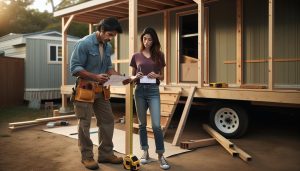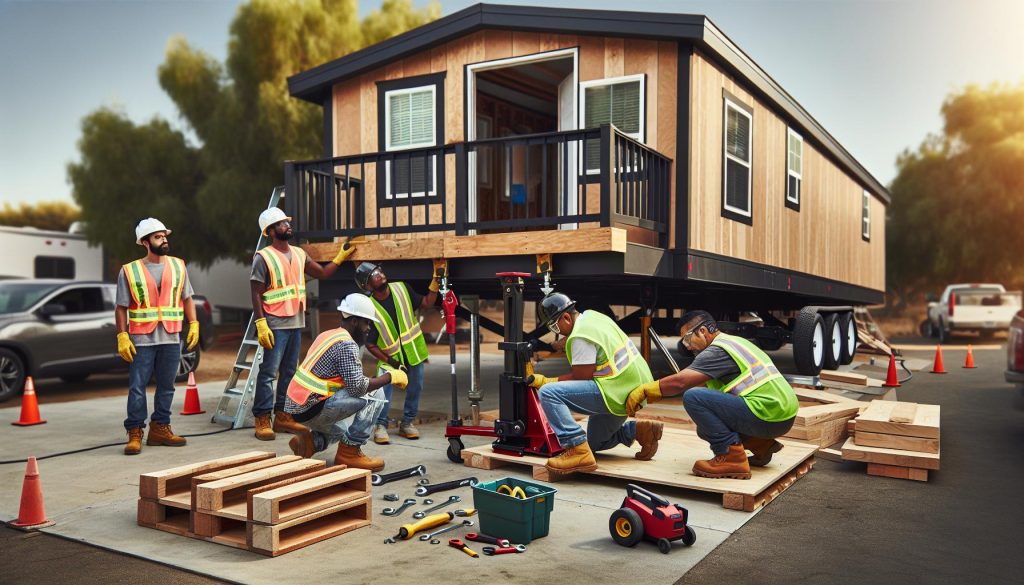
Jack up a trailer home safely is essential for any homeowner looking to perform maintenance or upgrades. Did you know that improper jacking can lead to costly damage or even personal injury? By understanding the right techniques and precautions, you can avoid these pitfalls and ensure your trailer remains stable and secure. Whether you’re preparing for a repair or just checking the undercarriage, knowing how to safely lift your trailer home is crucial. This guide will take you through foolproof steps to elevate your home correctly, emphasizing safety and efficiency. Read on to empower yourself with valuable knowledge that can save you time, money, and headache in the long run.
Choosing the Right Jack for Your Trailer Home
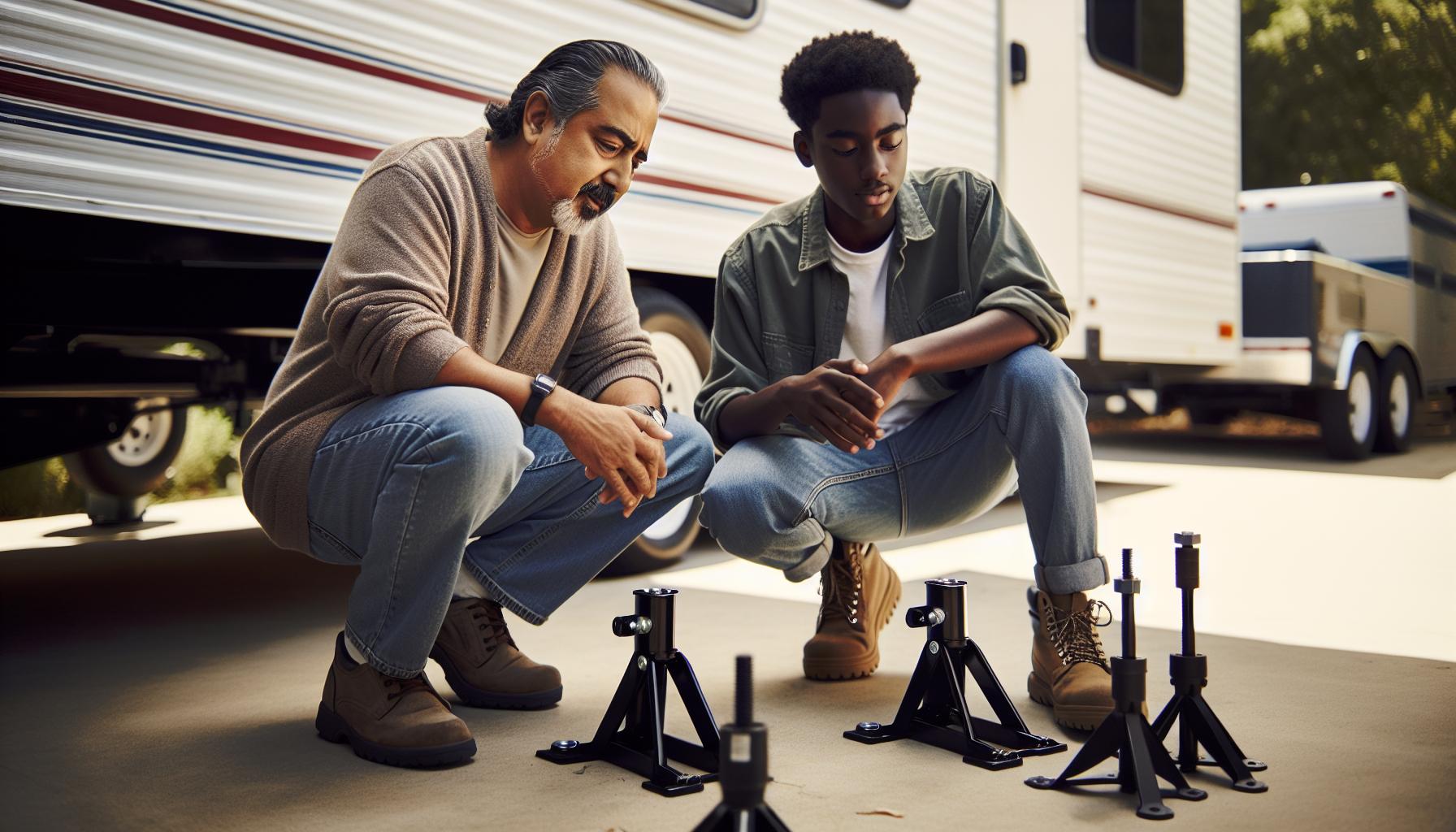
is crucial for safe and efficient lifting. With various types available, understanding your specific needs will guide your selection. For instance, consider the weight and design of your trailer when choosing between a manual or powered jack. Manual jacks are typically lighter and more cost-effective, while electric or hydraulic models can handle heavier loads with less physical effort. Ensure that the jack’s weight rating exceeds your trailer’s weight for safe lifting.
Additionally, placement and stability are essential factors when selecting a jack. Some jacks mount on the frame, while others attach to the tongue, and their positioning can affect how well they lift the trailer. For enhanced stability, look for jacks that feature wide bases or stabilizing feet. These features are especially advantageous when working on uneven ground or performing maintenance tasks where the trailer may shift.
When shopping, also consider features like the jack’s lift height and lowering speed. A jack with a higher lift range can accommodate trailers with varying heights and tire sizes. Moreover, hydraulic jacks typically offer a quicker lift speed, which can save time and reduce effort during your projects. Always consult specifications and reviews to ensure you choose the best jack for your trailer home’s requirements.
Understanding the Risks of Improper Jacking
Improperly jacking up a trailer home can lead to serious consequences, both for the integrity of the trailer and for the safety of anyone involved in the process. One of the most alarming risks is instability, which can cause the trailer to topple or shift unexpectedly. This can result in personal injuries, damage to the trailer itself, and even accidents involving bystanders or property. Understanding these potential dangers is essential for ensuring a safe and efficient jacking procedure.
One common issue arises from inadequate weight distribution. Trailers are designed with specific weight limits, and exceeding these can lead to catastrophic failure of the lifting equipment or the trailer itself. Even when a jack can handle the weight, improper placement can create an imbalance, making the trailer prone to tipping. It’s crucial to recognize that the ground surface also plays a significant role; working on uneven ground can exacerbate these risks, leading to a precarious situation. The best practice is to always assess the entire setup before proceeding, ensuring that both the jack and the ground can support the load without compromising safety.
Furthermore, using the wrong type of jack can increase the risks associated with improper jacking. For example, using a manual jack that isn’t suited for heavy loads can make the job not only harder but also more dangerous. A jack that isn’t properly rated for the weight of the trailer may buckle or fail, giving little warning before an accident occurs. Regular inspections and maintenance of jacking equipment are vital to prevent such failures. Always ensure that your tools are in good working condition, as wear and tear can compromise their effectiveness.
Ultimately, maintaining a thorough understanding of the risks associated with jacking up a trailer is essential for any trailer owner. By being aware of the dangers and taking proactive measures, you can safeguard against mishaps and enjoy the benefits of trailer living with confidence.
Step-by-Step Guide to Safely Jacking Up a Trailer
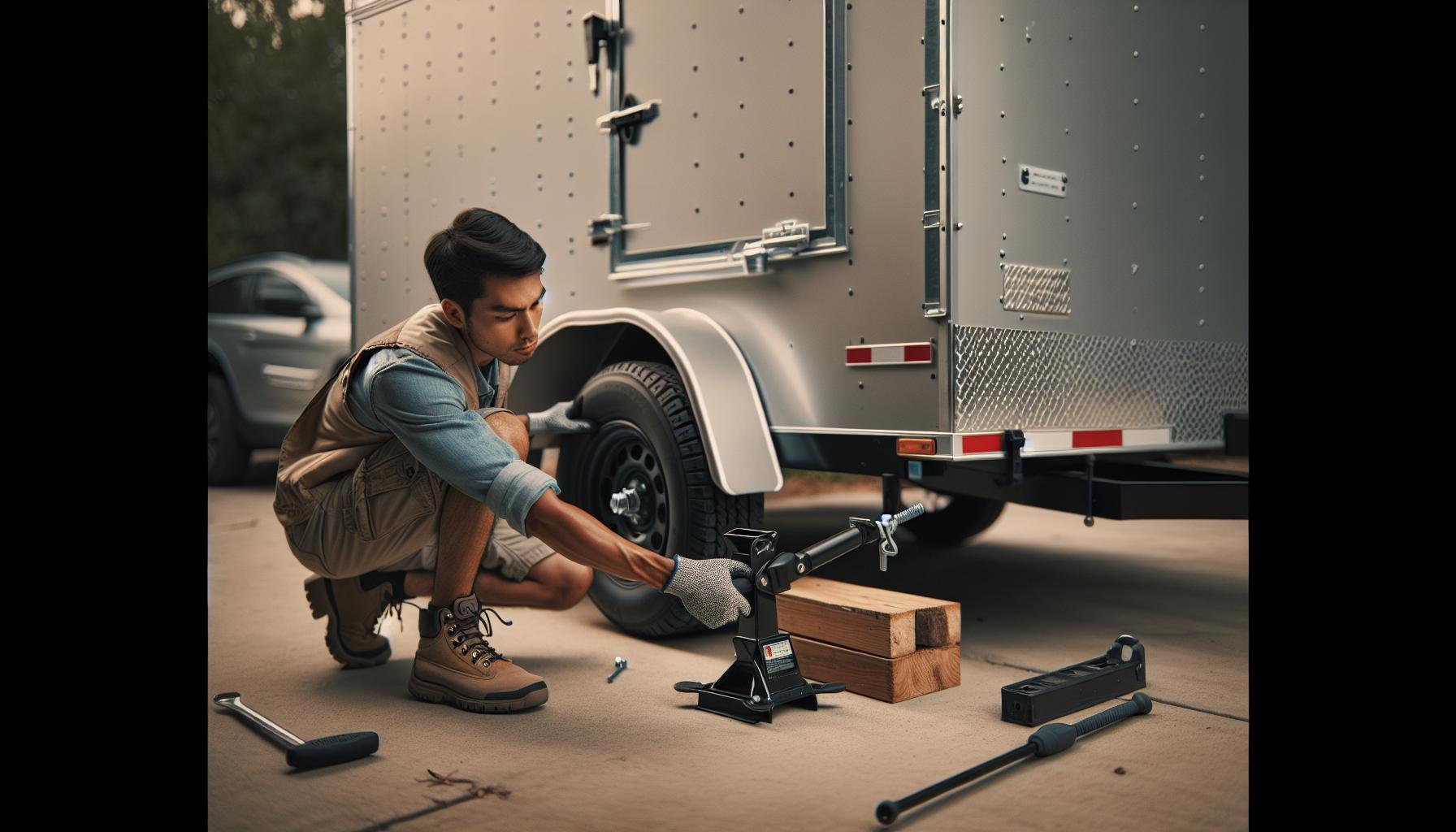
To effectively and safely jack up a trailer, understanding the step-by-step process is essential. Whether you’re performing maintenance, leveling a trailer home, or preparing for travel, a careful approach ensures not only your safety but also the integrity of your trailer. Here’s how to do it right.
Start by preparing the area where you will be jacking up your trailer. Choose a flat, stable surface free of debris and obstacles. Ensure that the area is well-lit for visibility and that the ground is firm enough to support both the trailer and the jacks. Next, gather your tools and equipment, including a suitable jack and jack stands, making sure they are rated for the weight of your trailer. It’s advisable to have a tire chock on hand to prevent any movement while you work.
Once you have everything gathered, follow these steps:
1. Position Your Trailer
Before jacking, make sure your trailer is parked on a solid and level surface. Engage the parking brake and chock the wheels to prevent unintended movement.
2. Setup Your Jack
Position your jack near the designated jacking point, typically near the frame where it’s structurally sound. This will often be close to the wheels. If using stabilizer jacks, refer to the manufacturer’s guidelines for exact placement. Using a pair of jacks can help distribute the load evenly.
3. Start Jacking
Begin lifting the trailer slowly. If using a manual jack, maintain a steady and consistent cranking motion. For electric jacks, familiarize yourself with the control features before starting. Keep a close eye on the trailer to ensure it is lifting evenly.
4. Insert Jack Stands
Once the trailer reaches the desired height, carefully slide jack stands into place beneath the frame to support the trailer during your work. Ensure that they are positioned securely and are fully engaged to avoid any instability.
5. Lower the Trailer onto the Jack Stands
With the jack stands in place, gently lower the trailer so that it rests securely on the stands. Double-check that the trailer is stable and there is no risk of sliding or tipping.
6. Final Safety Check
Before beginning any work on the trailer, perform a quick safety check. Ensure everything is secure, and that the area around the trailer remains clear of hazards.
By following these steps, you can efficiently and safely jack up your trailer home, allowing you to maintain, repair, or prepare your living space without compromising safety. The peace of mind that comes with knowing you’ve taken the correct steps to secure your trailer is invaluable, encouraging confidence in your trailer living experience. Always remember, if you’re ever unsure, consulting with a professional is a wise and safe decision.
Essential Safety Equipment for Jacking a Trailer
When it comes to ensuring both safety and efficiency during a trailer jacking process, having the right safety equipment is paramount. Utilizing essential gear not only protects you from accidents but also secures your trailer, allowing you to perform tasks confidently and effectively. Here’s a breakdown of the key safety equipment you should consider for jacking up a trailer home.
First and foremost, a high-quality jack is essential for lifting your trailer safely. Ensure that the jack is rated for the weight of your trailer. Options such as hydraulic jacks or electric jacks provide ease of use, especially for larger trailers. Alongside your jack, jack stands are crucial for providing stable, long-term support once the trailer is lifted. Never rely solely on a jack to keep a trailer in an elevated position, as jacks can fail. When placing jack stands, ensure they are on a stable, level surface and positioned under designated jacking points for optimal weight distribution.
Another important item is wheel chocks, which prevent the trailer from rolling while it’s being lifted and secured. Always place chocks under the wheels that remain on the ground, ensuring they are snug against the tires. Additionally, having a tire pressure gauge on hand helps you check and maintain proper tire pressure when jacking up the trailer. This is especially important for not only safety but also for the operational efficiency of your trailer during travel.
Finally, consider wearing personal protective equipment (PPE) such as gloves and safety goggles. Gloves provide grip and protection against potential sharp edges, while goggles protect your eyes from debris that might dislodge during the jacking process. It’s wise to invest in this equipment to ensure you’re not only complying with safety standards but also safeguarding your well-being while taking care of your trailer home.
In summary, having the right safety equipment makes all the difference when jacking up a trailer. By equipping yourself with a reliable jack, sturdy jack stands, wheel chocks, tire pressure tools, and PPE, you can work efficiently and safely, reducing the risk of accidents and ensuring your trailer is secure for whatever tasks lie ahead.
Common Mistakes to Avoid When Jacking Up a Trailer
When it comes to safely jacking up a trailer home, even experienced owners can make critical errors that lead to dangerous situations. One of the most common mistakes is failing to thoroughly assess the trailer’s weight and balance before lifting. Ignoring the manufacturer’s guidelines regarding weight capacity can result in equipment failure or, worse, injury. Always ensure that your jack is rated for the full weight of the trailer plus any additional load it may be carrying. For example, if your trailer weighs 3,000 pounds and often carries another 500 pounds, your jack should have a rating that exceeds 3,500 pounds to account for the load.
Another frequent oversight involves the improper placement of jack stands. Many users assume that any flat surface is suitable; however, this can lead to instability. Jack stands should always be placed on a firm, level surface and precisely beneath the designated jacking points of the trailer. This practice not only provides proper support but also helps in distributing the weight evenly. Avoid placing jack stands on unlevel ground, gravel, or loose surfaces, as they can easily shift, causing the trailer to become unbalanced during maintenance.
Proper preparation also entails using wheel chocks correctly, which many overlook. Chocks should be securely placed against the wheels that remain on the ground to prevent any rolling. Failing to use chocks can lead to a disaster if the trailer shifts unexpectedly while you are working on it. Additionally, wearing proper personal protective equipment (PPE) is vital; many users disregard this step. Gloves can prevent injuries from sharp edges while goggles protect your eyes from falling debris. Neglecting to wear these can lead to avoidable accidents.
Finally, taking the time to familiarize yourself with the jacking mechanism before commencing work is crucial. Many trailers come with specific instructions for jack usage, and skipping this step can result in mishaps. Always consult the owner’s manual for detailed guidance and recommendations specific to your trailer model, ensuring a safe and efficient jacking experience. By being mindful of these common pitfalls, you can significantly enhance your safety and the integrity of your trailer home during maintenance tasks.
How to Level Your Trailer Home After Jacking
Once you’ve safely jacked up your trailer home, the next vital step is ensuring that it’s properly leveled. Leveling your trailer is not just about comfort; it also plays a significant role in maintaining the structural integrity and functionality of your home. An uneven trailer can lead to issues such as water pooling, improper drainage, and excessive wear on appliances. Here’s how you can achieve a level position for your trailer home effectively.
Start by using a level tool, such as a carpenter’s level or a digital level, placed on the floor inside your trailer. Check multiple locations to ensure that you get an accurate read on how much leveling is required. Once you’ve identified the low spots, you’ll want to use adjustable leveling blocks or stabilizer jacks as needed. Place these leveling blocks or pads under the jacking points located on each side of the trailer, adding or removing layers until your trailer is level. Make sure to recheck with the level tool frequently during this process to avoid overshooting the desired level position.
After leveling with the blocks or jacks, secure them into place and add more support by tightening the jacks. Always make it a practice to adjust your jack stands for equal support across all sides of the trailer-this will enhance stability and load distribution. Once everything is tightened and level, recheck the level one last time to confirm your work. It’s also a good idea to reposition your wheel chocks against the wheels to prevent any movement while you finish detailing the area.
Finally, take a moment to routinely check that your trailer remains level over time, especially after making any adjustments or following extensive travel. Soil shifts, moisture, or settling can cause your trailer to tilt again. Knowing how to check and adjust can not only save you from discomfort but also protect your investment in your trailer home, allowing you to live comfortably and securely in your chosen alternative housing solution.
Maintenance Tips for Jacking Equipment and Tools
Proper maintenance of your jacking equipment and tools is essential for ensuring safety and longevity, especially when dealing with the heavy loads typical of trailer homes. Just as you would care for your vehicle, your jacking equipment requires regular checks and servicing to prevent issues during operation. A well-maintained jack can make the process of lifting your trailer smooth and safe, avoiding the risk of accidents and costly repairs.
Begin with a routine inspection of your jacks and tools before each use. Check for any visible signs of wear, rust, or damage. Pay close attention to the hydraulic fluid levels in hydraulic jacks; low fluid can significantly reduce performance and safety. Additionally, ensure that all parts, such as pins and locking mechanisms, are in working order and free from debris. Regular cleaning with a soft cloth and a mild detergent removes grime that can affect functionality.
Lubrication is another key maintenance step. Apply a suitable lubricant to moving parts, following the manufacturer’s recommendations. This is particularly important for screw jacks, where a lack of lubrication can lead to wear and reduced lifting capability over time. For trailer jacks with wheels, such as swivel jacks, ensure that the caster wheels can turn freely. If they become corroded or hard to turn, a little grease can go a long way in restoring smooth operation [[1]].
Incorporate careful storage practices after use to extend the life of your equipment. Store jacks in a dry, clean environment, ideally off the ground to prevent moisture and rust. Hanging jacks or keeping them in a protective case can safeguard them from accidental damage. Lastly, maintain a log of your maintenance activities, noting any repairs or replacements needed over time. This proactive approach not only enhances safety but also optimizes your equipment’s performance, allowing you to manage your trailer home effectively and enjoy peace of mind.
When to Call a Professional for Help
When facing the challenges of jacking up a trailer home, it’s important to recognize that there are times when seeking professional assistance is the best choice for safety and effectiveness. From the occasional odd sounds during the lifting process to feeling uncertain about your equipment’s integrity, these signals can indicate that it’s time to call in a pro.
If you encounter any inconsistent jacking behavior, such as a jack that wobbles or struggles to lift even when the load seems appropriate, it might be a warning sign that your equipment is not functioning correctly. Professionals can diagnose hidden issues, such as damaged components, that may not be evident at first glance. Additionally, if you notice hydraulic fluid leaks or any signs of significant wear-like rust or corrosion-it’s wiser to consult an expert who can either repair or recommend a replacement for your jacking system.
Moreover, if your trailer needs to be jacked for complex repairs or adjustments involving the towing components or structural work, having a professional handle the job can ensure that everything aligns correctly and safely. The intricate details involved in stabilizing and leveling a trailer often require specialized knowledge and experience that only a trained technician can provide.
In summary, recognizing the limits of your skills and tools should never be viewed as a setback. Whenever in doubt or faced with unusual signs of malfunction, reaching out to a qualified professional can save you time, prevent potential accidents, and ultimately contribute to the longevity and safety of your trailer home.
Real-Life Troubleshooting Scenarios and Solutions
When you’re jacking up a trailer home, unexpected challenges can arise that may make the process feel daunting. However, being prepared for potential issues and knowing how to troubleshoot them can make a significant difference. Here are some common scenarios you might encounter along with practical solutions.
Firstly, one of the most frequent problems is a jack that doesn’t seem to lift the trailer smoothly. If you find the jack is struggling despite the load being correctly distributed, check for obstruction. Dirt, debris, or rust can hinder proper movement. Ensure the jack is placed on a solid, flat surface, and the top plate is in direct contact with the trailer’s underside with no gaps. If the jack still won’t lift, examine the hydraulic fluid level if using a hydraulic model. Low fluid can impair lifting capacity.
Another common issue is the trailer wobbling or feeling unstable during the lifting process. This is often a symptom of improper weight distribution or insufficient blocking. Use wheel chocks on the trailer’s wheels to prevent rolling and ensure that you are lifting from a secure point. For additional stability, consider using stabilizing jacks or supports lower on the trailer sections. Remember that the trailer should be totally secure and stable before you begin any work underneath.
If, during the lifting process, you notice any sounds like grinding or unusual creaking, stop immediately. These sounds could indicate potential equipment failure or structural stress. Before resuming, backtrack to check all connections and double-check that the jack and trailer components are within operational specifications. If issues persist, it might be time to consult with a professional.
Finally, if you’re working with older jacking equipment, be mindful of leaks or visible wear and tear such as rust. Regular maintenance checks of your jacking gear can prevent minor issues from escalating into major problems. Lubricate moving parts and store jacks in dry, clean conditions when not in use. This proactive approach can significantly extend the life of your tools and ensure a safer working environment.
By being aware of these scenarios and preparing solutions in advance, you can approach your trailer jacking tasks with confidence, ensuring that you maintain a safe and efficient workspace.
Comparing Different Jack Types for Trailer Homes
When choosing the right jack for your trailer home, it’s essential to consider the diverse options available, as each type offers unique features suited to different needs. Knowing the characteristics and advantages of each can not only enhance your jacking experience but also ensure the safety and stability of your trailer during maintenance tasks.
One of the most common types of trailer jacks is the A-frame jack, which is ideal for traditional travel trailers. This jack typically mounts on the trailer’s A-frame and can provide a sturdy lifting point. They’re often crank-operated, allowing you to lift and lower the trailer tongue with ease. A-frame jacks excel in situations where you frequently connect and disconnect your trailer, providing convenience without compromising on safety.
Another popular option is the swivel jack, known for its flexibility. Swivel jacks are mounted on the side of the trailer and can rotate to facilitate storage or enhance maneuverability. This type is particularly useful for grounding the trailer during uneven terrain or providing additional support when coupled with another jack. They generally support a significant weight capacity, making them suitable for larger trailers, though they may require a bit more effort to operate.
For those with heavier loads, electric or hydraulic jacks are excellent choices. They eliminate the physical strain involved in manual jacking and allow for swift adjustments with the push of a button. These are particularly beneficial if you frequently need to raise and lower your trailer or if you have mobility concerns. Just be mindful of the power source, as these jacks require a battery or electrical connection to function properly.
Lastly, stabilizing jacks provide an essential backup for securing your trailer once it has been raised. They are designed to enhance stability during loading and unloading or when you’re living in the trailer for an extended period. Adding stabilizing jacks, especially in windy conditions or on uneven ground, helps prevent movement and provides peace of mind as you enjoy your trailer home.
Ultimately, selecting the right jack type for your trailer home depends on your specific needs, the weight of your trailer, and how often you perform maintenance tasks. Understanding these basics can lead to a safer and more efficient jacking experience, ensuring that your trailer is both secure and functional.
Understanding Weight Distribution and Balance
Understanding how to manage weight distribution and balance in your trailer is crucial for safe handling, especially when jacking up. Improper weight distribution can lead to instability, making your trailer susceptible to tipping or swaying, which poses risks during maintenance tasks. Particularly with trailer homes, where weight might be unevenly distributed due to appliances, furniture, or supplies, adjusting this balance becomes essential before any jacking occurs.
When preparing to jack up your trailer, here are a few steps to ensure proper weight distribution:
- Assess Load Placement: Examine how your belongings are organized. Place heavier items over the axles to enhance balance. If you have items that can shift, consider securing them to maintain stability.
- Use Leveling Blocks: If your trailer is parked on an incline, utilize leveling blocks to prevent additional weight on one side as you jack up the other. This acts as a cushion against stress or potential damage.
- Check the Tongue Weight: A good rule of thumb is to maintain a tongue weight of about 10-15% of the total trailer weight. You can measure this using a tongue weight scale or by using a bathroom scale in conjunction with a simple lever setup.
- Monitor Pressure in Tires: Under-inflated tires can compress unevenly, leading to an imbalance. Regularly check that all tires are inflated according to the manufacturer’s recommendations.
Additionally, as you begin to jack the trailer, do so progressively, checking for level and balance at each stage. If you notice any tilt or instability, lower the jack slightly and readjust the load before proceeding. Think of this process as creating a sturdy foundation to avoid potential accidents during maintenance. By ensuring an optimal weight distribution, you not only facilitate a smoother jacking experience but also extend the longevity and safety of your trailer home. Remember, a well-balanced trailer translates to a safer living experience, making your home on wheels more enjoyable.
Preparing Your Trailer for Long-Term Stability
Ensuring your trailer home maintains long-term stability not only enhances your overall living experience but also protects your investment. A well-maintained trailer can withstand weather elements and the stresses of movement, ensuring that your home on wheels remains comfortable and safe for years to come. To achieve this, consider a combination of regular inspections, tactical positioning, and proactive maintenance.
- Regular Inspections: Schedule routine checks on critical areas such as the frame, axles, and suspension systems. Look for signs of rust, wear, or structural damage. Addressing these issues promptly can prevent more significant problems down the road. Inspect rubber seals and caulking as well, ensuring windows and doors are secure to minimize water intrusion.
- Properly Level Your Trailer: Gauge your trailer’s levelness both during and post-jacking. An uneven trailer can lead to stress on seams and connections, causing leaks or structural damage. Use bubble levels and, if necessary, adjust with stabilizing jacks and leveling blocks whenever you park your trailer.
- Wheel and Tire Maintenance: Regularly check tire pressure and condition. Under-inflated tires can lead to uneven wear and potential blowouts, while over-inflated ones can make your ride harsh and affect stability. Rotate tires as recommended and ensure they’re properly aligned to distribute load evenly.
- Secure Weight Distribution: The load inside your trailer should be strategically placed to lower the risk of swaying and tipping. Consider the placement of heavier items, making sure they are positioned over the axles. You can also employ weight distribution hitches if necessary, particularly when towing.
Taking these steps will not only help prepare your trailer for long-term stability but also enrich your experience of living in a mobile home. By treating your trailer with care and regular maintenance, you can avoid expensive repairs and enjoy the freedom that comes with this lifestyle. Remember, small, consistent efforts lead to lasting benefits, creating a secure and welcoming environment wherever your travels may take you.
Future Outlook
Now that you understand the essential steps to safely jack up your trailer home, you can confidently tackle this task without the fear of costly mistakes. Remember, correct positioning of your jacks and ensuring stability is crucial to maintaining your home’s structure. Don’t wait-apply these tips during your next maintenance check!
For more guidance, explore our step-by-step maintenance guide for trailer homes or check out financing tips specifically for mobile home purchases. Have questions or tips of your own? Share them in the comments below; we love hearing from our community! For the latest tools and resources to enhance your trailer home living experience, be sure to subscribe to our newsletter-it’s packed with helpful information. Embrace the joy of easy and practical living in your mobile home!