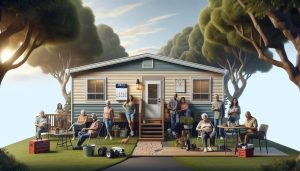
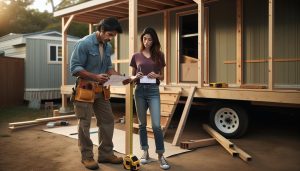
When considering siding options for your trailer or mobile home, the choice of plywood siding can significantly enhance both aesthetics and functionality. Not only does it provide durability and weather resistance, but it can also transform the appearance of your home, making it feel more welcoming and modern. For many, opting for plywood siding isn’t just about looks; it addresses common concerns like insulation and protection against the elements. As you explore the top choices available, you’ll find options that fit various budgets, styles, and maintenance preferences. Whether you’re looking to upgrade your current siding or start a renovation from scratch, this guide will delve into the best plywood siding selections, helping you make an informed decision that aligns with your goals for a comfortable and charming living space.
Choosing the Right Plywood for Trailer Mobile Homes
When it comes to designing or renovating a trailer mobile home, selecting the right plywood is crucial for both structural integrity and aesthetic appeal. Plywood offers a blend of strength and flexibility, making it a popular choice for mobile home construction. The most widely recommended thickness for subflooring in mobile homes is 3/4 inch, which provides a robust foundation. If opting for oriented strand board (OSB), it’s advisable to choose a thickness of at least 23/32 inch to ensure durability and stability[[2]](https://vinawoodltd.com/blogs/news/what-size-plywood-for-mobile-home-floor).
Key Considerations for Plywood Selection
When choosing plywood, consider its grades. There are different grades of plywood, ranging from A to C (A being the highest quality). Opting for higher-grade plywood, such as A or B, can enhance your mobile home’s overall appearance and longevity. Additionally, the type of plywood matters. For instance, marine-grade plywood, which is treated to resist moisture and damage, can be a wise choice for areas prone to humidity, such as kitchens and bathrooms.
Also, think about the type of finish you desire; sanded plywood can offer a smooth surface that’s easy to paint or stain, adding an aesthetic element to your mobile home. It’s often best to consult with local suppliers, as they can provide valuable insights on available materials and their suitability for your specific needs, particularly regarding climate and local regulations.
Performance and Cost Factors
Cost is another significant consideration. While premium-quality plywood may come with a higher upfront cost, it often translates to savings in terms of maintenance and repairs down the line. Therefore, investing in quality plywood can ultimately extend the life of your mobile home and reduce overall costs. It’s wise to balance both quality and price, ensuring that you’re making a sound financial decision that meets your lifestyle and home improvement goals. By understanding these factors, homeowners can make informed choices that enhance both the functionality and visual appeal of their trailer mobile homes.
Benefits of Plywood Siding for Mobile Homes
Opting for plywood siding on a mobile home brings a plethora of benefits that extend beyond aesthetic appeal. One of the standout advantages is its superior strength-to-weight ratio. Plywood is structurally robust yet lightweight, making it easy to handle during installation and reducing the overall load on the home’s foundation. This is particularly vital for mobile homes, where every pound counts in maintaining stability while moving.
Another significant benefit is plywood’s versatility in design and finish options. With various grades available, such as A and B, homeowners can select the quality that best fits their style and budget. Plywood can be painted, stained, or left unfinished to suit personal preferences, allowing for a customized look that can enhance curb appeal. Many owners also appreciate that plywood can be easier to work with than other materials, providing DIY enthusiasts the chance to take on installation projects with relative ease.
In terms of sustainability, plywood can be a more eco-friendly choice compared to synthetic siding materials. When sourced responsibly, plywood can be made from renewable resources, contributing to a lower environmental footprint. Many manufacturers also offer products sourced from sustainably managed forests, giving environmentally conscious homeowners an option that aligns with their values.
Lastly, plywood siding is relatively cost-effective. The initial investment can be lower than other siding options, and with proper maintenance, such as sealing and periodic inspections, plywood can last for many years. This balance of upfront affordability and long-term savings makes plywood an attractive choice for many mobile homeowners looking to make effective improvements without breaking the bank.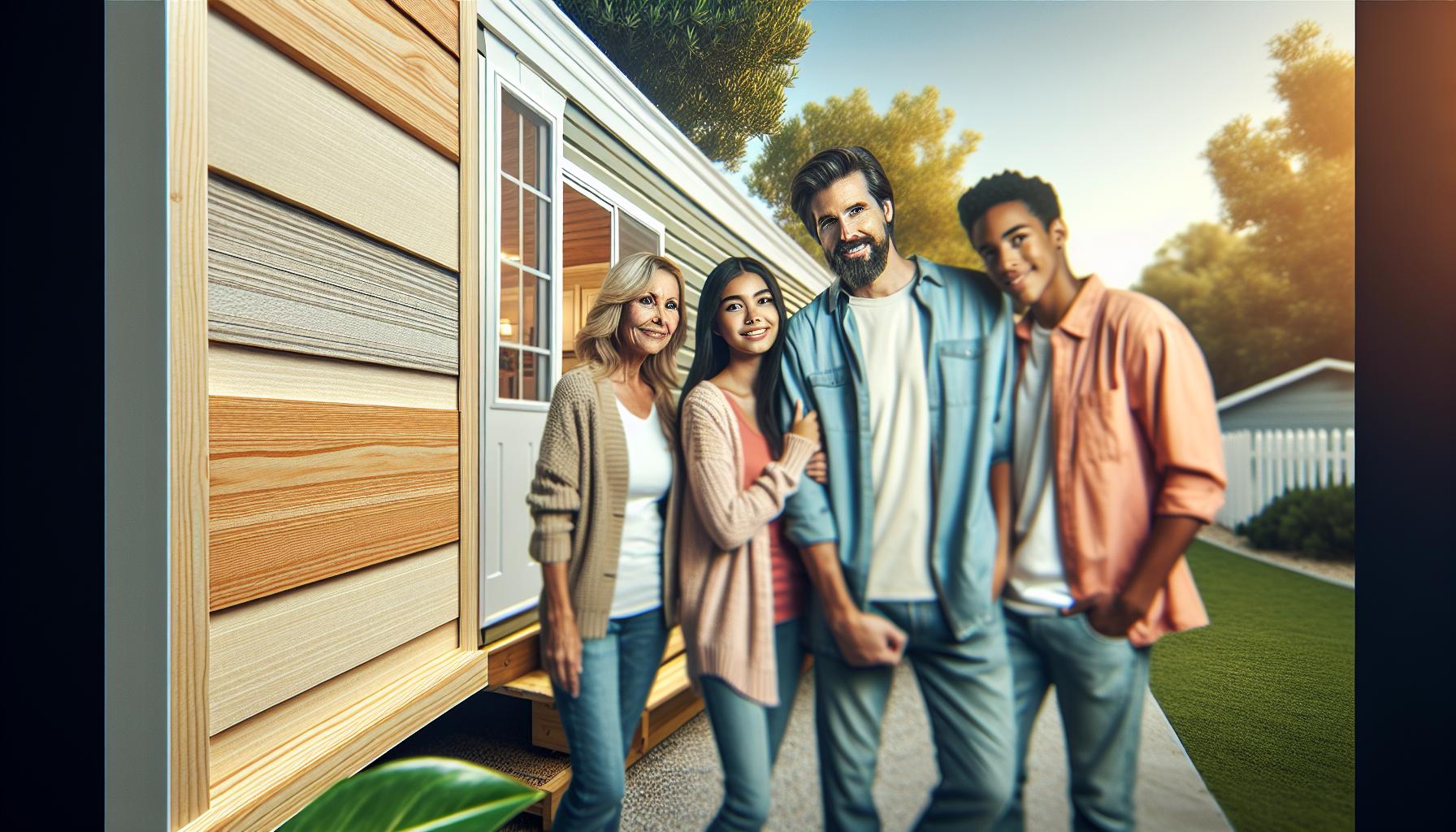
Comparing Plywood Types for Durability
When selecting plywood for your mobile home’s exterior, understanding the various types available and their corresponding durability can significantly impact your choice. Different grades and treatments of plywood can offer varying levels of protection against the elements, rot, and general wear and tear. The two most common types of plywood siding used in mobile homes are CDX plywood and T1-11 plywood. Each has its own strengths that cater to different needs and climates.
CDX plywood offers a solid, versatile choice that is often utilized in construction due to its economical price point and adequate durability. Rated for exposure to moisture, this type of plywood is a popular option for mobile home siding because it provides decent resistance to harsh weather conditions when properly sealed and maintained. However, its surface may not be as aesthetically pleasing, often requiring additional finishing work to enhance its appearance.
In contrast, T1-11 plywood is specifically designed for siding and features a grooved texture that mimics the look of traditional wood siding. This type tends to be more durable and weather-resistant, making it a preferred choice for mobile homeowners looking for both aesthetics and functionality. T1-11 is typically thicker and sturdier, providing an extra level of protection against moisture intrusion, which is crucial in climates with high rainfall or humidity. Additionally, it can be painted or stained, offering a variety of design options to suit individual tastes.
Ultimately, the durability of plywood for mobile home siding will depend on the type of wood, thickness, and treatment processes it undergoes. When considering the right choice, factor in your local climate, maintenance capabilities, and the design aesthetic you envision for your home. Remember that investing in higher-quality plywood can lead to long-term savings by reducing the need for repairs and replacements.
Installation Guide for Plywood Siding
Properly installing plywood siding on your mobile home can transform its appearance while providing essential protection against the elements. With a blend of practicality and aesthetics, the installation process doesn’t have to be daunting. Here’s a straightforward guide to help you navigate the steps involved.
Begin by gathering the necessary tools and materials. You’ll need:
- Plywood siding (CDX or T1-11)
- Measuring tape
- Level
- Circular saw or hand saw
- Hammer and nails or pneumatic nail gun
- Weather-resistant sealant or caulk
- Paint or stain (optional)
- Safety goggles and gloves
Make sure to measure the area accurately and cut your plywood to size. For T1-11, the grooved side should face outward to maintain the desired aesthetic. It’s best to leave a small gap (about 1⁄8 inch) at the bottom of the panels to allow for moisture drainage. Always prioritize safety by wearing goggles and gloves while handling tools and materials.
When you’re ready to install, start from the bottom and work your way up. This approach ensures that each piece overlaps the one below it, preventing water from entering behind the panels. Align each sheet of plywood carefully, using a level to ensure that they are straight. Secure the panels in place with nails every 6 to 8 inches along the studs. Do not forget to seal any joints or edges with weather-resistant sealant to extend the life of your siding.
After installation, consider applying a protective paint or stain to enhance the wood’s durability and visual appeal. This step not only adds an aesthetic touch but also offers added resistance against moisture and UV damage. Following these guidelines will ensure that your plywood siding not only looks great but also performs well against the elements, enhancing the longevity of your mobile home.
Maintenance Tips for Plywood Siding Longevity
To ensure the longevity of plywood siding on your mobile home, regular maintenance is essential. With proper care, the aesthetic appeal and protective qualities of your siding can be preserved for years. Here are some key maintenance tips to help you keep your plywood siding in excellent condition.
Start with routine inspections to identify any signs of damage or wear. Look for cracks, peeling paint, or areas where moisture may have penetrated. A good practice is to conduct these inspections at least twice a year-preferably in spring and fall-when weather conditions are mild. If you find any damaged sections, address them promptly to prevent further deterioration. Small repairs such as filling cracks with caulk or replacing deteriorated sections can save you from costly repairs later on.
Another vital aspect of maintenance is cleaning your plywood siding. Dust, dirt, and mildew can accumulate over time and diminish the appearance of your home. Use a gentle cleaning solution with soap and water, and scrub the surface with a soft brush or sponge. For tougher stains or mildew, consider using a mildew remover, but always test it on an inconspicuous area first. Rinse thoroughly with water after cleaning to avoid residue buildup.
Additionally, ensuring proper sealing is crucial for protecting against moisture. Reapply a high-quality water-repellent sealant every few years, especially in areas prone to heavy rain or humidity. This protective layer acts as a barrier against rot and other damage caused by water infiltration. If your siding is painted, refreshing the paint regularly will also provide added protection against UV rays and weather conditions, enhancing both its longevity and visual appeal.
By implementing these maintenance strategies-conducting regular inspections, cleaning surfaces, and preserving seals-you can greatly enhance the durability of plywood siding on your mobile home. This proactive approach not only preserves the beauty of your home but also safeguards your investment for years to come.
Aesthetic Choices: Styles and Finishes for Plywood
A well-chosen aesthetic for your mobile home’s plywood siding can transform it from a basic structure into a charming and inviting abode. The options for styles and finishes are diverse, allowing homeowners to tailor their choices to their personal taste and the character of their local environment. Whether you aim for a rustic, modern, or traditional look, the right plywood can enhance your home’s curb appeal and reflect your style.
One popular choice is T1-11 plywood siding, notable for its grooved texture that adds depth and visual interest to any mobile home. This type of plywood comes in various finishes, including natural wood, which can be stained to highlight the grain, or painted in bold colors for a modern aesthetic. Staining allows homeowners to maintain the natural beauty of the wood while providing a level of protection from the elements. Using semi-transparent stains can preserve the wood’s texture while adding a layer of resilience against moisture.
Exploring Finishes
When it comes to finishes, the possibilities are endless. Consider acrylic paint, which provides excellent durability and comes in an array of colors that can suit any style. Additionally, you might explore specialty finishes such as weathered wood treatments for a rustic ambiance or a glossy finish for a polished, modern look. The key is to choose a finish that not only complements your home’s design but also stands up to your local climate.
Personalizing Your Siding
Customization extends beyond color. You can also create visual variety through patterns or by mixing materials. Combining plywood with other siding materials like vinyl or metal accents can establish a unique profile, adding character without overwhelming the original design.
Ultimately, the selection of an aesthetically pleasing plywood siding can make a significant difference in how your mobile home is perceived. By carefully considering styles, finishes, and potential combinations, you can create a stylish, inviting home that feels uniquely yours. Regularly updating and maintaining these finishes will ensure your home continues to reflect your style for years to come.
Cost Considerations: Budgeting for Plywood Projects
Budgeting for plywood projects can be a game-changer when upgrading your mobile home. To maximize aesthetics and durability while keeping costs manageable, consider various factors such as the type of plywood, treatment options, and potential labor costs. Understanding your project’s scope will help you allocate funds effectively, avoiding unexpected expenses down the line.
When choosing plywood for siding, you’ll likely encounter various price points. Common types like CDX plywood are more budget-friendly but may not offer the same durability as marine-grade or pressure-treated options, which are worth the investment if you live in a wetter climate. Remember to factor in additional materials such as adhesives, nails, or screws, as well as any finishes you wish to apply. Using a simple table for a cost overview can help:
| Plywood Type | Price per Sheet | Durability | Best For |
|---|---|---|---|
| CDX | $15-$25 | Moderate | Basing care in moderate climates |
| Marine | $40-$100 | High | Wet or humid areas |
| Pressure-Treated | $30-$60 | High | Areas susceptible to rot |
Additionally, consider if you will be doing the installation yourself or hiring a professional. DIY can save you a significant amount, but it’s crucial to assess your skill level honestly. Proper installation is key to ensuring your plywood siding lasts, regardless of the costs involved. If you opt for professional help, get multiple quotes to find a reliable contractor who fits your budget.
Finally, don’t forget to plan for ongoing maintenance costs. Even high-quality plywood will require some care, such as repainting or resealing, to maintain its appearance and longevity. Setting aside a budget for regular upkeep can extend the life of your investment significantly, allowing your mobile home to remain both attractive and functional for years to come.
Eco-Friendly Plywood Options for Mobile Homes
Sustainable choices in building materials not only contribute to environmental health but can also enhance the beauty and strength of your mobile home. Eco-friendly plywood options are increasingly available, catering to those who seek sustainable living solutions without sacrificing quality. Several types of plywood are emerging as popular choices for the eco-conscious homeowner.
One excellent option is FSC-certified plywood. This means that the wood used in the plywood is sourced from forests that are responsibly managed, ensuring the preservation of biodiversity and ecosystems. Choosing FSC-certified products supports sustainable forestry practices and helps combat climate change. Another option is reclaimed wood plywood, which utilizes wood salvaged from old buildings, barns, and other structures. This not only reduces waste but also adds character and uniqueness to your mobile home.
Additionally, formaldehyde-free plywood is gaining traction for those looking to minimize harmful emissions and enhance indoor air quality. This type of plywood is produced without the harmful glues that typically release volatile organic compounds (VOCs) over time. It’s a considerable advancement for those sensitive to chemical fumes and helps create a healthier living environment.
Moreover, consider looking into bamboo plywood, which is made from one of the fastest-growing plants on the planet. Bamboo is highly renewable and has natural strengths, making it a durable option for siding. Incorporating these eco-friendly alternatives into your mobile home not only aligns with sustainable building practices but can provide long-lasting benefits for both the homeowner and the environment.
Adopting eco-friendly plywood options can lead to a more sustainable lifestyle while improving the resilience and aesthetic appeal of your mobile home. By selecting sustainable materials, you contribute to broader environmental efforts and enjoy the peace of mind that comes from making responsible choices.
Dealing with Weather: Plywood Performance in Different Climates
Plywood is a versatile building material, but its performance can greatly differ based on the climate in which your mobile home is situated. Whether you reside in a moist, humid area or a dry, arid environment, understanding how plywood reacts to weather conditions is key to making informed choices that enhance your home’s durability and comfort.
In regions with high humidity and rainfall, such as the Southeast of the United States, it’s essential to opt for plywood that is specifically designed to resist moisture. Marine-grade plywood or exterior-grade plywood, treated with water-resistant adhesives, can offer superior performance in these conditions. Additionally, using a protective sealant on the exterior can help prevent moisture from permeating the plywood, reducing the risk of warping and mold growth. Regular inspections and maintenance are crucial; checking for signs of water damage, especially after heavy rains, will help catch problems before they escalate.
Conversely, in arid climates where temperatures can fluctuate dramatically, consider using plywood types that can handle thermal expansion and contraction. CDX plywood, a type of exterior-grade plywood, can be an excellent choice due to its durability and ability to withstand temperature changes. Applying a high-quality paint or stain can add a layer of protection against the sun’s harsh rays, preventing the plywood from drying out and cracking. Additionally, using ventilation techniques, such as ensuring airflow beneath your mobile home, can help mitigate temperature-related issues.
Ultimately, no matter the climate, maintaining the integrity of your plywood siding requires regular care and attention. A solid understanding of your local weather conditions, combined with the right product choices and maintenance practices, will ensure that your mobile home remains a safe and comfortable haven for years to come.
Finding Reliable Suppliers for Plywood Siding
is crucial for anyone looking to enhance their mobile home with this versatile material. The right supplier not only provides high-quality products but also valuable advice and support throughout your project. Start by researching local lumber yards and home improvement stores, as they often carry a variety of plywood options suitable for mobile homes. Check online reviews and ask for recommendations from fellow mobile homeowners; personal experiences can lead to discovering trustworthy suppliers who prioritize customer satisfaction.
When evaluating suppliers, consider factors such as product range, availability, and pricing. A good supplier will offer different plywood grades – including exterior-grade and marine-grade plywood – which are essential for resisting moisture and ensuring durability in various climates. Look for suppliers that also provide customization options, as some may offer pre-cut sheets tailored to your specific dimensions, saving you time and reducing waste. Don’t hesitate to ask about the sourcing of their materials; ethical and sustainable practices are increasingly important to homeowners and can influence overall product quality.
Additionally, establish a rapport with your supplier. Engaging in discussions about your project needs can lead to beneficial insights. A knowledgeable supplier can assist in selecting the best materials based on your climate and specific requirements, recommending products that will not only meet aesthetic desires but also perform well in the long run. They may also have connections to contractors or other professionals who specialize in mobile home installations, which can be advantageous if you’re undertaking a larger renovation.
Lastly, consider suppliers that offer post-purchase support, such as return policies and warranties. This can provide peace of mind, knowing that your investment is protected. In summary, investing some time in finding a reliable supplier with a solid reputation and excellent service will pay off, ensuring that you have the right materials for your mobile home project while making the process as smooth as possible.
Understanding Local Regulations for Plywood Use
Understanding local regulations is essential for anyone considering plywood siding for their mobile home, as compliance ensures safety, durability, and peace of mind. Each region has specific zoning laws and building codes that dictate what materials can be used in construction and renovations. These regulations often address concerns related to safety standards, environmental impact, and fire resistance, making it crucial for homeowners to familiarize themselves with the applicable laws in their area.
Before embarking on your plywood project, it is wise to check with local government agencies or building departments. They can provide detailed information about the types of plywood permissible, including any required certifications or grades. For example, certain areas may mandate the use of exterior-grade plywood for siding to resist moisture, while others might have restrictions on volatile organic compounds (VOCs) emitted by certain wood products. Additionally, some regions have requirements for insulation and energy efficiency that could influence your choice of materials.
Moreover, consider the impact of building permits on your project. Many municipalities require permits for significant renovations or installations. Obtaining a permit not only ensures that your project meets local standards but also protects you legally in case of future disputes. It’s helpful to have detailed plans and specifications ready when applying for a permit, as this information can expedite the process and help you avoid potential delays.
Lastly, engaging with local community groups or online forums can provide insight into the practical implications of these regulations. Other mobile homeowners can share their experiences and advice on navigating compliance successfully. By understanding local regulations and actively seeking the necessary information, you empower yourself to make informed choices for your mobile home, ultimately leading to a project that is both beautiful and compliant.
Common Mistakes to Avoid in Plywood Installation
When installing plywood siding for mobile homes, it’s essential to avoid common pitfalls that can undermine the project’s quality and longevity. Many homeowners make the mistake of prioritizing aesthetics over functionality, overlooking factors like moisture resistance and proper sealing. Ensuring that the plywood chosen is suitable for exterior use can prevent significant issues down the line, such as warping or rotting.
Another frequent mistake is inadequate preparation of the installation surface. Failing to clean and level the walls can lead to irregularities and gaps, compromising the siding’s performance. Before installation, inspect the area for existing damage, debris, or imperfections, and make the necessary repairs to provide a solid foundation for the plywood.
Not following proper installation techniques is a critical error that can greatly affect the durability of the siding. Homeowners sometimes neglect to leave the necessary expansion gaps between panels, which allows for natural expansion and contraction due to temperature changes. Additionally, using the wrong fasteners or spacing them incorrectly can lead to premature wear and tear. Always follow manufacturer recommendations for installation methods to ensure that the siding endures the test of time.
Lastly, improper sealing and finishing can leave plywood vulnerable to the elements. Many fail to apply a weather-resistant sealant or finish, which can lead to moisture damage. It’s advisable to use a quality primer and paint designed for outdoor applications to fortify your plywood siding against rain, UV rays, and temperature fluctuations. By avoiding these common mistakes, you can enhance the longevity and aesthetic appeal of your mobile home’s plywood siding.
Concluding Remarks
Choosing the right plywood siding for your trailer mobile home is crucial for both aesthetics and durability. With options like T1-11 and plywood panels, you can enhance your home’s value while ensuring it withstands the elements. Don’t wait to upgrade your mobile home-explore our collection and find the perfect siding solution today!
For more insights, check out our articles on essential mobile home maintenance tips and affordable renovation projects. If you have questions or want to connect with others who share your interests, feel free to leave a comment below or share your experiences with us. By staying informed and proactive about your home’s needs, you’re one step closer to creating the comfortable living space you deserve. Your dream mobile home is just a click away!