Exploring the world of trailer homes can be both exciting and overwhelming, especially when it comes to understanding current pricing. In 2025, factory direct prices for new trailer homes can vary significantly based on size, amenities, and location, making it crucial for potential buyers to stay informed. With cost-effective alternatives to traditional housing, trailer homes offer flexibility and accessibility, appealing to families and individuals alike. This guide aims to break down the factors that influence pricing, helping you navigate your options and make well-informed decisions about your future home. Whether you’re budgeting for a new purchase or considering your financing options, understanding the financial landscape of trailer homes is essential. Continue reading to uncover valuable insights and tips that will empower you on your journey to homeownership.
The Cost Breakdown of New Trailer Homes in 2025
The market for new trailer homes in 2025 presents a diverse range of prices influenced by several factors, making it essential for potential buyers to do their homework. This year, the average cost of new trailer homes varies widely based on size, layout, materials, and custom features. While basic models might start at around $40,000, larger and more customized homes can easily reach upwards of $100,000 or more. The key to understanding this cost breakdown lies in recognizing the aspects that contribute to pricing.
One crucial factor is the size of the trailer home. Smaller models, typically 400-600 square feet, offer affordability, often appealing to first-time buyers or those seeking a minimalistic lifestyle. Conversely, larger units can span over 1,200 square feet and come equipped with modern amenities, which naturally elevates their price. Additionally, the materials used in construction, such as energy-efficient appliances and durable siding, can significantly impact costs. Buyers should also consider the customization options available, from upgraded flooring to specialized layouts that cater to personal preferences.
Another integral aspect is the location, which can greatly influence pricing dynamics. Newer homes often find their places in regions with rising demand for affordable housing, causing prices to fluctuate based on local market conditions. Moreover, prospective buyers should stay vigilant about hidden costs, which may include land leasing fees, utility connections, and community regulations. Getting a clear picture of the complete cost structure empowers buyers to make informed decisions while navigating the exciting journey of acquiring a new trailer home.
Essential Pricing Summary
| Trailer Home Size | Average Price Range |
|---|---|
| Small (400-600 sq ft) | $40,000 – $60,000 |
| Medium (600-900 sq ft) | $60,000 – $80,000 |
| Large (900+ sq ft) | $80,000 – $120,000+ |
Incorporating these factors into the decision-making process not only provides clarity in budgeting but also enhances the overall experience of embracing a trailer home lifestyle. With a thorough understanding of the cost breakdown, potential owners can better navigate their options and find a home that meets both their financial plans and lifestyle aspirations.
Understanding the Pricing Factors for Trailer Homes

The journey of buying a new trailer home can feel overwhelming, especially when considering the various pricing elements at play. One of the most significant factors influencing price is the home’s size. In 2025, the average cost can range widely, where smaller models typically priced between $40,000 and $60,000 can serve as an accessible option for first-time buyers or individuals seeking a minimalist lifestyle. In contrast, larger units, which may exceed 1,200 square feet, can reach prices upwards of $100,000, depending on amenities and customization. These size variations ensure that buyers have options that cater to different financial capabilities and lifestyle preferences.
Another pivotal aspect affecting the pricing of trailer homes is the materials used in their construction. Homes that include energy-efficient appliances, durable siding, and higher-quality finishes tend to cost more upfront but can lead to considerable savings over time through reduced utility bills and maintenance needs. Additionally, geographical location can significantly sway prices. Areas experiencing a surge in demand for affordable housing often see increased costs, so it is essential for buyers to do thorough research into their chosen location, including community regulations and market dynamics.
Buying a trailer home isn’t just about the initial purchase price; hidden costs often lurk behind the scenes. Prospective homeowners should remain mindful of potential expenses such as land leasing fees, utility hookups, and local taxes. Creating a budget that includes these additional charges can lead to a more realistic financial plan and help avoid surprises post-purchase. Understanding these various pricing factors empowers buyers to make informed decisions while exploring the exciting possibilities of trailer home living.
### Key Pricing Factors Summary
| Factor | Impact on Price |
|---|---|
| Size (small to large) | $40,000 – $100,000+ |
| Materials Used | Insulation, appliances, finishes affect cost |
| Location | Demand influences pricing significantly |
| Hidden Costs | Land fees, utilities increase overall expenses |
By considering these essential factors, potential owners can better navigate their options and find a trailer home that aligns with both their budgets and personal lifestyle goals.
Factory Direct vs. Retail Prices: What You Need to Know

Purchasing a new trailer home often involves navigating the choice between factory direct and retail prices, a distinction that can substantially impact your overall investment. Factory direct prices typically reflect the cost of the trailer without any additional dealership markups, making them an appealing option for savvy buyers. By bypassing middlemen, you stand to save a significant amount, often ranging from 10% to 30% compared to retail prices. This cost-effectiveness allows you to allocate your budget toward higher-quality materials or additional amenities.
Understanding the Buying Experience
When opting for a factory direct purchase, you’re not only saving on costs but also gaining direct access to the manufacturer. This can lead to greater flexibility in customization options, allowing you to modify layouts, finishes, and features to suit your specific lifestyle needs. For instance, if you dream of a particular floor plan or eco-friendly appliances, factory direct options often accommodate requests more readily than a retail outlet, which may be limited to pre-set inventory.
On the other hand, retail purchases can offer their own set of advantages, particularly regarding warranty support and customer service. When buying from a dealership, you might receive enhanced after-sales service, including assistance with financing, delivery, and setup. Retailers may also provide access to additional resources, such as maintenance guides and community connections, that can ease the transition into trailer home living. However, it’s important to weigh these benefits against the potential higher costs.
Key Considerations
When deciding between factory direct and retail options, consider the following factors:
- Budget: Assess your financial capacity and determine how much you’re willing to spend on the home itself versus added services.
- Customization: Decide how important customization is to you and research which option provides the best route for tailoring your home.
- After-sales service: Evaluate the kind of support you’ll need after the purchase, such as warranty coverage and repair services.
- Accessibility: Investigate how easy it is to visit a factory versus a dealership, including travel distance and scheduling appointments.
These considerations will help ensure that you choose the path that best meets your needs for your future home. The goal is to find a balance that maximizes your budget while still providing the quality and support integral to a satisfying trailer living experience.
Types of Trailer Homes and Their Price Ranges
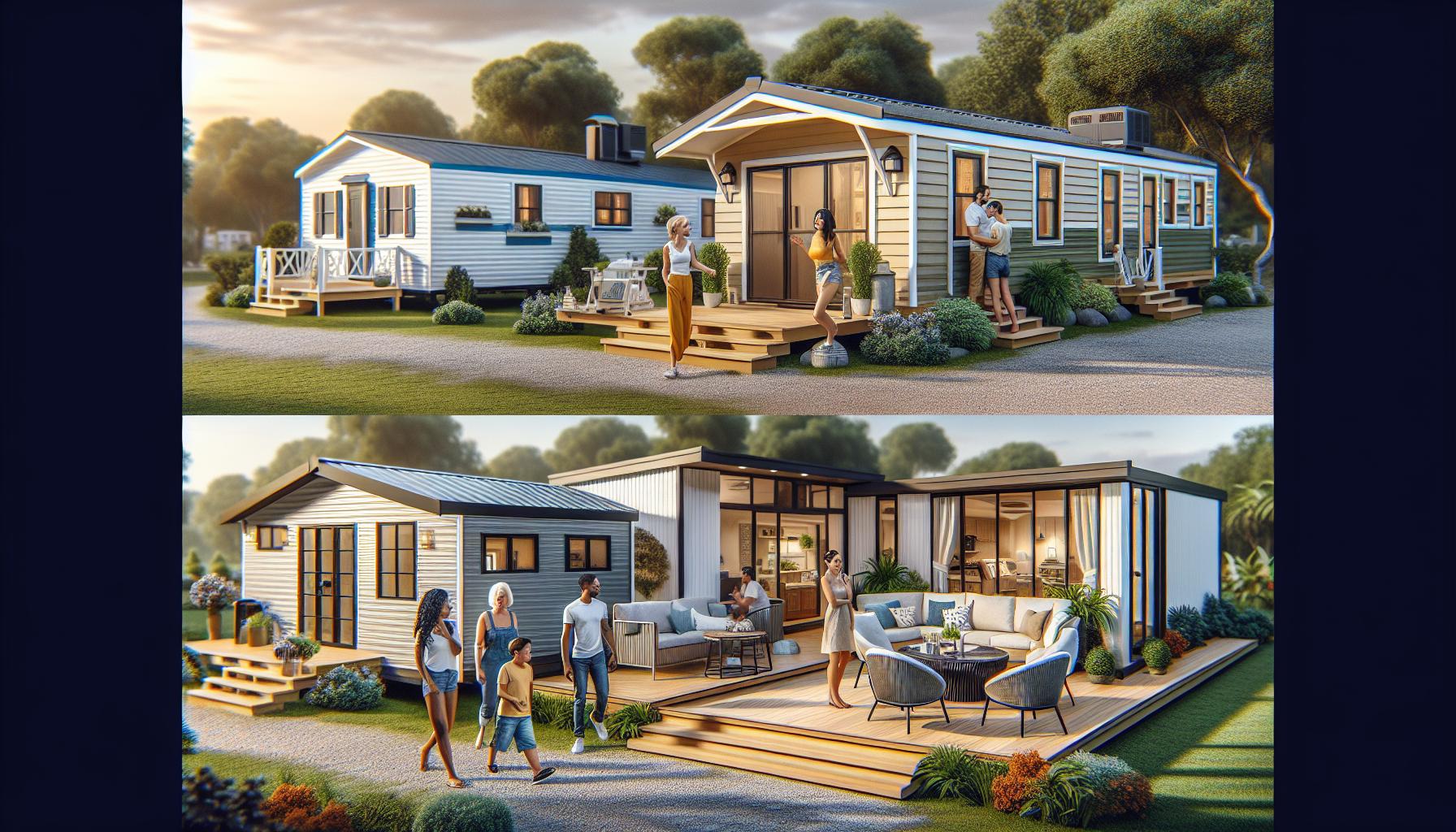
When considering a new trailer home, it’s essential to understand the variety of types available and their corresponding price ranges. From humble single-section models to more spacious double-section homes, the options cater to diverse needs and budgets, making trailer living an appealing choice for many.
Standard single-wide trailers usually range from $30,000 to $60,000, featuring 1 to 3 bedrooms and offering efficient layouts for smaller families or individuals. Their compact size makes them economically viable and often results in lower utility costs. On the other hand, double-wide trailers offer significantly more space, typically priced between $70,000 and $120,000. These homes boast more sophisticated floor plans and can include luxury features, making them suitable for families who need extra room.
For those seeking luxurious finishes and custom designs, high-end modular trailers can cost between $120,000 and $250,000. These homes often include energy-efficient appliances, modern aesthetics, and customizable layouts, appealing to buyers looking for a blend of affordability and luxury. Additionally, many manufacturers provide factory options that allow you to select specific features, such as eco-friendly materials or advanced home technology, which can influence the overall cost.
While prices vary widely based on style, size, and features, it’s vital for potential buyers to assess their budget and long-term needs. Considering factors such as setup and delivery costs, insurance, and land expenses can further refine the total investment required for a new trailer home. By researching and visiting local manufacturers, individuals can gather valuable information to make informed decisions, ensuring a satisfying trailer living experience that aligns with their lifestyle and financial goals.
Financing Options for Buying a New Trailer Home
For many, the dream of owning a home comes wrapped in options that can feel overwhelming, especially when considering the prospect of a new trailer home. Understanding the financing avenues available is crucial for making this dream a reality. While trailer homes are often more affordable than traditional houses, securing the right financing can ease the path to ownership, ensuring your investment aligns with your financial capabilities.
Several financing options cater specifically to the purchase of new trailer homes. Conventional loans are typically not an option here, which means prospective buyers often turn to specialized options such as FHA loans, VA loans, and even personal loans. The Federal Housing Administration (FHA) offers Title I loans, which allow buyers to finance both the home and necessary improvements, promoting affordability and accessibility. VA loans are an excellent choice for eligible veterans, providing competitive interest rates and favorable terms without the need for a down payment.
Consider looking into manufactured home loans offered by various lenders, which can facilitate the acquisition process by making it easier to finance both the home and the land it sits on. These loans usually have a fixed interest rate, which can help with budgeting. Furthermore, some lenders offer land-and-home package financing, allowing you to secure a combined loan for both the manufactured home and the lot. This option can streamline the buying process and reduce closing costs.
Maintaining an understanding of your financial standing is essential. Establish a budget that encompasses not only the purchase price but also closing costs, insurance, and ongoing maintenance. Having a well-rounded understanding of your total investment can mean the difference between financial strain and stability in your new living situation. By researching various financing options and working with knowledgeable lenders, you can navigate through these choices more confidently, making your journey to trailer home ownership a fulfilling and manageable experience.
Hidden Costs: What to Consider Beyond the Purchase Price

The journey to owning a new trailer home often comes with exciting prospects, but it’s essential to approach it with a clear understanding of the total costs involved. Many first-time buyers focus primarily on the purchase price, overlooking the myriad of hidden costs that can significantly impact their investments over time. Being well-informed about these expenses can prevent unwelcome surprises and help you budget more accurately.
One of the most common overlooked costs is the delivery and set-up fee. Unlike traditional homes, trailer homes often require professional transportation and installation, which can range from a few hundred to several thousand dollars based on distance and complexity. Additionally, if your chosen location lacks the necessary utilities, you might find yourself facing expenses for water, electricity, and sewage hookups, which can add up quickly.
Maintenance is another critical area where costs can accumulate. While trailer homes are generally low-maintenance, regular upkeep such as checking for leaks, maintaining plumbing systems, and servicing appliances is crucial. Over time, the costs of replacing worn-out materials or upgrading outdated systems can also add to your budget. For example, if you live in a climate that experiences extreme temperatures, investing in insulation or energy-efficient windows may initially seem like an extra expense but can save you money on energy bills in the long run.
Also, consider property taxes and insurance, which can greatly vary depending on location and property value. If you plan to place your trailer home in a manufactured home community, additional fees for lot rent and community amenities should also be factored into your overall financial planning. It’s wise to allocate a portion of your budget for unforeseen expenses, ensuring you remain financially stable after your purchase. This proactive approach not only helps you enjoy your new living space but also allows you to embrace all the joys of trailer home ownership without the stress of financial strain.
Comparing New Trailer Homes: Features that Affect Cost
When it comes to purchasing a new trailer home, understanding the features that drive costs can make all the difference in securing the best value for your investment. While the initial purchase price may catch your eye, it’s crucial to recognize that unique attributes such as size, materials, and customization options greatly influence overall costs.
One significant factor affecting price is the size of the trailer home. Typically, broader and longer models will command higher prices due to the increased materials and labor involved. A compact model might start in the lower price range, but upgrading to a larger, more spacious layout can result in a notable price increase. Additionally, the configuration of the home-such as the number of bedrooms and bathrooms-will also play a role in pricing, as homes with more sleeping and living areas can be perceived as more valuable.
Another critical aspect is the materials used in construction. Homes built with high-quality, energy-efficient materials can cost more upfront, but these investments often lead to long-term savings on energy bills and maintenance. Features such as climate-resistant siding, advanced insulation, and energy-efficient windows enhance durability and comfort, making home occupants’ day-to-day experience more enjoyable. In contrast, opting for lower-grade materials can result in a bargain price but could lead to higher maintenance costs and possibly more frequent repairs down the road.
Customization options can also significantly alter the final price of a trailer home. Many manufacturers offer a variety of interior and exterior design choices, from kitchen finishes to flooring materials, all of which can personalize your space while impacting costs. Understanding the trade-off between the wish list of features and budget constraints is key. Establishing clear priorities-be it aesthetic enhancements like upgraded appliances or practical needs such as additional storage options-can guide you in making informed decisions that align with your financial plan.
By navigating these factors carefully, you can compare different models and features to discern which trailer home aligns best with your needs and budget. It’s a rewarding journey that, when approached with knowledge and foresight, leads to the perfect combination of quality and affordability for your new home.
Current Trends in Trailer Home Design and Pricing
As the demand for innovative and affordable living solutions grows, trailer homes are emerging as a popular choice for many Americans. In 2025, the trailer home market has witnessed a significant shift in design trends and pricing structures, appealing to a wider demographic seeking flexibility, sustainability, and affordability. This trend is not only reshaping how people perceive mobile living but also pushing manufacturers to adapt their offerings to meet modern consumer preferences.
One of the notable trends in trailer home design is the emphasis on sustainability. Many manufacturers are now prioritizing eco-friendly materials and energy-efficient appliances in their models. Features like solar panels, energy-efficient windows, and water-saving fixtures are becoming common, providing homeowners with lower utility bills and a reduced carbon footprint. Additionally, space optimization is key; many trailer homes are now designed with multifunctional spaces and smart storage solutions, maximizing every square foot without sacrificing comfort. This thoughtful approach not only makes trailer homes more livable but also aligns with a broader movement toward sustainable living.
Pricing continues to be a focal point, with factory direct sales becoming increasingly popular. By purchasing directly from manufacturers, buyers can potentially save thousands compared to retail prices, as they bypass dealership markups. The range of trailer homes available varies widely, with basic models starting around $40,000, while fully customized, high-end models can reach $120,000 or more, depending on size and features. This flexibility in pricing encourages more people to consider trailer homes as a viable long-term option rather than just a temporary solution.
Another striking development is the incorporation of smart home technology into trailer homes. Features such as app-controlled heating and cooling systems, security cameras, and smart lighting systems are becoming standard in many new models. This technology not only enhances convenience but also aligns with the lifestyle of many modern consumers who seek connectivity and efficiency in their living spaces.
Overall, as trailer home design and pricing evolve to meet the changing needs and preferences of consumers, it’s becoming clear that these homes offer more than just affordability-they present a lifestyle choice that embodies sustainability, innovation, and flexibility. For those considering a move to a trailer home, staying informed about these trends and understanding the potential for personalization and savings can make this journey a rewarding one.
How to Negotiate the Best Price on a Trailer Home
Negotiating the price of a trailer home can have a significant impact on your overall financial commitment, making it essential to approach the process with a strategic mindset. Start by conducting thorough research on current market prices for the specific model and features you desire. Websites that list both factory direct prices and retail options can provide an invaluable benchmark. Understanding the average costs-like a single-wide trailer averaging between $60,000 and $90,000, or a double-wide ranging from $120,000 to $160,000-will arm you with the knowledge you need to negotiate effectively [[1]].
When visiting a sales lot or communicating with a manufacturer, establish a clear understanding of what you want in your trailer home. List options, features, and any upgrades that are non-negotiable for you. In conversations, don’t hesitate to mention competing offers from other sellers to leverage better terms. It’s advisable to be polite yet firm in expressing your budget constraints, which can often elicit a more flexible response from the seller. Consider asking about any promotions, discounts, or financing incentives that may currently be available; being aware of the seller’s position can play a significant role in negotiating a better deal.
Another effective strategy involves planning for potential extras that may come up during negotiations. Ensure you inquire about delivery fees, setup costs, and any additional charges for appliances or upgrades. These hidden costs can add up quickly and significantly impact your budget once you sign on the dotted line. Prepare to walk away if the deal does not meet your needs. In many cases, expressing hesitation can prompt the seller to offer a better price rather than lose a potential sale.
Ultimately, remember that negotiation is a two-way street. Building rapport with the dealer or manufacturer can lead to greater flexibility, as they may be willing to negotiate more freely with a buyer they perceive as courteous and earnest. By equipping yourself with comprehensive knowledge, presenting clear expectations, and remaining adaptable during discussions, you can secure the best possible price for your new trailer home while enjoying the benefits of this modern housing option.
Maintenance and Upgrade Costs for New Trailer Homes
One of the most appealing aspects of owning a new trailer home is the flexibility it offers in terms of customization and upgrades, but it’s essential to be prepared for the ongoing costs associated with maintenance and enhancements. While buying a trailer home in 2025 might range from $60,000 for single-wides to $200,000 or more for larger models, understanding the additional expenses is crucial for budgeting effectively and ensuring that your investment remains in good condition over the years.
Regular maintenance is key to prolonging the life of your trailer home. This includes simple tasks like checking and cleaning gutters, inspecting roofing and siding for damage, and ensuring that plumbing systems are functioning properly. A good rule of thumb is to allocate about 1% of your home’s purchase price annually for maintenance. For example, if you invest $100,000 in a trailer home, plan to set aside approximately $1,000 each year for routine care. This proactive approach can prevent more significant issues that could arise if regular maintenance is overlooked.
Upgrades can also add to your overall investment but can significantly enhance your living experience. Popular upgrades include energy-efficient windows, improved insulation, and modern kitchen appliances. The costs for such upgrades can vary, with energy-efficient windows costing approximately 0 to $800 each, depending on the size and brand. For those looking to refresh their interiors, consider DIY projects like painting cabinets or adding new fixtures, which can provide a stylish update at a fraction of the cost of professional renovations.
Budgeting for Upgrades
When planning for upgrades, it’s beneficial to prioritize enhancements based on your immediate needs and long-term goals. Here’s a simple approach:
- Identify Needs: What areas of your home require attention?
- Research Costs: Look up prices and resources online; consider second-hand options to save money.
- Labor vs. DIY: Evaluate which projects you can tackle yourself versus when to hire a professional.
- Plan a Timeline: Schedule upgrades during off-peak seasons to take advantage of lower labor rates.
By approaching both maintenance and upgrades thoughtfully, you can enjoy the many benefits of trailer home living without unexpected financial burdens. Familiarizing yourself with general upkeep tasks and prioritizing enhancements not only ensures your home remains a comfortable refuge but also enhances its value in the long run.
Future Market Predictions: Trailer Home Pricing Trends
As the demand for affordable housing options continues to rise, trailer homes are increasingly being regarded as a practical solution. By 2025, we can expect to see significant shifts in the trailer home market, influenced by economic conditions, manufacturing advancements, and evolving consumer preferences. One notable trend is the growing interest in environmentally friendly options, which may lead to the emergence of sustainable materials and energy-efficient designs that not only reduce living costs but also appeal to eco-conscious buyers.
Market analysts predict that the price range for new trailer homes will remain competitive, largely due to increased factory production capabilities and innovations in construction methods. Factory direct prices are expected to streamline costs, making new models more accessible. However, fluctuating material costs and supply chain disruptions might still impact overall pricing. Buyers should remain aware of regional differences; certain areas may see higher prices due to land costs or local demand.
In addition to the advancements in design and construction, technology is likely to play a pivotal role in future pricing trends. Smart home features and integrated technology systems are becoming more commonplace, which can enhance both comfort and efficiency. These advancements, while potentially increasing upfront costs, may result in long-term savings on utilities, making some models a more prudent investment.
Moreover, as the lifestyle associated with trailer homes continues to evolve-embracing flexibility and minimalism-investors may feel encouraged to explore options such as tiny homes on wheels or modular systems. This diversification could further reshape the market landscape, catering to a broader audience looking for varied living experiences. Utilizing this knowledge will empower future homeowners to make informed decisions, ensuring their trailer home aligns with both their budget and their lifestyle aspirations.
To Conclude
Understanding the costs associated with new trailer homes in 2025 is just the beginning of your journey towards homeownership. As you consider these factors, remember that you’re not alone; many are exploring this affordable housing option. If you’re curious about financing options or how to care for your new trailer, check out our comprehensive guides on home maintenance and essential renovation projects.
Don’t miss out on the latest deals-sign up for our newsletter to stay informed about special offers and tips to maximize your investment. Explore more about mobile home living by visiting our other articles, such as “Mobile Home Renovation Tips” and “Financing Basics for New Home Buyers.” Your next step towards a comfortable living space starts now! We invite you to leave your thoughts and questions in the comments-your engagement helps us create content that you need.