When considering life in a trailer home, understanding how much wind these structures can withstand is crucial for your safety and peace of mind. While many people enjoy the freedom of mobile living, wind safety can often be overlooked. Did you know that trailers are designed with certain wind resistance capabilities? This knowledge is vital for protecting your home and ensuring you’re prepared for adverse weather conditions. In this article, we’ll explore the factors that influence a trailer’s ability to withstand wind, including construction standards, design features, and safety tips to keep in mind. Whether you’re a long-time resident or considering making the switch to trailer living, understanding these aspects will empower you to make informed decisions for your safety and well-being. Let’s dive into the essential facts about wind resistance and how you can safeguard your trailer home.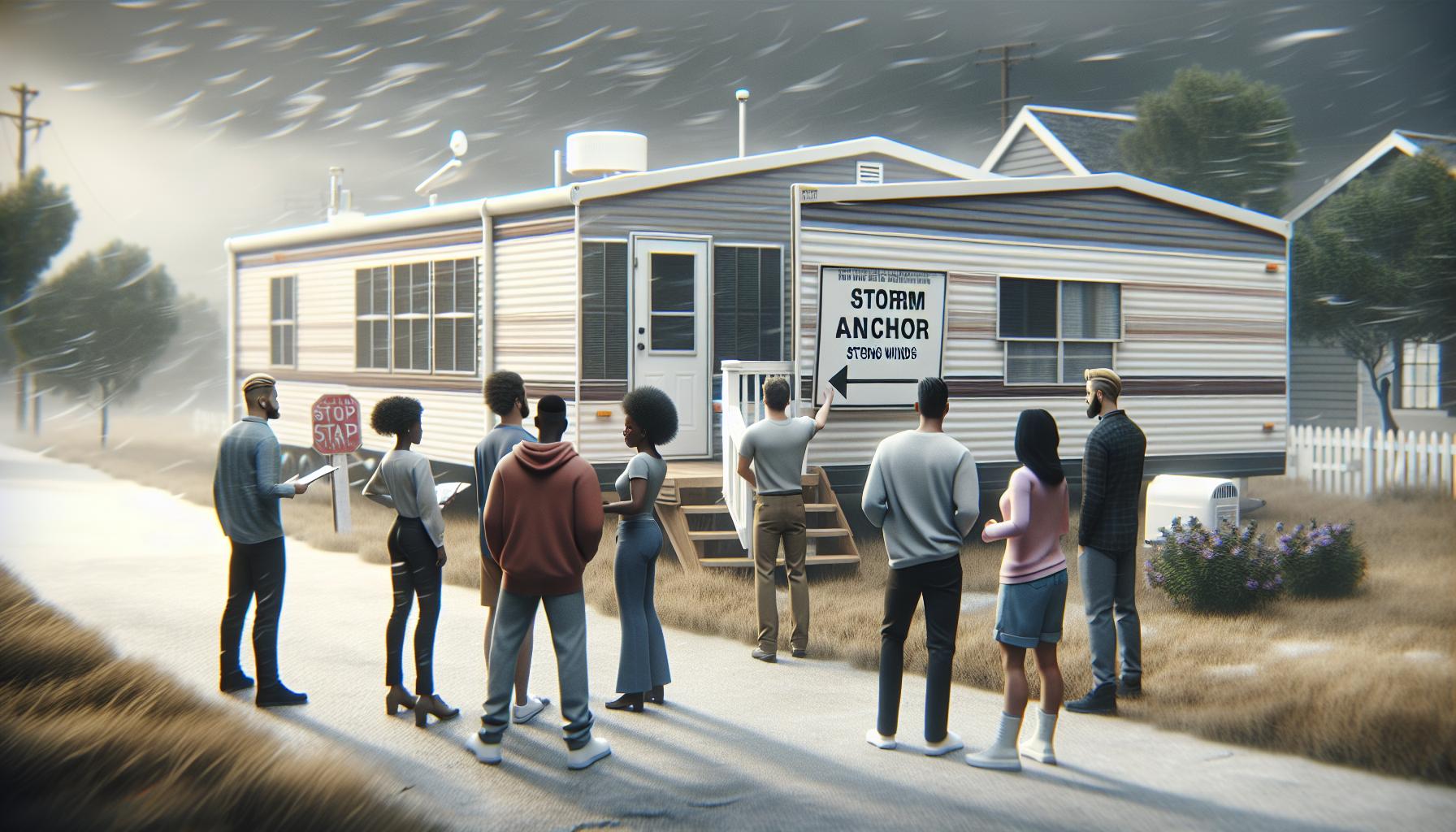
Understanding Wind Resilience in Trailer Homes
Understanding the resilience of trailer homes against strong winds is essential for ensuring safety and longevity. While these homes can provide affordable and flexible living options, they often face unique challenges when subjected to severe weather conditions. It’s crucial to recognize that wind resistance varies significantly between different styles and constructions of trailer homes. According to the Federal Emergency Management Agency (FEMA), some manufactured homes are designed to withstand wind speeds up to 100 mph if they adhere to specific building codes. However, many older models may not meet these standards, making it vital for current and prospective owners to understand their home’s wind resilience.
Several factors influence the wind resistance of a trailer home. Location plays a key role; homes situated in open areas are more susceptible to wind than those shielded by trees or other structures. Additionally, the home’s age and construction quality can greatly affect its stability. Modern homes are often built with higher wind load specifications, while older models might lack these critical features. The design of the roof, the weight of the structure, and even the foundation type can also impact how well a home can withstand strong winds.
To enhance the wind resistance of trailer homes, it’s beneficial to implement certain safety features. For instance, installing storm straps or tie-downs can help anchor the structure to the ground, significantly improving its stability during high winds. Regular maintenance is equally important; ensuring that the roof is in good condition, windows are properly sealed, and the exterior is secure can mitigate risks. By being aware of these factors and actively maintaining the integrity of your trailer home, you can create a safer living environment, better equipped to withstand the challenges posed by extreme weather conditions.
Factors That Affect Trailer Home Wind Resistance
While trailer homes offer an affordable and flexible living solution, their resilience to high winds is a critical aspect to consider. Understanding how different factors contribute to a trailer home’s wind resistance can help homeowners make informed decisions to enhance safety.
One of the most significant factors is the home’s location. Trailer homes positioned in open fields or elevated areas are more at risk than those nestled among trees or other shielding structures. Wind speeds can increase as they funnel through open landscapes, making it essential to assess the surrounding environment when planning to place a trailer home. Additionally, the age and construction quality of the home play pivotal roles. Modern manufactured and mobile homes are designed to meet current wind load standards, often rated to withstand winds of 100 mph or more, while older models may not have these capabilities.
Roof design is another critical element affecting wind resistance. A steeply pitched roof can handle wind better than a flat one, as it allows airflow to pass without creating significant uplift forces. Having a well-secured structure is also vital; trailer homes that lack proper foundation anchoring or corrosion-resistant materials are more vulnerable. The weight and materials used in construction can influence how well a trailer can withstand wind forces. For example, homes made from heavier materials may resist lifting or tipping better than lighter alternatives.
In addition to these factors, regular maintenance should not be overlooked. Ensuring that the exterior is secure, the roof is well-maintained, and windows are properly sealed can mitigate the risk of wind damage significantly. By considering all these aspects and proactively addressing potential vulnerabilities, trailer home owners can improve their homes’ resilience to strong winds, ensuring safety and longevity in adverse weather conditions.
How to Measure Your Trailer Home’s Wind Strength
Understanding the wind resistance of your trailer home is crucial, especially in areas prone to high winds or severe weather. The strength of your trailer against wind forces can be directly influenced by various factors, including its design, anchoring, and location. To quantify this resilience, you can employ several methods that will give you a clearer picture of your home’s wind strength.
To start, it’s essential to check the manufacturer’s specifications for your trailer home. Most modern trailers come with a rating for wind resistance, often reflecting their ability to withstand specific wind speeds. This information can usually be found in the owner’s manual or through the manufacturer’s website. If your model is older or lacks documentation, research similar models to gauge approximate wind resilience.
Next, you can conduct a practical test focusing on the anchoring system of your trailer. Ensuring that your home is securely anchored to its foundation is pivotal for withstanding wind forces. Inspect the tie-downs and anchors for signs of wear or damage. Additionally, consider the materials used in the construction of your trailer. Homes built with heavier materials typically fare better in high winds; weighing components can help assess overall strength.
Utilize Wind Measurement Tools
For a more hands-on approach, you can use basic wind measurement tools, such as an anemometer, which measures wind speed. Placing one outside your trailer during windy conditions will give you real-time data on wind speeds your home can potentially encounter. Furthermore, weather stations often incorporate wind metrics; subscribing to local weather updates can provide insights into how frequently your area experiences high winds and to what extent.
In addition, joining local community groups focused on trailer home living can offer valuable insights. Neighbors may share their experiences with wind resilience, including maintenance tips and techniques to enhance your home’s stability. By equipping yourself with knowledge and taking proactive measures, you’ll secure your trailer home against wind damage and promote a safer living environment.
Common Wind-Related Risks for Trailer Homes
It’s fascinating to consider that trailer homes, while often perceived as mobile and temporary, can face some of the most significant risks during severe weather events-particularly high winds. These homes, which are typically lighter and less robust than traditional houses, can be vulnerable to a variety of wind-related hazards. Understanding these risks is key to ensuring the safety and longevity of your trailer home.
One of the primary risks comes from wind sheer. This occurs when the wind speed increases rapidly with height, creating a force that can lift or shift the structure. As trailers are designed to be aerodynamic, they may not be as stable during severe gusts, leading to potential tipping or detachment from their anchors. Furthermore, flying debris during high winds can cause significant damage to the exterior of trailer homes. Items such as tree branches or bits of roofing can become dangerous projectiles, capable of puncturing walls or windows.
Beyond structural damage, high winds can cause utilities to malfunction. For example, power lines can be knocked down, leaving you without electricity. This loss can be particularly concerning if you rely on electric heat or cooling systems. Additionally, gas lines may be damaged, posing fire hazards. Ensuring your trailer home is equipped with both wind-resistant features and emergency systems can mitigate these risks. Regular maintenance checks on these systems-especially before storm season-should include inspecting the stability of tie-downs, the condition of external utilities, and the integrity of windows and doors.
To improve resilience against wind events, consider implementing several protection strategies. This might include reinforcing your trailer’s anchoring systems and ensuring that trees or large structures nearby are trimmed or removed to minimize the risk of falling debris. Additionally, installing storm shutters can provide an extra layer of defense for windows and doors, shielding your home from damaging winds and projectiles. By understanding these wind-related risks and taking proactive steps, you can ensure a safer and more secure living environment in your trailer home.
Building Codes and Wind Load Requirements
Understanding the intricacies of is crucial for trailer home residents, especially in areas prone to severe weather. These regulations are designed to ensure that structures can withstand the forces exerted by wind, safeguarding the occupants and the investment in their homes. Many states and local municipalities have adopted codes that dictate how trailers should be anchored and the materials used in their construction. This helps guarantee that homes are better equipped to handle extreme weather phenomena.
Importance of Wind Load Requirements
Wind load requirements are determined by several factors, including the geographic location, height of the trailer, and exposure category. These codes specify the amount of wind pressure that a structure must be able to resist. For trailer homes, which are generally more vulnerable due to their lighter weight and design, local codes might dictate additional measures, such as enhanced anchoring systems or specific materials that can help improve wind resistance. For instance, in hurricane-prone areas, manufacturers may recommend specific types of anchors or bracing to prepare for high-wind events.
Research Local Codes
It’s essential for trailer home owners to familiarize themselves with their local building codes. Here are some guidelines to help in this process:
- Contact Local Authorities: Reach out to your local building department to obtain the latest code specifications and wind load requirements specific to your area.
- Consult with Manufacturers: When purchasing a trailer, inquire about compliance with local codes and if the manufacturer provides documentation on wind resistance.
- Review Upgrades: If your trailer is older, consider retrofit options that align with current codes. This may include updating anchoring systems or reinforcing the structure.
By staying informed about building codes and implementing necessary improvements, trailer home residents can significantly enhance their wind resistance. This proactive approach not only protects your home but also fosters peace of mind during storm season, allowing you to enjoy the benefits of trailer living without undue concern. Emphasizing safety through adherence to these codes opens opportunities for longer-lasting and more secure housing solutions.
Safety Features to Enhance Trailer Stability
Understanding how to enhance the stability of trailer homes against wind forces is essential for residents, especially in regions frequently experiencing severe weather. While trailer homes are inherently different from traditional structures in terms of design and weight, there are several safety features and strategies that can significantly improve their resilience against high winds. Implementing these features not only ensures safety but also helps foster a sense of security during potentially dangerous weather events.
One effective method for enhancing stability is through the use of proper anchoring systems. These systems are designed to secure the home to the ground, greatly reducing the risk of being moved by wind. There are various anchoring options available, including ground stakes and concrete anchors. Most manufacturers recommend specific types of anchors suited to regional wind speeds; it’s crucial to follow these guidelines accurately. Additionally, ensuring that the anchors are installed by professionals can maximize their effectiveness, as proper installation techniques play a critical role in securing the trailer.
Another vital safety feature to consider is wind bracing. Bracing adds structural stability by reinforcing the frame of the trailer, helping it withstand lateral forces caused by wind. Options for wind bracing can include X-bracing or diagonal braces, which distribute force more evenly across the structure. Homeowners should consult with structural engineers or manufacturers to identify the most suitable bracing system for their specific trailer model and location.
Additionally, reinforcing doors and windows can play a pivotal role in maintaining integrity during wind events. Installing impact-resistant shutters or storm windows helps protect against flying debris, which is a significant hazard during storms. Ensuring that doors close securely and are equipped with sturdy locks can also aid in minimizing movement and potential gaps that could weaken the home’s defenses.
Lastly, regularly maintaining any safety feature is essential for long-term effectiveness. Homeowners should periodically inspect anchors, bracing systems, and weatherproofing elements to ensure they are in good condition and perform optimally. Keeping a maintenance schedule not only enhances stability but also gives residents peace of mind that their home is ready to face the elements.
By integrating these features, trailer homes can significantly enhance their wind stability, providing a safer living environment for residents while allowing for the enjoyment of the unique lifestyle that trailer living offers.
Emergency Preparedness for Wind Events
It’s astonishing to think that over 25% of tornado-related fatalities occur in mobile homes, highlighting the critical need for emergency preparedness among residents of trailer homes. When faced with the threat of severe wind events, it’s essential to have a well-thought-out plan that encompasses both immediate actions and long-term strategies to enhance safety and minimize risks.
One of the first steps in preparing for wind emergencies is to stay informed. Invest in a reliable weather radio or mobile alerts for real-time updates on approaching storms. Understanding local weather patterns and the potential for severe weather in your area can help in making timely decisions. Designate a safe place within your trailer, such as a small interior room without windows, to use during high winds. If you live in an area prone to tornadoes or hurricanes, consider having a plan in place to evacuate to a nearby storm shelter or to a sturdier structure.
Incorporating practical preparedness measures can significantly improve your safety. Assemble an emergency kit that includes essentials such as bottled water, non-perishable food, flashlights, a first aid kit, and any necessary medications. Make sure this kit is easily accessible and regularly updated. Also, ensure that your trailer’s insurance is up-to-date and covers wind damage specifically, as policies can vary widely in terms of coverage.
Regular maintenance and assessments are integral to ensuring your home can withstand high winds. Schedule periodic inspections to check the integrity of anchoring systems, weatherproofing, and other structural components. Engage with your neighbors and community to discuss best practices and preparedness strategies; collective efforts can enhance everyone’s safety and encourage a supportive environment.
Lastly, practice drills with family members to familiarize everyone with emergency procedures. Knowing what to do when a storm hits can significantly reduce panic and confusion during an actual event. By taking these proactive steps, trailer home residents can improve their resilience against wind events and foster a safer living environment.
Tips for Securing Your Trailer During Storms
When storms threaten, the vulnerability of trailer homes becomes a pressing concern for residents who need to ensure their safety. Properly securing your trailer is a crucial step to safeguarding both your home and your loved ones during severe weather events. Even well-built trailers can struggle against fierce winds, making it vital to adopt proactive measures to withstand potential damage.
One of the most effective ways to secure your trailer is with appropriate anchoring systems. Make sure that your trailer comes equipped with tie-downs that can be firmly anchored to the ground. Consider using devices like hurricane straps, which are designed to strengthen the connection between the trailer’s framework and the ground, minimizing the risk of overturning. If you have not installed these systems, consult with a professional who can guide you on the best anchoring methods suitable for your area’s wind conditions.
In addition to anchoring, it’s essential to clear the surrounding area of loose debris that could become dangerous projectiles in high winds. Regularly trim nearby trees and shrubs, especially those with weak branches that may break off during a storm. Keeping your yard tidy also enhances the overall safety of your trailer home. Furthermore, securing outdoor items, such as patio furniture and garden decorations, will help reduce potential risks-store smaller items indoors when storms are approaching or tie down larger pieces securely.
Lastly, maintain a routine of inspecting your trailer’s exterior and checking all seals and joints for damage or wear. If your trailer has any sliding windows, consider adding storm shutters or temporary covers to protect these fragile areas. Keeping these elements in check will help your home withstand wind forces effectively. Education and preparedness are key; understand the vulnerabilities of your trailer and take appropriate measures to secure it before the next storm strikes, enhancing your safety and peace of mind.
Wind Damage: Repairing and Mitigating Risks
When it comes to trailer homes, the risk of wind damage is a serious concern for many residents, especially in areas prone to severe weather. Understanding how to repair and mitigate these risks effectively can safeguard your home and peace of mind. Fortunately, many common sources of wind damage can be addressed with practical strategies and maintenance practices.
Firstly, regular inspections are crucial. Check your trailer’s exterior, focusing on the roof, windows, and doors for any signs of wear or damage. Look for loose panels, damaged seals, or gaps that could allow water to enter during heavy rain or strong winds. Addressing these minor issues promptly can help prevent more significant damage later. For example, re-caulking around windows and doors can prevent leaks, while securing loose panels can minimize the risk of them being torn off during high winds.
If your trailer does incur wind damage, assess the situation carefully. Common repairs may include replacing shingles on the roof or securing siding that has been pulled away. In more severe cases, the structural integrity of the trailer might be compromised. It’s advisable to consult with a professional to evaluate the damage and make necessary repairs. Investing in quality materials during repairs-like wind-resistant roof shingles or reinforced doors-will bolster your trailer’s ability to withstand future storms.
Preventive Measures
Preventing wind damage before it occurs is always the best strategy. Here are some actionable tips to keep your trailer safe:
- Secure Your Trailer: Use tie-downs and hurricane straps to anchor your trailer securely to the ground.
- Maintain the Surroundings: Regularly trim trees and bushes that could fall onto your trailer during a storm.
- Store Loose Items: Keep outdoor furniture and other potential projectiles secured indoors or firmly tied down.
- Upgrade to Wind-Resistant Features: Consider storm shutters or impact-resistant windows to enhance protection.
In addition, familiarize yourself with local building codes and regulations regarding areas prone to strong winds. These guidelines often provide valuable information on building materials and design features that can enhance the resilience of your trailer. Understanding and implementing these codes allows you to prepare your home better against wind-related risks.
Overall, proactive maintenance, quick repairs, and strategic planning can significantly reduce the risks and impacts of wind damage on trailer homes. Embracing the unique challenge of living in a trailer doesn’t have to come with constant worry; instead, it can be an empowering experience when armed with the right knowledge and resources.
Comparative Analysis of Mobile Home vs. Traditional Homes
Understanding the differences between mobile homes and traditional homes can significantly affect your decision-making when it comes to safety, especially regarding wind resistance. Mobile homes, designed for mobility, often utilize lighter materials compared to traditional homes, which can affect how they respond to wind forces. For instance, traditional homes typically feature a solid foundation and heavier construction materials which contribute to a higher resistance to wind. In contrast, while modern mobile homes have made strides in construction technology, their lightweight nature may lead them to experience more movement and stress from high winds, particularly if not properly anchored.
To explore the safety aspect further, it’s essential to consider how both types of homes are built. Mobile homes are often subject to different building codes that reflect their mobility and design, which can vary significantly based on location. These regulations dictate how well a home can withstand environmental factors, including wind. Newer mobile homes may come equipped with enhanced wind resistance features, such as reinforced frames and better anchoring systems, yet they still may not match the inherent structural robustness of traditional houses designed to handle severe weather conditions.
When thinking about the placement of a mobile home, it’s crucial to choose sites that avoid areas prone to strong gusts and consider local regulations about anchoring and wind resistance. Homeowners can further improve their mobile home’s stability by investing in additional safety features, such as hurricane straps, tie-downs, and wind-resistant upgrades. This proactive approach can help mitigate risks, making living in a mobile home a safer and more feasible option.
In summary, while both mobile and traditional homes have their unique advantages, understanding their differences in wind resistance can empower prospective homeowners to make informed choices about safety and maintenance. Adapting your mobile home properly for wind resilience not only enhances safety but also fosters a better living experience that embraces the flexibility and community-oriented lifestyle often associated with mobile home living.
Best Practices for Choosing a Safe Location
Choosing the right location for your trailer home can significantly enhance its resilience against wind and other environmental challenges. Ideal sites not only ensure safety during storms but also improve the overall living experience. When selecting a location, consider these key factors:
Elevation and Topography
Choosing a spot with natural elevation can be beneficial. High ground may provide better protection against floodwaters and consistently high winds. Additionally, avoid sites on flat plains where wind speed can increase due to a lack of surrounding structures or vegetation. Look for areas with some natural barriers, such as hills or dense tree lines, which can act as windbreaks.
Proximity to Water and Open Areas
Avoid locations that are too close to large bodies of water or open fields. While beautiful views are appealing, these areas can be more susceptible to strong gusts and storms. Additionally, monitor the guidance on flood zones and high-wind areas specific to your region, as they can impact insurance rates and safety protocols.
Community Regulations and Support
Familiarize yourself with local regulations concerning where you can place a trailer home. Some communities have specific zoning laws designed to enhance safety during adverse weather conditions. Joining a community can also provide a network for mutual support, maintenance help, and shared experiences regarding storm preparedness.
Securing Your Home
Once you’ve chosen an ideal location, it’s crucial to properly secure your trailer home. Invest in good anchoring systems that comply with local building codes to keep your home stable during harsh winds. Furthermore, consider enhancements like skirting, which can improve insulation and provide a sense of permanence.
By carefully evaluating these factors, you can select a location that not only minimizes wind-related risks but also fosters a comfortable and secure living environment. Empower yourself with knowledge and make informed choices to enjoy the benefits of trailer home living!
Resources and Tools for Trailer Home Safety
Being prepared for wind-related challenges can significantly enhance the safety and stability of your trailer home. There are numerous resources and tools available that can guide you through ensuring your home is resilient against strong winds. Implementing best practices and utilizing the right tools can make a world of difference when it comes to protecting your living space.
Safety Anchors and Tie-Downs
One of the primary tools for securing your trailer home is a high-quality anchoring and tie-down system. Investing in products that meet or exceed local building codes is crucial. These systems typically include anchors that are driven into the ground, stabilizing your trailer against lateral forces from high winds. Be sure to check local regulations for specific requirements as these rules are designed to enhance safety and resilience.
Weather-Resistant Skirting
Consider adding weather-resistant skirting around the base of your trailer. Not only does this provide better insulation and a finished look, but it also protects your home from wind and debris. Quality materials that can withstand harsh conditions will provide additional stability by helping to keep wind from getting underneath the trailer.
Monitoring Tools
Keeping track of weather conditions is key to ensuring your safety during storm events. Many weather apps and websites provide real-time updates on wind speeds, storm warnings, and other critical information. Devices like wind speed indicators can also assist you in monitoring local weather in real-time, guiding your decisions on when to take protective measures or evacuate if necessary.
Emergency Preparedness Kits
Having an emergency preparedness kit on hand is vital. This kit should include items such as flashlights, batteries, water, non-perishable food, a first-aid kit, and a battery-operated radio. Being equipped to handle power outages or emergencies caused by wind damage minimizes risks and ensures you have what you need in a potential crisis.
Utilizing these resources and tools can empower you to take actionable steps in securing your trailer home against wind threats. With proper preparedness and ongoing maintenance, trailer living can be both comfortable and safe, allowing you to fully enjoy the benefits of this housing choice.
Final Thoughts
Understanding how much wind a trailer home can withstand is crucial for your safety and comfort. Remember, securing your home against strong winds is not just about knowing the limits; it’s about proactive maintenance and preparation. If you have further questions about wind resistance, check out our detailed guides on trailer home maintenance and safety tips, which provide essential information to help you protect your investment.
Don’t wait for stormy weather to take action! Explore our resources on purchasing tips and trailer customization to ensure your home is not only secure but also tailored to your needs. If you found this information helpful, consider signing up for our newsletter for more insights into trailer living and maintenance. Share your thoughts or experiences in the comments, and keep exploring our site for more on making mobile home living safe and enjoyable!