When considering alternative living options on the road, understanding the difference between park models and travel trailers is crucial. Park model RVs are designed for extended stays in one location, offering a more spacious and home-like environment, while travel trailers prioritize mobility and versatility for spontaneous adventures. Whether you’re seeking a cozy retreat or planning a mobile lifestyle, knowing these distinctions can help you make informed decisions that align with your lifestyle and needs. Dive into our exploration of the key differences that set these two types of recreational vehicles apart and discover which option might be the best fit for you.
Understanding Park Models vs. Travel Trailers: The Basics
When it comes to choosing between park models and travel trailers, understanding the fundamental differences can significantly influence your living experience and lifestyle. Park model RVs, often described as recreational park trailers, are designed for long-term living and offer a spacious environment akin to a conventional home while remaining portable. Typically, they are set in one location for prolonged periods, making them great for seasonal use in campgrounds or recreational communities. In contrast, travel trailers are built for mobility, allowing for easy transportation from one location to another. They provide flexibility for those who enjoy the freedom of traveling while still having the comforts of home.
One of the most notable distinctions lies in size and insulation capabilities. Park models are generally larger, often exceeding 400 square feet, which accommodates a more extensive layout with full bathrooms, kitchens, and multiple rooms. On the other hand, travel trailers range widely in size but usually feature a compact layout designed for versatile living on the go. The construction quality between the two also varies; park models are constructed more like traditional homes with sturdier materials, making them well-suited for longer-term stays. Travel trailers, due to their lightweight design, prioritize ease of towing and fuel efficiency, which can influence durability.
For many potential homeowners or renters, the intended use of the unit plays a critical role in the decision-making process. If your lifestyle is centered around a specific location-like a vacation spot or a seasonal retreat-investing in a park model may be more advantageous. Conversely, those who value the ability to relocate frequently or explore new areas with ease might find that a travel trailer aligns better with their needs. Understanding these characteristics ensures that you choose the option that best suits your lifestyle, budget, and future plans.
Key Features of Park Models That Stand Out
The charm of park models lies in their spaciousness and the comfort they provide, making them an increasingly popular choice for those seeking a long-term alternative to traditional homes or travel trailers. Park models typically exceed 400 square feet, offering expansive layouts that can include multiple rooms, full kitchens, and generous bathrooms. This extra space allows for a cozy, more residential feel compared to the compact designs often found in travel trailers, which are optimized for mobility rather than roominess.
Design and Amenities
One of the standout features of park models is their ability to mimic a traditional home environment. Many models come equipped with high-end amenities such as larger appliances, spacious living areas, and sometimes even features like porches or decks. This makes them ideal for extended stays in seasonal locations or RV parks where you may want to enjoy a more permanent setup. Home-like comforts, such as full-sized washrooms and efficient kitchens, facilitate cooking and entertaining, so you can truly relax and enjoy your surroundings.
Energy Efficiency and Insulation
Park models are built with better insulation than most travel trailers, which means they can be energy efficient in varying climates. The construction often includes materials that are more durable and effective at maintaining internal temperatures, giving you greater comfort throughout the seasons. Better insulation not only enhances energy efficiency, but it can also lead to lower heating and cooling costs over time, a key consideration for anyone looking to manage living expenses effectively.

Using a park model can create a sense of community, especially within campgrounds or RV parks, where you can meet like-minded individuals who also favor this lifestyle. By investing in a park model, you are not just purchasing a space; you’re also embracing a lifestyle that values community, comfort, and long-term living. Whether for seasonal use or as a primary residence, their attributes make park models a compelling choice for many seeking an accessible yet enriching housing option.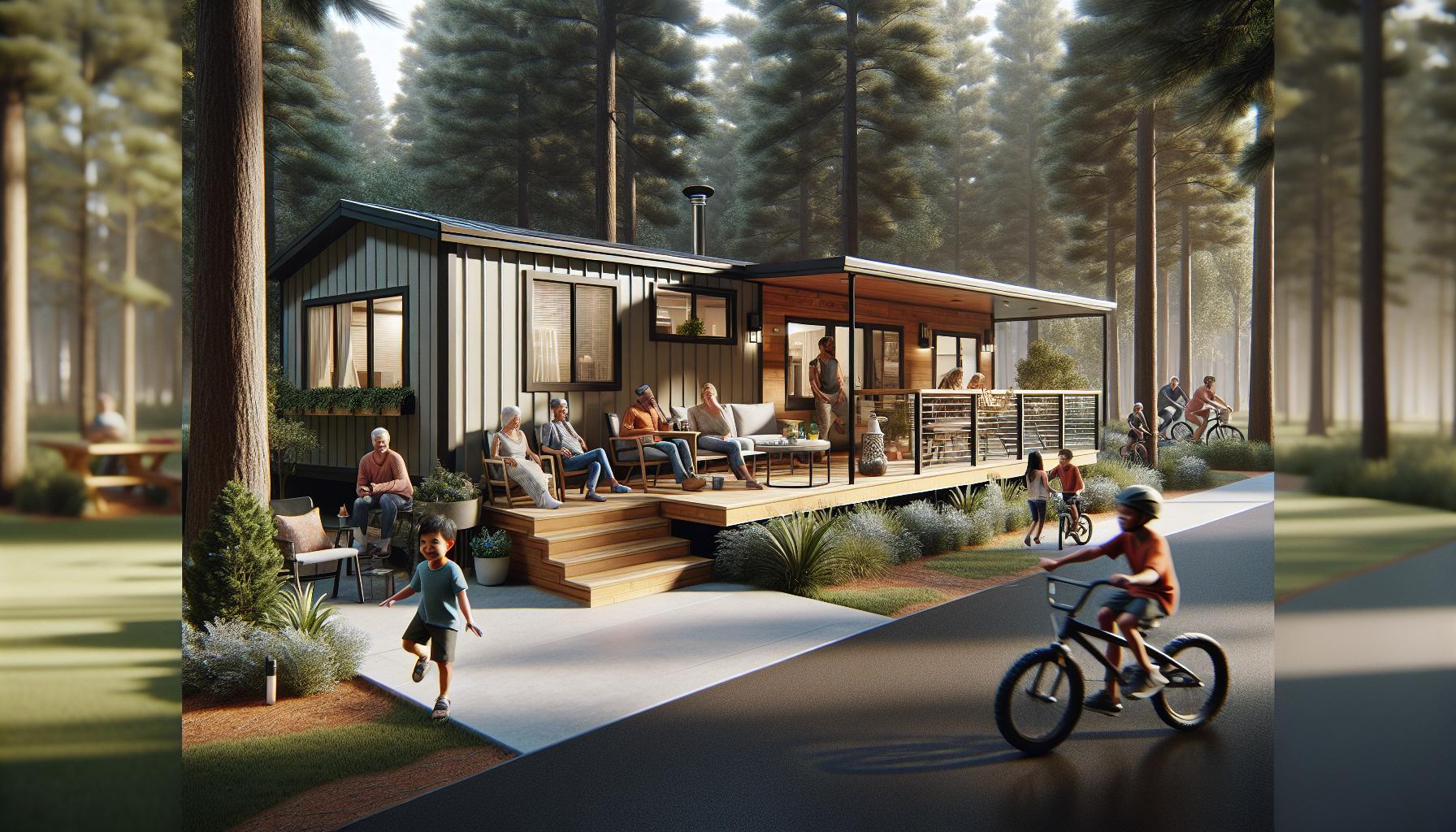
Essential Characteristics of Travel Trailers
Travel trailers are designed with mobility in mind, making them a popular choice for adventurers seeking the freedom to explore. These compact living spaces usually range from 12 to 33 feet in length, providing a versatile option for families or individuals on the go. Unlike their park model counterparts, travel trailers can be easily towed by a variety of vehicles, offering the flexibility to change locations from one campsite to another with minimal effort.
Key Features and Design
Travel trailers are equipped with essential amenities to ensure comfort while on the road. Although they may not provide the same spaciousness typical of park models, many modern trailers boast inventive designs that maximize available space. Features such as fold-out couches, convertible dinettes, and slide-out extensions create a more open feel. Most travel trailers also come complete with compact kitchens, full bathrooms, and storage solutions to keep belongings organized, making them suitable for both short trips and longer excursions.
Durability and Construction
Typically constructed with lighter materials than park models, travel trailers emphasize weight efficiency to facilitate towing. This often translates to a trade-off in durability; however, advancements in technology and engineering have significantly improved their structural integrity. Many travel trailers utilize materials such as aluminum and fiberglass, which not only enhance longevity but also contribute to fuel efficiency while traveling.
Usage and Suitability
Choosing a travel trailer can be an excellent option for those who love the idea of hitting the road. They are often favored for weekend getaways, holidays, and camping trips, where owners can embrace the outdoors without sacrificing the comforts of home. For families, travel trailers present a way to bond over road trips and create memorable experiences together. As your travel needs evolve, there are often options available, from oversized models perfect for family trips to smaller, lightweight units that make solo adventures a breeze.
Overall, understanding the characteristics of travel trailers can guide potential buyers in selecting the best option for their lifestyle. For those who prioritize mobility and adventurous living, a travel trailer can offer the ultimate freedom without compromising on the essentials of home.
Comparing Size and Space: Park Model vs. Travel Trailer
When considering the choices between park models and travel trailers, one of the most significant factors is size and space. Park models are specifically designed to maximize livability and comfort, typically exceeding 400 square feet, offering more room than traditional RVs. These models often come equipped with full-size appliances, larger bathrooms, and generous storage options that make them feel like a home away from home. With expansive layouts that may even include porches or decks, park models can accommodate larger families or those looking for a more permanent seasonal residence.
In contrast, travel trailers are known for their compact design, usually ranging from 12 to 33 feet in length, which makes them easier to tow and maneuver. These smaller dimensions do not mean sacrificing comfort; many modern travel trailers utilize smart interior designs, such as folding furniture and slide-outs, to make efficient use of space without compromising on essentials. Although they may not provide as much living area as park models, travel trailers can still comfortably house families for weekend trips or extended travels on the road.
Practical Considerations for Space
Choosing between a park model and a travel trailer often comes down to lifestyle and usage. If you plan to stay at a single location, such as a seasonal site, a park model’s spacious layout typically offers a homier feel with designated living areas, sleep spaces, and even the option for outdoor living. On the other hand, if flexibility and mobility are your top priorities, a travel trailer’s compact nature could be better suited for spontaneous journeys, allowing you to explore various destinations without the commitment to a single site.
To sum it up, the choice between park models and travel trailers hinges on how you envision using your mobile living space. If ample space and comfort are your goals, park models stand out as the ideal option. However, for those who prioritize the thrill of travel and changing surroundings, travel trailers offer an excellent balance of size and mobility. Understanding these differences can help guide your decision, ensuring your choice aligns perfectly with your lifestyle.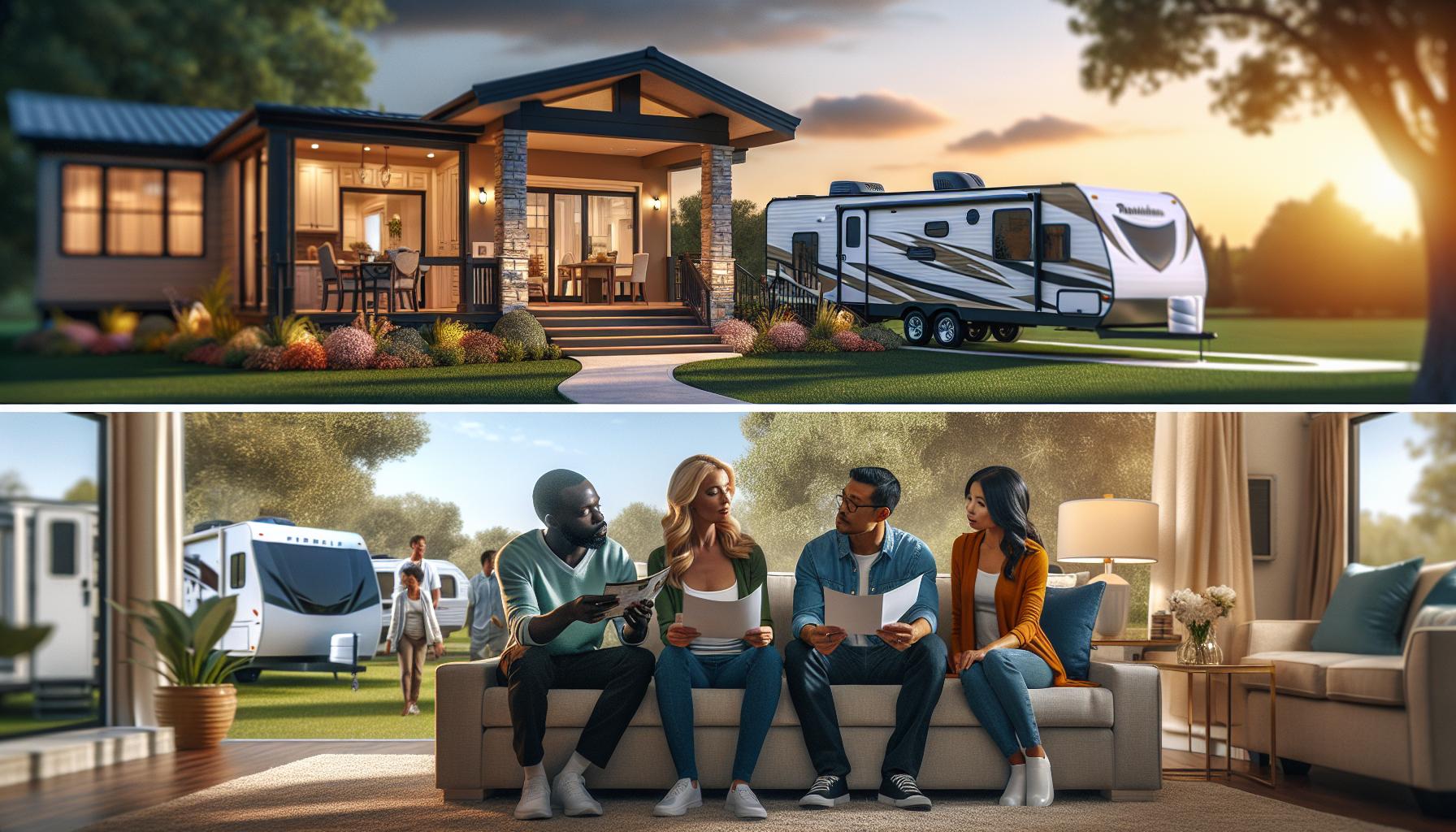
Construction Differences: Building Quality Insights
The construction quality of park models and travel trailers varies significantly, reflecting their intended use and the lifestyles they support. Park models are built with a focus on long-term habitation, typically constructed on a permanent chassis. This means they are designed for stability and durability, allowing for a more robust construction. Many park models are often built with features akin to traditional homes, including higher-quality insulation, thicker walls, and double-pane windows. These enhancements not only improve energy efficiency but also contribute to a more comfortable living environment, especially in varying weather conditions.
In contrast, travel trailers are designed for greater mobility, which influences their construction methodology. They generally utilize lightweight materials that prioritize portability, making it easier to tow them from one location to another. While many travel trailers are still well-made, their construction often includes materials like aluminum or fiberglass, which helps reduce overall weight without sacrificing essential durability. However, this design can sometimes lead to thinner walls and less insulation, which may affect year-round livability in extreme climates.
When it comes to maintaining these structures, understanding their construction can aid in identifying key areas for care. For instance, park model owners may focus on roof inspections and enhancing insulation over less frequent repairs, while travel trailer owners may need to monitor for issues related to the chassis and towing components. Being informed about the specific construction intricacies also aids potential buyers in making an informed choice based on their lifestyle needs, whether it’s for seasonal living or frequent travel.
In summary, the foundational differences in construction quality and materials between park models and travel trailers cater to their unique functions. Whether you seek the comfort and permanence of a park model or the mobility of a travel trailer, understanding these distinctions will ensure you select the option best suited to your needs.
Usage Scenarios: When to Choose Each Option
Choosing between a park model and a travel trailer often depends on your lifestyle, needs, and how you intend to use the accommodation. Both options provide unique advantages aimed at different living scenarios, making it essential to understand when one may be more suitable than the other.
If you’re looking for a home base that combines comfort with a sense of permanence, a park model is an excellent choice. These structures are designed for long-term occupancy and are often situated in seasonal communities or RV parks. They typically feature larger living spaces, full kitchens, and comfortable amenities that make them feel more like a traditional home. If you plan to spend extended periods in one location, such as at a lakeside or mountain retreat, a park model allows you to settle in without the hassle of moving. Consider a park model if you enjoy a stationary lifestyle where you can personalize your space with landscaping and outdoor furnishings.
Conversely, travel trailers cater to those with an adventurous spirit who seek mobility and flexibility. They are perfect for individuals or families who love to explore and travel frequently. With a travel trailer, you can pack up and hit the road at a moment’s notice. If weekend getaways or cross-country trips are on your agenda, a travel trailer provides the convenience of home wherever you go. This option is particularly appealing for vacationers who want to discover new places and experiences without the commitment of a permanent location.
Additionally, consider your budget and intended use when making a choice. Park models can vary significantly in price, often reflecting their home-like quality and permanent features, while travel trailers can be found at a wider range of prices, making them more accessible for those with a tighter budget. Both options offer unique customization possibilities, allowing you to design your space according to your personal taste, whether through interior decor in a park model or exterior additions to a travel trailer.
Ultimately, whether you choose a park model or a travel trailer should align with how you envision your lifestyle, your travel habits, and your budget. Understanding these usage scenarios can empower you to make an informed decision, ensuring your home on wheels (or wheels) truly fits your life.
Cost Considerations: Budgeting for Your Home
When weighing the cost of a park model versus a travel trailer, it’s essential to recognize the significant differences in both initial investment and ongoing expenses. Park models tend to be more akin to traditional homes, with prices typically ranging from $30,000 to $100,000 or more, depending on size and custom features. This upfront cost reflects their built-in amenities, which often include full kitchens, spacious living areas, and, in many cases, higher-quality construction materials. Consequently, if you envision using the space as a seasonal or long-term residence, the investment in a park model can feel justified by the comfort and homelike features it provides.
On the other hand, travel trailers offer a different financial landscape. Prices can start as low as $10,000 for basic models and rise significantly with size and luxury features, reaching $60,000 or more for high-end options. The affordability of travel trailers makes them attractive for those with tighter budgets or those looking for greater flexibility in spending. Additionally, they tend to have lower maintenance costs due to the ease of transport and their often simpler designs. However, keep in mind that you may incur additional expenses for upkeep of the trailer, such as tire replacement and potential frame repairs, especially if you frequently hit the road.
Financing options also vary between the two. Many buyers of park models finance their homes similarly to traditional mortgages, allowing for longer repayment periods and potentially lower monthly payments. Travel trailers, being classified more often as recreational vehicles, might necessitate different financing options, such as RV loans, which can come with varying terms and interest rates. It’s advisable to shop around for the best financing options to suit your budget.
Ultimately, budgeting for your new home should include not only the initial purchase price but also the long-term expenses associated with ownership. Consideration of factors such as insurance, site rental fees for park models, and varying maintenance needs will contribute to a more accurate understanding of the total investment required for either option. By doing thorough research and planning, you can select the housing solution that aligns best with both your lifestyle and financial situation.
Mobility Factors: Travel Trailers vs. Stationary Park Models
When choosing between a travel trailer and a park model, mobility is a central consideration that can significantly influence your choice. Travel trailers are designed with portability in mind, making them ideal for adventurous souls who enjoy exploring different locations. With the right vehicle, you can easily hitch up a travel trailer and venture from one campsite to another, embracing the spontaneity of travel while still enjoying the comforts of home. Many travelers appreciate this flexibility, allowing them to visit national parks, local attractions, and even family gatherings without being tied down to a single location.
In contrast, park models are more stationary, intended for long-term placement in a campground, resort, or designated area. They often resemble traditional homes more than trailers and typically include full amenities such as kitchens, bathrooms, and living spaces. Because of their design, moving a park model requires more effort, as they need to be transported by specialized equipment. This makes them a better choice for those who prefer a settled lifestyle, whether for seasonal use or as a permanent residence.
Practical Considerations for Mobility
When evaluating mobility, think about your lifestyle preferences and travel habits. Here are some aspects to consider:
- Travel Frequency: If you find yourself wanting to change locations often, a travel trailer is suitable for frequent journeys.
- Setup Time: Park models may require more time and effort to set up, with some situating the unit on a foundation or making permanent connections to utilities.
- Driving Capability: Travel trailers come in varied sizes and weights, so ensure your vehicle is compatible. Conversely, park models are heavy and need to be transported using professional services.
Ultimately, the decision should align with your lifestyle goals. Whether you prefer the freedom to roam or the comfort of a stationary retreat, understanding these mobility factors will help steer you toward the ideal choice for your needs.
Regulations and Requirements: Licensing and Zoning
Navigating the regulations and requirements surrounding park models and travel trailers can feel overwhelming, but understanding them is crucial for anyone considering alternative housing options. Both types of living arrangements often necessitate compliance with local zoning laws, licensing requirements, and specific regulations that can vary significantly by state or municipality. For instance, park models, which are typically larger and more like a traditional home, may face stricter building codes and zoning limitations compared to more mobile travel trailers.
In most areas, park models are subject to regulations that govern mobile home parks and RV communities. These regulations can dictate location, age restrictions, and the types of modifications allowed. Moreover, if you choose to place a park model on private land, you may need to obtain special zoning permits that allow for permanent or long-term occupancy. It’s vital to consult your local planning department to clarify what is permissible in your area before making any commitments.
Travel trailers present a different compliance landscape. These units may not require the same level of licensing as park models, primarily because they are intended for temporary use and mobility. However, states often have specific laws regarding the registration of travel trailers, which usually involves obtaining a title and license plates, much like any vehicle. Furthermore, it’s essential to check regulations pertaining to overnight or long-term parking at RV resorts or campgrounds, as some locations impose limits on the length of stay to ensure turnover.
In summary, understanding the regulations governing both park models and travel trailers is essential for ensuring a smooth transition into alternative housing. Engaging with local authorities and doing thorough research can help you navigate these requirements effectively, making the experience of embracing this lifestyle both enjoyable and legally compliant. Whether you lean towards the stability of a park model or the freedom of a travel trailer, being informed will empower you to make the best decision for your living situation.
Customization Options: Making Your Space Unique
Making your space truly your own in a park model or travel trailer is one of the most rewarding aspects of this lifestyle. Whether you’re creating a cozy retreat or a mobile home that reflects your personality, customization options abound. The beauty of both park models and travel trailers lies in their flexibility; you can transform them into a unique oasis that meets your needs and preferences. From thoughtful decor choices to functional enhancements, your ability to personalize these spaces can significantly enhance your living experience.
Decor and Aesthetic Enhancements
One of the simplest ways to inject personality into your home is through decor. You can start by choosing a cohesive color scheme that resonates with you-consider using paint, removable wallpaper, or even decals to give your space a fresh look. Adding accents like throw pillows, rugs, and wall art can create a warm and inviting atmosphere. Additionally, incorporating meaningful items such as family photos, travel souvenirs, or handmade crafts can make your space feel truly yours.
Functional Customizations
Beyond aesthetics, think about how you can customize your layout for improved functionality. In park models, which often boast larger floor plans, you might replace standard furniture with pieces that serve multiple purposes, such as a sofa bed or a table that doubles as a workspace. In travel trailers, maximizing storage is key; consider adding shelving units or using under-bed storage solutions to keep belongings organized and accessible.
Outdoor Spaces
If your park model is situated in a community or on private land, don’t forget about the outdoor area. Building a deck or patio can extend your living space and provide a perfect place for entertaining or relaxing in nature. Add outdoor furniture, potted plants, or decorative lighting to create a welcoming environment. For travel trailers, incorporating an awning or a foldable outdoor setup can enhance your camping experience, giving you a perfect transition between nature and home.
Step-by-Step Customization Ideas
For those looking to dive into DIY projects, here’s a simple, effective idea:
- Choose Your Color Palette: Select a primary color and two accent colors.
- Incorporate Removable Wallpaper: Apply it to one wall to create a feature area without permanence.
- Upgrade Lighting: Swap standard fixtures for decorative lanterns or modern pendant lights for added flair.
- Create Vertical Storage: Install floating shelves or pegboards in areas like the kitchen or living space to keep essentials within reach.
By exploring these customization options and projects, you can elevate your park model or travel trailer into a space that confidently reflects your taste and lifestyle. Whether it’s through soft furnishings, functional furniture, or outdoor enhancements, there’s ample opportunity to make your new home uniquely yours, creating a lifestyle that feels distinctly comfortable and welcoming.
Maintenance Needs: Care for Park Models and Travel Trailers
Maintaining a park model or travel trailer is essential for ensuring a comfortable and enjoyable living experience. While both options offer unique benefits, the maintenance needs can differ significantly due to their design and intended use. Regular upkeep not only enhances your living environment but also extends the life of your investment. Here’s how to approach maintenance for each type of home effectively.
For park models, which are often more stationary, it’s critical to pay attention to the foundation and undercarriage. Regularly check for moisture issues and ensure that the area around the home is well-drained to prevent water damage. Additionally, inspect the exterior siding, roof, and windows for wear, and consider re-sealing them if you notice any gaps or damage. Cleaning gutters and downspouts regularly will prevent clogs and potential flooding. A professional inspection every few years can help identify potential issues before they turn into costly repairs.
Travel trailers, on the other hand, require a different maintenance approach due to their mobility. After each trip, it’s vital to conduct a thorough inspection of tires, brakes, and lighting systems to ensure safe travels on the road. Regularly check the seals and weather stripping around windows and doors to prevent leaks. Inside, cleaning the water system and water heater, as well as inspecting the propane system for leaks, are essential for safety and functionality. To keep the interior fresh, regular cleaning and replacing air filters will help maintain air quality.
Essential Maintenance Tasks
To keep your park model or travel trailer in top shape, consider implementing the following tasks:
- Exterior Cleaning: Wash the outer surfaces with a gentle detergent at least twice a year to prevent mold and mildew.
- Roof Maintenance: Inspect and maintain the roof regularly, applying a protective seal if necessary to extend its life.
- System Checks: Regularly check the plumbing, electrical systems, and appliances for signs of wear or leakage.
- Seasonal Preparation: Winterize your water systems in the colder months and ensure your air conditioning is serviced before summer.
Taking the time to address these maintenance needs will ensure that your park model or travel trailer remains a safe, comfortable, and inviting place to live. By establishing a regular maintenance schedule, you’ll not only extend the life of your home but also protect your investment for years to come.
Resale Value: Investment Considerations for Both Types
The resale value of your home, whether a park model or a travel trailer, significantly depends on several factors including condition, location, and market demand. Generally, park models tend to retain their value better than travel trailers due to their more permanent nature. These homes, often situated in desirable locations, attract buyers looking for seasonal residences or long-term living solutions, thereby enhancing their marketability.
There are key aspects to consider when evaluating resale value. For park models, the quality of construction plays a crucial role; well-built models with high-quality materials will appeal to potential buyers. Features such as adequate insulation, modern décor, and functional layouts can also enhance appeal. Additionally, the community surrounding the park model, including amenities and proximity to attractions, can significantly influence its resale price. Buyers often seek out park models in established communities that offer recreational activities, social opportunities, and other conveniences.
In contrast, travel trailers may experience more fluctuations in value, heavily influenced by the shift in preferences for mobile versus stationary living. Their condition post-use can be a major factor; well-maintained trailers with thorough service history will fetch higher prices compared to those showing wear and tear. The market for travel trailers can be more transient, appealing to a different demographic, such as campers and road adventurers, which can affect long-term investment potential.
While both types offer unique benefits and potential returns on investment, understanding the specifics of the market related to each can help you make informed decisions. Factors that can aid in preserving and increasing value include consistent maintenance, making smart renovations, and keeping abreast of changing market trends. The key is to invest wisely, recognizing that the distinctive characteristics of each type can play a significant role in the overall investment journey.
The Conclusion
Understanding the distinctions between park models and travel trailers is crucial for making informed housing decisions. Both options offer unique advantages, but knowing which best suits your lifestyle can significantly enhance your living experience. If you have more questions or need assistance exploring financing options, be sure to check out our guides on mobile home financing basics and essential maintenance tips.
Act now-don’t miss out on the insights that can help you maximize your investment in mobile living spaces! Join our newsletter for the latest updates on mobile home living, and feel free to leave a comment below with your thoughts or questions. Your insights matter, and they’re a great way to engage with our community. Together, let’s navigate the exciting world of alternative housing!