When considering alternative housing options, trailer homes present a unique blend of affordability and mobility. Understanding what these homes are made of is crucial for prospective buyers and current owners alike, as the materials used can greatly impact durability, maintenance, and overall quality of living. In this guide, we’ll delve into the essential components of trailer homes, from the foundation and framing to the interior finishes, helping you make informed decisions about your living space. Whether you’re looking to purchase, upgrade, or simply understand your home better, this exploration will uncover valuable insights that empower you as a homeowner. Stay with us to discover how every choice in materials can lead to a better quality of life in your trailer home.
Materials Used in Trailer Home Construction
When considering the construction of trailer homes, several materials come into play, each offering distinct advantages and properties that cater to both comfort and durability. The primary materials utilized fall into several categories: structural components, insulation, exterior cladding, and interior finishes. Understanding these materials can greatly enhance your appreciation of trailer home living and help you make informed decisions whether you’re purchasing, maintaining, or renovating.
The structural framework of most trailer homes consists of a steel chassis, which provides exceptional strength and durability. This is typically paired with a wood and metal framework, which supports the walls and roof, ensuring stability while accommodating movement during transport. Plywood is commonly used for walls and subfloors due to its light weight and resilience, while metal accents may be employed for added support in high-stress areas. The combination of these materials supports a robust yet transportable design that adheres to safety standards.
For exterior materials, options can range from vinyl siding and aluminum to more traditional materials like wood, which offers a classic aesthetic but requires more maintenance. Vinyl and aluminum are popular choices due to their low upkeep and resistance to the elements. Each exterior material not only serves a functional purpose but also significantly impacts the overall energy efficiency and insulation of the home.
Insulation plays a vital role in maintaining a comfortable interior environment. Common materials include fiberglass and foam board, which help to regulate temperature and reduce energy costs. The effectiveness of insulation can greatly influence the quality of living within a trailer home, making it crucial to pay attention to insulation type and installation during construction.
Ultimately, the choice of materials in trailer home construction affects not only the day-to-day living experience but also the longevity of the home. Investing in quality materials leads to fewer repairs down the line and supports a more sustainable lifestyle. Understanding these components allows current and prospective trailer home owners to enhance their living conditions while enjoying the unique benefits that alternative housing provides.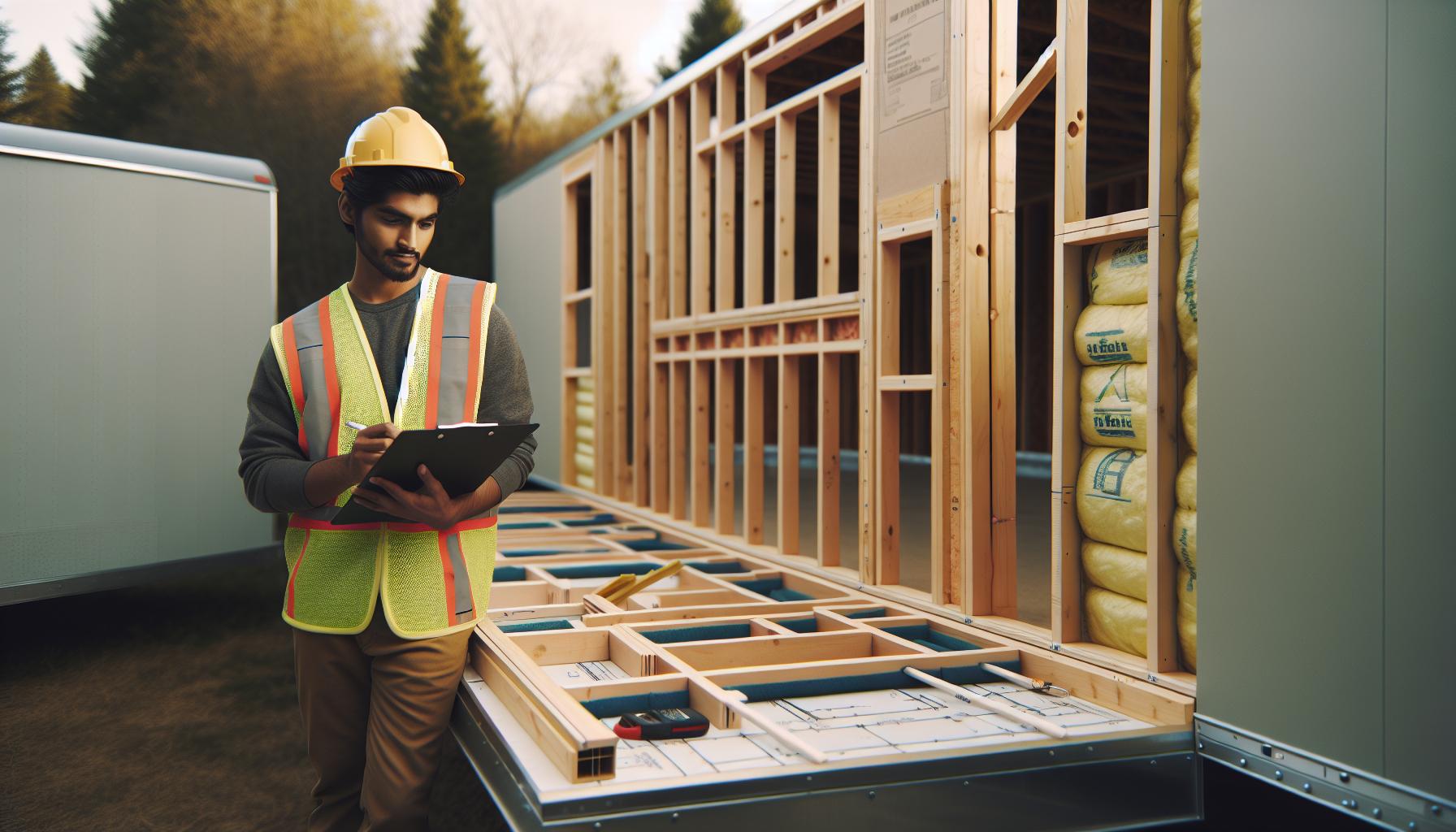
Understanding Structural Components of Trailer Homes
The design of trailer homes hinges on a well-thought-out structural framework, crucial for durability and safety. At the heart of this framework is a robust steel chassis, which serves as the foundation that supports not only the weight of the home but also absorbs any stresses from movement during transport. This chassis is often complemented by a combination of wooden and metal framing that vertically supports walls and the roof. This blend not only ensures stability but also allows for flexibility, making trailer homes capable of enduring the rigors of being moved from one location to another.
One of the most utilized materials in trailer construction is plywood, renowned for its lightweight yet resilient properties. It is commonly employed for walls, subfloors, and other load-bearing applications. Plywood’s strength-to-weight ratio is particularly advantageous as it provides necessary rigidity without adding excessive weight, which is critical in a mobile home. Meanwhile, metal reinforcements can be found in high-stress areas, such as corners and joints, further enhancing the structural integrity.
Moreover, understanding the significance of these structural components extends beyond just the materials used; it also includes how they interact with each other to form a cohesive living space. A well-designed trailer home will have a carefully considered layout that respects the balance between open space and compartmentalization, ensuring that every square foot is utilized effectively. During the selection process or renovation of a trailer home, it’s essential to consider not just the quality of materials, but how those materials contribute to the overall strength, comfort, and longevity of the living environment.
When choosing a trailer home or considering renovations, examining the quality of structural components can provide insight into the future maintenance needs and overall lifespan of your investment. By familiarizing yourself with these elements, you’ll be better positioned to make choices that enhance your living experience and protect your asset over time.
Common Exterior Materials and Their Benefits
The exterior materials used in trailer homes are more than just aesthetic choices; they play crucial roles in insulation, protection, and overall durability. A well-chosen exterior can greatly enhance the efficiency, comfort, and lifespan of your living space. Trailers often utilize a variety of materials that combine functionality with style, allowing homeowners to customize their properties while ensuring they remain resilient against the elements.
Common Exterior Materials
- Vinyl Siding: This lightweight and low-maintenance option is popular due to its resistance to rot, fade, and pests. Available in a wide array of colors and textures, vinyl siding can mimic the look of wood without the upkeep. This material can be easily washed and doesn’t require painting, making it ideal for busy individuals.
- Metal Siding: Often made from aluminum or steel, metal siding is renowned for its durability and weather resistance. Its reflective qualities help keep interiors cool in summer, while its tough exterior stands up well against hail and wind. Maintenance typically involves periodic inspections and cleaning to prevent corrosion.
- Wood Siding: Offering classic charm, wood siding is still a favorite among many trailer homeowners. While it requires more maintenance-including regular painting or staining-to protect against moisture and pests, its natural aesthetics provide warmth and character to any home.
- Fiberglass Composite: This modern material combines durability and energy efficiency. It’s resistant to rot and insects while offering superior insulation properties, making fiberglass composite an excellent choice for those living in extreme climates.
- Stucco: Though not as common, stucco provides a unique aesthetic and great insulation properties. Its thick, textured surface can deter pests while offering a contemporary look. Proper installation and maintenance are essential to ensure longevity.
Each of these materials has its own set of advantages, making it crucial to align your choice with the specific climate and environment you’ll be living in. For instance, metal siding may be better suited for areas prone to severe weather, while vinyl or wood might be perfect for temperate climates requiring less protection. Additionally, consider maintenance commitments, energy efficiency, and insulation properties when making your selection. This approach not only enhances the practicality of your trailer home but also contributes to making it a welcoming and enjoyable space to live in.
The Role of Insulation in Trailer Homes
Effective insulation is vital in trailer homes, playing a crucial role in both energy efficiency and occupant comfort. Unlike traditional houses, trailer homes often have unique challenges when it comes to maintaining a stable indoor climate. Proper insulation helps mitigate heat loss during the winter and keeps interiors cool in the summer, which is essential for a comfortable living environment.
There are several materials typically used for insulation in trailer homes, including fiberglass batts, spray foam, and rigid foam boards. Each option has its advantages and can cater to different needs and budgets:
- Fiberglass Batts: This is one of the most commonly used insulation materials due to its affordability and availability. It can be installed between the studs and joists in walls, floors, and ceilings. However, homeowners should ensure that it is installed correctly to avoid moisture issues that can lead to mold.
- Spray Foam Insulation: Known for its superior insulating properties, spray foam expands upon application to fill gaps and cracks that traditional materials may miss. This not only provides excellent thermal resistance but also acts as a vapor barrier, making it a smart choice for areas prone to moisture.
- Rigid Foam Boards: These boards offer solid insulation and are particularly useful for insulating basements and crawl spaces. They are easy to install and can significantly reduce energy costs when used effectively.
The strategic placement of insulation is equally as important as the material itself. Insulating floors, walls, and roofs will contribute significantly to temperature regulation. Effective insulation can also reduce noise pollution from the outdoors, creating a quieter living space.
For those looking to enhance their trailer home’s insulation, consider conducting an energy audit. This assessment can identify areas where insulation is lacking or deteriorating. Homeowners can then make targeted improvements, which might include adding insulation to less accessible areas or replacing older materials with newer, more effective options. Investing time and resources into proper insulation not only elevates comfort but also reduces heating and cooling expenses over time, making living in a trailer home both enjoyable and economical.
Interior Materials: Flooring, Walls, and Ceiling Options
When it comes to creating a comfortable and aesthetically pleasing living space in a trailer home, the choice of interior materials is essential. The materials used for flooring, walls, and ceilings not only impact the overall look and feel of the home but also play a crucial role in its durability, insulation, and maintenance needs. Understanding the various options can help homeowners make informed decisions that enhance their living environment.
Flooring Options
Selecting the right flooring is vital in a trailer home due to its unique mobility and maintenance considerations. Popular flooring materials include:
- Vinyl Flooring: Known for its resilience and water resistance, vinyl is an excellent choice for trailer homes. It mimics the appearance of wood or tile but is easier to install and maintain.
- Laminate Flooring: This option provides a wood-like finish at a lower cost and is resistant to scratches and fading. However, it’s important to ensure that laminate is properly sealed to protect against moisture.
- Carpet: While offering warmth and comfort, carpet requires more maintenance and is less suitable for high-moisture areas. If you choose carpet, consider options with stain and moisture resistance.
Wall Materials
The walls of a trailer home can significantly impact insulation and energy efficiency. Common wall materials include:
- Gypsum Board (Drywall): Standard for interior walls, drywall is easy to install and finish. It provides a smooth surface for painting or wallpapering, although it can be more susceptible to moisture damage.
- Plywood or Paneling: For a more rustic look, wood paneling or plywood can be used. These materials are generally more durable and can provide better insulation but may require more upkeep to prevent damage from moisture.
- Insulated Wall Panels: These pre-manufactured choices offer superior insulation and streamline installation. They are an excellent option for improving energy efficiency in mobile home design.
Ceiling Materials
Ceiling materials also contribute to energy efficiency and aesthetic appeal. Common choices include:
- Ceiling Tiles: Easy to install and available in various styles, ceiling tiles can enhance sound insulation while providing an attractive finish.
- Painted Drywall: A simple and cost-effective option, painted drywall ceilings are popular in many homes. Regular maintenance is needed to keep them looking fresh and to prevent staining or mold buildup.
- Wood Beams or Paneling: For a touch of elegance, wooden ceilings add warmth and character. However, they require more maintenance to protect against humidity and temperature changes.
Choosing the right interior materials involves balancing aesthetics, durability, and practicality. By considering the distinct environment of a trailer home and selecting materials that are easy to maintain and well-suited for the unique challenges of mobile living, homeowners can create a comfortable, inviting space that meets their needs. Whether renovating an existing trailer or designing a new one, the right choices can significantly enhance both comfort and quality of life.
Quality Standards to Look for in Trailer Homes
When exploring the realm of trailer homes, understanding the quality standards is paramount for ensuring a safe and comfortable living environment. Quality in trailer homes can significantly impact everything from energy efficiency to long-term durability. Buyers should prioritize homes that meet stringent construction standards, which often vary by location but generally include guidelines established by the U.S. Department of Housing and Urban Development (HUD). This regulatory framework ensures that mobile homes are built to withstand various environmental factors while offering adequate safety features.
One critical quality standard to look for is adherence to the HUD code, which addresses structural integrity, safety, and durability. This includes specifications for the materials used in construction, such as roofing, siding, and insulation. When considering a trailer home, inspect the materials for their stability and resistance to moisture, which can lead to mold or rot. High-quality vinyl or metal siding, for example, provides durability against the elements, while properly installed insulation can mitigate heating and cooling costs.
In addition, it’s vital to evaluate the overall construction process. Look for manufacturers or dealers with a solid reputation and positive reviews. Quality craftsmanship is often reflected in the fine details, such as the precision of joints and fittings, the robustness of flooring, and the integrity of the plumbing and electrical systems. A home built with care not only provides peace of mind but also ensures compliance with local building codes, which can vary widely and affect resale value.
Finally, consider the materials used in the home’s interior. Premium materials can enhance aesthetic appeal while improving sound insulation and energy efficiency. For example, choosing insulated wall panels not only meets quality standards but also makes for a more energy-efficient home. By choosing a trailer home that meets these quality standards, you’ll ensure a living space that’s both comfortable and a wise investment for years to come.
Comparing Different Types of Trailer Home Materials
When it comes to trailer homes, the variety of materials used in their construction can significantly influence not only their durability but also their comfort and aesthetic appeal. Understanding the different materials available can empower potential buyers and current owners to make informed decisions about maintenance and upgrades. Each material has its pros and cons, which can affect everything from energy efficiency to style and price.
Exterior Materials
Trailer homes typically use a few key exterior materials that serve multiple functions, including protection from the elements and insulation. Common options include:
- Vinyl Siding: This is a popular choice due to its affordability and low maintenance requirements. It resists moisture, making it less prone to rot compared to wood siding.
- Metal Siding: Known for its durability, metal siding is fire-resistant and often provides better insulation. However, it can dent easily and may require regular painting to prevent rust.
- Wood Siding: While offering a classic aesthetic, wood requires more maintenance, including painting and weatherproofing, to prevent decay over time.
Roofing Options
The choice of roofing material is just as critical to the home’s longevity and protection:
- Asphalt Shingles: Widely used, these are relatively inexpensive and effective at shedding water. They have a lifespan of about 15-30 years, depending on maintenance.
- Metal Roofing: Though initially more costly, metal roofs are highly durable and can last over 50 years. They’re excellent at reflecting heat, which helps with energy efficiency.
- Rubber Membrane: Often used for flat roofs, this material is water-resistant and provides a great seal against leaks, although it may not have the same aesthetic appeal as traditional shingles.
Insulation Materials
Proper insulation is vital for energy efficiency and year-round comfort. Different materials serve different insulation needs:
- Fiberglass Batts: This widely-used option offers good thermal resistance but can be susceptible to moisture damage if not installed correctly.
- Foam Board: Providing a high R-value per inch, rigid foam boards are great for areas where space is limited. They also act as a moisture barrier, protecting the integrity of the walls.
- Spray Foam: This material expands upon application, filling gaps and providing excellent thermal resistance. It serves both as insulation and a vapor barrier, although it can be more expensive than traditional options.
Understanding these materials enables trailer home buyers and owners to evaluate their options better. Whether considering a new purchase or upgrading an existing home, the right combination of siding, roofing, and insulation can enhance comfort, reduce utility costs, and extend the life of the home. Prioritizing quality materials tailored to individual needs can lead to a more satisfying living experience.
The Impact of Material Choice on Trailer Home Longevity
The choice of materials used in trailer home construction plays a crucial role in determining not only the longevity of the home but also the comfort and safety of its occupants. High-quality materials can significantly extend the lifespan of a trailer home, often translating into lower maintenance costs and better energy efficiency over time. For instance, opting for insulated vinyl siding instead of uninsulated wood can keep your home cooler in summer and warmer in winter, leading to reduced energy bills and enhancing overall comfort.
Durability and Weather Resistance
Durability is a key factor when considering materials for a trailer home. For example, metal roofing is popular for its longevity, often lasting over 50 years with minimal maintenance. This roofing type is excellent at reflecting heat and shedding water, making it a smart choice for regions with extreme weather conditions. On the other hand, less durable materials, such as traditional asphalt shingles, may need replacement every 15-30 years, depending on weather exposure and upkeep. Making informed decisions about exterior materials can protect your investment and save money in the long run.
Proper Insulation Matters
Insulation is not just about energy efficiency; it also affects structural integrity. Materials like spray foam insulation can fill gaps and provide a better seal, preventing moisture-related issues that can lead to mold or rot-common culprits that reduce the lifespan of a trailer home. Utilizing high-quality insulation materials can enhance indoor air quality by reducing moisture buildup, ultimately contributing to a healthier living environment.
Maintenance and Upkeep
Different materials require varying levels of maintenance, impacting the long-term viability of your trailer home. For instance, wood siding, while aesthetically pleasing, demands regular painting and sealing to prevent decay. In contrast, vinyl siding requires far less maintenance, which can save time and money for homeowners. Being proactive about material choices can significantly influence your trailer home’s longevity and the work you’ll need to invest in upkeep.
In summary, understanding the impact of material choice on the longevity of your trailer home empowers you to make decisions that support both immediate comfort and long-term sustainability. Investing in quality materials not only enhances your living experience but also ensures that your home stands the test of time, maintaining its value and comfort for years to come.
Maintaining the Quality of Your Trailer Home Materials
Maintaining the quality of materials in your trailer home is paramount to ensuring its longevity and comfort. With the right care and regular maintenance, you can preserve not only the aesthetic appeal but also the structural integrity of your home. Each component, from the exterior siding to the interior fixtures, requires specific attention and care to withstand the test of time and environmental conditions.
Regular Inspections
One of the best practices for is to conduct regular inspections. These inspections should include checking for signs of wear, rot, or damage. Create a seasonal checklist that includes:
- Inspect roofing for missing shingles or leaks.
- Examine siding for cracks or fading.
- Check windows and doors for proper sealing.
- Look for dampness or mold in lower areas, especially basements or crawl spaces.
A proactive approach to maintenance can prevent minor issues from escalating into costly repairs. For instance, if you notice peeling paint or cracks in the siding, address these issues immediately with repainting or sealing.
Cleaning and Upkeep
Cleaning is a straightforward yet effective method to maintain the quality of your home materials. For exterior surfaces, a gentle power wash can remove dirt, grime, and mildew buildup. Use a non-abrasive cleaner for vinyl or aluminum siding to prevent scratches.
For interior spaces, regular dusting and cleaning help maintain the condition of materials like linoleum, laminate, or carpets. Using appropriate cleaners ensures that your flooring maintains its appearance and functionality over time. Additionally, consider creating a cleaning schedule that incorporates deep-cleaning tasks, such as shampooing carpets or polishing fixtures, at least twice a year.
Proper Weatherproofing
Weatherproofing your trailer home is essential, particularly in regions subject to extreme weather. Ensure that your roof, siding, and windows are adequately sealed to keep moisture and pests out. Applying weather stripping around doors and windows can significantly reduce drafts and increase energy efficiency.
Pay particular attention to the foundation and undercarriage of your trailer. Regularly check for signs of moisture collection, as standing water can lead to serious damage. Elevating your home slightly and ensuring proper drainage can mitigate these issues.
Investing the time and effort into maintaining the materials in your trailer home will not only prolong its life but also enhance your comfort and enjoyment of living in it. By being diligent about upkeep, you create a welcoming atmosphere and protect your investment for years to come.
Renovation Tips for Upgrading Trailer Home Materials
When it comes to refreshing your trailer home, selecting the right materials for upgrades can dramatically enhance both its appeal and durability. A thoughtful renovation not only elevates the aesthetic but also improves energy efficiency and comfort levels, making your living space more enjoyable. Whether you’re looking to modernize the interior or improve the exterior, there are several effective strategies to consider.
Focus on Flooring
One of the most impactful updates is changing the flooring. Opt for materials that are both stylish and practical, such as luxury vinyl planks or laminate, which offer easy maintenance and comfort. For a more rustic feel, consider engineered hardwood that stands up to wear and is often more stable in varying humidity levels-ideal for trailer homes. If you’re leaning towards a cozy environment, adding area rugs can provide warmth and comfort while protecting your new floors.
Upgrading Walls and Ceilings
Refreshing the walls can breathe new life into your space. Consider replacing outdated paneling with drywall for a modern look, and use paint in light or neutral tones to brighten the interior. Textured finishes like shiplap or beadboard can add character and charm. When it comes to the ceiling, don’t overlook the potential of LED recessed lighting or glamorous fixtures to transform the atmosphere and make the space feel larger.
Exterior Improvements
Investing in exterior materials is equally important. Look at durable options like fiber cement siding or insulated vinyl siding to improve energy efficiency and resilience against weather elements. Repaint or refinish existing siding to protect against wear and provide a fresh appearance. Additionally, consider upgrading your roof with metal shingles or a durable membrane for long-lasting coverage.
Energy Efficiency Upgrades
To enhance the overall quality of your trailer home, prioritize energy-efficient materials. Upgrading windows to double-glazed panes can significantly reduce energy costs and improve comfort. Adding insulation in walls, floors, and attics helps regulate temperature and noise. Don’t forget about smart home technology; installing programmable thermostats or energy-efficient appliances can further reduce your environmental footprint.
With these renovation tips, you can create a space that is not only stylish but also functional and energy-efficient. Each update contributes to a more comfortable living environment, ultimately transforming your trailer home into a warm and inviting refuge. Embrace the potential of your living situation, and enjoy the process of making it truly yours.
Sustainability in Trailer Home Construction Materials
The construction of trailer homes is increasingly acknowledging the importance of sustainability, not just for the environment, but also for homeowners who desire an eco-friendly lifestyle. By selecting materials that are renewable, recyclable, or have a lower carbon footprint, you can significantly enhance your trailer home’s sustainability quotient while also offering long-lasting benefits.
Choosing eco-friendly materials is pivotal in building a more sustainable trailer home. For instance, bamboo and cork are not only renewable resources but also provide excellent durability and aesthetic appeal. These materials can be used in flooring and cabinetry, easily combining sustainability with style. Additionally, reclaimed wood is an excellent choice for both construction and decor, as it reduces waste and minimizes the demand for newly harvested timber.
Another critical aspect is thermal efficiency. Utilizing high-performance insulation made from recycled materials can dramatically improve a trailer home’s energy efficiency, thereby reducing heating and cooling costs. Insulating walls, ceilings, and floors minimizes energy consumption, ensuring that your home remains comfortable year-round without excessive reliance on heating and cooling systems. Furthermore, energy-efficient windows, such as double-glazed or Low-E glass, not only enhance natural light but also help regulate indoor temperatures.
When considering roofing options, integrating materials like metal roofing can not only extend the lifespan of your home but also reflect heat, thereby improving energy efficiency. Many metal roofs are recyclable at the end of their life cycle, making them a sustainable choice. Additionally, if you are looking at external finishing solutions, products like fiber cement siding, which is made from natural materials like sand and cement, offer durability and low maintenance while also being resistant to pests and deterioration.
Making these thoughtful material choices contributes not only to the environmental health but also enhances the overall quality and resale value of your trailer home. By investing in sustainability, homeowners are not just building a house but creating a responsible living space that aligns with a conscious lifestyle. Embrace these practices in your trailer home renovation, and together we can foster a more sustainable future.
Buying Guide: Choosing a Quality Trailer Home
When considering the purchase of a trailer home, understanding the quality of materials used in construction can significantly impact your long-term satisfaction and comfort. Trailer homes are constructed from various materials that affect everything from energy efficiency to maintenance levels. With a surge in interest in alternative housing solutions, being well-informed will help you make a choice that aligns with your lifestyle and budget.
One of the most critical aspects is the frame and shell material. Look for trailer homes built with a sturdy steel or aluminum frame. These materials provide durability and resistance to environmental factors. The exterior cladding should also be durable; options like vinyl or fiber cement siding offer low maintenance and excellent weather resistance. Additionally, inspecting the roofing material is essential-opt for metal roofs or high-quality shingles, as they tend to outperform in longevity and energy efficiency.
Another area of consideration is insulation. A well-insulated trailer home will keep utility bills low and maintain a comfortable indoor climate. Seek trailers using high-performance insulation like foam or cellulose, which can improve thermal efficiency much better than standard fiberglass insulation. Pay attention to details like window quality, too-double-glazed windows are a worthwhile investment, as they provide better energy retention.
Finally, don’t overlook the interior finishes. Look for materials that promise durability along with aesthetic appeal, such as hardwood or engineered wood flooring. Cabinets made from solid wood or plywood rather than particle board can also indicate quality. Remember to assess structural integrity in key areas like the bathroom and kitchen-mold and water damage can often arise from poor-quality materials in these parts of the home.
Key Considerations:
- Frame Material: Prioritize steel or aluminum for durability.
- Exterior Cladding: Choose low-maintenance, weather-resistant materials like vinyl or fiber cement siding.
- Roofing: Metal roofs or high-quality shingles are ideal.
- Insulation: High-performance insulation improves energy efficiency.
- Windows: Double-glazed windows enhance comfort and reduce costs.
- Interior Finishing: Solid wood or plywood options provide longevity.
By focusing on these factors, you can confidently select a trailer home that meets your quality standards, ensuring a comfortable, sustainable living environment for years to come.
Future Outlook
Understanding what trailer homes are made of is just the beginning of your journey in mobile and manufactured home living. These unique housing options offer a blend of affordability and versatility, perfect for anyone looking to embrace a simpler lifestyle. If you have any lingering questions about materials or quality, don’t hesitate to explore our related guides on maintenance tips and renovation projects to enhance your home’s durability and aesthetic appeal.
Ready to dive deeper? Check out our articles on financing basics and legal considerations for mobile home living to empower your decision-making process. Don’t miss your chance to stay informed-sign up for our newsletter for the latest tips and resources, or share your thoughts in the comments below! Your journey toward a fulfilling home life starts here, and we’re here to support you every step of the way.