Revamping the exterior of your trailer home with a fresh coat of paint can significantly enhance its appearance and value. Did you know that simply changing the color of your home can uplift your mood and create a welcoming environment? Whether you’re looking to improve curb appeal or protect your investment, knowing how to paint your trailer home effectively is essential. Many might find the process overwhelming, but with the right techniques and materials, you can achieve professional results on your own. Not only does painting your trailer home save money compared to hiring professionals, but it also allows you to express your personal style. Join us as we guide you through the steps to transform your space while ensuring the longevity and beauty of your trailer home. Dive in to discover tips and tricks that will make this DIY project both enjoyable and rewarding!
Choosing the Right Paint for Your Trailer Home
can transform its appearance and enhance its durability. With the potential challenges that trailer homes face from the elements and everyday wear, selecting the right product is crucial. Consider opting for exterior-grade paint that is specifically designed to withstand moisture, UV rays, and temperature fluctuations. This type of paint not only provides a protective barrier but also promotes long-lasting color retention, ensuring your trailer looks fresh for years.
When it comes to types of paint, acrylic latex is a popular choice due to its versatility and easy cleanup with water. It adheres well to various surfaces, dries quickly, and typically offers good elasticity, which is essential for the slight movements or settling that can occur in trailer homes. If you’re looking for a high-gloss finish for added durability and ease of cleaning, consider exploring alkyd or oil-based paints, although they may require solvents for clean-up and longer drying times.
Before making a selection, always check the specifications for color retention, mildew resistance, and ease of application. Many paint brands also provide eco-friendly options that reduce fumes and environmental impact while still delivering quality performance. By making informed choices, you can ensure that your trailer not only looks great but also stands up to the challenges of your living environment.
Essential Tools for a Successful DIY Project
Investing in the right tools is essential for achieving a professional finish when painting your trailer home. With a well-equipped toolkit, you’ll not only ensure the job goes more smoothly, but you’ll also save time and frustration, enabling you to achieve the look you desire without compromising quality. Starting with the basics, here are the key tools you’ll want to gather before diving into your painting project.
Must-Have Tools
- Paint Sprayer: For large surfaces, a paint sprayer can provide an even coat and significantly speed up the process. Choose a model that’s suitable for your type of paint, whether it’s water-based or oil-based.
- Brushes and Rollers: Invest in a variety of sizes; angled brushes are excellent for trim and hard-to-reach spots, while rollers are ideal for larger, flat areas.
- Drop Cloths: Protect your floors and surrounding areas from paint splatters by using durable drop cloths. Canvas cloths are reusable and absorbent, making them ideal for keeping your work area tidy.
- Painter’s Tape: Use high-quality painter’s tape to mask off edges and prevent paint from bleeding onto surfaces you want to keep unpainted.
- Paint Tray and Liners: A sturdy paint tray will make loading your brush or roller easier. Consider using disposable liners for quick cleanup.
- Sandpaper or Sander: Smooth out any rough patches on your trailer’s surface before painting. A handheld sander can save time, especially for larger areas.
- Safety Gear: Don’t forget to protect yourself! Wear safety glasses, a dust mask, and gloves to avoid inhaling fumes and to keep your skin safe from paint.
Additional Helpful Tools
- Ladder: For reaching the higher sections of your trailer, a sturdy ladder is indispensable.
- Caulk and Caulking Gun: Before painting, inspect your trailer for any gaps or cracks that need sealing. Good caulk can help protect against moisture and improve the longevity of your paint job.
- Cleaning Supplies: Have a bucket, sponge, and environmentally friendly cleaner ready to ensure your surfaces are free of dirt and grime before you start.
Equipping yourself with these essential and helpful tools will lay the groundwork for a successful paint job. By prioritizing quality tools, you will tackle your DIY project with confidence and achieve a polished, professional-looking result that enhances your trailer’s aesthetic and preserves its longevity. Remember, preparation is key, so take the time to gather your tools and familiarize yourself with their use. Happy painting!
Prepping Your Trailer: Steps for a Flawless Finish
Proper preparation is key to achieving a flawless paint finish on your trailer home, transforming it from a simple living space into a beautiful domicile. Preparing your trailer for painting involves several essential steps to ensure that the new paint adheres well, looks professional, and lasts over time. Start by examining your trailer’s exterior and interior surfaces for any imperfections that might impact the quality of your paint job.
Begin with a thorough cleaning. Remove dirt, grease, and any wax residue using a mixture of mild soap and water. A pressure washer can be very effective for the exterior, ensuring that all grime is stripped away. Make sure to allow sufficient drying time before moving to the next step. Once clean, inspect the surfaces meticulously for any signs of chipping paint, rust, or other damage.
Repair and Smooth the Surface
Identify areas that need repair. For example, any rust spots on metal trailers should be sanded down to bare metal and treated with a rust-inhibiting primer. Fill in holes or dents with patching compound, ensuring the surface is even and smooth. Sand all repaired areas with fine-grit sandpaper to create a uniform surface. The goal is to ensure that the surfaces are as smooth as possible so that the new paint applies evenly and looks professional.
Mask and Protect
Before painting, take the time to properly mask off areas to prevent unwanted paint splatters. Use good-quality painter’s tape to outline windows, doors, and edges. Protect areas that you do not want to paint, such as light fixtures or the ground, with drop cloths. Taking these precautions will save you from potential headaches and ensure a clean finish.
Lastly, don’t overlook details such as ventilation and safety. Ensure that your work area is well-ventilated, and wear protective gear to avoid inhaling paint fumes. With your trailer meticulously cleaned, repaired, and masked off, you will be well-prepared to move into the next phase of the painting process, which is applying the primer and topcoat. This preparatory work sets the stage for a beautiful, durable finish that showcases your style and care for your home.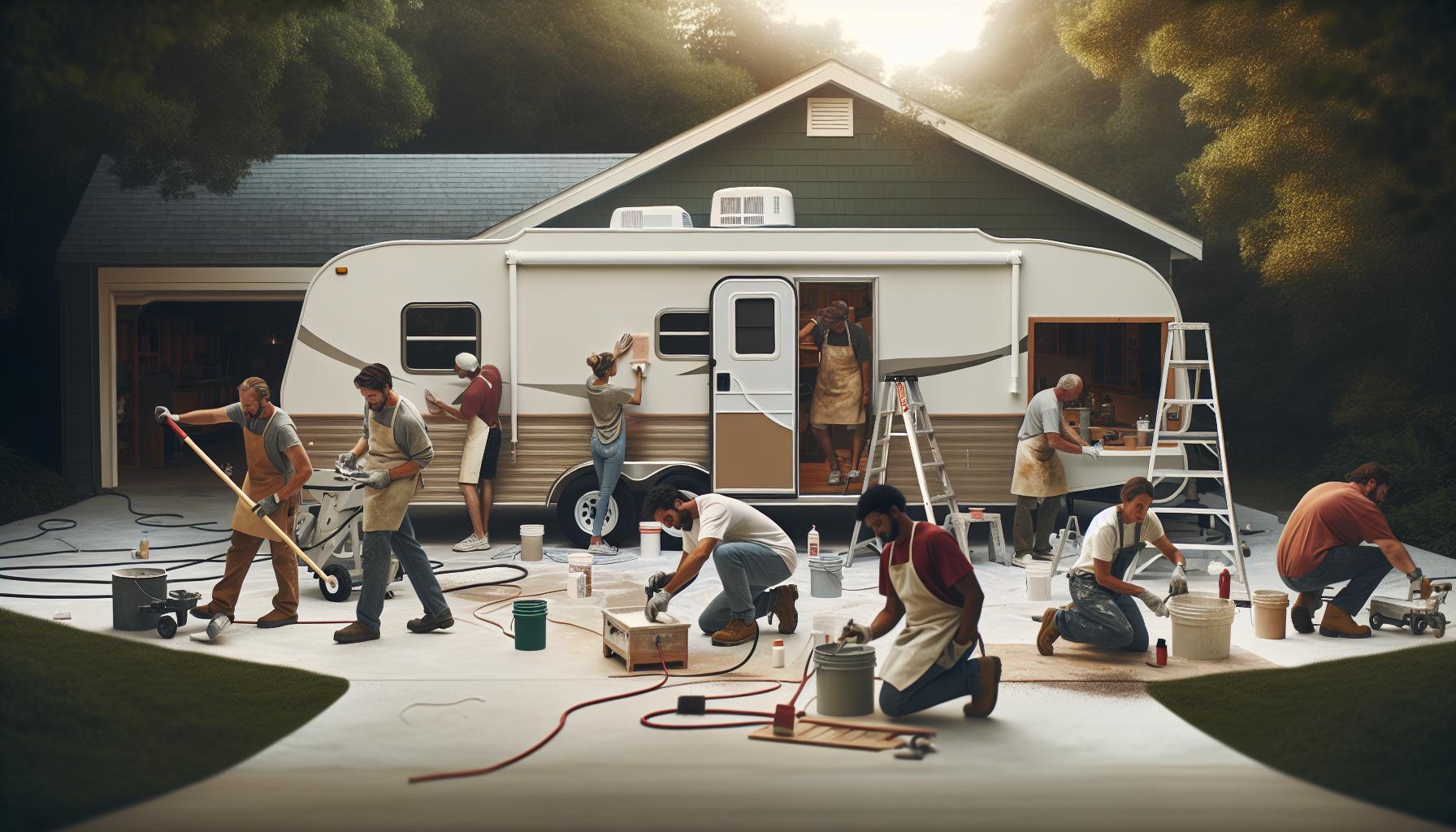
How to Properly Clean and Prime Surfaces
To achieve a vibrant and long-lasting finish for your trailer home, effective cleaning and priming of surfaces is crucial. This process not only prepares the surface for paint but also significantly enhances adhesion, allowing your efforts to stand up against the elements. Start by thoroughly cleaning all surfaces to remove any dirt, grease, or old paint residue. Consider using a pressure washer for the exterior, as it can dislodge stubborn grime and provide a clean slate for your paint. For the interior, a simple mixture of warm water and mild soap is often sufficient. Ensure you allow ample drying time before proceeding to the next step, as any moisture left behind can affect the paint adhesion.
Once your surfaces are clean and dry, it’s essential to inspect them carefully for imperfections. Look for issues like rust spots, dents, or peeling paint. Address these with a rust-inhibiting primer on metal surfaces or repair compounds for any cracks or holes. Use a fine-grit sandpaper to smooth out these areas, creating a uniform and even surface. This step is vital, as any irregularities can cause the paint to adhere poorly, leading to a disappointing finish.
Priming the Surface
After cleaning and smoothing, the next step is applying primer. A good primer will create a strong bond between the surface and your paint, which is especially important for trailers that are exposed to various weather conditions. Choose a primer that is compatible with your trailer’s material-whether metal or wood-and apply it using a brush or roller for best results. Ensure the primer is evenly applied, covering all areas that will be painted. Allow the primer to dry fully as per the manufacturer’s instructions before moving forward with painting.
By investing time in properly cleaning and priming your trailer’s surfaces, you not only enhance the appearance but also the durability of your paint job. A well-prepared foundation is key to achieving professional results in your DIY painting project, allowing you to enjoy a vibrant, long-lasting finish for your trailer home.
Techniques for Smooth Application and Even Coating
Achieving a smooth application and even coating when painting your trailer home can elevate your project from DIY to professional quality. One of the key techniques is to use the right application tools. A high-quality roller is fantastic for larger, flat surfaces, while brushes are ideal for detailed or intricate areas, such as around windows and corners. Choosing the appropriate size for these tools can also make a significant difference; larger rollers cover more area quickly, while smaller brushes allow for precision, ensuring no spot is left unpainted or unevenly coated.
To promote an even finish, apply your paint in thin layers, allowing each coat to dry fully before adding the next. This technique minimizes the risk of drips and runs, which can mar the appearance of your paint job. For best results, consider using a paint extender that can help slow the drying process, giving you more time to work the paint into a smooth, even coat. When painting, employ a “W” pattern with your roller, then roll over it lightly to fill in gaps and ensure consistency. This combined approach fosters a seamless, uniform look without roller marks or texture variations.
Patience is Key
It’s essential to exhibit patience throughout the application process. Rushing can lead to mistakes that may result in a less polished finish. When applying paint, keep a wet edge-this means that each stroke should slightly overlap the previous one to prevent lines or streaks. If you’re working on a larger area, it might help to have an assistant to keep the edges wet while you continue to roll, ensuring a uniform coating throughout. Consider the environmental conditions, too; hot, windy days can cause paint to dry too quickly, while high humidity can lengthen drying times. Finding a comfortable day for painting can improve your results considerably.
Incorporating these techniques will not only help you achieve a beautiful finish but will also make your trailer home reflect your personal style and care. With practice and the right approach, you’ll find that painting your trailer can be a rewarding and satisfying task, transforming your living space into a vibrant representation of your creativity and efforts. Distinguishing your project through meticulous attention to detail makes all the difference in the end result, leaving you proud of your freshly painted home.
Top Tips for Painting Interior Spaces
Transforming the interior of your trailer not only enhances its aesthetic appeal but also your overall living experience. To achieve the best results when painting, consider the unique characteristics of the space. Trailers often have tighter spaces and more intricate infrastructure compared to conventional homes, which can present challenges but also opportunities for creativity.
Before you start, it’s important to select the right type of paint. Choose high-quality, durable paints specifically designed for interiors, as these are less prone to wear and tear. Matte finishes can hide imperfections and add a cozy feel, while glossy or semi-gloss finishes are great for high-traffic areas, as they’re easier to clean. Always opt for low-VOC formulas to maintain better air quality inside your living space, crucial in smaller areas.
Another essential tip is to tackle one section at a time, especially in smaller trailers. This focused approach helps maintain organization and manage expectations. Use painter’s tape along edges, trim, and any areas you want to keep free of paint. Take your time while applying tape; a well-taped edge leads to cleaner lines and a more professional-looking finish.
- Lighting: Pay attention to the lighting in your trailer. Natural light can change how paint colors appear, so test swatches on each wall to see how they look at different times of day.
- Ventilation: Ensure good ventilation while painting. Open windows and doors to let fresh air circulate, making for a healthier environment as you work.
- Storage: Keep your tools and materials organized. A caddy or a multi-compartment storage container helps you easily access everything you need without cluttering your workspace.
As you paint, embrace creativity in small spaces. Consider incorporating accent walls or stripes to give the illusion of more space or height. Remember to apply a topcoat or sealant after your paint dries to add an extra layer of protection, especially in areas that might receive more wear and tear, such as kitchens or bathrooms.
By using the right materials, taking your time, and embracing the unique aspects of your trailer’s interior, you can achieve a stunning finish that embodies your personal style while ensuring a durable and fresh-looking space for years to come.
Outdoor Painting: Protecting Against the Elements
When it comes to painting the exterior of your trailer, safeguarding against weather elements is crucial for a lasting finish. Trailers often encounter exposure to rain, sunlight, wind, and fluctuating temperatures, all of which can adversely affect the paint surface. To ensure your paint job remains resilient and visually appealing over time, taking preventative measures and using the right materials is essential.
Before starting any outdoor painting project, check the weather forecast. Aim for a dry period with mild temperatures, ideally between 50°F and 85°F, to facilitate proper adhesion and drying of the paint. Additionally, painting during the early morning or late afternoon can help avoid the harsh sun, which may cause the paint to dry too quickly, resulting in cracks or peeling.
Prepare surfaces by cleaning them thoroughly to remove dirt, grease, and mildew. A pressure washer can be incredibly effective for this task, but make sure the surfaces are completely dry before applying primer or paint. If your trailer has any exposed metal, applying a rust-inhibiting primer is vital. This will help prevent rust and extend the life of your paint job.
Once your trailer is prepped, select high-quality exterior paint that is durable and specifically formulated for outdoor use. Look for options labeled as weather-resistant or UV-protected, as these features enhance the longevity of your trailer’s exterior paint. Additionally, consider using a protective topcoat or sealant after painting to provide an extra layer of defense against moisture and UV rays.
Lastly, regular maintenance is key to preserving your paint job. Inspect your trailer periodically for signs of wear or damage, such as chips or rust spots, and address them promptly. By staying proactive with your trailer’s care, you can enjoy a stunning and resilient exterior for years to come.
How to Maintain Your Trailer’s Paint Job
Maintaining the paint job on your trailer home is essential for not only preserving its aesthetics but also extending its lifespan. Regular upkeep can prevent costly repairs and ensure that your home-on-wheels remains a source of pride and comfort. By implementing a few straightforward practices, you can keep your trailer looking fresh and well-protected against the elements.
Start your maintenance routine with a simple visual inspection at least twice a year. Look for signs of peeling, cracking, or discoloration, especially in areas that are more susceptible to the sun or moisture. If you identify any problem spots, act quickly to sand down the affected areas and apply touch-up paint. This proactive approach can prevent minor issues from escalating into significant repairs.
For cleaning, wash your trailer regularly using a gentle soap solution and a soft scrub brush. This will help remove dirt, grime, and mildew, which can all contribute to paint degradation. Pay special attention to the seams and areas where dirt tends to accumulate. Rinse thoroughly and allow it to dry completely before applying any protective products. For an extra layer of defense, consider a high-quality wax or sealant designed for use on painted surfaces; this can help enhance the paint’s protective barrier against UV rays and moisture.
Keep in mind the importance of seasonal preparation as well. Before winter, make sure to inspect and repair any c hipped paint. Additionally, for areas that are frequently exposed to harsh weather conditions, consider applying a protective clear coat after your main paint job has dried. This not only adds an extra layer of moisture resistance but can also enhance the overall shine and appearance of your trailer. By adhering to a consistent maintenance schedule, you’re ensuring that your trailer home can withstand the test of time, keeping it a beautiful and functional space for years to come.
Common Mistakes to Avoid When Painting
When tackling a painting project for your trailer home, avoiding common pitfalls can mean the difference between a professional-looking finish and a less-than-satisfactory result. One prevalent mistake is neglecting the importance of surface preparation. Failing to properly clean, sand, and prime the surfaces can lead to poor paint adhesion, resulting in bubbling or peeling down the line. Always invest the time needed to prepare your surfaces thoroughly before you start applying paint; this foundational step cannot be overlooked.
In addition, be wary of the weather conditions during your painting endeavor. Many DIY painters underestimate the impact of humidity and temperature. Painting during excessively humid or cool conditions can cause the paint to dry improperly, leading to an uneven finish. Always check the manufacturer’s recommendations regarding optimal temperature and humidity levels for application, and aim to paint on dry, mild days.
Another frequent error is the choice of tools. Using the wrong type of brush or roller can contribute to unsatisfactory results. For instance, a roller designed for smooth surfaces will perform poorly on a textured surface, leading to uneven coats. Ensure you select tools that suit your specific wall texture, and don’t shy away from upgrading your brushes or rollers if you want better coverage and smoother results.
Lastly, many fall into the trap of rushing through the project. Painting requires patience-allowing ample drying time between coats is crucial for a seamless finish. Always refer to the paint can for drying time instructions, and avoid the temptation to add additional coats too soon. By avoiding these common mistakes, you can achieve a beautiful and lasting finish on your trailer home, enhancing both its appearance and lifespan.
Adding Style: Creative Color Schemes and Designs
Choosing the right color scheme for your trailer home can transform it from ordinary to extraordinary, reflecting your personal style and enhancing your living space’s overall vibe. Whether you’re aiming for a cozy cottage feel or a sleek, modern aesthetic, the possibilities for creative expression are virtually limitless. One effective approach is to draw inspiration from the trailer’s surrounding environment; for example, earthy tones like greens and browns can create a harmonious blend with nature, while brighter colors can inject a sense of fun and joy into your space.
When selecting your scheme, consider using a three-color palette consisting of a dominant color, a secondary color, and an accent color. The dominant color often serves as the backdrop for the largest surface areas, such as walls, while the secondary color can be applied to furniture or trim. The accent color, on the other hand, is perfect for smaller features like fixtures or decor elements. For a classic look, you might pair soothing blues with crisp whites and splashes of coral. Alternatively, a vibrant lemon yellow with navy blue and light grey can evoke a cheerful seaside retreat.
Patterns and Design Elements
To take your design to the next level, consider incorporating patterns. A patterned backsplash in the kitchen or bathroom can become a stunning focal point, while striped or polka-dotted upholstery can add a playful touch. Mixing textures is equally important; combining smooth surfaces with rough textures provides depth. For instance, a painted wood ceiling coupled with sleek metal fixtures can create a beautiful contrast that adds visual interest without overwhelming the senses.
Personal Touches and Accessories
Finally, to complete your trailer home’s unique look, don’t forget about accessories. Incorporate textiles, artwork, and decorative items that resonate with your aesthetic. Vintage finds or handmade crafts can introduce character and create a storytelling dimension in your space. Plants, when strategically placed, can add color and life, making your interior feel inviting and vibrant. By carefully selecting colors and designs that reflect your personality, you can create a trailer home that is not just a living space, but a true expression of who you are.
Eco-Friendly Painting Options for Trailer Homes
Embracing eco-friendly painting options is not just a trend; it’s a responsible way to enhance your trailer home while safeguarding our planet. Traditional paints can emit volatile organic compounds (VOCs), which are harmful to both the environment and your health. Fortunately, there are numerous sustainable alternatives available that offer excellent coverage and finish while minimizing your environmental impact.
One of the best options is to choose low-VOC or zero-VOC paints. These formulations release fewer emissions during application and drying, making them safer for your indoor air quality. Soft finishes can also be achieved using natural paints made from earth-based pigments, such as clay and chalk paints. These types of paints are not only biodegradable but also add a unique, rustic charm to your interiors. Look for reputable brands that emphasize sustainability in their manufacturing process; many will proudly advertise their eco-friendly qualities.
For exterior painting projects, consider using environmentally friendly sealants and primers as well. Many reputable brands now offer products derived from natural materials that help protect your trailer from the elements without the harmful chemicals found in traditional alternatives. Additionally, selecting paints in lighter shades can reflect sunlight, thus reducing heat absorption and improving your trailer’s energy efficiency.
Lastly, don’t overlook the potential of upcycling when it comes to your project. Instead of purchasing new paint and supplies, see if you can rescue leftover paint from friends or community exchanges. Products like milk paint or even homemade natural paints made from ingredients like cornstarch or vinegar can offer a creative, eco-friendly alternative to traditional methods, making your DIY project not only sustainable but also uniquely yours. By prioritizing eco-friendly options, you’re not only enhancing the aesthetics of your trailer home but also contributing positively to the environment and future generations.
Final Touches: Accessories and Protective Coatings
After putting in the hard work of painting your trailer home, the final touches are what will truly bring your project to life and ensure its longevity. Accessories and protective coatings are essential to not only enhance the aesthetic appeal but also safeguard your investment against the elements.
One smart addition is to install new hardware. Replace outdated doorknobs, hinges, and handles with modern alternatives that complement your freshly painted surfaces. This not only updates the look of your trailer but can also improve functionality. For instance, consider matte black or brushed nickel fixtures for a contemporary touch, or vintage-style hardware for a cozy, rustic feel.
When it comes to protective coatings, using a high-quality sealant is crucial, especially for exterior surfaces. Look for weather-resistant options that can shield your trailer from UV rays, moisture, and extreme temperatures. Applying a clear coat finish over your paint can add an extra layer of protection, enhancing the durability of the color beneath. Additionally, if your trailer has wood features, using a transparent sealant can protect against water damage while allowing the beauty of the wood grain to shine through.
Finally, accessorizing your space with outdoor rugs, planters, and porch furniture can create a welcoming ambiance around your trailer. Fabrics and colors that complement your paint job can tie the entire look together. Incorporate bright colors to contrast with neutrals or vice versa, depending on your style preference. Adding personal touches, such as artwork or decorative elements, can turn your trailer into a personalized home that reflects your unique taste while providing a cozy retreat.
By paying attention to these final touches, you’ll enhance both the looks and longevity of your trailer home, ensuring that it remains a beautiful and functional living space for years to come.
The Conclusion
Now that you’re equipped with the essential techniques for achieving professional results in painting your trailer home, don’t let your journey stop here! Discover more practical tips on trailer and mobile home maintenance by exploring our guides on basic upkeep and renovation projects. If you’re considering a deeper dive into purchasing your own trailer or securing financing, check out our resources on buying considerations and legal requirements.
Transform your living space today-dive into your next DIY project confidently and share your results with us in the comments below! Remember, every great paint job starts with the right knowledge and tools. For ongoing tips and strategies, consider signing up for our newsletter to stay updated and informed. Let’s make trailer home living not just accessible but enjoyable!