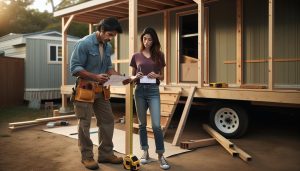
Installing a trailer home can be a fantastic way to achieve affordable and flexible living, but understanding the costs involved is crucial for making informed decisions. With price ranges varying from $10,000 to over $250,000 depending on the type and size of the mobile home, it’s essential to grasp the installation expenses that accompany this choice. Factors like site preparation, permits, and utilities can significantly impact your overall budget. As you explore the costs associated with setting up a trailer home, you can not only clarify your financial expectations but also uncover the countless benefits of this housing option. Let’s delve into the specifics of installation expenses to equip you with the knowledge necessary to navigate your trailer home journey successfully.
Understanding the Cost of a Trailer Home Installation
To understand the cost of installing a trailer home, it’s essential to recognize that the initial investment stretches far beyond just the price of the mobile home itself. For those considering this affordable housing option, factors such as transportation, setup, and infrastructure play crucial roles in the overall financial commitment. A typical new double-wide mobile home costs between $120,000 and $160,000, which already includes delivery and setup costs[1[1]. However, if you’re purchasing a used home or a different style, budgeting becomes even more complex.
A major aspect of trailer home installation involves establishing a suitable foundation, as many homes require either a concrete slab or pier foundations. The foundation’s expense can range significantly based on site conditions from $3,000 to $36,000. This variability can depend on regional factors and the specific requirements of the mobile home being installed. Additionally, utilities such as water, electricity, and sewage will all require connections, which could cost $10,000 or more depending on the distance from existing infrastructure[2[2].
It’s also critical to account for legal and permit costs associated with setting up a mobile home. Building permits can run between $500 to $2,000, adding to the financial burden of installation. Once everything is hooked up and functional, ongoing expenses like insurance-which typically ranges from $500 to $1,500 per year-will play a role in your budget long-term[1[1].
In sum, potential homeowners should adopt a comprehensive approach when budgeting for a trailer home installation. From foundational work and utilities to permits and insurance, every aspect contributes to the total cost of living in a mobile home. By thoroughly considering these factors, you can make a more informed decision that aligns with your financial goals for sustainable living.
Essential Setup Expenses for Trailer Homes
Setting up a trailer home can appear daunting, especially when considering the various expenses that come into play. However, understanding these essential setup expenses not only prepares you for the financial commitment but helps in making informed decisions that align with your budget. From the outset, potential homeowners should expect to allocate funds for several key areas to ensure a smooth installation process.
One of the primary expenses involves laying a solid foundation for your trailer home. Depending on the type of foundation required-whether it’s a concrete slab or piers-the costs can vary significantly. Homeowners can expect to spend anywhere from $3,000 to $36,000, influenced largely by local regulations and the specific site conditions. This initial investment is critical; a well-constructed foundation supports the longevity and stability of the home.
Once the base is established, the next financial consideration is utility connections. Essential services such as water, electricity, and sewage must be hooked up, which can add an additional $10,000 or more to your overall costs, particularly if your trailer home is situated far from existing infrastructure. It’s advisable to work with local utility companies to get precise estimates tailored to your location, ensuring you account for any distance-related fees.
Another often-overlooked expense involves legal and permit fees. Before setting up your trailer home, obtaining the necessary building permits typically costs between $500 and $2,000. These permits ensure that your home meets local zoning regulations and safety standards, so while they add to the financial burden, they are essential for compliance. Additionally, don’t forget to budget for homeowners insurance, which can generally range from $500 to $1,500 annually, depending on the coverage and location.
In summary, the encompass foundational work, utility connections, and legal permits. By anticipating these costs and planning accordingly, you empower yourself to navigate the trailer home installation process with confidence, transforming it into a smart and rewarding housing choice.
Hidden Costs You Didn’t Anticipate
Setting up your trailer home can be an exciting venture, but it’s essential to consider the hidden costs that may sneak up on you. Many first-time buyers underestimate additional expenses that can add up significantly beyond the initial purchase price and basic installation costs. Being aware of these potential costs not only helps in budgeting more accurately but also empowers you to make informed decisions as you embark on this journey.
One often-overlooked expense is site preparation. Depending on the location you choose, your land may require extensive clearing, leveling, or landscaping before installation can begin. These preparations can range from a few hundred to several thousand dollars, particularly if you have to remove trees, rocks, or other obstacles. Additionally, if your land isn’t already graded properly, you’ll likely need to invest in services to achieve a level foundation, which can add further expenses.
Another surprising cost comes from utilities and infrastructure connections. While you’ve likely planned for basic utilities, unforeseen complications can arise. For instance, if your property is far from existing utility lines, the cost to connect electricity, water, and sewage can skyrocket. Moreover, factors like local regulations may require you to install a septic system rather than connect to a municipal sewer line, significantly increasing costs-sometimes by up to $10,000 or more.
Don’t ignore ongoing costs associated with maintaining your trailer home. These can include routine inspections, maintenance of the foundation, and potential repairs due to weather-related wear and tear. Budgeting for these costs ensures that unexpected issues won’t derail your financial planning. Even if your initial installation appears affordable, consider how age and local climate might necessitate repairs or upgrades, especially to essential systems like heating and air conditioning.
When planning your trailer home setup, it’s critical to account for these hidden expenses. By anticipating these costs and incorporating them into your overall budget, you can navigate the process with confidence, avoiding financial pitfalls along the way. Educating yourself about the various aspects of trailer home living makes it not just attainable, but enjoyable. Remember, preparation is key to transforming your new home into a comfortable and space-efficient dwelling where you can create lasting memories.
Financing Options for Your Trailer Home
Financing your trailer home can often feel overwhelming, especially with the various options available tailored to different financial situations. For many, the dream of owning a trailer home hinges significantly on understanding these financing routes and choosing the best fit. Fortunately, there are several viable options to consider that can help turn your vision into reality without straining your finances.
One popular financing method is securing a manufactured home loan. These loans are specifically designed for trailer homes and come with unique terms compared to traditional mortgages. They might require lower down payments and are often structured to accommodate the specific needs related to this type of housing. Depending on the lender, you may find options for both chattel loans (for homes on rented land) and modular home loans (for homes on owned land).
In addition to manufactured home loans, consider personal loans as an alternative if you need a smaller amount or quick access to cash. These loans can often be used for site preparation, installation, or any additional setup expenses that arise unexpectedly. While personal loans typically come with higher interest rates, they can be a quick solution if other forms of financing are not available.
Moreover, grant programs might be available in your area, especially for first-time homebuyers. Local and federal assistance programs often seek to promote affordable housing, making it worthwhile to investigate these options as they might provide financial aid or lower interest rates.
Lastly, don’t overlook the importance of budgeting and maintaining good credit. A strong credit score can open doors to better loan terms, saving you money over the duration of the loan. Gather all necessary documentation-like income verification and tax returns-before applying. This preparation not only expedites the approval process but also strengthens your position when negotiating loan terms.
Navigating the world of financing for your trailer home may require some research, but by understanding your options and planning accordingly, you can find a pathway that suits your needs and paves the way for your ideal home.
Selecting the Right Location and Its Costs
Choosing the right location for your trailer home can significantly influence both your initial investment and ongoing costs. The placement of your home not only affects your overall living experience but also determines your expenses related to land purchase, site development, and access to essential utilities. A well-chosen location can enhance your lifestyle while a poorly considered one could lead to hidden costs or frustrate your day-to-day living.
When assessing location options, there are several factors to keep in mind. Firstly, purchasing land in a developed area may come with a higher price tag, but often it offers advantages such as better access to roads, public services, and community amenities. Conversely, land in rural settings may be more affordable, but you must consider additional expenses for utility installations and potential isolation from essential services.
It’s also important to evaluate zoning regulations and local laws governing mobile home installations. Some regions have specific requirements that could incur significant costs if you need to adjust your plans. For instance, installing a trailer home on a plot not zoned for such use could lead to legal challenges and costly modifications.
Considering access to utilities is crucial as well. Before committing to a site, it’s essential to understand the costs involved in connecting your home to water, electricity, and sewage systems. These utility installations can range considerably depending on the distance from existing services, and you may need to budget for additional permits or contractor fees.
A comprehensive understanding of the costs associated with selecting the right location will help you make an informed decision. By proactively researching local conditions, regulatory requirements, and potential utility expenses, you can find the ideal spot for your trailer home that fits your budget and lifestyle. Always keep in mind that this early stage of planning can save you significant headaches and costs down the road.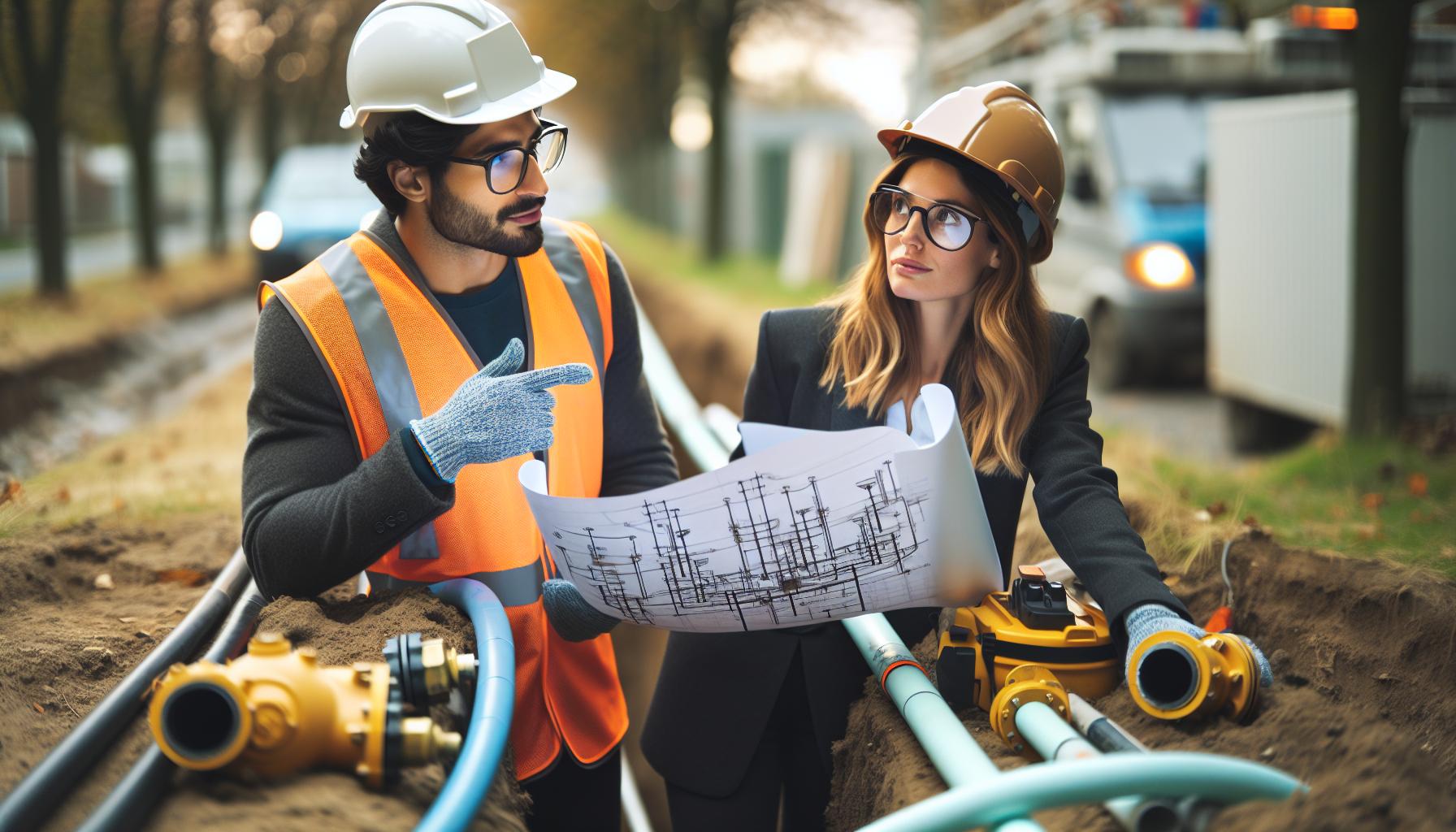
Utilities Installation: What to Expect
Installing utilities for your trailer home can be a pivotal aspect of your setup process, and understanding what to expect can ease much of the stress involved. Many aspiring trailer homeowners envision their new lifestyle but may overlook the intricacies of utility installations. Connecting water, electricity, and sewage systems can range from straightforward to complex, depending on your site’s location and preparedness.
When preparing for utility installation, it’s crucial to consider the distance from existing infrastructure. For example, if your lot is far away from water and electrical lines, or if you’re in a remote area, costs can add up quickly due to trenching, materials, and labor. Conversely, if you’re already in a developed area, the process may be quicker and more economical, as existing utility companies may have expedited services.
Key Utility Installations to Plan For
- Water Connection: This typically involves bringing water lines from the nearest municipal source or creating a well on your property. Be sure to check local regulations regarding well drilling, as this can add time and costs to your project.
- Electricity: You may need to hire an electrician to run lines from the nearest pole or junction box. Understanding your local utility provider’s requirements will be crucial here.
- Sewage Disposal: Depending on your location, you may need to connect to a municipal sewage system or install a septic tank, which can include additional permitting and inspection expenses.
Before you start, seek out professional assessments of your site. Professionals can give insight into any necessary permits and local codes that must be followed. They can also provide ballpark estimates, which will help you to build a better financial plan. Remember, each installation has its own set of requirements and potential obstacles, so a little research beforehand can go a long way toward a smoother process.
Understanding the installation process for utilities not only helps you budget more accurately but also empowers you to make informed decisions about your new home. By taking these proactive steps, you position yourself for a more pleasurable trailer home experience, allowing for the ambiance of mobile living to shine through without the burden of unforeseen challenges.
Permits and Legal Fees Explained
Navigating the world of permits and legal fees can feel overwhelming, but understanding these aspects is crucial for successfully installing a trailer home. Each municipality has its own set of regulations governing where and how you can place your mobile home, and it’s essential to familiarize yourself with these before embarking on your journey. The cost of permits can vary widely based on location, size of your home, and local requirements, so budgeting for them early can save you significant headaches later on.
Before you begin the installation process, first check with your local zoning office. They can provide information regarding zoning laws and any restrictions on mobile home installations in your area. In many cases, you may need to obtain a building permit, which can cost anywhere from a few hundred to several thousand dollars depending on your jurisdiction. Additionally, certain counties might require permits for site preparation, including grading or excavation, which should also be factored into your overall budget.
It’s equally important to consider any legal fees that may arise during this phase. If your installation involves complicated legal issues, such as easement agreements or land use variances, hiring a real estate attorney might be necessary. While this is an additional expense, having legal guidance can help ensure compliance with local regulations, potentially avoiding costly fines or rework in the future.
Key Points to Understand
- Permitting Costs: Always verify the costs associated with building permits and any additional required licenses.
- Zoning Regulations: Confirm zoning compliance to avoid legal complications that could delay your installation.
- Legal Assistance: Factor in the potential need for legal representation if your situation is complex.
By proactively addressing permits and legal considerations, you not only ensure that your setup process flows smoothly but also create a solid foundation for your new life in a trailer home. With the right knowledge and preparation, the dream of alternative housing can become a reality without the burden of unforeseen obstacles.
Comparison: New vs. Pre-Owned Trailer Homes
When considering the installation of a trailer home, one of the pivotal decisions you’ll face is whether to invest in a new model or a pre-owned one. Each option presents unique advantages and challenges, influenced by budget, quality, and long-term sustainability. New homes often come with the latest features, warranties, and lower maintenance costs initially, while pre-owned options can offer substantial savings and established neighborhoods.
New trailer homes typically deliver a fresh slate of design choices and energy-efficient appliances, which can translate to lower utility bills. They come equipped with warranties ranging from structural to appliance coverage, providing peace of mind during the initial years of ownership. However, the upfront cost is significantly higher, often requiring loans or financing that can stretch monthly budgets.
On the other hand, purchasing a pre-owned trailer home can unlock exceptional value. While older homes may require updates or renovations, these costs can often be less than the premium paid for new models. Home buyers can negotiate better price points, especially if they are willing to invest some elbow grease. Just remember that thorough inspections are crucial to identify hidden issues that could lead to unexpected repair costs down the line.
Ultimately, choosing between a new or pre-owned trailer home requires careful consideration of your financial situation, readiness for repairs, lifestyle preferences, and long-term goals. If you opt for a pre-owned model, factor in potential upgrades that could enhance value and comfort, while if you lean towards a new home, ensure you budget for the higher initial investment, but enjoy the benefits of modern living. The right choice hinges on balancing immediate desires with long-term satisfaction.
Insurance Considerations for Trailer Homes
When it comes to protecting your investment in a trailer home, understanding insurance considerations is essential. Unlike traditional homes, trailer homes often have unique insurance requirements that cater to their specific structures and potential risks. The right insurance policy can safeguard your property from unexpected events and provide peace of mind as you settle into your new living space.
Many trailer home insurance policies offer coverage for accidental damage, liability protection, and personal property. It’s crucial to evaluate which perils are included in your policy. For instance, if you’re concerned about storms or natural disasters, ensure that your policy covers those events, as policies can vary widely in terms of coverage options. Additionally, look for replacement cost coverage, which helps reimburse you for the full cost of replacing or repairing your home after a covered loss, rather than just its depreciated value.
Key Coverage Options to Consider:
- Dwelling Coverage: This protects the structure of your trailer home from covered events such as fire, theft, or certain natural disasters.
- Personal Property Protection: This covers your personal belongings within the trailer, providing compensation for losses from covered risks.
- Liability Coverage: If someone is injured on your property or if you accidentally damage someone else’s property, this coverage can help pay for legal fees or damages.
- Additional Living Expenses: If your home becomes uninhabitable due to a covered disaster, this can help cover temporary lodging and living costs.
As you compare insurance providers, consider factors such as the costs, availability, and specific benefits tailored for trailer homes. Companies like State Farm and Progressive offer specialized policies specifically designed for mobile and manufactured homes, which can give you peace of mind knowing that your unique living situation is well-covered. Some providers even offer customizable plans that allow you to select coverage levels that align with your lifestyle and needs.
Remember, investing time in understanding and choosing the right insurance not only offers protection but can also enhance your overall living experience in your trailer home. Be sure to read the fine print of any policy and ask questions to ensure you have a clear understanding of your coverage limits, exclusions, and any additional endorsements that may benefit you.
Maintenance Costs: Planning for the Future
Maintaining a trailer home is a fulfilling venture that can greatly extend the life of your investment, while also enhancing your living experience. Regular upkeep often surprises new trailer homeowners due to its comprehensive nature, which involves everything from exterior care to interior systems. Among the many benefits of maintaining your trailer home is that it can save you from costly repairs down the line, leading to a more stable and enjoyable living environment.
One key area where homeowners can effectively manage costs is through regular inspections. Start with your roof, which is often more vulnerable to leaks than traditional homes. Check for signs of wear, such as cracks or missing shingles, and clean gutters regularly to ensure proper water drainage. Similarly, inspect your exterior skirting, which protects your home from pests and weather damage. Maintaining your landscaping, such as keeping trees trimmed away from your home, can also prevent unnecessary wear on your structure.
Routine Maintenance Tasks to Consider
Keeping a checklist can aid in staying organized. Here are some essential maintenance tasks to integrate into your routine:
- Inspect plumbing: Look for leaks or blockages at least twice a year.
- Check appliances: Clean and service HVAC systems, water heaters, and kitchen appliances annually.
- Pest control: Schedule quarterly pest inspections to keep infestations at bay.
- Exterior cleaning: Power wash siding and decks seasonally to maintain aesthetics.
Planning for unexpected repair costs is equally essential. Setting aside a home maintenance fund can help alleviate financial strain when inevitable repairs arise. This proactive approach ensures that you are equipped to handle issues without disrupting your budget significantly.
Taking the time to learn about and implement these maintenance strategies not only secures your trailer home’s longevity but also creates an inviting and comfortable space that can enhance your quality of life. By investing in regular maintenance, you’re effectively safeguarding your investment and enjoying the many benefits that come with trailer home living.
Maximizing Value: Upgrades and Renovations
Investing in upgrades and renovations for a trailer home can significantly enhance its value and improve your living experience. Many people overlook the potential of these spaces, but thoughtful enhancements can make a trailer feel more like a traditional home while also increasing its market appeal. Whether you’re looking to personalize your space or preparing it for resale, understanding where to focus your renovations is key.
One effective strategy is to enhance energy efficiency. Upgrading insulation, windows, and doors can drastically reduce utility bills while making your home more comfortable year-round. Consider installing energy-efficient appliances or solar panels, which not only save money but can also serve as strong selling points later. Investing in proper weatherproofing is another smart move. For instance, using high-quality roofing materials and sealants for windows and doors can prevent future issues related to moisture and air leaks.
Another area to focus on is the interior layout and aesthetics. Simple changes like repainting walls with light, neutral colors can brighten a space, making it feel larger and more inviting. Upgrading fixtures and finishing touches-such as modern cabinetry in the kitchen, updated lighting, and stylish flooring-can transform an outdated look into something fresh and appealing. Additionally, consider outdoor spaces as an extension of your living area. Building a deck, patio, or enhancing your landscaping can create valuable outdoor amenities that increase overall livability.
Regular maintenance cannot be overlooked, as it contributes to the overall condition and appearance of your trailer home. Scheduling periodic inspections and keeping a maintenance checklist ensures that issues are addressed promptly, preventing costly renovations down the line. Such practices can also provide peace of mind, allowing you to enjoy your living space without anxiety about unexpected problems.
Lastly, engaging with local home improvement experts or joining DIY workshops can provide you with insights and skills for maximizing your renovations. This approach not only fosters a sense of community but can also help you learn new techniques that save on labor costs. By investing in these aspects of your trailer home, you’re not only enhancing your immediate living experience but also securing your investment for the future.
Tips for Negotiating Setup Expenses
Negotiating setup expenses for a trailer home can significantly impact your overall budget and ensure that you make the most out of your investment. Many homeowners aren’t aware of the flexibility inherent in many of the costs associated with installation and setup. By approaching this process with the right knowledge and strategy, you can save money while still achieving a quality setup.
Start by doing thorough research on the various companies and contractors who provide installation services. Collect multiple quotes and ask detailed questions to understand what each estimate includes. This allows you to get a clearer picture of the market rates and identify any services that may be overpriced. For example, costs for foundation work, utilities installation, and delivery services may vary widely between providers. Once you have these quotes, don’t hesitate to negotiate; share the other offerings you’ve received and see if providers are willing to match or drop their prices to secure your business.
Another effective strategy is to look for any hidden costs in the contracts. Be sure to clarify what is included in the initial quotes-often, taxes, permits, and utility connection fees can add up quickly. By having an open conversation about what constitutes those charges, you might discover that some can be waived or reduced. For instance, if you are willing to handle certain tasks, such as site preparation or obtaining permits yourself, you might be able to negotiate a lower overall service fee.
Consider Timing and Off-Peak Discounts
Timing your installation can also play a crucial role in the costs. Many contractors have off-peak seasons where they you may be able to score discounts or promotions. In regions where trailer home demand fluctuates with the weather, scheduling your setup during the less busy months can provide you with more leeway to negotiate lower rates.
Finally, remember to inquire about financing options. Many companies offer payment plans or financing that can make setup expenses more manageable without sacrificing quality. By asking about any available promotions or discounts for signing up for financing directly through the provider, you can often find more flexible payment terms that help fit your budget.
By arming yourself with knowledge, using strategic negotiation techniques, and remaining flexible with your arrangements, you can effectively manage and reduce setup expenses for your trailer home. This approach not only saves you money but also enhances your overall experience in the journey toward your new home.
Insights and Conclusions
Understanding the costs involved in setting up a trailer home is crucial for any potential homeowner. With setup expenses outlined clearly, you can make informed decisions and plan your budget effectively. Don’t let uncertainties hold you back-taking the first step toward your new living arrangement can lead to freedom, affordability, and a unique living experience.
Ready to dive deeper? Explore our comprehensive guides on mobile home maintenance and renovation tips, as well as valuable insights into financing options and legal requirements in our Starter Guide for Homeowners. If you’re considering a move, check out our list of Top Trailer Home Locations and discover where you can plant your roots.
Join our community by signing up for our newsletter to receive the latest tips and updates. Your dream of mobile home living is within reach-take that next step today! Feel free to share your questions and experiences in the comments. Together, we can thrive in this exciting housing journey!