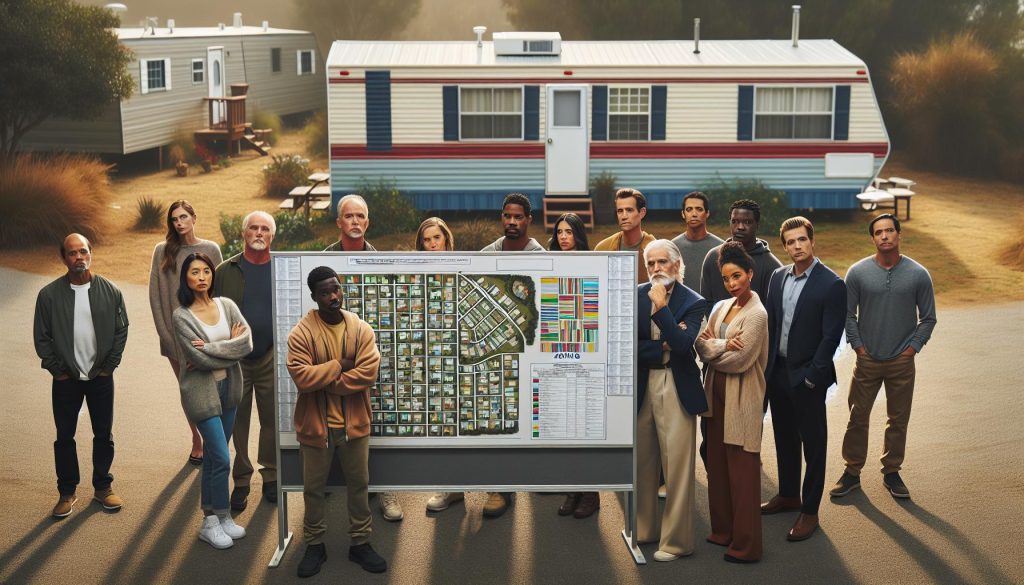
When considering a trailer home, understanding zoning regulations is crucial. These rules dictate where you can place a mobile or manufactured home, ensuring compliance with local laws and community standards. Did you know that zoning laws vary greatly between areas, affecting everything from property values to your living experience? Navigating these regulations can seem daunting, yet knowing the specific guidelines not only helps you choose the best location but also protects your investment. As you explore what zoning allows for trailer home placement, you’ll gain insights that empower your housing decisions, allowing you to enjoy the benefits of this alternative lifestyle with confidence. Dive in to discover how to align your dream of trailer living with the legal landscape in your area.
Understanding Zoning Regulations for Trailer Homes
Understanding the regulatory landscape surrounding trailer homes can significantly ease the journey toward owning such a residence. Zoning regulations dictate where trailer homes can be placed, making it essential to navigate through these rules effectively. Generally, trailer homes are categorized under mobile homes, which are subject to unique zoning laws depending on the local jurisdiction. The most common designations include Manufactured Home Parks (MHP) and Mobile Home Parks (MH), which are specifically intended for the placement of trailer homes. Some areas may even impose restrictions that limit these homes to designated zones, particularly in metropolitan settings where zoning often separates mobile homes from traditional single-family housing.
When considering placement, it’s important to be aware of the local zoning code, which outlines various criteria that trailer homes must meet. These laws can cover aspects such as minimum lot size, required utilities, and aesthetic standards which may dictate how the exterior of your home should appear. It’s essential to check for any restrictions that may exist, including the proximity of other structures, easements, and land use categories. Many jurisdictions also have provisions requiring the installation of trailers to meet specific building codes for safety and health reasons.
In your search for permissible areas for trailer placement, it’s wise to start by visiting your local zoning office or reviewing municipal websites. They often provide maps and resources that delineate where trailer homes can be located within the community. Additionally, networking with local manufactured housing associations can offer valuable insights into areas with fewer restrictions and available parcels for placement.
Understanding these elements of zoning is crucial for a seamless transition into trailer home living. By familiarizing yourself with the specific requirements in your area, you not only comply with the law but also enhance the value and enjoyment of your new home. Being proactive and informed can pave the way for a successful move into a trailer home community, ensuring that you become a responsible neighbor and member of the locality.
Key Factors Influencing Trailer Home Placement
The journey to placing a trailer home in a desirable location can feel intricate, influenced by a range of factors that go beyond mere preference. One of the foremost considerations is the local zoning regulations, which outline where and how trailer homes can be situated. Understanding these regulations is pivotal, as they can dictate variables such as lot size, setbacks from property lines, and even the architectural style of your trailer home. Each municipality has its specifications, so familiarizing yourself with these can save time and hassle later on.
Another critical factor is the infrastructure. Proximity to essential services such as water, electricity, and sewage systems plays a significant role in determining suitable locations for trailer homes. Before finalizing a site, evaluate the availability and condition of these utilities. Additionally, the local environment impacts both your living experience and the placement of your home. For instance, flood zones, large trees, or slopes can present challenges that either drive up potential costs for site preparation or create safety concerns.
Accessibility to transportation and amenities is another vital element. Living in a site with good road access can facilitate daily commuting, shopping, and recreational activities. Nearby schools, parks, and healthcare facilities enhance the community’s attractiveness and contribute to a better quality of life.
Furthermore, community attitudes towards trailer homes can also sway placement decisions. In some areas, mobile homes enjoy a positive perception as affordable housing options, while in others, they may face stigma or resistance. Engaging with local community members or representatives can provide insights into the cultural acceptance of trailer homes in specific neighborhoods, potentially guiding your placement choice to avoid conflicts.
Ultimately, considering these key factors can help in navigating the complexities of trailer home placement, ensuring you find a location that meets both regulatory requirements and your personal needs. As you embark on this journey, take proactive steps to research local laws and engage with community members, fostering a smoother transition to your new life in a trailer home.
Essential Location Rules for Trailer Homes
The placement of trailer homes is subject to a variety of essential location rules that can significantly impact your living experience. One of the first considerations is whether the area is zoned for mobile or trailer homes. Zoning classifications-such as residential, agricultural, commercial, or mixed-use-determine where trailer homes can be installed. Before you settle on a location, it’s crucial to contact your local zoning office to clarify current regulations and ensure your intended site complies with all zoning requirements.
Another critical factor to consider is the specific requirements set forth within residential zoning laws, which may dictate the minimum lot size and required setbacks from property lines. These rules serve a dual purpose: they help maintain the neighborhood’s aesthetic and ensure safety and privacy for all residents. For example, certain jurisdictions might require a minimum of 5 feet from the property line, while others may have different criteria that could affect your placement options.
Furthermore, local ordinances can stipulate the types and sizes of vehicles permissible, including whether there are restrictions on the age or condition of mobile homes. In some regions, older models may not be allowed due to aesthetic regulations that aim to preserve community standards. Therefore, it’s advisable to compare specific community guidelines with your purchasing plans to ensure compatibility.
To facilitate your planning process, you might want to create a checklist of essential location rules and requirements for your mobile home. Here’s what to include:
- Zoning Classification: Verify if the area is designated for mobile or trailer homes.
- Lot Size: Confirm the minimum lot size permissible for placement.
- Setback Requirements: Check required distances from property lines and roads.
- Utilities: Assess availability and accessibility of water, electricity, and sewage services.
- Community Standards: Verify any local ordinances concerning the age or type of mobile home allowed.
By taking these points into account, you’ll be better prepared to navigate the regulatory landscape and secure a suitable and compliant location for your trailer home. Engaging with community members and local agencies can also provide valuable insights into the neighborhood dynamics and longer-term considerations regarding trailer home living.
Zoning Restrictions: What You Must Know
Understanding zoning restrictions is crucial for anyone considering placing a trailer home, as these regulations can significantly dictate where and how you can live. Local zoning laws vary greatly across municipalities, and they are designed to regulate land use with the aim of maintaining the character and safety of communities. For instance, not all residential areas allow trailer homes; some may be exclusively zoned for single-family dwellings or other forms of housing. It’s essential to check with your local zoning office to understand the specific zoning classification of your desired area, which will inform you whether trailer homes are permissible.
Another important aspect of zoning restrictions relates to physical requirements such as lot size and setback distances. Sometimes, communities enforce minimum lot sizes that trailers must meet, which can affect your ability to find a suitable plot. Setback requirements, which dictate how far structures must be from property lines and streets, are equally critical. These rules help ensure ample space between homes, contributing to privacy and aesthetic cohesion within neighborhoods. For example, if your desired location requires a 10-foot setback from the property line, you’ll need to factor this into your planning, making sure enough space is available for your trailer.
Moreover, it’s wise to familiarize yourself with community standards regarding the types of trailers allowed. Many municipalities have ordinances that restrict the age, size, or condition of mobile homes to maintain the aesthetic integrity of neighborhoods. In certain areas, older models that do not meet specific design standards may be prohibited. Understanding these restrictions beforehand can save you time, money, and frustration when selecting a trailer that fits within the local guidelines.
Additionally, navigating zoning restrictions often involves completing an application process that may include public hearings and approvals from planning commissions or city councils. Engaging early with local authorities can provide clarity on the required documentation and any associated fees, ensuring you’re well-prepared when the time comes to submit your application. By staying informed and proactive, you can enhance your chances of successfully placing your trailer home in a location that meets your needs and complies with local regulations.
Finding Permissible Areas for Trailer Placement
Finding a suitable location for your trailer home involves understanding the intricacies of local zoning regulations, which can significantly influence your options. Each municipality has its own set of zoning laws that dictate where trailer homes can be placed. Therefore, your first step is to research areas that are specifically zoned for mobile or manufactured homes. Many communities designate certain regions for mobile home parks or manufactured home subdivisions, allowing for a concentrated development of this housing type. This information is often available on local government websites or through zoning offices.
When exploring potential locations, keep an eye out for residential zones that permit manufactured homes. Look for properties labeled as “R-1” or “MHP” (Manufactured Home Park), as these typically allow for mobile home placements. Additionally, it’s essential to consider nearby amenities such as schools, grocery stores, and public transport, ensuring that your new location fits your lifestyle. Assessing the prevailing rental or buying market in those zones can save you both time and resources.
Before making any commitments, verify the local regulations regarding lot sizes and placement setbacks to ensure compliance. Each zone will have specific requirements on how far a trailer must be from property lines, roads, and other structures. These factors are crucial not only for legal compliance but also for maintaining the overall aesthetic and comfort of the neighborhood.
Lastly, if you are aiming for a more permanent residence, inquire about any home owner association (HOA) rules in the area, as they may have additional stipulations concerning trailer aesthetics or upkeep. By carefully navigating these initial steps and requirements, you can identify the most permissible and accommodating areas for your trailer home placement, setting the foundation for a successful and satisfying living experience.
State-Specific Zoning Laws and Regulations
In the realm of trailer home placement, understanding is crucial for ensuring you find a suitable and legal location for your home. Each state in the U.S. has unique rules that dictate where trailer homes can be situated, often influenced by local ordinances and land use policies. For example, some states may have specific zoning classifications such as “Manufactured Home Park” or “Mobile Home Residential” zones that are explicitly designed for trailer homes, while others may permit them in certain residential districts with additional requirements.
The application of these rules can vary widely not just by state, but also by county and city. In some areas, zoning regulations may require a minimum lot size or set certain limits on the number of trailer homes that can be placed in a single area. Familiarizing yourself with these stipulations means checking local zoning maps, which can usually be found on the municipal government’s website or by contacting local zoning offices. It’s essential to also consider any guidelines regarding new developments, as some counties might revise their zoning laws to meet changing housing demands or environmental considerations.
A practical approach to navigating state-specific zoning laws involves being proactive. Start by researching your state’s regulations on manufactured housing through official state government websites or reputable legal resources. Furthermore, engage with local zoning boards or councils to glean insights into upcoming changes that may affect your housing plans. Additionally, consider joining community forums or local groups that focus on mobile home living; these platforms often share valuable insights on zoning experiences and regulatory shifts.
To give a clearer idea of what to expect in various regions, here’s a brief summary of zoning situations across different states:
| State | Zoning Classification Examples | Key Considerations |
|---|---|---|
| California | Mobile Home Parks (MHP), Special Use Permits | Strict environmental regulations; Ensure compliance for safety and aesthetics. |
| Texas | Residential (R-1, R-2), Manufactured Home Districts | Less restrictive; However, HOAs may have specific rules. |
| Florida | Mobile Home Park (MHP), Mobile Home Subdivisions | Approval needed for placement; Pay attention to hurricane regulations. |
| New York | Planned Residential Development, Special Permits | Often requires public hearings for new developments. |
By understanding and adhering to state-specific zoning laws, you can ensure a smoother transition into your new trailer home community while avoiding potential legal issues. Engaging with local resources and staying informed about regulatory changes can empower you as you navigate your alternative housing journey.
Common Zoning Violations to Avoid
Understanding the nuances of zoning regulations can mean the difference between a successful move into a trailer home and a frustrating legal setback. A common misunderstanding many new trailer homeowners face involves violating local zoning laws, which can lead to costly fines and the need for difficult adjustments. One prevalent issue is improperly placed trailers that do not comply with minimum lot size requirements. Not only do these regulations vary from one locality to another, but they may also specify how far a trailer must be set back from property lines, streets, and other structures.
Another frequent violation arises from misunderstanding permitted zoning classifications. For instance, if your trailer is located in a residential zone that does not explicitly allow mobile or manufactured homes, you could face penalties. It’s vital to ensure that your trailer is situated in an area specifically designated for mobile homes or has approval through a special use permit if necessary. Additionally, failing to obtain the proper permits before installation can lead to significant complications, including the potential for eviction or mandated removal.
Common Mistakes to Avoid
To help navigate the complexities of zoning regulations, here are some common violations to avoid:
- Placement without Permits: Always check with local zoning offices to ensure all necessary permits are obtained before placing your trailer.
- Ignoring Setback Requirements: Make sure to understand and adhere to setback rules that dictate how far a trailer must be from streets and property lines.
- Non-Compliance with Local Zoning Classifications: Verify that your trailer is located in an area designated for mobile homes or has obtained the necessary special use permits.
- Failure to Report Changes: Many localities require homeowners to report changes such as extensive renovations or expansions to ensure they comply with zoning laws.
Taking proactive steps to familiarize yourself with local zoning laws will ease your transition into trailer home living. Consider reaching out to local zoning boards or engaging with community forums to share experiences with others who have navigated similar challenges. Remember, understanding and adhering to these regulations not only protects your investment but also fosters a positive relationship with your community.
Navigating the Zoning Application Process
When embarking on the journey of placing a trailer home, understanding the zoning application process is crucial. This process can initially seem daunting, but with a bit of guidance, you can navigate it smoothly and confidently. First and foremost, research is key. Familiarize yourself with the zoning laws specific to your locality, as these regulations dictate where trailer homes can be located, the necessary permits required, and any specific guidelines that must be followed.
Begin by visiting your local zoning office or website to gather the necessary application forms. Most municipalities have streamlined the process to make it more accessible. Ensure you have all required documentation, which often includes property surveys, site plans, and proof of ownership. Some areas might also necessitate a neighborhood notification, whereby you inform adjacent property owners of your intent to place a trailer home. This transparency can foster community goodwill and address potential concerns before they escalate.
Once you submit your application, be prepared for a waiting period during which local officials will review your request. They may schedule a public hearing, allowing the community to express support or concerns. It’s wise to attend this hearing to answer questions and articulate your plans clearly. Being proactive at this stage can help mitigate objections and reinforce your commitment to complying with local zoning laws.
As your application moves through the process, staying informed is crucial. Regularly check in with zoning officials about the status of your application, and don’t hesitate to ask for clarification on any requirements or concerns that may arise. This proactive approach not only demonstrates your diligence but also solidifies your reputation as a responsible applicant. Remember, patience and persistence are your allies as you navigate zoning regulations and work towards making your trailer home a reality.
Impact of Local Zoning on Trailer Home Communities
Local zoning laws significantly shape the environment of trailer home communities, influencing everything from the availability of appropriate lots to the quality of life residents experience. For instance, zoning regulations can determine the density of placement, which directly affects how spacious and open a community feels. Striking the right balance is crucial; overly restrictive zoning can lead to overcrowding in permitted areas, while lenient rules may allow for undesirable developments, such as commercial facilities adjacent to residential zones.
In many regions, trailer home communities may also benefit from zoning categories specifically designed for mobile homes or manufactured housing. These zones often include relevant standards that ensure the structural integrity and aesthetic appearance of the homes, which contributes to the overall community appeal. Residents should familiarize themselves with these classifications, as they may offer advantages such as lower property taxes or specific infrastructure support. Engaging with local zoning boards can provide insight into potential changes that might further enhance living conditions.
Furthermore, local zoning ordinances can impact community services and amenities. For example, if a trailer park is located in an area zoned for mixed-use development, residents might reap the benefits of nearby shops, parks, and recreational facilities, which can enhance their quality of life. Conversely, strict zoning can marginalize communities by limiting access to essential services, showing how essential it is for residents to advocate for favorable zoning policies.
Lastly, as zoning laws evolve, communities must adapt to changes that could affect their living arrangements. Keeping abreast of local developments and participating in forums or community meetings can empower residents to remain engaged and proactive. For example, if a local government considers expanding the zoning for trailer homes, supporting such initiatives can ensure that future developments align with community needs, creating a better living environment for all.
Adapting to Changes in Zoning Laws
is a crucial aspect of ensuring that trailer home living remains viable and harmonious with evolving community standards. With the increasing popularity of mobile homes as an affordable housing solution, understanding how local regulations influence trailer home placement is paramount. When zoning laws change, they may open new opportunities or present challenges for current and prospective residents.
Residents should stay informed about local zoning discussions and proposed changes. Regularly attending community meetings or public hearings can provide valuable insights into potential zoning amendment proposals that may affect trailer homes. Engaging in these processes helps residents voice their opinions and advocate for regulations that foster supportive trailer home communities. For instance, if a proposal seeks to allow higher densities for mobile homes in a previously restricted area, community support may be instrumental in making such changes happen.
Moreover, collaborating with local housing advocacy groups can amplify community voices. These organizations often have experience navigating the zoning application process and can provide resources on how to approach local zoning boards effectively. They also act as a bridge between residents and local government, ensuring that the needs and preferences of trailer home owners are represented. Building a network with these groups can empower residents to stay connected and informed about issues that affect their living situations.
Additionally, understanding state-specific zoning laws can aid in adapting to changes. Each state may have different regulations that govern trailer home placement, including variations in setback requirements, density limits, and permissible area types for trailer homes. For instance, some states may have laws that protect established trailer communities against restrictive zoning changes, which can be beneficial to existing residents. Regularly reviewing zoning resources and updates from state housing agencies can help individuals navigate these legal landscapes efficiently.
Resources for Zoning Information and Assistance
Accessing accurate information about zoning regulations for trailer homes is vital for ensuring successful placement and compliance. There are several resources available to help residents navigate the often complex landscape of zoning laws. Local government websites are a crucial starting point, as they typically provide zoning maps, ordinances, and any upcoming changes in regulations directly affecting your area. Additionally, many municipalities host online portals that allow residents to submit zoning inquiries and access public records of zoning decisions.
To complement official resources, local zoning boards often hold public meetings, which are an invaluable opportunity for residents to learn about regional zoning laws and voice their concerns or suggestions. Attending these meetings not only enhances understanding but can also foster community solidarity around zoning issues. Many advocacy groups specialize in housing and zoning laws and can offer guidance and support in navigating the application process, helping individuals understand their rights and the legal frameworks that protect trailer home living.
Moreover, networking with local housing advocacy groups can provide residents with resources such as workshops or seminars that focus on zoning education. For example, organizations often share best practices for submitting zoning applications effectively or provide insights into appealing decisions that might negatively impact trailer home placements. Utilizing social media groups or local forums can also connect residents with others facing similar challenges, sharing tips and personal experiences that can prove invaluable.
Key Resources for Zoning Assistance:
- Local Government Websites: For official zoning maps and regulations.
- Local Zoning Boards: For public meetings and involvement.
- Housing Advocacy Groups: For workshops and legal resources.
- Community Forums: For peer support and shared experiences.
Always remember that staying informed is the best way to mitigate any challenges associated with zoning regulations. Regularly reviewing these resources will help ensure that you are well-prepared to advocate for your trailer home placement within your community.
Tips for Successfully Placing Your Trailer Home
Successfully placing your trailer home involves a blend of research, planning, and community engagement. One crucial first step is understanding the specific zoning laws applicable to your area. Many zones have particular regulations regarding the placement of mobile or manufactured homes, including the types of foundations required and whether homes are permitted on that land type at all. Familiarizing yourself with these regulations-and ensuring compliance-can significantly impact your placement process.
Engaging with local zoning boards is an effective strategy. Attend public meetings and consultations to gain insights directly from officials and get a sense of community attitudes towards trailer homes. This face-to-face interaction can also help you build relationships with local decision-makers, which could simplify the application process down the line.
Another helpful tip is to connect with existing trailer home communities. Many of these residents have navigated the same challenges you face and can provide invaluable advice based on their experiences. They might have insights on the most accommodating areas for trailer placement or helpful contacts within local government. Furthermore, some residents might be able to share their successful strategies for dealing with zoning applications, including tips on gathering the necessary documentation and demonstrating compliance with local regulations.
When you find a potential location, make sure to visit during varying times of the day and week. This will help you gauge accessibility, community dynamics, and whether the area suits your lifestyle. Keep detailed notes on zoning signs and any visible requirements or restrictions in the community. As you progress, documentation will be your ally; keeping organized records of communications with zoning authorities, community feedback, and pertinent regulations will prepare you well for any challenges you may encounter in the approval process. Remember, persistence and thorough preparation can make the journey to placing your trailer home both rewarding and successful.
Final Thoughts
Understanding zoning regulations for trailer home placement is crucial for navigating your housing options effectively. With this knowledge, you can confidently explore the opportunities available to you wherever you’re interested in living. If you have any lingering questions about local codes or need further assistance, visit our comprehensive guides on choosing the right trailer home and maintaining your mobile residence.
Don’t hesitate to take the next step toward your alternative housing journey-sign up for our newsletter for more tips and insights, or consider scheduling a consultation with our experts. Remember, finding the perfect spot for your trailer home not only enhances your lifestyle but also contributes to informed community living. Join the conversation below and share your experiences or questions; your input is invaluable!