When it comes to housing options, many people find themselves confused by the terms “manufactured home” and “trailer.” Did you know that manufactured homes are built to more rigorous standards than traditional trailers? Understanding the key differences is crucial for potential homeowners, whether you’re seeking affordability, mobility, or specific features. By distinguishing between these options, you can make informed decisions that align with your lifestyle and financial goals. In this article, we’ll explore the unique attributes of manufactured homes and trailers, helping you navigate your choices effectively. Read on to discover the essential factors that can make a significant difference in your living experience.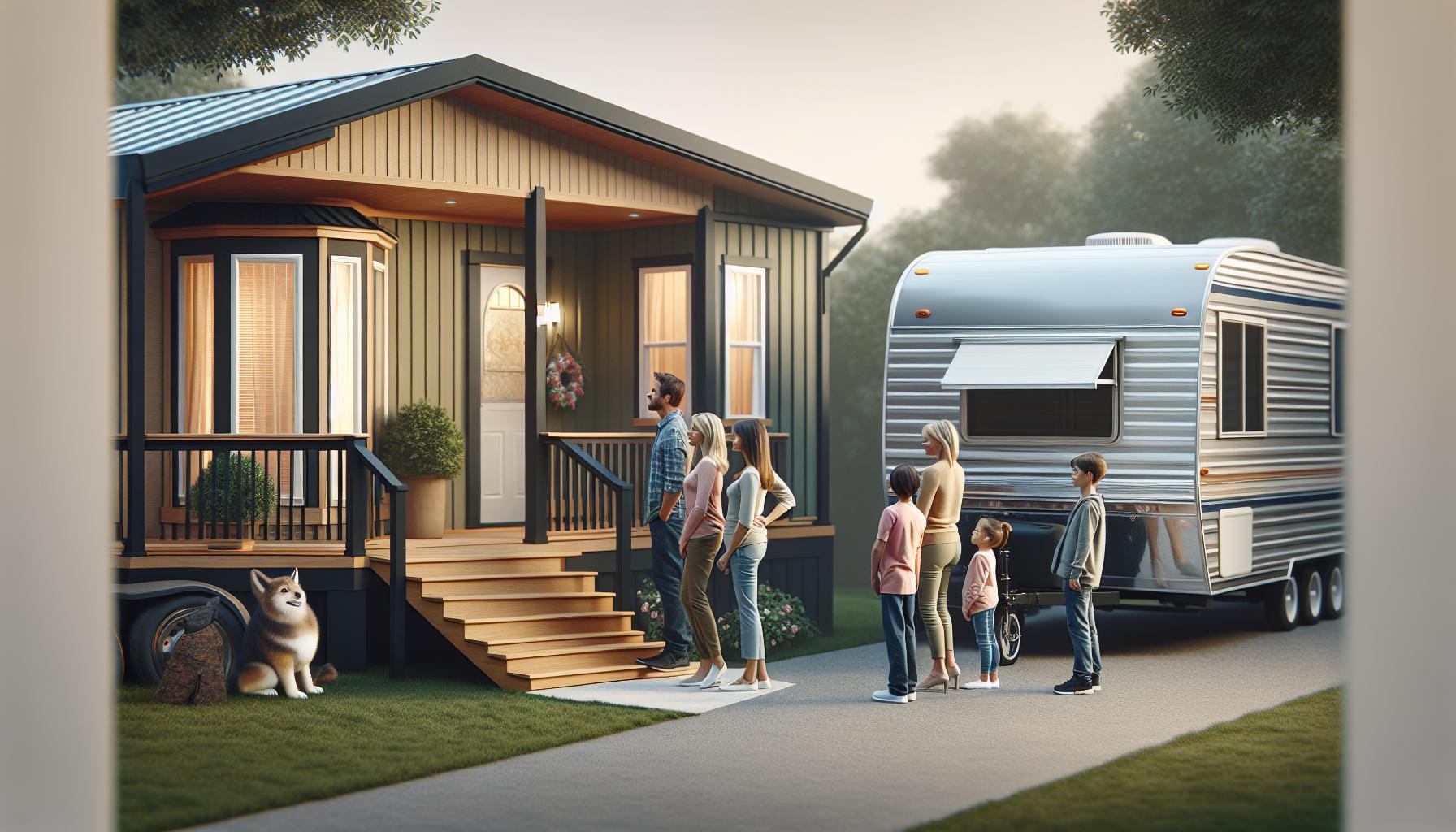
Understanding Manufactured Homes and Trailers
begins with acknowledging the evolving landscape of affordable housing. These homes, often seen as practical alternatives to traditional houses, come with a variety of distinctions that are crucial for potential buyers and renters to grasp. While the terms “manufactured home” and “trailer” are sometimes used interchangeably, they have specific definitions and implications that impact ownership, financing, and living experiences.
Manufactured homes are built in a factory and adhere to the Federal Manufactured Home Construction and Safety Standards established by the Department of Housing and Urban Development (HUD). This ensures a certain level of quality and safety. In contrast, trailers-often referred to as mobile homes-typically emphasize older homes that do not meet current building codes. It’s important for potential residents to recognize this difference, as it affects everything from insurance options to resale value.
When considering the purchase of either type of home, it’s essential to evaluate factors such as zoning laws, community regulations, and the amenities available in the park or community. Potential buyers should also consider the type of financing available, as manufactured homes may qualify for loans similar to conventional mortgages, while trailers might not.
To successfully navigate the world of manufactured homes and trailers, understanding their basic characteristics, official classifications, and the environments they are suited for can empower individuals to make informed decisions that align with their lifestyle and financial goals. Whether opting for the modernity of a manufactured home or the affordability of a trailer, there are myriad options available to create a comfortable living space.
Key Differences Between Manufactured Homes and Trailers
The landscape of home ownership is diverse, and understanding the distinctions between manufactured homes and trailers (or mobile homes) is essential for anyone considering alternative housing options. Although these terms are often used interchangeably, they represent homes that differ significantly in terms of construction standards, legal frameworks, and resale value. Manufactured homes are constructed in factories and are built to the stringent standards set by the Department of Housing and Urban Development (HUD). These standards ensure structural integrity and safety, making manufactured homes comparable to traditional homes in terms of quality and livability.
On the other hand, trailers, which refer to older models of mobile homes, may not adhere to current building codes. This past classification has led to significant stigmas, often unfairly labeling them as lower-quality housing. Buyers should be aware that trailers tend to have less favorable financing opportunities than manufactured homes, which can qualify for loans comparable to conventional mortgages. Additionally, manufactured homes can be placed on purchased land or within communities, offering flexibility in lifestyle choices, while trailers are often more limited regarding where they can legally reside.
Several practical differences further separate these housing styles. For instance, manufactured homes are often more energy-efficient, with better insulation and modern appliances, while trailers may have outdated systems that require upgrading. Furthermore, community regulations often favor manufactured homes, providing access to more amenities and stable environments. Understanding these key differences not only helps potential buyers make informed decisions but also aids current owners in recognizing the value of their homes within today’s housing market. Ultimately, distinguishing between these two can significantly impact the ownership experience, financing options, and even resale potential if one decides to move on in the future.
Common Misconceptions About Trailers
Many people associate the term “trailer” with outdated, run-down mobile homes, leading to a myriad of misconceptions about the quality and desirability of trailer living. This perception often stems from a lack of understanding about the evolution of mobile home standards and the differences between older trailers and modern manufactured homes. In reality, trailers can offer a viable and comfortable living option if they are maintained and upgraded properly.
One prevalent misconception is that all trailers are low-quality and poorly constructed. While it is true that older trailers may not meet today’s building codes, many modern manufactured homes, which originated from earlier trailer designs, are built to stringent standards set by the Department of Housing and Urban Development (HUD). These manufactured homes are designed to provide safety, durability, and comfort comparable to traditional site-built homes. Investing in updates, such as improved insulation or modern kitchen appliances, can enhance both the aesthetic and functional appeal of a trailer.
Another common misunderstanding is the belief that living in a trailer means sacrificing community and lifestyle. In fact, many modern manufactured home communities are vibrant, tightly-knit neighborhoods that offer social activities and amenities like parks, pools, and recreational facilities. By exploring community options, individuals can find supportive environments that enhance trailer living rather than limit it. Furthermore, as the demand for affordable housing grows, trailer parks can become increasingly desirable, making their residents’ choices all the more relevant.
Finally, financing options for trailers often remain a point of confusion. Many people think that securing a loan for a trailer is impossible. However, many modern manufactured homes qualify for financing similar to conventional homes, providing pathways for ownership that can be both attainable and favorable. Understanding the options available can empower prospective homeowners to navigate this process more effectively.
By addressing these common misconceptions and shedding light on the realities of trailer living, potential buyers can make more informed decisions that align with their housing goals and lifestyles. Whether choosing to purchase a renovated trailer or a new manufactured home, embracing this option can lead to a fulfilling and financially sound living experience.
Types of Manufactured Homes and Their Features
Manufactured homes come in various styles, each designed to cater to different preferences, budgets, and lifestyles. Understanding the types available can empower potential homeowners to make informed decisions that best fit their needs.
One common category is single-section homes, which are often referred to as single-wides. These homes typically range from 600 to 1,200 square feet and contain all the essential rooms within a compact layout. Single-wides are an excellent choice for individuals or small families looking for affordable, efficient living spaces. They are easy to transport and set up, making them a practical option for those who may need to relocate in the future.
On the other hand, multi-section homes, or double-wides and triple-wides, offer more space and amenities. These homes can range from 1,200 to over 2,400 square feet and usually feature a more spacious floor plan with separated living areas, larger kitchens, and multiple bathrooms. Multi-section homes often feel more like traditional site-built homes, providing the comfort and space that larger families or those desiring more room might appreciate. Moreover, they offer improved energy efficiency and advanced designs that can be tailored to individual tastes.
Various design options enhance the functionality and aesthetic appeal of manufactured homes. Custom features include open floor plans, vaulted ceilings, and upgraded appliances. Many manufacturers also offer options for energy-efficient windows, modern kitchen layouts with islands, and outdoor living spaces. Buyers should keep in mind that while custom features may increase the initial investment, they can also add significant value to the home and improve overall living conditions.
When considering a manufactured home, potential owners should also think about the community where they will reside. Many modern manufactured home parks offer amenities such as swimming pools, playgrounds, and community centers, fostering a sense of community and connection among residents. Researching different parks can lead to discovering vibrant neighborhoods that complement one’s lifestyle.
By evaluating the types of manufactured homes available and their features, prospective homeowners can confidently choose a living arrangement that suits their unique needs and desires, turning the widely misunderstood concept of trailer living into a rewarding and fulfilling experience.
Financial Considerations for Purchasing
Purchasing a manufactured home or a trailer can be a financially astute choice, offering the possibility of homeownership at a lower price point compared to traditional site-built homes. However, navigating the financial landscape requires careful consideration of several factors to ensure a smart investment. Understanding financing options, the total cost of ownership, and the potential for appreciation or depreciation can guide new buyers on their journey to homeownership.
When considering financing for a manufactured home, it’s important to note that many lenders treat these homes differently than traditional houses. Financing options include personal loans, chattel loans, and mortgages, each with its own eligibility requirements and terms. Manufactured homes located in parks may require different financing compared to those situated on owned land. Prospective buyers should assess their credit scores, as better scores typically yield more favorable loan terms. To clarify your financial options, consulting with a mortgage broker who specializes in manufactured homes can be beneficial.
Another critical factor is the total cost of ownership, which goes beyond the purchase price. Potential buyers should account for taxes, insurance, maintenance, and utility costs. Insurance premiums for manufactured homes may vary based on the home’s age, location, and construction type, so obtaining multiple quotes is encouraged to find the best rate. Regular maintenance is crucial in preserving the long-term value of the home. Simple tasks, such as inspecting the roof and seals for leaks or ensuring plumbing systems function properly, can prevent costly repairs down the line.
Ultimately, understanding whether to buy or rent a manufactured home boils down to lifestyle and financial goals. For many, the stability and investment potential of homeownership outweigh the flexibility of renting. However, factors such as market conditions, intended length of stay, and personal circumstances can heavily influence this decision. By being well-informed about the financial implications of purchasing a manufactured home or trailer, buyers can approach this housing solution with confidence and clarity, transforming a potential risk into a rewarding experience.
Legal Requirements for Manufactured Homes
Navigating the landscape of manufactured homes comes with its own set of legal requirements that prospective owners should understand to ensure compliance and peace of mind. In the United States, manufactured homes must adhere to the standards set by the Department of Housing and Urban Development (HUD). This includes regulations regarding construction, safety, and energy efficiency, which are designed to protect homeowners. Before making a purchase, it’s crucial to check whether a home has been built to these standards, as this will typically be indicated by a HUD certification label affixed to the home.
Ownership also involves understanding zoning and land-use regulations. Depending on where you live, local ordinances may dictate whether manufactured homes can be placed in certain areas. For instance, zoning laws in some regions may restrict manufactured homes from being located in residential neighborhoods or require specific permits to do so. It’s important for buyers to conduct thorough research on these regulations or consult with local authorities to ensure their intended location aligns with legal requirements.
Additionally, understanding the titling of a manufactured home is essential. Unlike traditional real estate that comes with a deed, manufactured homes may be titled as personal property unless they are permanently affixed to land that is owned by the homeowner. In such cases, buyers will need to transition the home’s title to real property, which typically involves a legal process. Failing to complete this transition can lead to complications with financing or when selling the home in the future. Engaging a real estate attorney or a title company can provide clarity and help in navigating these processes seamlessly.
Finally, homeowners should familiarize themselves with tenancy laws, especially if they’re placing their manufactured home in a mobile home park. These laws can govern aspects such as lease agreements, park rules, and residents’ rights. Being aware of these legal frameworks can help ensure a harmonious living situation and safeguard your investment. Always keep lines of communication open with park management and fellow residents to stay informed about any changes that may affect your living environment. By being proactive about these legal considerations, prospective owners can enjoy the many benefits of manufactured home living while minimizing potential risks and challenges.
Maintenance Tips for Trailer and Manufactured Home Owners
Living in a manufactured home or trailer can offer unique advantages, but proper maintenance is essential to ensure longevity and comfort. Understanding the specific needs of these types of homes can help owners preserve their value and enhance their living experience. Here are some actionable maintenance tips tailored specifically for trailer and manufactured home owners.
Regular Inspections
Routine inspections are vital in maintaining the integrity of your home. Make it a practice to check your home for the following:
- Roof Condition: Inspect for missing shingles, leaks, or damage. A well-maintained roof protects against larger issues down the line.
- Skirting Integrity: Ensure that the skirting or underpinning remains secure and intact. This prevents moisture and pests from entering, protecting insulation and plumbing.
- Seals and Caulking: Regularly check windows and doors for cracks and damaged seals. Recaulking as needed prevents drafts and moisture intrusion, enhancing energy efficiency.
Plumbing Maintenance
As with any home, plumbing is a critical area to keep an eye on. Here are some important tips:
- Drain Cleaning: Regularly clean your drains to prevent blockages. Use strainers to catch debris and consider using enzyme-based cleaners to maintain clear pipes.
- Check for Leaks: Inspect under sinks and around toilets to catch leaks early. A small leak can become a big problem if left untreated.
Seasonal Care
Adapting maintenance routines to seasons can optimize your living conditions:
- Winter Preparations: Insulate pipes to prevent freezing and disconnect hoses from outdoor spigots. Check your heating system and replace filters regularly.
- Summer Checks: Ensure air conditioning units are functioning efficiently. Clean vents and replace filters to maintain airflow.
By incorporating these maintenance tips, trailer and manufactured home owners can create a more comfortable living environment while preserving their investment. Regular upkeep not only extends the lifespan of the home but also enhances the overall quality of life for its residents. Embracing maintenance as an ongoing practice helps foster a sense of pride and ownership, making the most of alternative housing solutions.
Buying vs. Renting: Which is Right for You?
Deciding between buying or renting a manufactured home can hinge on a multitude of factors, each impacting your financial health and lifestyle choices. For many, the first consideration is the long-term investment aspect of purchasing a home versus the flexibility that renting can offer. When you buy a manufactured home, you not only secure a place to live but also acquire an asset that may appreciate over time. This can be particularly appealing if you plan to reside in the home for several years, allowing you to build equity and potentially benefit from rising property values in your community.
Conversely, renting a manufactured home often requires a lower upfront investment, making it more accessible for those who may not have substantial savings. Renters enjoy the benefit of lower maintenance responsibilities, as property owners typically handle repairs and upkeep. This can be a significant advantage for individuals seeking flexibility or who frequently relocate due to career or personal reasons. Additionally, renting can allow for more diverse living arrangements, especially in areas where purchasing property may be cost-prohibitive.
Ultimately, your decision should account for your financial situation, lifestyle preferences, and long-term goals. Influencing factors include the stability of your income, the housing market conditions in your area, and the personal commitment you are willing to make to a particular community. Prioritizing these elements can help you make a choice that aligns with your unique needs and future aspirations.
The Impact of Location on Trailer Living
Location plays a pivotal role in the experience of living in a trailer or manufactured home, influencing not just the aesthetic of your surroundings but also practical aspects such as accessibility, community, and resale value. For instance, residing in a scenic area, such as near coastal or mountainous regions, can enhance your quality of life immensely, offering recreational activities and picturesque views. However, it’s essential to balance these perks with considerations like proximity to essential services, job opportunities, and social amenities.
When choosing a location, think about the community vibe as well. Some trailer parks and manufactured home communities foster a strong sense of belonging and neighborly support, which can ease the transition to a new living situation. Understanding the demographics of the area can help you identify communities that align with your interests and lifestyle. Factors such as local regulations regarding manufactured homes, as well as property taxes, can vary significantly between regions, so potential buyers should conduct thorough research on local zoning laws and community standards.
Accessibility also matters; being near schools, healthcare facilities, and shopping centers can sway your decision. Furthermore, consider the climate of the area. Regions with harsh winters or extreme weather conditions may impact the durability and maintenance needs of your home. For example, homes in areas prone to flooding may require added elevation or special reinforcement, while hot climates might necessitate more robust cooling systems.
Ultimately, the ideal location for your trailer or manufactured home will depend on a combination of personal needs, financial considerations, and lifestyle preferences. Always evaluate potential locations not just for their immediate appeal but also for their long-term viability as a place you can call home.
Exploring Insurance Options for Manufactured Homes
Navigating the world of insurance for manufactured homes is crucial for safeguarding your investment and ensuring peace of mind. Unlike traditional homeowners’ insurance, manufactured home insurance is specifically tailored to meet the unique needs of mobile living. It’s essential to understand the different aspects of coverage available to adequately protect your home and belongings.
Understanding Coverage Options
When purchasing insurance for a manufactured home, it’s vital to know what types of coverage are available. Common coverage options include:
- Dwelling Coverage: This covers the structure of your home, including any built-in appliances and fixtures.
- Personal Property Coverage: Protects your personal belongings, such as furniture, electronics, and clothing, against perils like theft or fire.
- Liability Coverage: This includes protection if someone is injured on your property, potentially covering legal expenses and medical bills.
- Additional Living Expenses: If your home becomes uninhabitable due to a covered event, this coverage helps pay for temporary living arrangements.
Many insurance providers also offer optional coverages, such as earthquake or flood insurance, which can be valuable depending on your location.
Factors Influencing Insurance Costs
Several factors can influence the cost of your manufactured home insurance. These include:
- Location: Insurance rates may vary depending on your area’s risk factors, such as natural disasters or crime rates.
- Home Characteristics: The age, size, and construction materials of your home can affect premiums, with newer homes often qualifying for lower rates.
- Coverage Amount: The more coverage you need, the higher your premiums will be. It’s essential to find a balance that meets your needs without overextending your budget.
Shopping for Insurance
When exploring insurance options, it’s beneficial to compare quotes from multiple providers. This process not only gives you a clearer idea of the potential costs but also highlights the varying levels of coverage available. Be sure to understand the terms and conditions of each policy, focusing on exclusions and limitations that could affect your coverage.
Consulting with an insurance agent who specializes in manufactured homes can be another excellent resource. They can guide you through the intricacies of coverage options and help you make well-informed decisions tailored to your unique situation. Remember, investing time in understanding your insurance policy can lead to better protection and peace of mind in the long run.
Advantages and Disadvantages of Mobile Living
Mobile living, whether in a manufactured home or a trailer, offers a unique lifestyle that appeals to many for a variety of reasons. One of the most significant advantages is the affordability factor. Typically, mobile homes and trailers cost less than traditional houses, making them accessible to a broader range of buyers. This financial aspect allows for reduced living expenses and often enables homeowners to save for other priorities, such as travel or retirement. Additionally, the mobility of trailers provides the opportunity for an adventurous lifestyle, where residents can explore new locations without the burdens of long-distance moving.
Another noteworthy benefit is the sense of community often found in mobile home parks. Many parks foster a friendly, close-knit atmosphere, offering residents the chance to build relationships with neighbors in a setting that feels like home. However, it’s important to note that living in a trailer or a manufactured home comes with certain challenges. For instance, the perception surrounding these housing options can lead to stigma, often seen as less desirable than traditional homes. This can affect resale value and limits financing options for potential buyers who might be considering a manufactured home as their primary residence.
Maintenance can also be a double-edged sword. While mobile homes often require less maintenance overall compared to larger traditional homes, they may have unique upkeep needs due to their construction materials and design. Property owners should anticipate regular tasks such as checking for plumbing leaks and maintaining the exterior, which could require more frequent attention than a more conventional house.
In summary, choosing mobile living is a balance between cost, community, and convenience while also facing potential social perceptions and maintenance efforts. For those willing to embrace this lifestyle, the possibilities can be rich and rewarding, allowing for flexibility and financial relief.
Future Trends in Manufactured Housing
As the landscape of housing continues to evolve, manufactured homes and trailers are increasingly being recognized as viable and attractive options for many individuals and families. With an emphasis on sustainability and affordability, the are poised to reshape perceptions and drive the market forward.
One significant trend is the growing interest in eco-friendly manufactured homes. Builders are incorporating sustainable materials and energy-efficient designs to reduce the carbon footprint of these homes. Features such as solar panels, high-quality insulation, and energy-efficient appliances are becoming standard, making manufactured homes both environmentally responsible and cost-effective in the long run. This shift not only attracts eco-conscious buyers but also aligns with broader efforts towards combating climate change.
Another important trend is the customization of manufactured homes. As consumer preferences evolve, manufacturers are responding by offering more design options and upgrades. Homebuyers can choose from various floor plans, finishes, and smart home technologies, creating unique living spaces tailored to their individual lifestyles. This level of personalization enhances the appeal of manufactured homes, allowing homeowners to invest in a property that truly feels like a home.
Community and Lifestyle Integration
As urban and suburban landscapes become more crowded, manufactured housing communities are also evolving. Many are developing amenities that foster a strong sense of community, such as shared gardens, recreational facilities, and social events. This integration of lifestyle elements within manufactured home parks provides residents with a desirable living environment and promotes social engagement, challenging the stereotype that manufactured home living is isolating.
Furthermore, with rising housing costs, more individuals are looking toward manufactured homes as a form of affordable housing. Local governments and organizations are starting to recognize this trend and are working toward accommodating manufactured housing in zoning regulations. Specifically, areas that were previously not open to mobile homes are being updated to allow these homes, reflecting a shift in understanding their value as a permanent housing solution.
These future trends signify a transformative trajectory for manufactured housing, characterized by sustainability, customization, community integration, and increasing acceptance in local environments. By embracing these changes, prospective homeowners can feel confident in choosing manufactured living as a practical and appealing option for their future.
Insights and Conclusions
Understanding the difference between manufactured homes and trailers is essential for making informed housing decisions. Remember, manufactured homes are built to higher standards and often offer more customization and longevity compared to traditional trailers. If you’re considering a new home or just want to improve your current space, explore our resources on maintenance tips, financing basics, and the best renovation projects to elevate your living experience.
Don’t miss out on our guides that compare manufactured homes for sale and help you connect with trusted retailers to find the perfect fit for your lifestyle. Ready to take the next step? Check out our detailed flooring options and read about popular home care practices that will help you maintain your investment. Whether you’re looking for mobile home living tips or want to delve deeper into home improvement strategies, you’re in the right place. Join our community by signing up for our newsletter to stay updated on the latest trends and resources!