Navigating the world of housing can be overwhelming, especially when distinguishing between mobile homes and trailers-two terms often used interchangeably but with distinctive differences. Mobile homes, designed for longer-term living and built to specific federal standards, contrast sharply with trailers, which are typically older and more portable structures. Understanding these differences is crucial for those exploring affordable housing options or seeking a lifestyle change. Whether you’re considering purchasing one, looking to rent, or simply curious about the nuances of these living arrangements, knowing the distinctions between a mobile home and a trailer can help you make informed choices that best suit your needs. Dive in to discover how these housing types affect your lifestyle, investment, and maintenance considerations.
What Defines a Mobile Home and a Trailer?
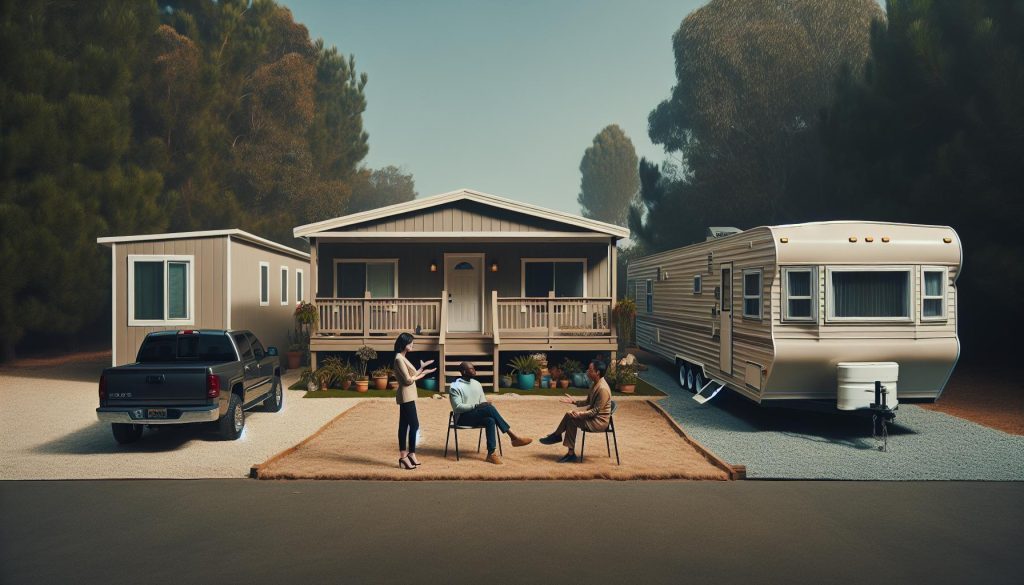
Mobile homes and trailers both hold a unique place in the housing landscape, often appealing due to their affordability and portability. Understanding what defines each can help potential owners make informed decisions. A mobile home is typically a prefabricated structure designed for long-term residency and often built to comply with stringent building codes. These homes are delivered fully constructed and are usually placed on a permanent foundation. On the other hand, a trailer, often referred to as a travel trailer or camper, is primarily designed for temporary living or travel. Trailers are lighter and more mobile than mobile homes, often intended for recreation.
When thinking about ownership, key characteristics set mobile homes apart from trailers. Mobile homes generally feature a more durable construction, offering better insulation and amenities similar to traditional homes, such as full kitchens and bathrooms. Trailers, in contrast, are designed for mobility, frequently equipped with features for ease of travel, like lightweight materials and compact layouts. Many modern trailers include slide-outs to maximize interior space when parked but often lack the permanent features offered by mobile homes, which are designed for stability and long-term living.
In terms of legal distinctions, mobile homes are subject to regulations akin to traditional houses, often requiring a more complex permitting process and compliance with local zoning laws. Trailers, however, may face different zoning requirements, often categorized under recreational vehicle (RV) regulations, which can include limitations on where they can be parked and how long they may remain stationary. Understanding these differences can influence not only the purchasing process but also the long-term suitability and legal considerations of each option.
Overall, both mobile homes and trailers offer unique benefits, catering to various lifestyles and needs. Potential homeowners should consider their intended use, stability requirements, and local regulations when choosing between them.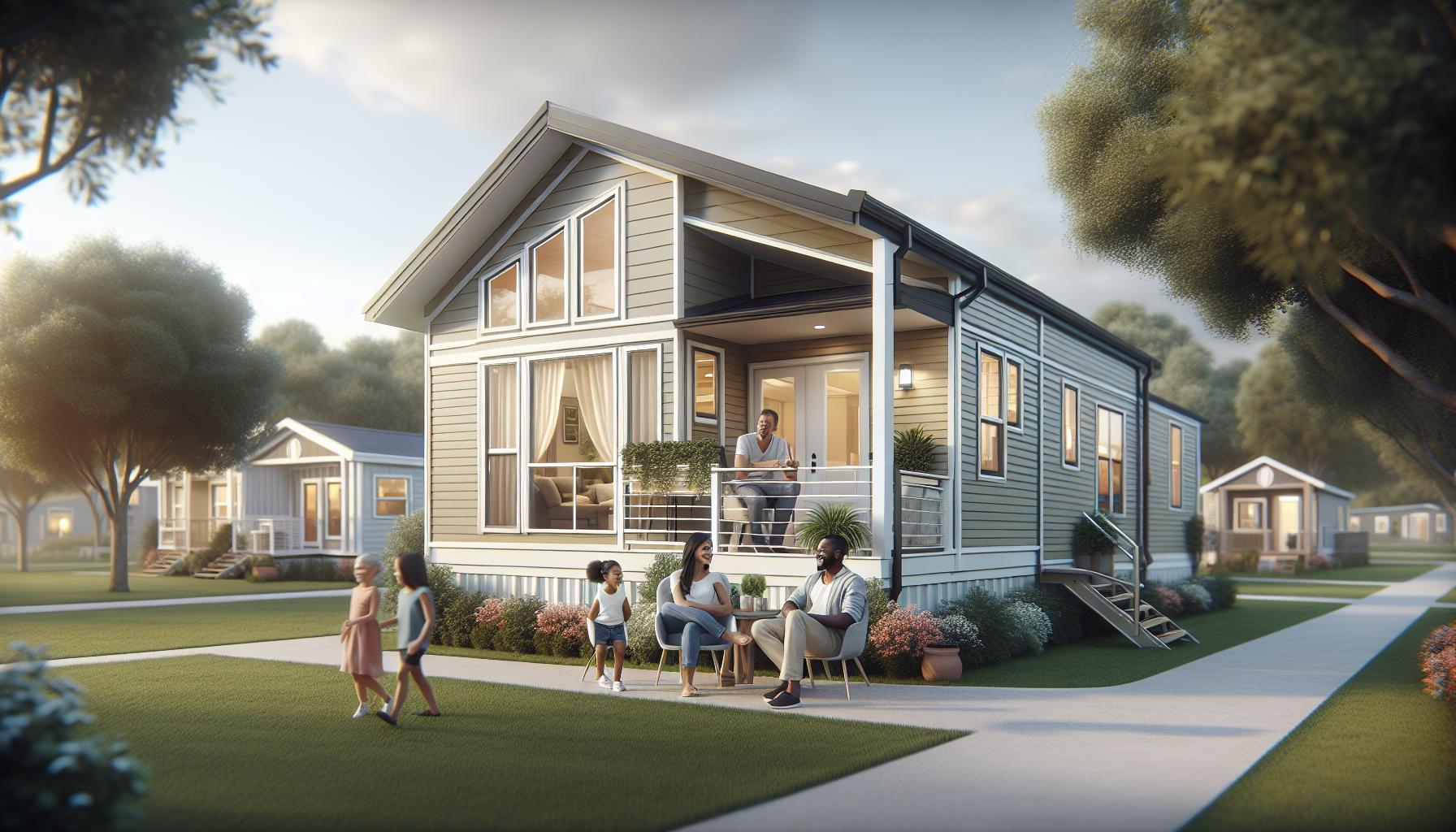
Key Characteristics of Mobile Homes
Mobile homes have become increasingly popular as an affordable housing solution, offering unique advantages that set them apart from traditional homes and travel trailers. One of the defining characteristics of mobile homes is their construction. These residences are prefabricated in factories and designed for long-term living. Unlike trailers, which prioritize mobility, mobile homes are built on permanent foundations and can range from single-family units to larger multi-section homes, providing ample space for families.
Another key feature of mobile homes is their adherence to stringent building codes and safety standards, ensuring they are constructed with quality materials. Insulation in mobile homes is superior, allowing for comfortable living year-round, and they often come equipped with full amenities such as modern kitchens, bathrooms, and spacious living areas. Many models offer customizable options, enabling owners to create a personalized living space tailored to their needs.
In addition to their physical characteristics, the financial aspects of mobile homes can be appealing as well. They typically cost less than traditional homes, offering a viable entry point into homeownership for many individuals and families. Furthermore, financing options for mobile homes can include personal loans, traditional mortgages, or chattel loans-each tailored to fit different purchasing needs.
Lastly, understanding the longevity and potential benefits of mobile home living is crucial. With proper maintenance, these homes can last for decades, making them a practical investment. Regular upkeep can enhance their lifespan and curb appeal, including simple tasks like ensuring adequate insulation, maintaining plumbing and electrical systems, and investing in exterior improvements. By acknowledging the positive aspects of mobile homes, potential owners can confidently explore this adaptable housing option.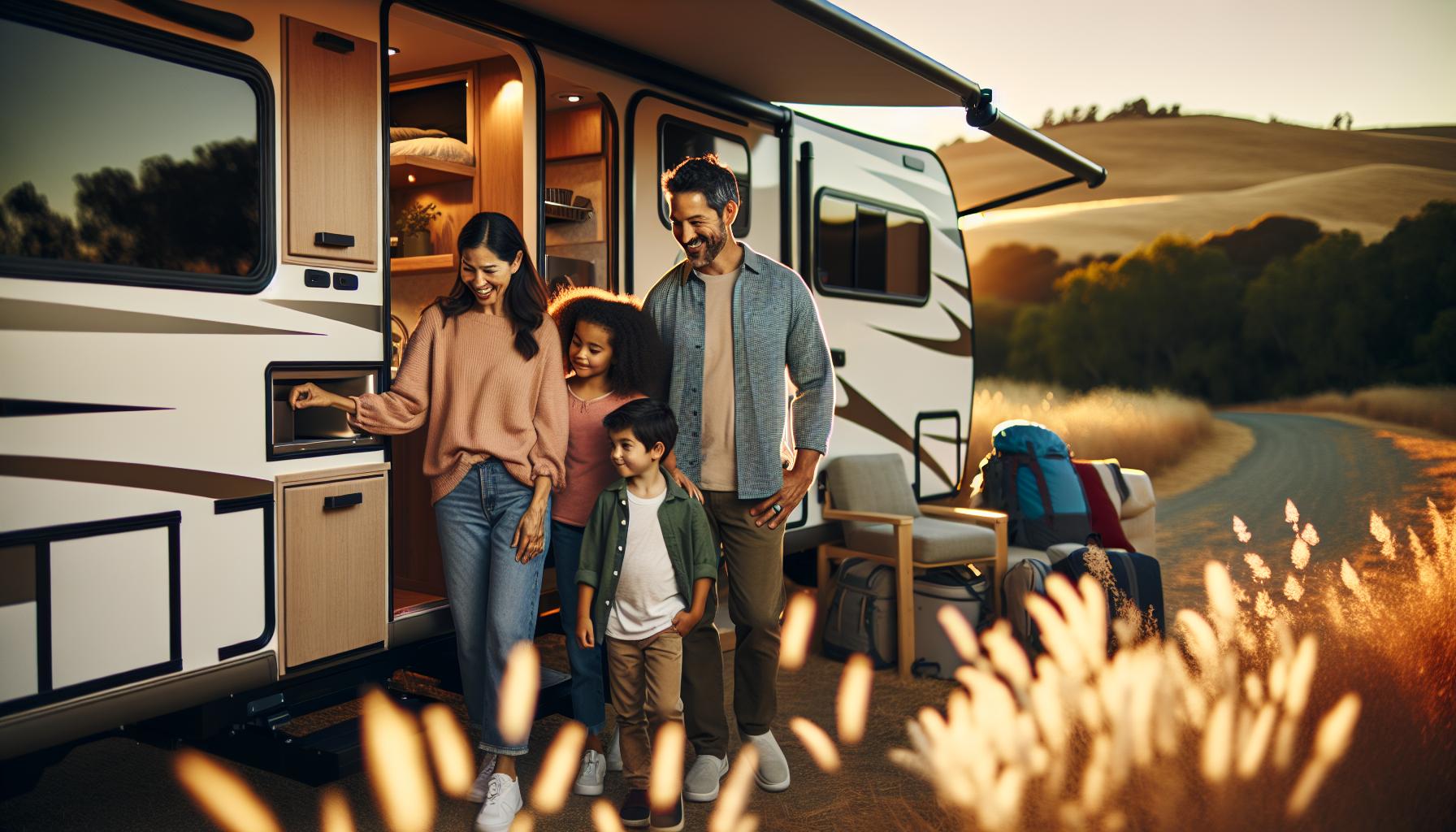
Exploring Trailer Features and Benefits
While many people often confuse trailers with mobile homes, they are distinct types of housing, each with unique features and benefits. Trailers, typically designed for short-term living or travel, are often lighter and easier to move than their mobile home counterparts. One of the most significant advantages of trailers is their mobility; they can be hitched to a vehicle, allowing residents to relocate quickly and easily, whether for vacations, job relocations, or simply changing scenery.
Benefits of Trailer Living
Choosing a trailer means embracing a lifestyle that values flexibility and adventure. Here are some key benefits of living in a trailer:
- Affordability: Trailers often come at a lower price point compared to mobile homes, making them an accessible option for those new to homeownership or with budget constraints.
- Ease of Maintenance: Since many trailers are smaller than mobile homes, they typically require less upkeep, which can save time and money on repairs and maintenance.
- Community and Lifestyle: Many trailer parks foster a close-knit community atmosphere, where residents can share experiences and activities.
- Adventure and Travel Opportunities: Living in a trailer can allow for a more adventurous lifestyle, giving residents the ability to travel while still having a personal space to call home.
While trailers may sacrifice some of the permanent amenities of mobile homes-such as larger living spaces or more extensive customizations-they provide a unique lifestyle that appeals to those looking for mobility, community, and affordability. For those considering a trailer as a housing solution, it’s important to evaluate personal lifestyle needs, including the desire for mobility, community engagement, and financial considerations. By understanding the features and benefits that trailers offer, prospective owners can make informed decisions about their housing options.
Understanding the Legal Differences
Understanding the legal distinctions between mobile homes and trailers is essential for anyone considering these housing options, as these differences can significantly affect ownership, zoning, and financing. Mobile homes, often referred to as manufactured homes, are built to strict federal standards set by the U.S. Department of Housing and Urban Development (HUD). This regulation governs everything from construction quality to safety standards. In contrast, trailers or travel trailers are typically classified as recreational vehicles (RVs) and are subjected to different, often less stringent, regulations.
One of the most significant legal differences lies in how these homes are titled and owned. Mobile homes are usually treated as real property, meaning they can be bought and sold like traditional homes. They can be placed on permanent foundations, which often makes it easier for owners to secure financing through mortgages. On the other hand, trailers are frequently regarded as personal property, which can complicate financing options. For instance, financing a trailer may require a personal loan rather than a mortgage, leading to higher interest rates and less favorable terms.
Zoning laws also play a crucial role in determining where mobile homes and trailers can be placed. Many areas have specific zoning regulations that dictate where manufactured homes can be located, often requiring them to be in designated mobile home parks or specific zones within a community. Conversely, trailers can typically be parked in RV parks or campgrounds, offering more flexibility for those seeking temporary or seasonal living arrangements. This zoning variance underscores the importance of checking local laws before making a purchase, as noncompliance can result in fines or forced relocation.
In sum, being aware of the legal implications surrounding mobile homes and trailers can guide potential owners in making informed decisions. Understanding differences in financing, property ownership, and zoning regulations is essential for a smoother transition to living in these unique housing types. By navigating these legal landscapes thoughtfully, individuals can discover the best fit for their lifestyle and financial situation.
Mobile Home vs. Trailer: Cost Comparisons
When making a decision between a mobile home and a trailer, understanding the cost implications can be crucial. Both options offer unique benefits and financial considerations, often appealing to different segments of the housing market. Typically, mobile homes have a higher upfront cost compared to trailers, but they may also provide long-term savings and value, especially when considering factors such as space, durability, and financing options.
Mobile homes, characterized by their larger size and construction standards, can range anywhere from $40,000 to upwards of $100,000 or more, depending on the model, features, and location. The initial cost includes not just the structure but also features like energy efficiency, modern amenities, and even land if purchased as a package. Additionally, mobile homes can be treated as real property, allowing for traditional financing options like mortgages, which often come with lower interest rates over time.
In contrast, trailers or recreational vehicles (RVs) tend to have a lower entry price, typically between $10,000 and $50,000, depending on the make, model, and age. While this might seem appealing at first, the financing for trailers can be less favorable due to their classification as personal property; thus, they often require personal loans, which can lead to higher interest rates. Furthermore, maintenance and insurance costs might accumulate more quickly, particularly if the trailer is used frequently or in varying climates.
To help visualize this, consider the following comparison of key cost factors:
| Cost Factors | Mobile Home | Trailer |
|---|---|---|
| Average Price Range | $40,000 – $100,000+ | $10,000 – $50,000 |
| Financing Options | Mortgages (lower rates) | Personal loans (higher rates) |
| Property Classification | Real property | Personal property |
| Insurance Costs | Typically lower long-term | Variable, can be higher |
In summary, evaluating the costs associated with mobile homes and trailers can guide potential buyers in making educated decisions. While mobile homes generally come with a higher initial investment, their long-term financing advantages, value retention, and potential for stability make them an appealing option for many. On the other hand, trailers, with their lower upfront cost and flexibility, may be ideal for those looking for more transient living situations or recreational use. Ultimately, assessing individual needs, financial situations, and lifestyle preferences will help in determining the best choice between these two housing options.
Common Misconceptions About Mobile Homes and Trailers
In the world of housing, misconceptions often cloud the decision-making process for potential buyers. One common belief is that mobile homes are synonymous with trailers, leading to confusion about their differences. While both provide alternative living solutions, they cater to different needs and lifestyles. Mobile homes are often viewed as lower-quality housing options, but this is far from the truth. In reality, modern mobile homes come equipped with high-quality materials, energy-efficient features, and customizable designs that rival traditional home constructions. They also offer a level of permanence and stability that is often lacking in trailers.
Another frequent misconception is that mobile homes depreciate like vehicles. While it’s true that trailers, classified as personal property, may lose value more rapidly, mobile homes can appreciate over time, especially those situated on owned land. This holds true especially for well-maintained properties in desirable locations. Moreover, many think that living in a mobile home limits one’s lifestyle, but with the right design and renovation, these homes can be just as stylish and comfortable as traditional homes. Features like open floor plans and modern amenities are increasingly common, making them highly livable spaces.
Consider the misconception that financing a mobile home is always challenging. Many potential homeowners believe they cannot secure traditional loans for mobile homes; however, it’s entirely possible. When a mobile home is classified as real property, buyers can access mortgages with lower interest rates. This makes financing options much more favorable and accessible than those for trailers, which typically require personal loans at higher rates. Understanding these differences is crucial for those weighing their housing options.
Finally, the belief that maintaining a mobile home is more difficult than maintaining a trailer is misleading. While trailers may require maintenance that varies significantly based on their travel use, mobile homes follow many of the same maintenance routines as traditional homes, including upkeep of plumbing and roofing systems. By embracing a proactive approach towards maintenance, owners can ensure their mobile homes remain in excellent condition for years to come.
In summary, dispelling these common misconceptions allows prospective buyers to make informed decisions about their housing options, paving the way for a comfortable and satisfying living experience.
Financing Options for Mobile Homes and Trailers
Financing a home is one of the most significant steps a buyer takes, and understanding your options can help streamline the process, especially when considering mobile homes and trailers. Surprisingly, mobile homes are more accessible in terms of financing than many assume. Depending on how they are classified-either as real property or personal property-buyers can leverage different types of loans that suit their financial needs.
For mobile homes classified as real estate, buyers can often qualify for traditional mortgages through banks and other financial institutions. This type of financing generally comes with lower interest rates and longer repayment terms, making it a cost-effective solution. Additionally, many lenders offer loans specifically for mobile homes that are permanently affixed to a plot of land. Here are some common financing options:
- Conventional Mortgages: Available for qualified buyers, these loans can provide better rates and terms.
- FHA Loans: The Federal Housing Administration insures loans for manufactured homes, which extends accessibility to more buyers, especially first-time homeowners.
- Chattel Loans: Designed for mobile homes classified as personal property (not permanently affixed), chattel loans usually have higher interest rates and shorter terms.
- Personal Loans: For trailers or homes that cannot be financed through conventional methods, personal loans may be an option, though they typically come with higher rates.
While trailers often require personal loans due to their classification as movable vehicles, this can limit financing options and potentially increase costs. Understanding the intended use of the home-whether it will remain stationary or be relocated-can influence the decision on what type of financing to pursue. In either case, it’s crucial to shop around and compare different lenders to find the most favorable terms.
When exploring financing opportunities, potential buyers should also consider factors like down payments, loan terms, and total cost. Many lenders require a down payment, especially for manufactured homes, which can be anywhere from 5% to 20%, depending on creditworthiness and the type of loan. Being prepared with a realistic budget and a clear understanding of the total costs involved can make a significant difference.
Ultimately, the key to successful financing lies in awareness and preparation. Buyers should research their options, engage with reputable lenders, and ensure they fully understand the implications of the type of loans they are considering. With the right information, financing for mobile homes and trailers can be manageable and tailored to fit individual financial situations.
Maintenance Tips for Mobile Homes and Trailers
Maintaining a mobile home or trailer is essential for preserving its value and ensuring a comfortable living environment. With proper care, you can extend the life of your home and minimize costly repairs. Regular maintenance tasks are straightforward and can often be completed without professional help, making it feasible for homeowners. Here are some practical tips that can make a significant difference.
Routine Inspections
Conducting routine inspections should be your first step in maintenance. Check both the exterior and interior for signs of wear or damage. Look for issues like cracks in the walls, leaks around windows and doors, or any deterioration in the undercarriage. Early detection of problems can save you from more extensive repairs down the line.
- Roof Maintenance: Inspect the roof at least twice a year. Look for missing shingles, cracks, or signs of water pooling. Cleaning gutters and ensuring proper drainage can prevent water damage.
- Skirting Checks: Ensure that the skirting is intact and without gaps that could let in moisture or pests. Replace any damaged panels promptly to maintain insulation and improve aesthetics.
Essential Upkeep Tasks
In addition to inspections, there are several regular upkeep tasks that should be part of your routine. Keeping your home clean and functioning well contributes to a healthy living space.
- HVAC System Maintenance: Change air filters every 1-3 months to improve air quality and system efficiency. Schedule a professional servicing at least once a year.
- Check Appliances: Regularly test smoke detectors, carbon monoxide detectors, and fire extinguishers. Ensure all home appliances are in good working order, checking for leaks or signs of wear.
Seasonal Considerations
Different seasons can bring unique maintenance challenges. Prepare your home ahead of time to avoid problems later.
- Winter Preparation: Insulate pipes to prevent freezing, and ensure your heating system is working efficiently. If you live in an area that experiences heavy snow, clear the roof to prevent excessive weight.
- Summer Readiness: Check the air conditioning system, ensuring it’s clean and charged. Monitor the perimeter for weeds and pests that thrive in warmer months.
By being proactive and diligent about maintenance, you can create a safe and pleasant living environment while maximizing the lifespan of your mobile home or trailer. A little effort goes a long way in ensuring that your home remains a cozy haven for years to come.
Renovation Ideas for Mobile Home Living
Making the most of mobile home living often involves innovative renovations that transform your space into a cozy haven. With some creativity and resourcefulness, even the most modest mobile home can shine and feel like a personalized retreat. Here are some engaging renovation ideas to elevate your living experience and reinforce the charm of mobile home or trailer living.
One popular approach is maximizing space through multifunctional furniture. Consider investing in a sofa bed or ottomans that double as storage units. This not only saves space but also keeps your home organized and clutter-free. Additionally, installing built-in shelving along walls can create a stylish way to display personal items while utilizing vertical space effectively.
Enhancing Aesthetics with Simple Updates
A fresh coat of paint can dramatically change the ambiance of any room. Choose light colors to make small spaces feel larger and brighter, or use bold hues for an accent wall to express your personality. Don’t forget about the flooring; replacing old carpets with laminate or vinyl flooring can create a modern look and is often easier to maintain. Rugs can soften hard surfaces, adding warmth and comfort.
- Kitchen Upgrades: Simple updates, such as changing cabinet hardware, installing a new backsplash, or even painting cabinets, can make a significant impact. Consider adding under-cabinet lighting for both functionality and ambiance.
- Bathroom Improvements: Swapping out fixtures, adding a new mirror, or even applying adhesive tile for a budget-friendly renovation can rejuvenate an outdated bathroom.
Outdoor Enhancements
Don’t overlook the exterior of your mobile home. Creating an inviting outdoor space with a small deck or patio can expand your living area and provide a perfect spot for relaxation or entertaining. Adding planters or hanging baskets can bring life to your surroundings, while outdoor furniture makes it an ideal gathering area.
- Landscaping: Consider simple landscaping changes such as planting flowers or creating a small garden. These elements not only enhance curb appeal but also contribute to a calming environment.
- Skirting and Insulation: Upgrade the skirting around your home for aesthetics and insulation benefits, keeping the home cooler in summer and warmer in winter.
Incorporating these renovations can greatly enhance both the functionality and appeal of your mobile home or trailer. With a little creativity and effort, your living space can reflect your style while remaining comfortable and practical, showcasing that alternative housing options can be both stylish and cozy.
Finding the Right Mobile Home or Trailer for You
When embarking on the journey to select a mobile home or trailer, consider this: the perfect living space reflects your lifestyle, budget, and needs. With a variety of options available, understanding what you want can vastly enhance your satisfaction with your choice. Begin by assessing how much space you need, the number of bedrooms and bathrooms, and whether you prefer an open floor plan. It’s beneficial to visualize how you will use the space daily.
Hunting for your ideal home can be exciting, but it’s also essential to do thorough research. Start by visiting several dealerships and exploring online listings to get a sense of what styles and features resonate with you. Options range from single wide mobile homes to double wide and modular configurations. Each style offers distinct benefits, from spacious living arrangements to energy efficiency and affordability.
Key Considerations
As you narrow down your options, keep these key considerations in mind:
- Location: The ideal place to set up your mobile home or trailer can greatly affect your experience. Consider proximity to work, schools, and amenities.
- Budget: Establish a clear budget that includes not just the price of the home but also transportation, setup, and ongoing costs like insurance and utilities.
- Features: Think about must-have features versus nice-to-haves. Do you require a large kitchen, a spacious living area, or outdoor space?
- Resale Value: Research the market to understand how well certain models hold their value over time. It’s wise to consider how easy it will be to resell your home in the future.
Once you identify potential choices, take the time to visit showrooms or preview models. Be sure to check for quality and inspection reports to ensure the home meets safety and building standards. With careful planning and research, finding a mobile home or trailer tailored to your lifestyle can be a rewarding venture, providing you with a comfortable and affordable living space.
State Regulations and Zoning for Mobile Homes
Regulations and zoning laws surrounding mobile homes and trailers can significantly affect your living experience and lifestyle, right from choosing the location to ensuring compliance with local building codes. It’s essential to understand these regulations before making any decisions about your new home, as they dictate various aspects including where you can place your mobile home or trailer, the size of the home, and even the amenities available in that area.
Many municipalities have specific zoning laws that designate areas for different types of housing, including mobile homes. Typically, these zoning restrictions outline where mobile homes and trailers can be located, which can include dedicated mobile home parks, rural areas, or designated residential zones. In some cases, you may encounter restrictions based on the age of the home or specific design and aesthetic requirements to maintain the neighborhood’s character. Therefore, researching local zoning ordinances is crucial to ensure that you can legally set up your home where you wish.
Moreover, state regulations often encompass safety standards and building codes that mobile homes must comply with. Unlike trailers, which might not have strict regulations, mobile homes are typically built under the Department of Housing and Urban Development (HUD) code, which mandates specific construction standards related to design, durability, and safety. Understanding these distinctions can help differentiate your choices-knowing that mobile homes may have more extensive regulations can guide you in selecting a model that meets both your personal preferences and legal requirements.
Additionally, if you plan to buy a mobile home or trailer, it’s advisable to check whether the local government requires permits for installation or relocation. These permits can include approvals for utility connections, sewer and water systems, and even inspections to ensure compliance with local ordinances. Failing to secure the proper permits could result in fines or mandates to relocate your home, disrupting your living situation and incurring additional costs.
In summary, becoming familiar with state regulations and zoning laws can help you navigate the complexities of mobile home and trailer ownership more effectively. It empowers you to make informed choices, ensuring that your new living space fits seamlessly into your life while adhering to local legal frameworks.
The Future of Mobile Homes and Trailers in Housing
In today’s ever-evolving housing market, mobile homes and trailers are gaining renewed attention as viable, affordable options for many families and individuals. As urban housing costs continue to rise, innovative designs and sustainable building practices in the mobile home industry have showcased how these dwellings can offer modern comforts and style without the hefty price tag of traditional homes. With new construction methods and materials, mobile homes are increasingly appealing to first-time buyers, retirees, and those seeking a simpler lifestyle.
Innovative Designs and Sustainability
The future of mobile homes is leaning heavily towards eco-friendly practices and innovative design. Manufacturers are investing in sustainable materials and energy-efficient technologies, making these homes not just cheaper options but also environmentally responsible choices. Features such as solar panels, energy-efficient windows, and high-quality insulation are becoming standard, reducing utility costs and enhancing comfort for residents. Additionally, modular designs allow for customization, meaning buyers can create a home that fits their lifestyle and preferences without compromising quality.
Shifts in Public Perception
Public perception of mobile homes is also changing. Once thought of as substandard or temporary housing, mobile homes are increasingly viewed as attractive living spaces that can stand on par with traditional homes. This shift is supported by the rise of upscale mobile home parks and communities, which offer a range of amenities that rival those found in conventional neighborhoods. As societal views evolve, more people recognize that mobile homes can provide a sense of community coupled with affordability.
Enhanced Financing Options
Financing options for mobile homes are improving as well. Traditional banks and lenders are beginning to offer more competitive loans tailored to mobile home purchases, including loans for manufactured homes that comply with HUD standards. Government programs aimed at promoting affordable housing options also provide more opportunities for buyers to secure financing, making it easier for families to invest in a mobile home as a long-term living solution.
In summary, the trajectory for mobile homes and trailers suggests a bright future characterized by increased acceptance, innovative designs, and better financing options. As you explore this path, consider the maintenance and improvement possibilities available for these types of housing, from simple upgrades to creating a personalized outdoor space. Embracing the advantages of mobile home living can open doors to a fulfilling and financially sensible lifestyle.
Final Thoughts
Understanding the nuances between mobile homes and trailers is essential for making informed housing decisions. Whether you’re seeking a permanent residence or a mobile option, knowing these differences empowers you to choose the best fit for your lifestyle. If you’re considering a new home, check out our guide on financing basics and legal requirements to ensure you’re fully prepared for your investment.
Don’t hesitate to explore further-discover how to maintain your mobile home with our step-by-step guides on care and renovation projects. For additional insights, read about the latest trends in mobile home living and financing options. We invite you to share your thoughts or questions in the comments below; your engagement helps our community grow. Embrace the journey of homeownership and access practical resources that make your housing transition smooth and enjoyable!